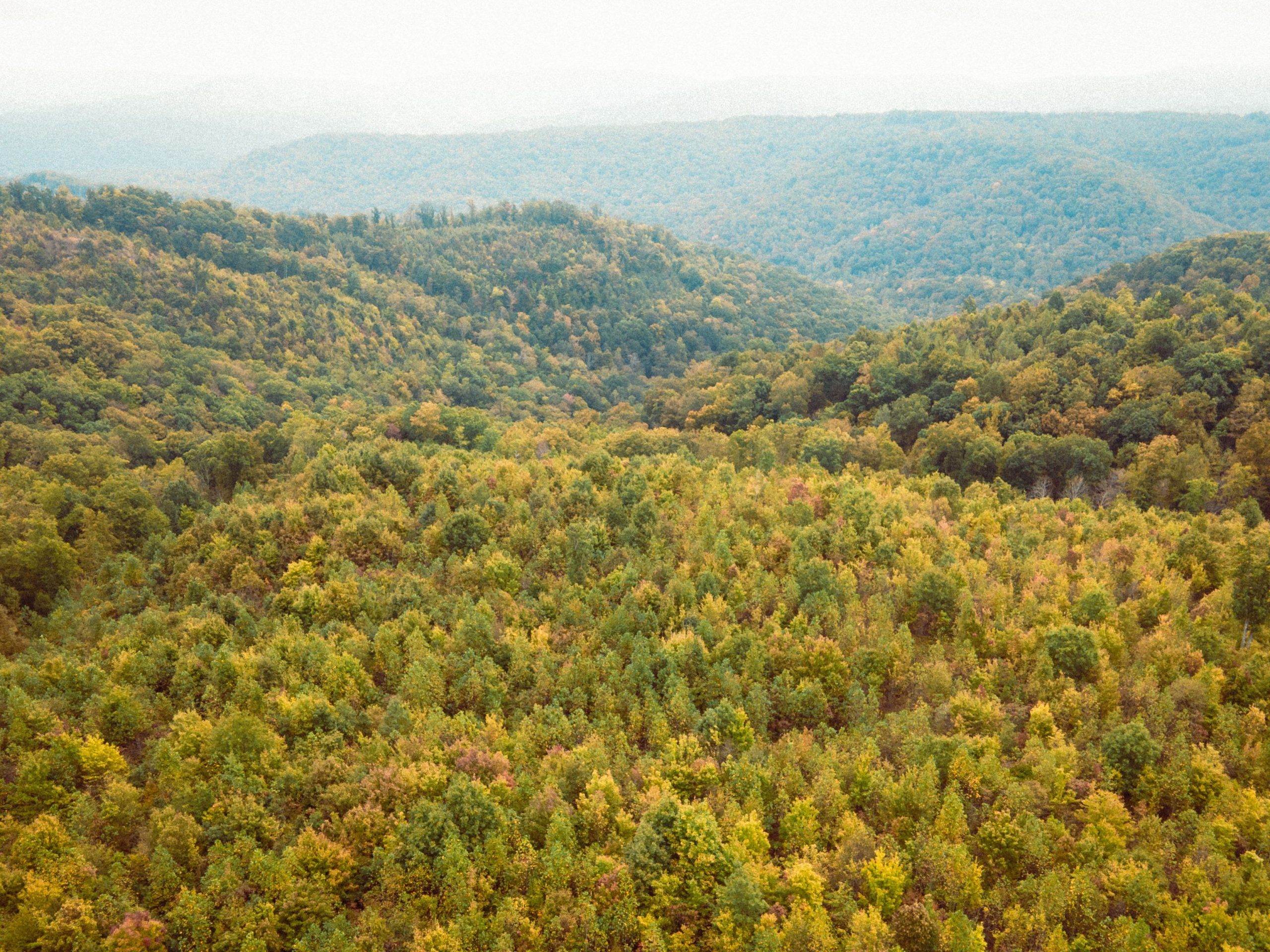
American forests can hide far more than wildlife, fallen trees, and forgotten trails. Archaeologists and researchers have uncovered everything from ancient camps and mysterious stone piles to abandoned industrial remains beneath vegetation and soil. Some discoveries were revealed by careful excavation, while others appeared after wildfires, storms, or a single fallen tree disturbed the ground. The following finds show how easily forests can conceal evidence of human activity for decades, centuries, or even thousands of years.
1. A Buried Armory Beneath Harpers Ferry
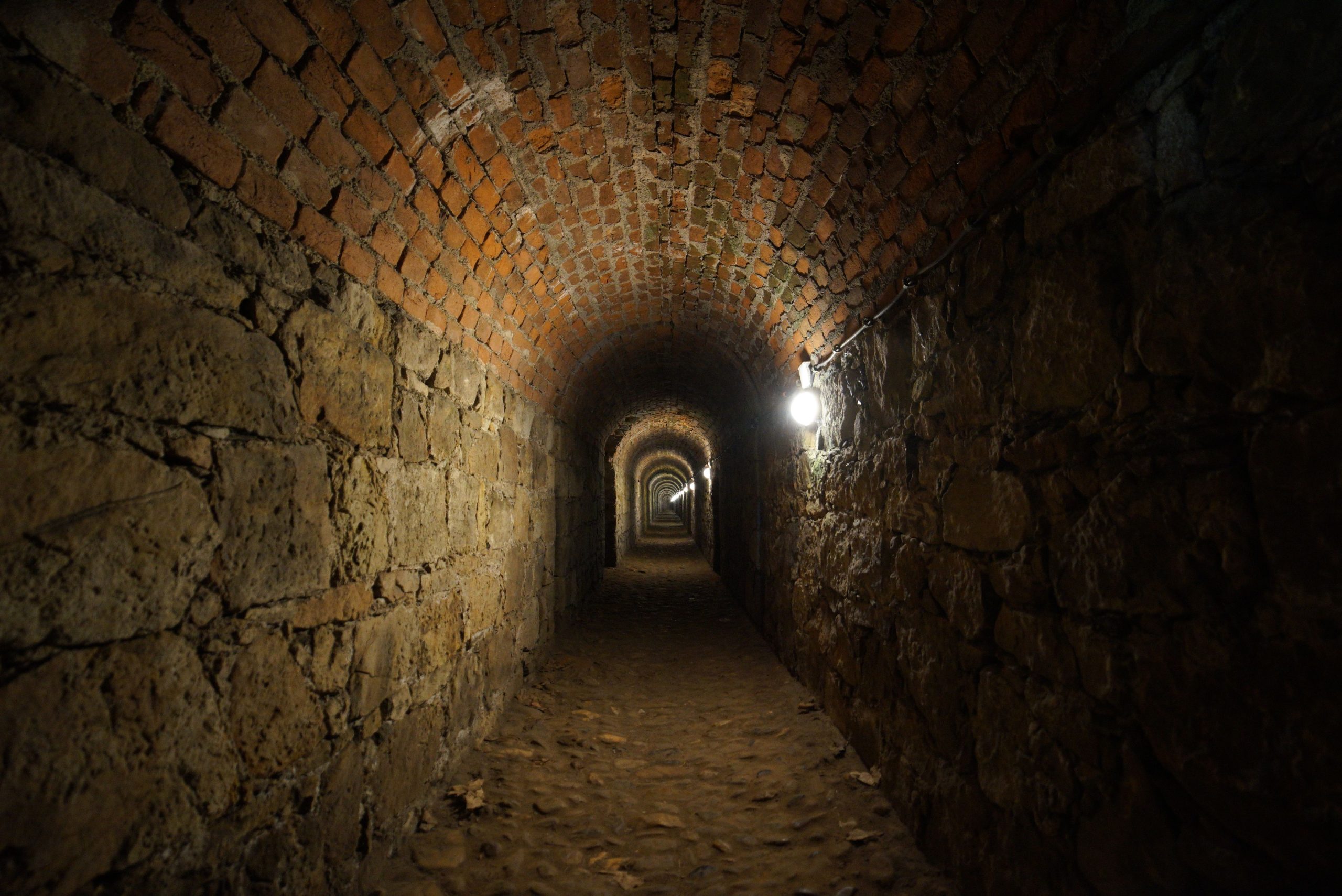
In Harpers Ferry, West Virginia, the forested landscape concealed far more than roots and rocks. Archaeologists uncovered the remains of the U.S. Armory, including walls, floors, pipes, and the base of a huge 90-foot chimney. Excavations also produced more than 28,000 artifacts, ranging from a bone-handled toothbrush to a printer type and an apothecary’s weight. The discovery shows how quickly vegetation and soil can hide an industrial complex. What looks like ordinary woodland can sometimes sit directly above a vanished workplace. It also contained evidence of specialized work areas.
2. Ancient Camps Beneath Mount Rainier
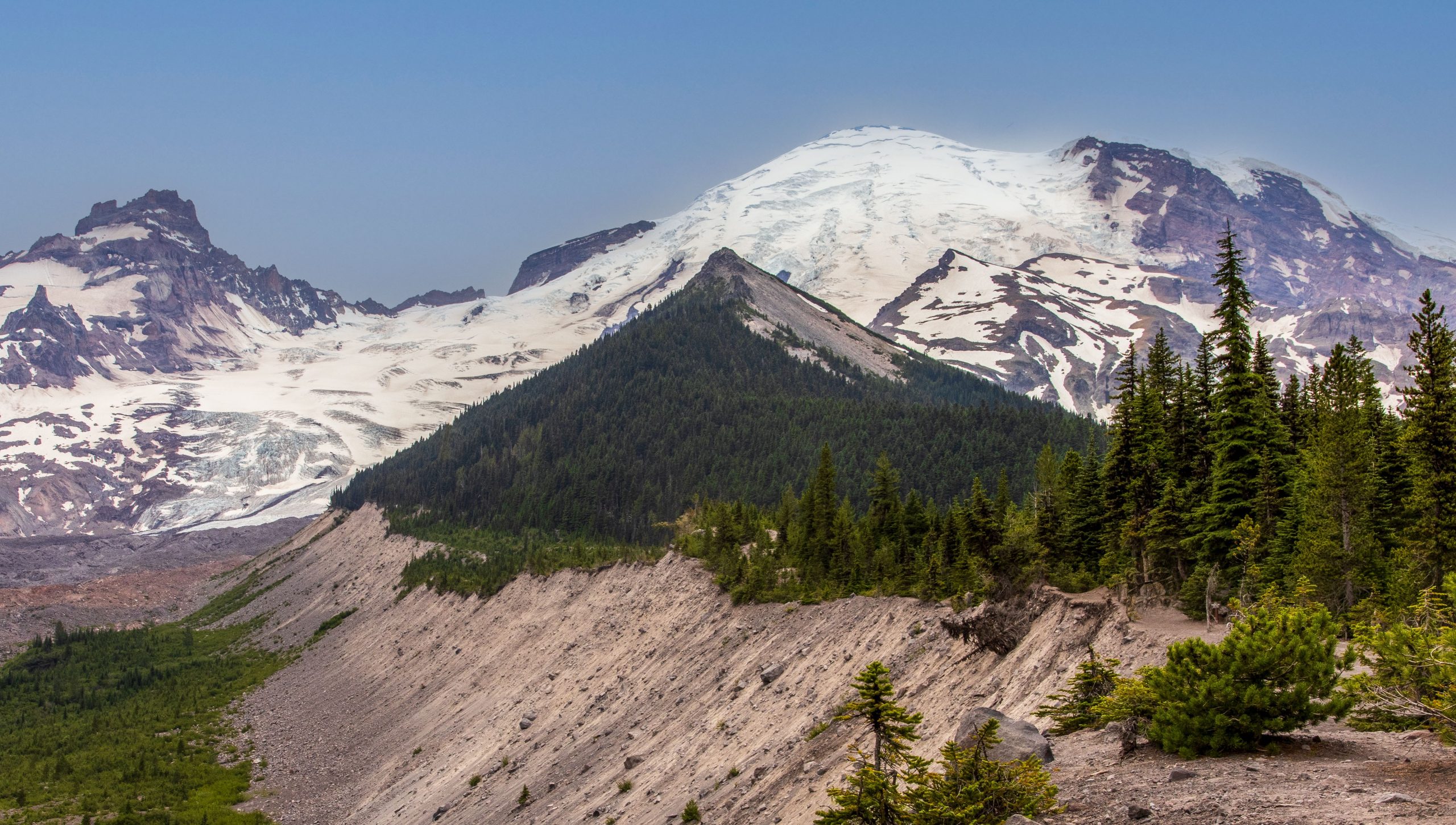
Deep in the forests of Mount Rainier National Park, archaeologists found evidence that people were using the landscape thousands of years ago. Work around Ohanapecosh revealed chipped stone tool remains and hearth features dating roughly 3,700 to 6,400 years old. The sites were at unusually low elevation for the park’s known early occupation and may have served as stopping places between lower country and high-elevation summer areas. A quiet forest floor therefore preserved clues to journeys made long before modern trails existed. That makes the forest a record of movement as well as settlement.
3. Spearpoints Exposed by a Fallen Tree
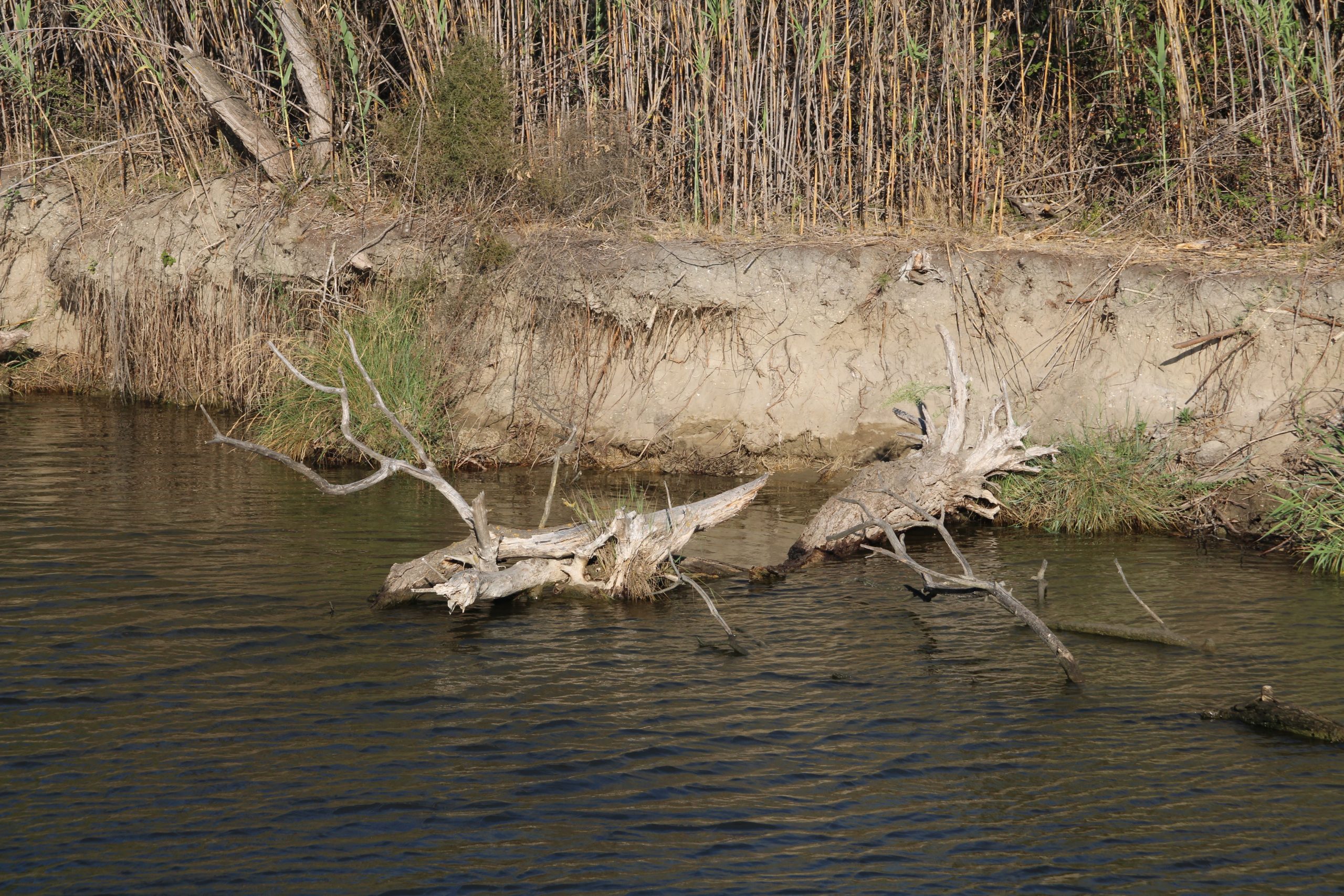
A fallen tree once revealed an archaeological surprise in Rock Creek Park near Washington, D.C. When archaeologists inspected the exposed root ball, they noticed three spearpoints and a piece of decorated Native American pottery in the disturbed soil. The find led researchers to investigate previously unrecognized archaeological sites in a small stream valley. The episode is a reminder that forests can reveal their secrets through natural accidents. One uprooted tree can expose layers of human activity that leaves and roots had hidden for centuries.
4. Mysterious Stone Piles in Shenandoah
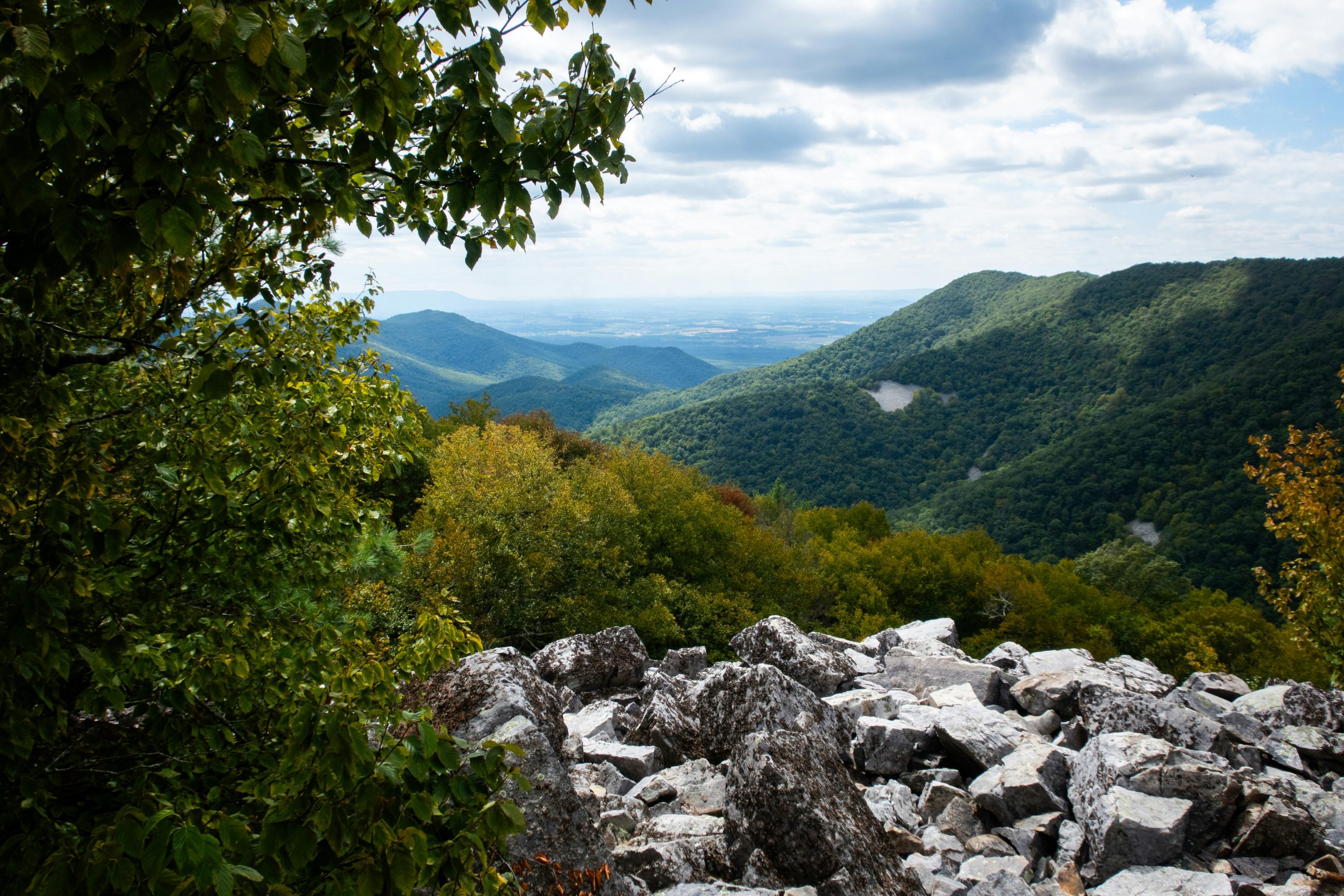
In Virginia’s Shenandoah landscape, forests conceal unusual piles of greenstone associated with an old farm. The Fox Hollow piles were created by Lemuel Fox Jr., who reportedly added rocks as he encountered them while plowing cornfields. Their exact original purpose remains unknown, leaving several possibilities, including walls, fences, or remnants of farm structures. The greenstone itself formed from ancient volcanic rock and later geological change. Today, trees and lichen grow through the piles, making them look almost natural despite their human history.
5. Old Trapper Camps Revealed by Fire
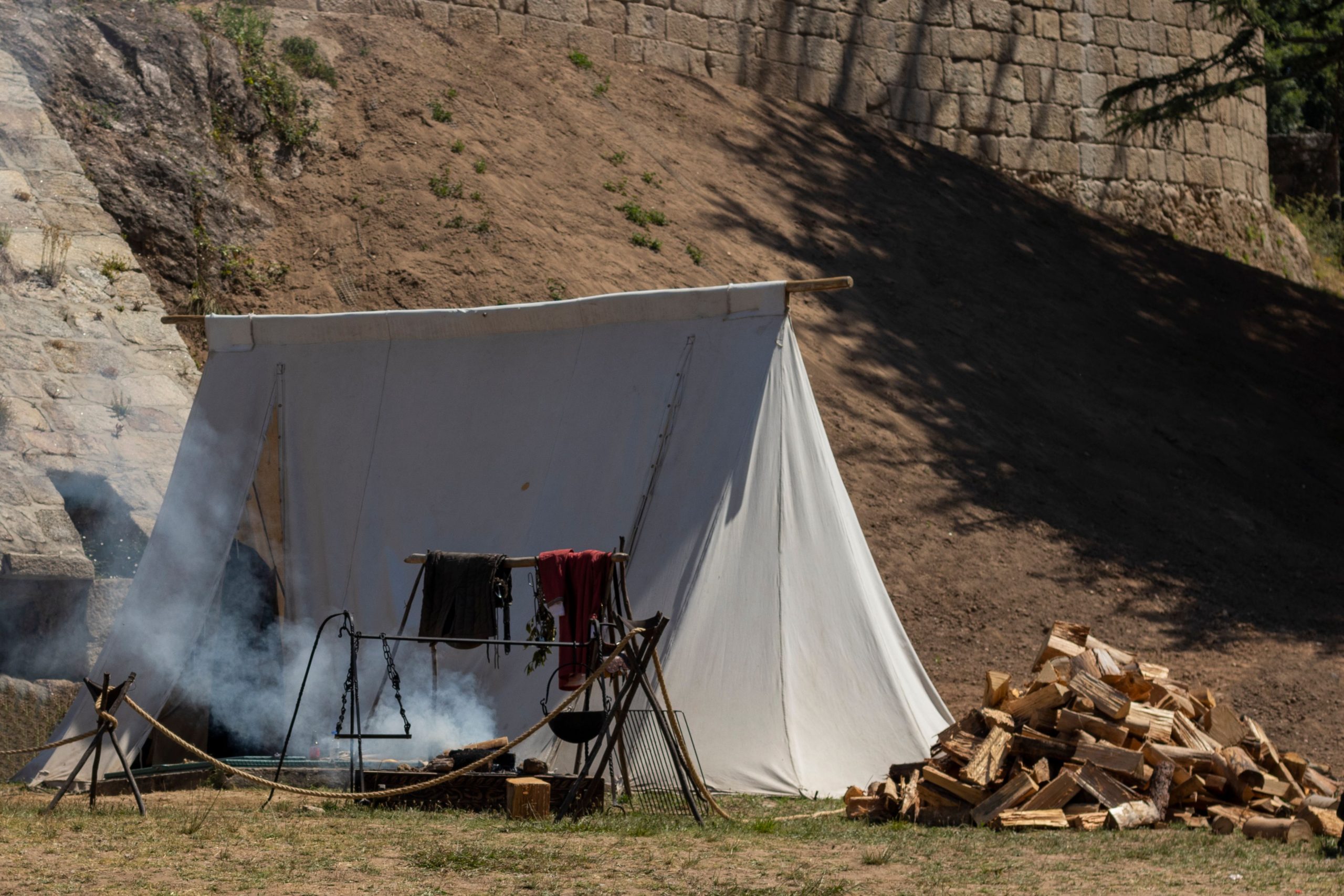
A wildfire in Glacier National Park exposed something that dense vegetation had hidden for decades: the remains of an old trapper camp. After the Reynolds Creek Fire burned vegetation around Going-to-the-Sun Road in 2015, researchers could see discarded pans, rusted utensils, broken plates, and other debris. Such material may look like an ordinary trash pile, but archaeologists can use it to reconstruct daily life. Fire can therefore reveal historical sites while also putting fragile archaeological evidence at greater risk. Researchers can read these objects as evidence of work, meals, and routines.
6. Stone Tools Hidden in a Rainforest

Alaska’s Glacier Bay landscape has produced archaeological clues that are easy to miss beneath thick vegetation. Researchers have documented culturally modified trees, stone cairns, fish-trap remains, and other traces of past activity. In one 2013 field season, archaeologists recorded 47 new archaeological sites and mapped 347 culturally modified trees. Some trees may have been altered as many as 250 years ago for food, fire-starting material, or construction resources. In a rainforest, the smallest change in a tree or landform can point toward a much larger story.
7. Wooden Shelters Hidden in Yellowstone
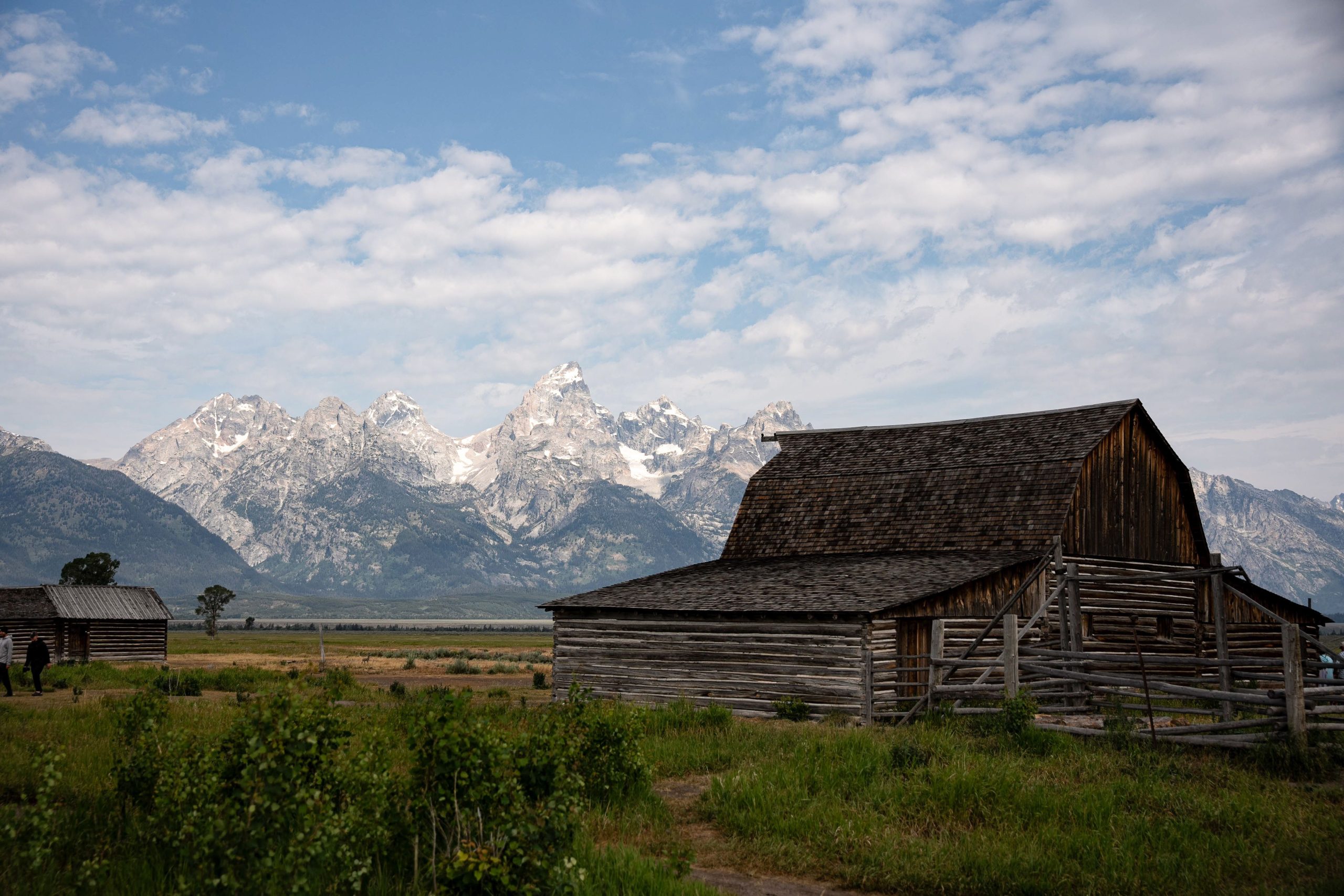
Yellowstone’s forests contain remnants of Native American wooden structures that can be surprisingly difficult to recognize. Archaeologists have recorded dozens of wikiup remains across the Greater Yellowstone Ecosystem. These conical timber shelters vary in age and may have served as temporary shelters or, in some cases, been connected with ceremonial activity. Because wood decays and vegetation changes, the remains can blend into the landscape. A few leaning poles or an unusual arrangement of logs may therefore represent the surviving footprint of a structure used generations ago.
8. A Prehistoric Hearth Under Sitka Forest
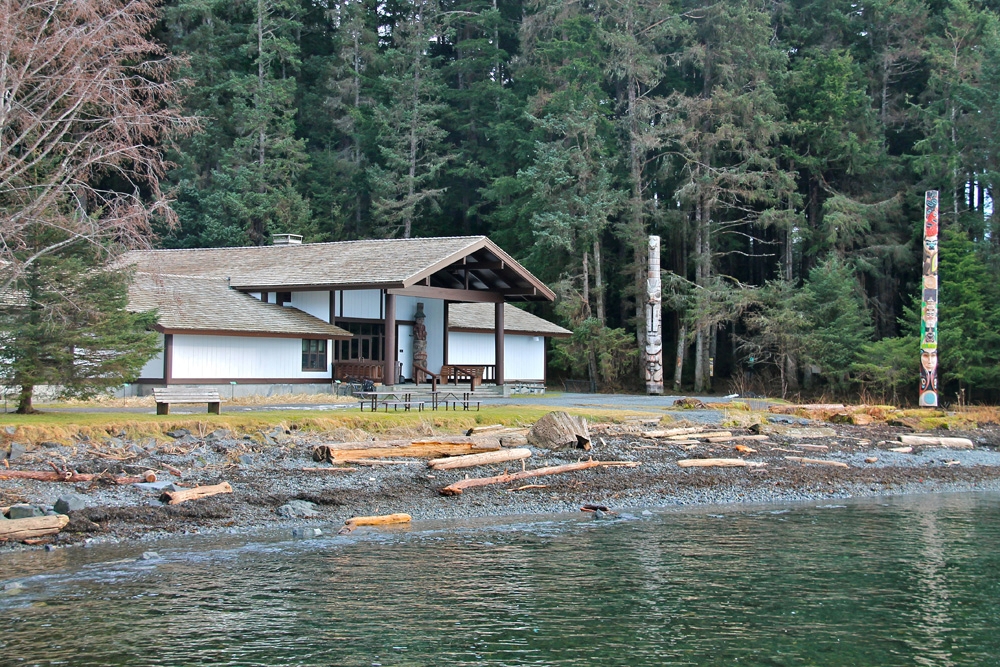
At Sitka National Historical Park in Alaska, archaeologists found evidence of a prehistoric structure beneath the forest surface. A rectangular hearth was surrounded by charcoal, decomposed wood, and artifacts, suggesting it belonged to a building rather than an isolated fire. Radiocarbon dating placed the occupation around AD 1153 to 1228, and testing suggested the structure may have been less than 26 feet, or 8 meters, across. The modest remains demonstrate how a nearly invisible patch of soil can preserve evidence of a much larger human activity area.
9. Four Thousand Years of Camps on a Coastline
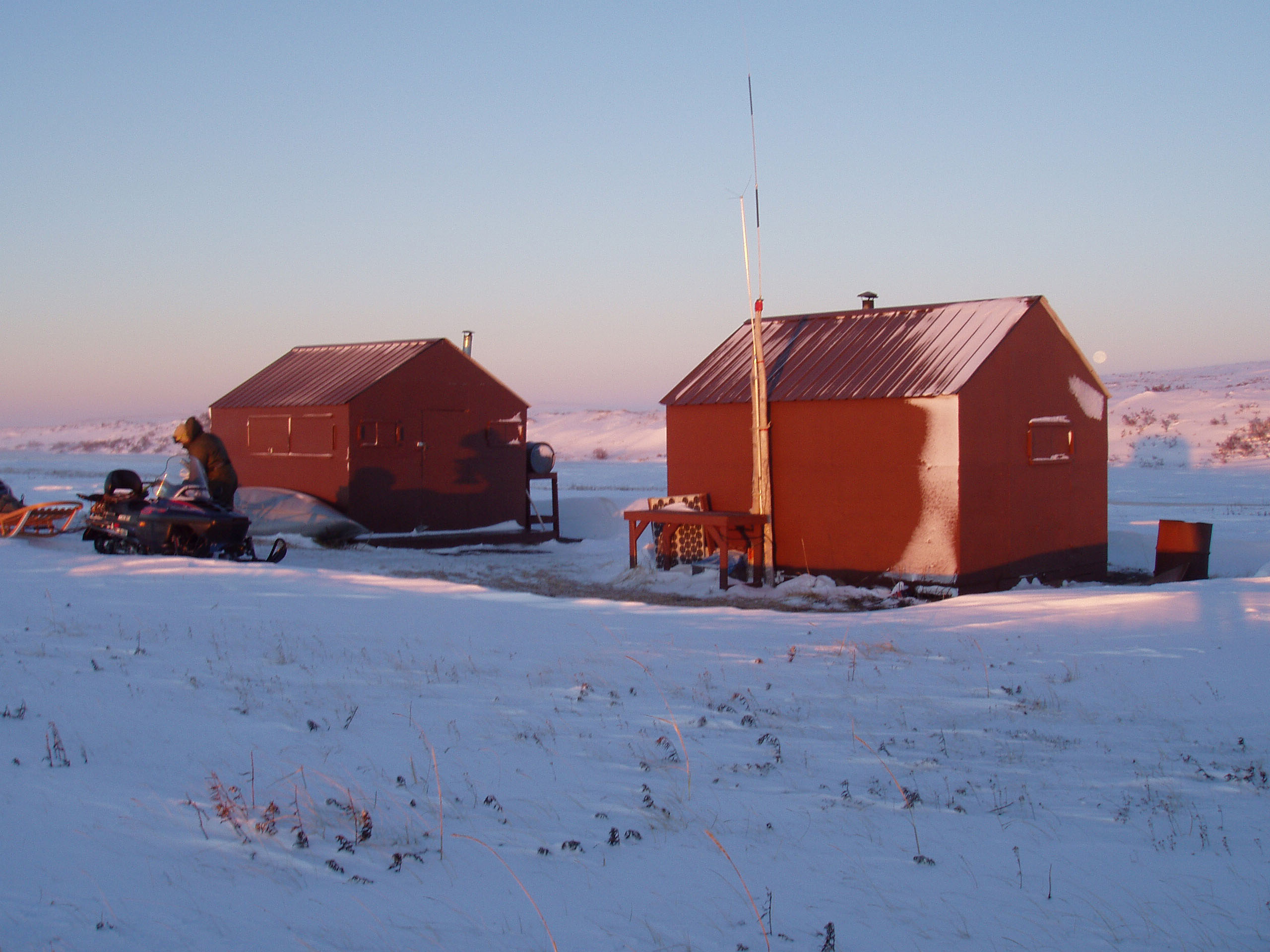
At Cape Krusenstern in Alaska, archaeological traces reveal repeated human use of a landscape for more than 4,000 years. Beneath sparse vegetation, researchers have identified fire-reddened stones, stone tools, hearths, and other remains from temporary camps. Later visitors also left rusty sardine cans, wooden barrel staves, and a broken shovel handle. The unusual mixture creates a layered record in which ancient and relatively recent objects can appear surprisingly close together. Even a simple beach ridge can preserve thousands of years of movement and seasonal activity.
10. Rock Piles That Became Part of the Forest
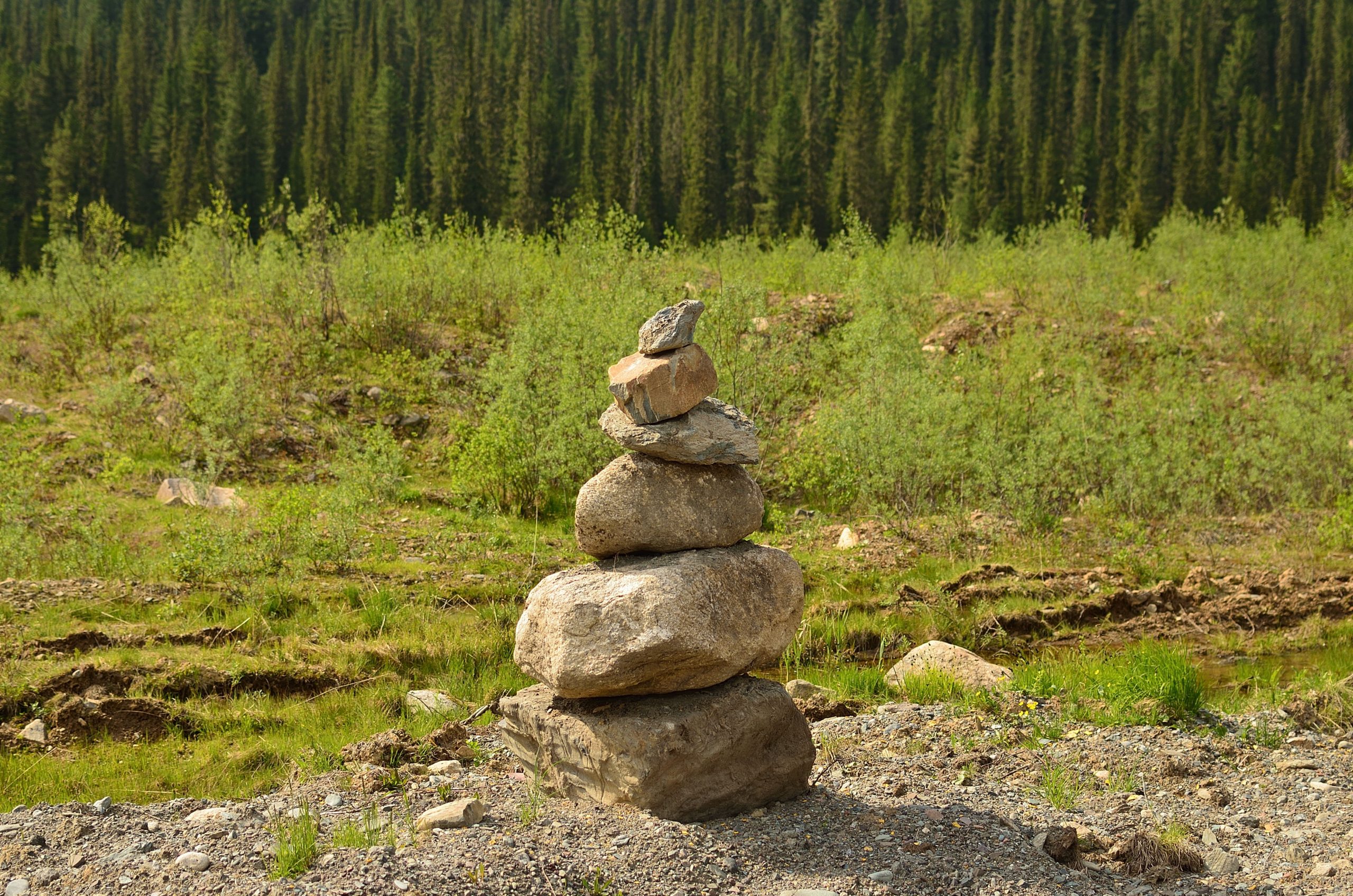
Some strange things found in American forests are not objects at all, but altered landscapes. At Fox Hollow in Shenandoah National Park, low rock piles survive as visible traces of an earlier farm. The stones were moved by people clearing fields, then gradually became surrounded by trees, moss, and lichen. Because the piles no longer sit in an open field, they can appear like natural geological features. Their presence shows how forests can absorb human landscapes over time without completely erasing the evidence. In this way, one landscape can preserve more than 1 generation of human use.
11. A Lost Fort Hidden Above Dundas Bay
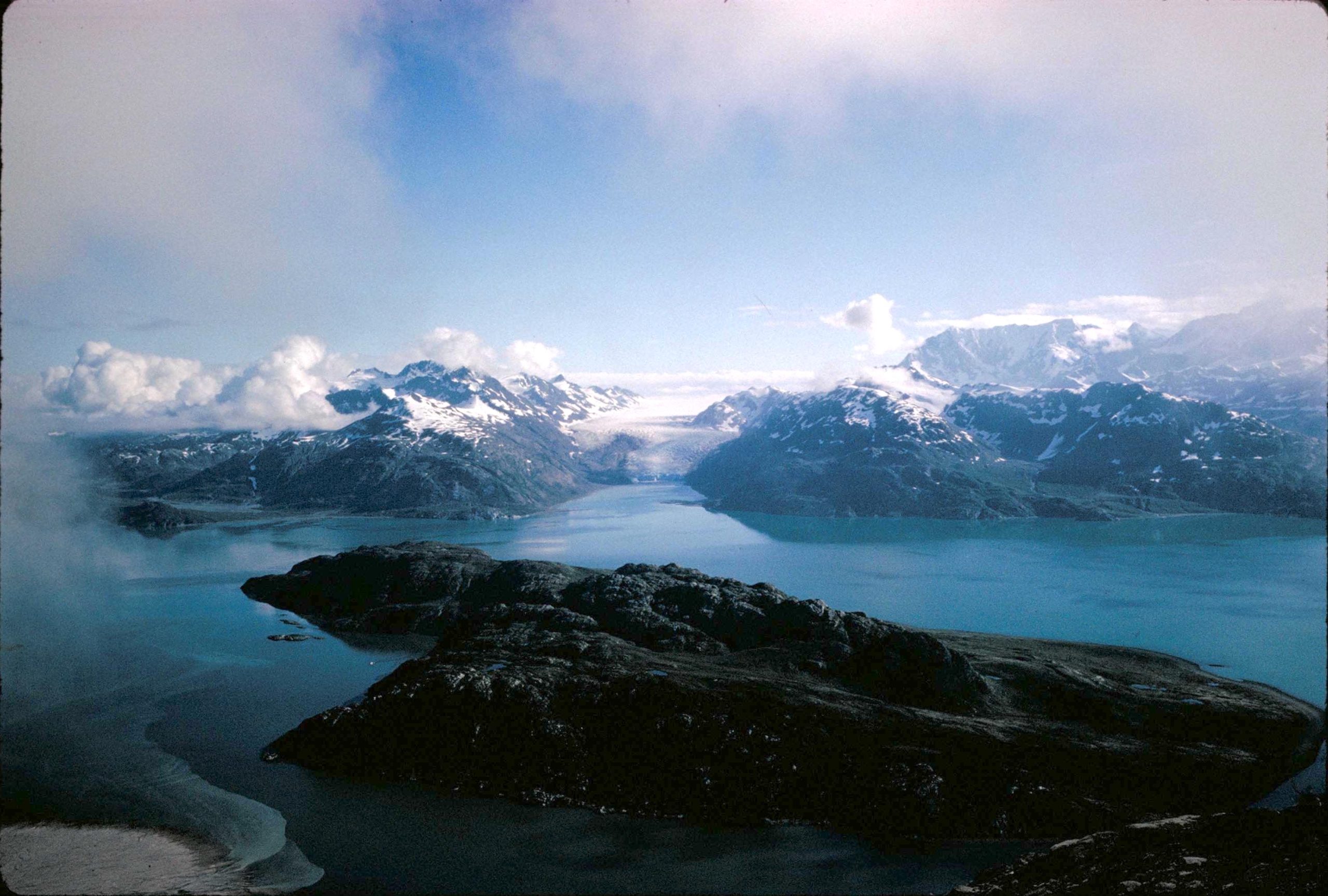
In Alaska’s Glacier Bay National Park, archaeologists located an approximately 850-year-old Tlingit fort known as Xákwnoowú on a bluff above Dundas Bay. The site had been known through Tlingit legend, but its physical location was identified in 1993. Today, little may be visible to an untrained eye, illustrating how completely a forested archaeological site can disappear into the landscape. Researchers also documented 63 mysterious rock cairns in the surrounding mountains, showing that subtle stone arrangements can preserve clues to past activity.
12. Artifacts Waiting Beneath the Leaves
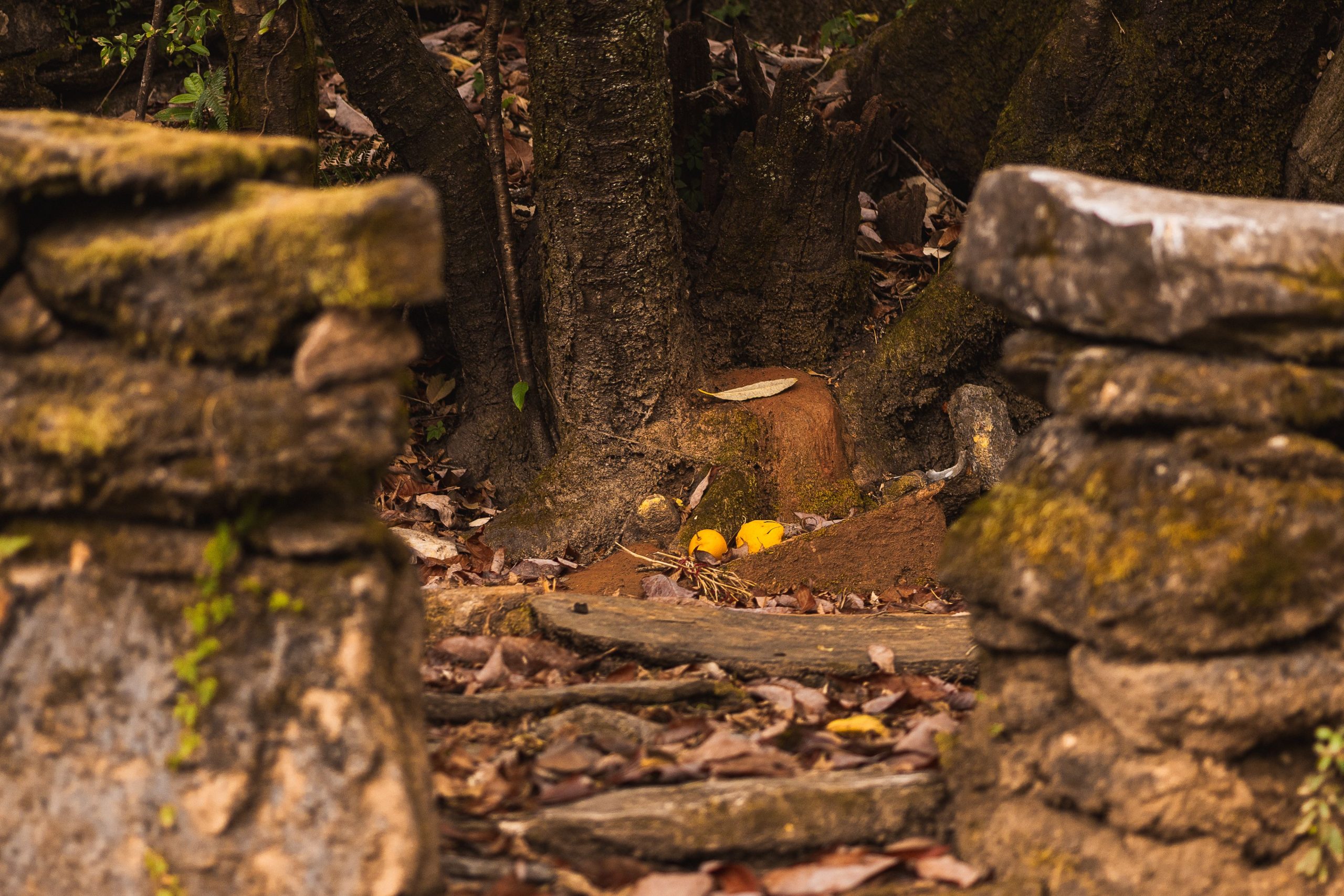
Forests can hide surprisingly ordinary objects that become extraordinary when their context is understood. At Harper’s Ferry, excavations around the former armory recovered items such as a lice comb, carved pipe bowl, modified file, printer type, and ceramic fragments. At other sites, archaeologists find stone flakes, hearths, pottery, tools, or household debris. These discoveries matter because objects alone tell only part of the story. Their position, association, and surrounding soil can reveal who used a place, how it changed, and what happened there long after the people left.