When a bush plane drops into a gravel bar or threads through mountain weather, every pound on board has a purpose. Survival guns are part insurance policy, part food-gathering tool, and part last-resort protection in places where help may be days away. This gallery looks at seven classic choices pilots and backcountry travelers have trusted in remote country, and why each earned a place in the conversation.
.22 LR Takedown Rifle
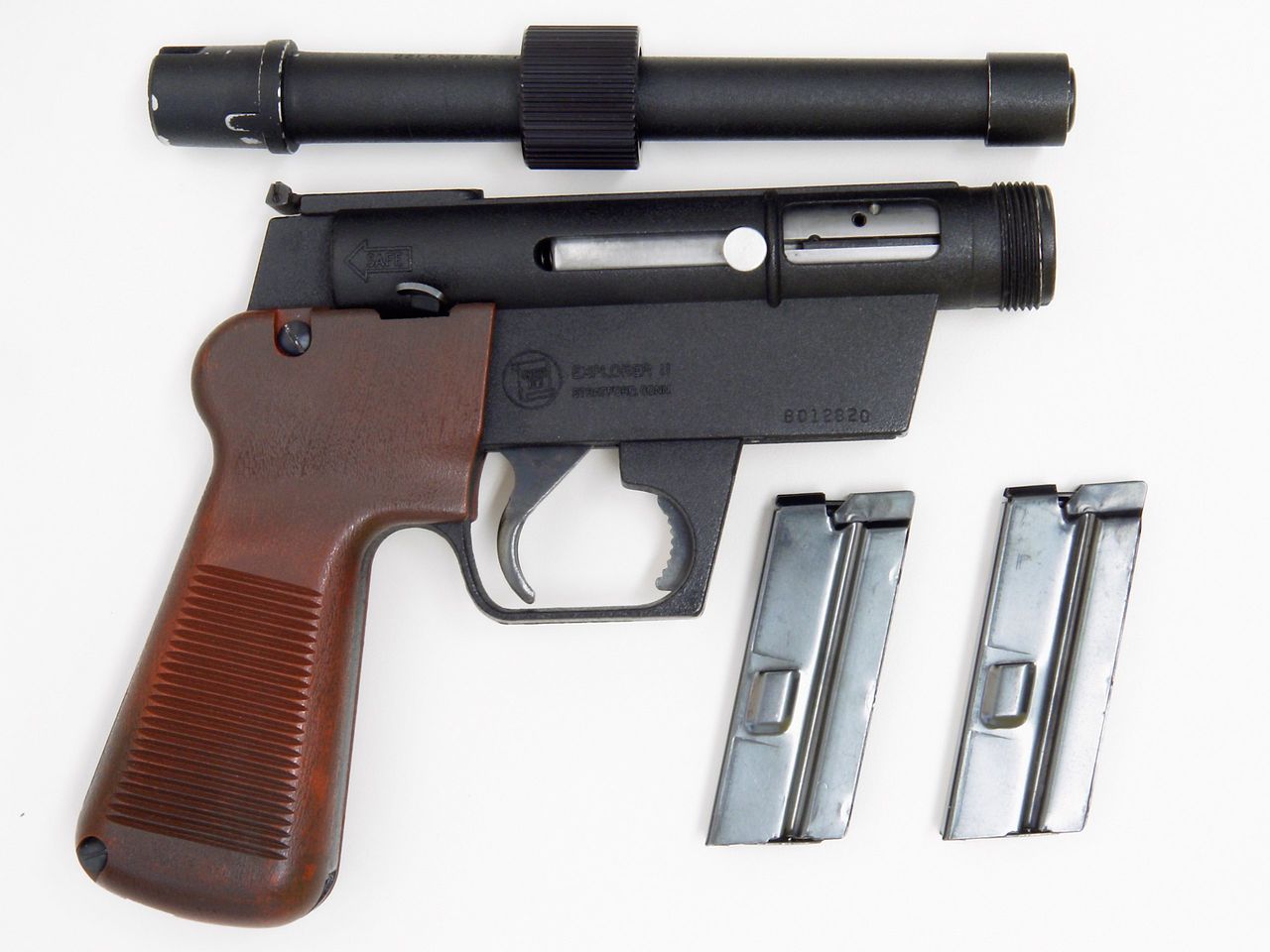
The .22 LR takedown rifle is the quiet overachiever of the survival world. It breaks down small, stows easily in a duffel or behind a seat, and gives a stranded pilot a realistic way to gather rabbits, grouse, and other small game without hauling a lot of weight. Ammunition is light, affordable, and easy to pack in useful quantities.
Its limits are just as important as its strengths. A .22 is not the ideal answer for large predators or for situations where reach and authority matter most. Still, for day-after-day practicality in remote country, few survival guns make a better case for themselves.
12 Gauge Pump Shotgun
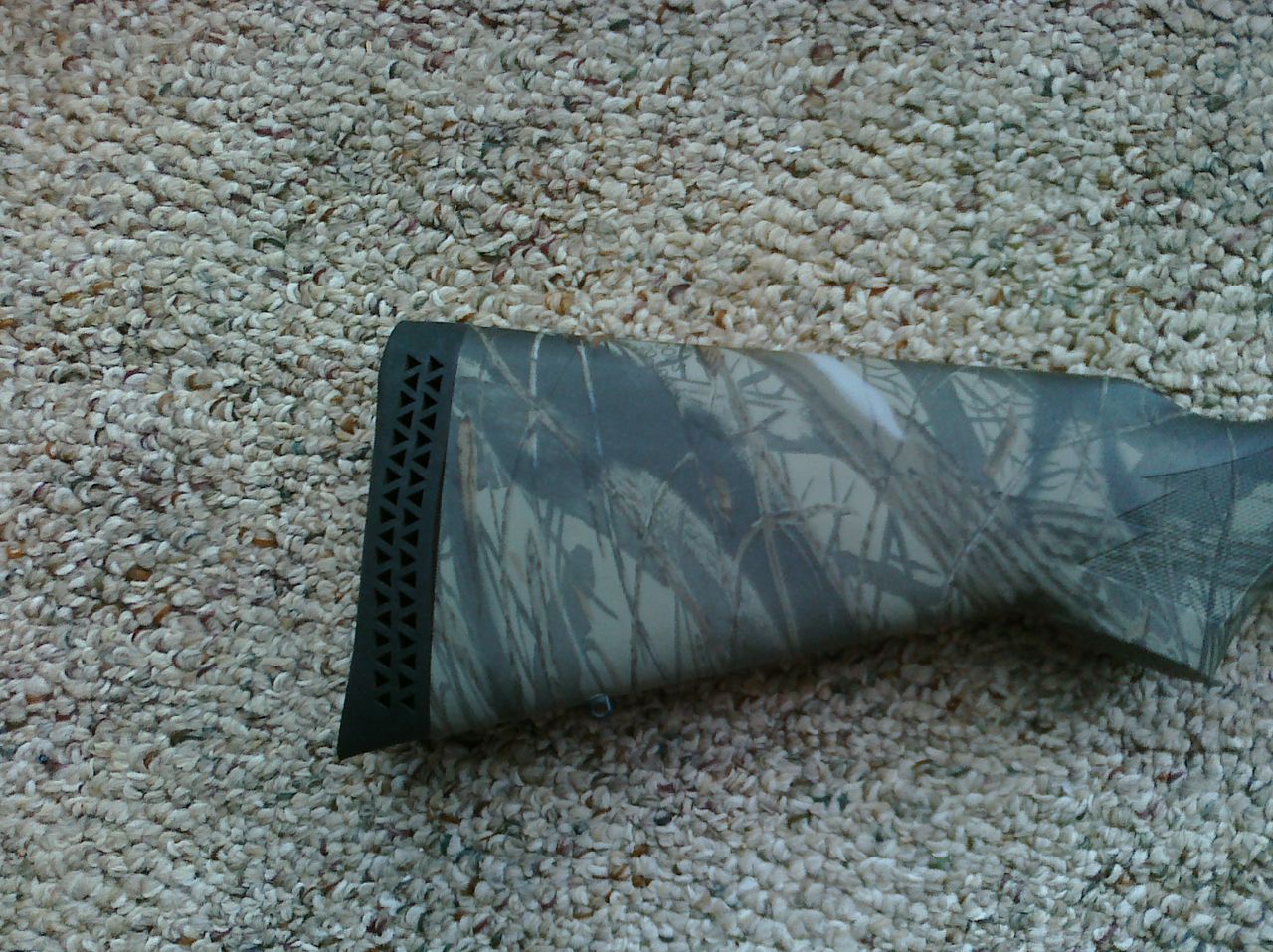
If one long gun has a reputation for doing nearly everything, it is the 12 gauge pump. With birdshot, it can take ptarmigan or waterfowl. With buckshot or slugs, it becomes a serious defensive tool for larger animals at close range. In rough country, that kind of flexibility is hard to ignore.
The tradeoff is bulk, recoil, and the simple fact that shotshells take up space fast. A pump gun also asks more of the user when every shell counts. Even so, many bush pilots like the comfort of a platform that can shift roles as conditions change.
.30-30 Lever Action Rifle
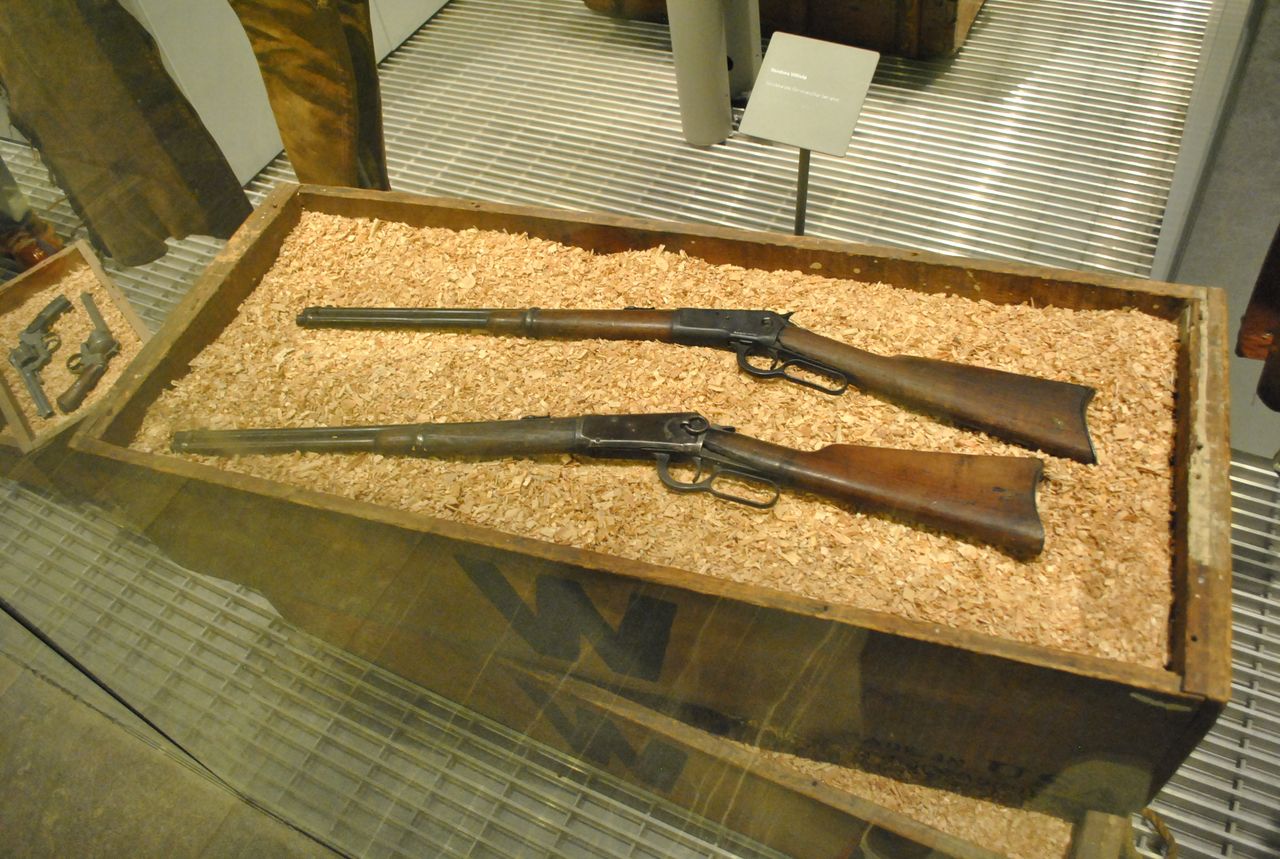
The .30-30 lever gun feels right at home in timber, brush, and broken country where most shots are quick and reasonably close. It carries easily, points naturally, and offers enough power for deer-sized game while still being manageable for many shooters. For pilots who value a simple rifle with real field history, it remains a deeply appealing option.
It is not the flattest-shooting choice, and tube magazines can limit ammunition selection. But in a survival role, elegance often matters less than familiarity. A lever action that someone knows well can be more valuable than a more modern rifle they barely practice with.
.308 Bolt Action Carbine
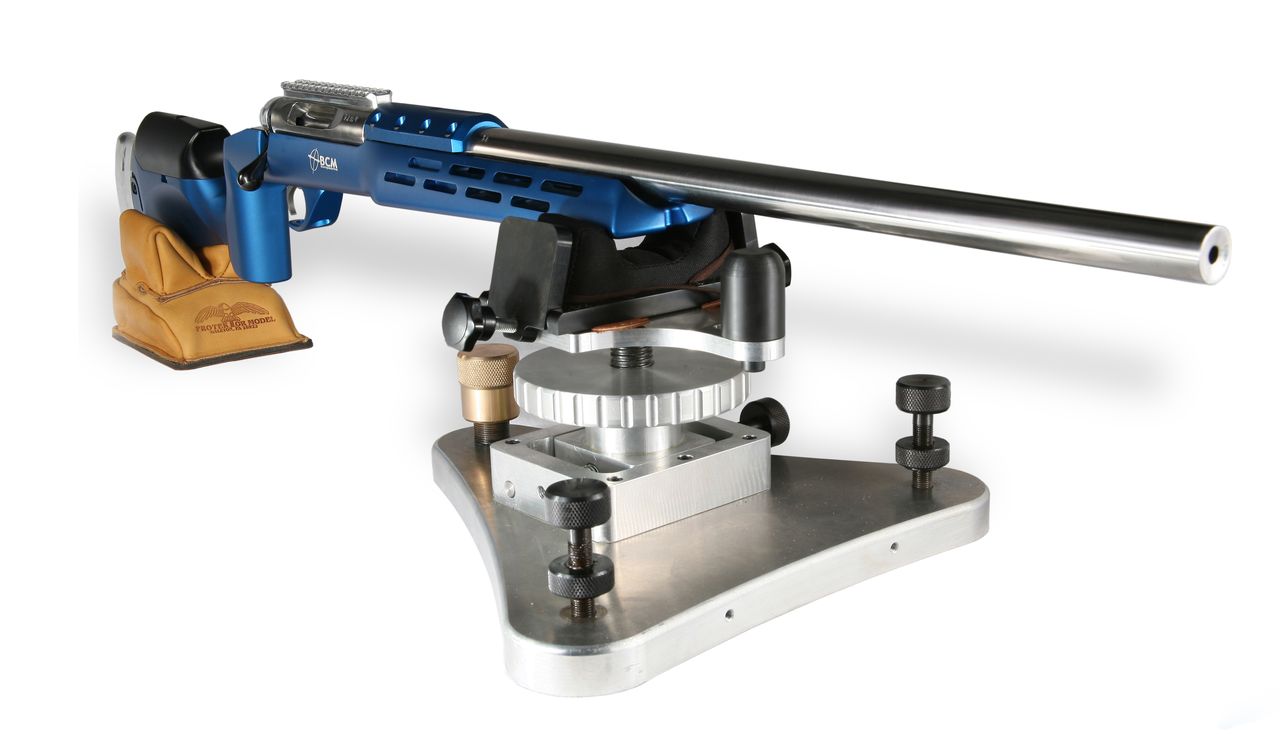
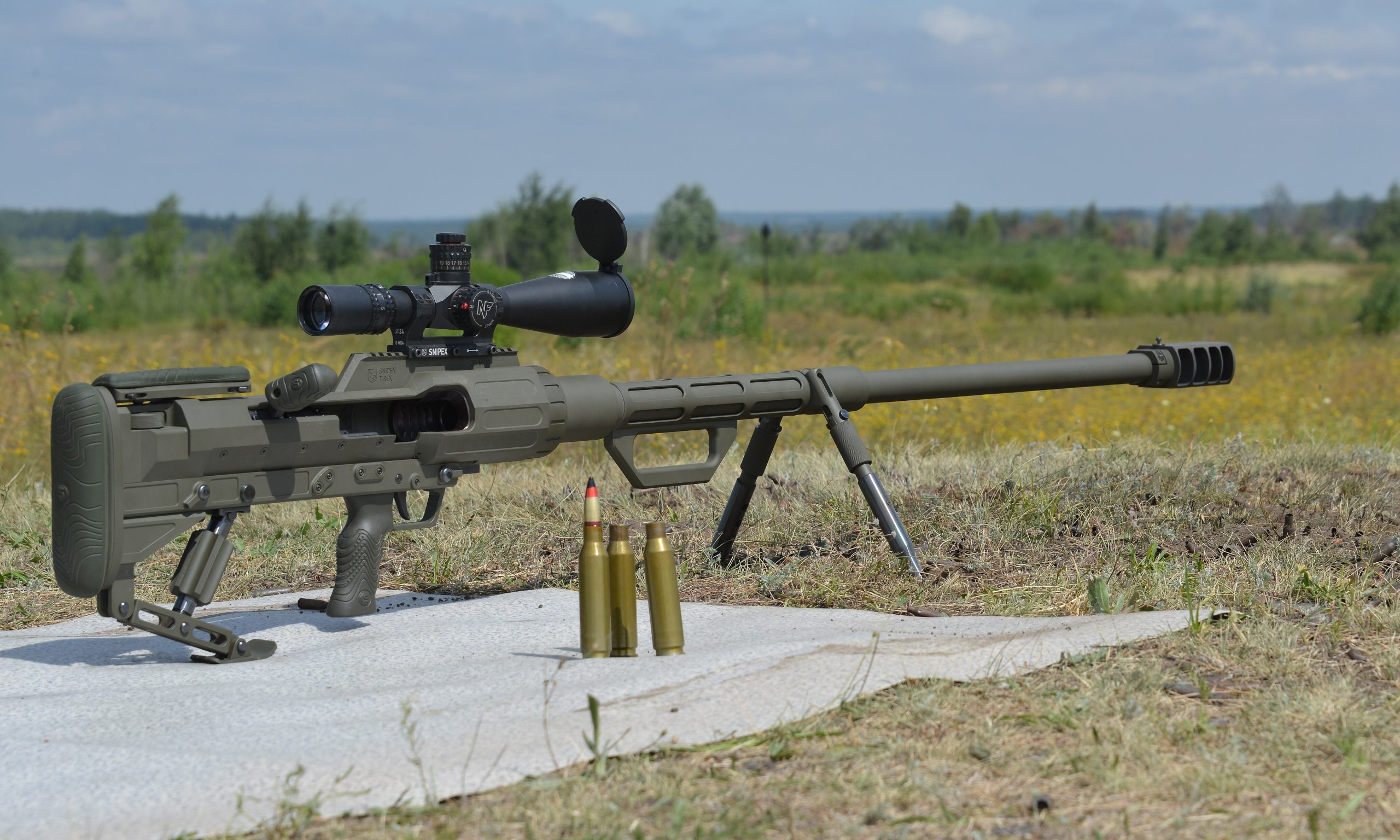
A compact .308 bolt action brings a more serious, big-country mindset to the survival kit. It offers useful range, strong terminal performance, and broad ammunition availability. In places where open tundra, alpine basins, or long sightlines are part of the landscape, that extra reach can matter for both hunting and emergency defense.
The downside is obvious the moment weight becomes a concern. A scoped bolt gun and enough cartridges to feel comfortable are not exactly featherlight. Still, for pilots who already trust the .308 as an all-around field cartridge, a short carbine can feel like a very sensible compromise.
.357 Magnum Lever Carbine
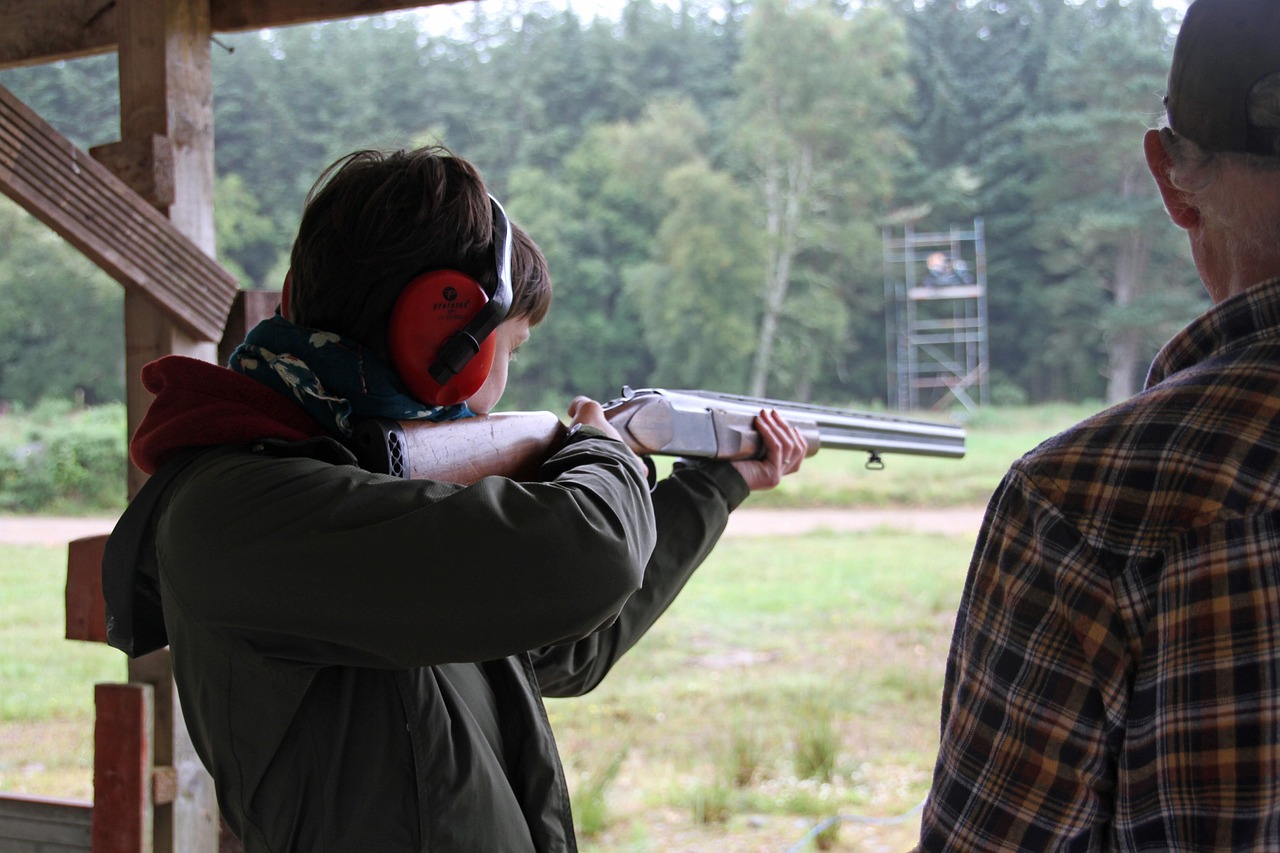
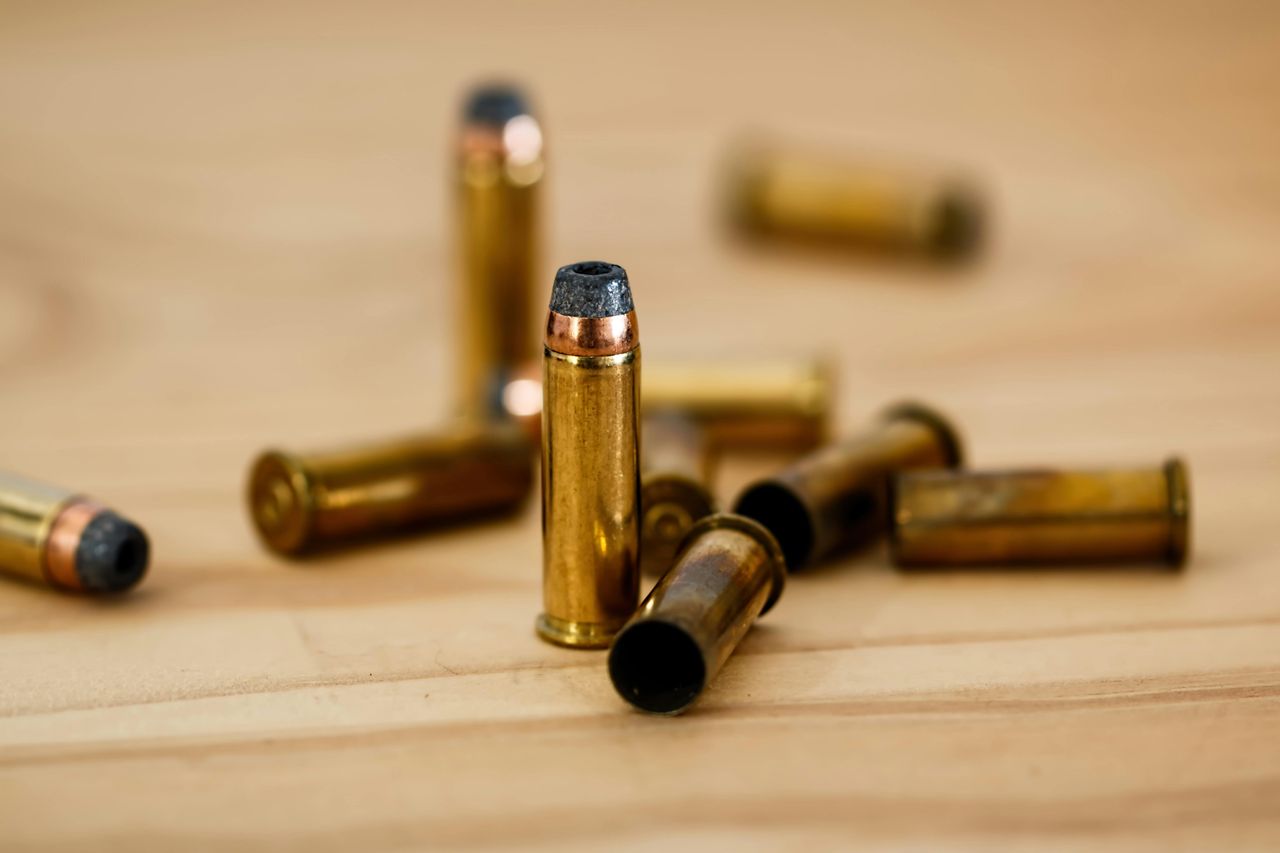
The .357 Magnum lever carbine sits in a sweet spot many people overlook. It is lighter and handier than full-power rifle options, yet it offers more authority than a rimfire. Loaded with .357 Magnum, it can handle small to medium game tasks surprisingly well, and some users appreciate the possibility of sharing ammunition with a revolver.
It does give up reach and power compared with centerfire rifle cartridges like .308 or .30-30. That matters in wide-open country. But in thick cover, around camp, or in a compact bush plane cabin, its mild manners and practical utility can make a lot of sense.
AR-7 Survival Rifle
Few firearms wear the survival label as literally as the AR-7. Designed to stow into its own stock and ride compactly in a pack, it became a classic answer to the problem of carrying a functional rifle where space is at a premium. In a bush plane, that kind of self-contained design is more than a novelty. It is a practical advantage.
Like other .22 LR rifles, it shines brightest when the task is foraging rather than stopping danger. Reliability can vary depending on model and magazine condition, so familiarity matters. But for many pilots, the AR-7 remains the image of airborne survival preparedness.
Large-Caliber Revolver
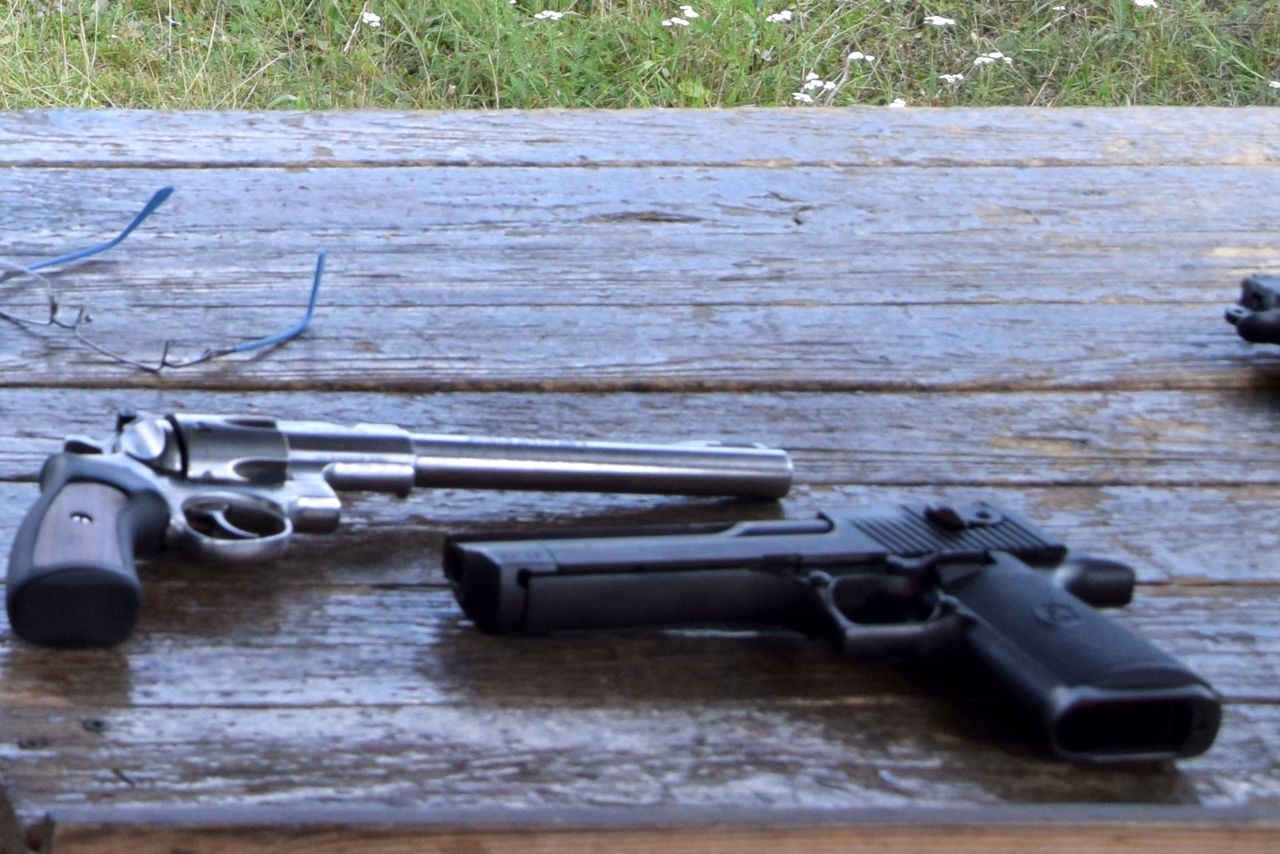
A large-caliber revolver is not usually the primary survival gun, but it often earns space as a backup. Worn on the body instead of stored in the aircraft, it stays available if a forced landing turns chaotic or if someone has to move away from the wreck quickly. In predator country, that immediate access can be the entire point.
No handgun truly replaces the capability of a rifle or shotgun. Sight radius, power, and practical accuracy all work against it at distance. Still, as an always-there tool for close-range emergencies, a sturdy revolver brings a kind of confidence that long guns sometimes cannot match.