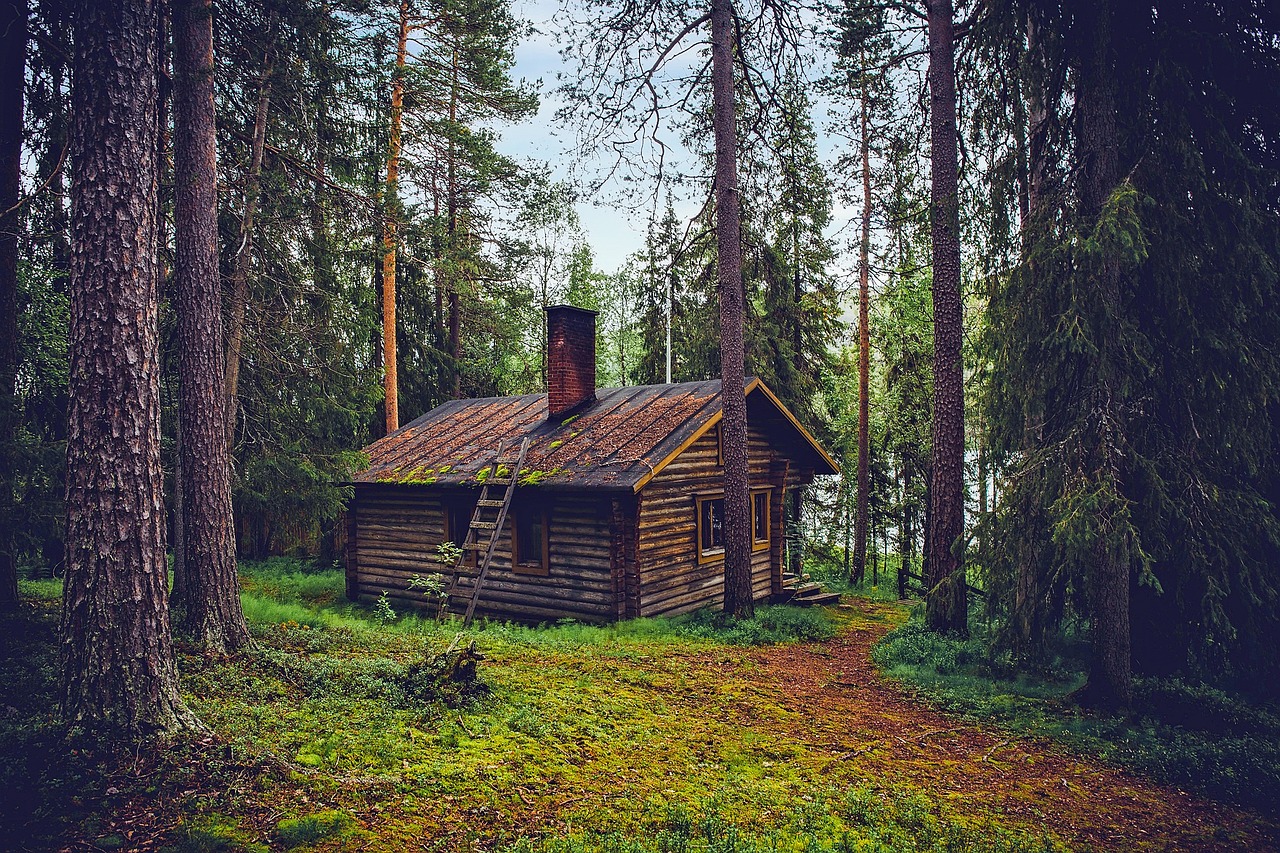
In old frontier cabins, the rifle above the fireplace was rarely just decoration. It was a tool, a safeguard, and often a family witness that remained in place long after the hands that carried it were gone. This gallery explores nine long guns that could spend a century over a mantel, collecting soot, stories, and a powerful kind of silence.
The Kentucky Rifle That Became a Family Relic
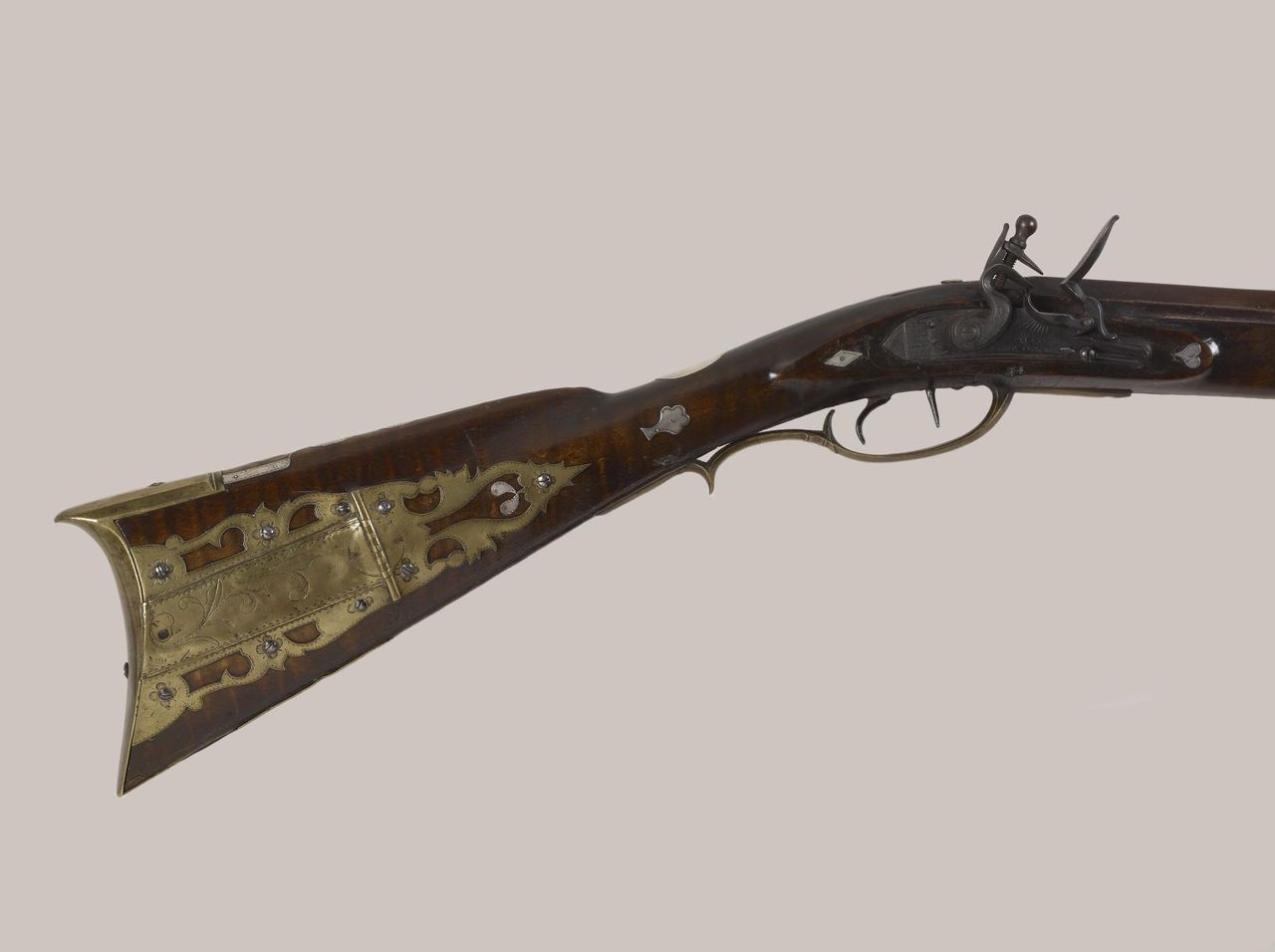
Long, slim, and unexpectedly graceful, the Kentucky rifle was the kind of gun people kept because it had earned its place. In a frontier cabin, it might start life as a hunting arm and end it as a relic no one dared move, especially after decades of hard seasons and family stories.
By the time a rifle like this had spent a century above the fireplace, smoke would darken the stock and dry the wood to a deep, muted glow. Its iron parts might show light pitting, but the overall effect would feel less ruined than preserved by habit.
What kept it on the wall was not only craftsmanship. It was memory. Every scratch could suggest venison winters, wary travel, and the quiet pride of a household that survived with one dependable firearm close at hand.
A Hawken Rifle Built for Hard Country
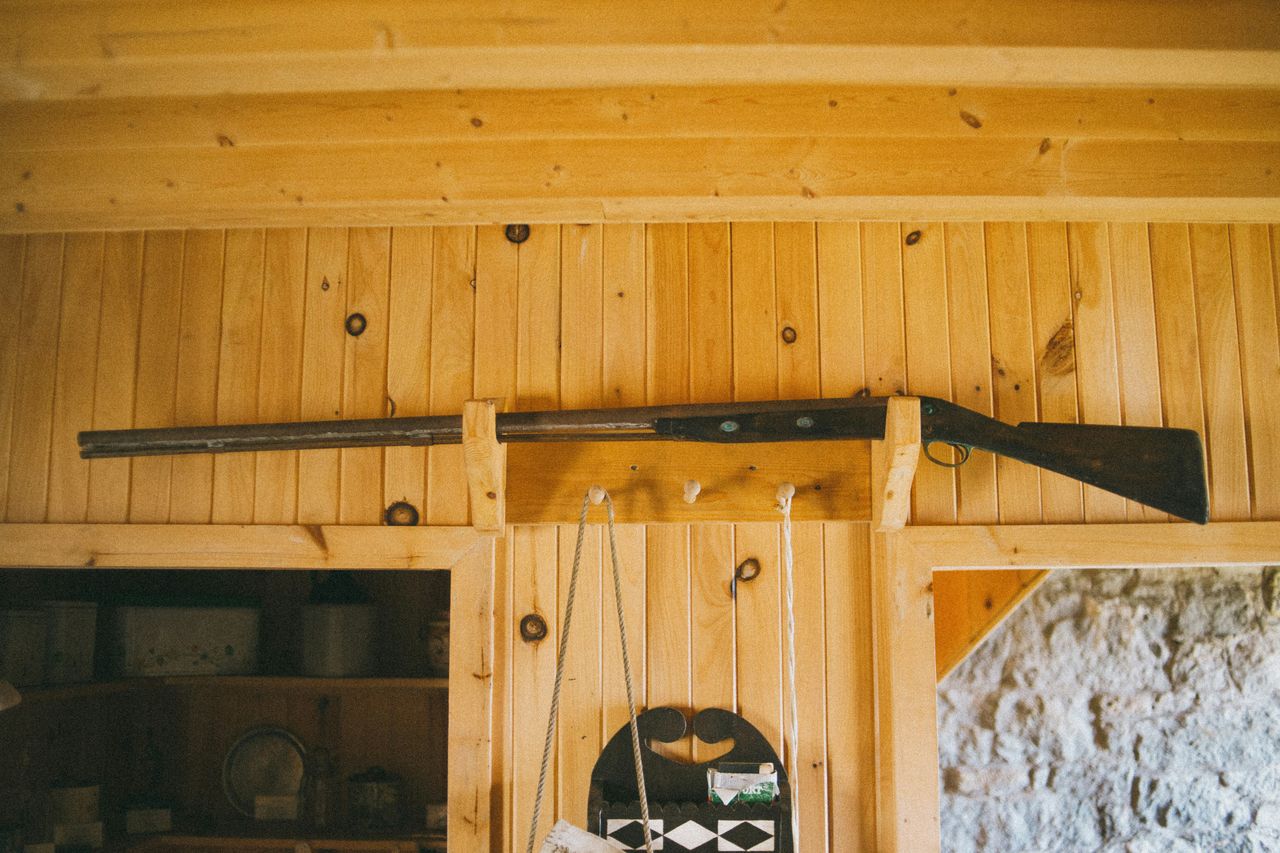
The Hawken rifle has a reputation that almost overshadows the object itself. Shorter and heavier than the elegant long rifles that came before it, it looked built for difficult terrain, rough use, and the kind of travel where every possession had to justify its weight.
In a cabin setting, a Hawken hanging over the hearth would signal practicality more than display. This was a gun associated with trappers, hunters, and people who moved through mountain country where weather could turn quickly and game might be far from easy to reach.
After a century in place, the rifle would likely seem stout even in retirement. It would not read as delicate history. It would feel like stored muscle, a frontier object that still carries the mood of motion and grit.
The Civil War Musket Left Behind at Home
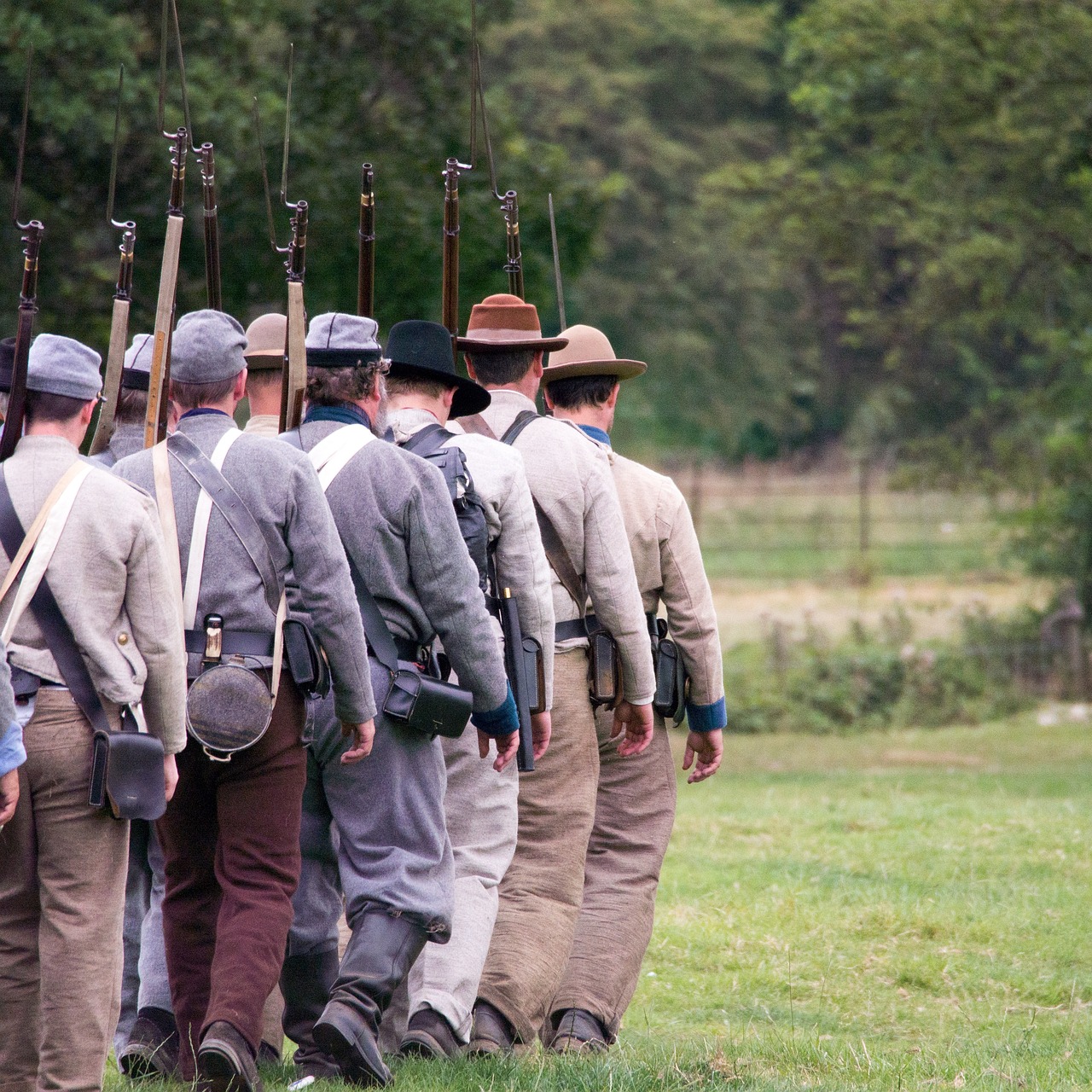
Not every old gun above a fireplace began as a hunting piece. Some were military muskets that came home after war and slowly shifted from necessity to remembrance. In a small cabin, that change could happen quietly, with no ceremony beyond a nail, a pair of hooks, and a place over the mantel.
These muskets were often long, plain, and visibly made for service rather than style. Their scale alone gave them presence. Even unloaded and untouched, they brought a different emotional weight to a room, one tied to absence, return, and the stories people told carefully.
Over generations, the gun might lose its direct connection to a name. Yet families often kept it anyway. It remained a stand-in for sacrifice, survival, and the unresolved feeling that history had once stood inside the house.
The Winchester Lever Action Everyone Recognized
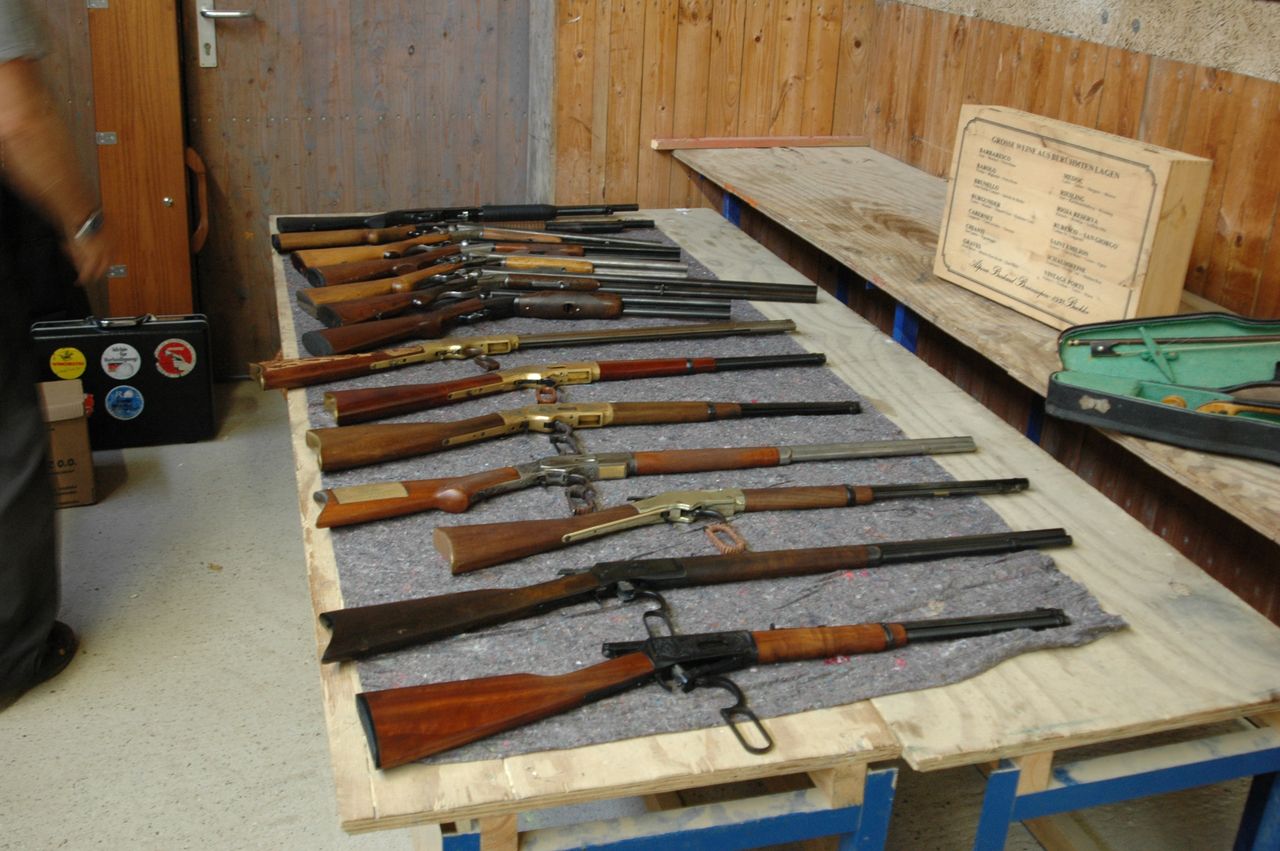
Few rifles look more instantly familiar than an old Winchester lever action. Its profile is so tied to the American frontier imagination that even people who know little about firearms can spot one from across a room. Above a fireplace, it reads almost like a shorthand for the West.
But these rifles stayed in cabins for practical reasons too. They were handy, fast to operate, and useful for everything from predators near livestock to putting meat on the table. That usefulness is part of why so many survived long enough to become inherited fixtures.
A century on the wall would soften the finish and mute the once-bright metal. Still, the shape would remain lively. Even at rest, a lever gun suggests action, as if the room is only borrowing it from the past.
The Single Shot Rifle That Refused to Disappear
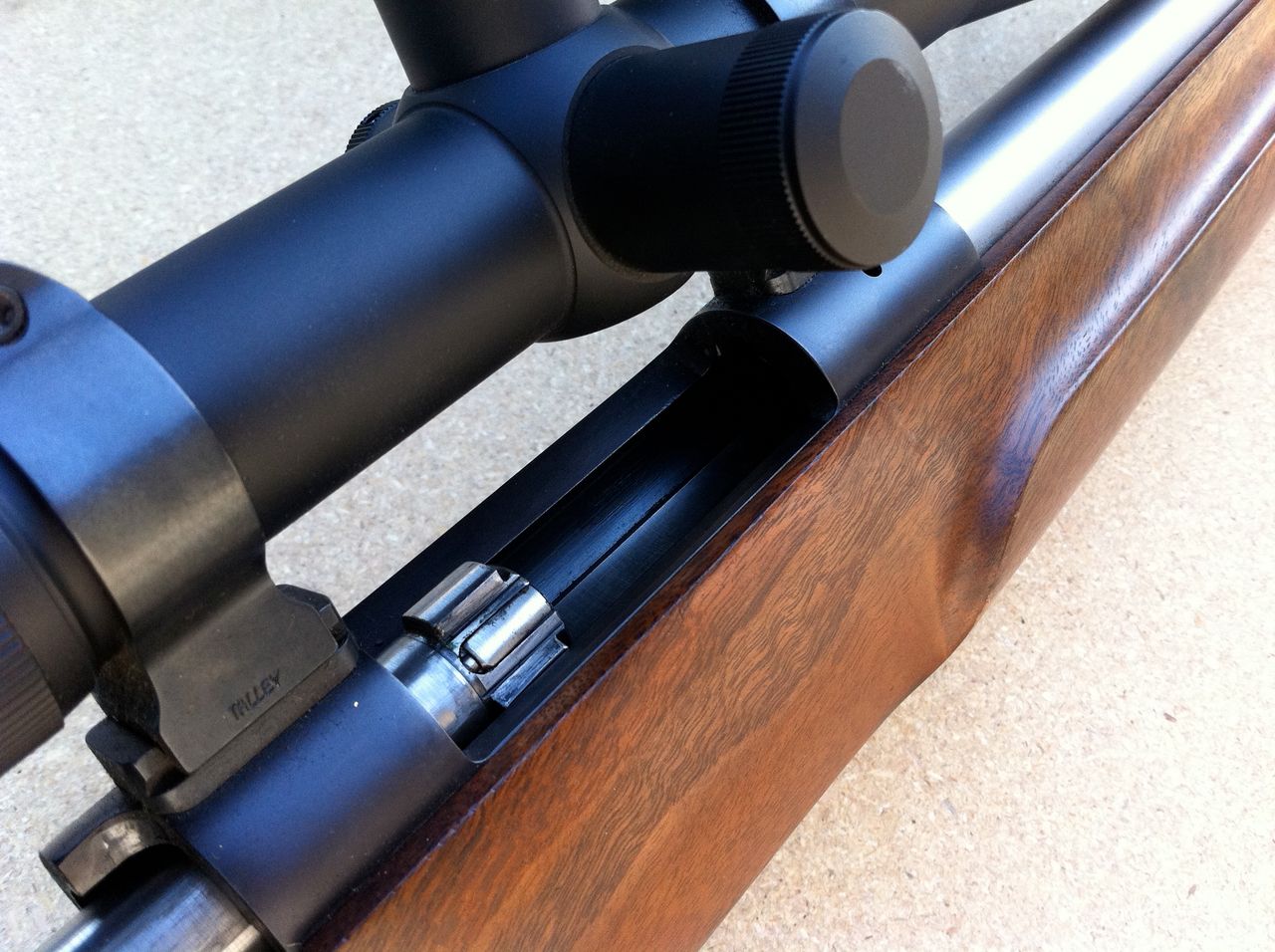
Single shot rifles can seem modest beside more famous repeaters, but that simplicity is exactly why many lasted. They were straightforward to use, relatively easy to maintain, and often accurate enough for the daily demands of frontier life. In many cabins, plain reliability beat glamour every time.
Hanging over a fireplace, a single shot rifle tells a quieter story than a celebrated brand name might. It suggests thrift, discipline, and a household used to making every shot count. There is something deeply frontier about that kind of restraint.
After decades in one place, the gun could become almost architectural, part tool and part timberline heirloom. Guests might overlook it at first, then realize it had probably outlasted furniture, flooring, and several generations of owners.
A Percussion Rifle Darkened by Hearth Smoke
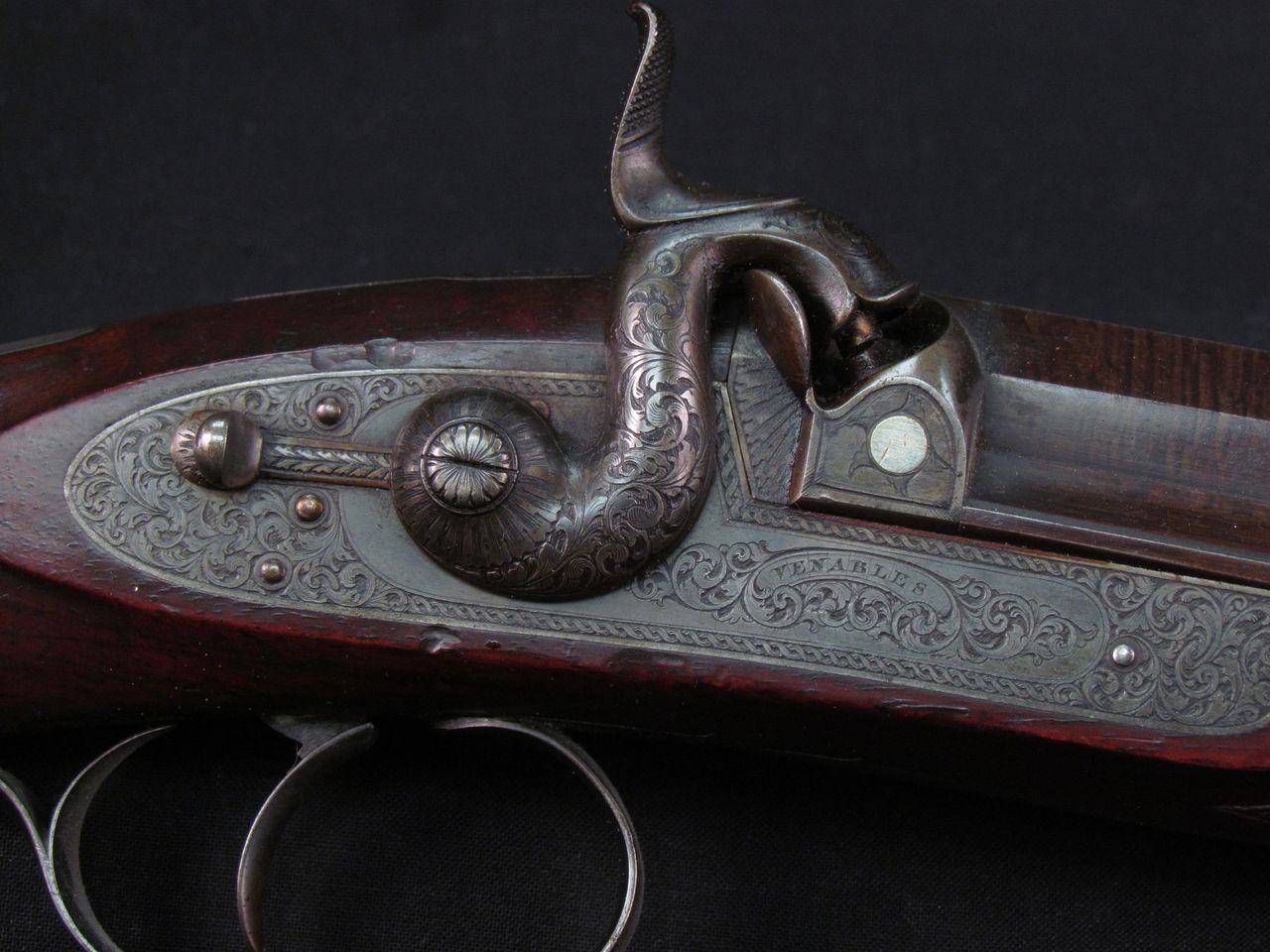
Percussion rifles often carry a transitional look, sitting between the flintlock era and the metallic cartridge age. That in-between quality makes them especially evocative in a cabin interior, where layers of time seem to overlap. Above a fireplace, one can feel like a bridge between two frontier worlds.
A hundred years of wood smoke would leave visible marks. Stocks could deepen in color, metal might gather a soft brown patina, and fine details would blur under soot and age. Yet those changes often add atmosphere rather than erase identity.
What remains most striking is the sense of intimacy. A percussion rifle does not feel mass anonymous. It feels handled, cleaned, loaded, and trusted by real people whose routines were shaped by weather, distance, and the daily need to be prepared.
The Trade Rifle Shared Across Generations
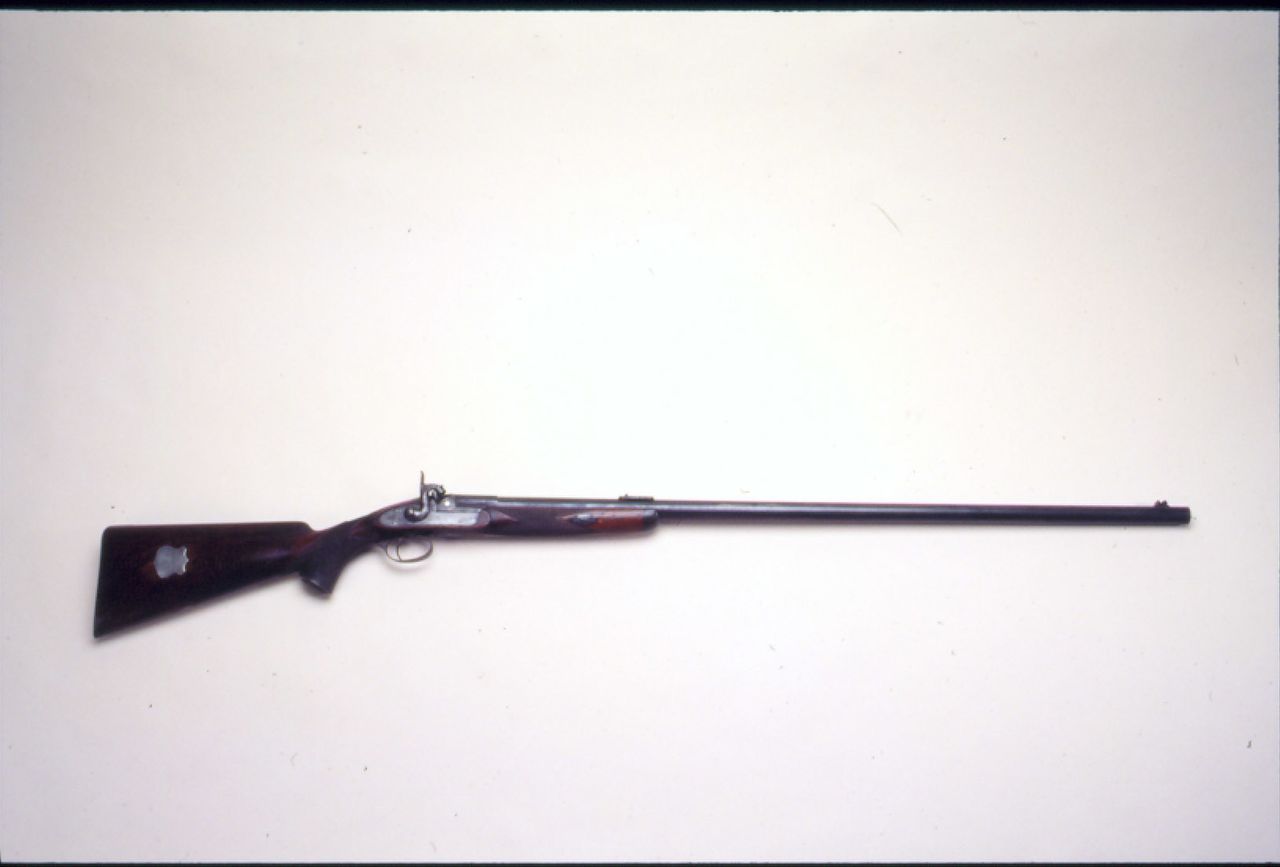
Trade rifles were never only objects of ownership. They moved through networks of exchange, migration, and cultural contact, which gives them a layered history unlike many household firearms. When one ended up above a cabin fireplace, it often brought more than one family narrative with it.
These rifles were valued because they were useful, available, and adaptable across different regions and communities. That practicality made them common companions in unsettled places where formal supply lines were limited and people relied on what could be repaired and kept working.
Seen a century later, a trade rifle can feel humbler than a prestige firearm, but no less important. In some ways it says more about frontier reality: barter, survival, and the long afterlife of objects that passed through many hands before becoming still.
A Deer Rifle Turned Mantel Fixture
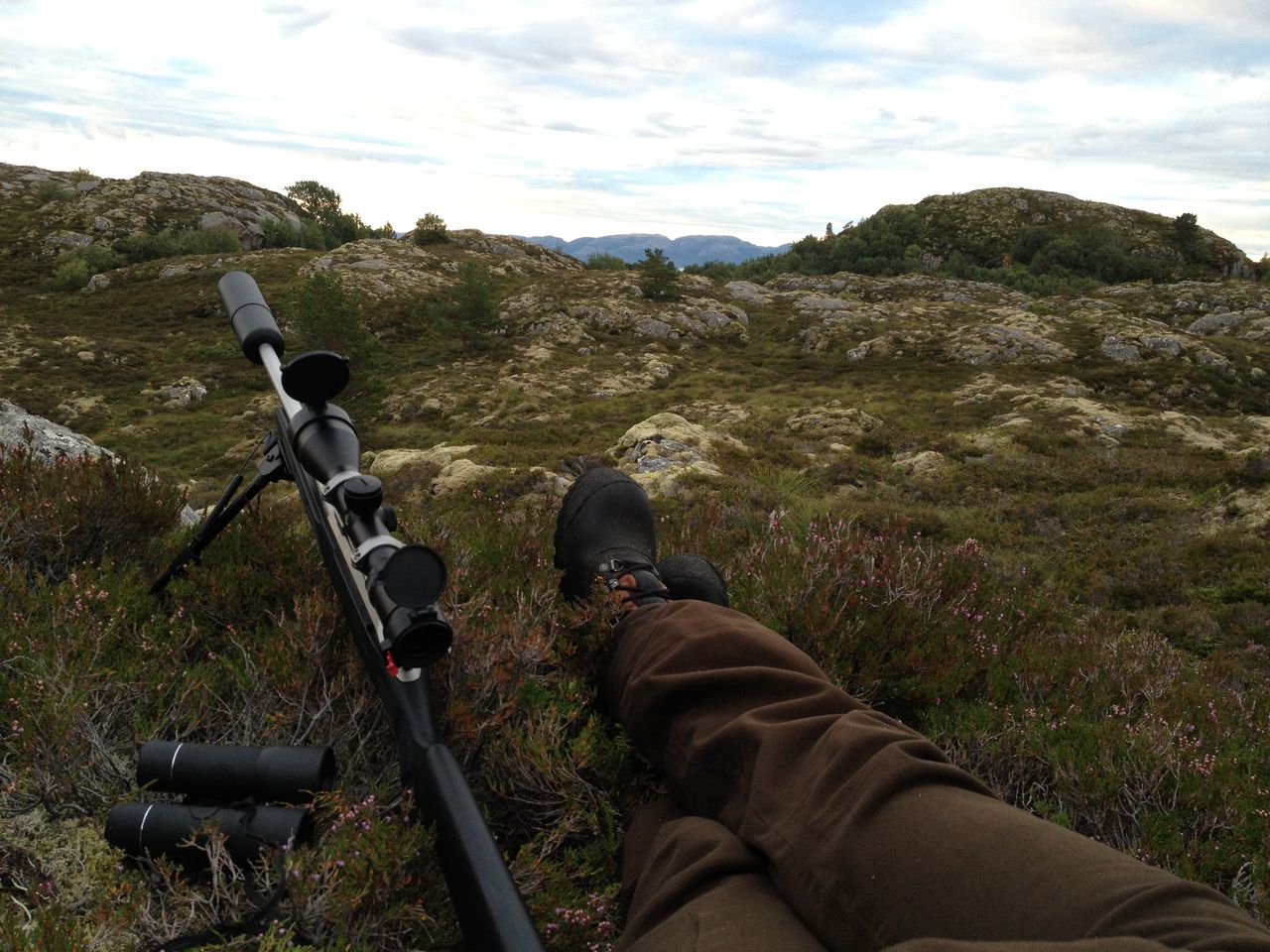
Some rifles earned their permanent place simply by feeding a household year after year. A dependable deer rifle might begin as one season’s necessity and end up as the gun everyone remembered, the one brought up in stories whenever winter, hunting, or family toughness came into conversation.
Unlike ceremonial objects, these rifles often showed work plainly. Worn checkering, replaced sights, and a stock polished by hands rather than polish gave them a personal honesty. They were not museum pieces when they were hung. They were retired labor.
That retirement could last astonishingly long. Once the rifle became part of the room, moving it might feel almost disrespectful. It stayed over the fireplace because it had already proven itself, and because the house seemed to make sense with it there.
The Wall-Hanger No One Fired Anymore
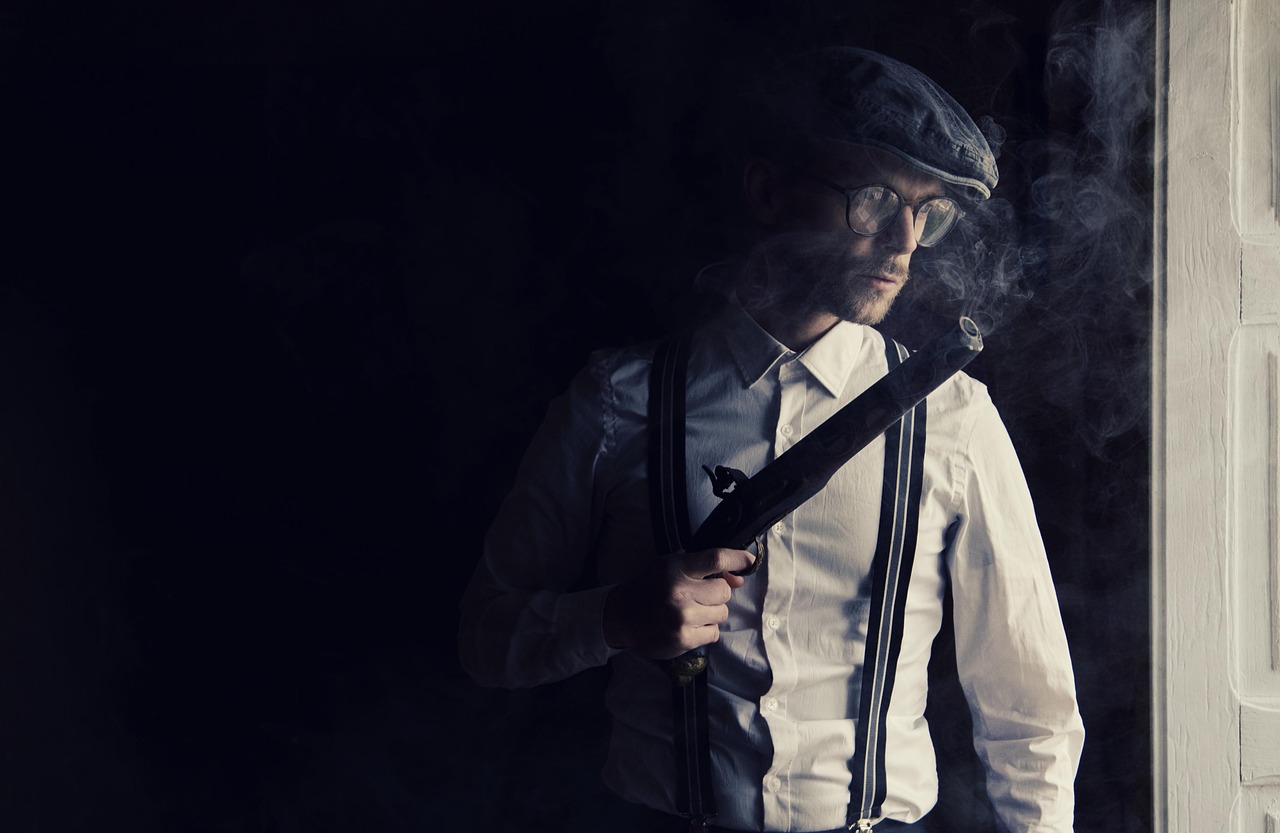
By the end of their visible life, some frontier rifles were no longer trusted to shoot at all. Age, missing parts, or simple caution turned them into permanent wall-hangers. Yet that change did not diminish their standing. If anything, it made them more symbolic inside the home.
A nonworking rifle above the hearth becomes something different from a tool. It becomes a witness. It has seen remodels, funerals, hard winters, children growing up, and ownership passing from one generation to the next without ever leaving its hooks.
That is why these guns can feel unusually powerful even in silence. They represent continuity in a place built on uncertainty. Left above a fireplace for a century, an old rifle stops being just equipment and starts becoming part of the cabin’s identity.