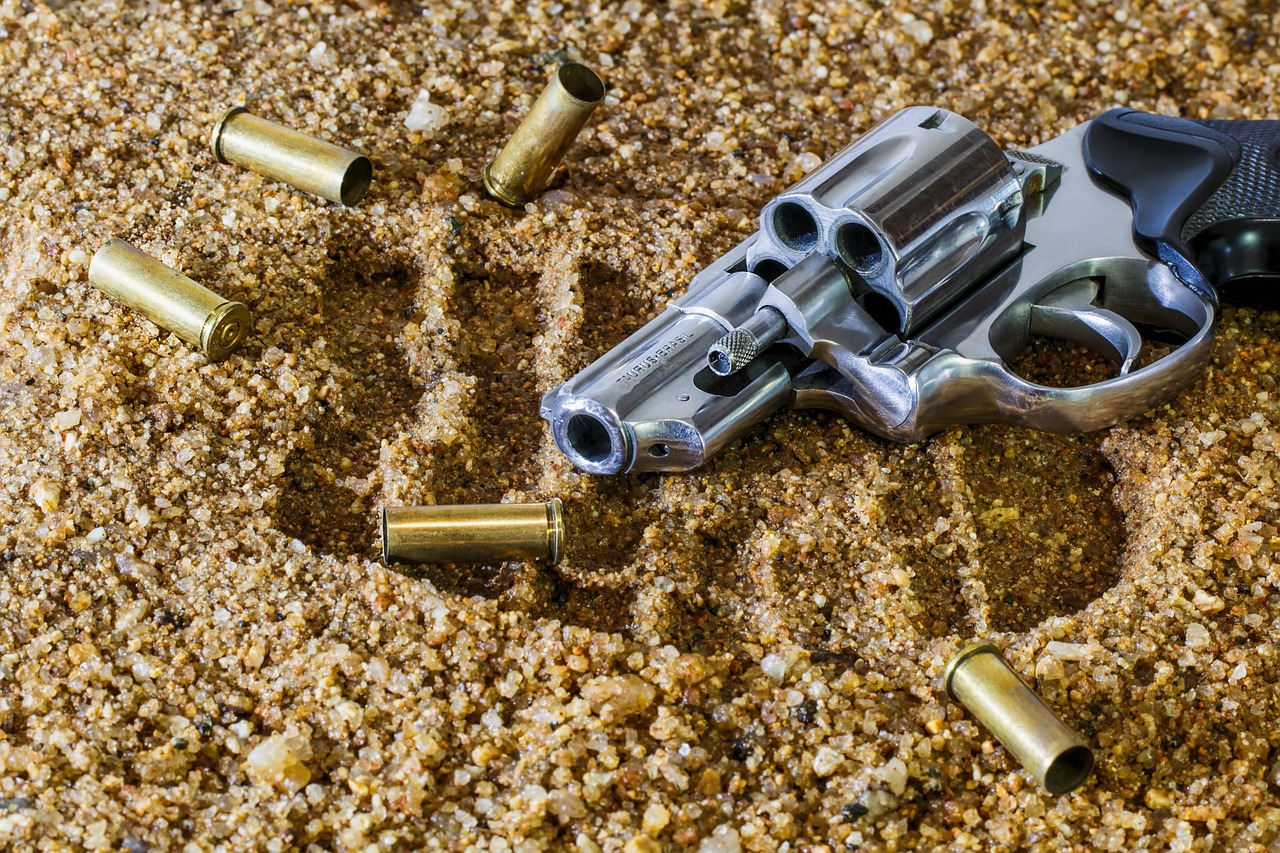
Some revolver cartridges were built for regular practice, field carry, and a lot of trigger time, not careful rationing by the box. But today, a mix of higher production costs, niche demand, and periodic supply squeezes has turned several once-practical rounds into expensive indulgences. This gallery looks at eight revolver cartridges that still have devoted fans, even as their price tags make shooters think twice about using them the way they were originally meant to be used.
.357 Magnum
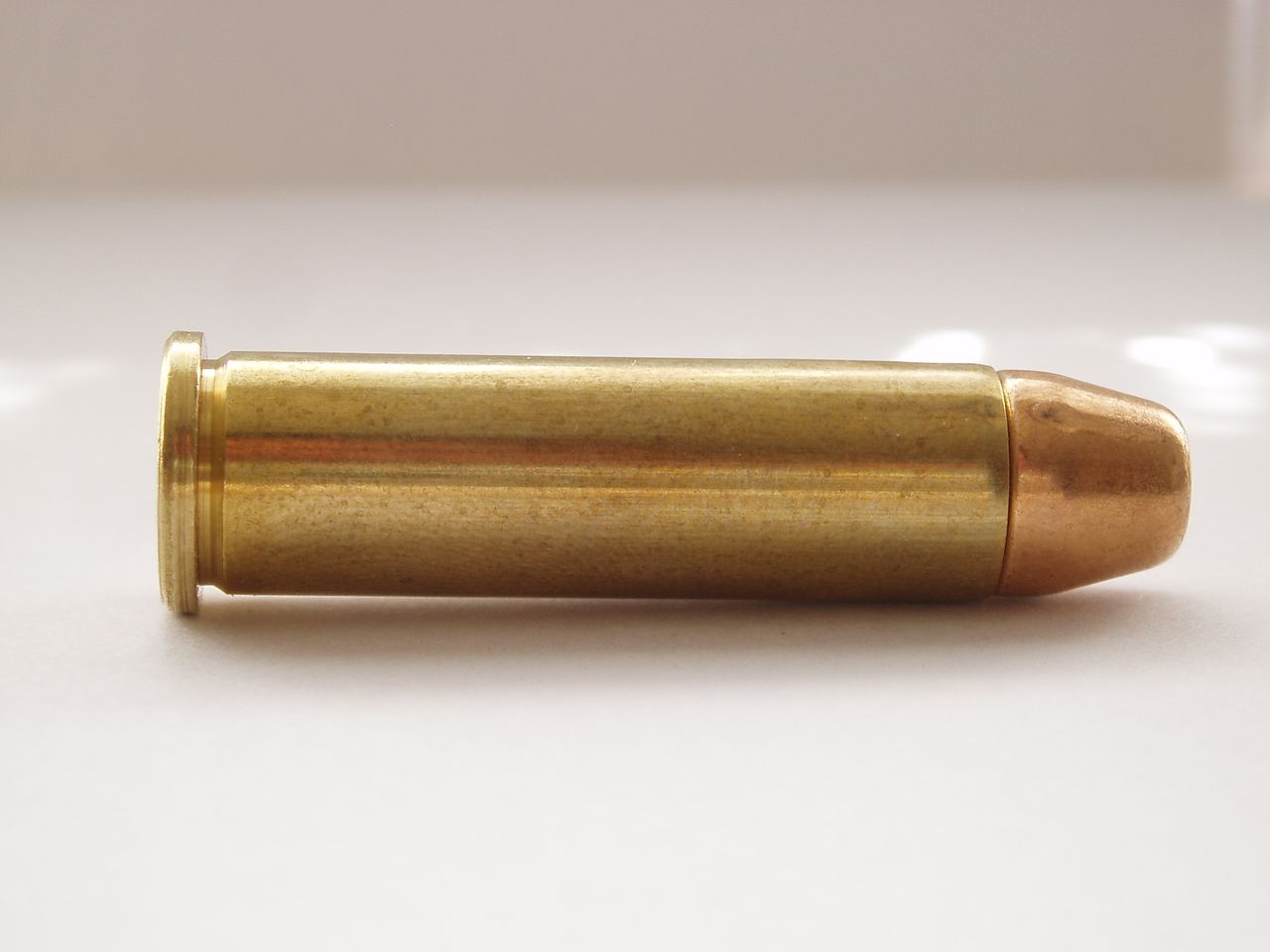
The .357 Magnum earned its reputation as a do-everything revolver round. It was the cartridge people practiced with often, carried for defense, and took afield for small game or even deer in the right hands. That legacy assumes shooters can afford enough rounds to stay sharp.
Lately, full-power .357 loads can feel too expensive for the kind of steady practice they were designed to support. Premium defensive and hunting loads push the price even higher, and even basic range ammunition often lands above what casual shooters expect. As a result, many owners end up shooting mostly .38 Special through their magnums, saving the real stuff for occasional cylinders instead of regular use.
.44 Magnum
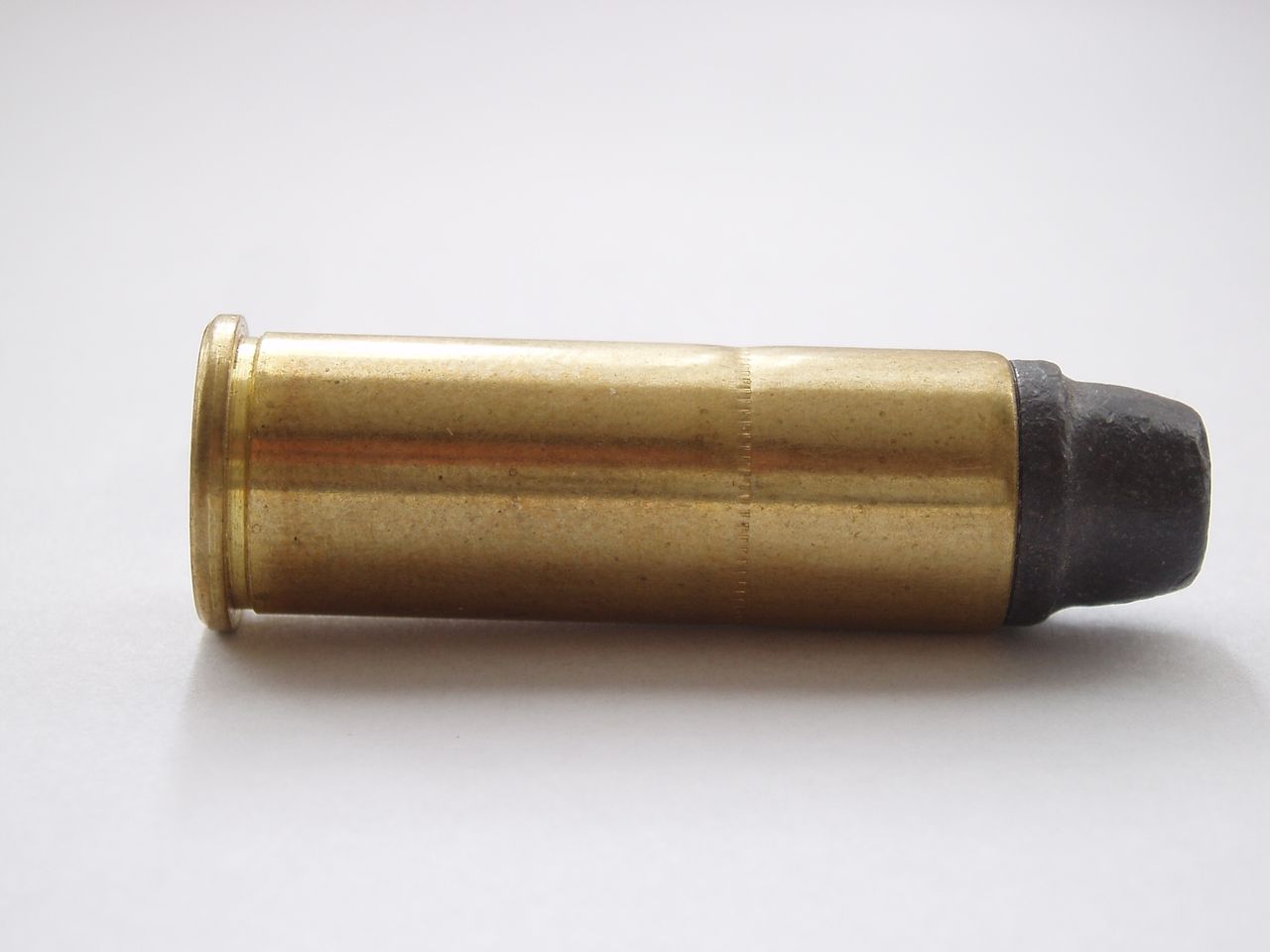
The .44 Magnum was never cheap, but it was built for serious use. Hunters, handgunners, and outdoorsmen once accepted that heavy recoil came with heavy performance, and regular range time was simply part of learning to manage it. The cartridge was meant to be shot enough that power became familiar.
Now the cost of factory .44 Magnum can make every trigger pull feel like a small financial event. Hunting loads and specialty hard-cast rounds can be especially steep, and even standard jacketed ammunition is rarely a bargain. For many owners, that means fewer practice sessions and more safe-queen behavior from revolvers designed to be worked hard in the field.
.41 Magnum
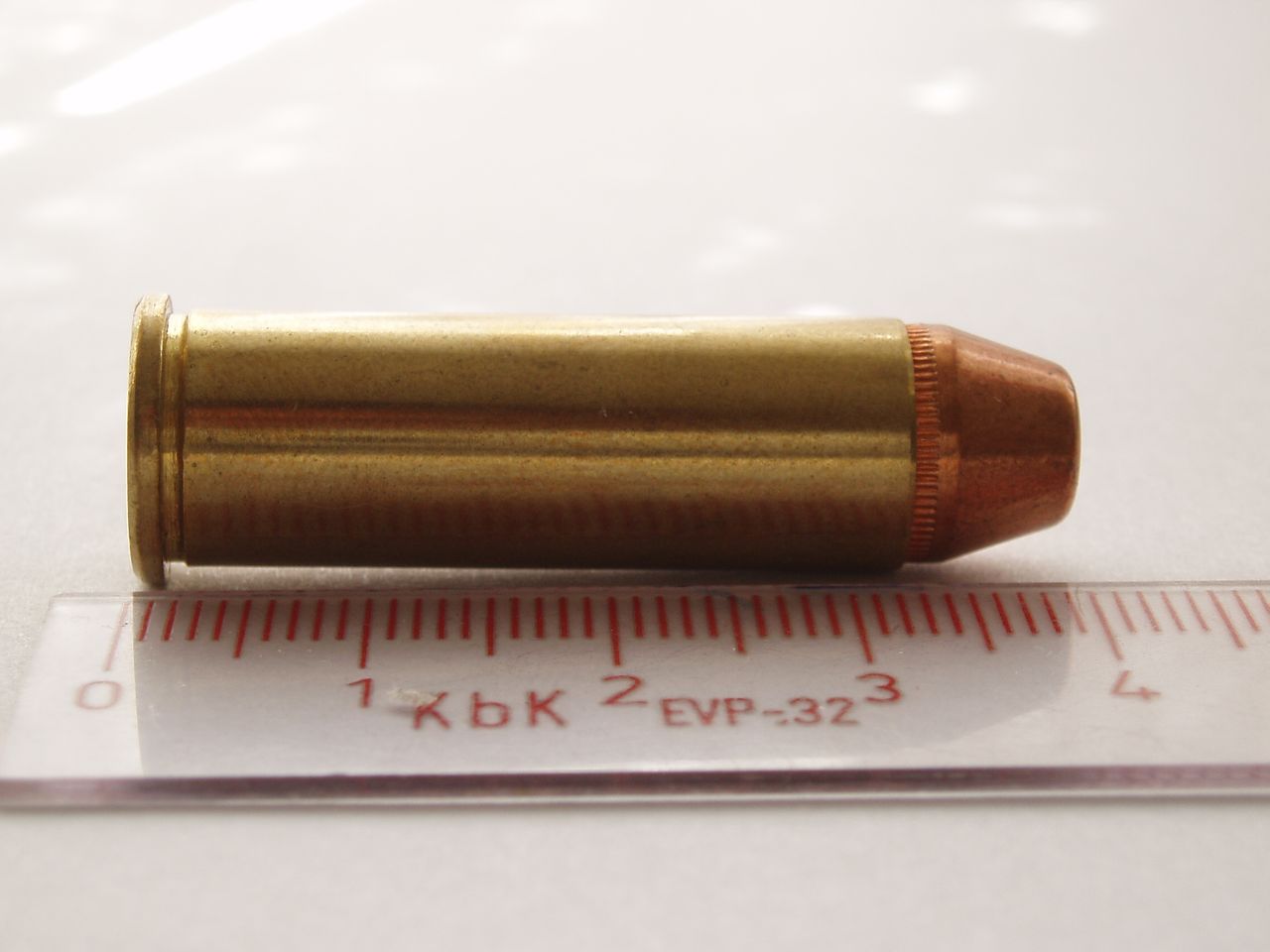
The .41 Magnum has always lived in a curious middle ground, admired by enthusiasts but never embraced as widely as .357 or .44. That niche status is part of its charm, yet it also helps explain why ammunition prices can climb so quickly. Lower demand usually means fewer options and less pricing competition.
For shooters who appreciate its balance of power and shootability, today’s ammo costs can be frustrating. The round was intended to serve as a practical magnum for field use and regular training, not a boutique cartridge brought out only on special occasions. In many stores, simply finding .41 Magnum is a win, and finding it at a comfortable price is something else entirely.
.45 Colt
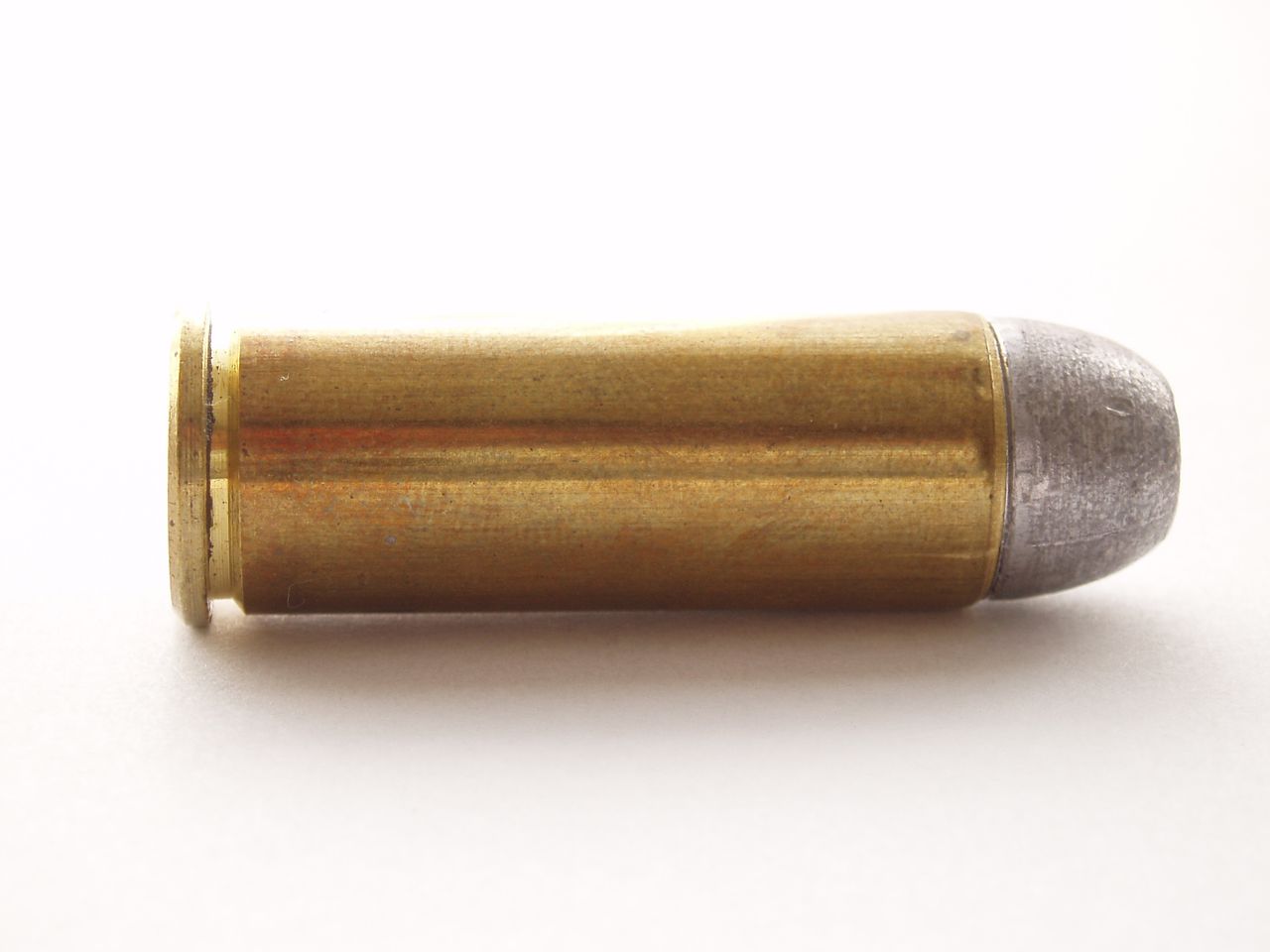
The .45 Colt has one of the most enduring names in handgun history, moving from frontier sidearm to cowboy-action favorite to modern heavy-load platform. It is versatile, charismatic, and deeply tied to American shooting culture. The problem is that this old warhorse often comes with modern boutique pricing.
Standard factory loads can already be expensive compared with more common handgun rounds, and the stout hunting or defensive loads made for strong modern revolvers climb fast from there. That changes how people use the cartridge. Instead of long, satisfying range days with a single-action or big double-action wheel gun, many shooters find themselves counting rounds and stretching every box farther than they would like.
.32 H&R Magnum
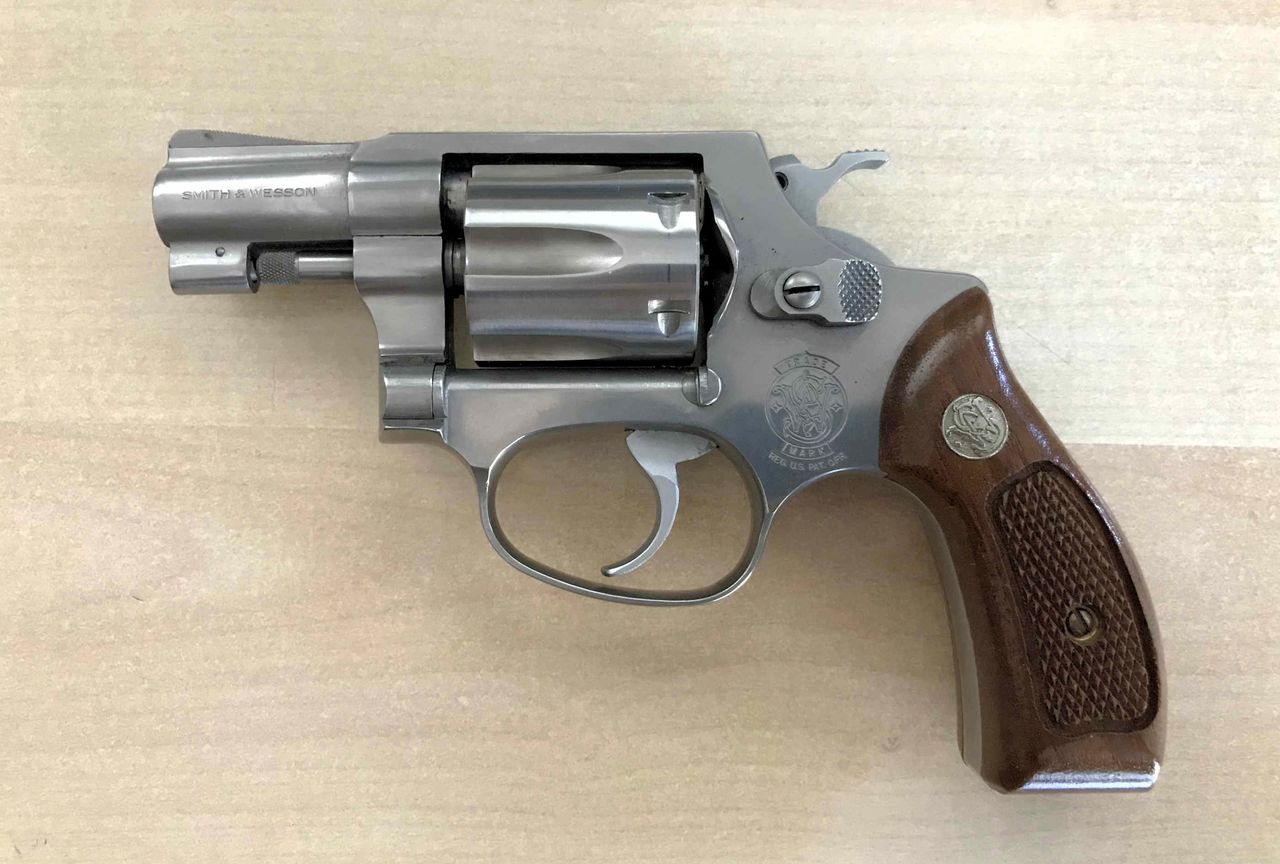
The .32 H&R Magnum has long appealed to shooters who want mild recoil, solid accuracy, and a little more energy than the classic .32 revolver rounds beneath it. In theory, it should be a cartridge people shoot often because it is pleasant, approachable, and easy to enjoy over a long session.
In practice, factory ammunition prices often undermine that whole appeal. Because it is a niche round with limited shelf space, buyers can end up paying surprisingly high prices for ammunition that was never meant to feel exotic. When a soft-shooting small-bore revolver costs nearly as much to feed as something far more powerful, the logic of frequent practice starts to fall apart.
.327 Federal Magnum
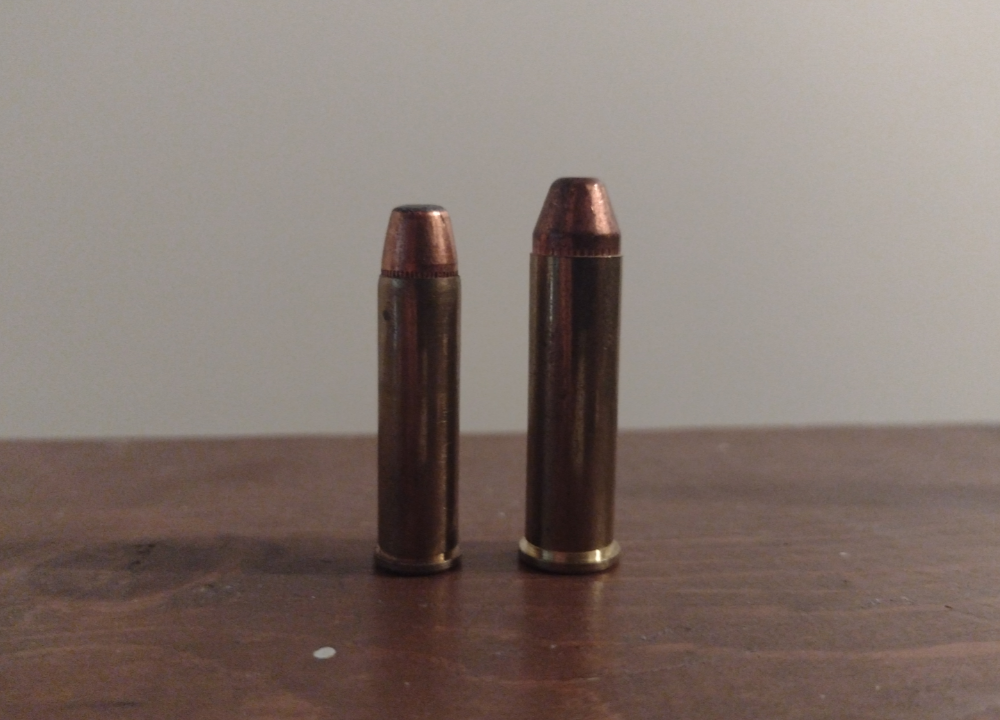
The .327 Federal Magnum promised a lot when it arrived: magnum-like performance, an extra round in some compact revolvers, and flexibility with several shorter .32 cartridges. It is clever, capable, and still has genuine fans. But ammunition cost has kept it from becoming the easy-to-recommend revolver option many expected.
Factory .327 loads are often priced high enough to discourage the regular practice needed to appreciate the round’s speed and snap. That is a problem for a cartridge that shines when shooters get comfortable with its unique feel and trajectory. Without affordable volume shooting, many revolver owners never fully warm to it, and a smart design ends up treated more like a novelty than a working round.
.454 Casull
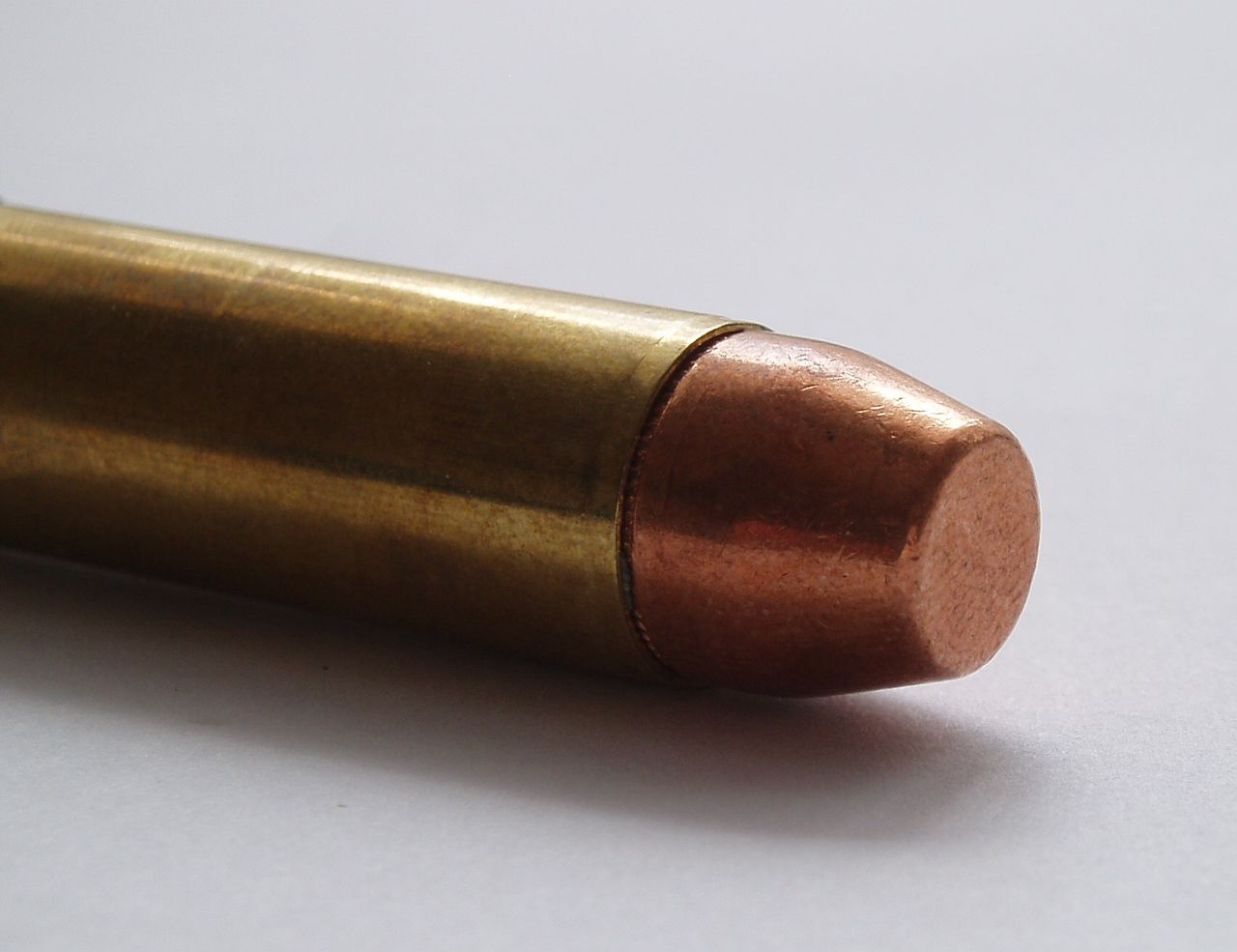
The .454 Casull was made for serious horsepower. It is a hunting and backcountry cartridge with a reputation for punishing recoil and formidable performance, and it was always going to demand commitment from the shooter. Still, it was designed to be mastered through repetition, not merely admired for what it can do on paper.
That repetition has become painfully expensive. Factory .454 Casull loads often sit at prices that turn even modest practice into a budget decision, especially with premium hunting ammunition. Plenty of owners rely on lighter .45 Colt loads for familiarization, but that only goes so far. To really learn the cartridge, you need time behind it, and time behind it now costs a lot.
.500 S&W Magnum
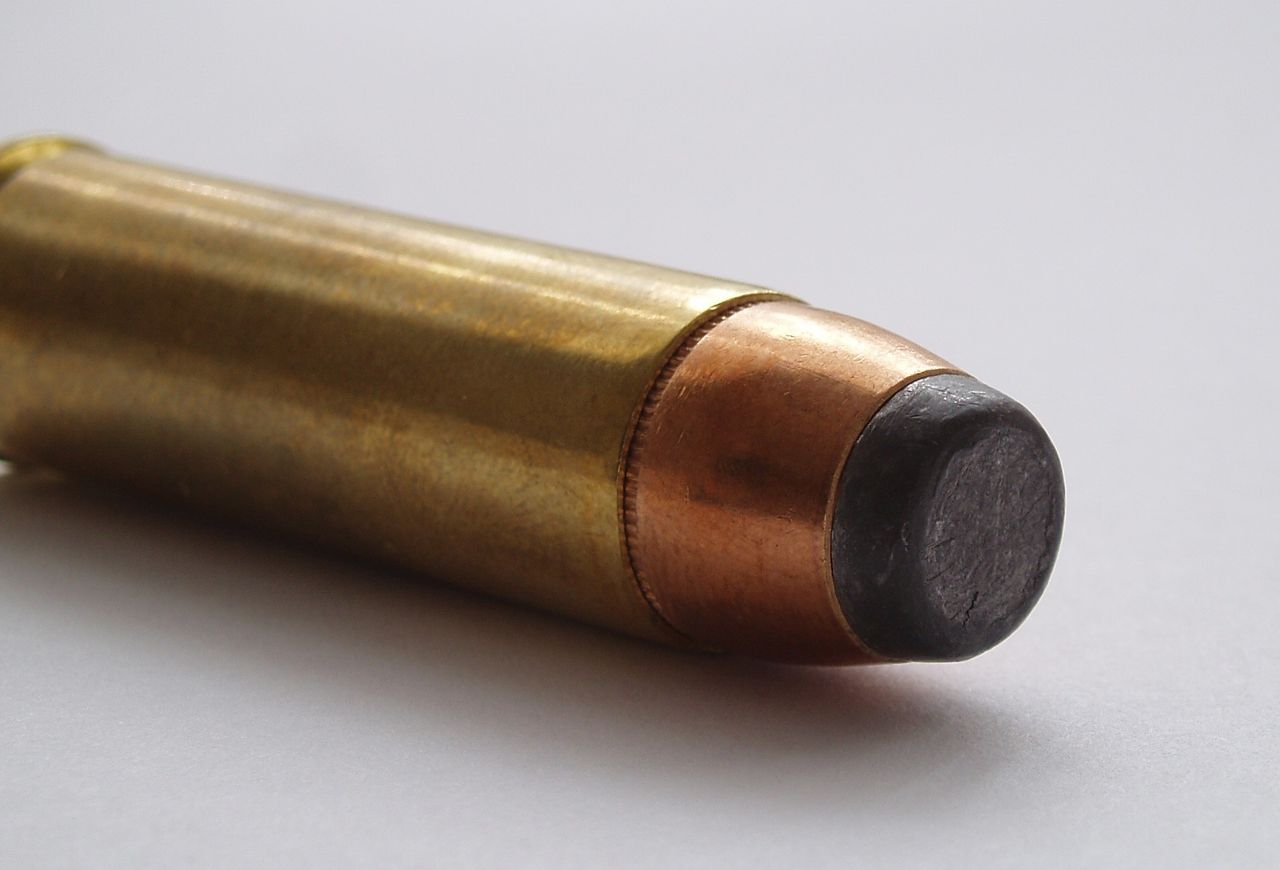
The .500 S&W Magnum was introduced as a statement cartridge, but it was also intended to be a practical tool for handgun hunters and shooters who truly needed extreme revolver power. Its size and blast were never subtle, yet the idea was still rooted in use, training, and familiarity rather than occasional spectacle.
Today, the price of factory .500 S&W ammunition puts that practical side out of reach for many owners. A single box can cost enough to make a short range trip feel extravagant, especially if premium bullets are involved. That reality leaves many revolvers chambered for it firing only a handful of rounds at a time, which is hardly the steady, skill-building use any serious field cartridge deserves.