Nature has always been both a provider and a protector. Yet, when humans overstep boundaries, clearing forests, polluting oceans, or ignoring warnings, it reminds us who truly holds power. Throughout history, nature has responded in ways both tragic and transformative, teaching us humility and the need for harmony. These seven moments show how nature fought back and the valuable lessons we learned about respect, balance, and survival.
1. The 2004 Indian Ocean Tsunami
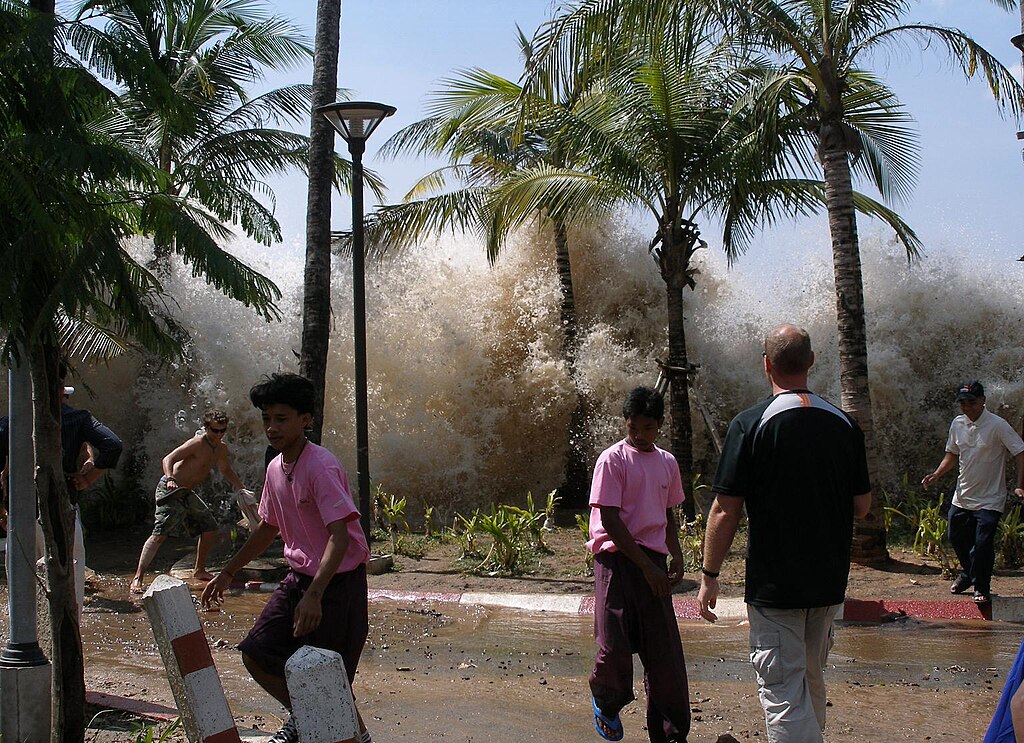
On December 26, 2004, one of the most powerful earthquakes ever recorded struck off Indonesia’s coast, triggering a massive tsunami that swept across 14 countries. Waves over 100 feet high erased entire towns, killing more than 230,000 people. The tragedy exposed the absence of early warning systems and the destruction of coastal mangroves that once protected shorelines. In its wake, nations realized that safeguarding natural barriers is as vital as technological readiness against future oceanic fury.
2. The 1986 Chernobyl Nuclear Disaster
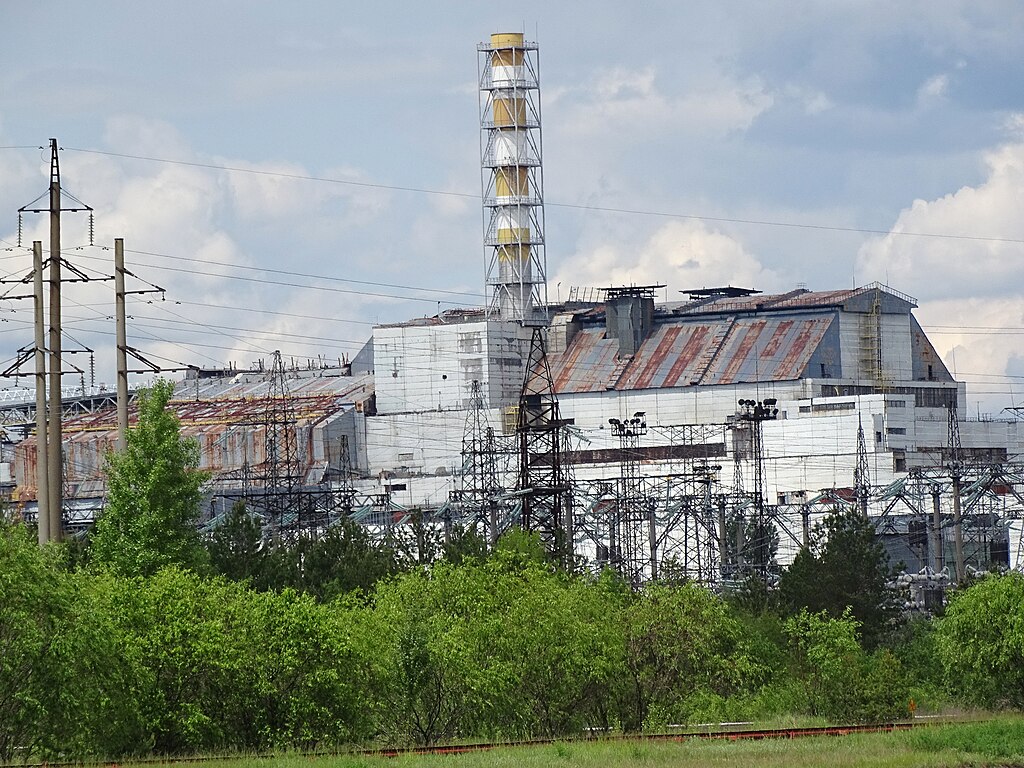
In April 1986, a reactor explosion in Chernobyl, Ukraine, released deadly radiation across Europe. What followed was a chilling silence as humans fled, leaving nature to reclaim the contaminated zone. Decades later, forests grew wild, animals returned, and ecosystems thrived without interference. Chernobyl became a haunting lesson in both devastation and resilience. It revealed how our pursuit of control can backfire and how nature, when left alone, has an incredible power to restore itself.
3. The 2019 to 2020 Australian Bushfires
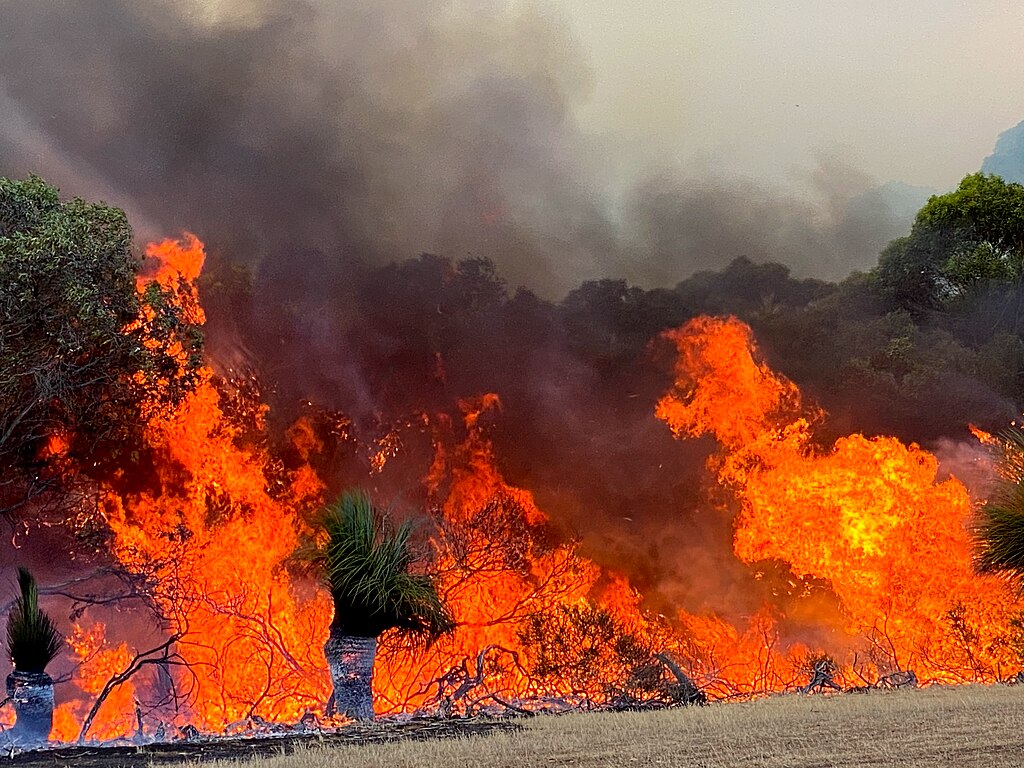
Between late 2019 and early 2020, Australia endured fires so intense that skies turned orange and wildlife perished in unimaginable numbers. Driven by record-breaking heat and drought linked to climate change, the blazes scorched millions of acres and destroyed thousands of homes. Nearly three billion animals were killed or displaced. The fires exposed the risks of ignoring climate warnings and mismanaging forests. Australia’s burning summer became a global wake-up call to respect the planet’s limits.
4. The Dust Bowl of the 1930s
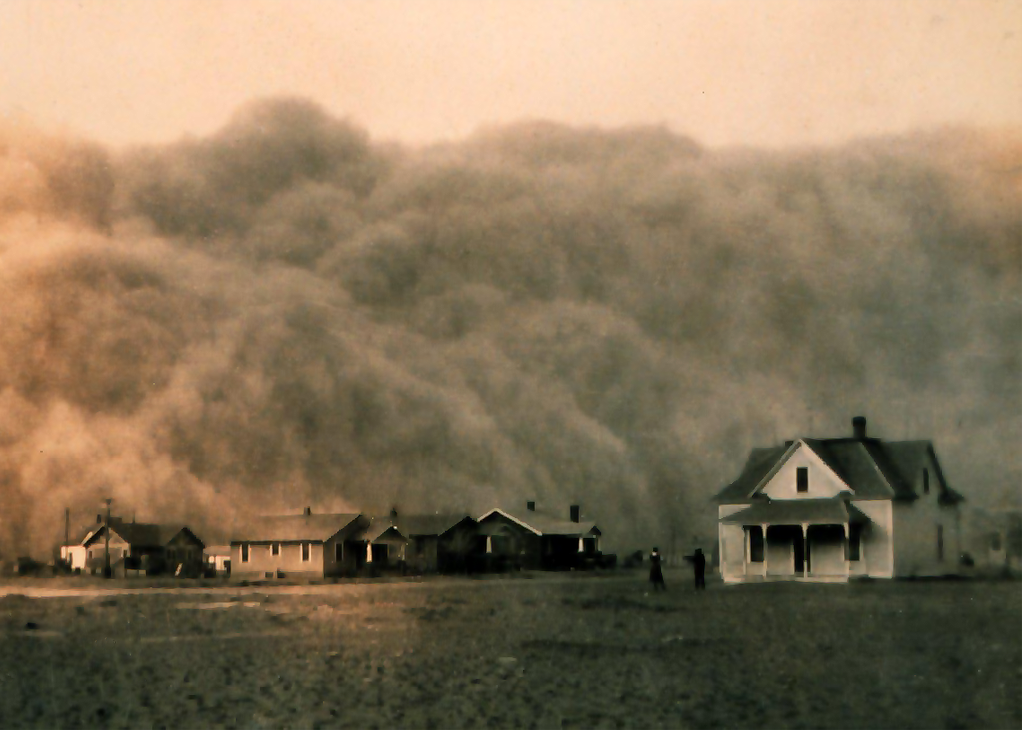
In the 1930s, the American Great Plains became a dry wasteland after years of aggressive farming removed the prairie grasses that held the soil together. Strong winds lifted the topsoil into enormous dust storms, darkening skies and forcing thousands to abandon their farms. Crops failed, and hunger spread. The Dust Bowl revealed the destructive consequences of exploiting land without understanding its limits. From that suffering came new soil conservation laws and a national respect for sustainable farming.
5. The COVID-19 Pandemic

When COVID-19 spread globally in 2020, the world discovered how fragile modern life can be. Believed to have emerged from close human contact with wildlife, the virus crossed species lines and changed history. It paralyzed economies, isolated billions, and took millions of lives. The pandemic showed how human intrusion into wild habitats and illegal wildlife trade can unleash invisible dangers. Our greatest takeaway: respecting nature’s boundaries is essential for protecting our own health and survival.
6. Hurricane Katrina
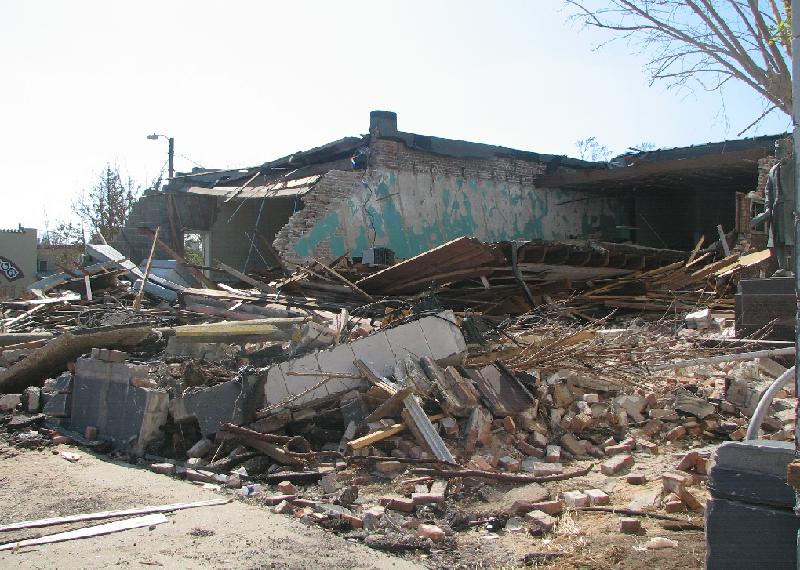
In August 2005, Hurricane Katrina slammed into the Gulf Coast, flooding New Orleans and killing over 1,800 people. While the storm itself was powerful, the worst destruction came from broken levees and the loss of wetlands that once absorbed storm surges. Years of neglect and poor environmental planning magnified the disaster. Katrina reminded the world that nature’s wrath intensifies when humans weaken its natural defenses. Rebuilding with resilience means restoring what we once destroyed.
7. The 2011 Japan Earthquake and Fukushima Disaster
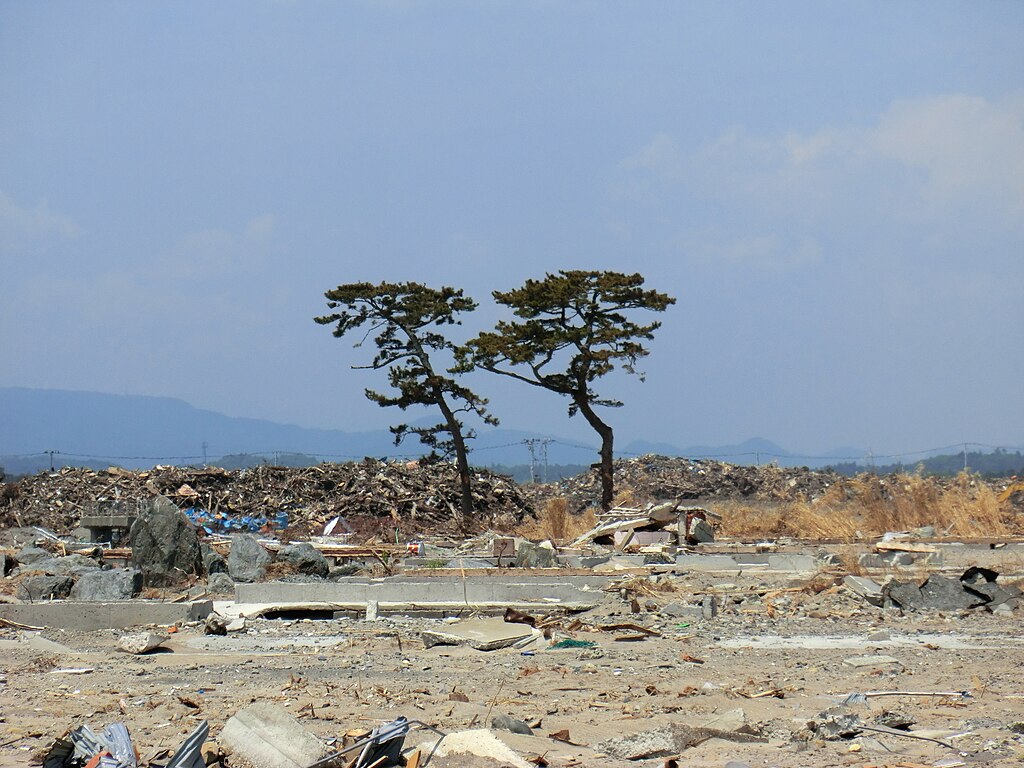
On March 11, 2011, a 9.0 magnitude earthquake struck Japan, unleashing a towering tsunami that devastated coastal towns and crippled the Fukushima nuclear power plant. Radiation leaks, mass evacuations, and economic turmoil followed. The disaster proved how quickly natural power can overwhelm human technology. Yet Japan’s response to stricter safety measures, community drills, and improved warning systems showed humanity’s capacity to learn. It was a humbling reminder that nature’s might must always be respected, not challenged.