Some cartridges earn their reputation the hard way, over decades on ranges, in holsters, and in training classes. The .38 Special is one of them. For many instructors, it still hits the sweet spot for new revolver shooters because it balances control, confidence, availability, and real-world usefulness in a way few rounds can match.
Manageable recoil builds confidence

The first thing many instructors want from a beginner cartridge is simple: it should not punish the shooter for learning. Standard pressure .38 Special loads are widely seen as easy to handle in medium-frame revolvers, letting new shooters focus on grip, stance, and trigger control instead of bracing for a hard snap.
That matters more than people think. When recoil feels manageable, students tend to shoot more relaxed and pay closer attention to technique. Confidence grows faster when each shot feels predictable, and that usually leads to better habits from the very beginning.
Accuracy comes easier for new shooters

A cartridge that is comfortable to shoot often becomes a cartridge that is easier to shoot well. Instructors frequently recommend .38 Special because its milder recoil impulse gives beginners a better chance to keep sights aligned and press the trigger without yanking the gun off target.
That does not mean the round is magically accurate on its own. It means the shooter has a fairer platform for learning the basics. With fewer flinches and less anticipation, students can actually see what their technique is doing, and that feedback is gold during early range sessions.
The round has a long, proven track record
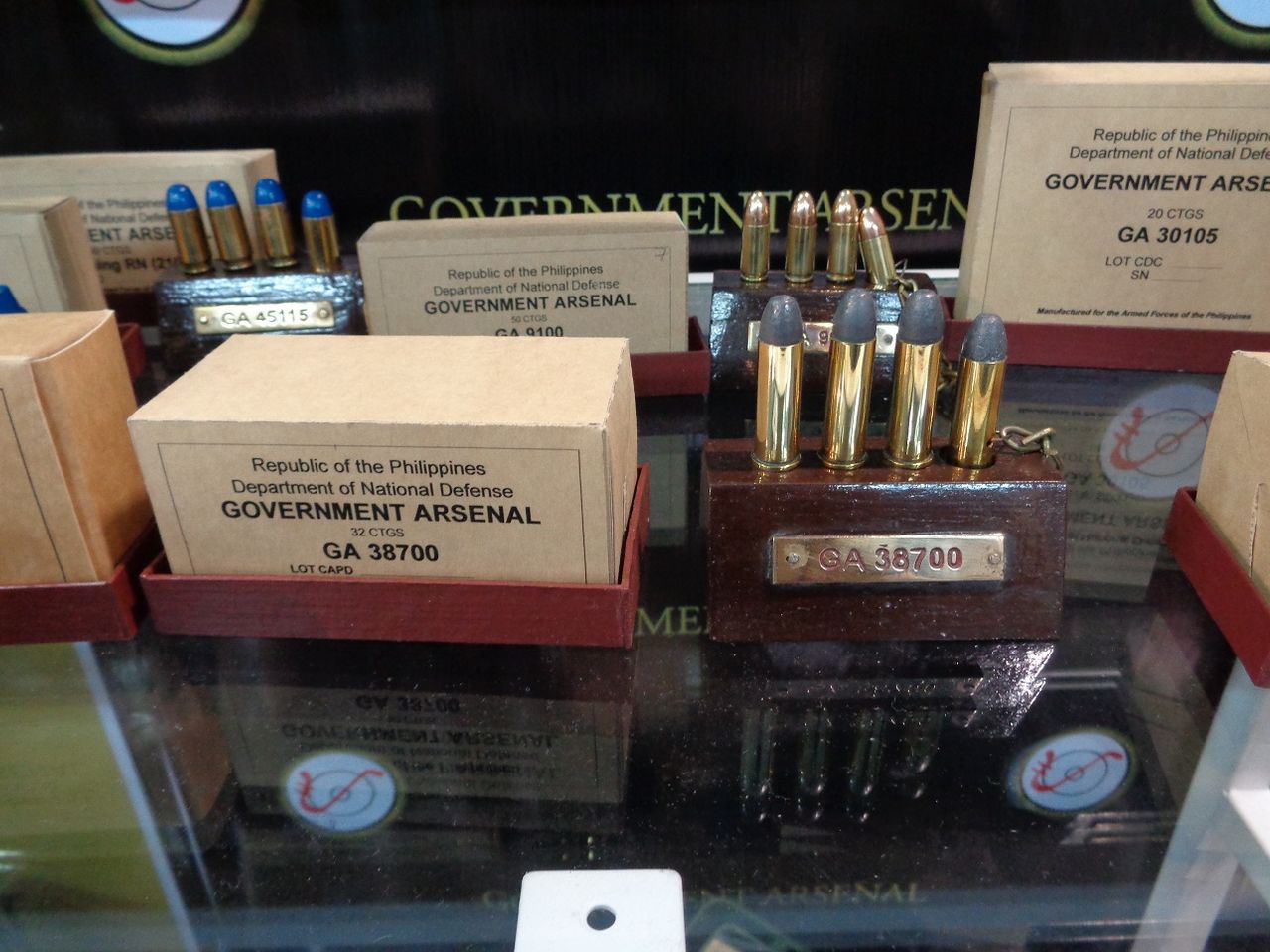
In the firearms world, longevity usually says something important. The .38 Special has been around for well over a century, and it has remained relevant through changing trends, shifting law enforcement preferences, and waves of new handgun designs.
That history gives instructors a deep well of practical knowledge to draw from. They know how the cartridge behaves, what loads tend to be pleasant or effective, and how it performs in common revolvers. For a beginner, there is comfort in starting with something so familiar, tested, and widely understood.
A wide range of loads supports learning
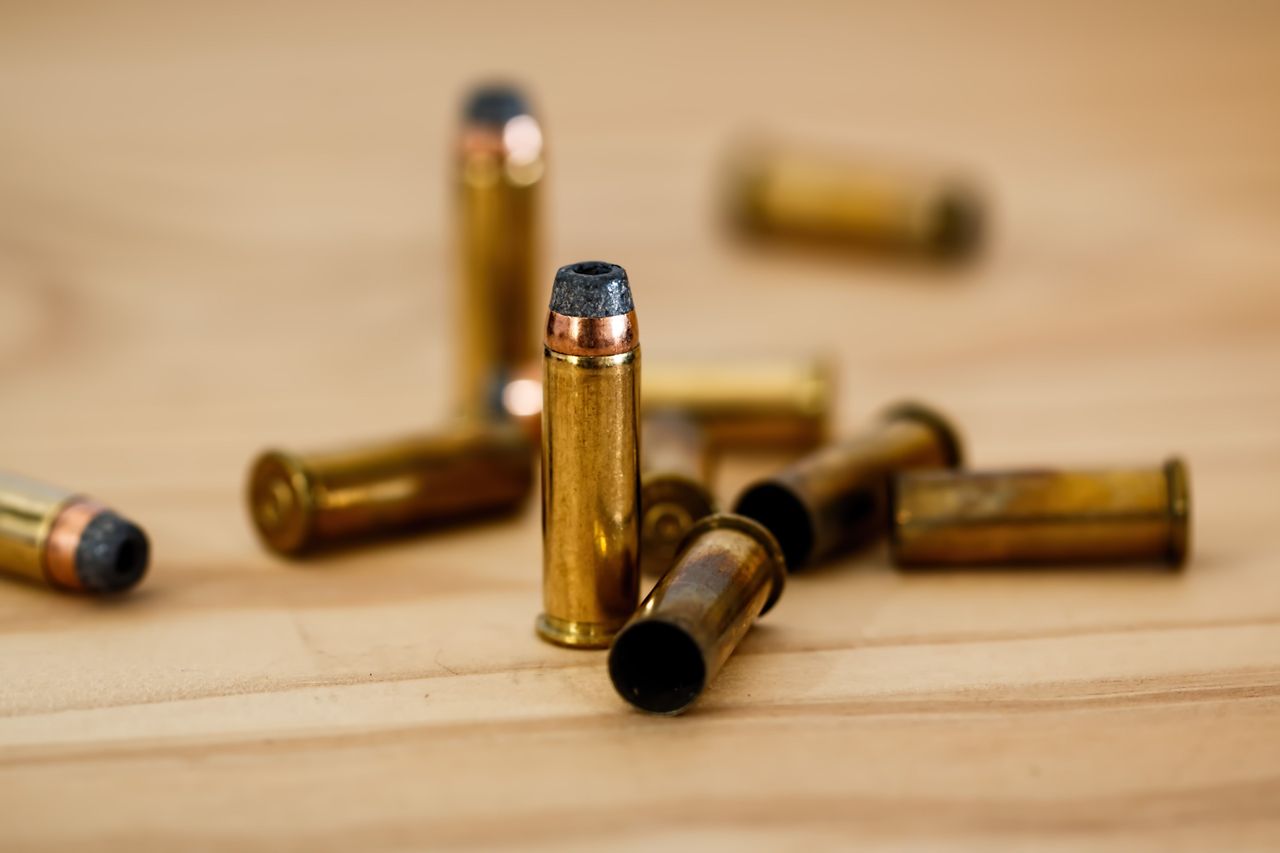
One reason the .38 Special stays so useful is flexibility. Shooters can find everything from light target wadcutters to standard pressure practice loads and more serious defensive options, which lets the cartridge grow with the person using it.
For instructors, that variety is a big advantage. They can start a student on soft-shooting ammunition that keeps lessons pleasant, then move to loads that better reflect carry or home-defense needs. The transition feels less abrupt, and students learn that not all ammunition behaves exactly the same, which is an important lesson in itself.
Revolvers chambered for it are straightforward to operate

The cartridge and the platform often get recommended together for a reason. A .38 Special revolver is usually simple to understand at a glance, with fewer controls and a very direct manual of arms. For many new shooters, that simplicity reduces mental clutter during a lesson.
Instructors still have plenty to teach, of course, including safe loading, unloading, cylinder checks, and trigger discipline. But the basic operating flow is easy to grasp. That can help beginners stay focused on safety and marksmanship instead of getting overwhelmed by extra mechanical steps.
It works well for practice and personal defense
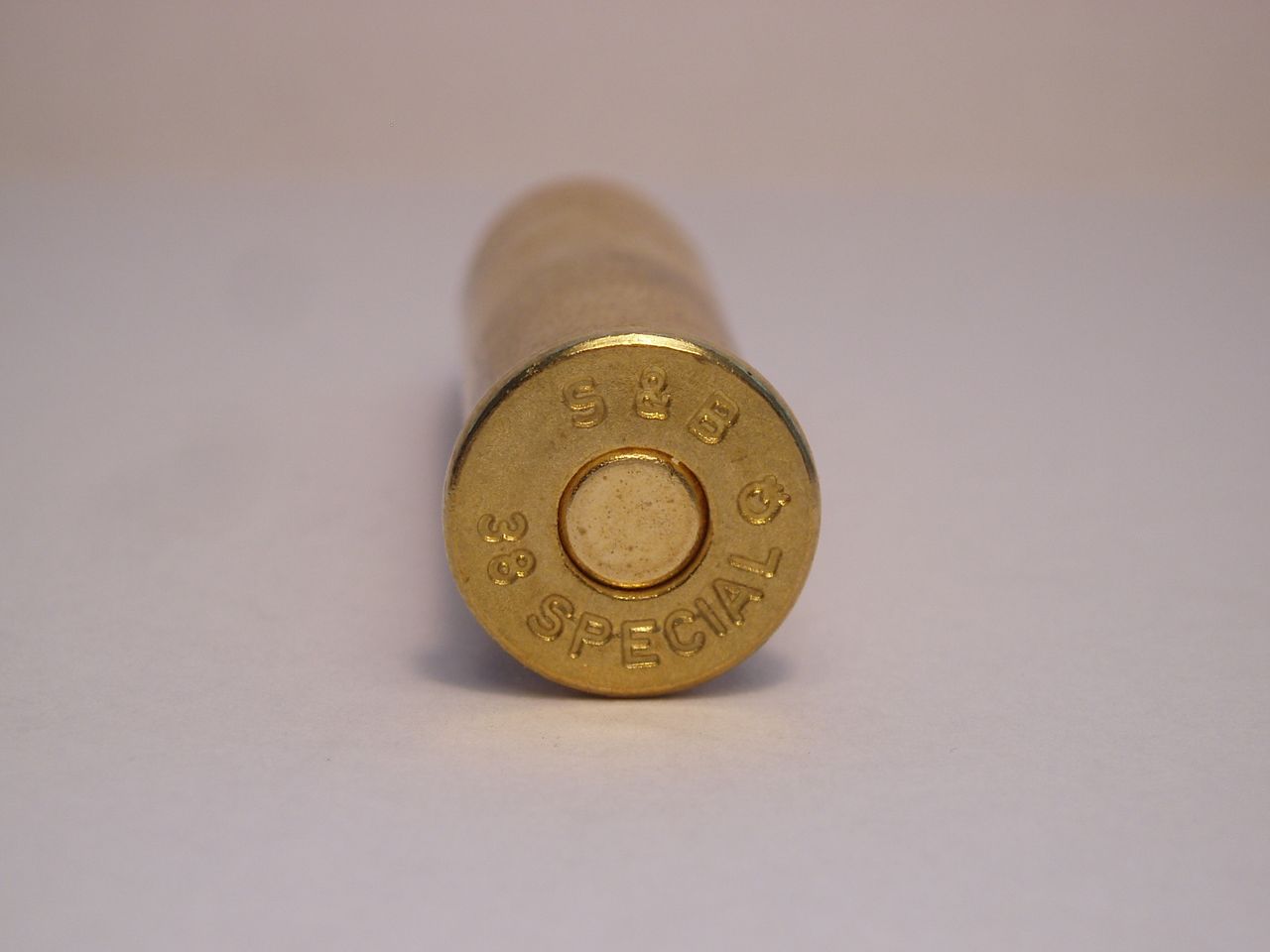
Few instructor favorites stay favorites unless they can do more than one job. The .38 Special has long been valued because it makes sense on the practice range but also offers legitimate defensive capability when loaded appropriately and paired with a suitable revolver.
That balance is especially appealing to first-time buyers. They do not have to learn on one cartridge and immediately abandon it for another. Instead, they can practice with familiar ammunition characteristics and understand how their firearm may perform in a more serious context, all without making a dramatic leap.
It encourages better trigger control

Double-action revolver shooting has a way of revealing everything a shooter is doing right or wrong. With .38 Special, the recoil and report are often moderate enough that students can pay real attention to the trigger press and learn to keep the sights steady through the shot.
That is one reason many instructors still like teaching with it. The cartridge does not overshadow the mechanics. Instead, it lets the lesson stay centered on fundamentals like a smooth press, follow-through, and recovery. Master those skills here, and they tend to transfer well to many other handguns.
It remains widely available and familiar

Practicality matters, especially for new shooters who are just beginning to buy ammunition, schedule range time, and compare firearms. The .38 Special remains one of the best-known revolver cartridges in the market, and that familiarity makes it easier to discuss, shop for, and understand.
Availability can vary by region and moment, but the round is still a standard reference point in many gun stores and training circles. Instructors appreciate that. A beginner is better served by a cartridge they can recognize and find with relative ease than by something obscure or overly specialized.
It offers versatility across revolver sizes
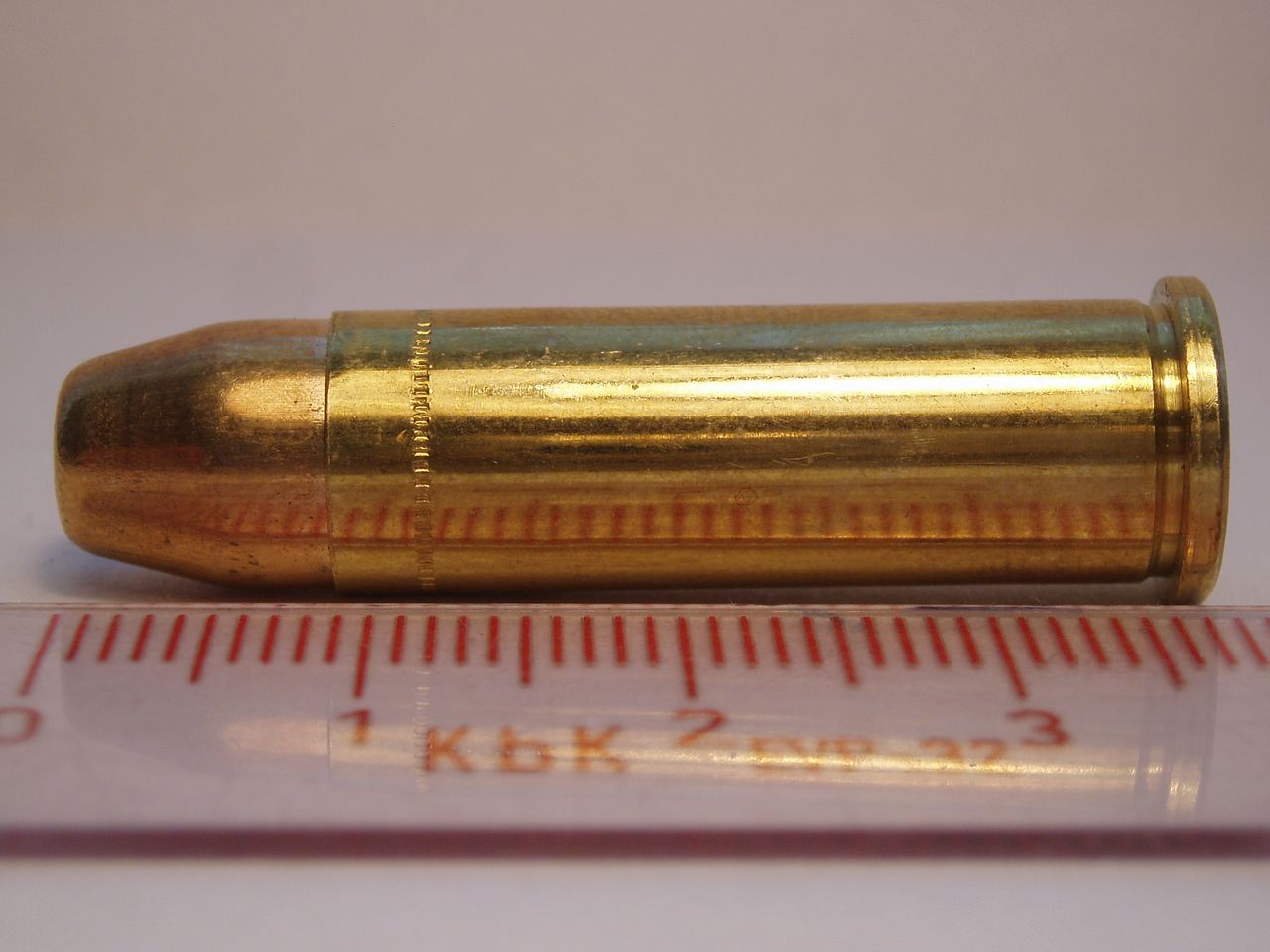
The .38 Special is not tied to just one kind of revolver. It shows up in compact snub-nose models, service-size guns, and heavier range revolvers, which gives instructors and students room to find a setup that fits the shooter instead of forcing the shooter to fit the gun.
That flexibility can be a real advantage in training. A beginner might start with a heavier revolver that soaks up recoil and later explore a smaller carry-oriented model. The cartridge stays familiar even as the platform changes, making each step in the learning process feel more connected.
It teaches fundamentals without unnecessary drama
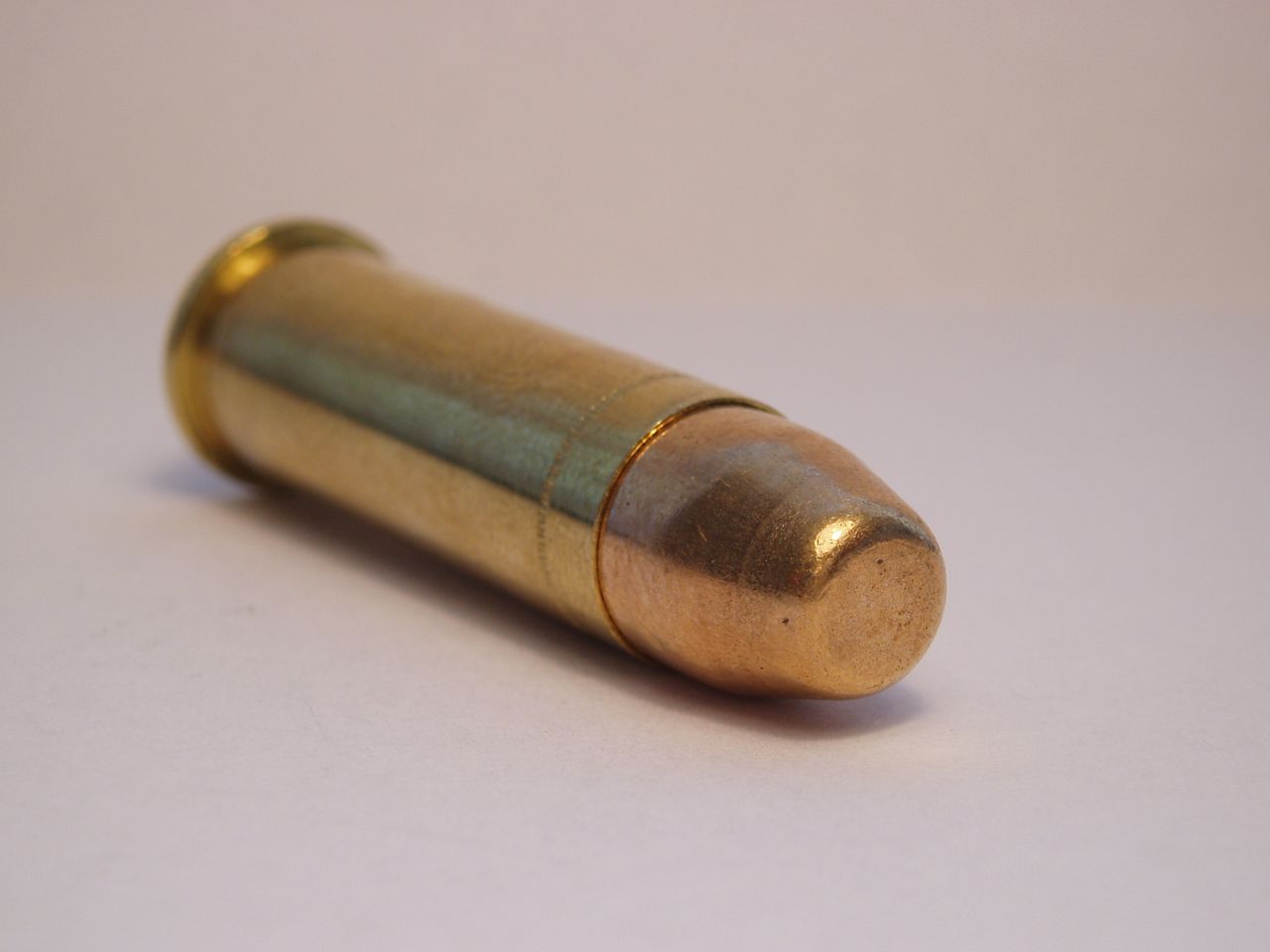
At the end of the day, instructors usually recommend what helps students succeed early and safely. The .38 Special has endured because it strips away some of the drama that can come with harder-kicking rounds and lets the core lessons stand front and center.
That does not make it boring or outdated. If anything, its staying power proves how well it fits the beginner role. For someone learning sight picture, trigger press, recoil management, and safe gun handling, a cartridge that makes practice approachable is often the smartest place to start.