The handgun market can change dramatically when a familiar competitor disappears. A discontinued model can leave buyers looking for alternatives, while a military replacement can suddenly make an older pistol feel more distinctive. That does not always mean one pistol directly caused another to become popular, but the timing can be striking. The seven examples below show how changing competition, production decisions, and shifting service roles helped give established pistols a fresh lease on attention.
1. Glock 17
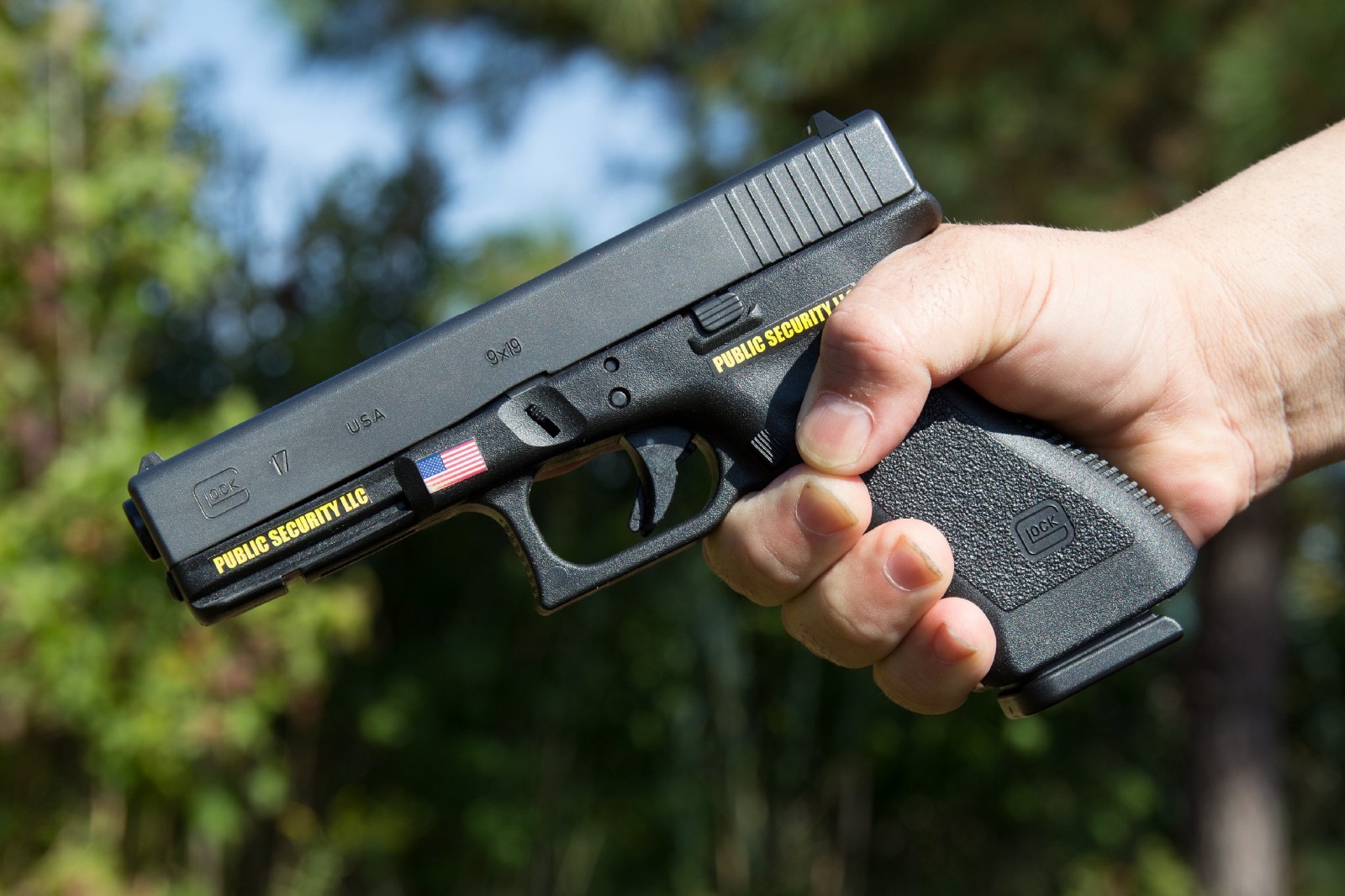
Glock 17: When the Browning Hi-Power left regular Browning production in 2018, it closed the chapter on one of the classic double-stack 9mm pistols. The Glock 17 was already established, but the Hi-Power’s exit made its modern simplicity look even more relevant. Introduced in 1982, the Glock carries 17 rounds in its standard magazine and uses a polymer frame with a striker-fired system. The Hi-Power had offered 13 rounds decades earlier, but lacked newer features such as a factory accessory rail. Its rival’s disappearance highlighted how dramatically pistol design had shifted, and gave the Glock’s formula even more room to stand on its own today.
2. Beretta 92FS
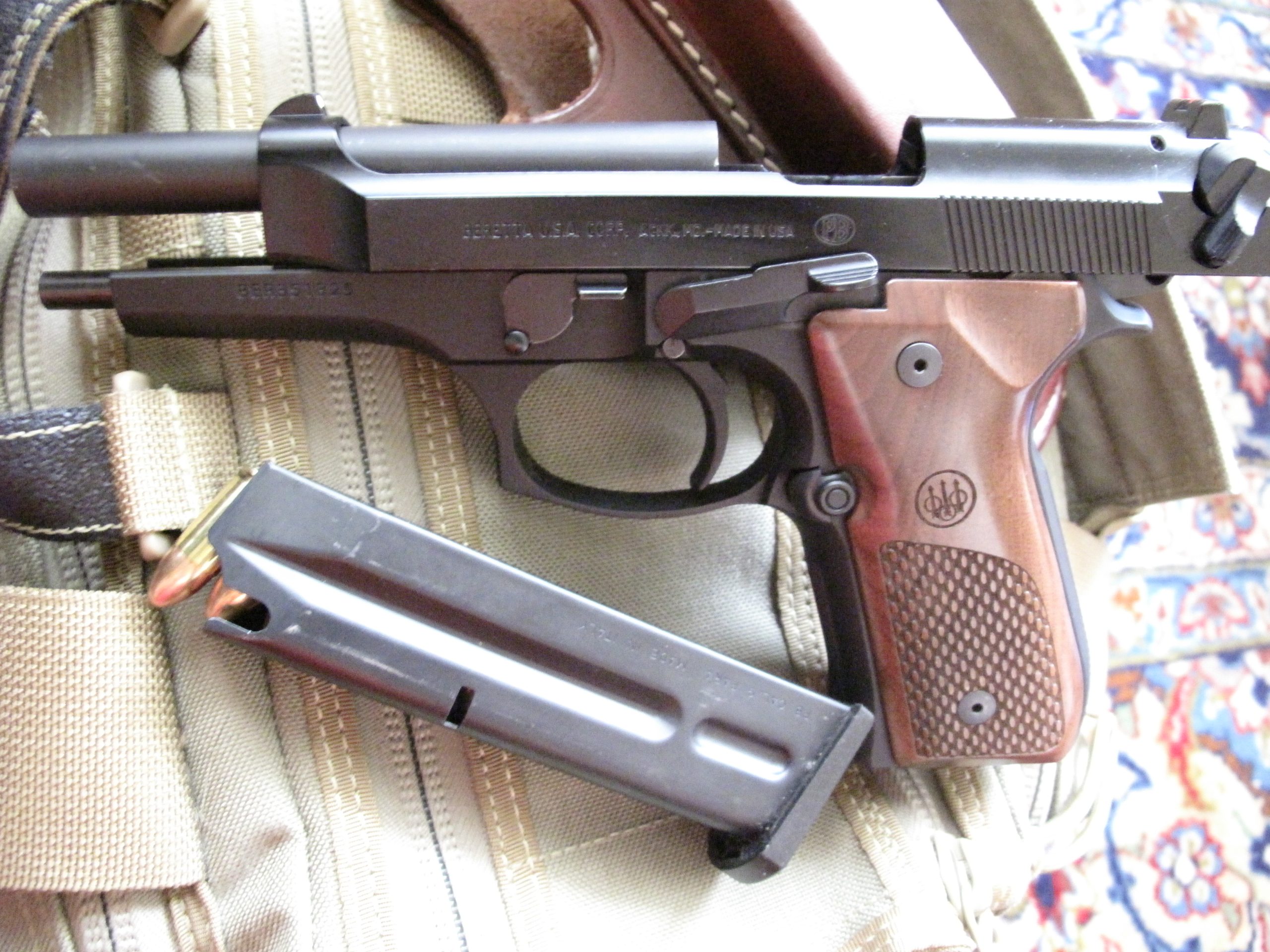
Beretta 92FS: The Beretta 92FS gained a second kind of recognition after the Beretta M9 era began winding down in U.S. military service. The M9’s replacement competition ultimately favored the SIG Sauer M17/M18 family, leaving the 92 series less tied to current American service trends. Yet the 92FS remained a recognizable civilian and collector pistol. Introduced in 1975, the 92 uses a 15-round magazine in its classic configuration and a locking-block, short-recoil system. Once the newer service pistol displaced its military counterpart, the older Beretta’s long history became part of its appeal rather than its only weakness. That history still gives it a distinct identity.
3. Smith & Wesson Model 686
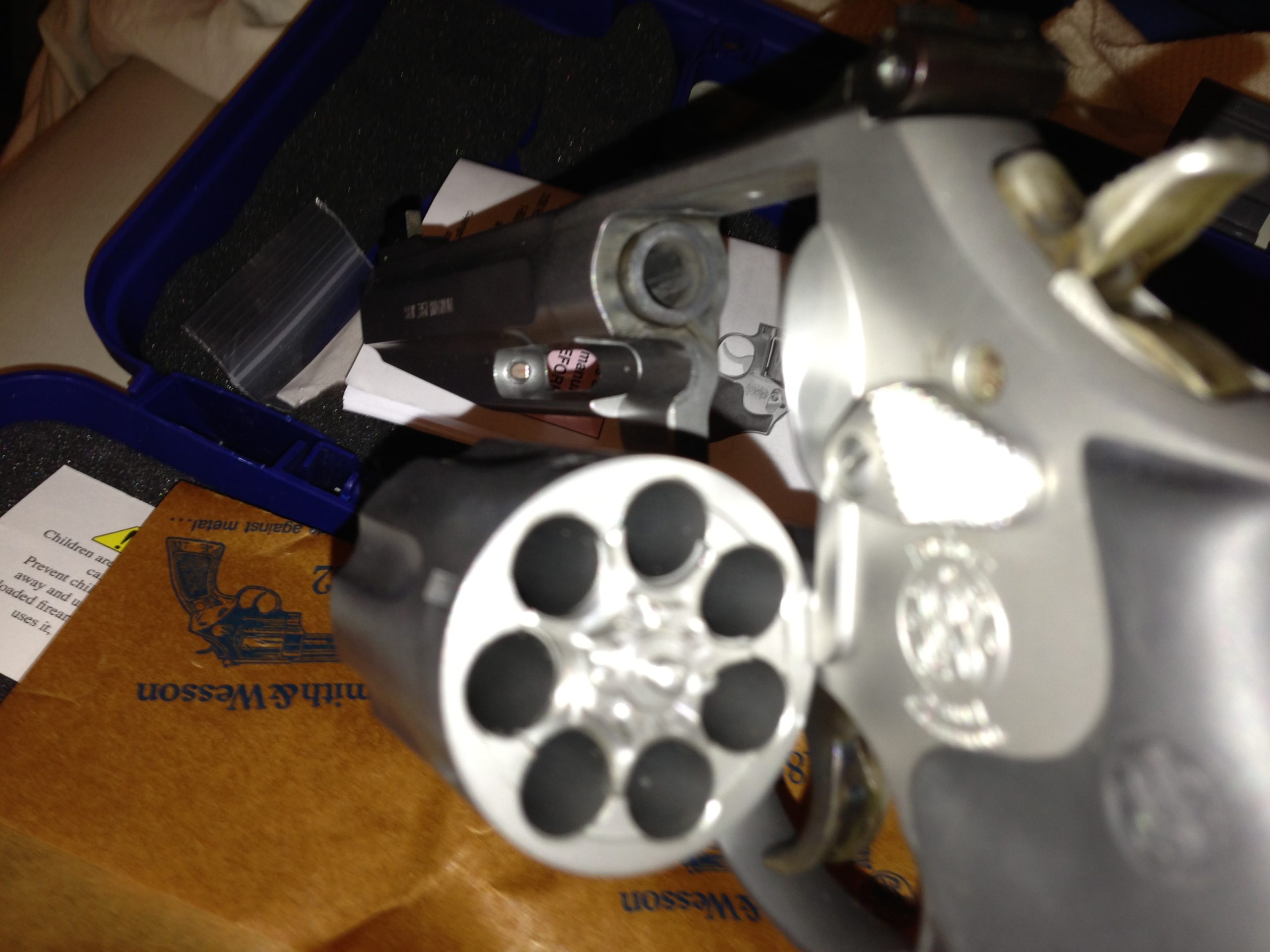
Smith & Wesson Model 686: The stainless Model 686 benefited from the decline of traditional police revolver roles rather than from one rival vanishing overnight. Introduced in 1980, the L-frame 686 was built to handle .357 Magnum loads while offering a stronger frame than smaller K-frame designs. Its usual cylinder holds 6 rounds, although some versions hold 7. As many departments moved toward semiautomatic pistols, classic revolvers became less common in service, but the 686 found a durable second life with sporting shooters and collectors. The disappearance of older duty revolvers left this design looking unusually purposeful, especially for shooters who still wanted a full-size .357.
4. Colt Python
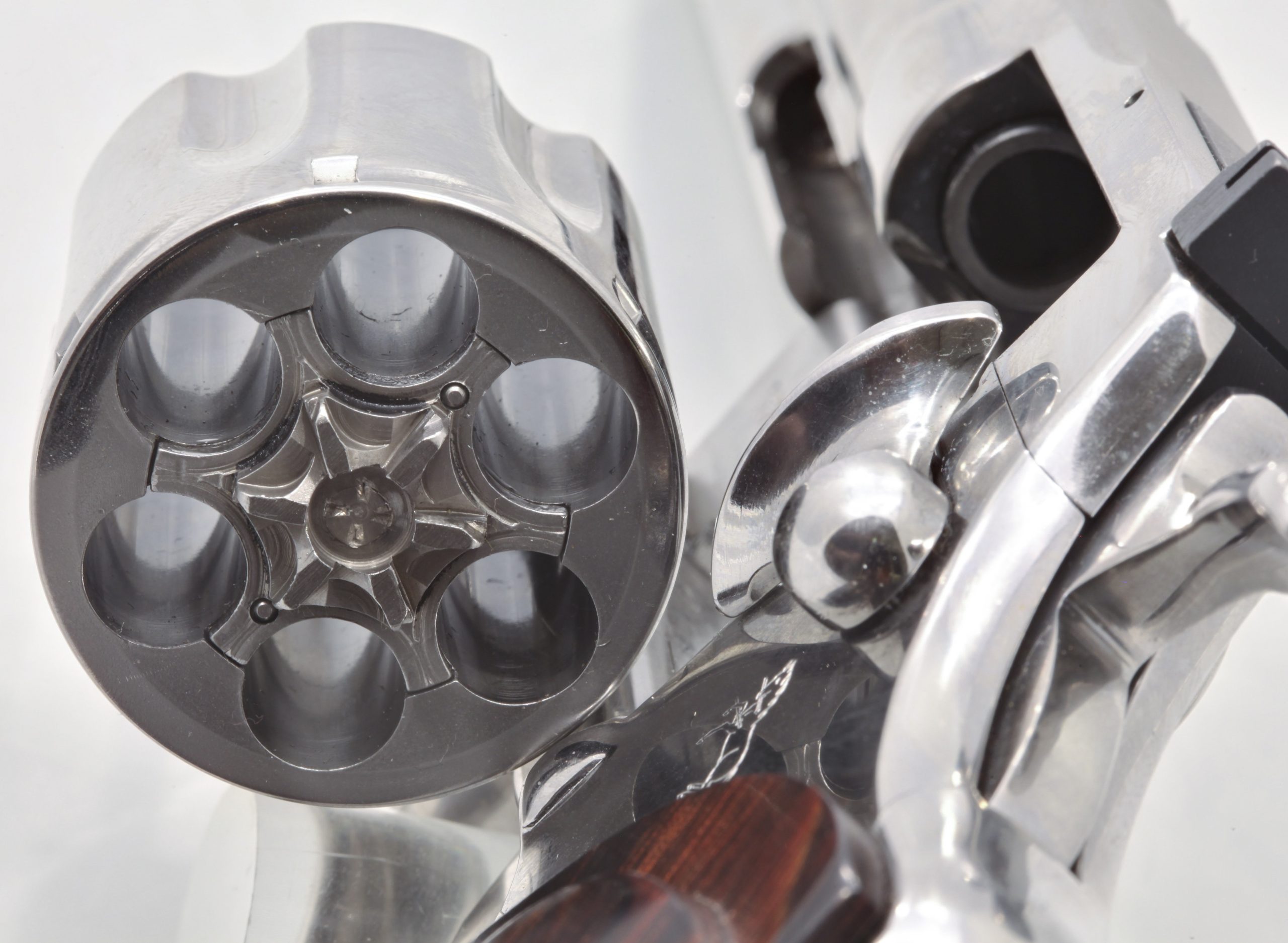
Colt Python: The original Colt Python became more prominent among collectors after Colt ended regular production and closed the door on its old hand-fitted era. The original run began in 1955 and ended completely in 2005. During its life, the Python was offered with barrel lengths from 2.5 to 8 inches, with the 6-inch version recognizable. Its reputation for careful fitting, a smooth double-action trigger, and distinctive ventilated rib helped separate it from ordinary service revolvers. When the original disappeared, scarcity changed how people viewed it, turning an established handgun into a sought-after collector’s piece. Colt’s 2020 revival reinforced the fascination with the original.
5. SIG Sauer P226
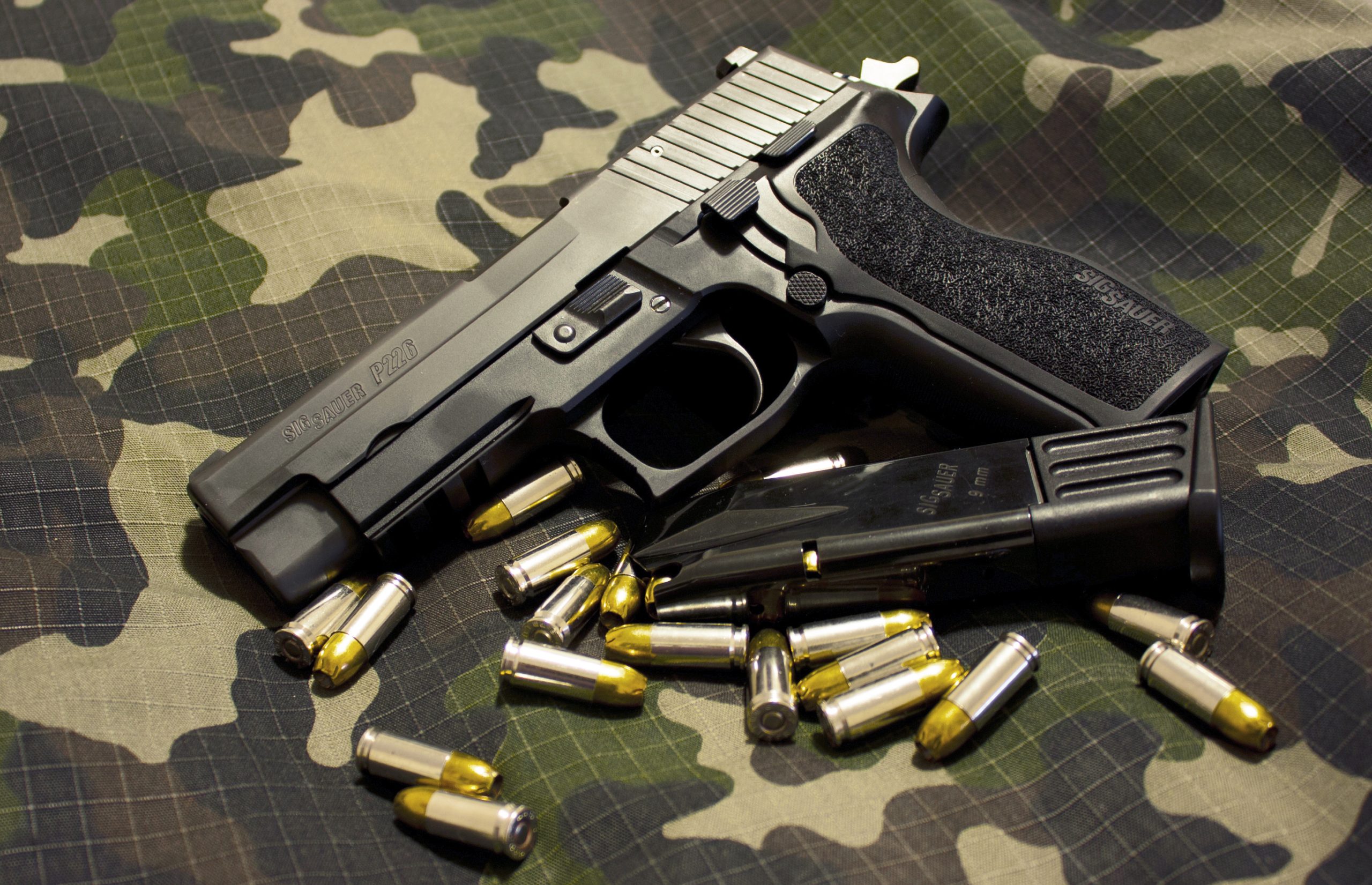
SIG Sauer P226: The P226 retained attention as traditional full-size service pistols began disappearing from duty holsters in favor of lighter polymer designs. Developed in the 1980s, the P226 uses a double-action/single-action system and a 9mm magazine capacity commonly associated with 15 rounds in classic configurations. Its major U.S. military competitor, the Beretta M9, was eventually replaced through the Modular Handgun System program by the SIG Sauer M17 and M18. That change did not make the P226 new, but it reinforced its identity as a premium metal-framed service pistol from an earlier generation. Its long service history kept the model recognizable after that transition.
6. Browning Hi-Power
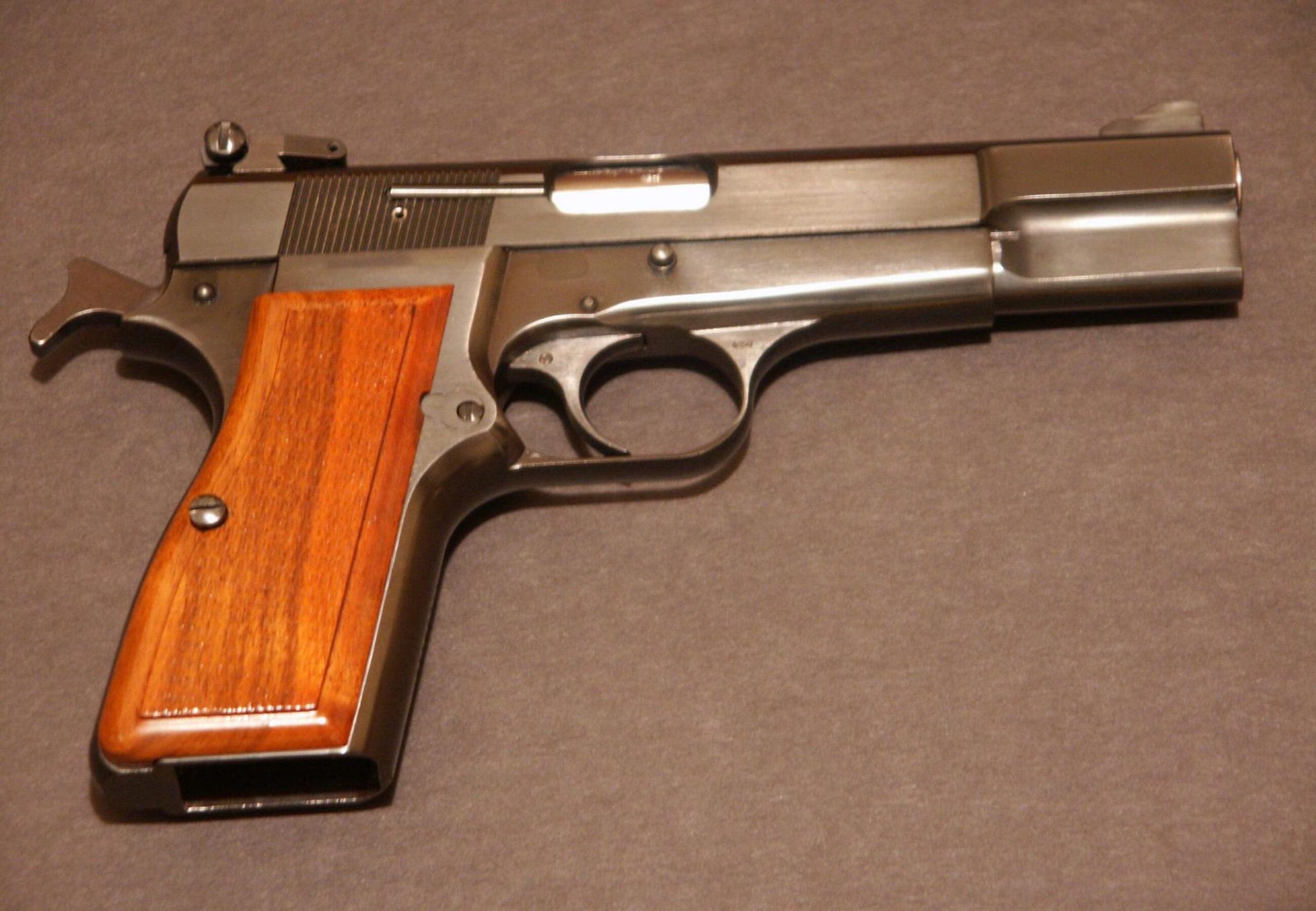
Browning Hi-Power: The Hi-Power itself became more sought after after its own disappearance, especially once modern competitors made its strengths easier to appreciate in hindsight. Production ended at Browning in 2018, after a run that began in 1935. Its defining feature was a 13-round double-stack 9mm magazine, a major capacity advantage when it appeared. More than 1 million Hi-Powers were eventually produced, and the design served with military and police organizations worldwide. As polymer striker-fired pistols replaced traditional service guns, the Hi-Power’s steel frame, single-action trigger, and classic proportions became part of its renewed collector appeal. Its variants add appeal.
7. Colt Anaconda
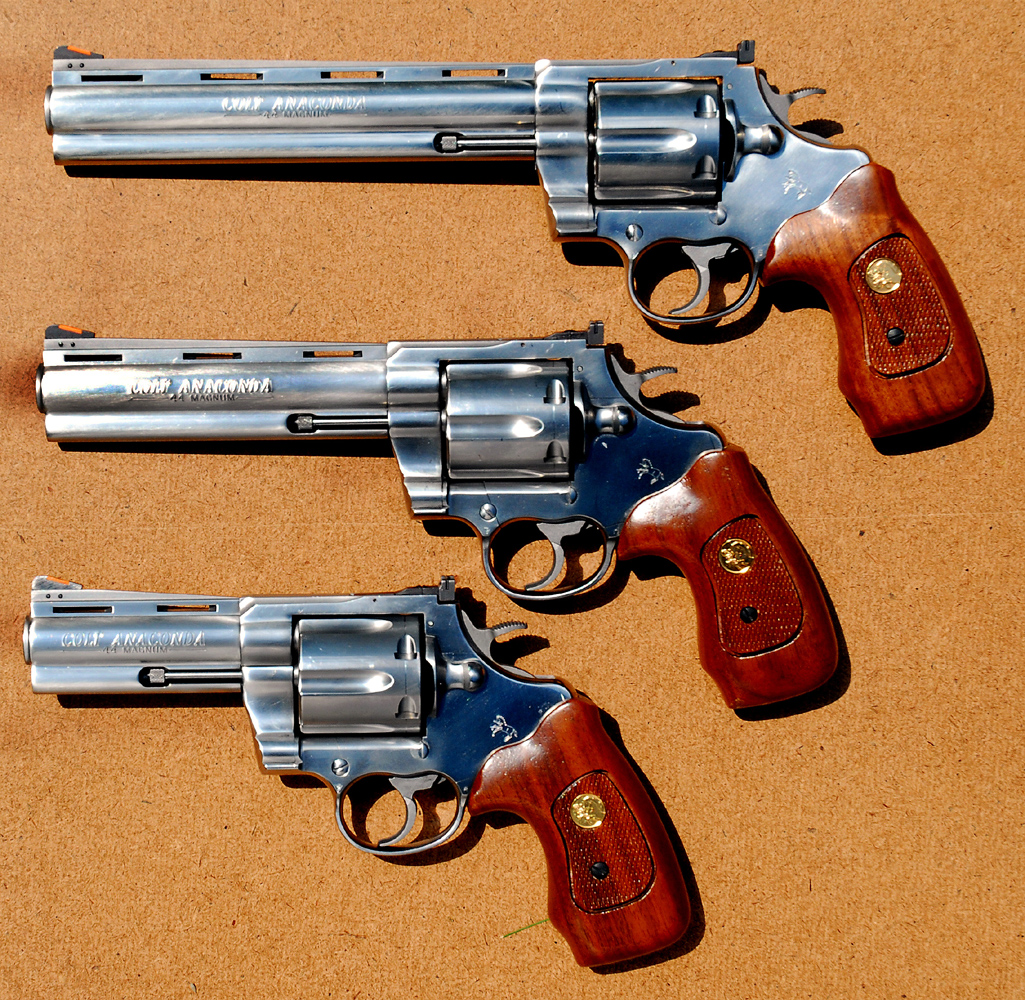
Colt Anaconda: The Colt Anaconda became more interesting to collectors after the original model disappeared from production, while large-frame rivals remained easier to find. Introduced in 1990, the Anaconda was Colt’s answer to demand for heavy-duty stainless-steel revolvers, chambered primarily in .44 Magnum and later .45 Colt. Its cylinder holds 6 rounds, and original examples developed a following because Colt stopped production in 1999. The long gap before its 2021 return made earlier guns increasingly distinctive. Instead of fading completely, the Anaconda gained a stronger identity as a discontinued Colt classic. Its return gave older examples a clearer place in Colt’s history.