Some trends in the field do not move forward. They circle back to what works.
Simplicity starts mattering again.

For a long stretch, multi-tools looked like the smart evolution. They promised a blade, pliers, screwdrivers, saws, and scissors in one compact package, and for many hunters, that sounded like pure efficiency. In camp, on the road, or fixing gear at the truck, that logic still holds up.
But field dressing is not camp maintenance. It is wet, slippery, time-sensitive work where grip, edge control, and body mechanics matter more than gadget count. The people who do it often and do it well eventually notice that the tool best suited to one job is usually not the tool built to do twelve.
That is why many seasoned field dressers are moving back to a single-bladed fixed knife. They are not rejecting innovation or trying to romanticize old methods. They are making a practical decision based on repetition, and repetition has a way of stripping away marketing language.
Ask enough experienced hunters, guides, and processors, and the same point comes up again: in the moment of use, fewer moving parts often mean fewer distractions. A fixed blade asks less of the hand and the mind. When conditions are cold, bloody, or rushed, that reduction becomes an advantage you can feel immediately.
Reliability beats versatility when the work begins
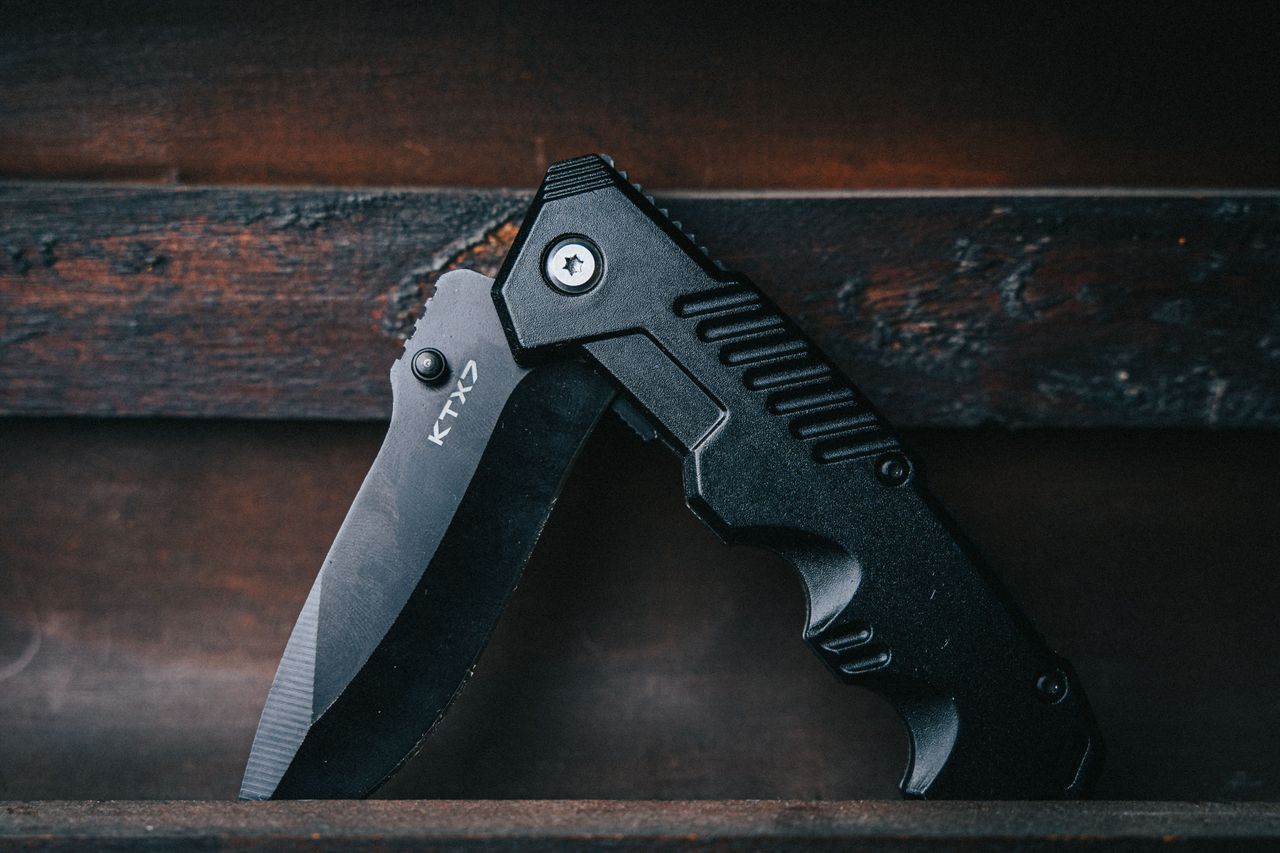
A multi-tool is versatile by design, but its blade is usually one function among many. That means compromises in handle shape, blade length, lock geometry, and overall strength. Those compromises may be minor in casual use, yet they become obvious during repeated cuts through hide, connective tissue, and joints.
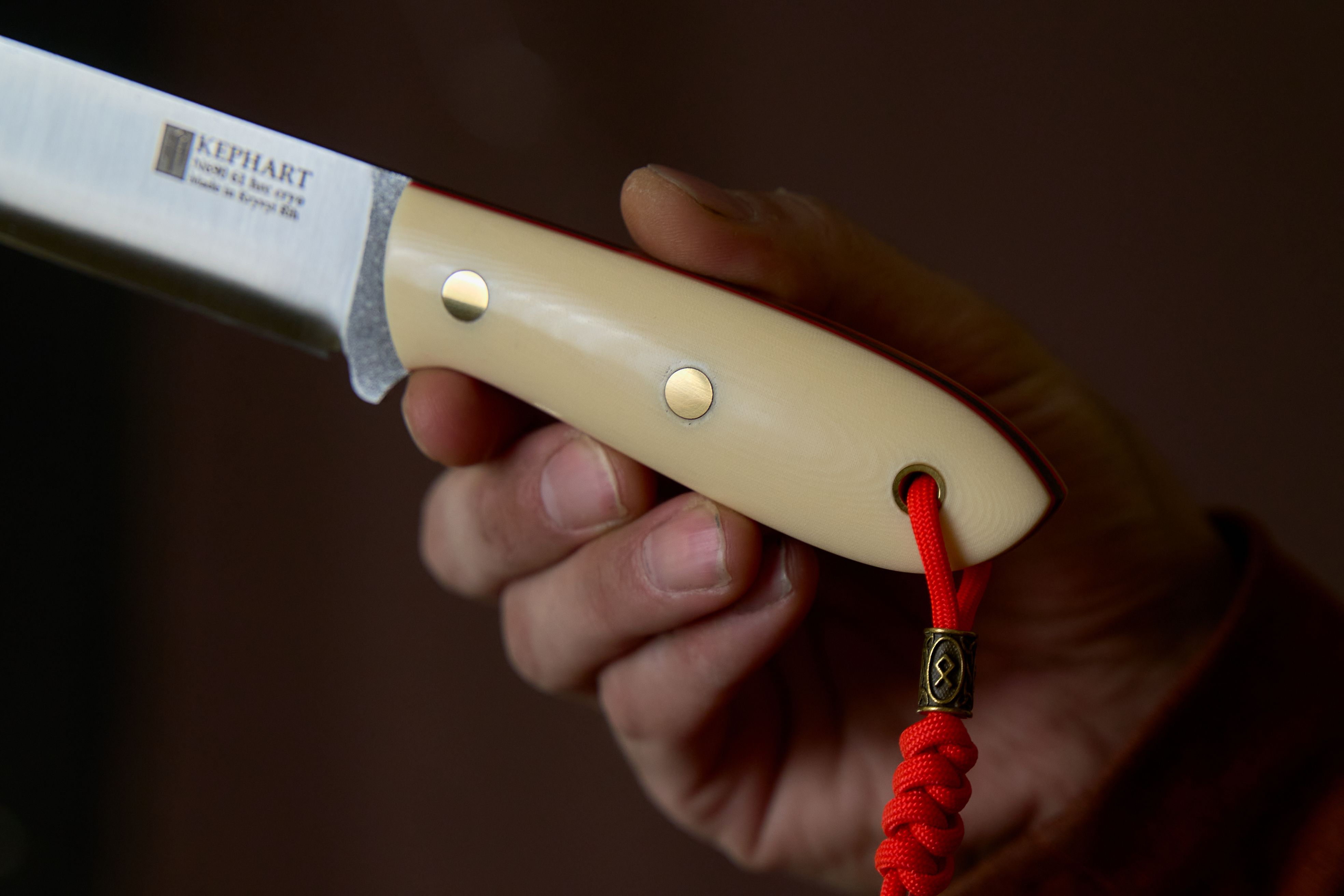
A fixed blade does not need to fold, lock, or share space with other tools. Because of that, it tends to offer a more secure grip and a more predictable cutting angle. Experienced users value that predictability because it reduces hand fatigue and helps them make cleaner, safer cuts near organs and bone.
There is also the issue of mechanical confidence. Locks fail rarely on good tools, but rarely is not the same as never. A fixed blade eliminates that concern entirely. For field dressers who have spent years in rough weather, awkward positions, and fading light, the comfort of knowing the knife will behave exactly the same every time carries real weight.
Professional game processors often make this point bluntly. If the day involves repeated animal work, they want a tool that disappears in the hand and never asks for adjustment. In that environment, the broad usefulness of a multi-tool matters less than the singular reliability of a knife built only to cut.
Control is where experienced hands notice the difference

Beginners often focus on sharpness alone, but experienced field dressers talk just as much about control. A knife can be razor sharp and still feel clumsy if the handle is too bulky, the balance is off, or the blade shape forces awkward wrist angles. Multi-tools commonly run into that problem because the handle must house everything else.
A ssingle-bladefixed knife usually offers better ergonomics. The scales can be shaped for wet grip, the spine can provide thumb pressure, and the balance point can sit where delicate work feels natural. That matters when opening the body cavity without puncturing organs or when tracing seams with minimal waste.
Many hunters who switched back to fixed blades describe one specific improvement: cleaner, shorter movements. Instead of sawing through tasks with a small folding blade, they can make deliberate cuts with less force. That reduces slips, and slips are not just inefficient; they are dangerous.
There is a reason butchers, meat cutters, and many backcountry guides still favor simple, dedicated blades. Fine motor control improves when the handle is designed around one purpose. Over time, that translates into speed, precision, and less damage to meat, hide, and the user’s knuckles.
Cleaning matters more than people admit
Field dressing is messy, and any tool used for it has to be cleaned thoroughly. This is one area where multi-tools lose favor quickly with people who have spent enough seasons doing the job. Blood, fat, hair, and tissue do not just wipe away from pivots, springs, and tight handle channels.
A fixed blade is far easier to rinse, scrub, sanitize, and inspect. There are no hidden joints trapping residue and no folding cavity collecting material you cannot fully reach in the field. That is not just about convenience. It is about hygiene, corrosion prevention, and maintaining a tool that is ready for the next use.
Experienced users learn this lesson fast after a few hard days in warm weather. Organic residue left inside a multi-tool can create odor, staining, sticky action, and long-term wear. Stainless steel helps, but stainless is not stain-proof, and trapped moisture can still cause trouble over time.
Guides and processors who work repeatedly through a season often become ruthless about easy maintenance. If a knife can be cleaned in a minute and inspected at a glance, it stays in rotation. If it needs cotton swabs, disassembly, and patience after every animal, many veterans decide it belongs in the pack, not in the hand.
Better steel and sharper edges changed the equation
Part of the return to fixed blades is also about how much knife design has improved. Modern fixed knives are not just old patterns with nicer branding. Many now use advanced steels with better edge retention, tougher heat treatments, and handle materials that grip well even when covered in water or blood.
That matters because one old argument for multi-tools was convenience over performance. If a hunter expected to touch up the blade constantly or use the same tool for random camp chores, carrying one device made sense. But today, a compact fixed blade can be light, strong,corrosion-resistantt, and extremely capable without adding much bulk.
Steel choices such as CPM-S35VN, 14C28N, and well-treated 420HC have all earned followings for good reason. They can offer a useful balance of toughness, edge stability, and ease of sharpening, depending on the knife. Experienced field dressers may disagree on the perfect steel, but many agree that modern fixed blades now give them less reason to compromise.
Design has evolved, too. Thoughtful blade profiles, textured scales, skeletonized tangs, and secure sheaths make dedicated field knives easier to carry than older, heavier hunting blades. In other words, returning to a fixed blade does not feel like going backward. To many users, it feels like finally getting the simple tool they wanted all along.
The field teaches different lessons than the catalog

Catalog logic says more tools equal more value. Field logic is harsher. It asks what actually gets used during a real animal breakdown in cold rain, on uneven ground, with gloves on, while daylight fades. Under those conditions, the feature list shrinks fas,t and the essentials become obvious.
Veteran dressers often still carry a multi-tool, but they no longer expect it to be the main cutting tool. It rides in the pack for repairs, gear adjustments, stove work, or pulling a stubborn broadhead from foam. The fixed blade, meanwhile, stays immediately accessible because it handles the work that cannobeel compromised.
That split role makes sense in practice. According to many guides and hunting instructors, separating cutting duties from repair duties reduces fumbling and improves safety. You stop unfolding and refolding tools, stop switching grips to access different functions, and stop asking one object to solve unrelated problems at the same moment.
Real-world habits tend to expose the difference between ownership and use. Plenty of hunters own excellent multi-tools and would not give them up. But when the animal is down, and the dressing starts, the knife they reach for first increasingly tends to be the fixed blade on the belt.
Why this return is likely to continue
This shift is not really a backlash against multi-tools. It is a refinement in how experienced people choose tools after years of trial, error, and repetition. Multi-tools remain useful, often indispensable, but they are being reassigned to the tasks they do best rather than the tasks they merely can do.
As more hunters talk openly about ergonomics, hygiene, and safe processing, the case for dedicated fixed blades keeps getting stronger. Newer hunters also have access to better information than they did a decade ago. They are hearing from processors, guides, and seasoned outdoorsmen who emphasize practical performance over novelty.
There is also a broader cultural change toward specialization in outdoor gear. People are becoming more selective, asking whether a tool saves real time or only seems clever in the store. In that environment, thesingle-bladee fixed knife benefits from a simple truth: when a job is primarily cutting, a purpose-built cutter usually wins.
So the return to fixed blades should not be read as nostalgia. It is experience expressing itself. After enough seasons, enough animals, and enough cleanup, many of the most capable field dressers arrive at the same conclusion: the simplest knife in the kit is often the most trustworthy one.