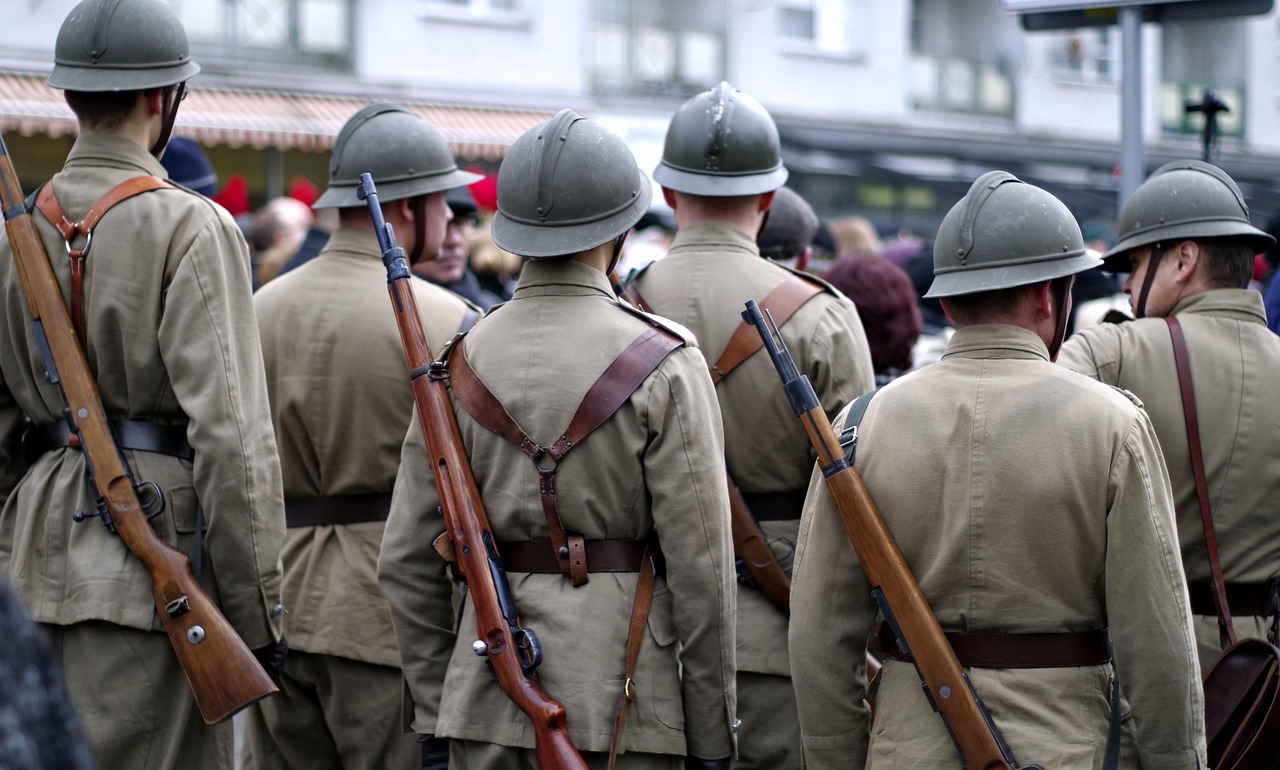
World War I is often remembered for artillery, machine guns, and endless trench lines, but some of its most personal weapons were blades carried at arm’s length. In muddy dugouts and sudden night raids, knives became tools of survival as much as symbols of fear. This gallery explores eight trench knives and fighting blades that reveal just how intimate combat could become on the Western Front.
French Nail Knife
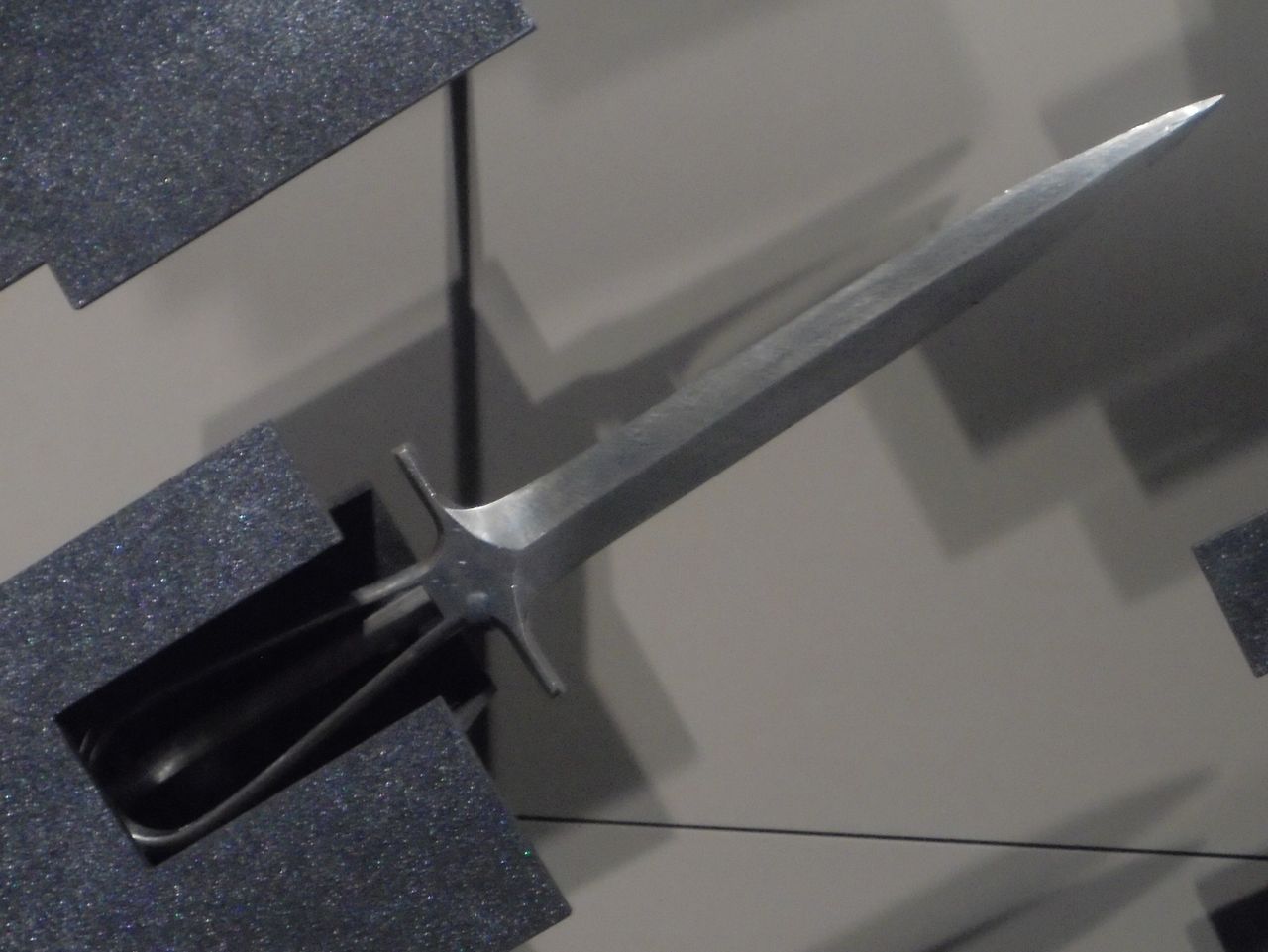
One of the simplest trench weapons of the war looked almost improvised, because it often was. The French nail knife was typically fashioned from a steel spike or stiletto-like rod with a wrapped handle, creating a narrow weapon built for thrusting in cramped trench spaces.
It was not elegant, and that was the point. In nighttime raids, soldiers wanted something quiet, compact, and easy to carry without snagging on gear.
Its crude appearance says a lot about the early trench war. When armies realized how often combat happened chest to chest, practical brutality quickly replaced peacetime notions of military polish.
French Poignard-Baionnette Lebel M1886 Cut-Down
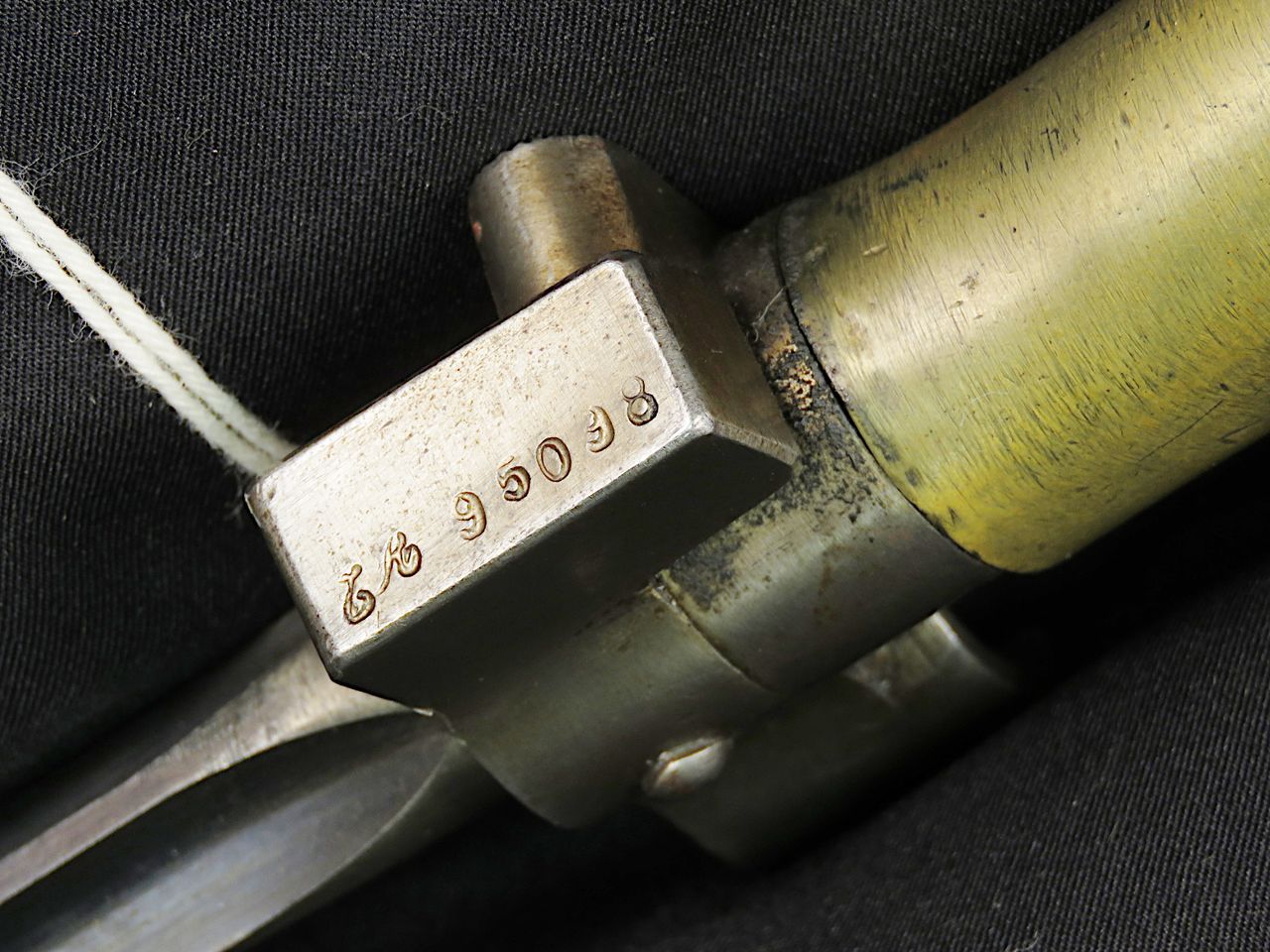
The long, needle-like Lebel bayonet was designed for a rifle, but trench warfare encouraged adaptation. Soldiers and armorers sometimes cut these bayonets down into shorter fighting blades that kept the deadly thrusting profile while making them easier to wield underground and around sandbags.
That conversion captured the logic of the trenches perfectly. Existing weapons were reshaped to fit new realities rather than waiting for ideal factory designs.
Even in shortened form, the blade retained a menacing, almost surgical look. It bridged the gap between standard issue military hardware and the rough, personalized tools men actually trusted in close combat.
British Robbins of Dudley Push Dagger
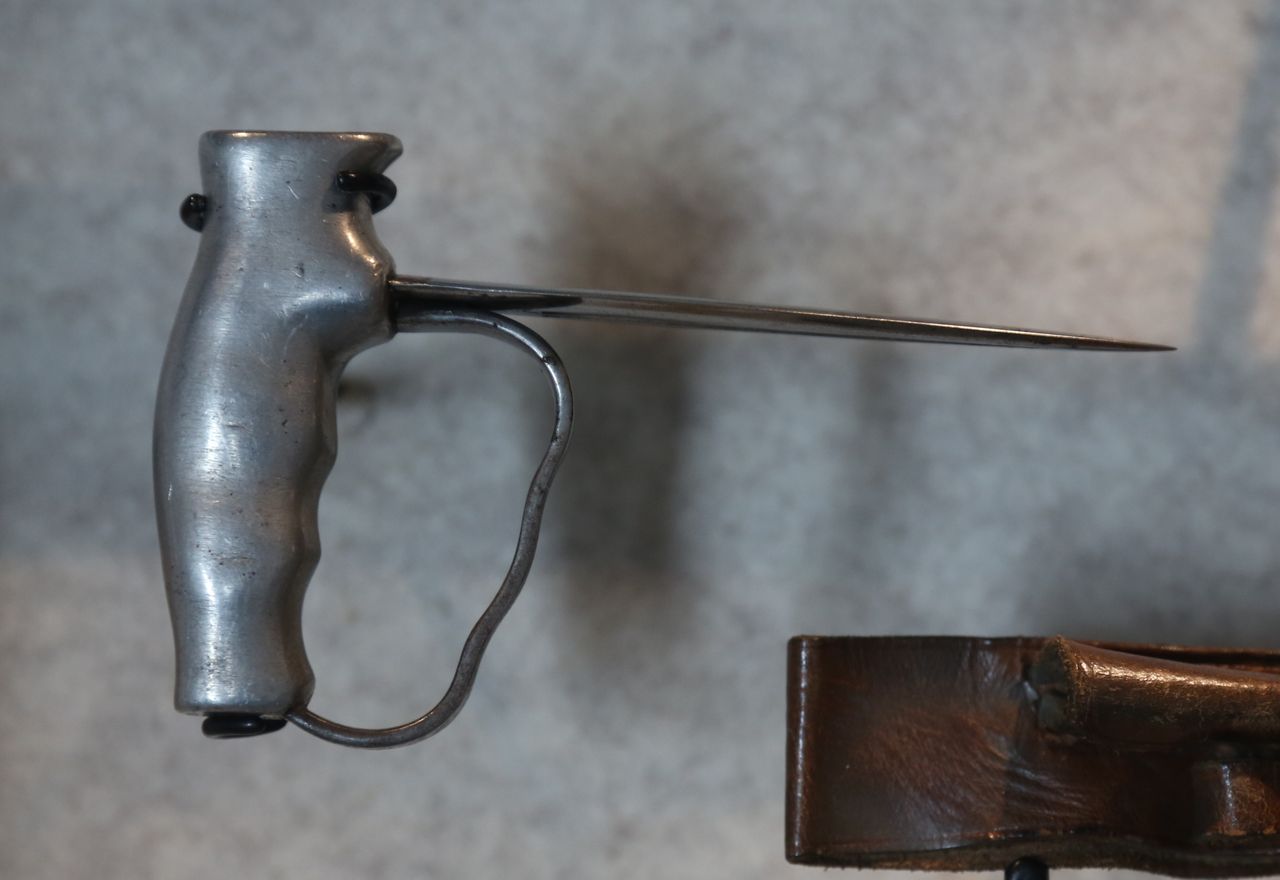
The British Robbins of Dudley push dagger is one of the most recognizable trench blades of the era. With its T-shaped grip set across the palm, it was made for straight punching thrusts, turning the user’s entire arm into the driving force behind the blade.
That design made sense in packed trenches, where broad swings were awkward and often impossible. A compact weapon that could be drawn fast and used in a sudden grapple had obvious appeal.
Today it looks almost theatrical, but its purpose was deeply practical. It reflects the harsh reality that soldiers expected encounters at touching distance, where speed, surprise, and a secure grip mattered more than reach.
British Caltrop Handle Trench Knife
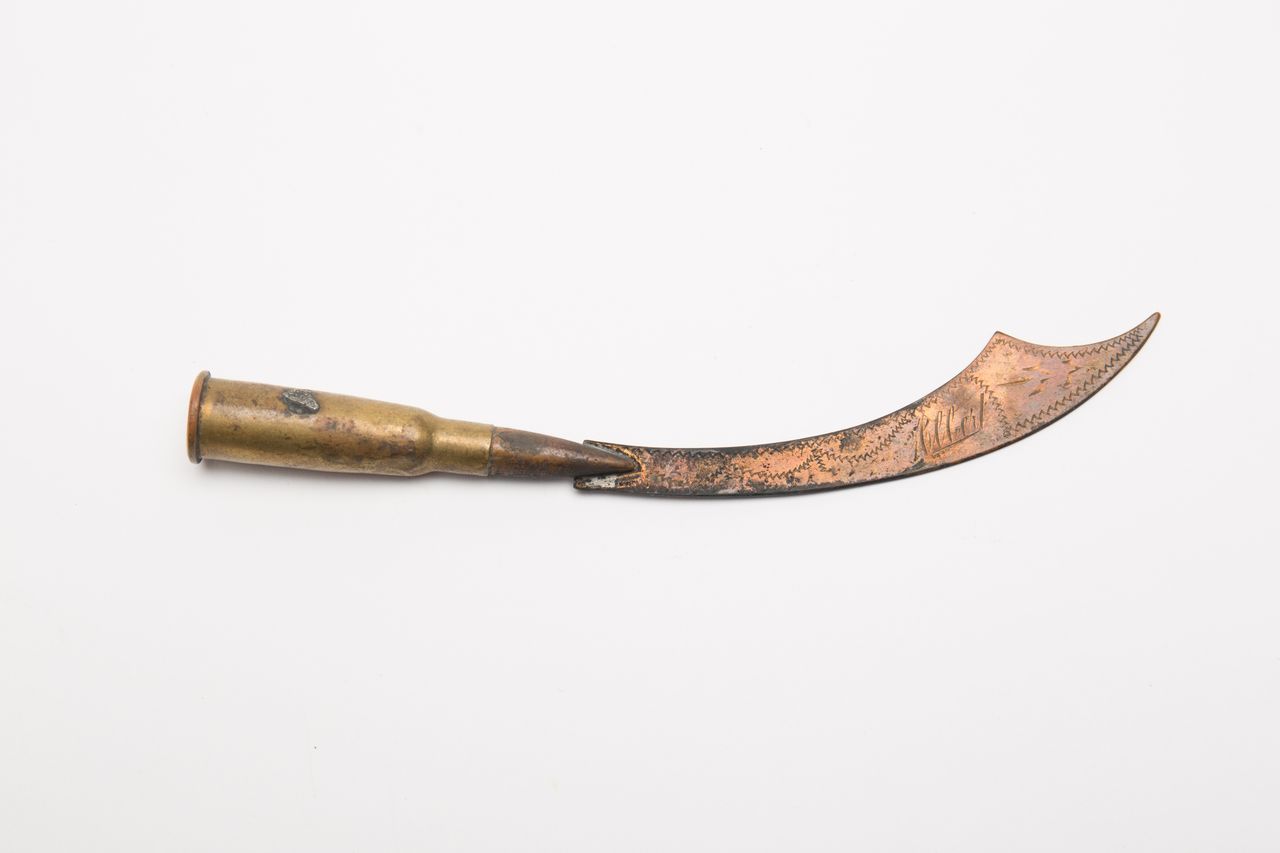
Among Britain’s more unusual trench weapons was the so-called caltrop handle knife, a compact dagger paired with a metal grip shaped to offer both control and a brutal striking surface. Like many trench designs, it blended stabbing utility with the ability to punch, jab, or hammer in a frantic close fight.
Its odd silhouette can seem overdesigned at first glance, yet it came from a very specific environment. Mud, darkness, and sudden movement rewarded weapons that stayed anchored in the hand.
This kind of knife also reveals how quickly battlefield innovation spread. Once trench raiding became routine, soldiers and makers experimented with every possible edge in the grimmest sense of the phrase.
American Model 1917 Trench Knife
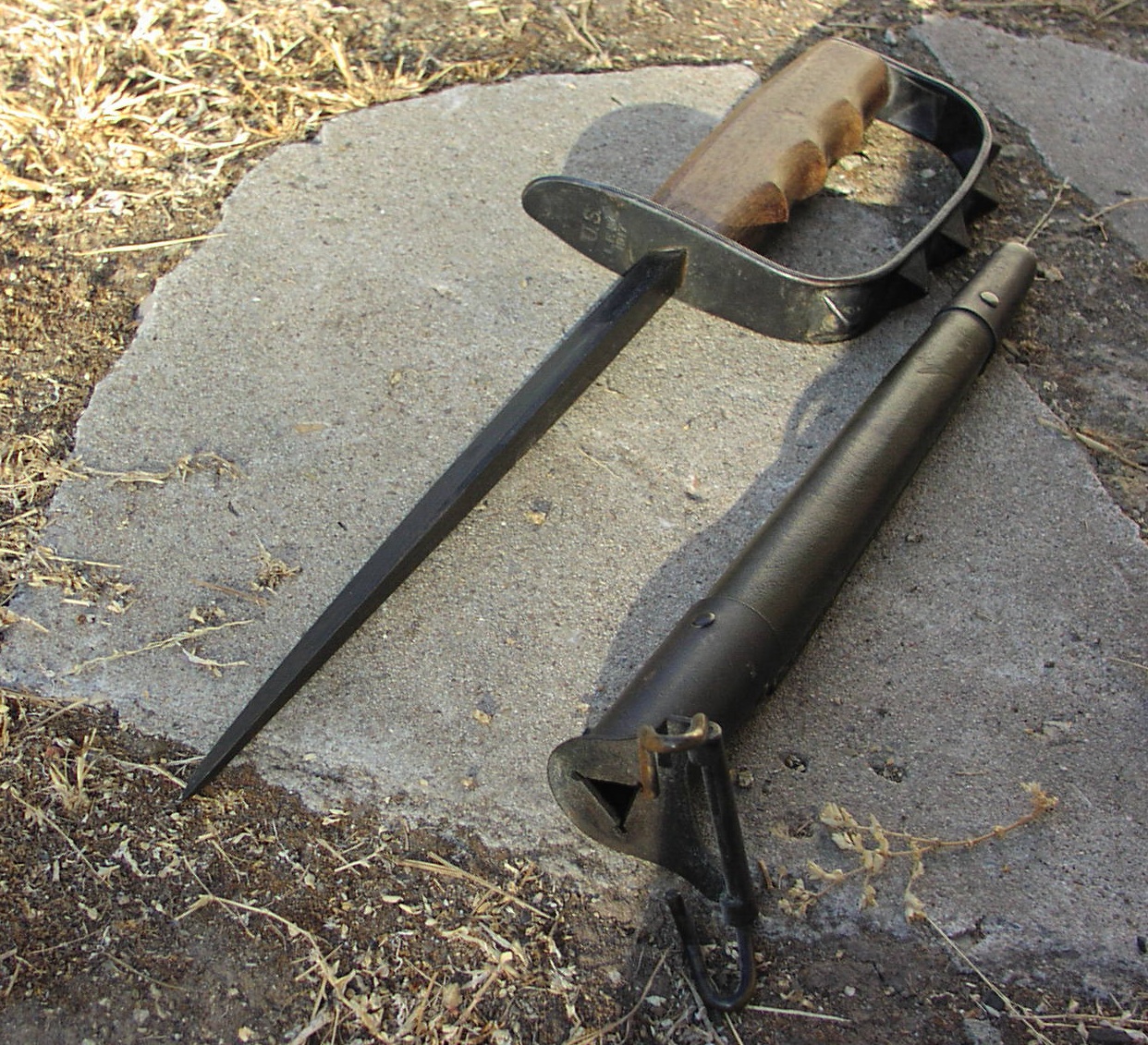
The American Model 1917 trench knife arrived late in the war but quickly became iconic. It featured a triangular blade and a cast knuckle-style grip, combining the functions of a stabbing weapon and a striking implement in one compact package.
Everything about it speaks to the lessons learned from Allied trench fighting. The blade was optimized for penetration, while the handle helped retain control during chaotic hand-to-hand encounters.
It also helped define what many people picture when they hear the phrase trench knife. Functional, intimidating, and unapologetically specialized, it embodied the industrial era’s answer to one of warfare’s oldest and most personal forms of violence.
American Model 1918 Mark I Trench Knife
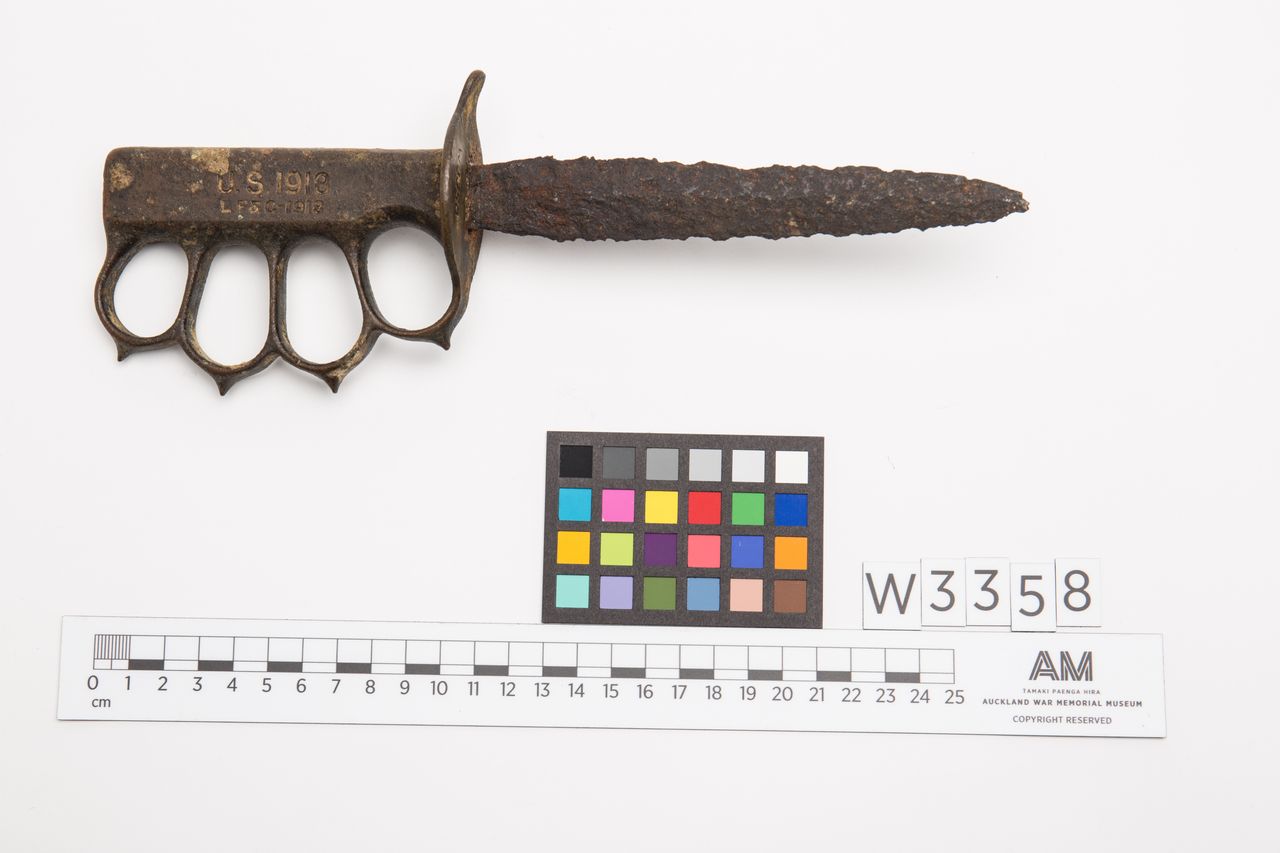
If the Model 1917 looked severe, the Model 1918 Mark I pushed the idea even further. It kept the knuckle guard concept but added a double-edged blade and a more refined hilt, creating one of the most famous close-combat knives in American military history.
The design was meant for trench raids, sentry removal, and desperate self-defense in the crush of battle. Its compact form fit the brutal geometry of dugouts and communication trenches.
Collectors and historians still debate how widely it was used before the Armistice, but its symbolism is unmistakable. The Mark I represents a moment when military design openly embraced the grim demands of hand-to-hand killing.
German Nahkampfmesser
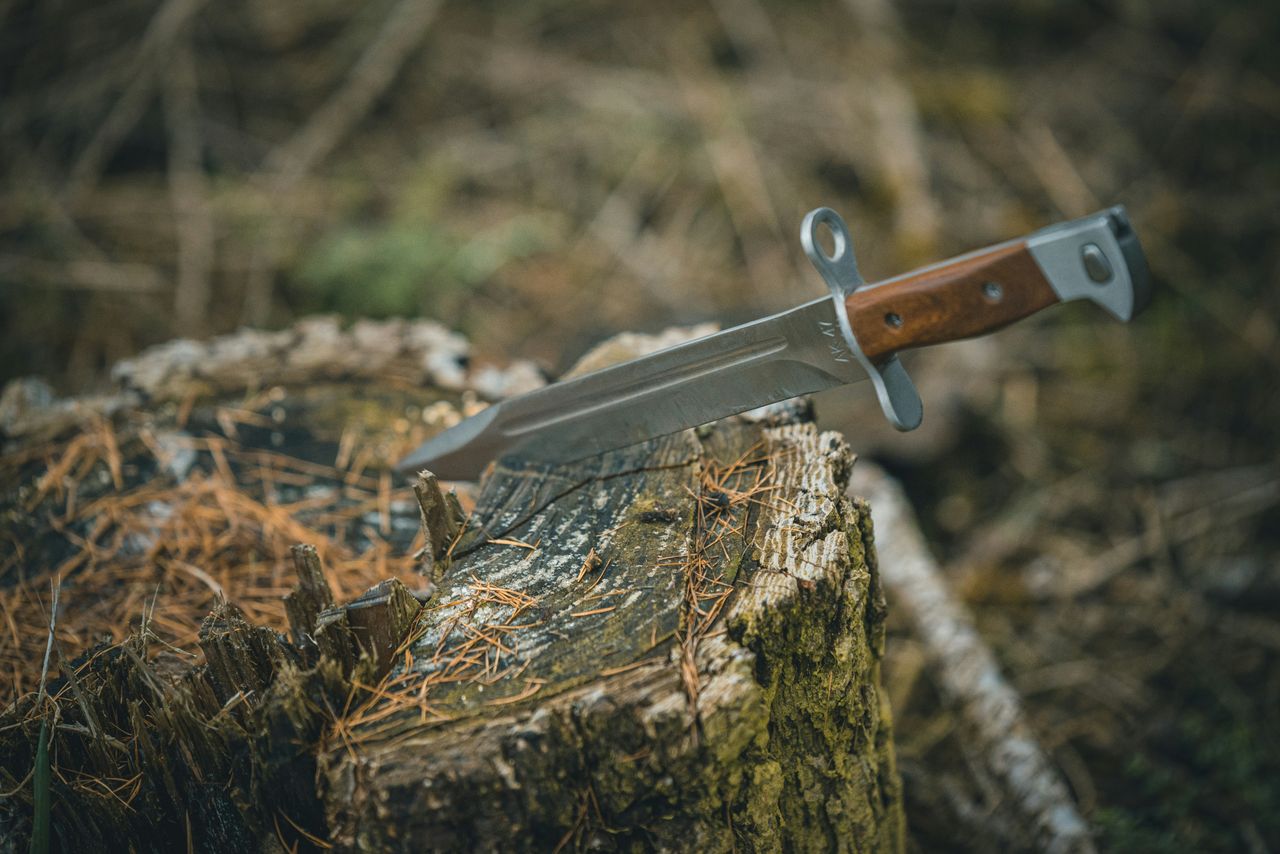
Germany’s Nahkampfmesser, or close-combat knife, was more restrained in appearance than some Allied trench daggers. It usually resembled a compact utility fighting knife with a simple grip and sturdy blade, practical enough for everyday camp tasks but fully suited for lethal use in the trenches.
That dual-purpose character made it especially valuable. Soldiers preferred gear that could open crates, cut cord, and still serve in a nighttime raid if needed.
Its relative simplicity is part of its story. Not every trench weapon had to look exotic to be effective, and the Nahkampfmesser shows how ordinary forms could become deeply sinister under the pressures of industrial war.
German Seitengewehr 84/98 Adapted for Trench Fighting
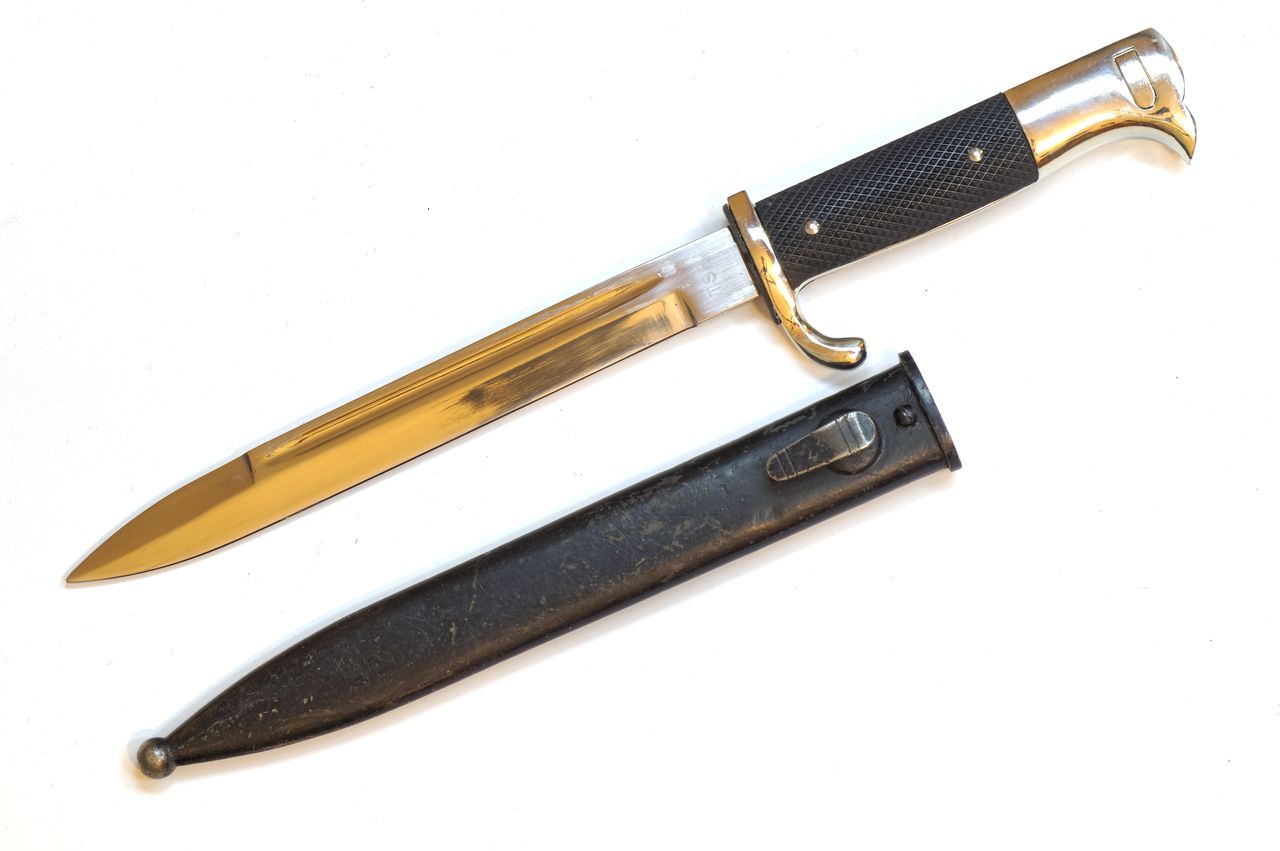
Like other armies, Germany often turned standard bayonets into more manageable trench weapons. The Seitengewehr 84/98, originally a rifle bayonet, could serve as a hand weapon on its own and became especially useful when fighting moved into saps, dugouts, and narrow trench bends.
Compared with a purpose-built dagger, it offered more blade length and the reassuring familiarity of issued equipment. Soldiers already knew how it handled, which mattered in moments measured in seconds.
Its presence in trench fighting underlines a recurring wartime theme. Necessity did not always produce entirely new weapons. Sometimes it simply changed how existing steel was carried, gripped, and used when the battlefield closed in.