Hunting today is not just about skill or patience; it’s about responsibility. Modern hunters must balance tradition, respect for wildlife, and evolving ethics. Every decision, from what weapon to use to when to take a shot, comes with moral weight. Here are seven ethical dilemmas that challenge even the most experienced hunters in today’s world.
1. Taking the Perfect Shot or Letting It Go
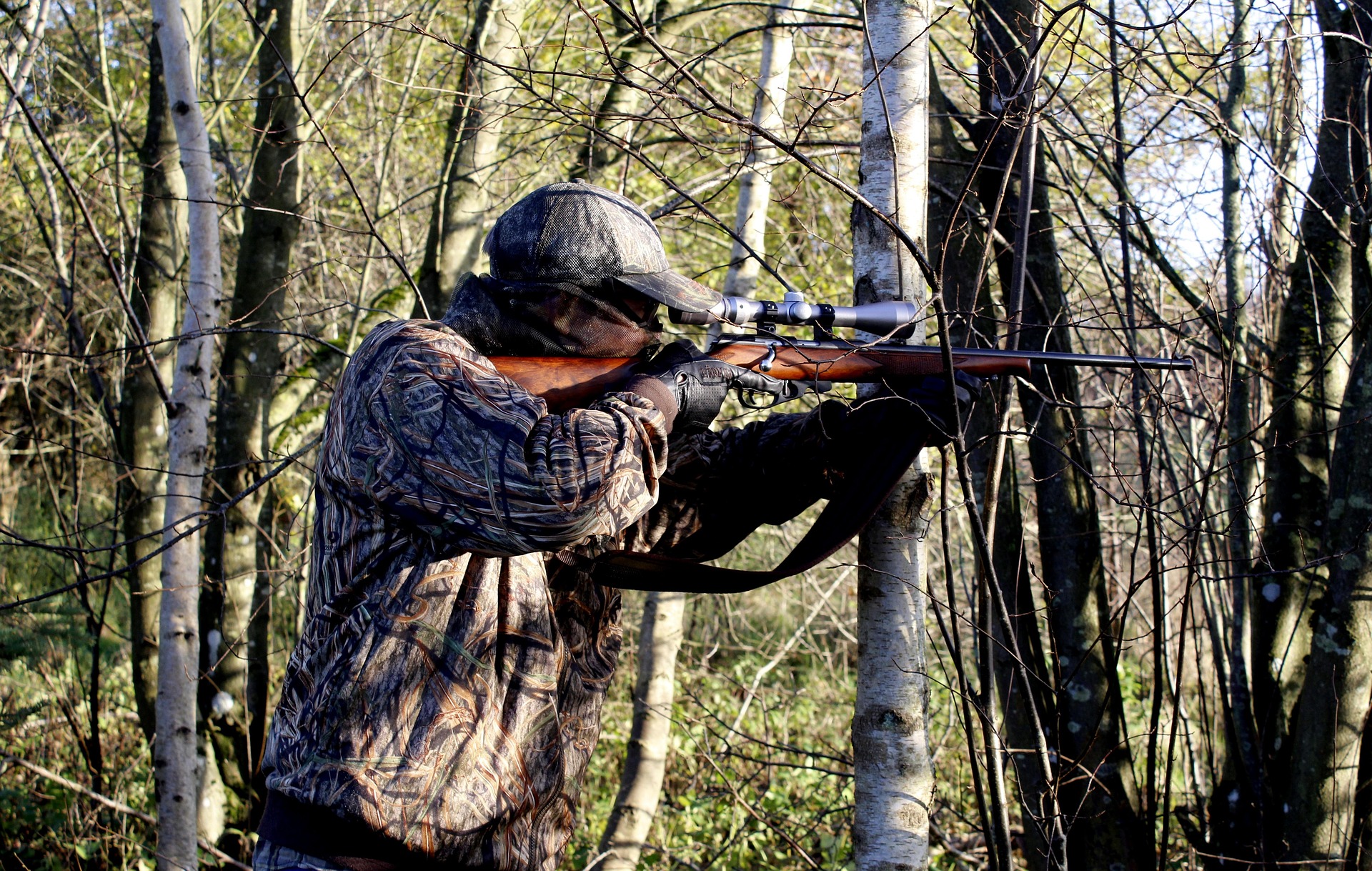
Every hunter faces that moment when the target appears, but conditions aren’t ideal. Do you take a risky shot or wait for a better one? Pulling the trigger without certainty risks wounding the animal, which goes against ethical hunting principles. Patience often defines a hunter’s integrity more than accuracy ever could. Knowing when not to shoot is sometimes the truest mark of skill.
2. Trophy Hunting Versus Conservation Goals

Trophy hunting sparks fierce debates about ethics and intent. Some see it as a way to fund wildlife conservation through high permit fees, while others view it as needless killing. The real challenge lies in intent hunting for pride versus purpose. Ethical hunters must question whether their pursuit benefits nature or simply their ego. True conservation hunting leaves ecosystems stronger than before.
3. Using Modern Technology in the Wild
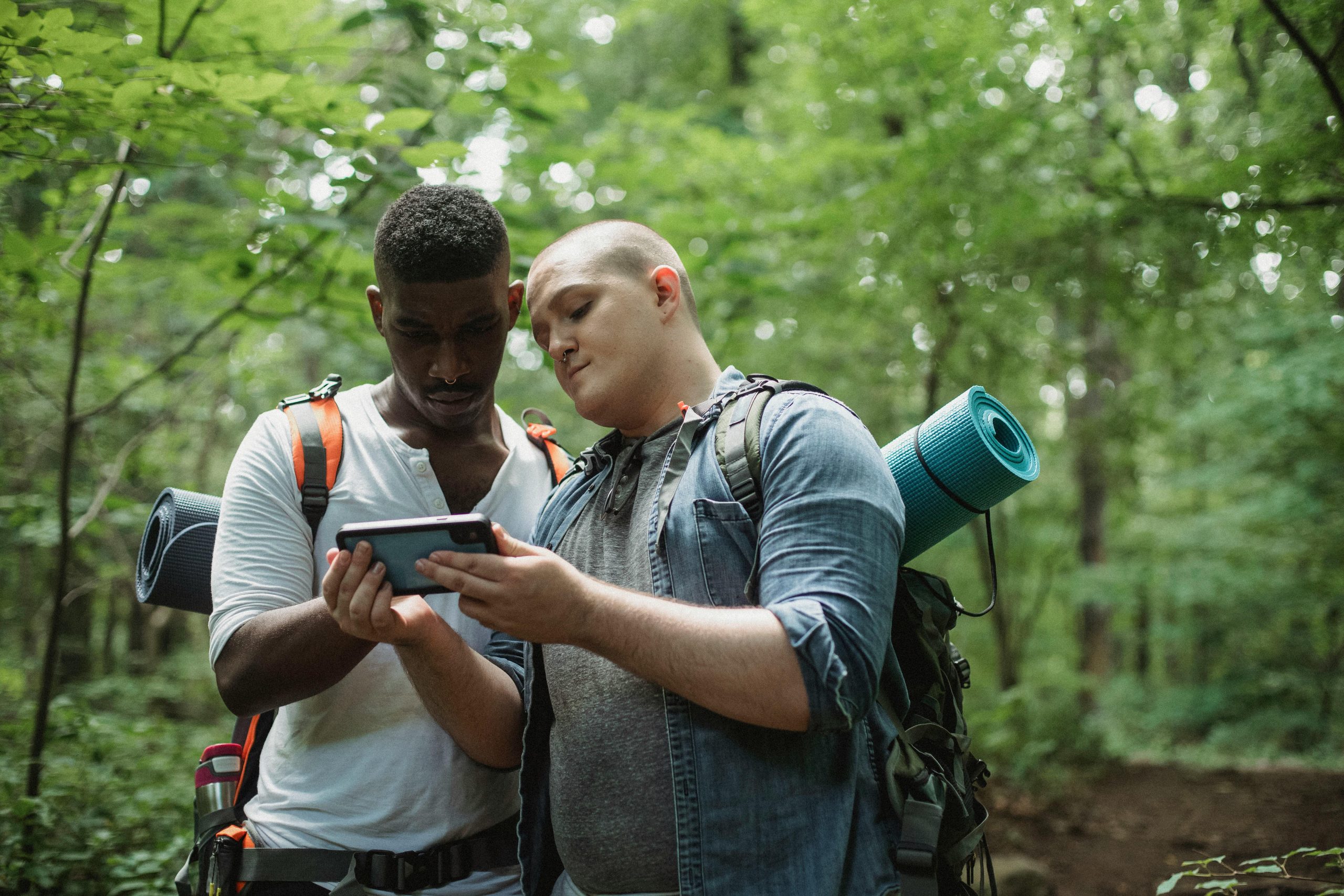
From drones to GPS scopes, technology gives hunters unprecedented advantages. But at what point does it stop being a fair chase? Traditionalists argue that relying on gadgets dulls instincts, while others believe it ensures humane kills. Ethical hunters must strike a balance using tools that enhance precision without eliminating the challenge or respect for the animal’s natural advantage.
4. Balancing Personal Harvests and Population Control

Modern hunters often justify their actions as helping manage overpopulated species, like deer or wild hogs. But when does management turn into overharvesting? Taking more than what’s necessary disrupts ecological balance. Responsible hunters learn the science behind seasons, limits, and population data, ensuring their harvests serve a greater environmental purpose rather than personal gratification.
5. Posting Hunting Photos Online
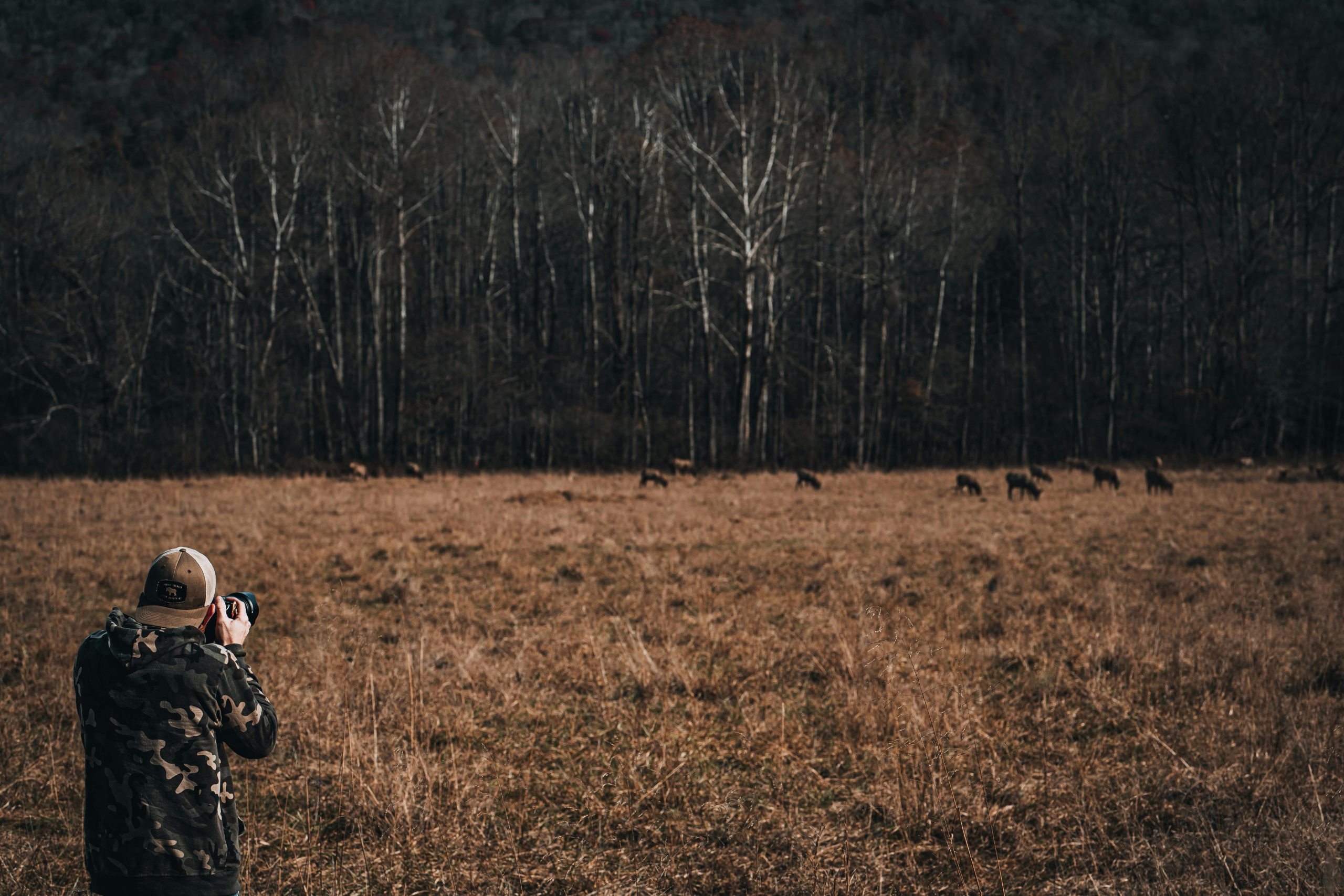
In the age of social media, sharing a hunting victory can quickly turn controversial. What one hunter sees as a proud moment might appear cruel to others. Posting graphic or boastful images can damage the reputation of ethical hunting. The dilemma lies in showing respect for the animal and the audience. Responsible hunters share their stories with humility and purpose, not pride.
6. Hunting on Private Versus Public Lands
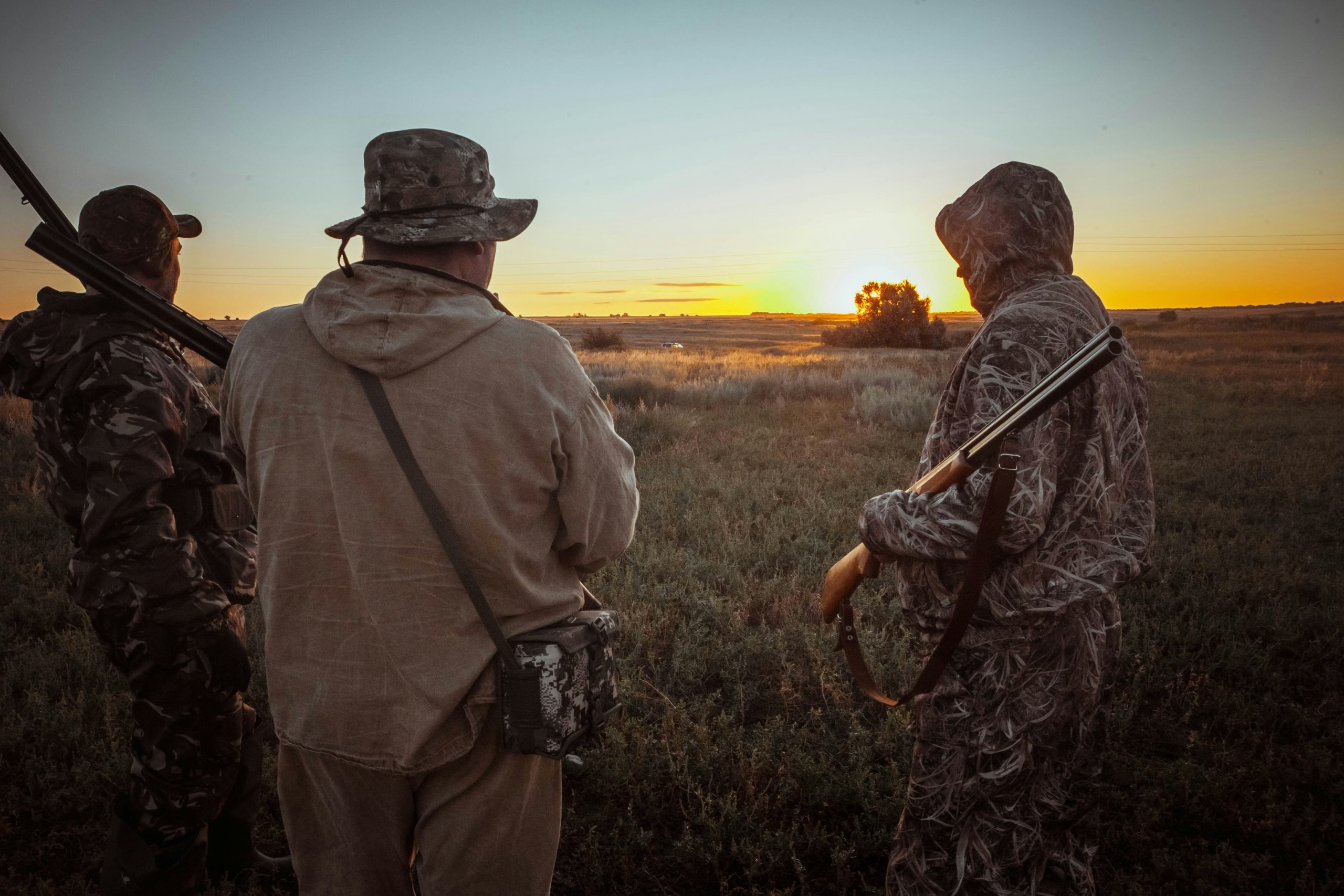
Access to hunting grounds often depends on privilege or connections. Public land hunting fosters fairness, but competition can lead to unsafe practices. Private land offers control but raises questions of exclusivity. Ethical hunters respect land rights, follow access laws, and contribute to maintaining trails and habitats for everyone. The true test is hunting responsibly, no matter the location.
7. Passing on the Right Values to New Hunters

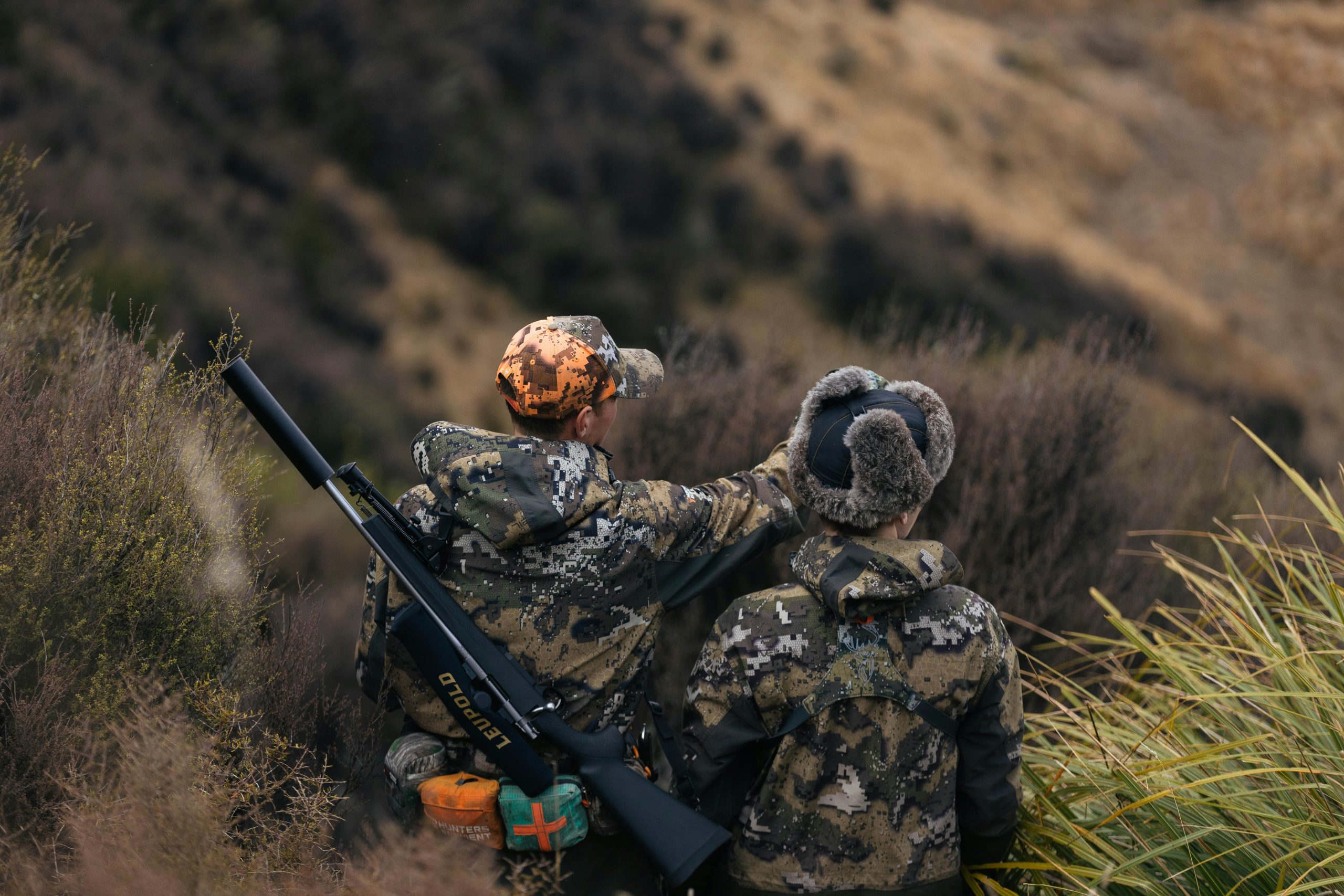
Mentoring young or first-time hunters carries great responsibility. The dilemma is whether to focus on skill or ethics first. Many new hunters learn how to aim before they learn why they’re aiming. True mentorship means teaching respect for the hunt, the land, and the animal. Passing on ethical principles ensures the future of hunting remains grounded in honor, not ego.