A pistol-caliber carbine, or PCC, occupies an unusual middle ground. It uses handgun ammunition but places it in a shoulder-fired platform, often adding stability, a longer sighting system, and lower recoil than many rifle-caliber options. A 9mm PCC, for example, can gain meaningful velocity from a longer barrel while remaining fundamentally a pistol-caliber firearm.
1. When Better Stability Matters
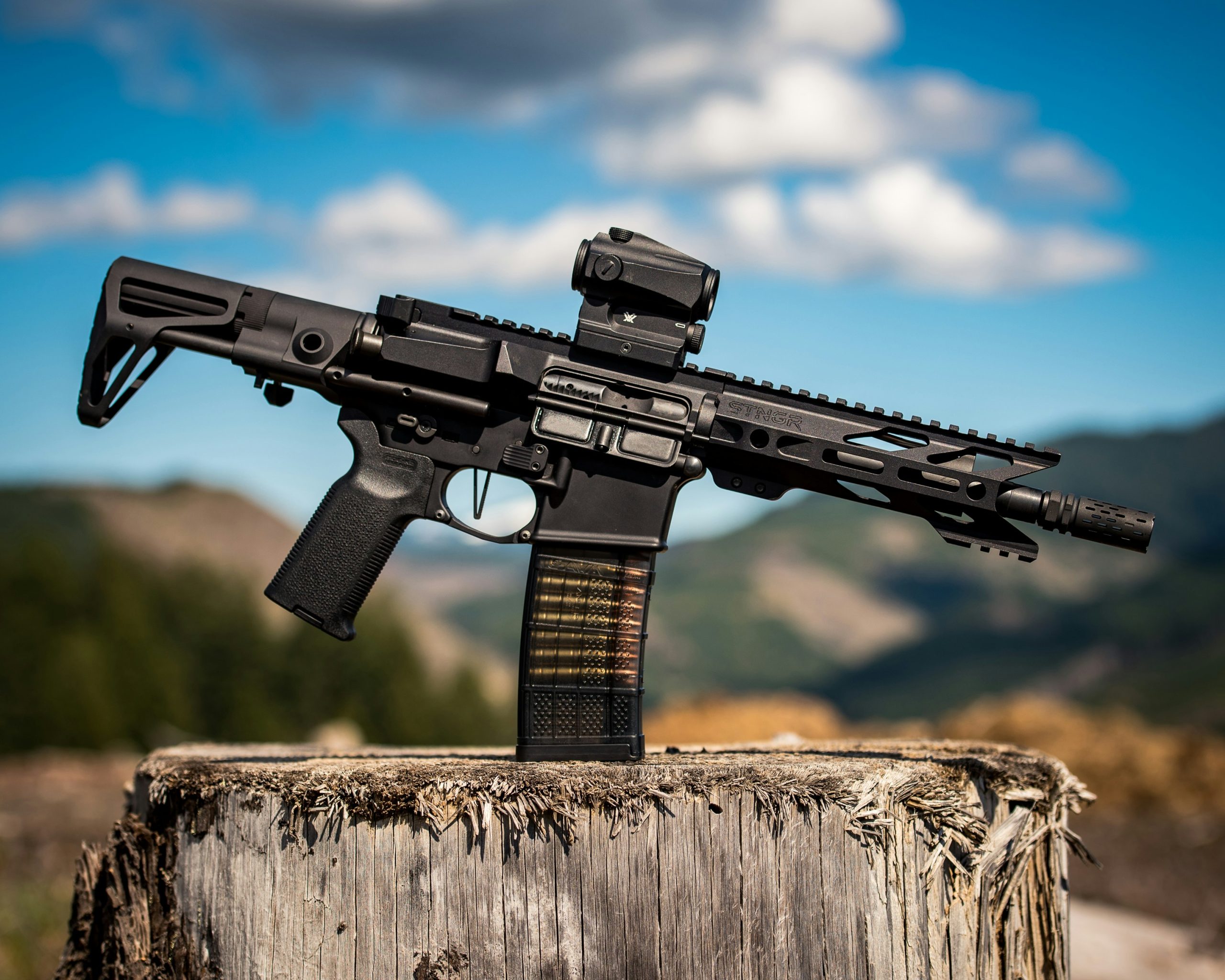
A PCC can make sense when a handgun’s small size becomes a disadvantage, especially for shooters who find a shoulder-fired platform easier to keep steady. A typical 9mm PCC may use a 16-inch barrel, while many 9mm handguns use roughly 3 to 5 inches. That longer sighting platform, shoulder support,t and added mass can make the gun easier to control. Compared with a full-power rifle, the pistol cartridge also generally produces less recoil. The result is a practical middle ground for range use and controlled shooting. For that reason, it can sit comfortably between the two.
2. When a Rifle Feels Like Too Much Gun
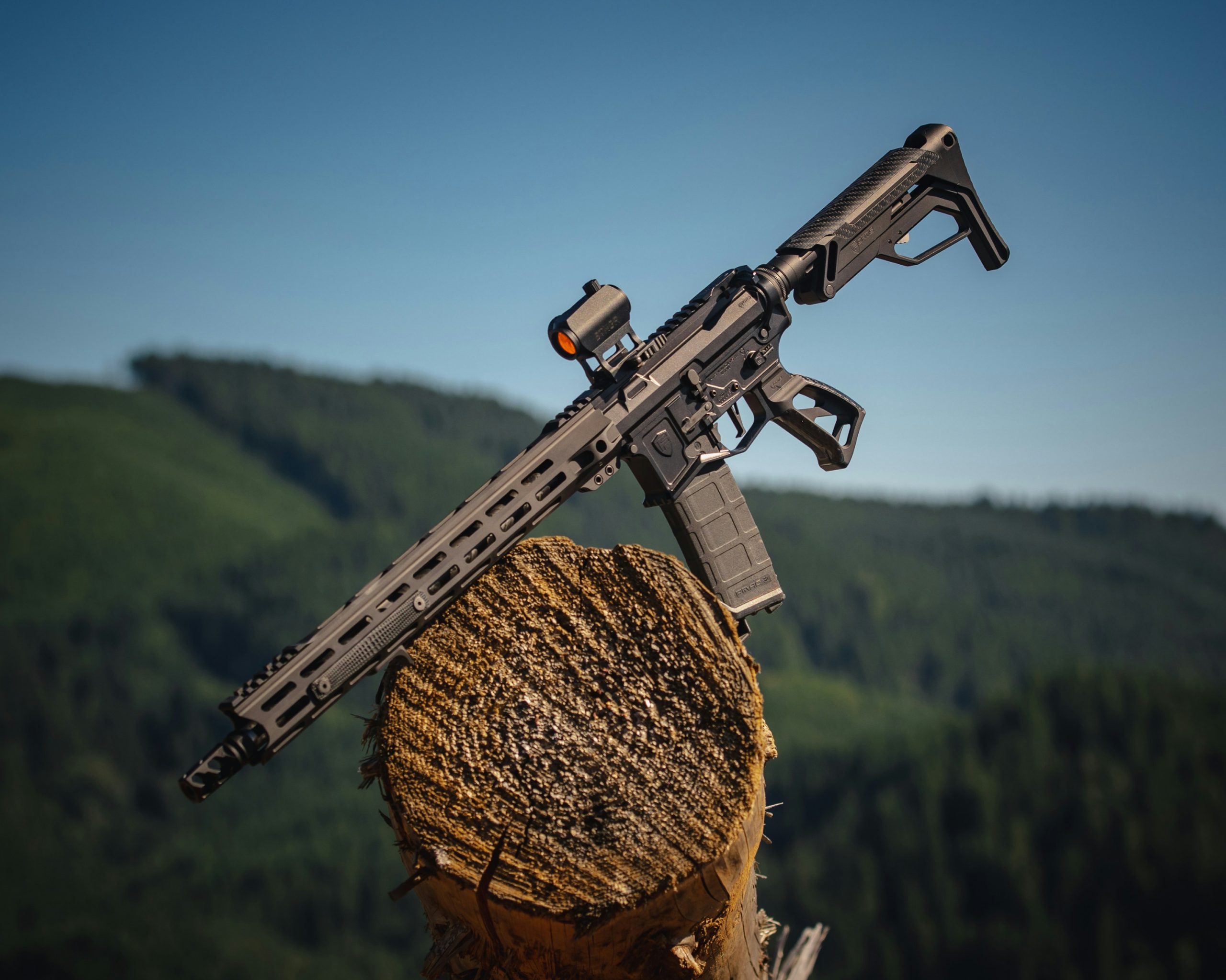
There are situations where a full-power rifle offers capability that simply is not needed. A 9mm PCC keeps the familiar shoulder-fired layout while using a pistol cartridge, creating a softer-shooting option for short-range practice and recreational use. Published testing has found that 9mm carbines can produce less recoil than similarly weighted 5.56 carbines. That difference can make extended range sessions more comfortable. The tradeoff is important, though: a PCC remains a short-range firearm and cannot match a rifle cartridge for reach, trajectory, or external ballistic performance overall.
3. When Shared Ammunition Simplifies Gear
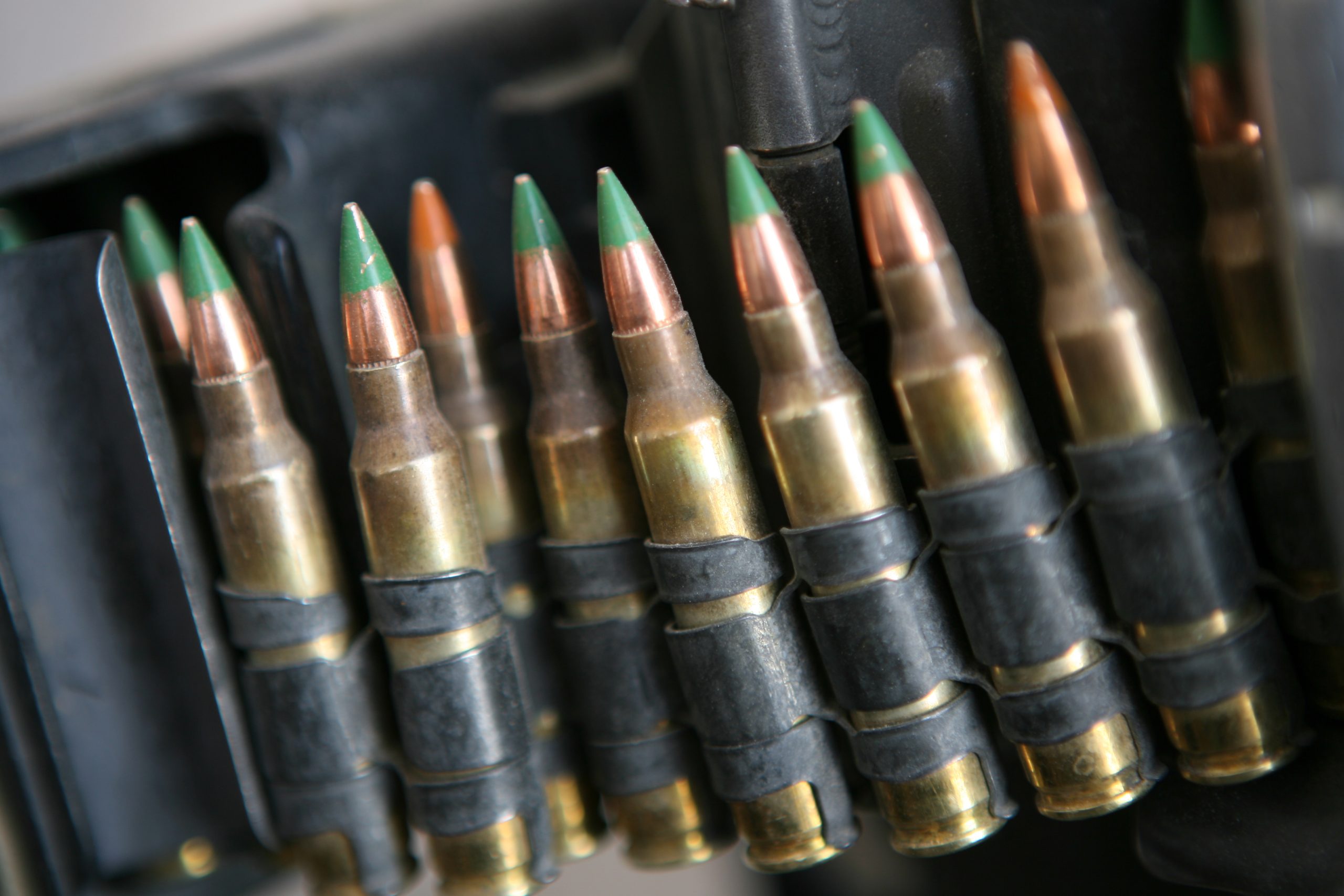
A useful PCC feature is ammunition commonality. If a carbine and handgun are chambered for the same cartridge, a shooter may be able to simplify range supplies and storage. Some PCC designs also accept magazines associated with particular handgun families, although compatibility is model-specific and should never be assumed. A common 9mm setup can therefore mean one primary cartridge rather than several. Historically, this idea is far from new: pistol-and-carbine combinations sharing ammunition existed in the 19th century. Modern PCCs simply apply that concept to today’s platforms.
4. When Training Cost Influences the Choice
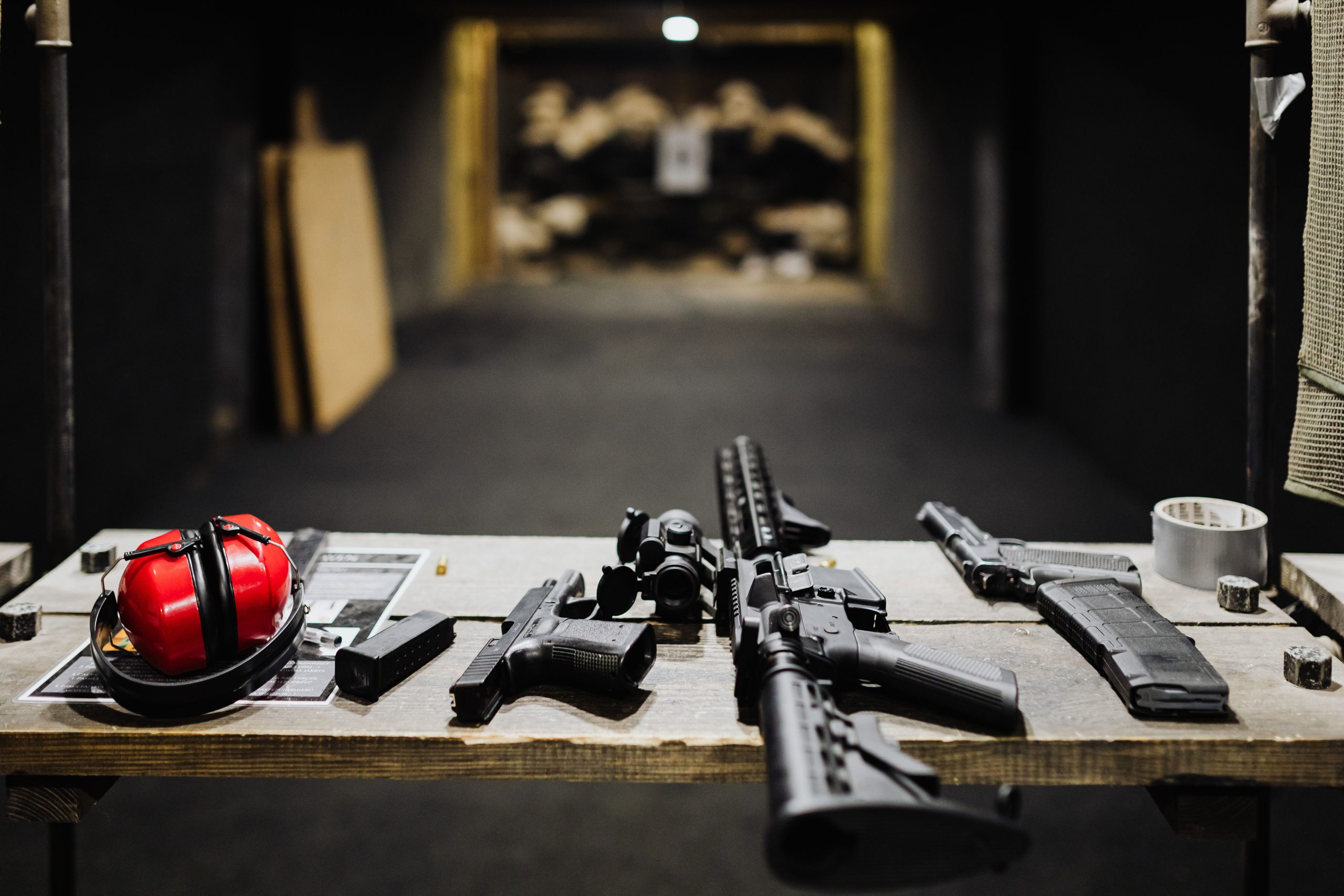
Practice matters, and ammunition costs can strongly affect how often someone trains. Because 9mm is widely produced, it is commonly available in many markets and comes in many loads. A PCC chambered in 9mm can therefore offer a relatively economical centerfire practice platform compared with many rifle cartridges. One published review also highlighted ammunition cost and availability as major reasons for choosing a 9mm PCC. Prices vary by country and retailer, but the basic advantage remains simple: a familiar cartridge can make regular practice easier to budget with greater consistency.
5. When Optics and Controls Add Practicality
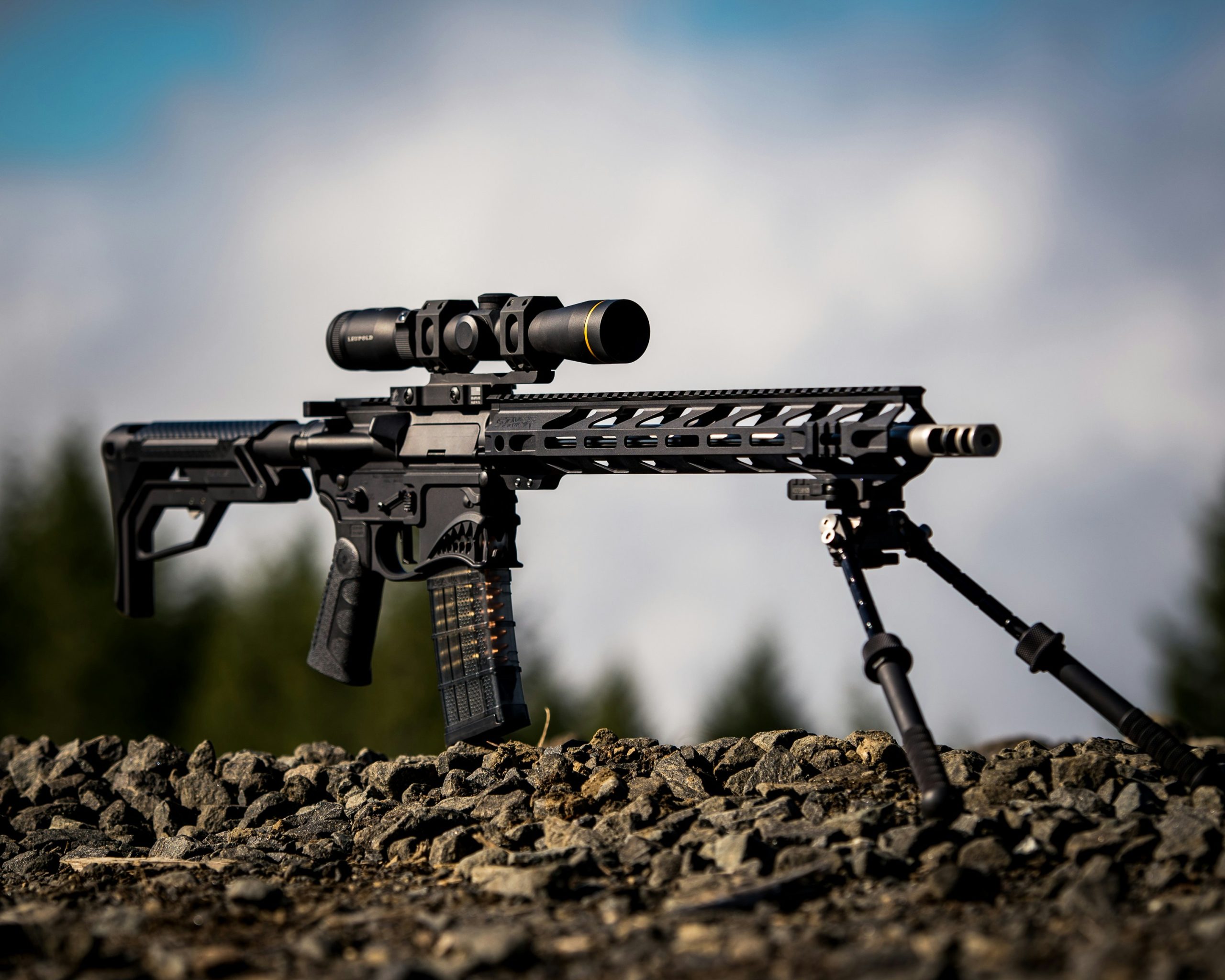
A PCC can provide a more substantial platform for mounting common sporting accessories than a compact handgun. Many designs include a top rail or other mounting provisions for an optic, while controls can resemble those found on familiar modern rifles. This does not turn a pistol cartridge into a rifle cartridge, but it can make the overall system easier to configure for range activities. A 9mm PCC may also offer a longer sighting arrangement than a handgun. The benefit is most noticeable when the shooter values stability, consistent handling, and a repeatable setup over maximum portability.
6. When a Compact Long Gun Fits the Environment
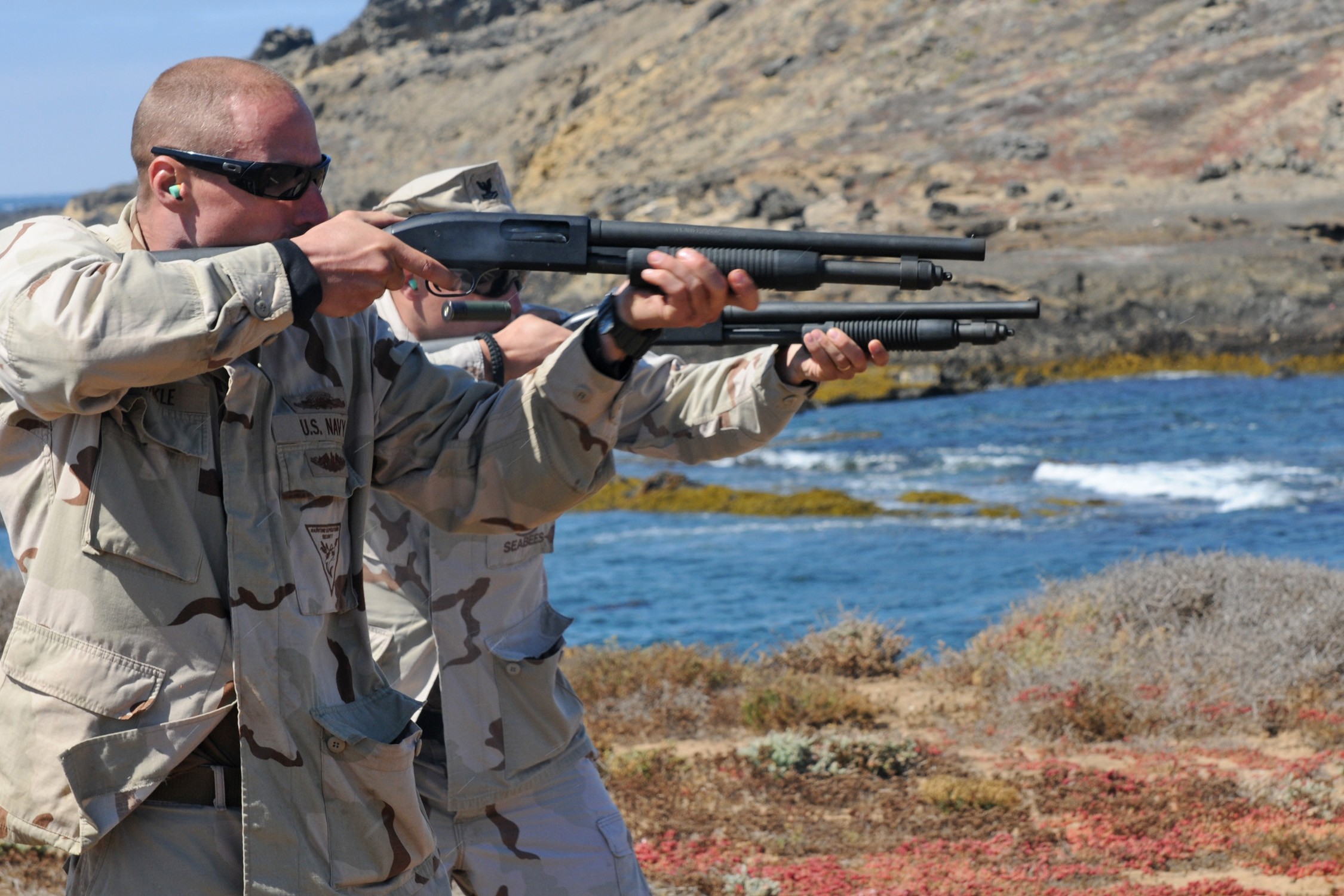
Size can be the deciding factor when choosing between firearm categories. A PCC is generally longer than a handgun but can be more compact than many traditional rifles, depending on its design and barrel length. That middle position can appeal to users who want a shoulder-fired platform without the bulk associated with a full-size rifle. It is still important not to confuse compactness with unlimited maneuverability. A handgun remains easier to carry in confined spaces, while a rifle may offer greater capability at distance. The PCC occupies the compromise zone between those extremes.
7. When New Shooters Need a Gentler Platform
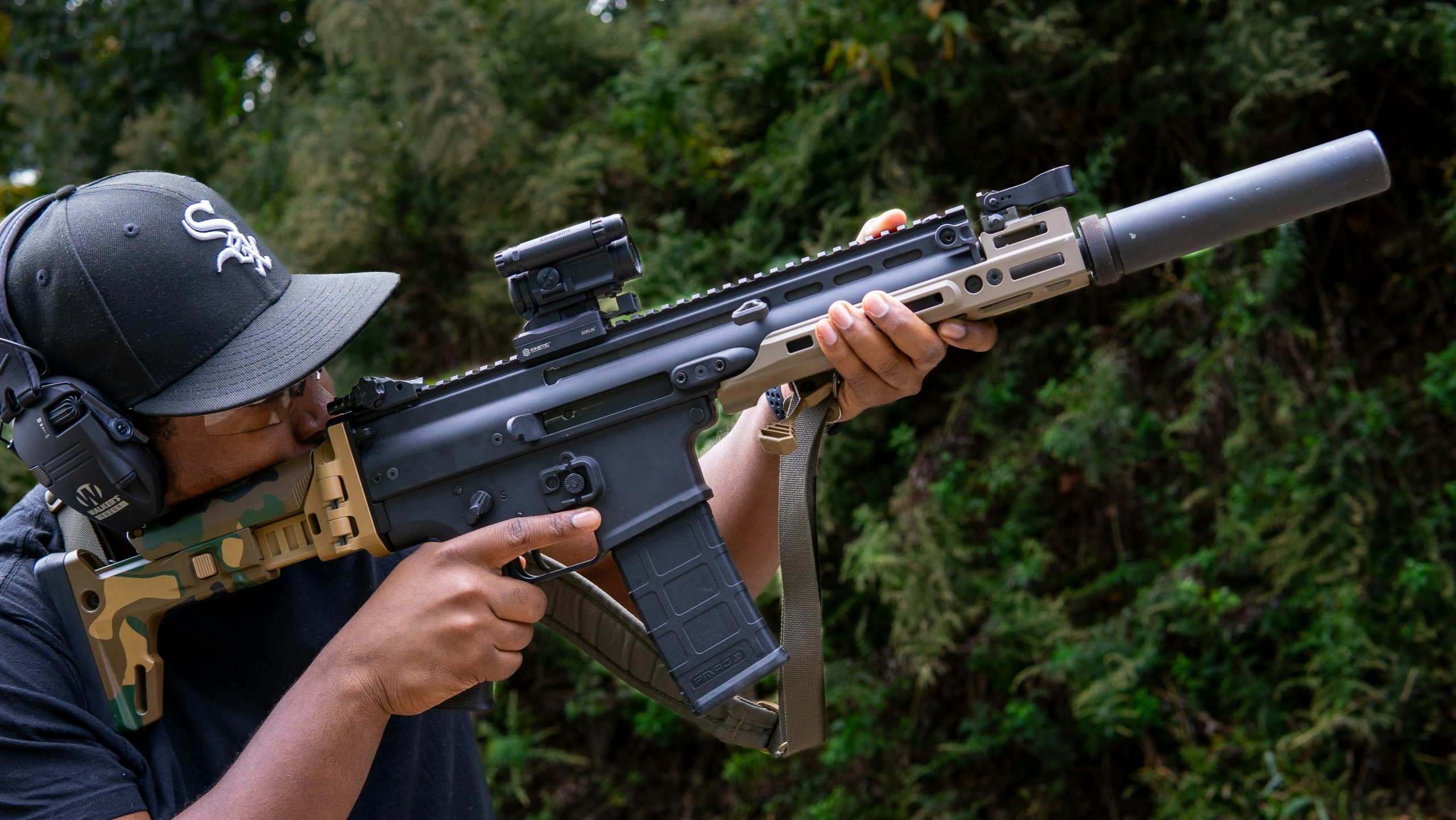
For a new shooter, recoil and controllability can influence whether practice feels manageable or frustrating. A PCC provides the familiar shoulder-fired interface of a long gun while using ammunition that generally generates less recoil than full-power rifle cartridges. A 9mm PCC also allows a learner to concentrate on safe handling, sight alignment and trigger control without immediately moving to a harder-recoiling platform. That does not eliminate the need for qualified instruction or range rules. It simply makes the physical shooting experience more approachable for many people.
8. When You Want One Middle-Ground Platform
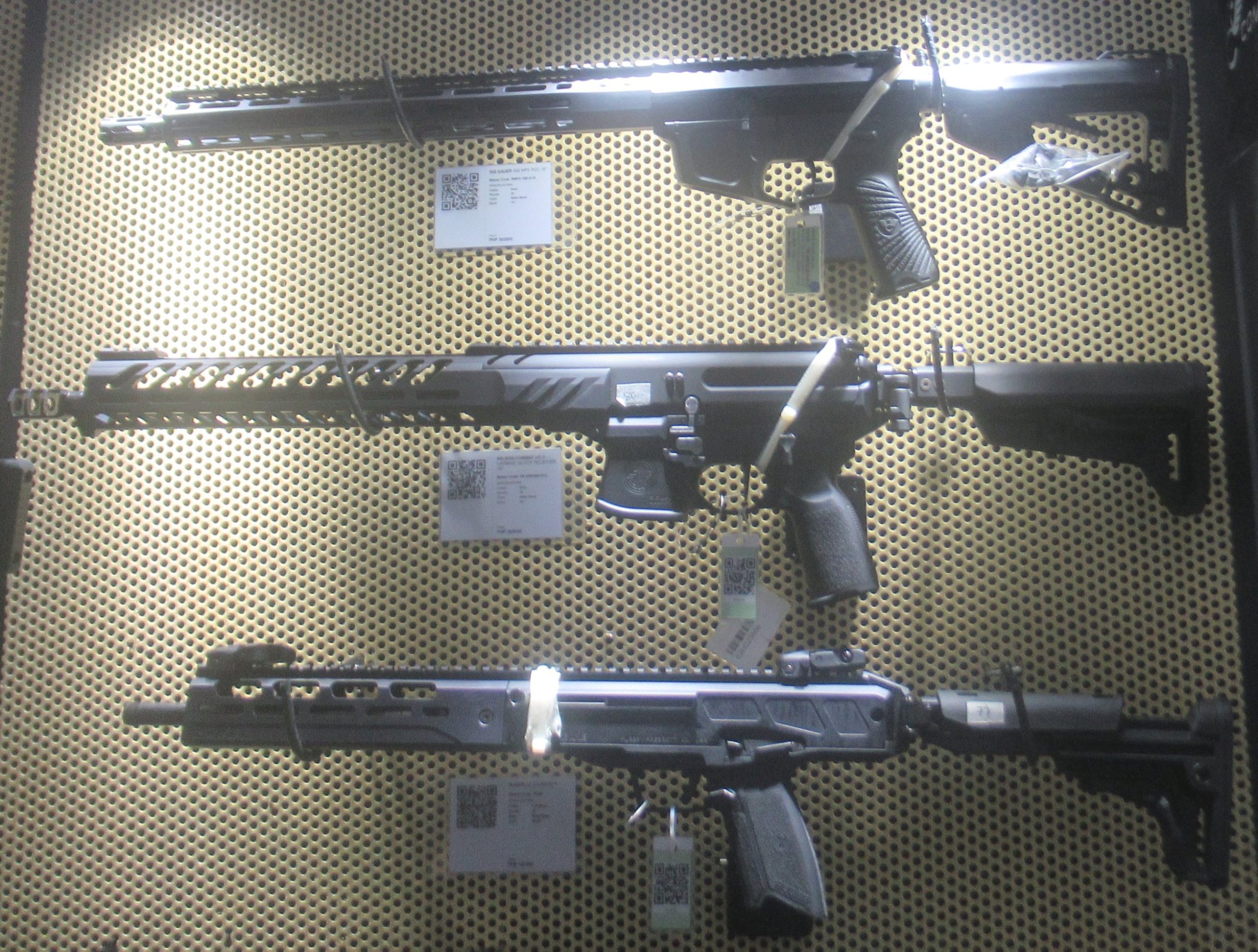
The strongest case for a PCC is often its balance rather than any single statistic. A typical 9mm example can combine a shoulder-fired layout, modest recoil, common ammunition, and useful accessory compatibility in one package. It can be easier to shoot than a handgun while remaining less powerful than a rifle, which is exactly the point. Published testing found PCC advantages over handguns became more apparent as distance increased, while rifle-caliber carbines retained a clear edge farther out. In other words, a PCC is not a universal replacement. It is a deliberately chosen compromise