
Deer don’t just rely on sharp eyes and twitchy ears. Their sense of smell is the real superpower, helping them sort safe from suspicious long before a person ever spots them. This gallery breaks down five common scents deer can pick up from remarkable distances and explains why those odors instantly put them on alert.
Human Body Odor
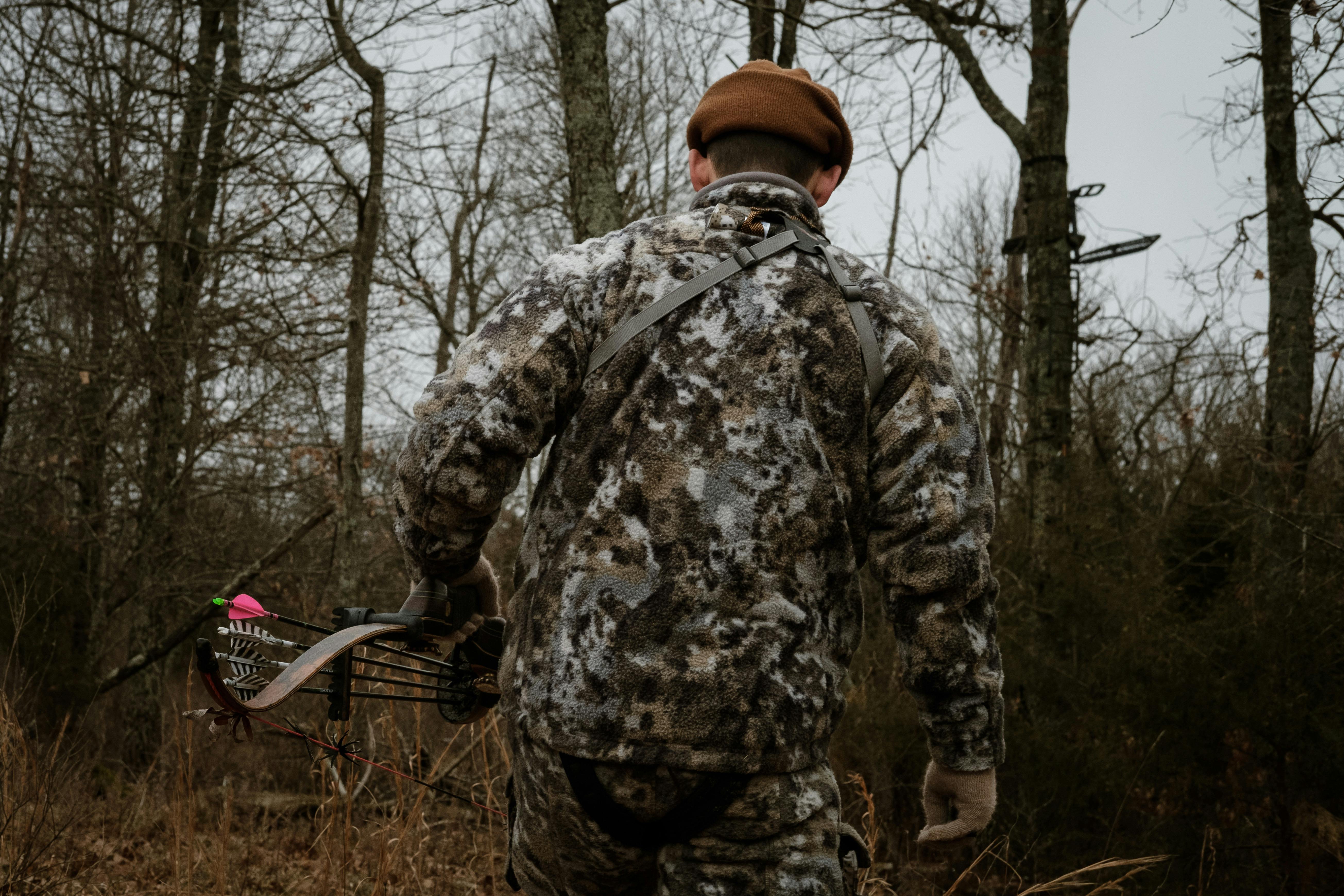
Nothing raises a deer’s suspicion faster than the smell of a person. Sweat, skin oils, and the natural bacteria on human skin create a scent profile that reads as danger in places where deer have learned to associate people with pressure, noise, and movement.
Even when someone feels clean, their body is still producing odor constantly. A short walk to a stand, a little nervous perspiration, or simply breathing into cool air can leave enough human scent drifting through the woods to change a deer’s path.
That’s why wind direction matters so much. A deer may never see the source, but if your scent cone reaches its nose, the encounter can be over before it begins.
Laundry Detergent and Fabric Softener

Fresh laundry may smell pleasant to people, but to deer it can be wildly unnatural. Strong detergents, scented dryer sheets, and fabric softeners leave behind bright chemical fragrances that stand out in a forest full of leaf litter, bark, and damp earth.
Clothing is especially tricky because fabric holds scent well and releases it slowly as you move. That means even gear washed days earlier can keep broadcasting a recognizable odor trail through brush, on stand cushions, and around vehicle seats.
For deer, the issue is contrast. When a clean floral or perfumed note drifts through a patch of oak timber, it doesn’t belong there, and that alone can be enough to trigger caution.
Gasoline and Vehicle Fumes

Gasoline has a sharp, unmistakable smell, and deer notice it quickly. Fuel vapors from ATVs, trucks, lawn equipment, or even a gas can in the back seat cling to boots, gloves, and clothing, creating a scent that feels foreign in a natural setting.
Vehicle odor doesn’t stop at the parking area, either. Exhaust, oil residue, and fuel fumes can hitch a ride on gear long after the engine is off, especially during cool mornings when air holds scent close to the ground.
Deer in rural areas may occasionally tolerate distant farm or road smells. But concentrated fuel odor near bedding cover, trails, or feeding spots often tells them something unusual has entered their space.
Food and Coffee

A breakfast sandwich and a hot cup of coffee can make an early outing more enjoyable, but those aromas travel. Deer are tuned to subtle changes in their environment, so rich food scents like meat, fried grease, peanut butter, or roasted coffee can drift far beyond where you think they stay.
The problem is intensity. Human food tends to be oily, salty, sweet, or heavily roasted, which makes it far stronger than the quiet plant smells deer expect in the woods. Even wrappers, thermos lids, and crumbs can keep releasing odor for hours.
To a deer, that scent doesn’t register as a harmless snack. It registers as unfamiliar activity, and unfamiliar often means avoid the area until it feels safe again.
Soap, Shampoo, and Cologne

Personal care products are some of the most overlooked scent sources. Soap, shampoo, deodorant, aftershave, and cologne are designed to linger on the body, which is great for daily life and terrible when you’re trying to blend into a landscape ruled by smell.
These products often contain layered fragrances that keep releasing as your skin warms up or your hat rubs against your hair. What seems mild in a bathroom can become surprisingly noticeable in the still air of a frosty morning.
Deer don’t need to identify the brand to know something is off. If the breeze carries a crisp, perfumed, or overly clean note through the timber, their nose will tell them that the area is no longer routine.