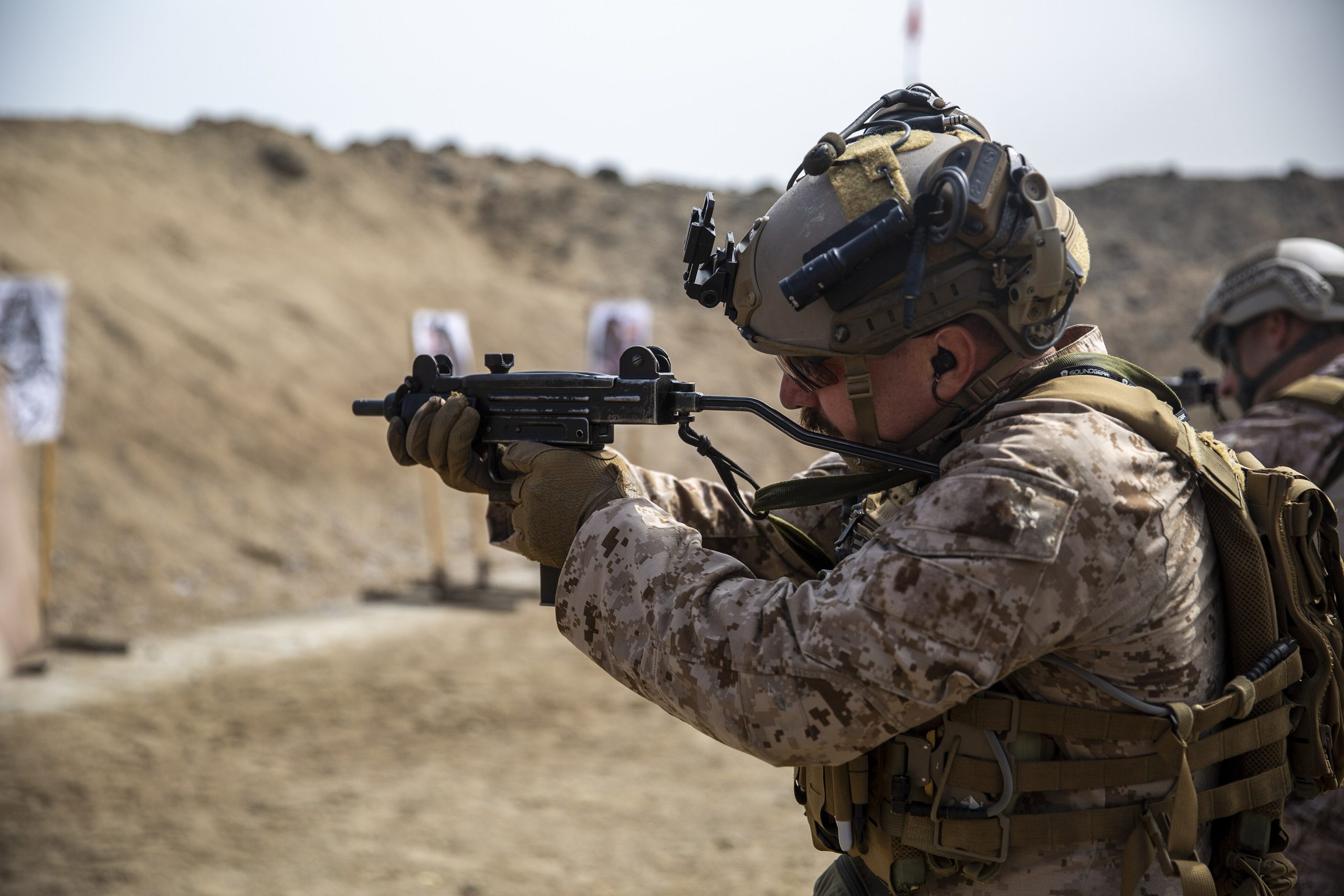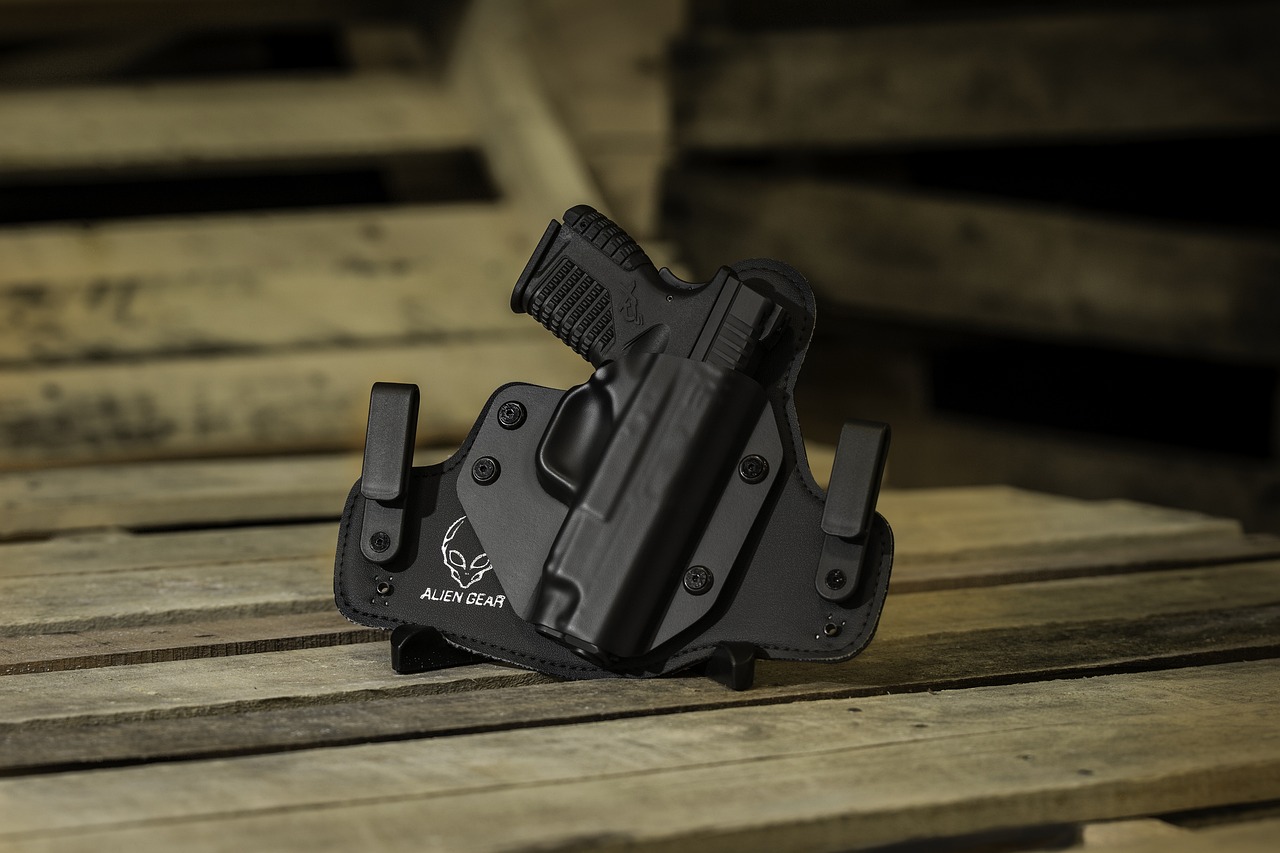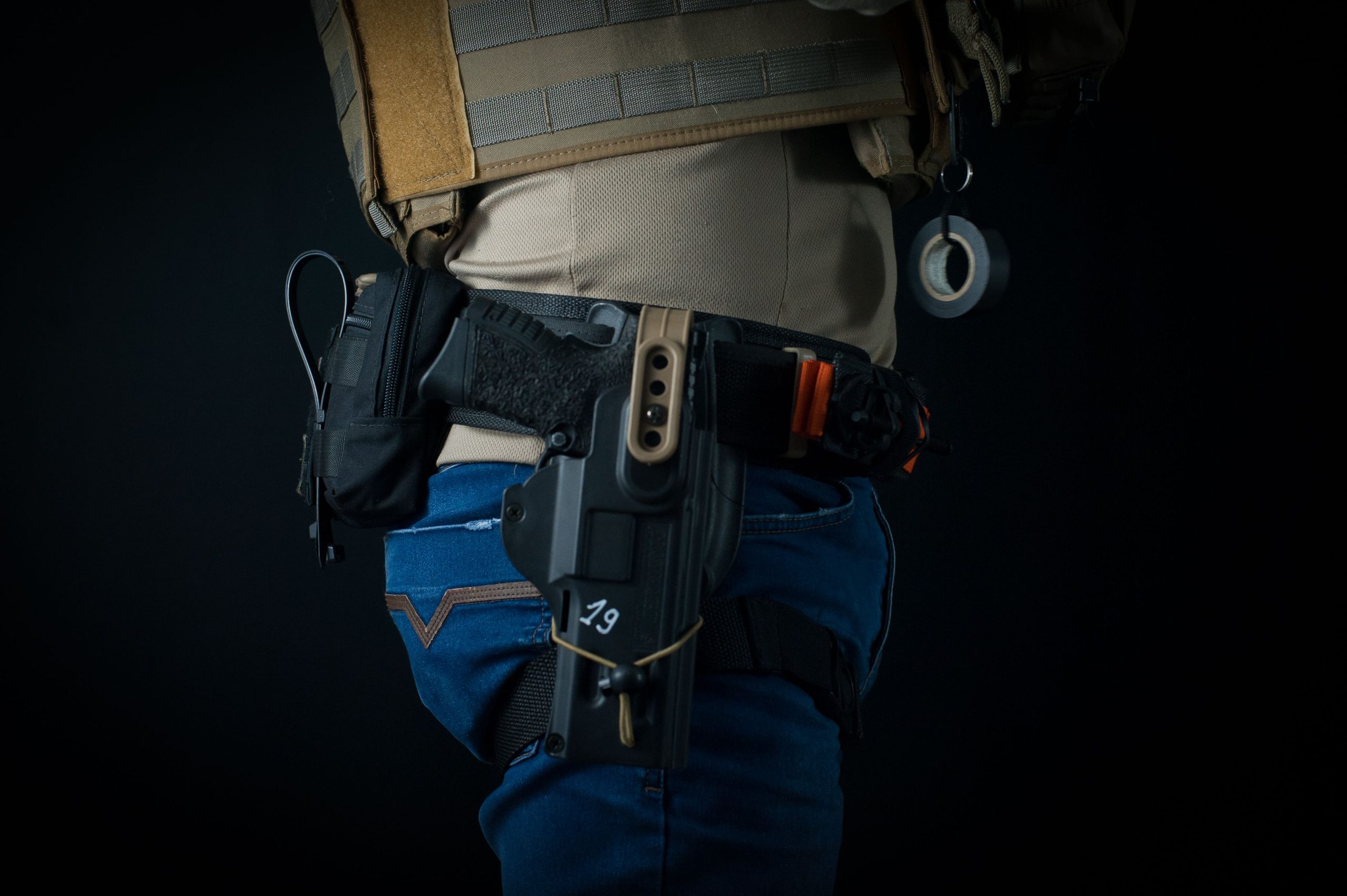
A duty holster can look perfectly reliable until an officer has to sprint, fight, fall, or stop someone from taking the weapon. Over the years, police agencies have quietly replaced several holster designs after testing, recalls, field incidents, or retention problems exposed weaknesses. Some failures involved straps, others involved mounting hardware or locking systems, while a few raised serious concerns about the draw itself. These cases show why modern duty holsters are judged on retention, access, durability, and safe operation rather than appearance alone.
1. Safariland 295 And The Push-And-Rock Weakness
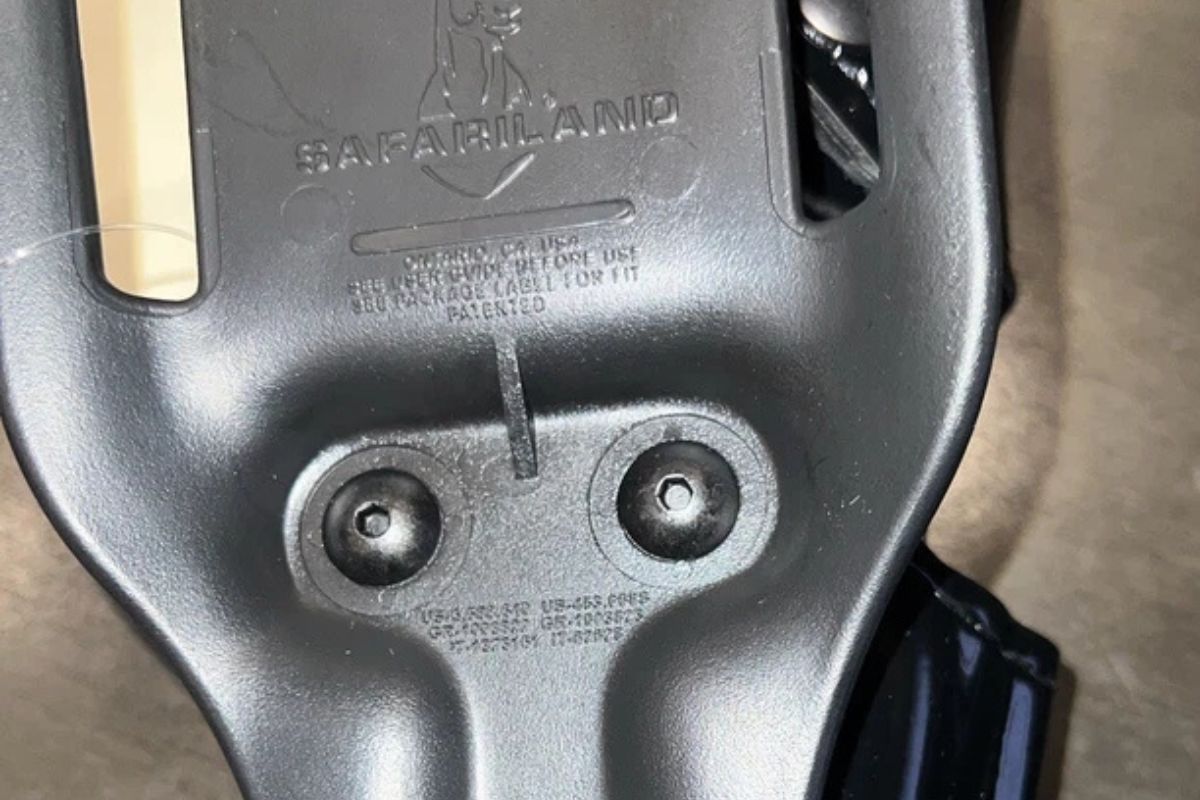
The classic thumb-break holster was once common on duty belts because it was simple, familiar, and quick. The weakness appeared when officers faced a determined gun grab. A 2004 evaluation of the Safariland 295 found that its push-and-rock release could be defeated during a struggle, with the weapon stripped in about 46% of test scenarios. The thumb break itself was released in 83% of those encounters. The design was not useless, but its retention depended heavily on the officer controlling the fight. That experience helped push agencies toward systems that added stronger passive locks and more deliberate release movements. For patrol work, that distinction mattered.
2. Michael’s Of Oregon #98251 Nylon Holster
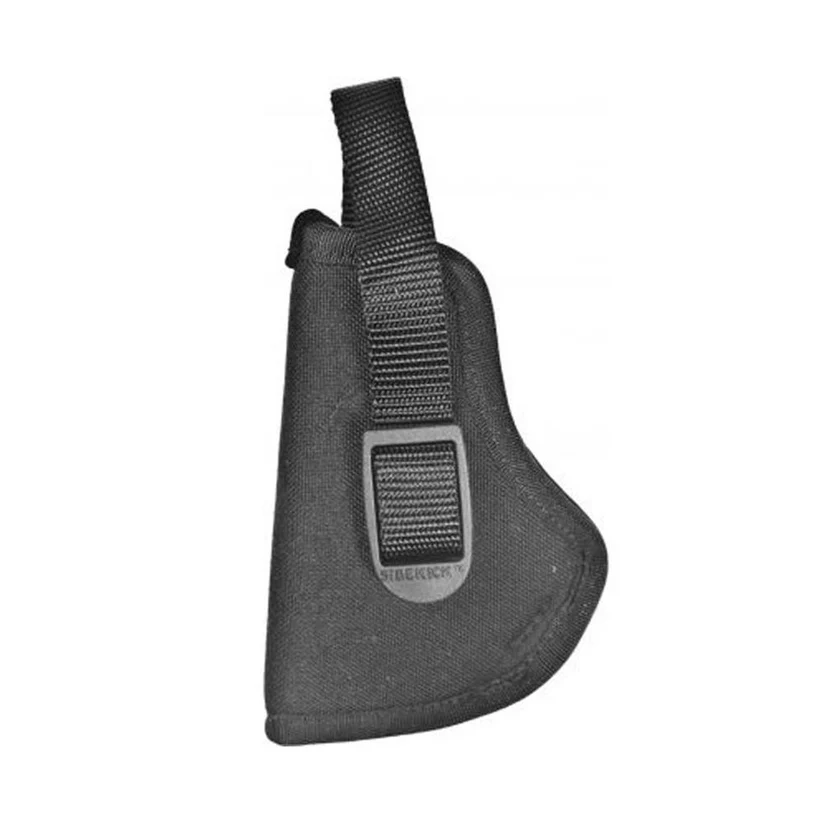
Nylon duty holsters offered comfort and low cost, but some older designs depended on stitched straps that could become the weakest point. The Michael’s of Oregon #98251 was tested in a police bicycle-duty evaluation and exposed several problems. Two thumb breaks failed where stitching passed through the strap, and one holster was pulled completely from the belt. Across the evaluation, officers lost the weapon in about 59% of scenarios, while the thumb break was defeated in 76%. Those figures did not condemn every nylon holster, but they showed why agencies increasingly favored reinforced retention hardware and more secure mounting systems. It was a practical warning.
3. Early Fobus GLT Retention-Strap Design
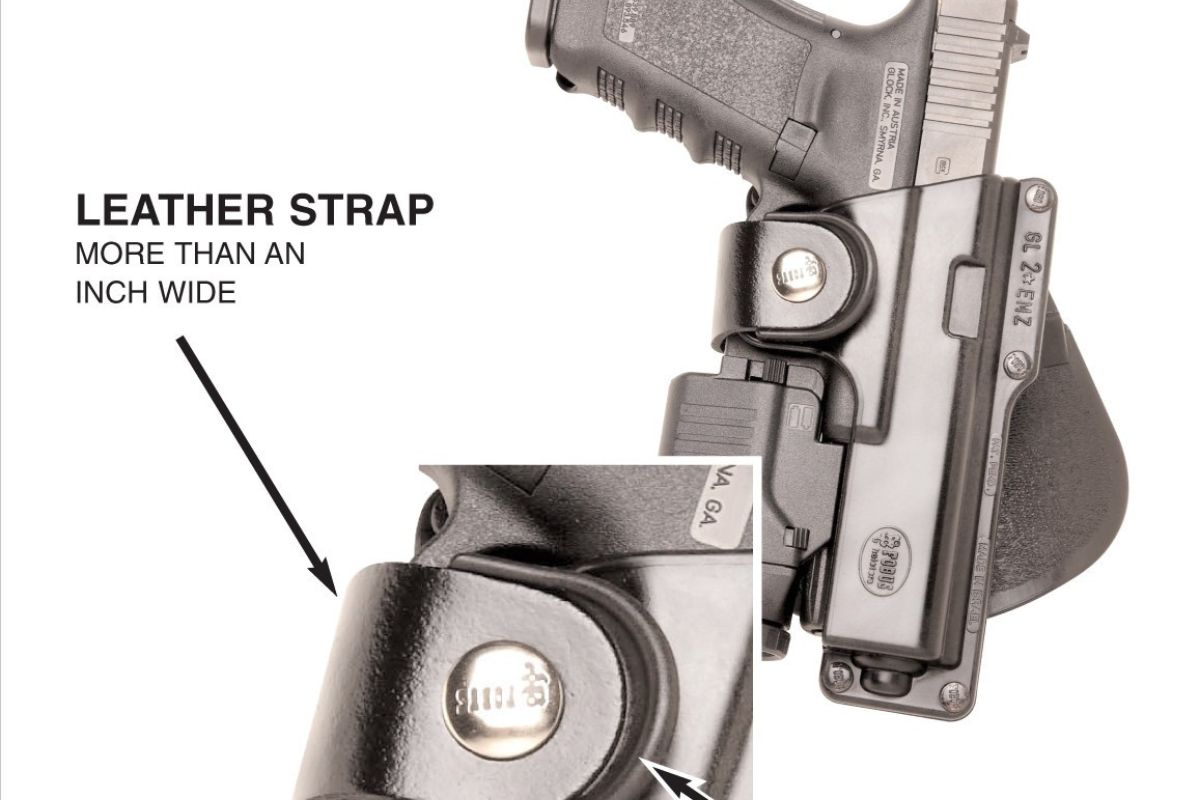
The early Fobus GLT design for Glock 17 and 19 pistols produced a much more serious warning. Its narrow leather or plastic retention strap could enter the trigger guard as the pistol was inserted. That created a possibility of the trigger being pressed during holstering. In 2004, Fobus recalled about 3,200 affected holsters after eight reported incidents involving discharges. The recalled version had been sold from March 2002 through March 2003. The replacement design used a wider strap and a plastic tip intended to keep the retention material away from the trigger area. It became a clear lesson in how a small retention detail can create a major safety problem.
4. Michaels Of Oregon Kydex Glock Holsters
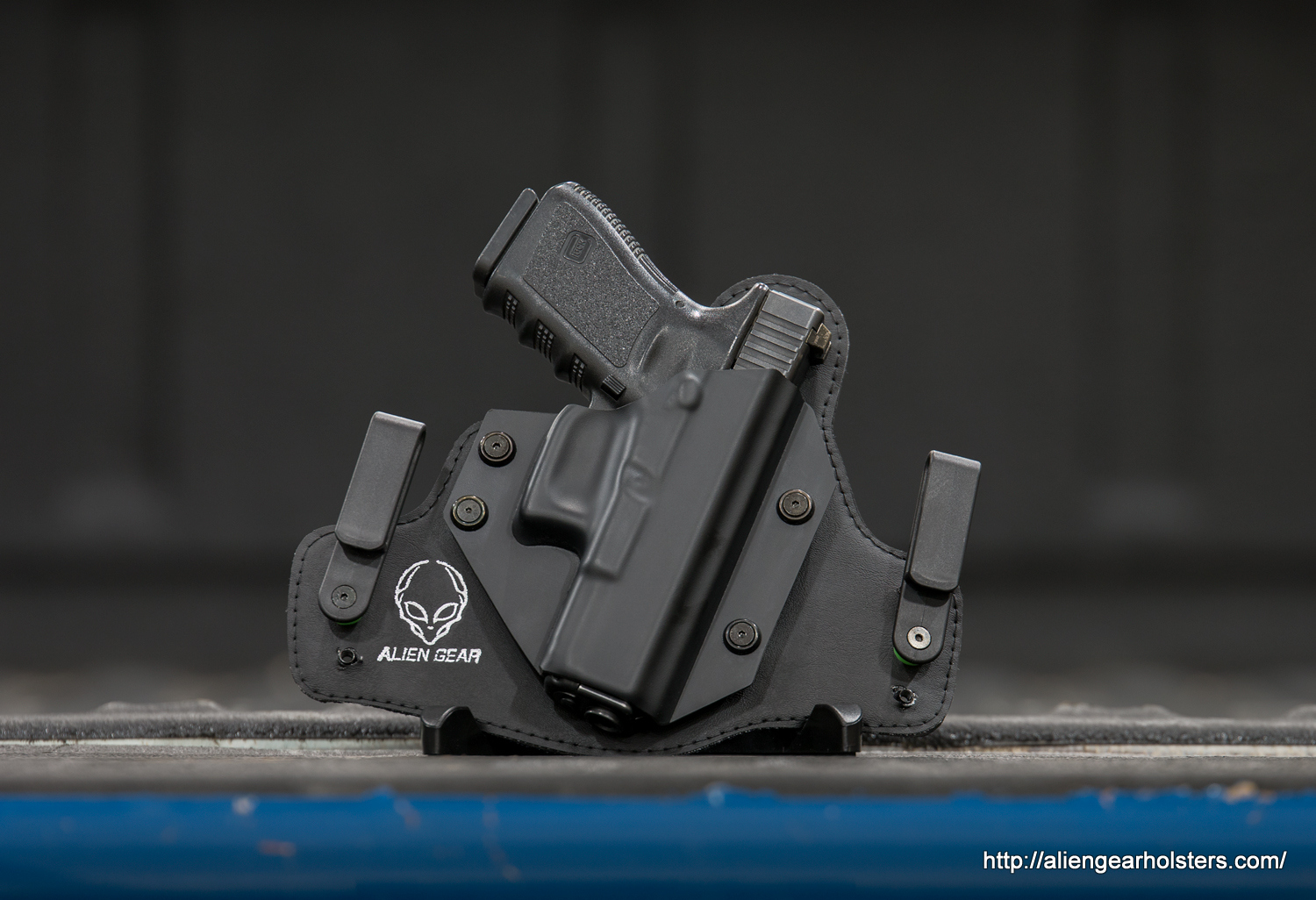
Michaels of Oregon also faced a separate recall involving Kydex belt holsters made for Glock pistols. The issue was not simply comfort or retention during a fight. The retention strap could move out of position while the firearm was being reholstered and potentially cause an unexpected discharge. The U.S. Consumer Product Safety Commission reported about 8,000 units involved in the 2005 recall and three reported unexpected discharges, including one in which a law-enforcement officer was shot in the leg. The case showed why retention straps must remain outside the trigger guard throughout the entire holstering process, not merely hold the pistol securely once it is seated.
5. Blackhawk SERPA Trigger-Finger Release Design
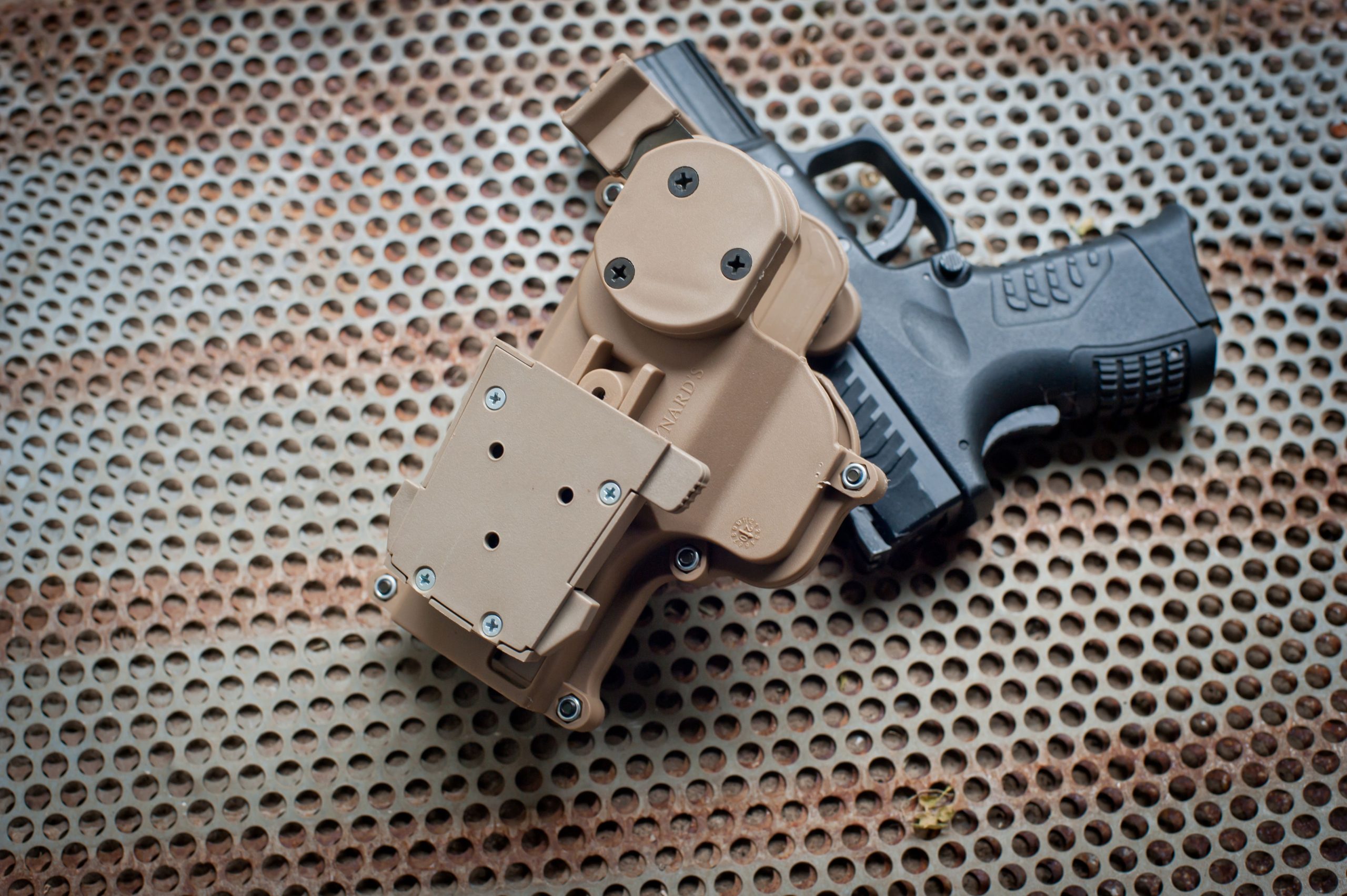
The Blackhawk SERPA became one of the most debated duty-holster designs because it was operated by the trigger finger. That arrangement could create problems when officers were drawing under pressure or when debris interfered with the mechanism. A Connecticut State Police training bulletin later banned SERPA and other trigger-finger-operated automatic-locking designs on its range. The bulletin cited a federal study of four incidents and reported that the trigger finger ended up near the trigger on 25% of observed draw strokes, while 13% began out of sequence. The criticism was therefore about both mechanical design and human performance under stress.
6. Victoria Police Holster Withdrawn After A Gun Grab
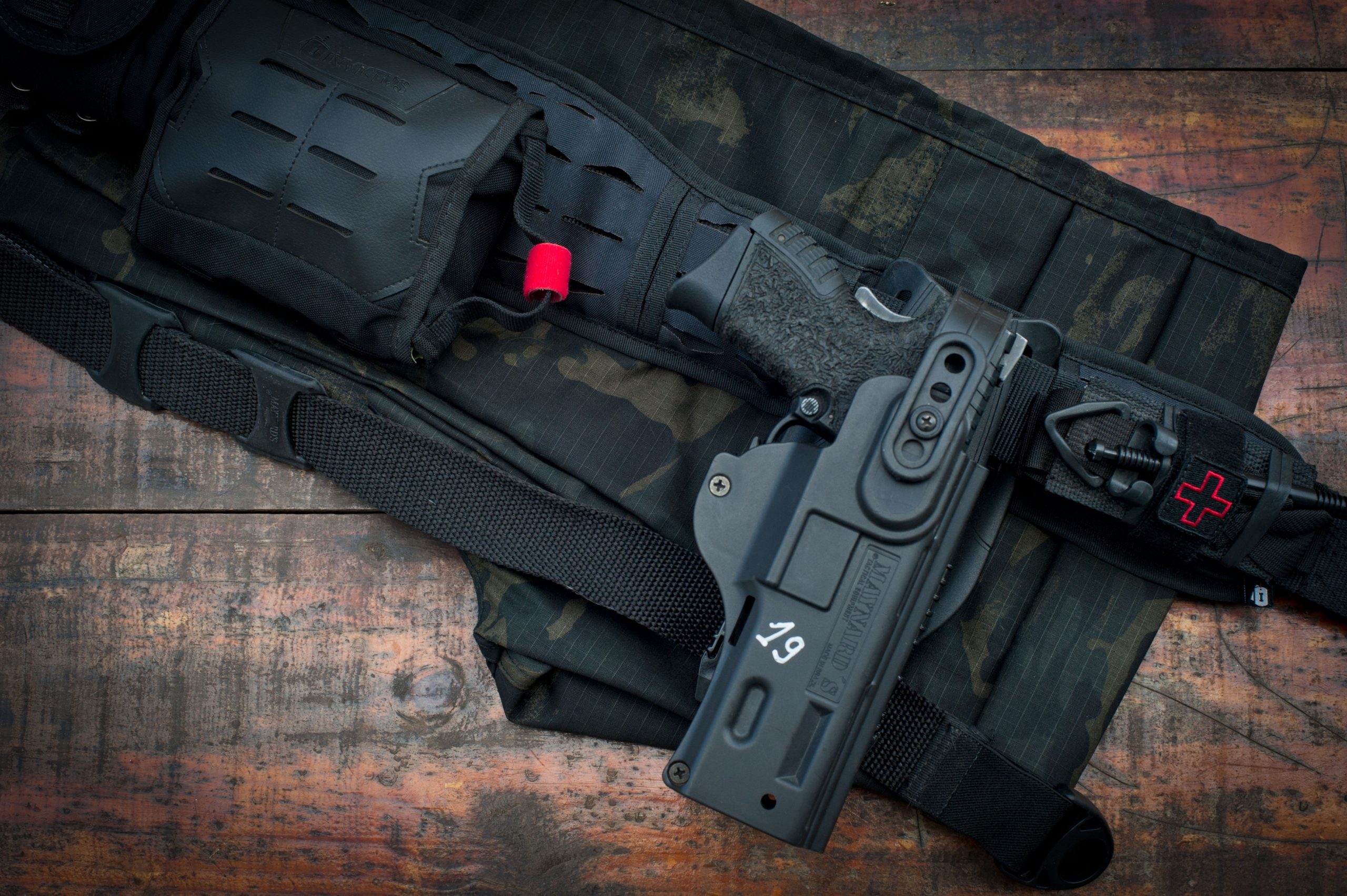
Some agencies also moved away from simple open-top or low-retention holsters because physical confrontations exposed their limitations. A striking Australian case involved a Victoria Police holster that a coroner found vulnerable to a gun grab. Senior Constable Tony Hogarth-Clarke was killed in 2005 after a motorist took his pistol directly from the holster. The coroner concluded that command had failed to withdraw the model after earlier testing identified the vulnerability, and the model was withdrawn from service in 2009. The case illustrates why retention cannot be judged only by how quickly an officer can draw during routine practice. Retention became an operational requirement.
7. Safariland 7360RDS With TLR7 Configuration
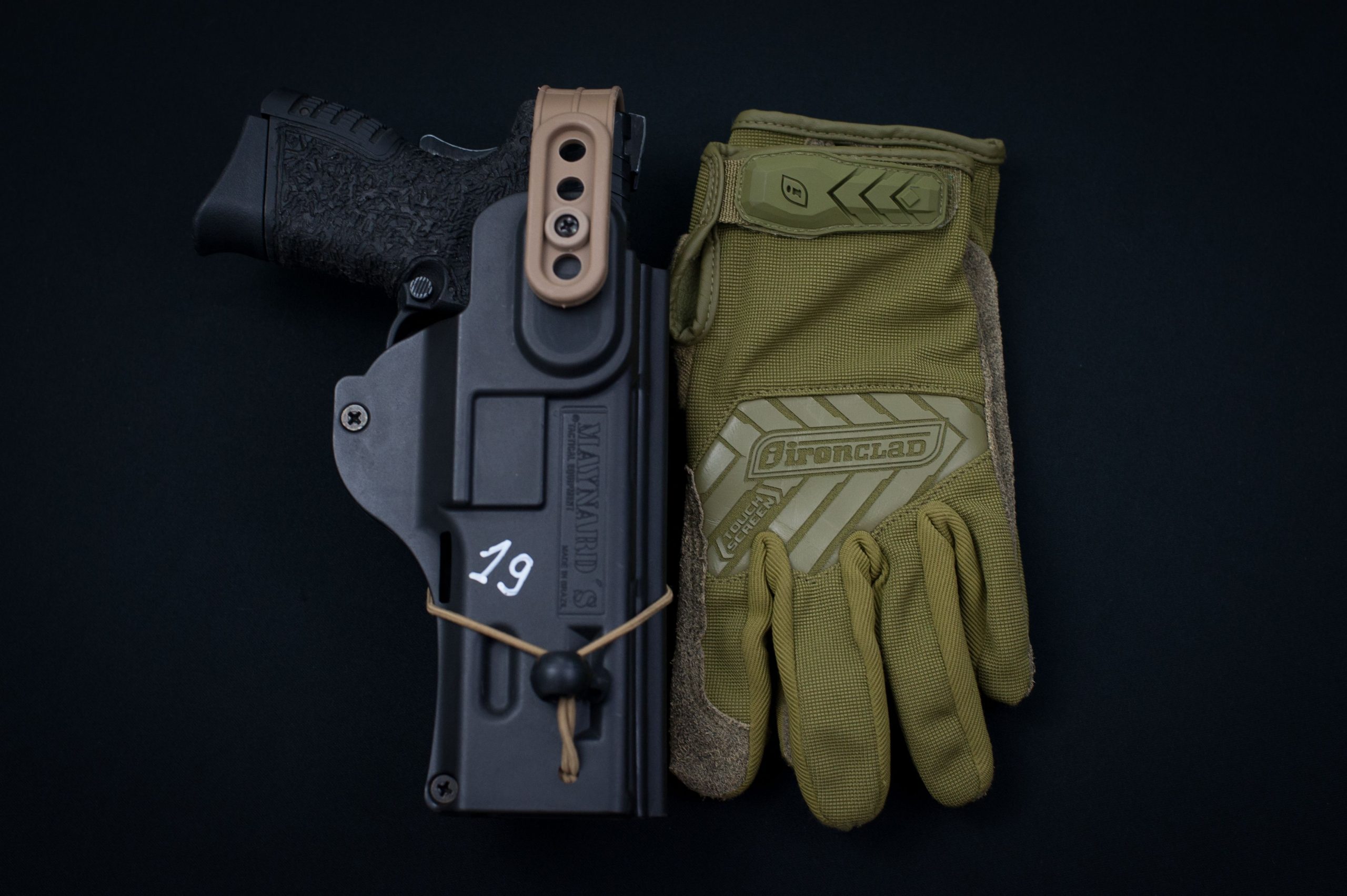
The Safariland 7360RDS configuration for the Streamlight TLR7 became another example of an agency removing a design after a field incident. In November 2021, Safariland reported that an agency had discontinued the Model 7360RDS with the TLR7 attachment after an officer’s duty weapon discharged during a violent struggle. The company said the agency identified a potential retention issue and stopped using that configuration. This was not a blanket recall of every 7360RDS holster, but it showed how adding a weapon light can change the fit and retention relationship. A holster must secure the complete firearm and accessory combination, not just the pistol.
8. Older M12-Style Flap Holsters
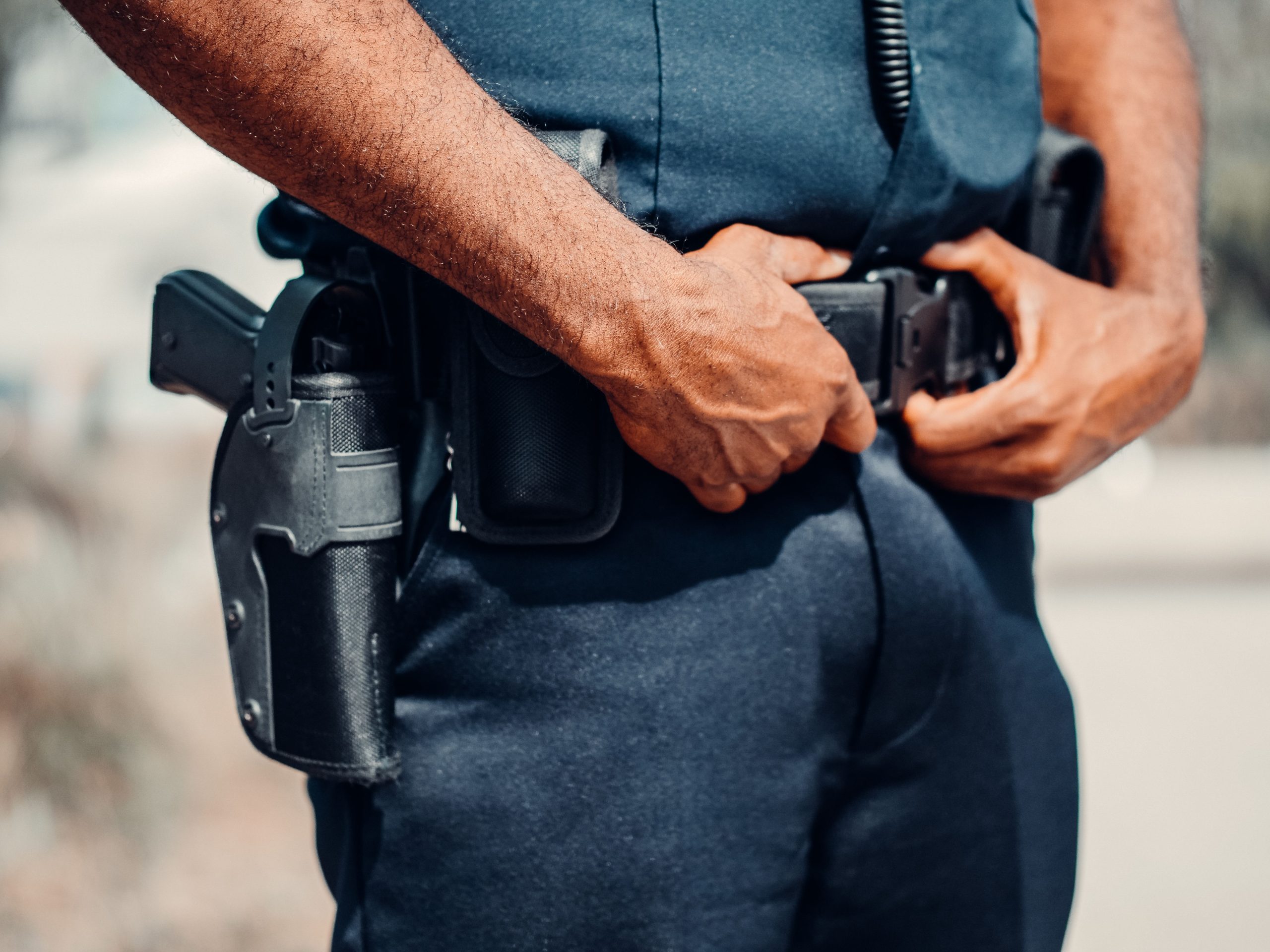
The older M12-style military holster represented a different compromise: it protected the handgun well but was slower and less secure against determined physical attacks than later duty systems. Its flap arrangement emphasized coverage and environmental protection rather than rapid, high-level retention. As police and military work increasingly involved vehicle operations, close contact, and deliberate weapon-retention training, designs with positive locking mechanisms became more attractive. Later systems such as the Safariland 6004 reflected that shift. The lesson is that a holster can work for one mission yet become unsuitable when movement, speed, and gun-grab resistance matter most.