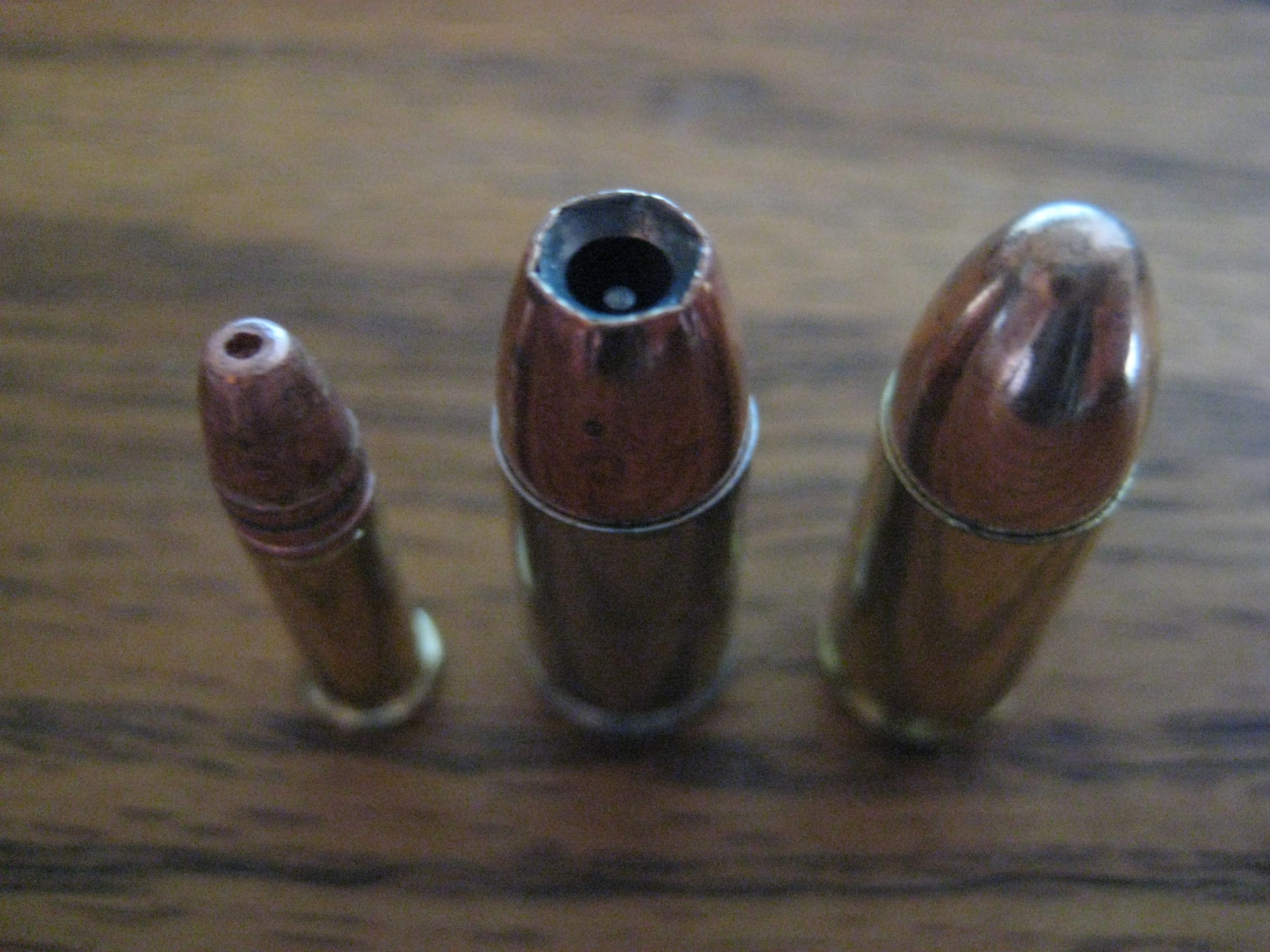
The .22 LR has long been the symbol of inexpensive shooting, but its pricing history tells a more complicated story. After years of bargain-level prices, the market experienced dramatic shortages, demand surges, and a lengthy correction. Current 2026 pricing is far below the extraordinary 2021 peak, yet it generally remains above the rock-bottom levels common in parts of 2018–2019. For perspective, one current price index puts the August 2026 low near $0.09 per round, compared with a 17-year median of about $0.07 and an all-time tracked low of roughly $0.03.
1. The Bargain-Baseline Era Is Gone
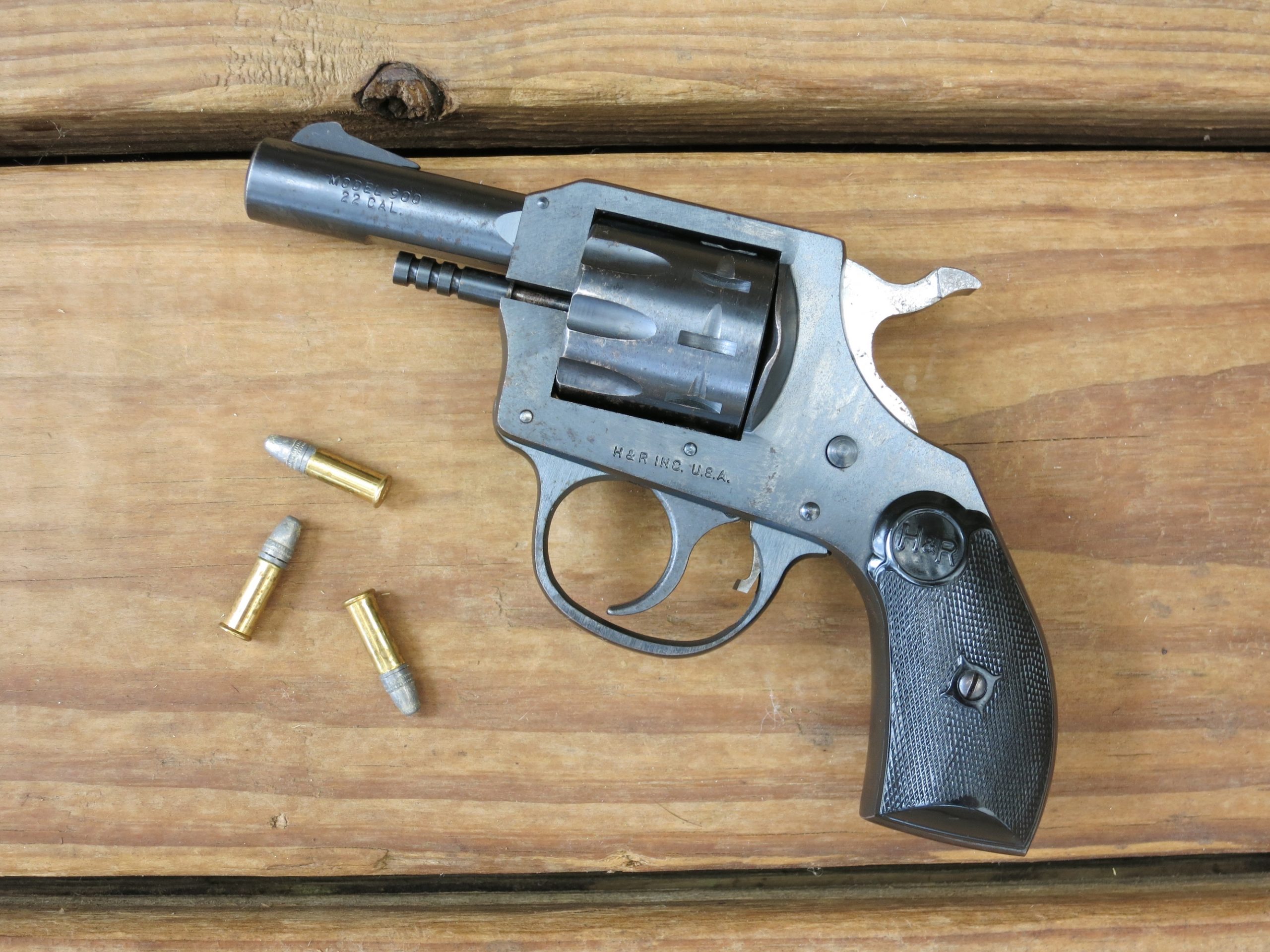
For years, .22 LR earned its reputation as the cartridge that barely affected a shooter’s wallet. In 2019, tracked market averages commonly sat around 4–5 cents per round, making a 500-round brick roughly $20–$25 before tax. That price became a mental benchmark, not a temporary discount. Today’s market is different: August 2026 data put the cheapest tracked standard bulk ammunition near 9 cents per round, with other trackers showing many listings higher. A return to the old floor would require unusually soft demand, abundant inventory, and aggressive price competition at the same time. Those conditions can occur briefly, but expecting them as the normal baseline is increasingly unrealistic.
2. Production Cannot Instantly Follow Panic Buying
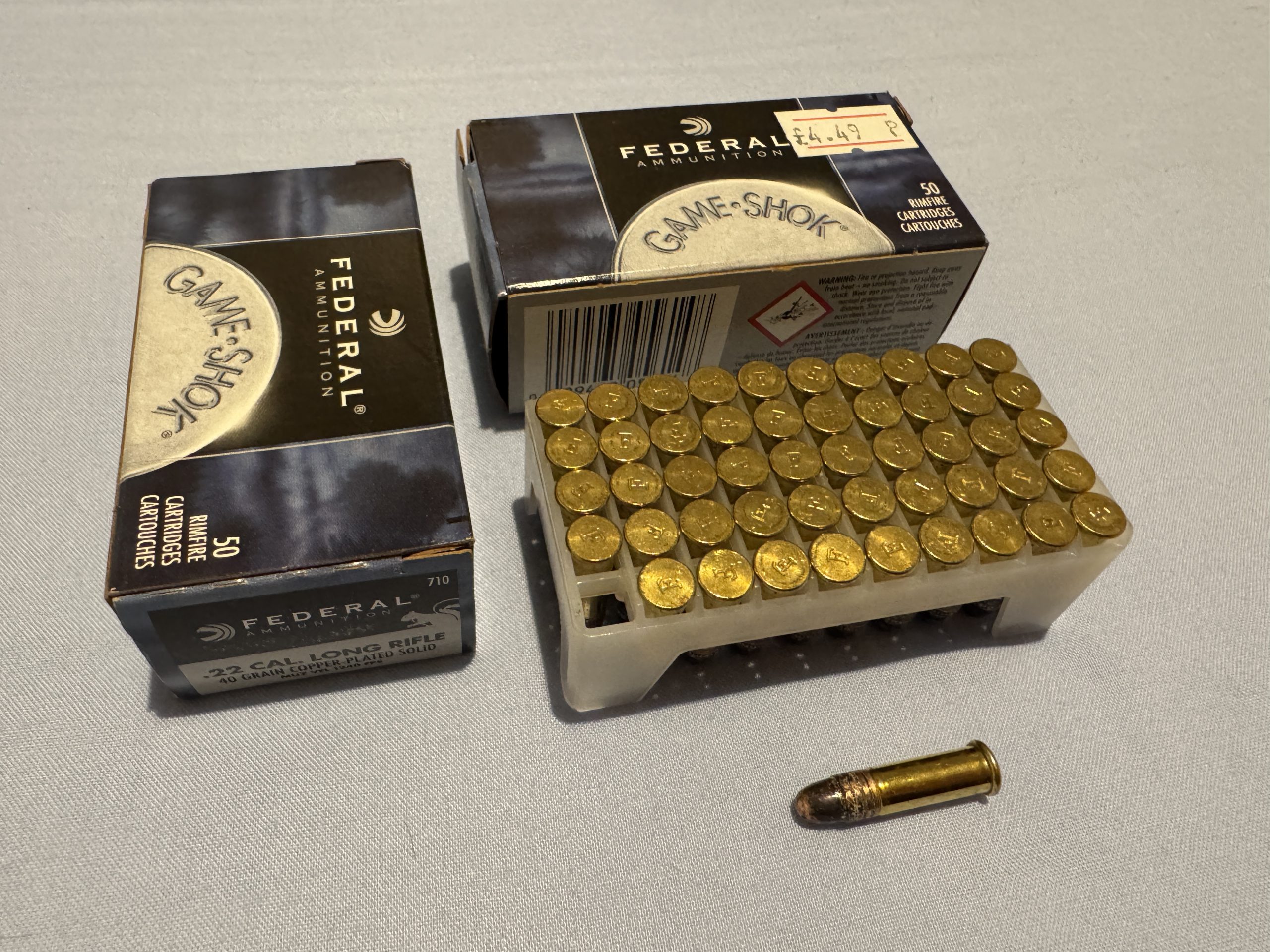
The .22 LR market has an unusual weakness: demand can jump much faster than manufacturers can add output. Rimfire ammunition uses a different case-priming arrangement from centerfire cartridges, and high-volume production depends on specialized machinery running consistently. When buyers suddenly want millions of extra rounds, factories cannot simply double capacity next week. The 2020–2021 shortage showed the effect dramatically. One price history records an average near 32 cents per round in February 2021, versus roughly 5 cents in 2019. Supply eventually recovered, but the episode taught consumers that cheap rimfire can disappear quickly when demand accelerates.
3. Millions of Shooters Keep the Floor Firm

The biggest support for .22 LR pricing is not a single niche market but its enormous range of uses. It remains popular for recreational shooting, training, informal target work, and small-game applications where lawful. That creates a broad customer base rather than dependence on one type of buyer. Even when prices fall, high-volume users can absorb huge quantities, especially when 500- and 1,000-round packages appear at attractive prices. Current tracking shows case quantities remain central to the low-cost market. With demand spread across millions of consumers and applications, manufacturers and retailers have less reason to chase the extreme bargain prices seen during competitive periods.
4. Raw Materials Still Put a Floor Under Costs
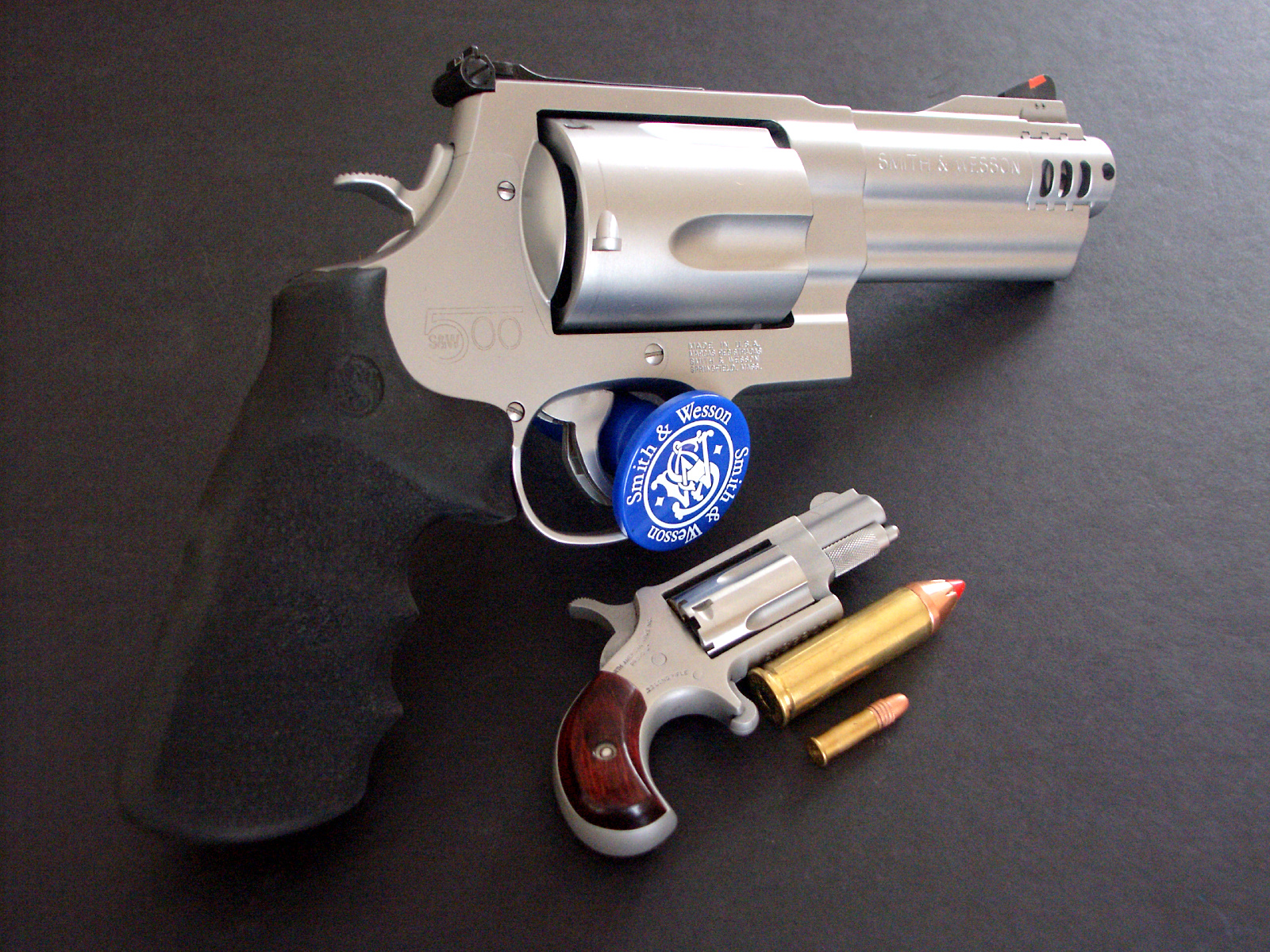
Cheap ammunition is still a manufactured product, and its price cannot fall indefinitely simply because retailers have excess stock. A .22 LR round requires a case, primer compound, propellant, projectile, packaging, labor, machinery time, testing and distribution. Metals such as lead and copper can move with broader commodity markets, while energy, wages, transport and packaging add their own pressure. Those costs do not explain every retail spike; demand can create much larger swings. They do, however, make a permanent return to ultra-low pricing harder. A 3-cent round may appear again as a short-lived deal, but sustaining that level across the market is a different economic challenge.
5. Retailers Learned From the Shortages
The shortage years changed how ammunition moves through the retail chain. Dealers saw customers buy large quantities when shelves looked uncertain, while manufacturers learned that sudden demand could overwhelm normal planning. Retailers therefore have stronger incentives to watch stock levels, spread inventory and protect margins when demand rises. That can reduce the frequency of spectacular clearance deals. Recent data illustrate the new normal: one 2026 price history places monthly averages around 8–10 cents per round, far below the 2021 peak but above much of 2018–2019. The market has normalized without restoring its old pricing structure.
6. Inflation Changes What “Cheap” Really Means
Even if manufacturing efficiency improves, the dollar itself buys less than it did years ago. Labor, electricity, freight, insurance, warehousing, and business overhead cost more than they did during the late-2010s bargain period. That matters because ammunition pricing is built from many small expenses, not just the value of the bullet and case. A return to 5 cents per round would therefore require more than cheaper raw materials; it would demand exceptionally low margins or major efficiency gains. In 2019, roughly $25 could cover 500 rounds at a 5-cent benchmark. At 9 cents, the same quantity is about $45 before tax and shipping, showing how much the practical price floor has shifted.
7. Buyers Now Compare Price Per Round
Modern ammunition shoppers are also better equipped to recognize the real cost of a deal. Online listings make it easy to compare 250-, 500-, 1,000- and larger packages by calculating price per round instead of judging the sticker price alone. Current tracking shows bulk .22 LR commonly appears in 500- and 1,000-round quantities, where the per-round figure is usually more attractive. That transparency can push retailers to compete, but it also makes extreme bargains disappear quickly when inventory is limited. In other words, consumers may still find excellent prices, yet those prices are increasingly treated as opportunities to watch for rather than a guaranteed everyday baseline.
8. “Never” Is Too Strong, but the Old Normal Is Unlikely
There is an important distinction between saying .22 LR will never become cheaper and saying its old bulk-price environment is unlikely to return. Prices can fall sharply if production expands, inventories build, and demand cools simultaneously. History proves that the tracked market reached about 3 cents per round in January 2024 before moving higher again. By August 2026, another index placed the cheapest standard bulk .22 LR near 9 cents, while a separate tracker showed a much broader range across listings. The lesson is simple: bargains will survive, but expecting the market to permanently live at late-2010s prices ignores how demand, costs, and inventory have changed.