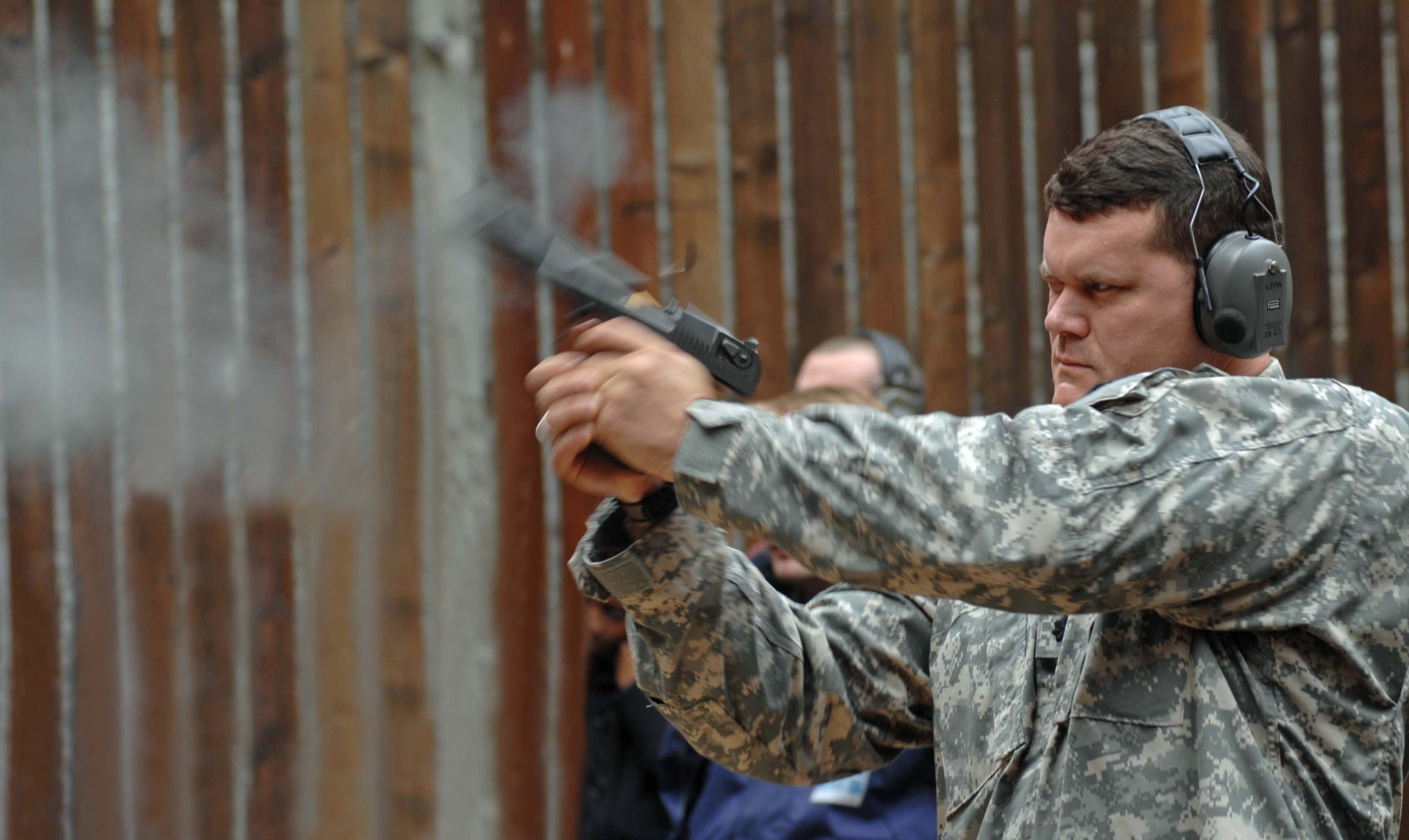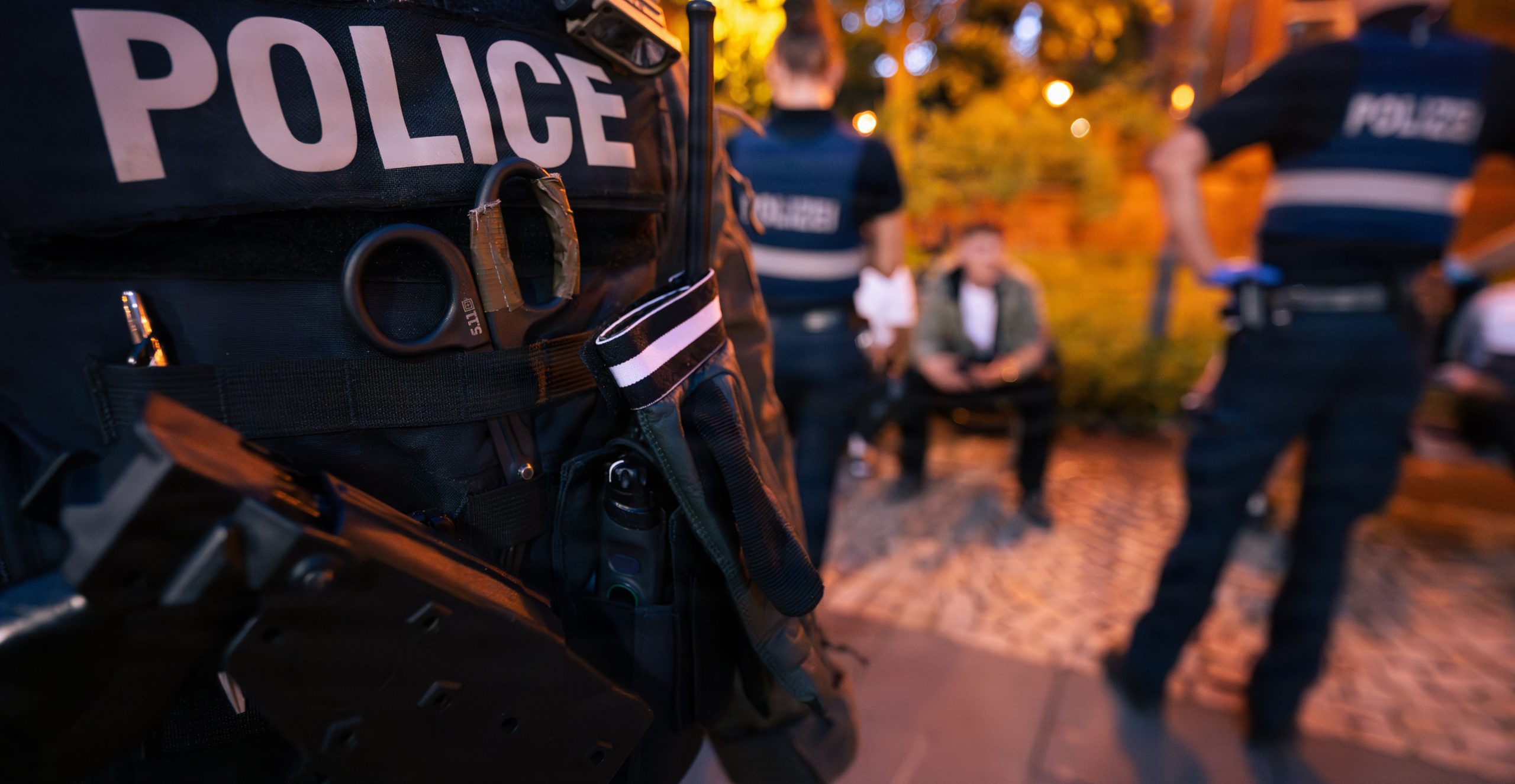
Police patrol work demands equipment that can remain useful through an entire shift, not merely during an armed confrontation. While patrol rifles can offer greater range and precision, the handgun remains the basic firearm carried by most patrol officers because it is compact, immediately accessible, and practical during everyday duties. Modern agencies increasingly keep rifles available in patrol vehicles for situations that exceed handgun capabilities. The distinction is important: a pistol is generally the constant personal weapon, while a rifle serves as an additional capability when circumstances justify it.
1. A Handgun Is Easier to Carry All Shift
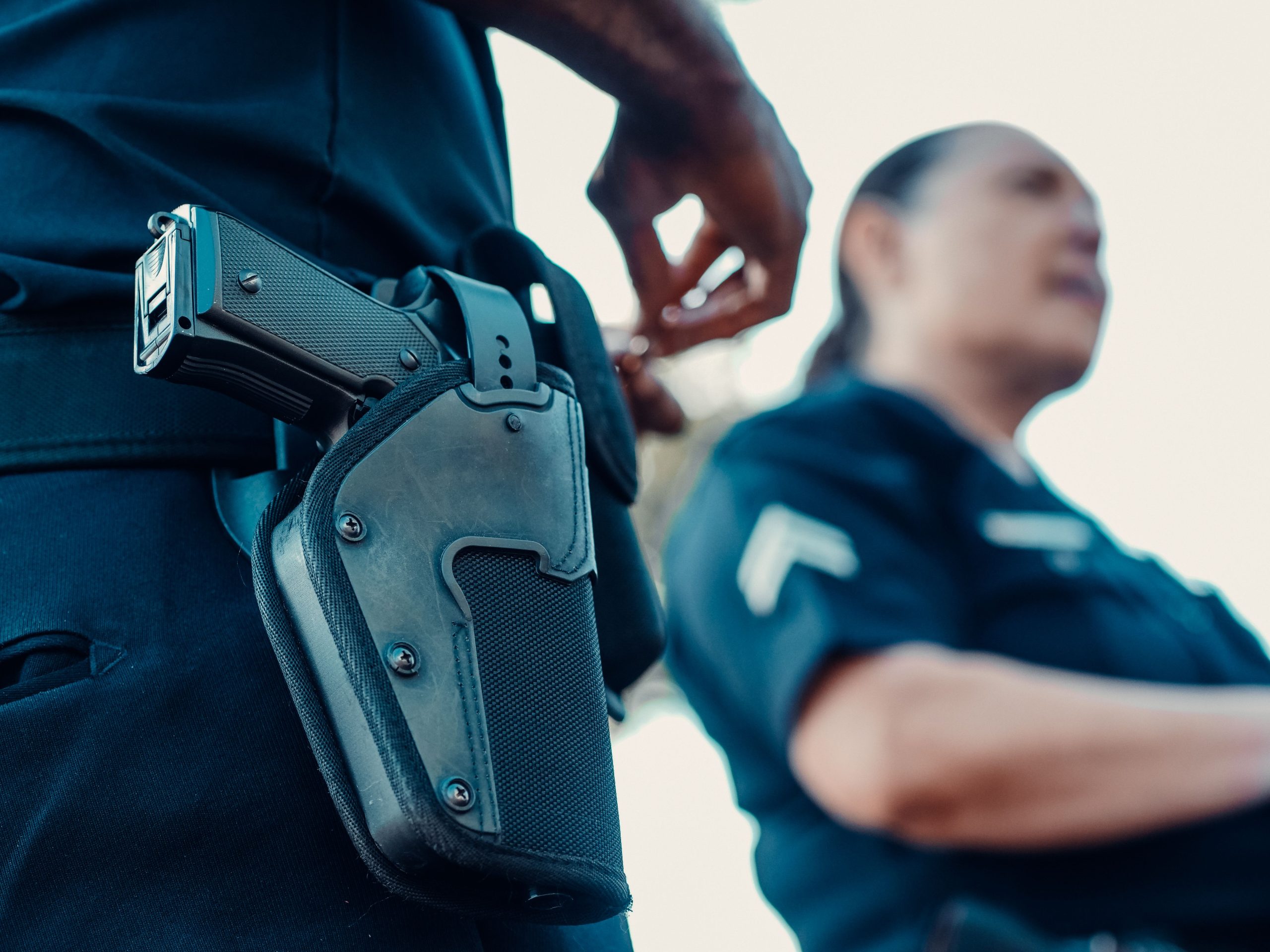
A patrol officer may need a firearm that stays accessible through an entire shift, and the handgun wins on portability. A duty pistol is far easier to carry continuously than a patrol rifle, especially during hours of driving, walking, climbing stairs, and answering routine calls. A holstered pistol also leaves both hands available for routine police tasks. The weapon remains attached to the officer rather than stored in a vehicle. That does not make a rifle less capable; it simply makes the handgun better suited to constant carry. Many agencies treat the pistol as the officer’s always-available firearm, with a rifle kept in the vehicle for situations requiring greater capability.
2. It Is Immediately Available When Trouble Starts
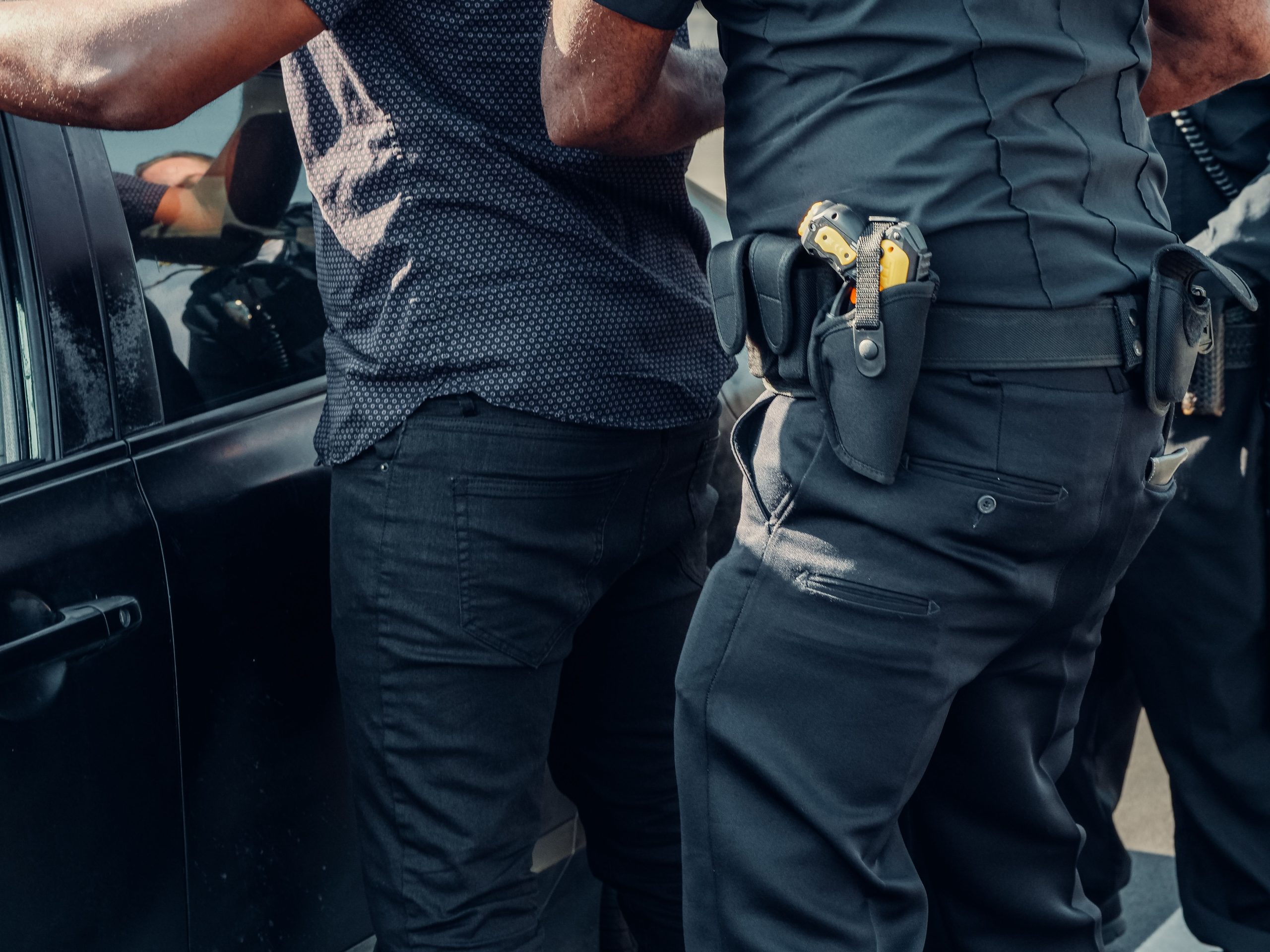
A handgun is immediately accessible because its normal carry position is already on the officer. Reaching for a secured rifle in a patrol vehicle introduces another step, and that step may not be practical when an emergency develops away from the car. This is one reason the pistol remains the primary firearm for routine patrol. A 2026 survey of 178 officers found that nearly 45% identified distance beyond typical handgun range as a limitation, showing that officers themselves recognize the pistol’s boundaries. The answer is not necessarily replacing it with a rifle; instead, many agencies provide both, matching the weapon to the circumstances.
3. Patrol Involves Close-Contact Work
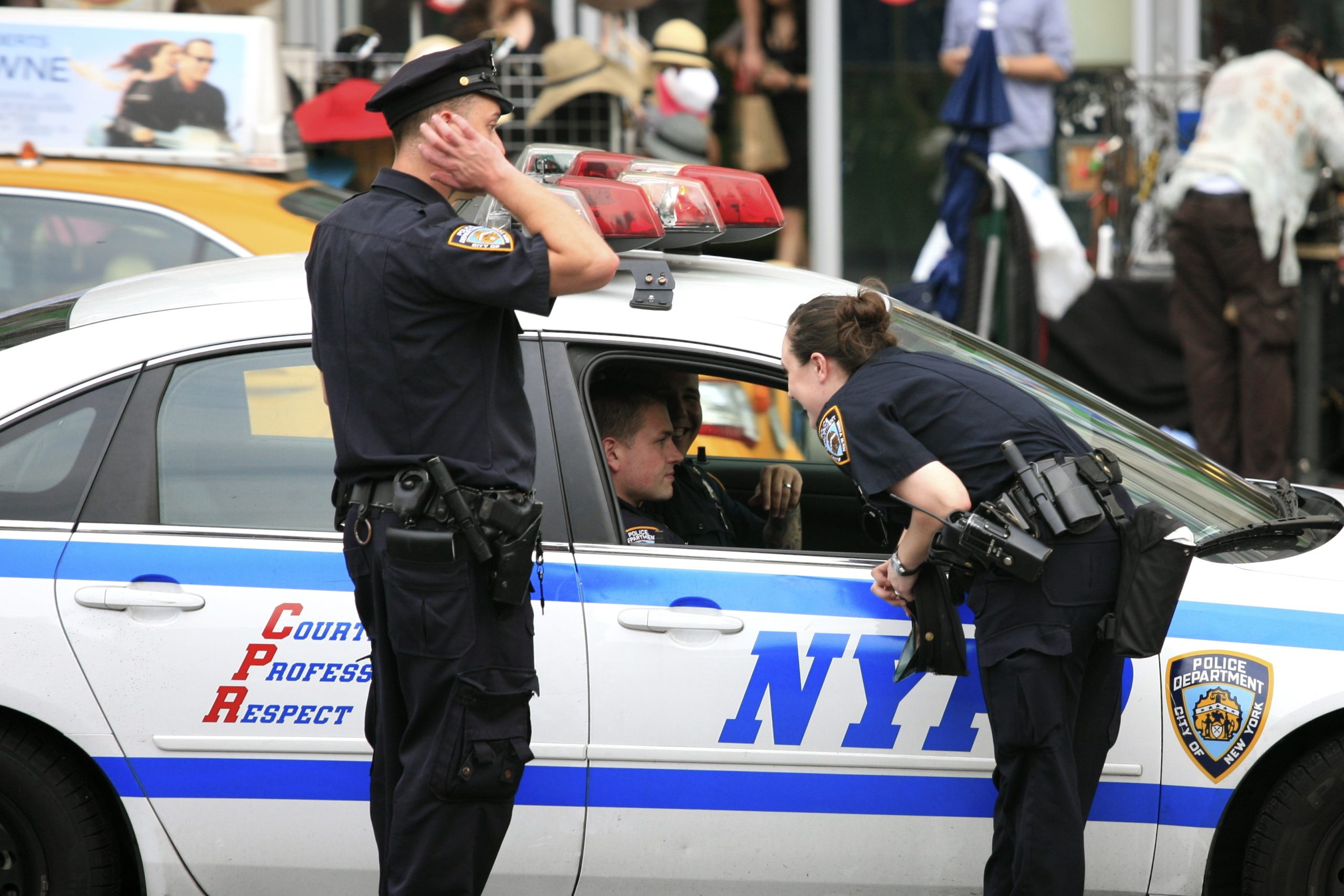
Police patrol involves far more than armed confrontations. Officers may spend a shift entering homes, interviewing witnesses, directing traffic, helping injured people, or making arrests. A long gun can complicate movement and weapon retention during close physical encounters. One department policy notes that long guns reduce retention capability and treats the patrol rifle as a standoff weapon. The pistol therefore remains practical for the unpredictable, close-contact nature of ordinary patrol work. Its compact form also works naturally with a duty belt, allowing officers to carry other essential equipment without adding a long firearm to every routine interaction.
4. Rifles Require Dedicated Vehicle Storage
Handguns are generally easier to keep secured while an officer is seated in a patrol car. A rifle has greater length and normally needs a dedicated rack, case, or other retention system. Agencies therefore have to balance accessibility with secure storage whenever a patrol rifle is assigned. One documented department policy specifies that patrol rifles are kept in mounted systems or hard cases, while officers remain armed with their handguns. That arrangement illustrates the basic division of labor: the pistol stays with the officer, while the rifle remains available as a secondary capability. The numbers vary by agency, but the principle is widely recognizable.
5. Rifle Qualification Adds Training Demands
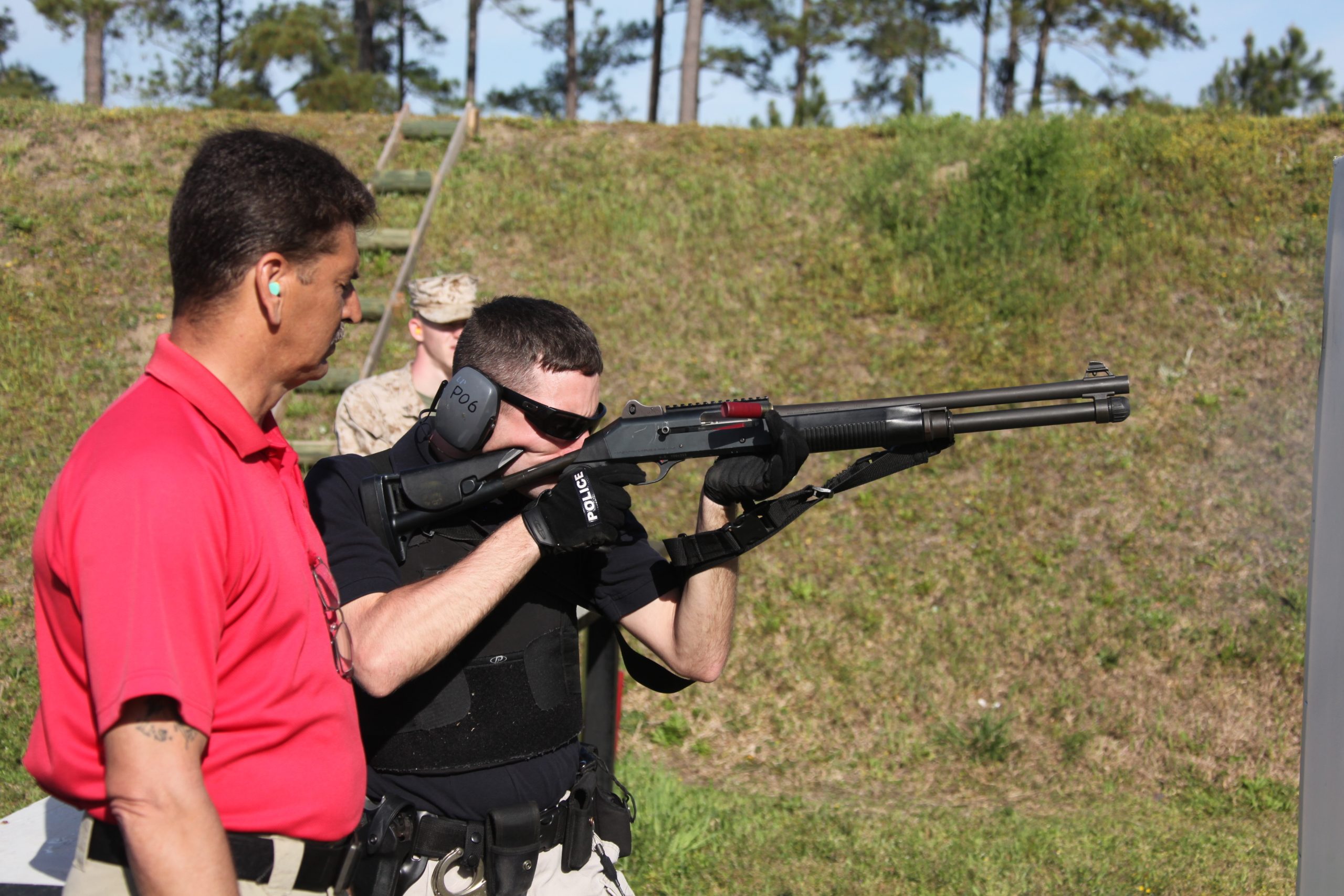
Training requirements also influence why the handgun remains the everyday patrol weapon. Every officer who carries a duty pistol must qualify with it, while agencies that authorize rifles may require additional courses and separate qualification. New Jersey’s law-enforcement training catalog, for example, describes a five-day patrol-rifle instructor course and requires a 90% rifle qualification score. Adding another weapon means extra ammunition, instructors, practice time, maintenance, and oversight. The pistol is not chosen because it does everything better. It is chosen because every patrol officer can be trained and equipped to use it as the constant baseline weapon.
6. Most Patrol Calls Do Not Require Rifle Range
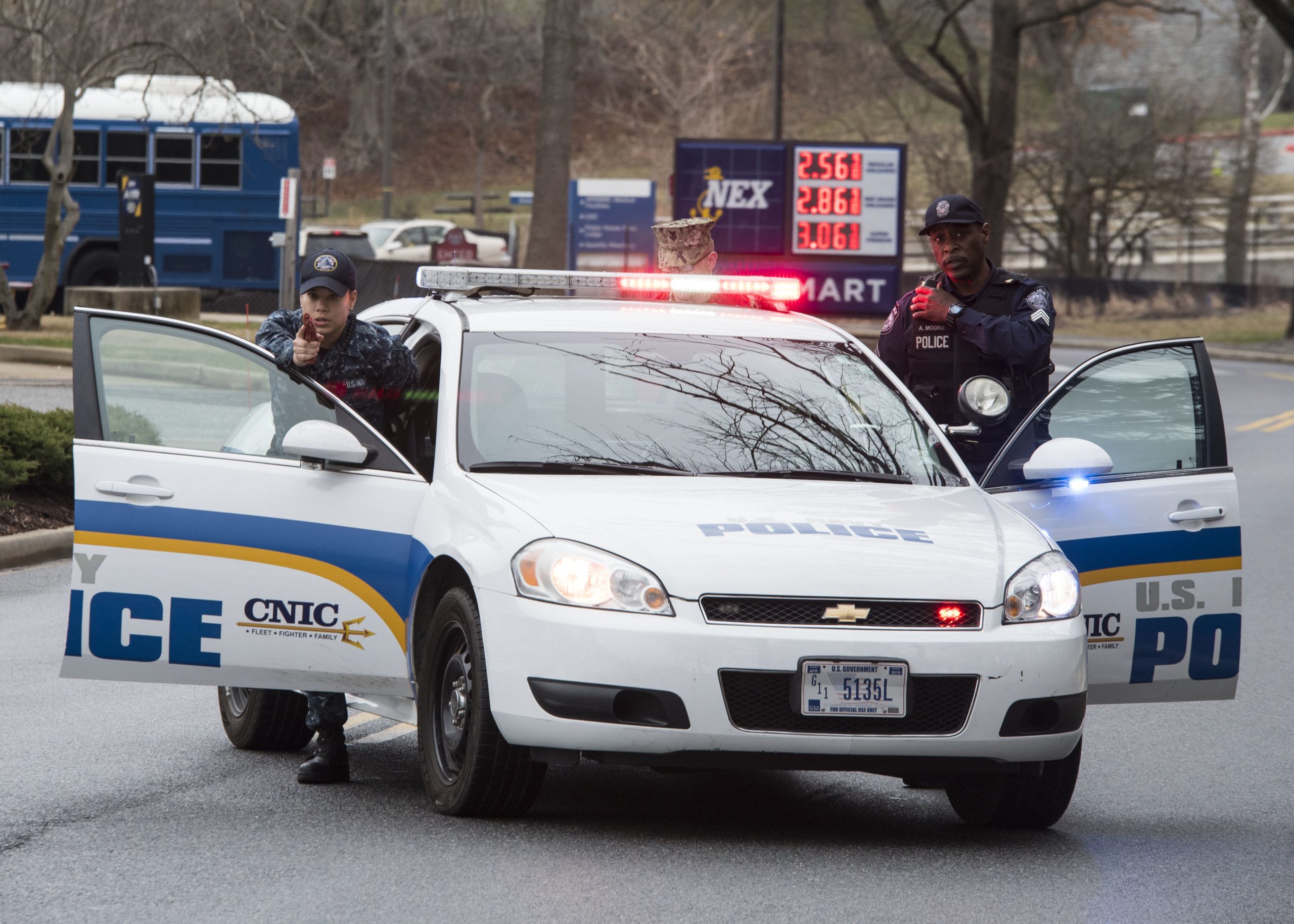
A patrol rifle is more capable at distance, but that advantage is not needed on every call. The handgun is designed around portability and shorter-range defensive use, while a rifle provides greater precision and reach when circumstances demand them. A 2026 Police1 survey found that about 45% of 178 respondents considered distance beyond typical handgun range a limitation. This supports carrying both: the pistol covers the ordinary patrol environment, while the rifle can address exceptional situations. That matters when an officer is away from the patrol car.
7. The Pistol Fits Better With Duty Equipment
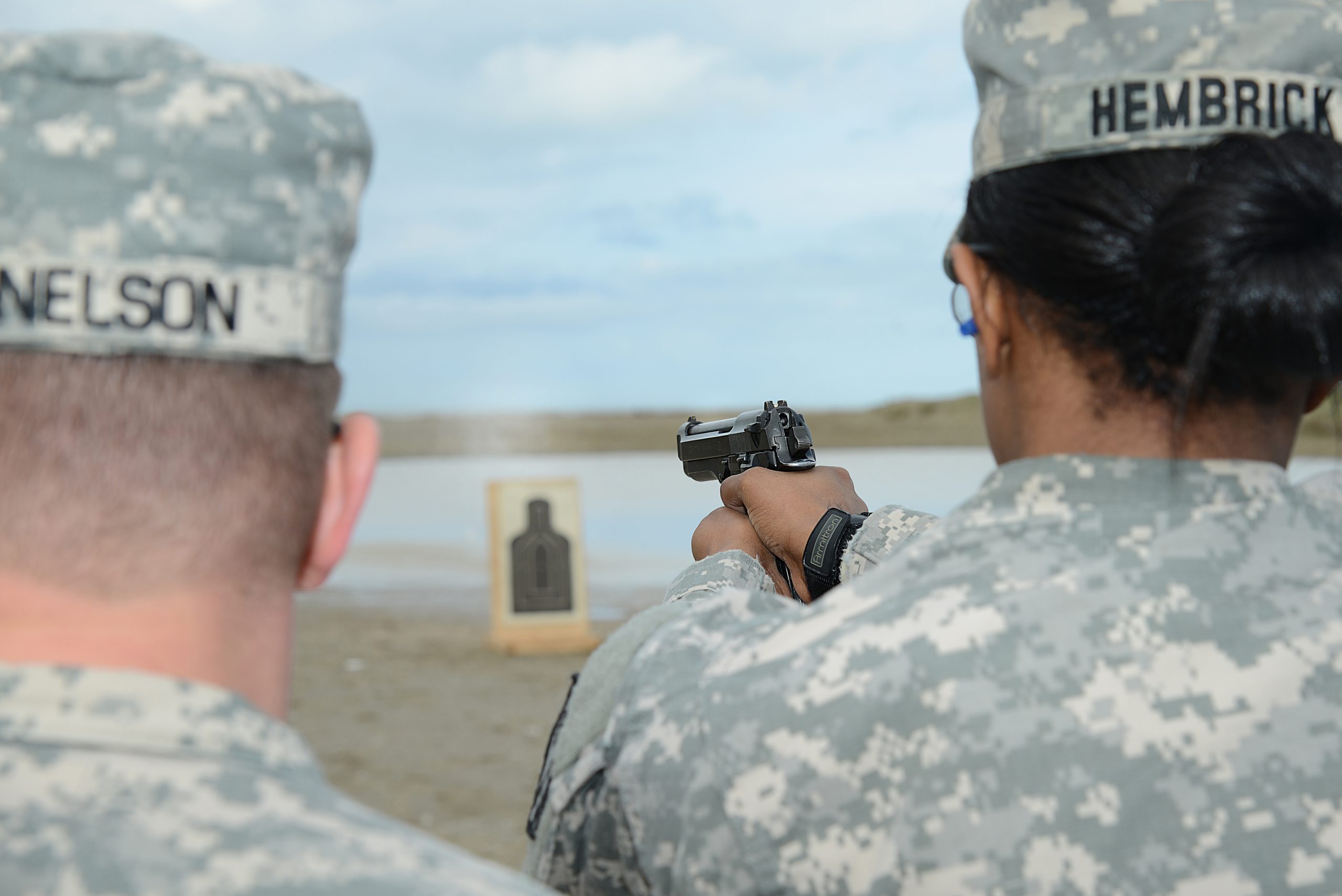
Handguns also integrate more naturally with the rest of an officer’s duty equipment. A holster keeps the weapon in a consistent position while leaving the upper body relatively free for radios, medical gear, restraints, and other tasks. A rifle requires a sling or storage system and occupies more physical space. In a crowded vehicle or narrow doorway, those differences can matter. This is why many departments do not describe the rifle as a replacement for the pistol. The rifle is an additional resource, normally reserved for circumstances in which its advantages justify the extra equipment and training. The handgun remains the compact foundation of the patrol loadout.
8. The Two Firearms Serve Different Roles
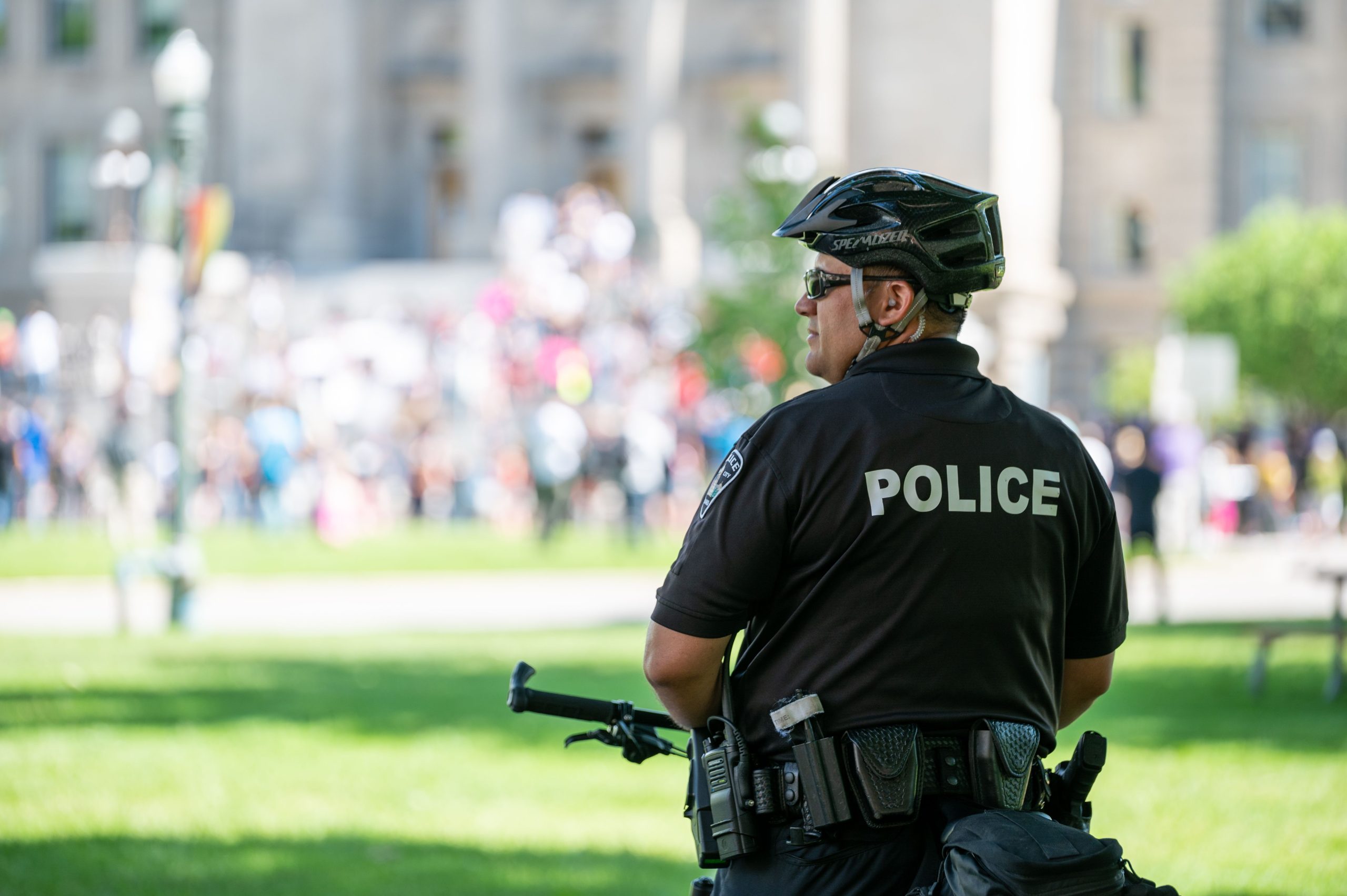
The biggest reason is simple: police patrol is unpredictable, so officers need a firearm that stays with them rather than one that depends on reaching a vehicle. Some incidents exceed handgun capability, which is why many agencies also provide patrol rifles. Yet the two weapons solve different problems. The National Institute of Justice has maintained standards for police autoloading pistols and has worked toward patrol-rifle performance standards. That distinction reflects their separate roles. The pistol offers constant accessibility; the rifle adds range when conditions require it. Together, they provide flexibility without making every routine patrol task revolve around a long gun.