
GLOCK’s Gen6 launch is one of the company’s most substantial redesigns in decades. Officially launched on January 20, 2026, the new generation initially arrived as the G17, G19, and G45. Rather than abandoning its familiar platform, GLOCK concentrated on ergonomics, trigger feel, grip texture,e and a redesigned optic interface. The result is a pistol family that looks recognizably like a Glock while introducing several changes that owners will immediately notice.
1. The Launch Date Signals a New Era

GLOCK officially launched Gen6 on January 20, 2026, making the 17, 19, and 45 the first three models in the new family. That timing matters because Gen5 had arrived in 2017, giving the previous design roughly 9 years before its successor appeared. The company describes Gen6 as a major ergonomic and optic-ready redesign rather than a complete change to the basic operating concept. For longtime GLOCK owners, that means the biggest story is refinement: a familiar platform receiving a much more substantial interface update than the modest generational changes many expected.
2. The Grip Gets a Thorough Redesign

The most obvious Gen6 change is the frame. GLOCK studied hand dimensions and reshaped the grip with a rounded profile, subtle palm swells,s and an extended beavertail. A new RTF6 texture covers more of the frame, including the thumb-rest area. The goal is straightforward: give more hands a secure, repeatable grip without relying on interchangeable backstraps alone. This is a notable departure from the relatively plain feel of earlier generations. For users comparing Gen5 and Gen6 side by side, the grip is likely to be the change they notice first.
3. RTF6 Makes Texture a Bigger Part of the Design

GLOCK’s RTF6 texture is more than a cosmetic pattern added to the Gen6 frame. It extends across additional contact areas and combines fine texturing with larger raised elements for a more pronounced surface. The thumb rest receives the same treatment, giving the shooting hand another defined contact point. GLOCK says the design came from studying hands of different shapes and sizes. That emphasis helps explain why texture is more extensive than before. The practical objective is consistent hand placement and confidence during handling, while keeping the frame shaped around normal contours.
4. The Flat-Faced Trigger Changes the Interface

Gen6 introduces a flat-faced trigger, giving the trigger shoe a different profile from the familiar curved GLOCK design. The change provides a more consistent contact surface for the trigger finger and a different overall feel during operation. GLOCK also redesigned the lower trigger-guard area, allowing a higher grip position. GLOCK has not abandoned its established internal operating concept simply to make the trigger look different. The trigger is best understood as an ergonomic update within a familiar platform, not as evidence that GLOCK has replaced its fundamental design philosophy.
5. The Optic-Ready System Is a Major Mechanical Change

One of Gen6’s biggest technical departures is its new optic-ready system. Instead of relying on the older MOS arrangement with plates, the revised slide interface is designed around direct optic mounting. The system supports common footprints,ts including Trijicon RMR and Leupold DeltaPoint Pro standards, with polymer inserts around the mounting area. This change affects the slide itself rather than simply adding another accessory plate. GLOCK says the redesigned system was developed to improve optic integration, making the mounting interface one of Gen6’s most consequential changes.
6. The First Three Models Cover Different Roles
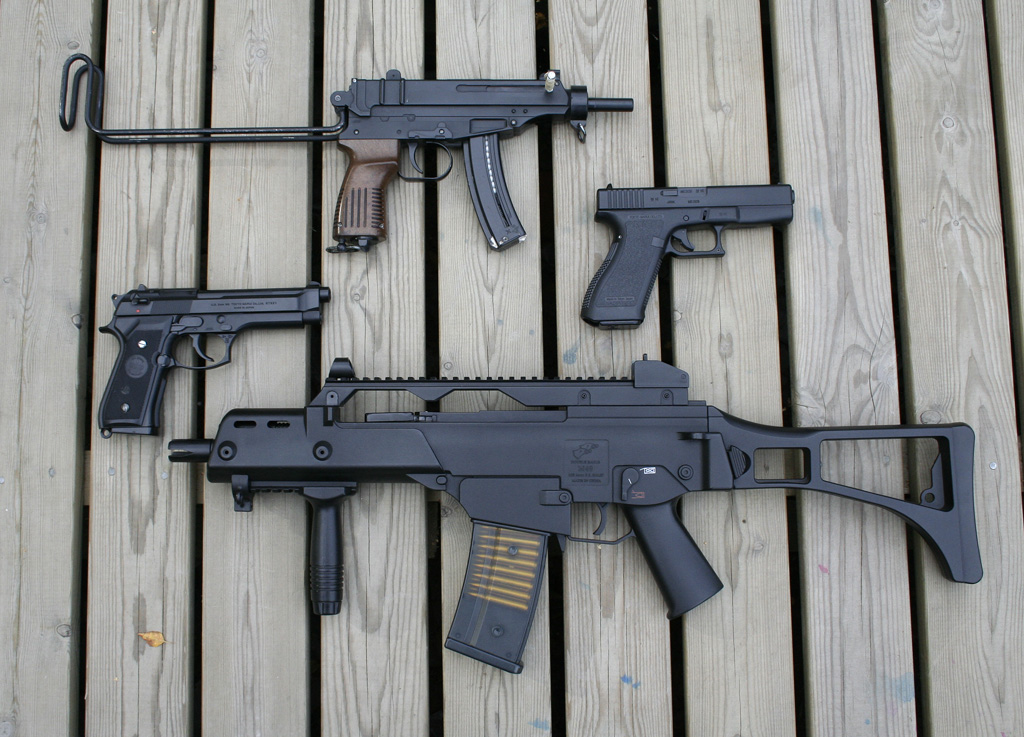
The opening Gen6 family contains 3 models: the full-size G17, compact G19, and crossover-style G45. The G19 retains its 15-round magazine capacity, while the three models give the launch a broad spread of familiar dimensions. This is a deliberate starting point rather than a giant catalog release. GLOCK can establish the new platform across full-size, compact,t and crossover formats before expanding the family. For existing owners, the choice also makes the transition easier to understand because the first generation of Gen6 does not force buyers into an unfamiliar size category.
7. Compatibility Is Not a Simple Gen5 Swap

Gen6 may look familiar, but buyers should not assume every Gen5 component transfers unchanged. The revised optic interface, barrel arrangement,nt and other updated components create compatibility differences between generations. Internal and upper components have been redesigned around Gen6 requirements. That matters when budgeting for accessories or replacement parts. Verify the exact model and generation before purchasing components, especially when replacing parts or adding accessories. Gen6 evolves the platform, but it is not a universal parts swap with Gen5. That distinction is easy to overlook.
8. The Real Change Is Ergonomics, Not the Core Concept

After almost 40 years of GLOCK history, Gen6 is significant because the company changed more of the shooter’s interface while preserving the familiar foundation. The first GLOCK entered service in 1982, and Gen6 arrived 44 years later with revised ergonomics, RTF6 texture, a flat trigger, and a new optic-ready system. That combination makes this more than a cosmetic refresh. At the same time, the basic GLOCK identity remains easy to recognize. The question is whether these changes make the platform better suited to modern users. That is where Gen6’s significance will ultimately be judged.