
Ammo marketing loves big numbers, flashy bullet designs, and promises of perfect performance. But once you get to the range, some carry loads reveal trade-offs that glossy packaging never mentions. This gallery looks at eight common ammo choices that can seem ideal on paper, yet leave many shooters wanting more when reliability, recoil, accuracy, and consistency are put to the test.
Ultra-Light High-Velocity Loads
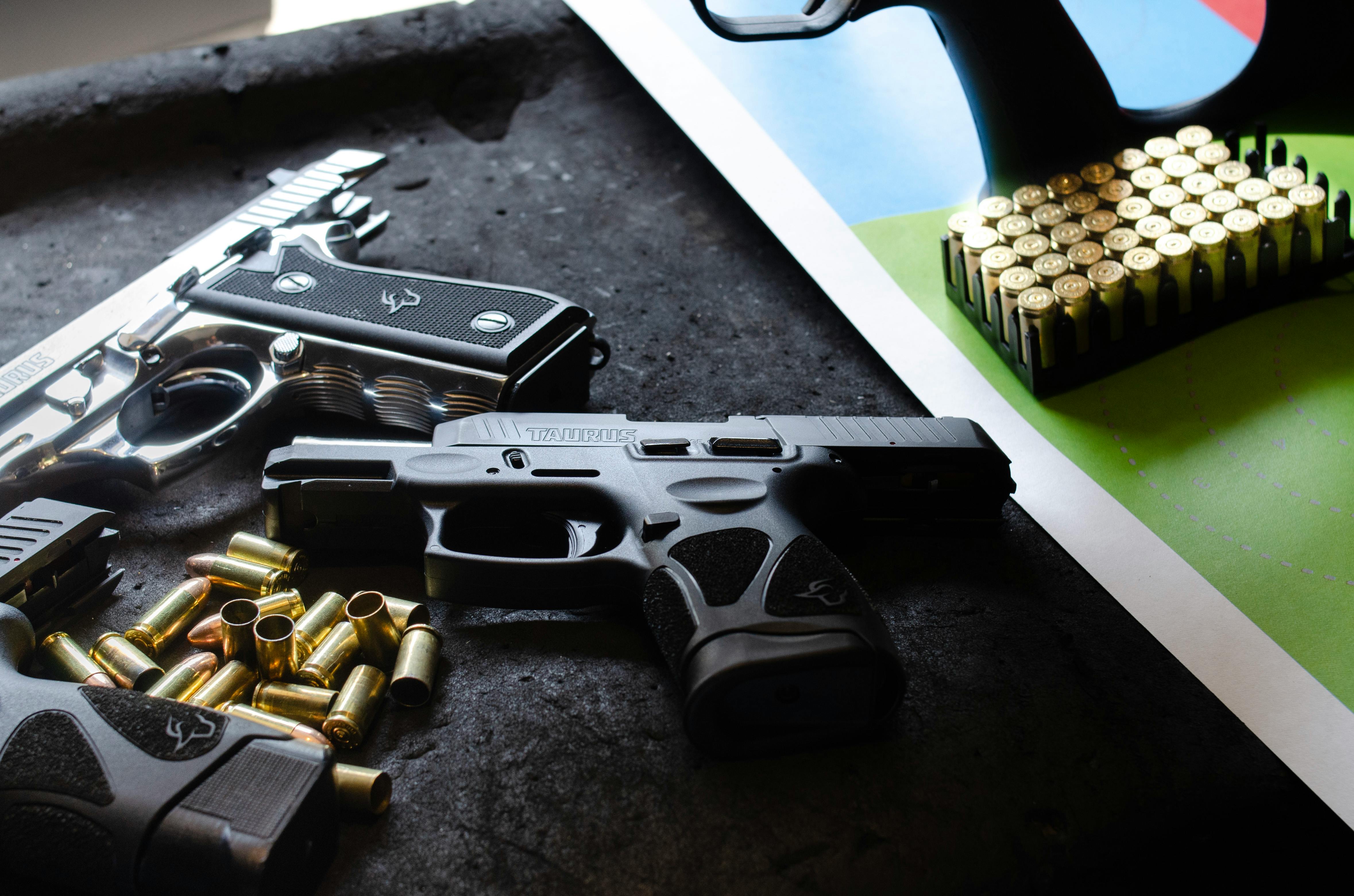
Light-for-caliber defensive rounds are easy to admire in the specs. They promise screaming velocity, energetic expansion, and reduced bullet drop, which sounds impressive when you are reading the box or comparing charts online.
On the range, though, those same loads can feel snappy in compact pistols and sometimes print differently than standard-pressure carry ammo. Some shooters also notice less consistent penetration in testing media, especially after barriers. Fast is exciting, but speed alone does not guarantee balanced real-world performance.
If a load is difficult to control or shifts your point of impact, the paper advantages can fade quickly. Carry ammo has to do more than impress a chronograph.
Overpressure +P+ Loads

There is always a certain appeal to the hottest load on the shelf. +P+ ammunition suggests extra authority, and for many buyers that can feel like a straightforward upgrade over standard defensive rounds.
The trouble starts when that extra pressure shows up as harsher recoil, louder blast, and more wear on smaller carry guns. Follow-up shots can slow down, and range sessions may become less useful because the ammo is simply less pleasant to train with regularly.
In some pistols, reliability can also become less predictable, especially if springs, magazines, or barrel length are not ideal. A little more velocity is not always worth a lot more punishment.
Exotic Fragmenting Rounds

Fragmenting handgun rounds tend to sell a dramatic idea. They are often marketed as high-tech answers to overpenetration, with claims about controlled breakup and devastating terminal effects that sound tailor-made for personal defense.
At the range, performance can be less convincing. Some loads show inconsistent accuracy, unusual feeding behavior, or shallow penetration in common test setups. What looks innovative in promotional materials may not inspire confidence once shooters start checking grouping, recoil impulse, and reliability.
The bigger issue is predictability. Defensive ammunition should behave as consistently as possible, and novelty designs sometimes introduce more variables than benefits. Cool engineering is not the same thing as dependable carry performance.
Short-Barrel Loads in Full-Size Pistols

Short-barrel defensive ammo has a smart purpose. It is engineered to perform from compact carry guns, where lower velocity can make traditional hollow points less reliable in expansion.
But when those loads are fired through full-size pistols, the results are not always especially impressive. Some shooters find they give up accuracy or consistency compared with loads tuned for service-length barrels. Others simply do not see a practical advantage that justifies the premium price.
This does not make short-barrel ammo bad. It just means matching ammunition to the gun matters more than the label suggests. A niche solution can lose its edge when used outside the conditions it was designed for.
Barrier-Blind Duty Loads for Tiny Carry Guns

Duty-style barrier-blind ammo earns respect for good reason. It is built to hold together through glass, metal, and other intermediate obstacles, and in service-size pistols it often delivers very solid all-around results.
The mismatch appears when that same heavy-duty load gets stuffed into a tiny carry gun. Short barrels can reduce velocity enough to change the bullet’s behavior, while stout recoil can make lightweight pistols much harder to shoot well under pressure.
For everyday concealed carry, that can be a frustrating trade. You may be paying for a capability you are unlikely to need, while accepting slower follow-up shots and less pleasant practice. Robust design only helps if the gun and shooter can actually use it well.
Cheap Hollow Points Bought in Bulk

Budget hollow points can look like a great compromise. The box says defensive, the cavity looks convincing, and the price makes it tempting to buy several hundred rounds and call the carry ammo problem solved.
On the range, corners often reveal themselves. Some economy loads have wider velocity swings, rougher recoil feel, or less reliable feeding in picky pistols. Accuracy may be acceptable, but acceptable is not always what people want from ammunition they may trust with their life.
There is also the issue of confidence. If a round feels like practice ammo dressed up as self-defense ammo, shooters tend to notice. Saving money matters, but carry ammo has to earn trust one clean magazine at a time.
Lead-Free Defensive Loads

Lead-free handgun ammo checks a lot of appealing boxes. It is modern, cleaner for some indoor range environments, and often marketed as a forward-thinking defensive choice with excellent expansion and barrier performance.
Yet some shooters come away unimpressed once they start training with it. Recoil can feel different, point of impact may shift, and prices are usually high enough to discourage meaningful carry-ammo practice. In some guns, reliability is perfectly fine, but in others the unusual bullet shape can be less forgiving.
None of that means lead-free loads should be dismissed outright. It just means environmental or regulatory advantages do not automatically translate into the best on-range experience for every carry pistol.
Premium Loads You Never Actually Practice With

Some carry ammo disappoints not because the engineering is poor, but because the owner never shoots enough of it to know how it really behaves. Premium defensive rounds often promise superb performance, and many genuinely deliver in testing.
The problem is cost. When a box is expensive enough to make every trigger press feel painful, people tend to fire a magazine or two and declare victory. That leaves major questions unanswered about reliability, recoil control, and point of impact in their specific pistol.
On paper, elite ammo can look like the smartest possible choice. On the range, it is only as good as the familiarity it builds. If you cannot afford to verify it, the confidence gap remains.