Not long ago, some of America’s most iconic animals were disappearing fast. Heavy hunting, habitat loss, and weak protections pushed several species to the edge of extinction. Today, thanks to conservation laws, breeding programs, and changing public attitudes, a number of these animals are returning in remarkable ways.
American Bison
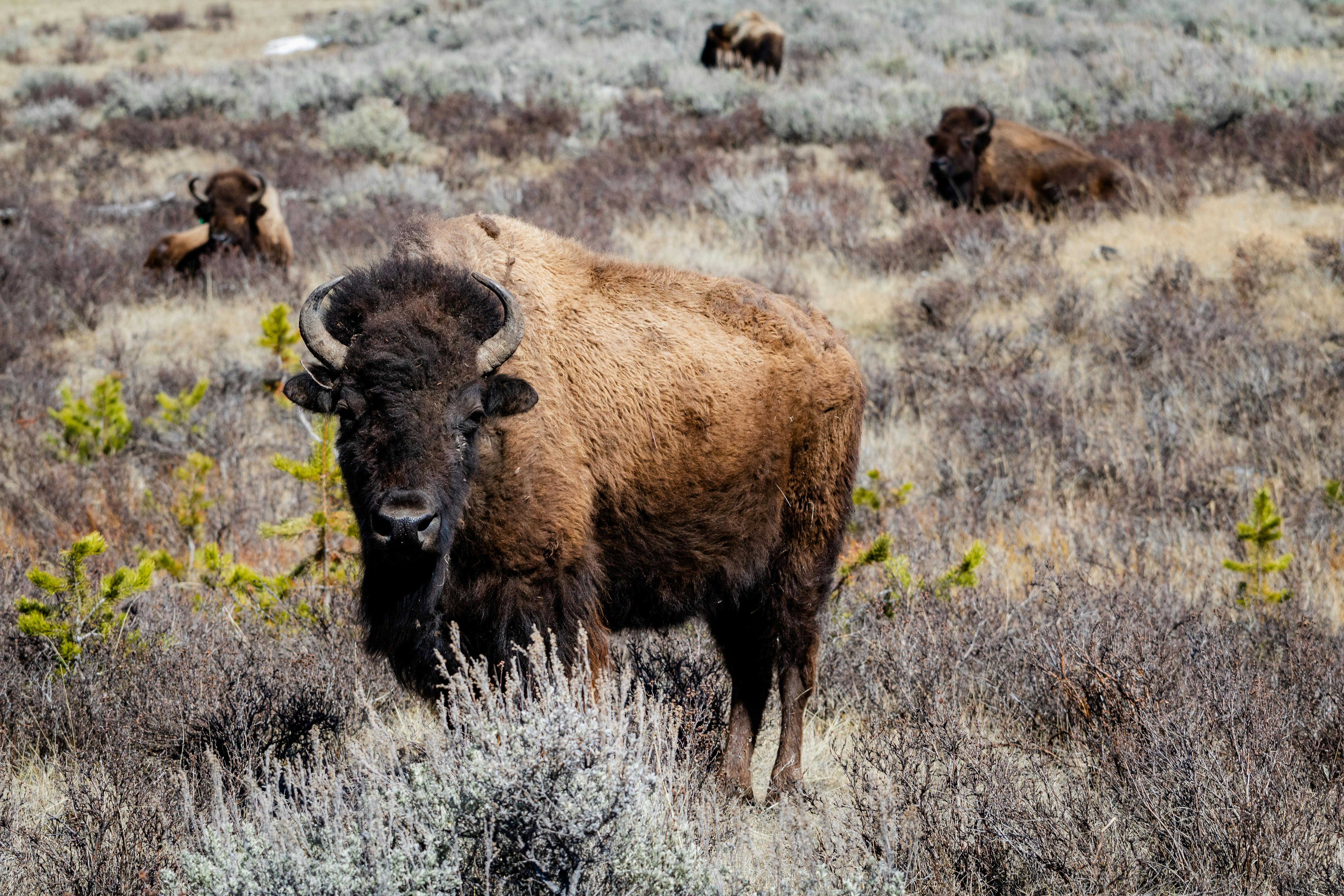
The American bison once thundered across the plains in numbers so vast they seemed endless. By the late 1800s, commercial hunting and government backed slaughter had reduced the population to only a few hundred animals, turning a symbol of the American West into a near ghost.
Its recovery is one of the country’s most powerful conservation stories. Protected herds, tribal leadership, and careful breeding programs helped bring bison back to parks, preserves, and Native lands. They are still not fully restored to their historic range, but seeing them roam again is a reminder that recovery can happen when people decide a species is worth saving.
Bald Eagle

The bald eagle has long stood for strength and freedom, but for a time its future looked alarmingly fragile. Hunting, egg collecting, and habitat destruction had already hurt eagle populations, and then pesticides like DDT caused eggshells to thin, sending numbers even lower across the United States.
The turnaround came through legal protection and a national ban on DDT. Conservation efforts gave nesting birds the space and safety they needed, and populations slowly rebounded. Today, bald eagles are once again a common and thrilling sight near lakes, rivers, and coastlines, proving that even an animal in steep decline can recover with the right help.
Sea Otter

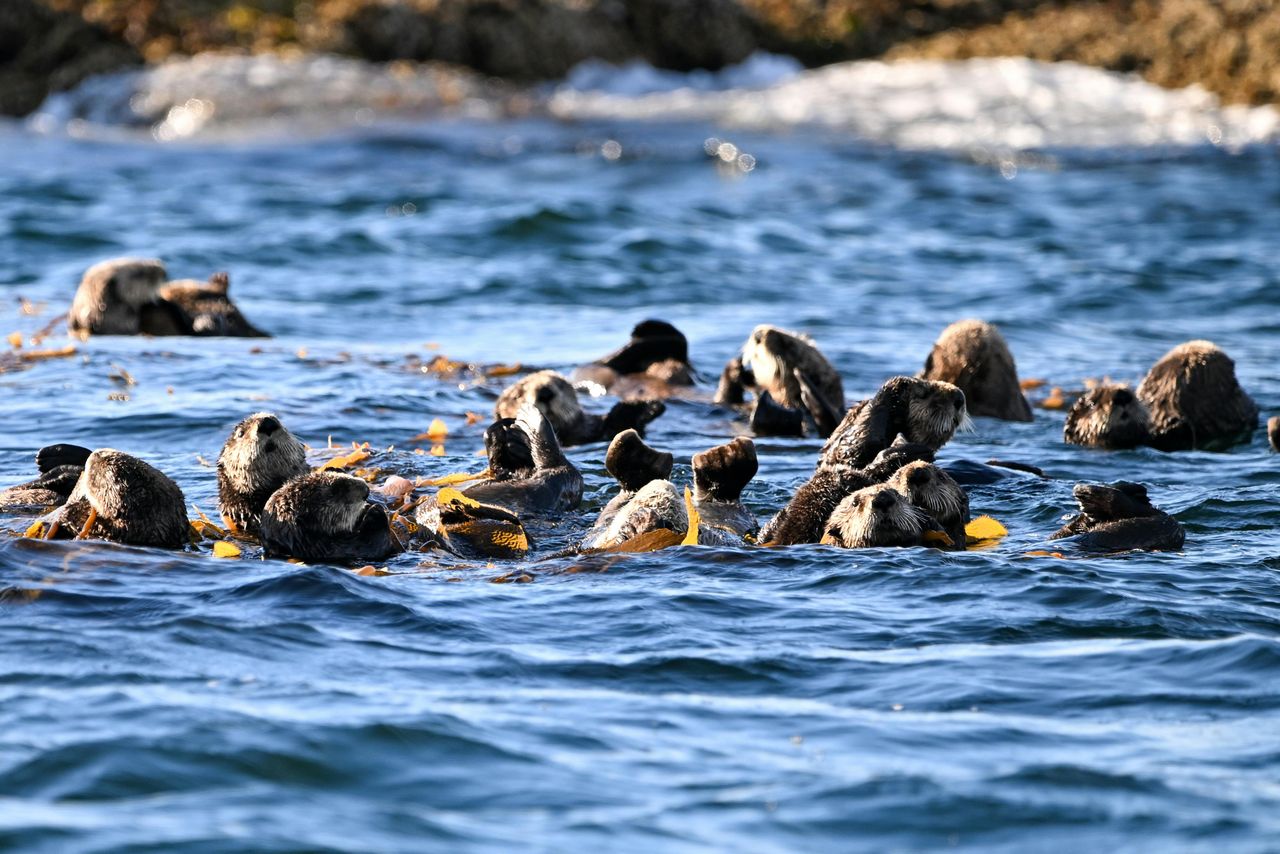
Sea otters were hunted heavily for their dense, luxurious fur during the maritime fur trade, and the toll was devastating. Once common along the Pacific coast, they nearly vanished from American waters, with only a few small colonies surviving by the early 20th century.
Their return has been slow but meaningful. Protected from hunting, sea otters began reclaiming parts of their former range in Alaska and California. Their comeback matters far beyond their own species, because otters help keep kelp forests healthy by eating sea urchins. In many places, their playful presence now signals a marine ecosystem that is finding its balance again.
Gray Whale

Gray whales were once hunted relentlessly along the Pacific coast, especially during the era of commercial whaling. Their predictable migration routes and coastal habits made them easy targets, and by the early 20th century the species had been driven to dangerously low numbers.
International protections and the end of commercial whaling changed the story. Over time, gray whales began recovering and became one of the clearest examples of a marine mammal rebound. Today, their long migration between Arctic feeding grounds and warm breeding lagoons draws wildlife watchers from around the world. Their comeback is encouraging, even as changing ocean conditions still pose serious challenges.
American Alligator

The American alligator was once hunted intensely for its valuable hide, and by the mid 20th century it had become scarce across much of the Southeast. Wetland loss added even more pressure, leaving a species that had survived for millions of years in real trouble.
Strong legal protections, habitat management, and tightly controlled recovery measures helped reverse that decline. The alligator rebounded so successfully that it was removed from the endangered species list, a rare milestone in American wildlife conservation. Today, it is once again a familiar part of Southern swamps and marshes. Its recovery shows how quickly nature can respond when exploitation is brought under control.