Cold weather is a brutal truth serum for firearms. Once temperatures plunge far below freezing, marketing claims stop mattering, and mechanical realities take over.
1911-Style Pistols
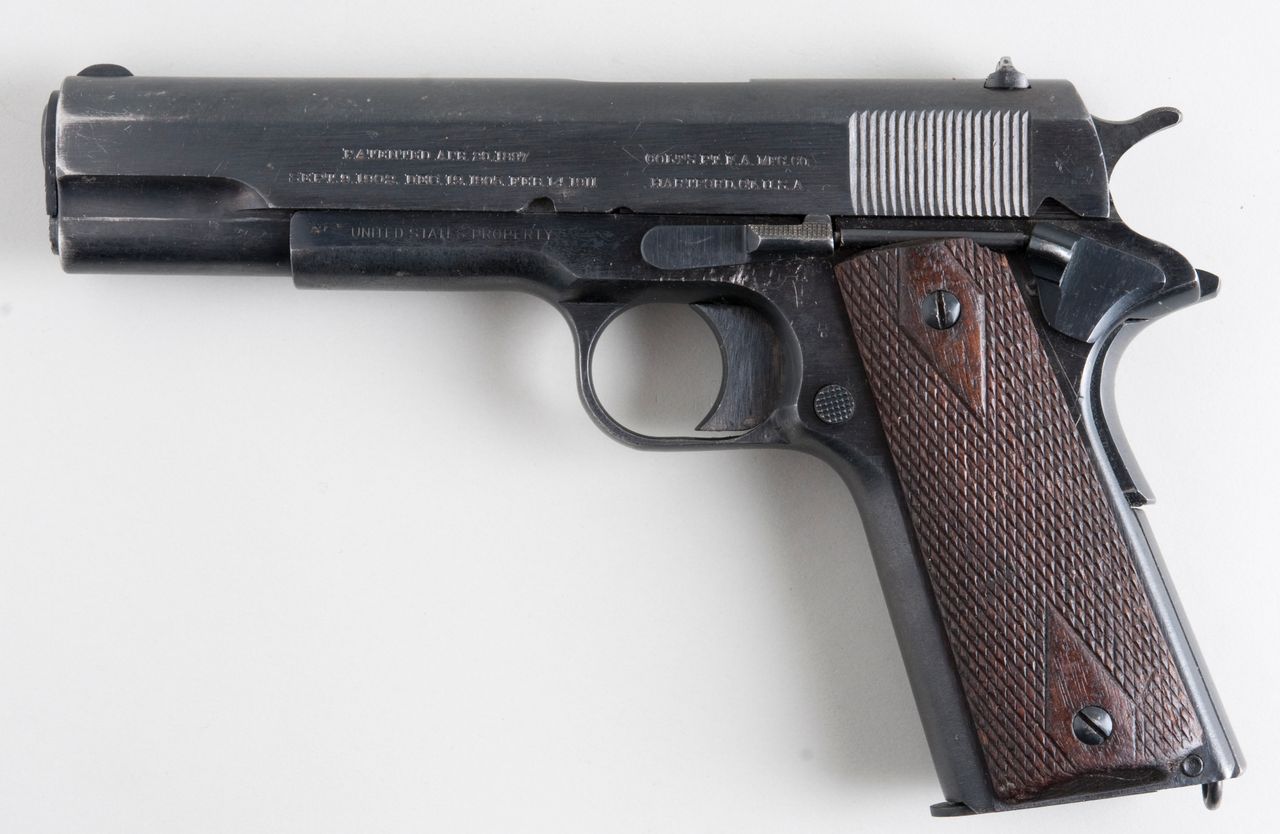
The 1911 is a classic fighting pistol, but extreme cold exposes every one of its old-school quirks. A single-action trigger, thumb safety, grip safety, steel magazines, and a relatively tight slide-to-frame fit all create more opportunities for sluggish movement when lubricant thickens or frost forms. Springfield and SIG manuals both stress proper cleaning and lubrication, which is telling in itself.
In sub-zero weather, gloves make the manual controls slower to use, and heavy winter clothing can interfere with the grip safety if the shooter does not establish a firm hold. That is not theoretical. Even manufacturers describe the grip safety as a device that prevents firing unless the pistol is firmly grasped. In a warm environment, that is manageable. With numb hands, it becomes a real variable.
The U.S. military’s cold-weather guidance repeatedly warns that standard lubricants can thicken, refrozen condensation can freeze internal parts together, and weapons brought from cold into heated shelter may stop working when taken back outside. Those warnings apply especially hard to pistols with multiple small bearing surfaces and external safeties. The 1911 can run in winter, but in deep cold it asks more from the shooter than newer duty pistols do.
AR-15 Pattern Rifles

AR-15 rifles are reliable when they are set up correctly, but extreme cold is unforgiving to the design’s dependence on gas pressure, bolt carrier velocity, and correct lubrication. The Army’s winter weapons guidance is blunt: CLP thickens in low temperatures and can make weapons sluggish or jam, which is why Arctic Weapon lubricant is recommended in deep cold. That alone tells you the platform is not magically immune.
A direct-impingement AR also gives cold weather several ways to pile on. Powder burn can be less energetic, carrier speed can drop, and a rifle that runs with marginal gas in October can start short-stroking in January. Add thick oil, carbon, or a weak magazine spring, and the gun may suddenly turn picky about ammo and buffer weight.
This does not mean every AR fails in the cold. It means the platform has less tolerance for bad setup than many owners admit. Plenty of experienced shooters open gas ports, lighten buffers, or run very thin lube specifically for winter use. A rifle that needs that kind of seasonal tuning is not what I would call naturally cold-proof, no matter how confidently the catalog copy phrases it.
Ruger 10/22
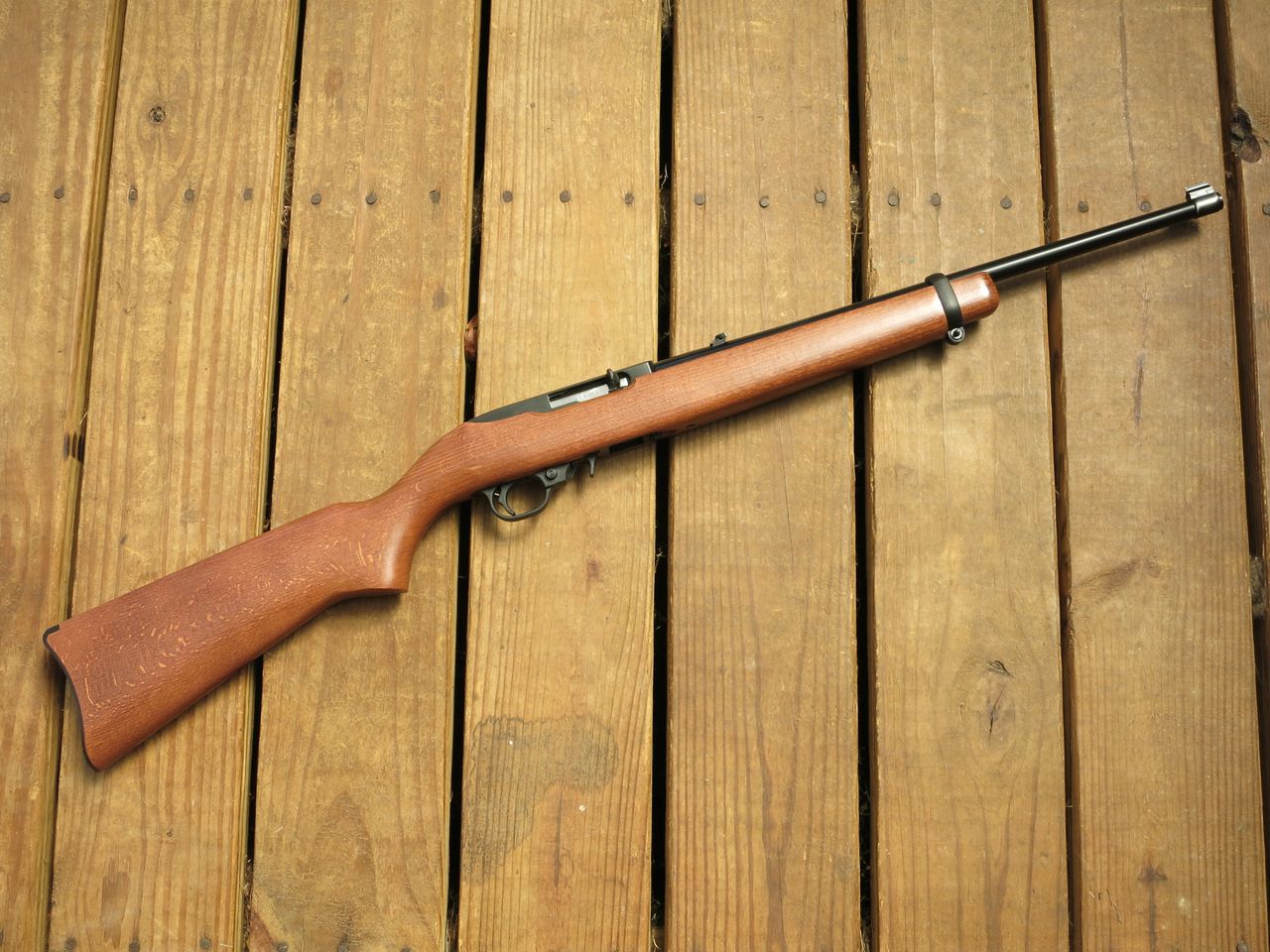
The Ruger 10/22 is beloved for good reason, but it is one of the first rifles I think of when people overestimate rimfire semi-auto reliability in bitter weather. Rimfire ignition already has less margin than centerfire ignition, and .22 LR ammunition is notoriously lot-to-lot variable. When you mix weak priming, waxy bullets, and sub-zero temperatures, reliability often slips fast.
Outdoor Life has specifically described losing shots in freezing weather with a dirty, oily 10/22, and longtime shooters on Ruger-focused forums have made the same point for years. The basic pattern is consistent: congealed oil slows the bolt, fouling drags, and light strikes or extraction problems start appearing. The rifle may still fire some rounds, which can make the issue harder to diagnose on the spot.
None of that makes the 10/22 a bad rifle. It makes it a rifle with a narrow operating margin once conditions become truly ugly. In freezing squirrel woods or on a trapline, a manually operated rimfire often keeps going when a semi-auto .22 starts acting fussy. That distinction matters more than brand loyalty when the temperature is sitting well below zero all day.
Remington 700
The Remington 700 has probably taken more game in North America than almost any bolt gun. Yet, extreme cold can reveal a weakness common to many hunting bolts: oil or grease inside the firing pin assembly. Outdoor Life’s cold-weather cleaning guidance points directly to soft firing pin strikes as a common freezing-weather problem, and the 700’s enclosed bolt internals are a perfect place for old lubricant to become a liability.
Hunters often think a bolt action is automatically cold-proof because it is simple. That is only half true. If moisture gets into the bolt body, or if heavy lubricant remains inside from warmer months, sub-zero temperatures can slow the firing pin enough to turn a sure shot into a click. That problem tends to appear at the worst time, which is usually first light with a buck finally standing broadside.
The 700 can absolutely be made winter-ready, but that usually means fully stripping and degreasing the bolt, then running it nearly dry. If a rifle needs that much prep to avoid light strikes in hard cold, it belongs on this list. A hunting rifle that is merely excellent in November is not the same thing as one that stays trustworthy at -20°F.
Mossberg 500

The Mossberg 500 has a reputation for ruggedness, and much of that reputation is deserved. Pump shotguns generally sidestep some of the problems that plague semi-autos in the cold. Even so, the Mossberg 500 still struggles more than people expect when ice, thickened lube, and gloved handling all show up together.
Its tang safety is one example. In mild weather, it is intuitive and ambidextrous. In deep cold with gloves or mittens, it can become slower and less positive than people admit, especially when snow, sleet, or freezing rain begin building around the control. The same goes for the action bars and shell elevator if the gun is carrying oil better suited to a duck blind in October than an exposed stand in January.
Real-world complaints about light strikes and cold-weather sluggishness do pop up, especially on older or poorly maintained guns. A pump can power through some resistance by brute force, but it cannot overcome a firing pin channel full of gummy residue or water that has frozen in place. The Mossberg 500 is durable, yes. It is not automatically immune to arctic-style stoppages just because it is a pump.
Benelli Inertia-Driven Shotguns
Benelli’s inertia-driven shotguns are famous for reliability, and in many conditions they earn that praise. But extreme cold creates a very specific challenge for inertia systems: they depend on recoil impulse and the gun’s ability to move as designed during firing. If the shooter is heavily bundled, the gun is mounted awkwardly, or loads are weak from the cold, operating margin can shrink.
That does not mean every Benelli suddenly turns into a jam machine in winter. It means the system can become more load-sensitive and technique-sensitive when the temperature crashes. Cold weather can reduce shell performance, and a shotgun that cycles stout hunting loads beautifully at 40°F may act very differently with lighter loads well below zero.
Benelli’s own marketing emphasizes the virtues of the inertia system, but physics still gets a vote. Gas guns may lose energy to fouling and freezing lube, while inertia guns can lose reliability when recoil input changes enough. In practical field use, that often shows up on late-season hunts where shooters are layered up, moving stiffly, and feeding shells that are colder and less energetic than they were during preseason testing.
M1A and M14-Pattern Rifles

The M1A and older M14-pattern rifles are deeply respected, but they are not ideal deep-cold rifles unless the owner is meticulous. These guns have long operating rods, exposed moving parts, and a habit of attracting grease because many shooters were taught to run them that way. In true arctic conditions, grease can become the enemy.
Older military manuals and cold-weather doctrine repeatedly warn that lubricants must change as temperatures fall. That matters a lot on rifles with reciprocating steel parts and tight lockup surfaces. When grease thickens, the action slows, bolt speed changes, and reliability becomes inconsistent. You may not get a complete stoppage every time, but partial sluggishness is enough to ruin timing.
Then there is stock fit. Wood-stocked examples can swell, shrink, or bind as moisture and temperature swing, while some synthetic-stock rifles still suffer from bedding issues when everything contracts in the cold. The result is a rifle that may feel beautifully battle-proven in theory but becomes far more maintenance-sensitive than modern shooters expect. It can be winter-capable, sure. Naturally winter-proof, not really.
Glock Subcompacts
Glocks have a reputation for running in ugly conditions, and full-size duty models generally deserve it. The surprise comes when shooters assume the smallest Glock variants carry the same cold-weather margin. Subcompacts have shorter slides, lighter reciprocating mass, and less room for sluggishness before timing starts to suffer, especially when cheap ammo and thick lube enter the picture.
Cold weather also exposes the human side of the equation. Tiny slides are harder to rack with gloves, small magazine bases are tougher to strip during a malfunction, and reduced grip area matters more when hands are numb. A full-size pistol may soldier on through those compromises. A subcompact often feels dramatically less forgiving once dexterity drops.
Mechanically, the platform is still strong. But the difference between functioning and functioning easily matters in a real winter setting. Extreme cold is not just about whether the gun fires one magazine on the range. It is about whether the shooter can manipulate it quickly, clear it cleanly, and keep it running after snow, condensation, and frozen fingers all enter the picture. Small guns lose that fight sooner than big ones.
Precision Rifles With Tight Tolerances
A lot of modern precision rifles promise all-conditions performance, but many tight-tolerance systems become temperamental in bitter cold. This is the dirty secret behind some chassis rifles and premium bolt guns. The same close fit that feels buttery and refined on a summer range can turn sticky when dust, frost, ice crystals, and lubricant all gather in the action.
That is why companies that truly understand Arctic use make such a point of designing for it. Sako, for example, openly talks about building rifles for Arctic winter conditions and highlights specialized design and testing for cold environments. The very existence of those features is proof that not every precision rifle handles deep cold equally well.
A rifle built mainly for match conditions may still shoot tiny groups in winter once it is warmed, cleaned, and pampered. That is different from being dependable after hours on a snowmachine or a day strapped outside a pack at -25°F. Precision actions with minimal clearance can bind sooner, and detachable box magazines can also become fussy when snow and ice start affecting feed geometry.
Double-Action/Single-Action Metal Pistols

Traditional double-action metal pistols like the Beretta 92, CZ 75, and SIG P226 are excellent sidearms, but they do not always love severe cold as much as their owners think. They pack more levers, springs, pins, and contact surfaces than many striker-fired guns. Every one of those parts is another place for congealed lubricant or refrozen moisture to create drag.
The first issue is often not dramatic failure. It is sluggish decockers, stiff safeties, slow trigger reset, or a slide that no longer feels eager to return to battery. Those small changes add up. In a heated indoor bay, nobody notices. In blowing cold with fine snow working into the pistol, those extra mechanical steps become harder to ignore.
Metal-frame pistols also transmit cold aggressively, which affects handling more than people admit. Controls become sharper, grip feel worsens with gloves, and magazine changes slow down. None of that makes these pistols bad choices. It simply means they often ask for more maintenance discipline and more deliberate gun handling in hard winter conditions than simpler polymer striker guns do.