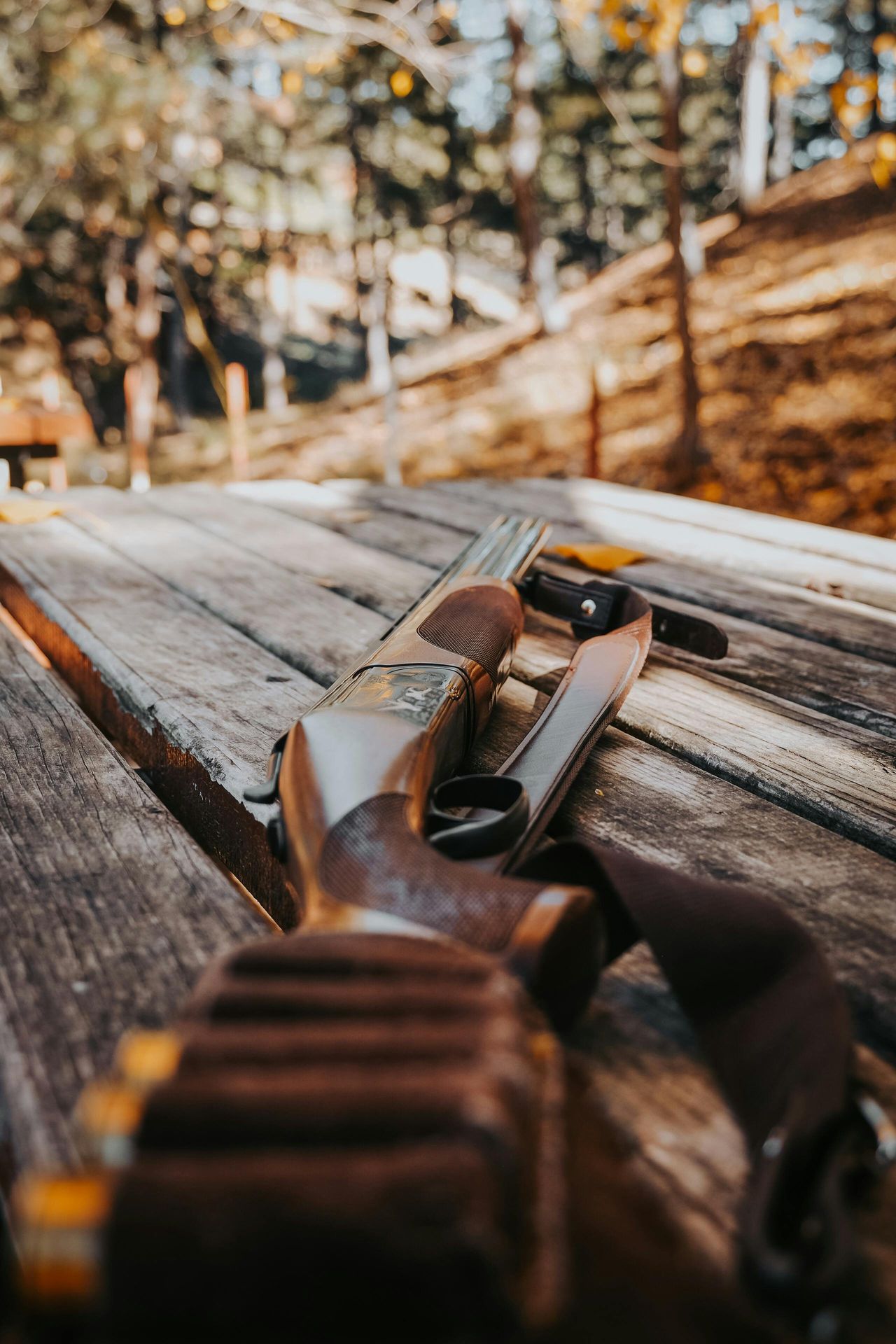
Some rifles fill a niche. The Weatherby Mark V was built to make a statement.
Roy Weatherby did not want a rifle that merely kept up with the competition. He wanted one that could outrun it, outclass it, and become the mechanical partner for the fast magnum cartridges that made his name famous.
Roy Weatherby’s Big Idea Was Speed With Authority
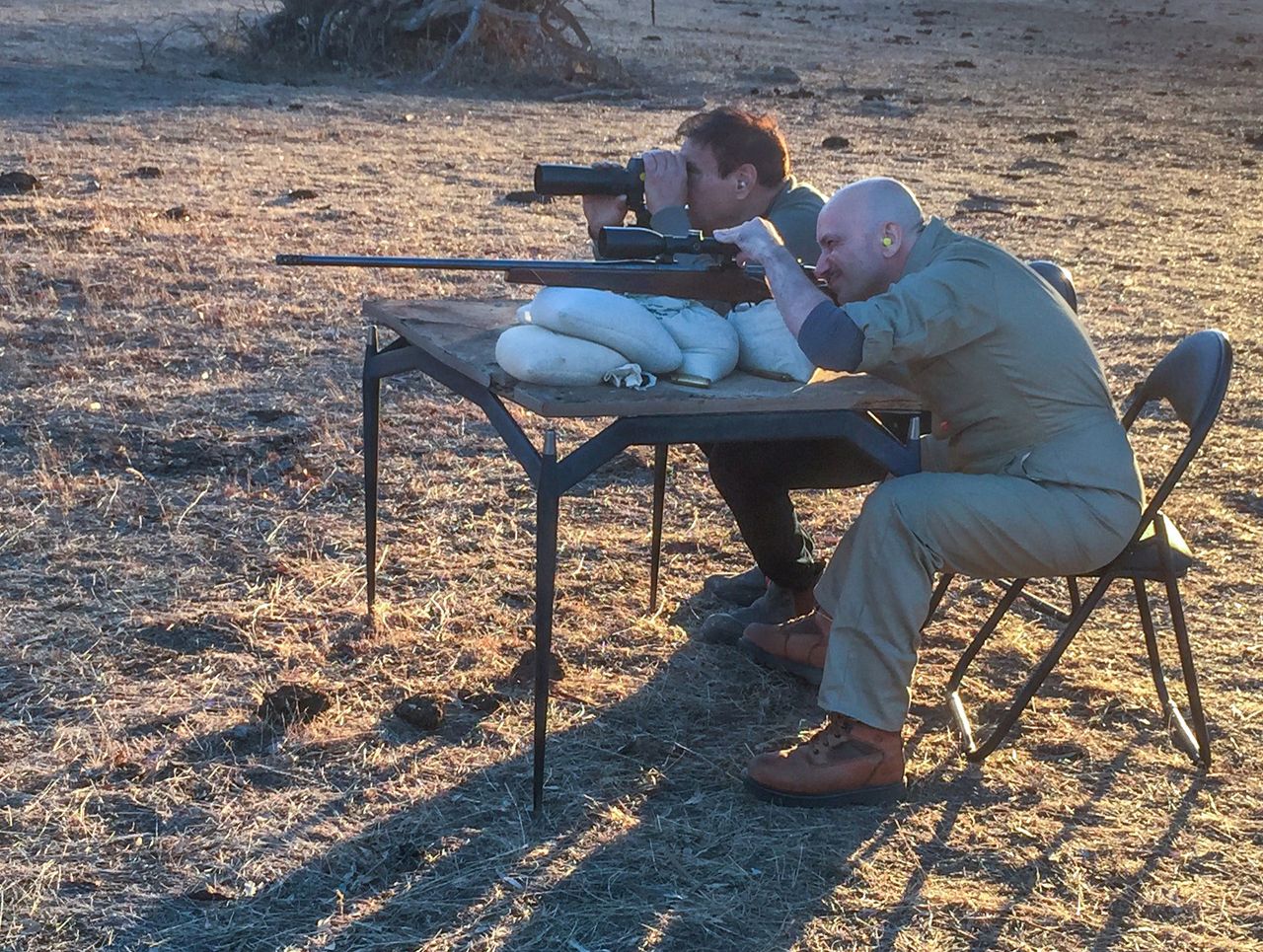
Roy Weatherby built his reputation on the belief that velocity mattered. He pushed high-performance cartridges at a time when much of the gun world still thought in traditional terms, and that philosophy demanded a rifle action that could stand up to serious pressure and repeated hard use. The Mark V became the answer, arriving in 1958 and giving Weatherby a true flagship rifle of its own, according to Weatherby’s company history records.
What made that idea different was not just speed for its own sake. Weatherby wanted a rifle that helped hunters shoot flatter, hold less over on game, and carry confidence into wide open country where distance could turn a good shot into a guessing game. The Mark V was born from that practical field ambition as much as from marketing flair.
That is why the rifle has always felt larger than its steel and walnut. In the American hunting imagination, the Mark V became the rifle for people who wanted the hot rod, the premium option, the rifle that looked and felt like it had no interest in apologizing. Even people who never owned one usually knew exactly what it was.
In many ways, that remains the Mark V’s core appeal. It is not a generic bolt gun. It is a purpose-built rifle tied directly to Roy Weatherby’s original vision of magnum performance, and that clarity of purpose is a big reason the design still matters today.
The Action Is the Heart of the Mark V Story

If the Mark V has a signature feature, it is the action. Weatherby’s magnum Mark V rifles are built around a 9-lug bolt, while standard-caliber versions use a 6-lug receiver, a distinction the company’s production history and manuals clearly document. That locking arrangement became central to the rifle’s identity because it offered the strength Weatherby wanted for his high-performance cartridges.
Another major part of the formula is the short 54-degree bolt lift. Weatherby literature for modern Mark V rifles highlights that feature, and it has long been one of the design’s practical advantages in the field. A shorter lift means more clearance under a scope and a faster cycling feel than many traditional two-lug actions with a higher bolt throw.
That mechanical layout gave the Mark V a different personality from ordinary sporting rifles. The bolt movement feels tight, purposeful, and distinctly premium when the rifle is well fitted and maintained. Hunters who spend time behind one often talk about the action first, because it communicates immediately that this is not a bargain rack design with fancy branding layered on later.
For Roy Weatherby, that mattered. He was not simply selling cartridges. He was selling a complete performance system, and the action had to embody strength, speed, and polish. The Mark V did that, and it still does, which is why the rifle’s engineering reputation remains the foundation of the brand.
Style Was Never Separate From Performance
The Mark V is one of those rare production rifles that built a reputation not only through mechanical credibility but through unmistakable looks. The famous Weatherby profile, especially in Deluxe trim, paired polished metal with highly figured walnut and the signature Monte Carlo stock style. Weatherby spec materials for recent Mark V Deluxe rifles still list Monte Carlo stock dimensions, showing how closely that visual identity remains tied to the model.
That stock shape was not just decorative flair. It was part of Weatherby’s attempt to manage recoil and improve shooter comfort with hard-hitting cartridges. By raising the comb and shaping the stock for a distinctive head position, the rifle tried to blend practical shooting benefits with a premium, California-born sense of style that stood apart from plainer hunting rifles.
The result was a firearm that looked expensive because it was meant to be expensive. Roy Weatherby understood aspiration better than many gunmakers of his era. He knew hunters did not only buy ballistics charts. They also bought pride of ownership, and the Mark V delivered that in abundance.
That is why the rifle still photographs so well and still turns heads at camp. A lot of hunting rifles blur together at a glance. The Mark V usually does not. Whether you love the flamboyance or think it is a little much, you know one when you see it, and that distinctiveness is part of the legend.
Why Hunters Trusted It in Big Country

The Mark V earned its reputation in the places where Weatherby’s cartridge philosophy made the most sense. Western mule deer country, sheep mountains, open antelope ground, and any landscape where shots could stretch beyond the comforting limits of timber hunting all played to the rifle’s strengths. Flat shooting magnum cartridges paired naturally with a rifle built to handle them confidently.
That does not mean every owner was taking extreme range shots. In fact, one reason the Mark V appealed to serious hunters was that extra velocity can make ordinary field distances simpler. A forgiving trajectory can reduce holdover mistakes, especially when the shot comes fast and the terrain offers little time for fiddling. That was part of Roy Weatherby’s sales pitch, and it resonated for decades.
The rifle also built trust by being more than a one-era novelty. Weatherby records show Mark V production spanning U.S., German, Japanese, and later American-made phases, with current production tied to Sheridan, Wyoming. That long continuity helped the design move from bold newcomer to established classic.
Hunters tend to respect gear that survives changing tastes. The Mark V did exactly that. It weathered shifts toward synthetic stocks, lighter rifles, new optics, and new cartridges because the basic formula remained compelling: a strong action, premium build, and a clear mission centered on high performance in the field.
The Modern Mark V Keeps the Original Spirit Alive
One reason the Mark V has endured is that Weatherby has updated it without sanding away its identity. The current rifle line includes traditional Deluxe styling, but it also stretches into more modern hunting formats like the Accumark and lightweight Backcountry models. That broader lineup shows a company trying to meet contemporary hunting needs while preserving the Mark V name as its premium centerfire platform.
Modern manuals also show the rifle evolving in practical ways, including TriggerTech-equipped versions and updated factory support documentation. Those changes matter because today’s buyers expect cleaner triggers, better consistency, and compatibility with suppressors or muzzle devices in many configurations. The Mark V is no longer frozen in a midcentury image of gloss and walnut alone.
At the same time, the essentials are still there. The short bolt lift remains a defining trait. The two-tier action family of 9 lug magnum and 6 lug standard chamberings still reflects the original design logic. Even the premium positioning remains unchanged, which is exactly what longtime Weatherby fans would want.
That balance between continuity and improvement is not easy to pull off. Plenty of legacy rifles either become museum pieces or lose their soul trying to chase trends. The Mark V has mostly avoided both traps, which is a real achievement in a crowded bolt-action market.
What the Mark V Did Better Than Rival Rifles
The claim that Roy Weatherby built this rifle to outshoot everyone is not just colorful copy. It reflects a real competitive stance in design philosophy. Weatherby was building a rifle around high-velocity cartridges at a level of polish and brand identity that many rivals simply were not matching at the time. The Mark V was meant to be stronger than ordinary actions, quicker to run under a scope, and more distinctive on the rack.
Its advantage was never just one feature in isolation. A strong multi-lug action by itself does not create a legend. Neither does a pretty stock. What made the Mark V stand out was the complete package: magnum readiness, fast bolt lift, premium finish, and the aura of a rifle built for ambitious hunters rather than merely practical ones.
That combination gave Weatherby a lane of its own. Winchester, Remington, and others made excellent rifles, but the Mark V always projected a more specialized identity. It told buyers they were stepping into a different performance culture, one built around velocity, reach, and a certain swagger that was unmistakably Roy Weatherby.
Even today, that personality is hard to duplicate. Many rifles are accurate. Many are reliable. Far fewer carry a founder’s philosophy so directly in their metal, stock geometry, chamberings, and public image. The Mark V still does, and that is what keeps it from becoming just another old name in the catalog.
The Mark V Endures Because the Mission Never Changed
At its core, the Mark V endures because it was born from a very clear mission. Roy Weatherby wanted a rifle that could fully exploit the potential of his cartridges, reassure shooters about strength, and deliver an experience that felt premium from the first bolt lift to the shot itself. The design succeeded so thoroughly that the rifle became inseparable from the Weatherby brand.
It also endured because it offered something emotional as well as functional. The Mark V gave hunters a sense of possibility. It suggested long ridgelines, hard wind, distant game, and the confidence that comes from carrying a rifle built with no interest in mediocrity. Plenty of firearms work. Fewer make you feel like they were built to win an argument.
That is the best way to understand the rifle Roy Weatherby built to outshoot everyone. It was not only about raw speed, though speed mattered. It was about building a complete hunting rifle around the belief that performance should be obvious, visible, and felt in every detail.
The Mark V still carries that message. In a market full of capable rifles, it remains one of the few that instantly tell you what it stands for, and it stands for exactly what Roy Weatherby always wanted: more reach, more strength, more confidence, and no compromise on any of it.