Some missions seem to burst into history all at once. Operation Neptune Spear only looked that way from the outside.
It Started With a Name the Public Barely Understood

When most Americans heard “Operation Neptune Spear” in May 2011, the phrase sounded almost mythic. It felt like something created overnight for a secret mission, polished for headlines, and then released into public memory. In reality, the name sat at the intersection of military naming culture, symbolism, and the practical need to cloak intent.
The “Neptune” half is what gives the codename its strange historical echo. In U.S. and Allied military history, Operation Neptune was the naval component of the D-Day invasion in June 1944, a name preserved in Navy historical records. That older use matters because “Neptune” already carried associations with maritime power, invasion, and a high-stakes strike delivered with precision. Even without an official public explanation of the 2011 codename, the resonance is hard to miss.
Then there is “Spear,” a word that suggests a thrust rather than a bombardment. That matched the actual design of the raid. According to the CIA and the Obama White House archive, the plan favored a small surgical assault intended to minimize collateral damage while maximizing the chance of identifying and killing or capturing Osama bin Laden. The codename, in other words, sounded grand, but the mission itself was built around a narrow, targeted point of force.
The Real Origin Story Began Years Before the Raid
The stranger origin story is that Operation Neptune Spear did not begin with Abbottabad at all. It began with the long, frustrating hunt for bin Laden after the September 11 attacks, and even before that with years of failed opportunities and fragmentary intelligence. The 2011 raid was the end of a chain, not the start.
According to senior administration briefings and CIA accounts, the breakthrough came through tracking a trusted courier in bin Laden’s network. Intelligence officials spent years piecing together aliases, relationships, movements, and safe locations. That kind of work rarely produces dramatic moments. It is slow, repetitive, and often ambiguous, which is exactly why the eventual outcome seemed so sudden to the public.
By August 2010, U.S. intelligence had identified the unusual compound in Abbottabad, Pakistan, roughly 35 miles north of Islamabad. Officials noticed features that stood out: high walls, unusual security measures, limited outward communication, and a resident whose behavior suggested someone worth hiding. Still, the intelligence was never perfect. The White House later emphasized that officials did not have photographic confirmation that bin Laden was inside before the operation was authorized.
That uncertainty is a huge part of the mission’s origin. Neptune Spear was born not from certainty, but from confidence levels, probability, and a decision to act despite gaps that could not be closed.
The Compound Itself Created the Mission
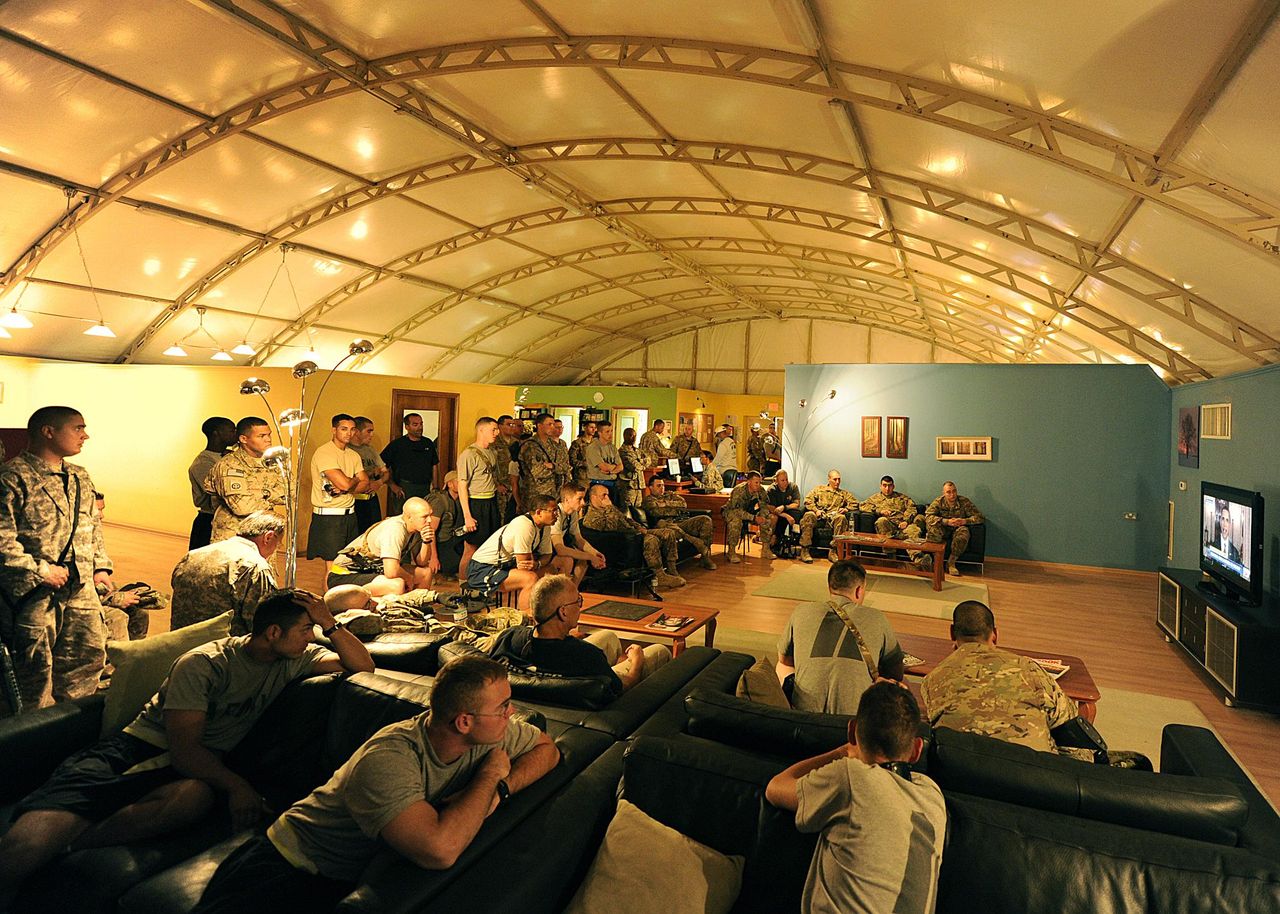
The Abbottabad compound helped shape the mission in a very literal sense. Once analysts understood what the site looked like and how it functioned, the question stopped being simply “Where is bin Laden?” and became “What kind of operation can reach him there?” That shift is where intelligence work turned into mission design.
The compound was built in a way that raised red flags. CIA material and administration briefings described high perimeter walls, internal privacy barriers, and the absence of normal digital or telephone signatures one might expect from a wealthy household. Trash was reportedly burned rather than set out for collection. For analysts, that pattern suggested operational security, not ordinary privacy.
The location made things even stranger. Abbottabad was not some remote cave system. It was a sizable Pakistani city with a significant military presence nearby. That made the existence of such a compound feel improbable, even surreal. The hunt for the world’s most wanted terrorist appeared to be ending not in a frontier hideout, but in a suburban-style structure near a major security institution.
Because of those facts, planners built a raid around surprise, speed, and direct access. A bomb strike could destroy evidence and prevent identification. A larger invasion force increased the chance of detection. The compound did not just host the target. It dictated the method.
Why the White House Rejected Easier Options
One of the most revealing parts of the story is that Neptune Spear was not the obvious choice. Officials considered alternatives, including an airstrike. On paper, bombing the compound looked simpler. It reduced risk to U.S. personnel and avoided the dangers of putting helicopters and commandos deep inside Pakistan.
But the simpler option had major drawbacks. According to the White House archive and CIA accounts, an airstrike could have killed civilians, destroyed the site, and made it far harder to prove bin Laden had actually been there. In a mission this politically and strategically important, uncertainty after the fact was almost as dangerous as failure during the action itself.
That is where the “spear” idea becomes more than a dramatic word. The selected option was a narrow thrust meant to answer multiple questions at once. Could U.S. forces reach the compound? Could they identify the target? Could they collect intelligence materials left behind? A raid offered all three possibilities in a way a strike from the air could not.
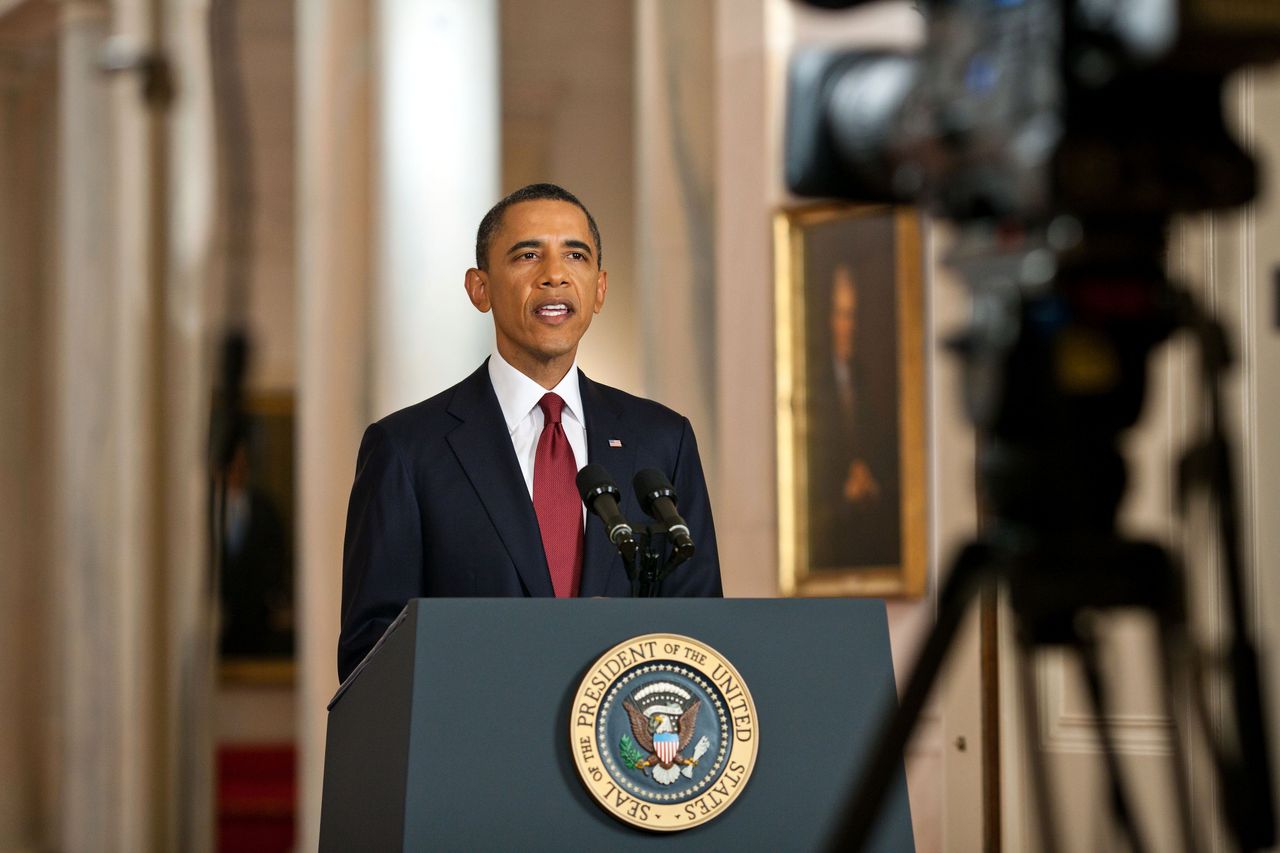
President Barack Obama authorized the operation on April 29, 2011, after months of review with intelligence and military advisers. The origin story, then, is not only about how the target was found. It is about why leaders chose the riskiest precise option over the easier, destructive one.
The Mission’s Secrecy Was Part of Its DNA

Operation Neptune Spear also had a strange bureaucratic origin because it lived at the seam between intelligence and military action. Public memory tends to flatten such operations into a single heroic narrative, but this one was built through coordination among the CIA, the White House, and Joint Special Operations Command. That fusion shaped everything from planning to public disclosure.
The CIA’s own retrospective makes clear that the mission was developed with intense interagency involvement. Intelligence agencies assessed the target package. Military planners refined the assault concept. Senior civilian officials weighed legal, diplomatic, and strategic risks, especially given that the raid would occur on Pakistani soil without prior notice to Pakistan.
That last part matters. Secrecy was not merely an operational preference. It was central to the mission’s logic. White House briefings after the raid said the United States did not inform Pakistan in advance because of the need to protect operational security. Surprise was considered essential both for the success of the assault and for the safety of the operators.
So the mission was born with a built-in contradiction. It had to be discussed by some of the most powerful people in Washington, yet protected so tightly that even key international partners could not be told. That tension is part of what makes its origin story so unusual.
The Raid Almost Became Famous for Failure
Another reason the origin story feels strange today is that history remembers success better than contingency. The helicopters reached the compound around 12:30 a.m. Pakistan time on May 2, 2011, and one of them crash-landed inside the compound. In almost any retelling of secret warfare, that is the kind of detail that foreshadows disaster.
Instead, the operation continued. CIA accounts say bin Laden was found and killed within minutes, and multiple methods were used afterward to confirm his identity. The assault team also collected materials from the compound, one of the key benefits of choosing a raid over an airstrike. The world later focused on the outcome, but inside the mission, there were points where everything could have unraveled.
That near failure is important to the origin story because it reminds us how thin the line was between legend and catastrophe. A mission designed as a clean thrust nearly became a symbol of mechanical chaos. If the team had not adapted instantly, the codename might now be remembered as shorthand for embarrassment rather than effectiveness.
The strange truth is that Neptune Spear was born from uncertainty, executed through improvisation, and only afterward turned into a clean national narrative.
Why the Name Still Feels Bigger Than the Event
More than 15 years later, Operation Neptune Spear still sounds larger than life. Part of that is emotional. The raid came almost a decade after September 11, and President Obama described bin Laden’s death as the most significant achievement to that point in the effort against al Qaeda. The name became attached to closure, justice, and an image of American reach.
But part of it is literary. “Neptune Spear” sounds like an ancient weapon hurled by a god, not a codename attached to a chain of memos, intelligence estimates, flight plans, and rehearsals. That mismatch between language and reality is what makes the origin story so memorable. It is a reminder that modern history is often packaged in epic terms even when it is built through paperwork, doubt, and painstaking analysis.
In the end, the strangest thing about Operation Neptune Spear is not simply how it ended. It is how ordinary many of its beginnings were: analysts tracing a courier, officials debating probabilities, planners comparing bad options, and a name that borrowed grandeur from older military memory. History remembers the strike. The real story begins with the long, uncertain path that made the strike possible.