Some firearms become much more than objects in a collection. They can represent a war, a family story, a particular era of engineering, or a piece of military history that is impossible to replace. That is why certain rifles and carbines develop an almost untouchable status among collectors. The examples below are not a ranking. They are historically significant firearms that can inspire unusually strong sentimental and collecting attachments.
1. M1 Garand
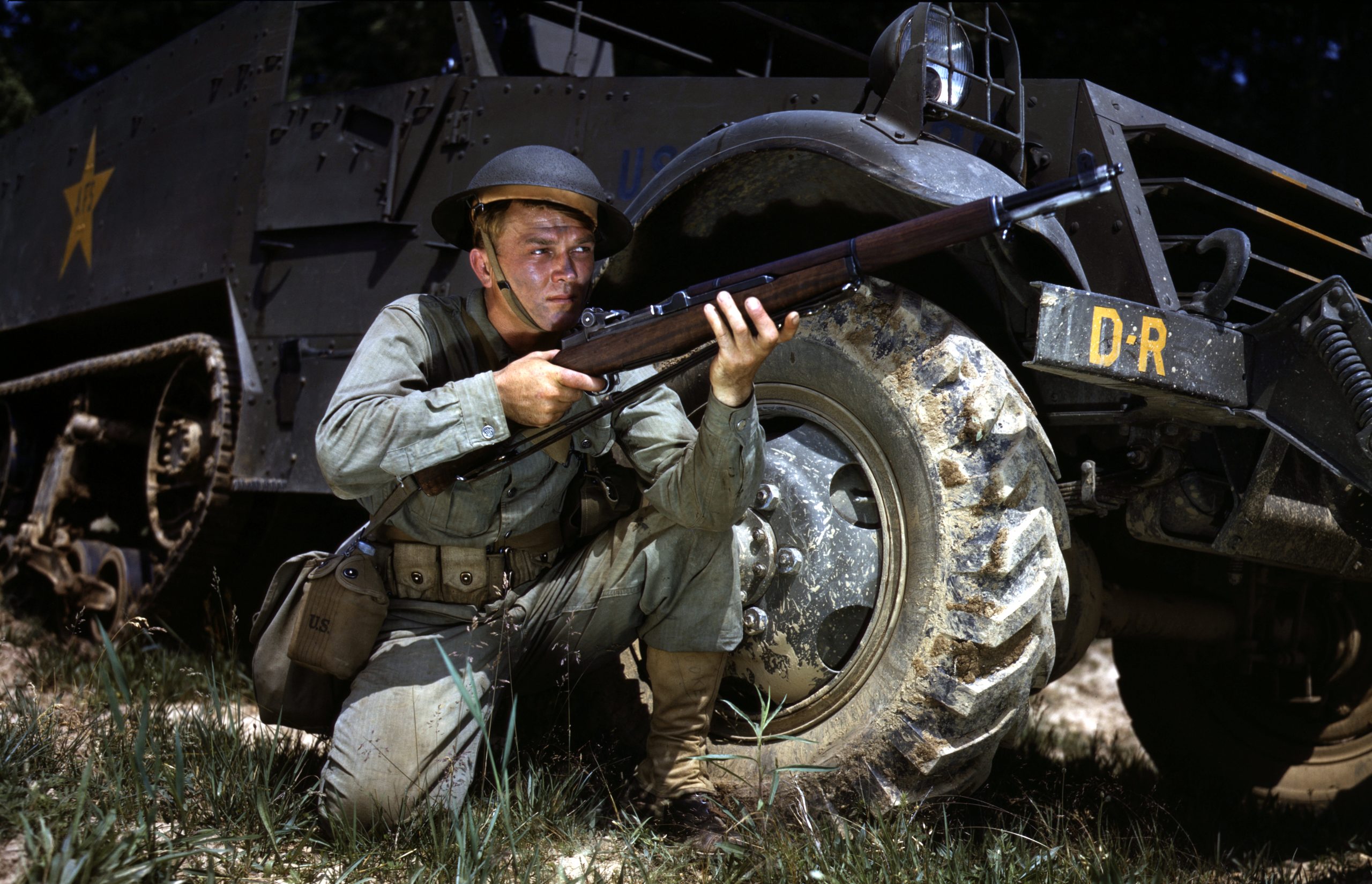
The M1 Garand is the kind of rifle that can become a family heirloom rather than just another firearm in a collection. Adopted as the U.S. service rifle in 1936, it served through World War II and Korea before replacement began in 1957. About 5.47 million were produced. Its .30-06 chambering, eight-round en-bloc system, and distinctive historical identity make an original example especially meaningful. For collectors, condition, markings, provenance, and originality can matter as much as the rifle itself. Numbers: 1936 adoption, 5,468,772 produced, 8-round clip.
2. Lee-Enfield
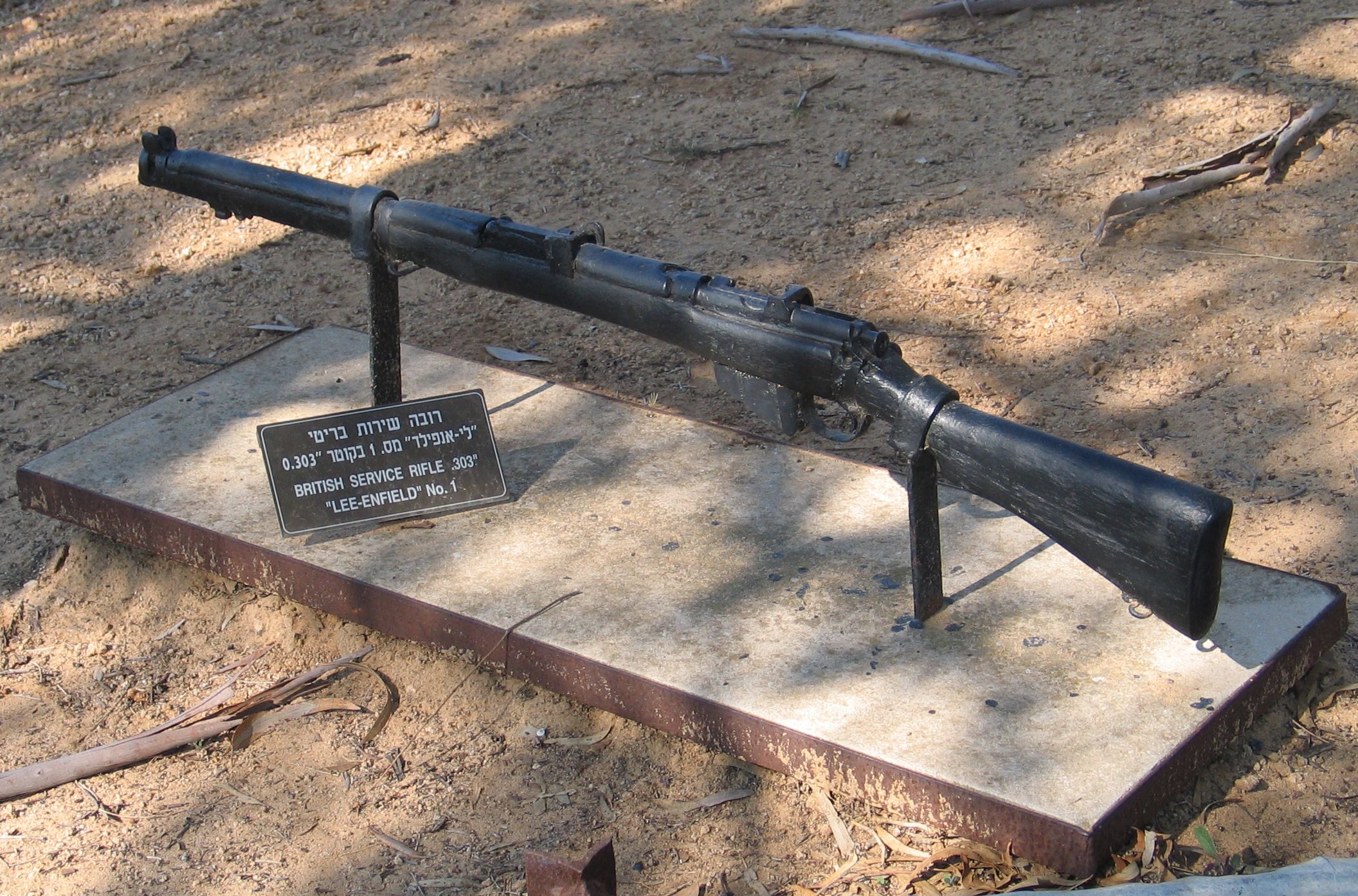
Few military rifles carry the same Commonwealth history as the Lee-Enfield. The design entered British service in 1895 and remained a standard British service rifle until 1957, with more than 17 million made across its many versions. Its .303 British chambering and 10-round magazine give it a character instantly recognizable to collectors. A rifle connected to British, Canadian, Australian, Indian, or New Zealand service can carry an added story, especially when its markings and provenance survive. Numbers: 1895 adoption, 17 million-plus produced, 10-round magazine, .303 British.
3. Mauser Gewehr 98
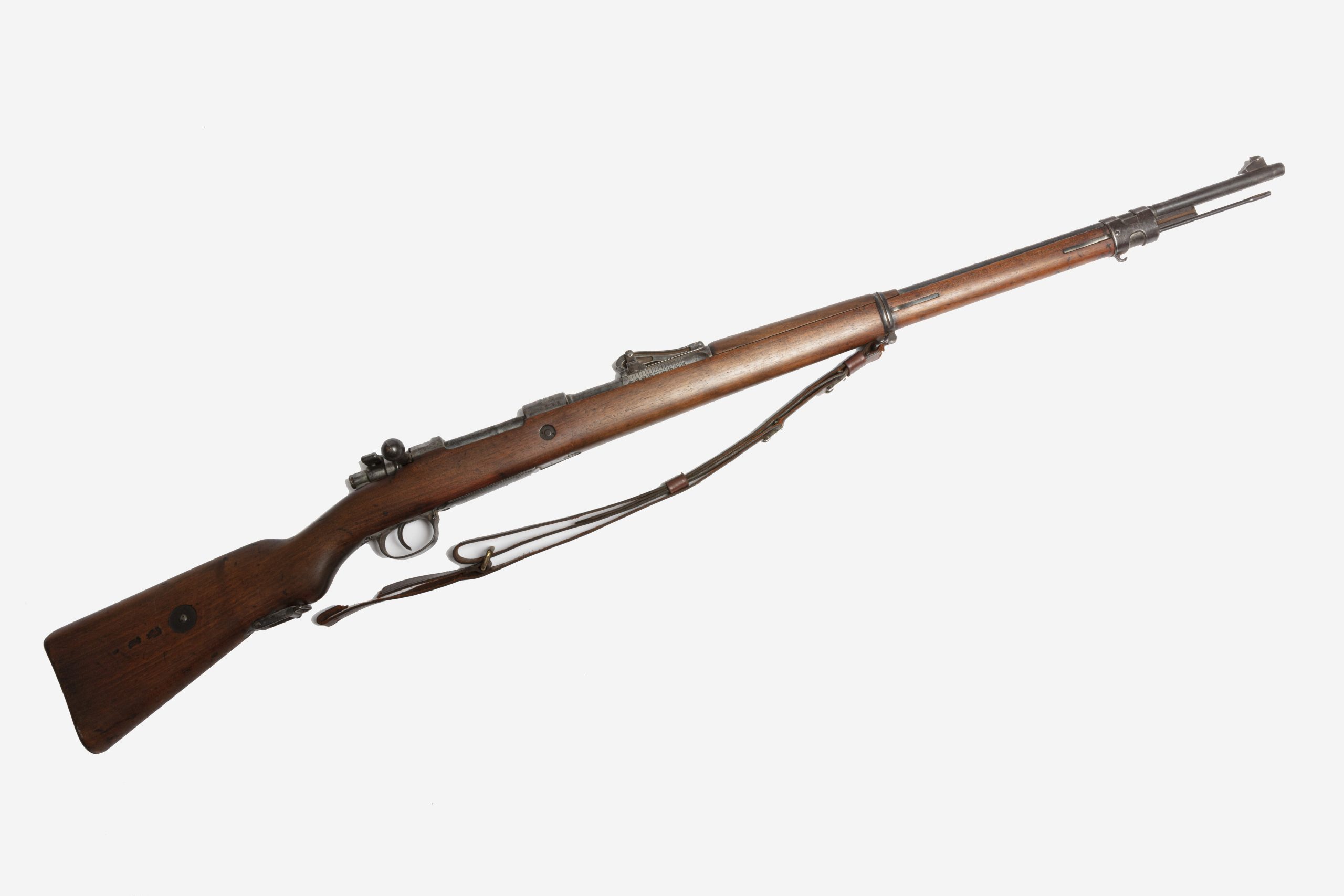
The Mauser Gewehr 98 represents one of the most influential bolt-action designs ever fielded. Germany adopted it in 1898, and its controlled-feed action became a reference point for later military and sporting rifles. More than 9 million Gewehr 98 rifles were produced, while related Mauser patterns reached far larger totals. Collectors often value matching parts, original markings, early manufacture dates, and documented history. Its five-round internal magazine and 7.92×57mm chambering add to its unmistakable period character. Numbers: 1898 adoption, 9 million-plus G98s, 5-round magazine.
4. FN FAL
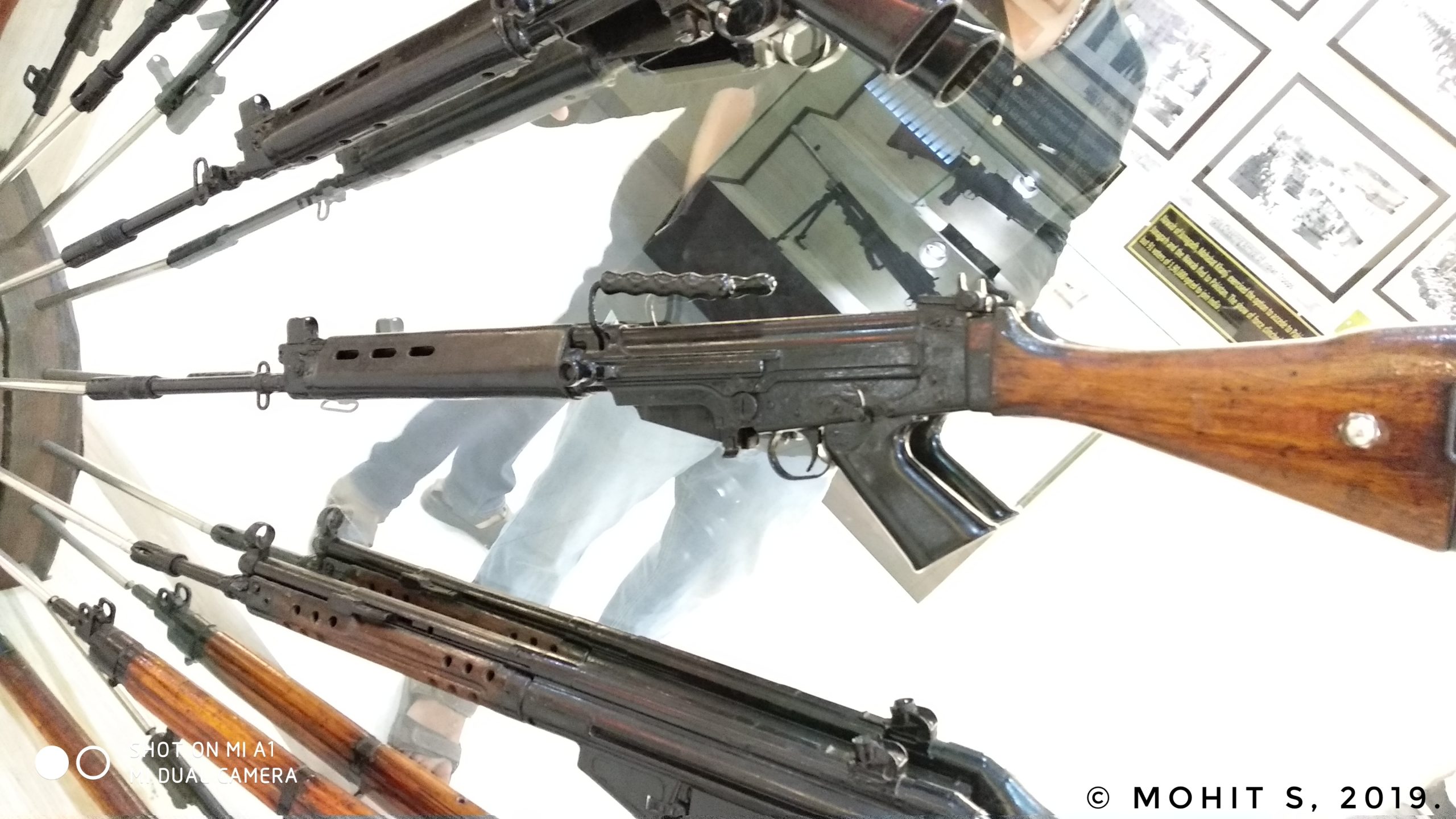
The FN FAL earned a reputation as one of the defining battle rifles of the Cold War era. Introduced during the 1950s, it was adopted or produced by numerous countries and became closely associated with NATO-era military history. More than 2 million FAL rifles are estimated to have been produced. For collectors, national variants can be more interesting than the name alone, because Belgian, British, Austrian, Israeli, and other examples can differ substantially. Numbers: 1950s introduction, 2 million-plus produced, 7.62×51mm NATO, many national variants.
5. AK-47
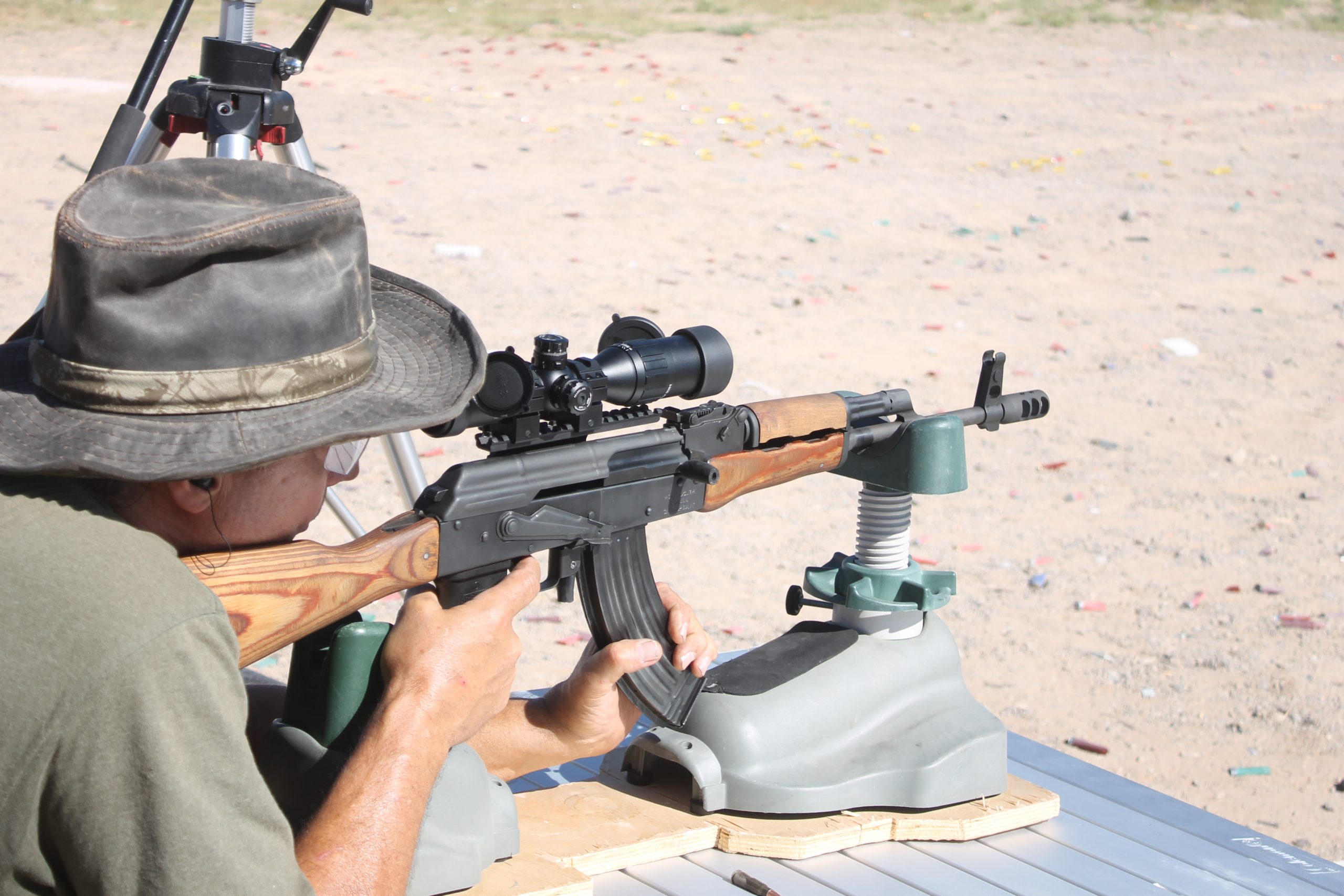
The AK-47 occupies a unique place in firearms history because its name became almost synonymous with the Kalashnikov family. The original design emerged in the late 1940s, followed by the AKM and many derivatives. Production estimates for the broader AK family run into tens of millions. That enormous history creates an unusual collecting problem: originality and provenance can matter more than rarity alone. Early examples, distinctive national variants, and documented military history can become pieces some owners are reluctant to part with. Numbers: 1949 adoption, 7.62×39mm, tens of millions produced.
6. M16
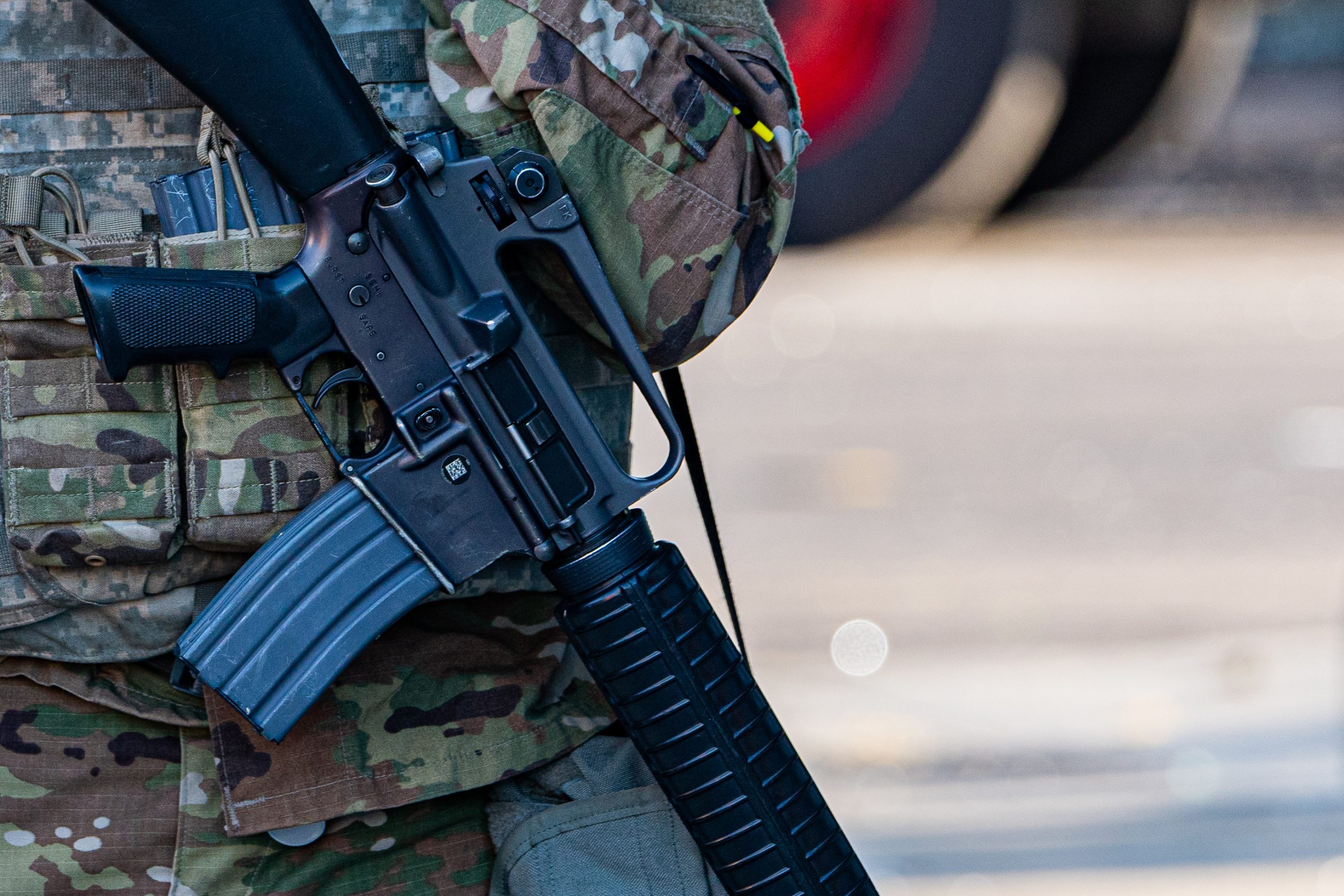
The M16 represents a major change in military rifle design, moving from traditional full-power cartridges toward a lighter 5.56×45mm NATO system. It entered U.S. service in the 1960s and became the foundation for a huge family of rifles and carbines. Estimates place combined M16, M4, and related production in the many millions. Collectors may prize early configurations, original markings, period furniture, and documented service history. Numbers: 1960s service entry, 5.56×45mm, millions produced across the family, long service history, collector appeal.
7. M1903 Springfield
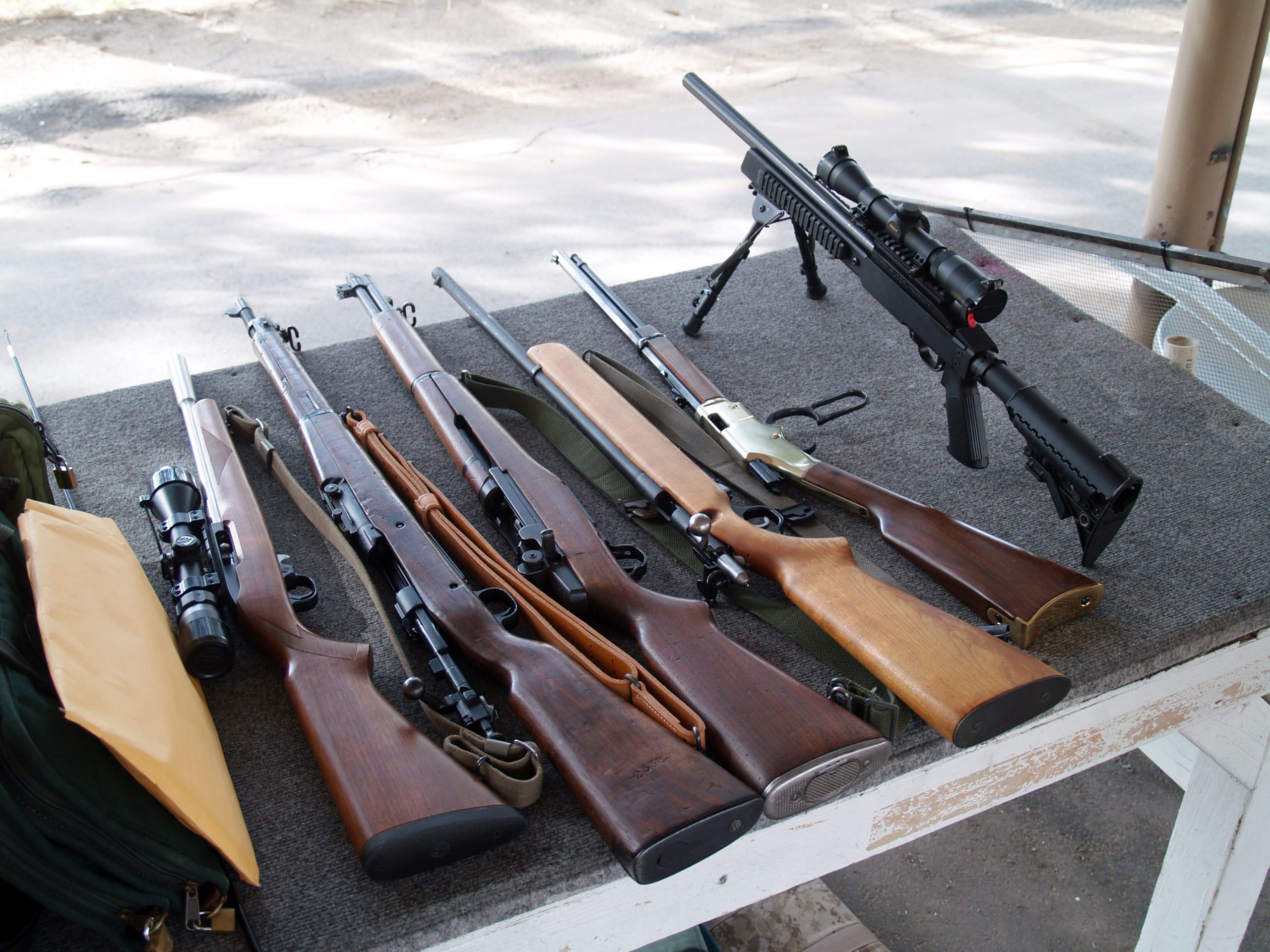
The M1903 Springfield has a special place in American military history. Adopted in 1903, it served through World War I and remained important during World War II, including specialized roles. Roughly 3 million were produced, making surviving examples far more common than some rare collectibles, yet condition and historical provenance can dramatically change their significance. An original rifle with clear arsenal markings or documented military history can feel irreplaceable to a collector. Numbers: 1903 adoption, about 3 million produced, 5-round magazine.
8. Mosin-Nagant
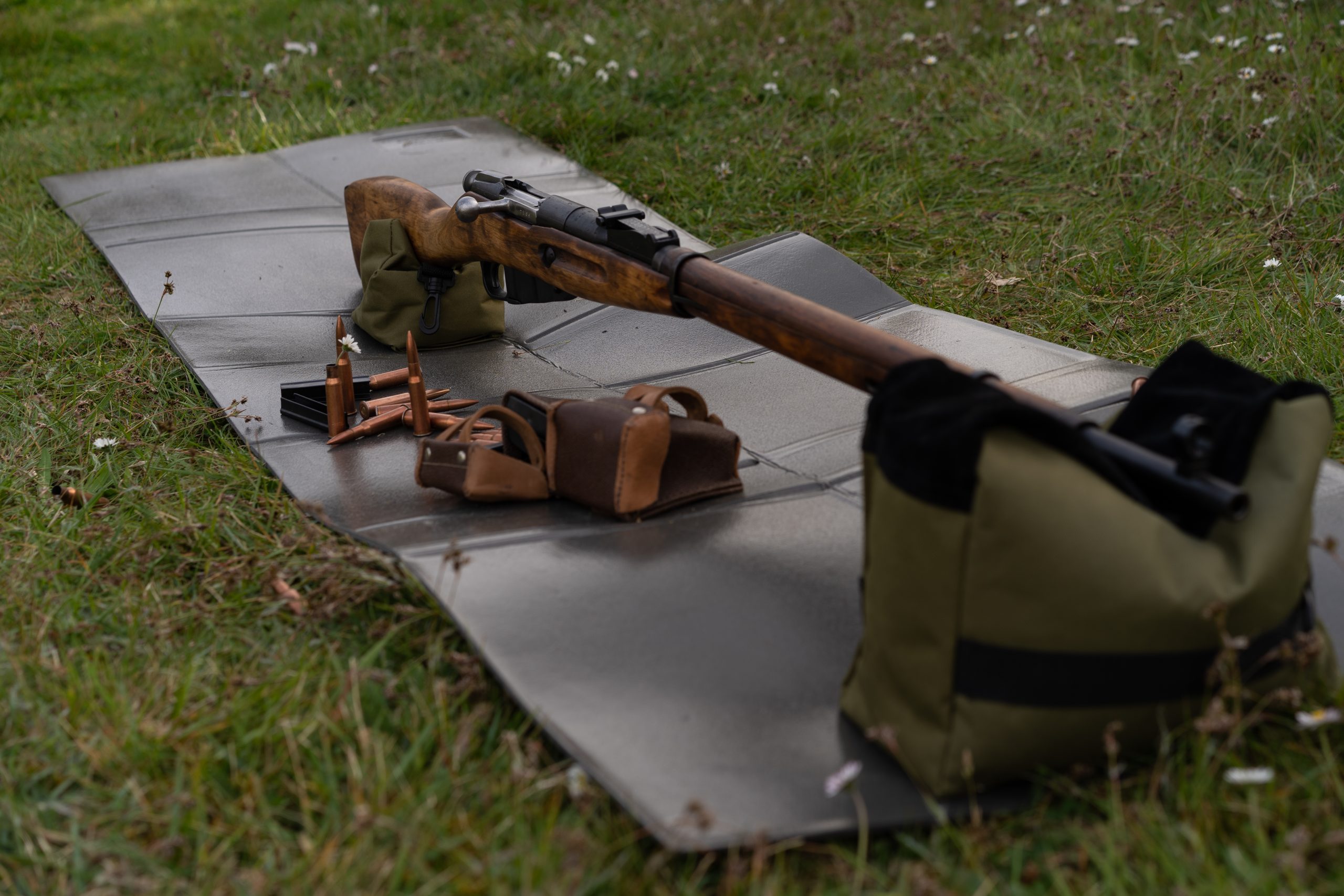
The Mosin-Nagant is valued by collectors for the enormous historical span it represents. The basic rifle dates to the late 19th century and remained in military service through much of the 20th century. Around 37 million are commonly estimated across the wider family, making it one of the most produced military rifle designs ever. Yet not every example tells the same story. Imperial Russian, Soviet, Finnish, and other variants can carry very different histories, markings, and collector interest. Numbers: 1891 origin, about 37 million produced, 5-round magazine, several major variants.
9. StG 44
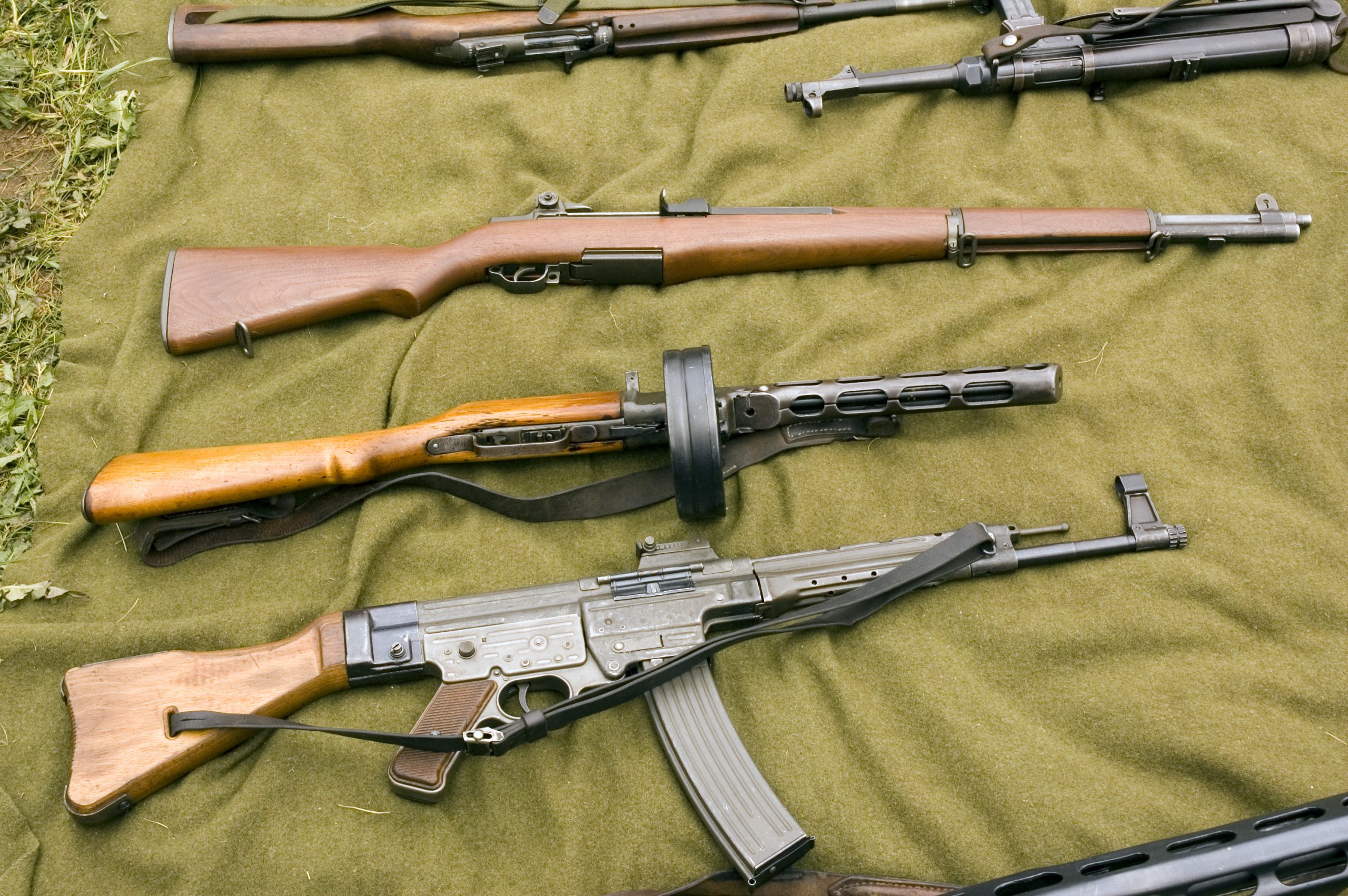
The StG 44 is one of those firearms whose historical importance far exceeds its production numbers. Developed in Germany during World War II, it helped establish the concept of an infantry rifle using an intermediate cartridge. Production reached roughly 400,000 examples, depending on how variants and accounting are counted. Original examples are significant and rarer than later rifles influenced by the same concept. For collectors, markings, provenance, originality, and wartime history can make an example difficult to replace. Numbers: 1944 service era, roughly 400,000 produced, 7.92×33mm.
10. M1 Carbine
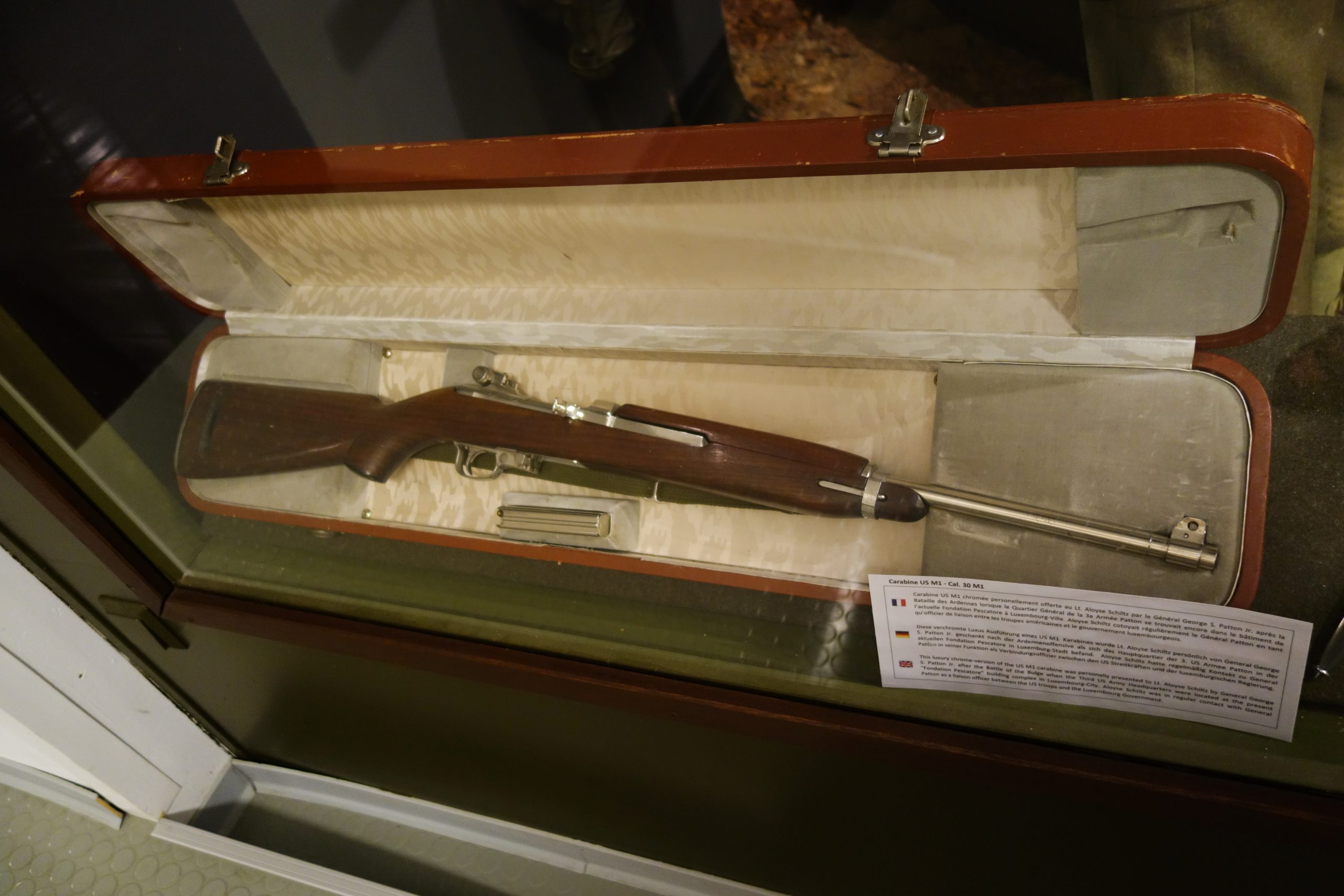
The M1 Carbine became one of the most widely produced American military firearms of World War II, with more than 6 million made during its production era. Its compact size, .30 Carbine cartridge, and wartime history give it a distinctive place between pistols and full-size service rifles. Collectors often become attached to specific manufacturers, production features, and documented wartime examples. A carbine with original parts or traceable service history can be far more meaningful to its owner than a simple market price suggests. Numbers: 1941 adoption, 6 million-plus produced, .30 Carbine.