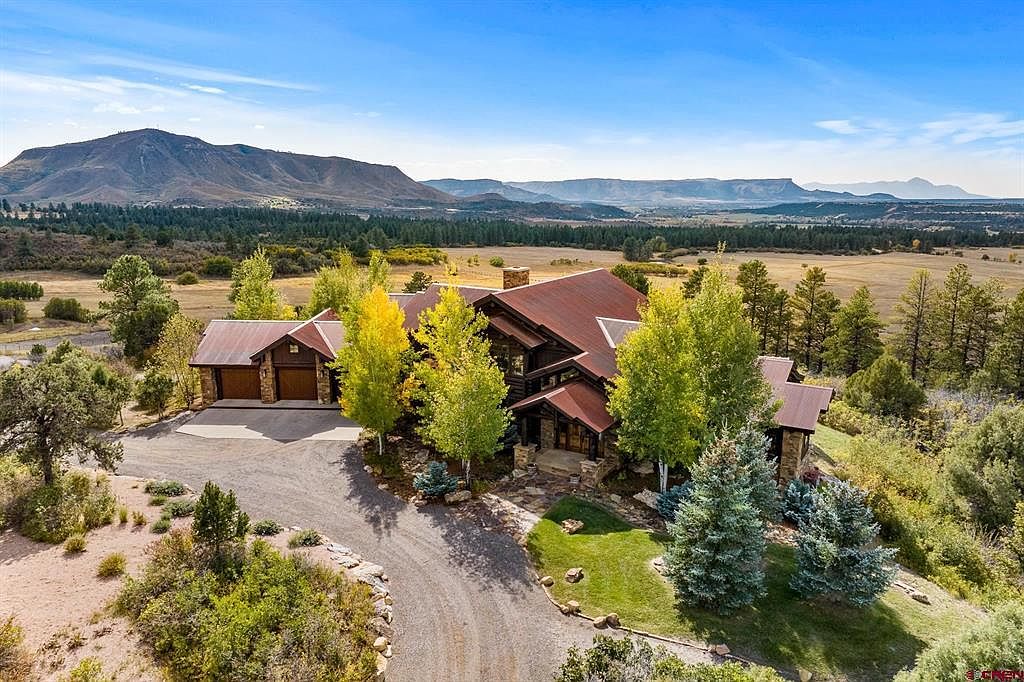
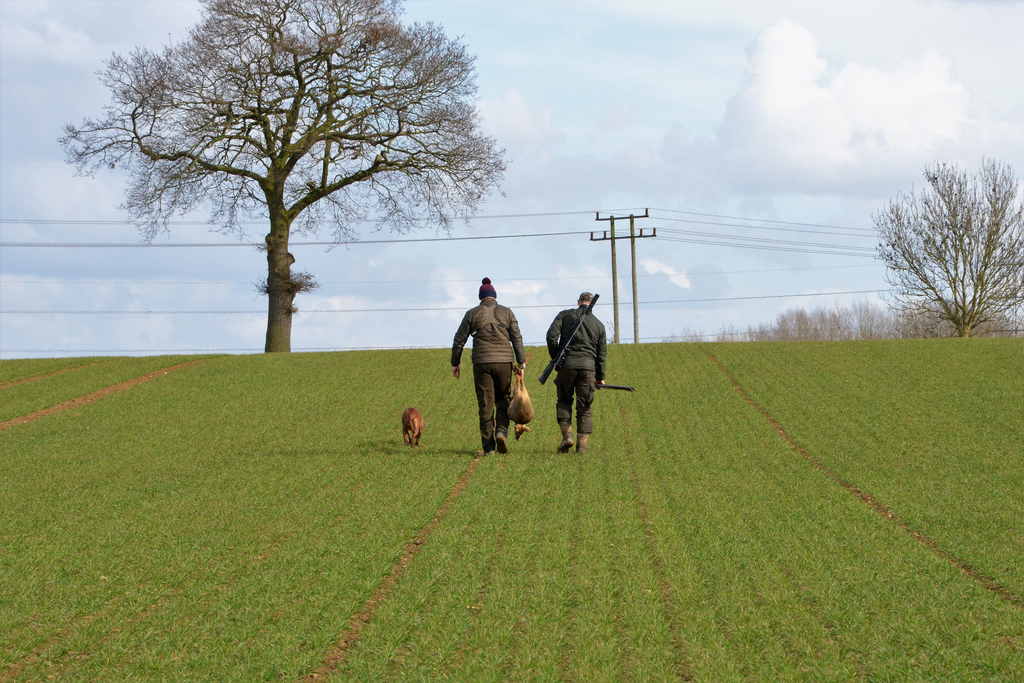
Few issues in the hunting world spark more heat than access. When private land sits next to public ground, the question gets even sharper: should a landowner be able to charge hunters for the path in?
Why this issue keeps coming up

Across the West, millions of acres of public land are difficult or impossible to reach without crossing private property. OnX has estimated that more than 15 million acres of state and federal land are effectively inaccessible, including about 8.3 million acres that are corner-locked, meaning public parcels only touch at a point. That reality is why access fights are not abstract policy debates. They affect whether a hunter can actually use land that already belongs to the public.
The legal backdrop has shifted in important ways. In March 2025, the 10th Circuit Court of Appeals ruled in the Wyoming corner-crossing case that hunters who moved from one public parcel to another at a shared corner did not unlawfully trespass under the facts of that case. Wyoming Public Media and other outlets described the ruling as a major access win across the six states in that circuit.
Even so, that ruling did not magically solve every access problem. It does not create a road, a parking area, or a safe route through a working ranch. Many public parcels remain practically unreachable unless a neighboring landowner cooperates, and that is where the payment question comes in.
The strongest argument for letting landowners charge

Private land is not a public utility. If hunters park on a ranch road, leave gates open, rut up two-tracks, or create liability worries, the landowner bears the disruption first. Charging a fee can be seen as compensation for inconvenience, risk management, and wear on the property, especially when the access route cuts through active cattle, hay, or crop ground.
This is not just theory. State access programs are built on the same basic logic: if the public wants reliable passage, someone often has to pay the landowner something. Montana Fish, Wildlife and Parks runs Block Management, where landowners receive assistance and impact payments for allowing public hunting access. For the 2025 season, the program covered about 6.8 million acres enrolled by roughly 1,200 landowners.
Wyoming uses a similar model through Walk-In Hunting Areas and its broader Access Yes framework. The Wyoming Game and Fish Department says walk-in areas are private or state lands where the agency has leased access privileges for public hunting or fishing. In other words, public access is already being purchased in many places. The real debate is not whether payment ever happens. It is who pays, how much, and under what rules.
The case against pay-to-play access

The biggest objection is moral as much as economic. Hunters hear “public-adjacent land” and think: if the destination is public land, why should a citizen have to pay a private toll to reach it? That feels less like compensation and more like monetizing a choke point. For many sportsmen, that crosses a line because it turns shared public opportunity into something rationed by wealth.
There is also a fairness concern between residents and affluent travelers. If access can always be sold to the highest bidder, local hunters with ordinary incomes lose first. Over time, even legal public land can become functionally exclusive. The public still owns it on paper, but practical access goes to those who can absorb day fees, seasonal passes, guide relationships, or bundled trespass packages.
That concern is not exaggerated. In places with strong private-land hunting markets, access has long carried high prices, particularly for deer, elk, waterfowl, and upland birds. Once access becomes a profit center rather than a limited cost-recovery tool, incentives change. The goal can shift from sharing opportunity to maximizing scarcity, and that is where public frustration starts boiling over.
What current access programs teach us
The best state programs offer a useful middle ground. Montana’s Block Management program is designed to keep hunting access free to the public while compensating landowners for impacts and management burdens. State law now limits annual payments, including a lower cap for agreements that only provide access to public land for hunting purposes. That matters because it signals a public policy choice: pay enough to encourage cooperation, but not so much that access becomes pure rent extraction.
Montana also lets landowners shape the terms. According to Montana FWP, participants can set limits on timing, hunter numbers, and species. That flexibility is important. It recognizes that not every ranch, crop cycle, or habitat situation can handle open access the same way.
Wyoming’s walk-in model does something similar from the hunter side. A valid license is enough for entry on participating parcels during the approved period, and no separate permission slip is required for many walk-in areas. That structure reduces confusion, lowers transaction costs, and prevents access from becoming a private side business negotiated one truck window at a time.
The property-rights argument is real, but not absolute

Landowners have legitimate rights, and any honest article should say that plainly. If a route to public land crosses private ground, the owner should have a say in timing, conduct, biosecurity, fire risk, and vehicle use. Hunters who dismiss those concerns usually have not had strangers drive across wet fields, cut fences, or pressure stock during calving.
But property rights are not the only rights in play. Public land exists for public use, and federal policy has increasingly recognized that access barriers matter. The Bureau of Land Management’s Dingell Act priority access process specifically identifies large tracts where legal access is missing or severely restricted and considers solutions such as easements, rights-of-way, and acquisitions from willing sellers.
That “willing seller” principle is important. It respects ownership without pretending the public interest disappears at the fence line. The harder question is whether a landowner should be allowed to demand whatever the market will bear simply because geography gives them leverage over access to public land. Legally, maybe in many cases. As policy, that is much tougher to defend.
When charging makes sense
Charging can be reasonable when it looks more like managed access than tollbooth access. If a landowner provides designated parking, maintains a signed route, limits travel to protect livestock or irrigation, and absorbs real management costs, a fee can be justified. In that case, hunters are paying for a service and for predictable, orderly access, not merely for the privilege of existing near a boundary.
This is especially true where abuse has been a recurring problem. Some parcels near public ground attract a small number of bad actors who dump trash, ignore maps, trespass beyond the agreed corridor, or create conflicts with residents. A fee system with registration, waivers, and firm rules can screen out some of that behavior while making enforcement easier.
Still, the fee should match the burden. A modest access charge tied to administration or maintenance is one thing. A premium fee that effectively auctions off entry to public land is another. The distinction matters, and state wildlife agencies are usually better positioned than individual landowners to define it in a fair way.
Where charging goes wrong
The practice goes wrong when it rewards bottleneck control rather than stewardship. If the only thing being sold is the ability to pass through 200 yards of otherwise unremarkable private ground to reach a public parcel, the fee starts to resemble a toll on public ownership itself. That is exactly the kind of arrangement that fuels resentment and, eventually, lawsuits or legislation.
It also goes wrong when access pricing is opaque. Hunters should not have to guess whether a route is truly legal, temporarily closed, leased to an outfitter, or available only by handshake. Unclear arrangements invite trespass disputes and make rural tensions worse. The 2025 corner-crossing ruling may have clarified one legal question in part of the country, but it also highlighted how messy parcel-by-parcel access can become.
Another problem is scale. One landowner charging a small fee may seem manageable. But if every strategic neighboring owner does the same, the cumulative cost can block average hunters entirely. Public wildlife management suffers too, because reduced access can concentrate pressure elsewhere and leave some herds or habitats under-hunted.
A better policy approach
If the goal is fairness, states should prioritize structured public access programs over unregulated private tolls. Agencies can negotiate with willing landowners, compensate them transparently, publish clear rules, and keep access either free or low-cost for the public. Montana’s Block Management and Wyoming’s Access Yes system show that this approach is not theoretical. It already works at scale.
Lawmakers can also distinguish between access across private land to hunt private land and access across private land to reach public land. Those are not the same thing. Charging full market trespass fees for hunting a ranch is one matter. Charging equivalent rates simply to cross a corridor into public ground raises a different public-interest concern.
The long game should include easements, corner-specific solutions, mapped corridors, and targeted acquisitions where the access benefit is high. The Theodore Roosevelt Conservation Partnership and the BLM have both emphasized these incentive-based, willing-seller tools. They are slower than private cash deals, but they create durable public access without turning every season into a negotiation.
So, should they be allowed to charge?
Yes, but only within limits that protect the public character of public land. A landowner should be allowed to recover real costs and to be compensated for organized, clearly managed access. They should not have unchecked power to monetize geography in a way that turns public hunting into a luxury product.
That distinction is where a lot of people talk past each other. Hunters are right to resist a future where access to public ground depends on disposable income. Landowners are right to reject the idea that they alone must absorb all costs, hassle, and risk because of a boundary line they did not create.
The smartest answer is not absolute free access and not absolute market pricing. It is a rules-based middle path: voluntary agreements, fair compensation, published conditions, and agency involvement where possible. If we want both strong property rights and real public access, the system has to reward cooperation, not bottlenecks.