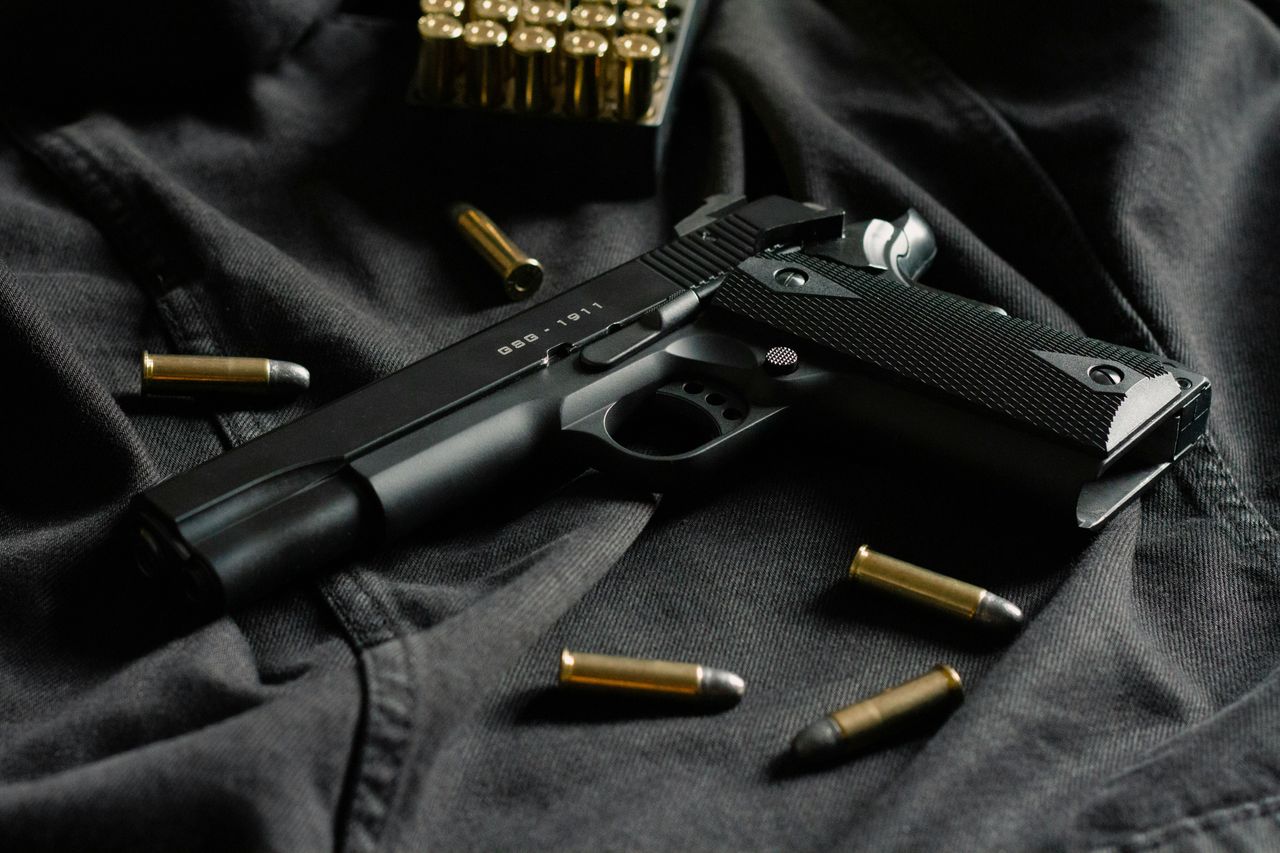
People love arguing about carry calibers. This one sounds close on paper, but in practice, it usually isn’t.
Why this debate never really goes away
The 9mm versus .380 ACP debate survives because both cartridges live in the same world: concealed carry, compact pistols, and defensive use at short distances. They are often sold side by side, sometimes in guns that look nearly identical, which makes the comparison feel tighter than it really is. Add decades of gun-counter folklore and a flood of online opinions, and you get an argument that never seems to die.
Part of the confusion comes from the fact that .380 ACP is not useless, weak in every context, or automatically irresponsible. Modern defensive loads have made it more capable than its old reputation suggests. In a reliable pistol, with quality ammunition, and in the hands of someone who can shoot it well, it can absolutely stop a violent threat. That truth keeps the cartridge in the conversation.
But “can work” and “best choice” are not the same thing. That distinction matters more than most caliber debates admit. If the question is whether .380 ACP is viable, the answer is yes. If the question is whether it beats 9mm as the default concealed-carry choice in 2024 and beyond, the answer is no, and the evidence is not especially close.
The hard truth about ballistic performance
This is where 9mm starts separating itself from .380 ACP in a way that is difficult to ignore. In general, 9mm launches heavier bullets faster, producing more energy and more reliable penetration through clothing and intermediate barriers. That matters because handgun stopping power is never magical; defensive ammunition works by reaching vital structures, and penetration is the non-negotiable part of that equation.
A common benchmark used in ballistic testing is 12-18 inches of penetration in calibrated ballistic gelatin. Quality 9mm defensive loads routinely meet that standard while still expanding dependably. .380 ACP can meet it too, but it does so less consistently, especially out of the ultra-short barrels that dominate the pocket-pistol market. When expansion happens, penetration can suffer. When penetration is preserved, expansion may be limited.
That tradeoff is the entire problem. With .380 ACP, you are often choosing which compromise you want least. With 9mm, especially from modern carry loads designed by companies like Federal, Speer, Hornady, and Winchester, you are more often getting both acceptable penetration and useful expansion. In a defensive tool, wider performance margins are not a luxury. They are the point.
Recoil, control, and the myth of the easier shooter

A lot of people assume that .380 ACP is automatically easier to shoot because it is a smaller cartridge. Sometimes that is true on paper, but in real life, the gun matters at least as much as the caliber. Many .380 pistols are tiny, light, and snappy, with short grips and minimal sights. That combination can make them surprisingly unpleasant, especially for new shooters or people with weaker hand strength.
Meanwhile, many compact 9mm pistols have better ergonomics, better sights, better triggers, and enough mass to tame recoil. A Glock 43X, SIG P365 XL, Smith & Wesson Shield Plus, or similar pistol is often easier to run fast and accurately than a featherweight micro .380. The recoil impulse may be stronger, but the platform is more controllable. Practical shootability is about the whole system, not just cartridge specs.
There is also the issue of manipulation. Small .380 pistols often have stiffer recoil springs, tiny slides, and cramped controls. For some shooters, especially older adults or those with limited grip strength, that can matter more than recoil itself. Ironically, the gun marketed as “easy” may be harder to rack, harder to reload, and harder to shoot well under stress than a slightly larger 9mm.
Capacity, size, and what modern pistols have changed
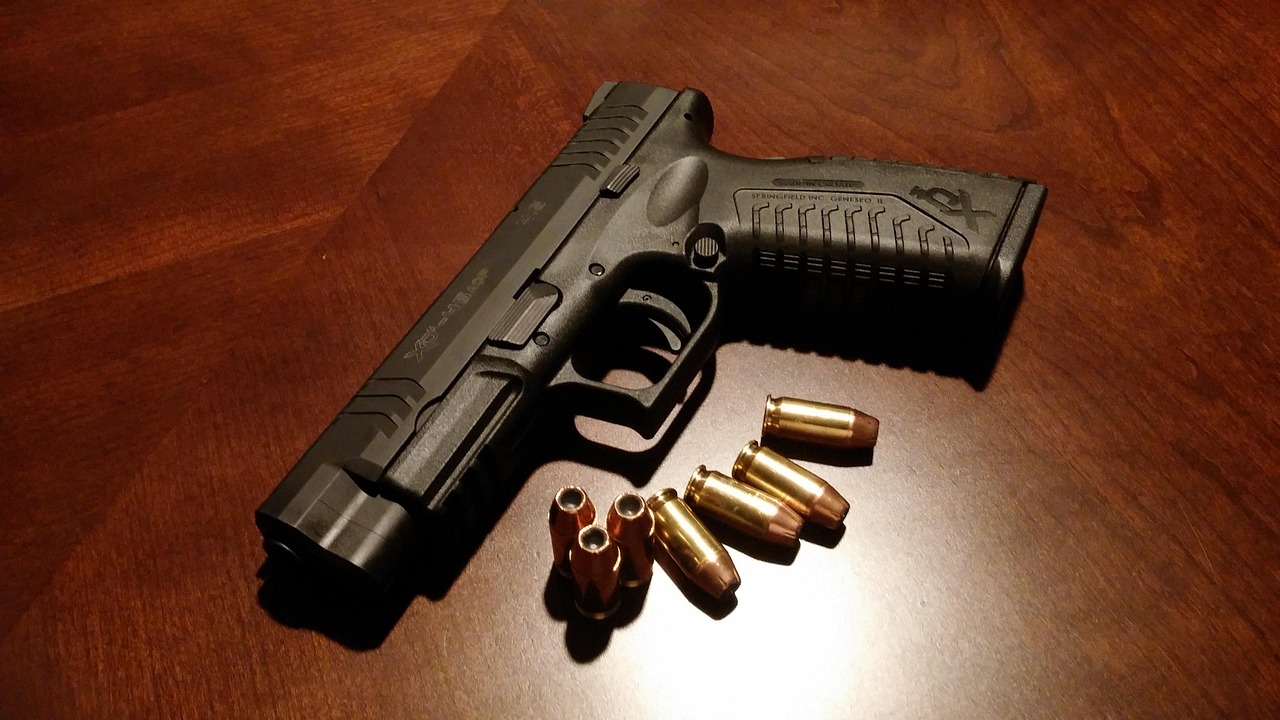
The old argument for .380 ACP was straightforward: you accepted less power in exchange for a much smaller gun. That used to be a stronger case. Pocket pistols in .380 were significantly easier to hide than most 9mm options, and many people were willing to make that trade. If the alternative was a chunky single-stack 9mm that printed badly and held fewer rounds than expected, .380 made practical sense.
Then the market changed. Modern micro-compact 9mm pistols dramatically narrowed the size gap while increasing capacity. Guns like the SIG P365 helped reset expectations by offering 10+1, 12+1, or more in packages not much larger than older .380 carry guns. That shifted the equation because the user no longer had to choose between “powerful but bulky” and “small but weak” in the same way.
Today, many shoppers compare a small .380 with a very slightly larger 9mm and realize they are giving up a lot for a modest concealment benefit. Not always, but often. The smallest true pocket guns still favor .380 ACP, and that niche remains real. Outside that narrow lane, though, 9mm now dominates because the packaging advantage that once protected .380 has shrunk dramatically.
Reliability and real-world defensive context
Defensive handguns are not range toys, and reliability has to sit near the top of the list. This is another area where 9mm generally benefits from broader development, more mature magazine design across platforms, and extensive law enforcement and military influence on pistol engineering. Most serious defensive handgun innovation in the last two decades has revolved around 9mm. That matters because market focus tends to improve the ecosystem around a caliber.
By contrast, many .380 pistols are optimized first for extreme concealability. That often means abbreviated grips, short slides, and harsher operating cycles in very small guns. Those pistols can certainly be reliable, but tiny guns are less forgiving in general. Limp-wristing, marginal ammo selection, and poor maintenance can show up faster in pocket-sized pistols than in slightly larger carry guns.
The real-world defensive context is also simple: civilian self-defense shootings are usually close, fast, chaotic, and over quickly. You want a gun you can draw cleanly, fire accurately, and trust to perform through heavy clothing. In that environment, having more terminal performance and more consistent expansion and penetration is an advantage. You may never need the extra margin, but if you do, you will not wish you had chosen less.
The narrow but legitimate case for .380 ACP
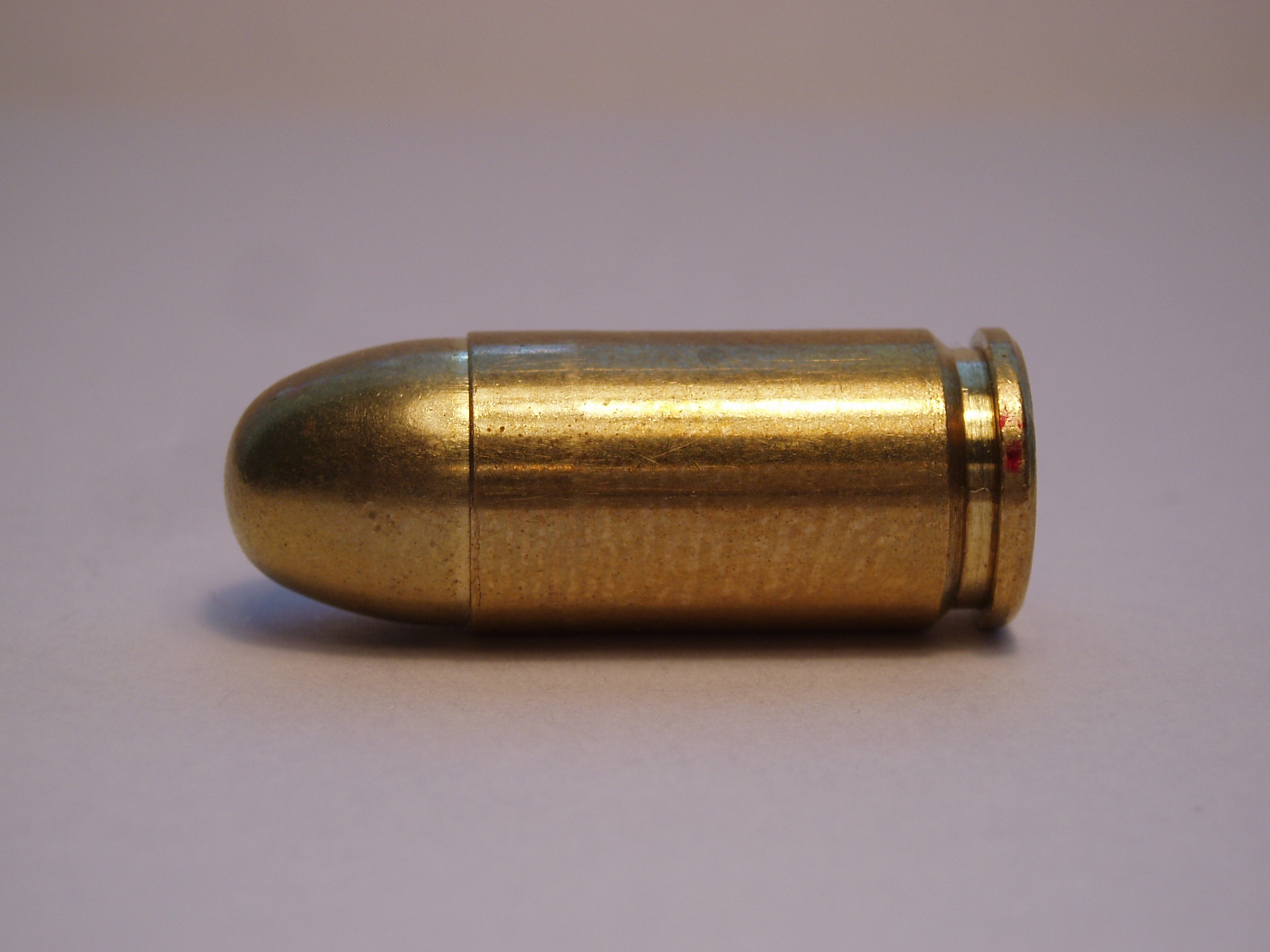
With all of that said, .380 ACP still has a real role, and pretending otherwise misses the point. For some people, the best gun is truly the one they can physically carry all day, every day, in normal clothes without constant adjustment. A tiny .380 in a proper pocket holster often beats a larger 9mm left at home in a safe, a drawer, or a car. Availability matters more than theory.
There are also shooters with hand injuries, arthritis, reduced grip strength, or unusual wardrobe constraints who genuinely perform better with specific .380 setups. In those cases, the question is not “Which caliber wins on the internet?” but “Which gun can this person deploy effectively and hit with under pressure?” If the answer is .380, then .380 is the correct answer for that individual.
The key is honesty about what you are trading away. You are accepting less ballistic margin and often lower capacity in exchange for easier concealment or more manageable daily carry. That can be a rational choice. It is just not the default best choice for the average concealed carrier who can comfortably carry and competently shoot a modern 9mm pistol.
So what’s the right answer?
Here it is plainly: for most people, in most modern concealed-carry situations, 9mm is the right answer. It offers better terminal performance, more forgiving ammunition options, wider handgun selection, stronger capacity-to-size ratios, and a better overall support ecosystem. The gap is not theoretical anymore. It shows up in testing, in platform design, and in what experienced instructors overwhelmingly recommend once students start carrying seriously.
.380 ACP remains the backup answer, not the primary one. It makes sense when maximum concealment is the mission, when physical limitations narrow the field, or when a specific shooter demonstrably handles a particular .380 better than available 9mm options. Those cases are real and deserve respect. But they are exceptions, not the rule.
So yes, this carry caliber debate actually has a right answer. Carry the largest caliber you can conceal comfortably, shoot accurately, and trust completely. In today’s market, for the vast majority of people, that caliber is 9mm, and .380 ACP is what you choose when 9mm genuinely stops being practical.