Some guns come home in a case. These come home with a parts list.
If you spend any time around ranges, gun counters, or hunting camps, you start noticing the same pattern: certain models are almost never left alone for long.
Glock 19
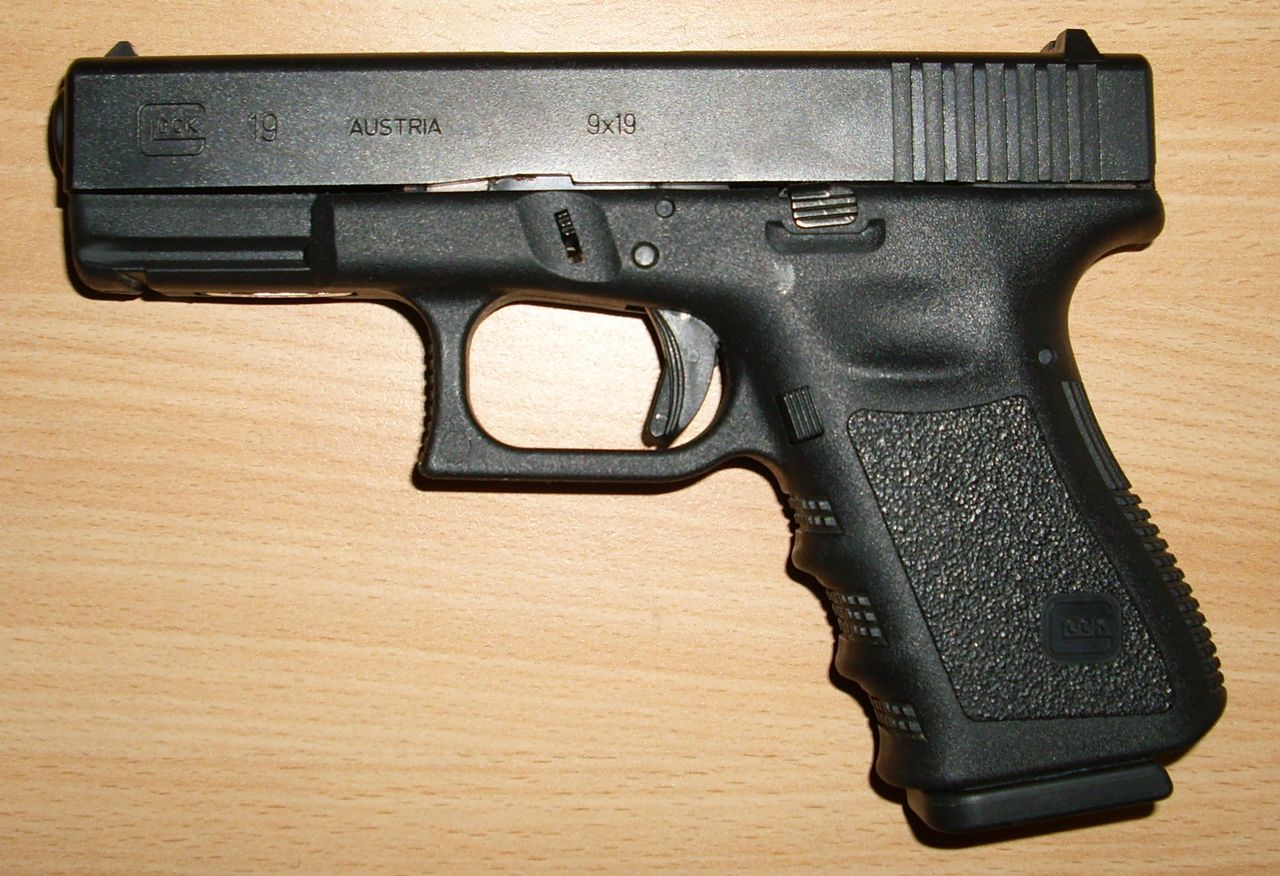
The Glock 19 might be the clearest example of a pistol people buy with full intentions of changing it. The factory gun has earned its reputation through reliability, simple controls, and broad parts compatibility, but that same simplicity makes owners see it as a blank canvas rather than a finished product. According to Glock, Gen5 models use the Modular Backstrap System, and MOS variants arrive ready for popular pistol optics, which only encourages immediate tinkering.
The first-week upgrades are predictable. New sights go on fast because many buyers want steel irons, taller suppressor-height sights, or a tritium setup more suited to defensive carry. After that, the most common additions are a weapon light, extended controls, grip texture work, and an optic on MOS versions. Glock itself highlighted the growth of carry optics use years ago, and that trend has only hardened into the mainstream.
What keeps the Glock 19 at the top of the customization pile is the sheer depth of the aftermarket. Slides, barrels, triggers, mag wells, recoil assemblies, and holsters exist in overwhelming numbers, which means buyers can tailor one pistol toward concealed carry, duty use, or competition almost instantly. The gun is reliable in stock form, but culturally it has become the small-block V8 of handguns: durable, common, and impossible for enthusiasts to leave untouched.
SIG Sauer P320
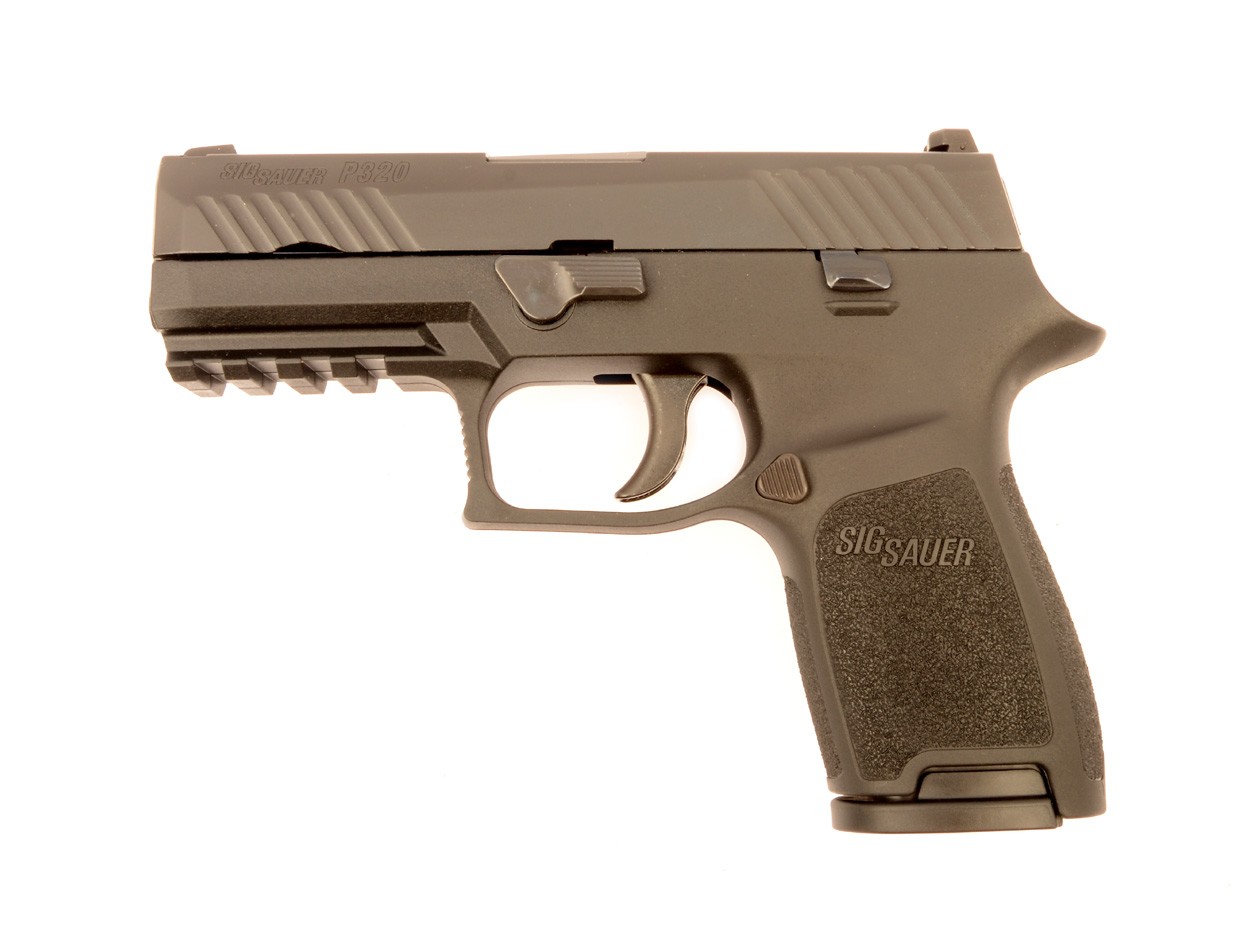
The SIG Sauer P320 almost invites customization before the first magazine is fired. Its serialized fire control unit is the centerpiece of the design, which means grip modules, slides, barrels, and caliber-related components can be changed around that core. SIG said when it launched the standalone P320 FCU that consumers could build a pistol from the ground up and use the company’s P320 Studio configurator to mix parts and setups.
That modularity changes owner behavior. Instead of asking whether to modify the gun, P320 buyers usually ask how far they want to go. Some swap the grip module on day one because hand fit matters more than brand loyalty, while others move straight to optics, flat triggers, compensators, or tungsten-infused grip modules to soften recoil and balance the gun.
The result is a pistol that behaves more like a system than a single model. A buyer can begin with a compact carry gun and soon end up with a full-size range configuration using the same core chassis. That flexibility is exactly why the platform gets changed so quickly. People do not just accessorize a P320. They reconfigure it to suit a role, and that role often evolves within the first week of ownership.
Ruger 10/22
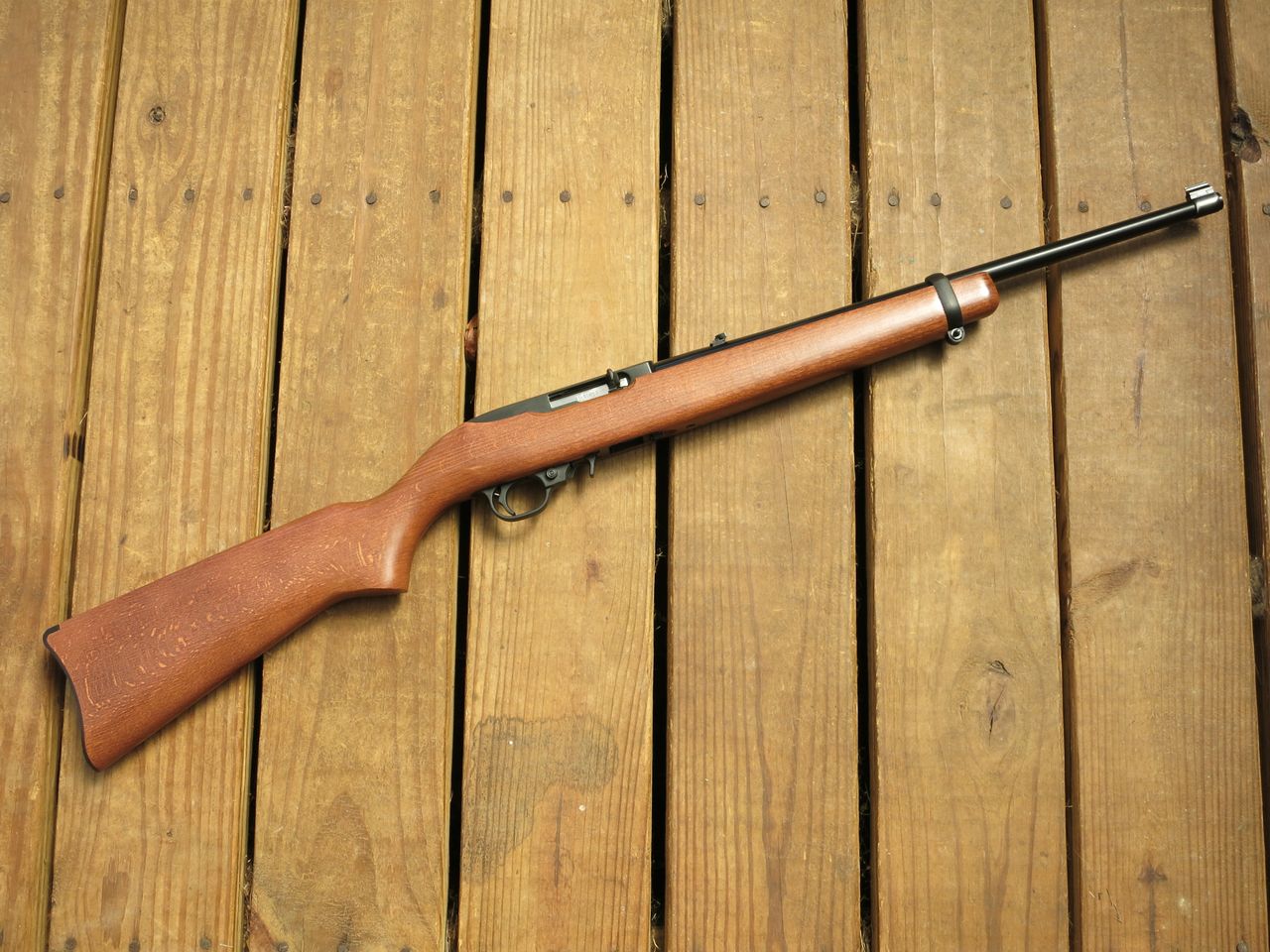
The Ruger 10/22 has been a customization magnet for decades because few rifles combine familiarity, affordability, and ease of improvement so well. Even Ruger’s own manuals for elevated variants show just how far the platform can stretch, including adjustable combs, threaded barrels, enhanced receivers, and rails on Custom Shop configurations. What starts as a simple .22 LR plinker often turns into a project rifle by the second trip to the store.
Most owners begin with practical upgrades. A better optic is usually first, because a 10/22 without decent glass or a useful red dot feels like an unfinished sentence. Then come improved stocks, sling studs, bipods, trigger packs, auto bolt release parts, and extended magazine releases. Many shooters also replace the barrel in pursuit of tighter groups, lighter weight, or a suppressed setup where legal.
The beauty of the 10/22 is that every modification feels proportionate to the mission. A parent may build one into a youth trainer with a compact stock and simple scope, while a rimfire competitor might install a target barrel and tuned trigger almost immediately. It is one of the rare rifles where upgrading does not feel like correcting flaws. It feels like participating in a tradition.
AR-15

No platform gets customized faster, or more aggressively, than the AR-15. The reason is structural: the rifle was designed around separable upper and lower assemblies, modular furniture, and a vast accessory ecosystem. In practical terms, that means owners can change the optic, stock, handguard, trigger, muzzle device, grip, sling setup, and light configuration with minimal drama. The modern AR is less a single rifle than a family of compatible decisions.
That modularity shapes buyer psychology from the start. Many people leave the store with a base carbine and immediately start planning toward a role-specific build. If the rifle is for home defense, the first purchases tend to be a white light, sling, and non-magnified optic. If it is for predators or distance work, owners often move toward magnified glass, a bipod, and a different trigger before the week is over.
The AR’s parts culture also fuels endless refinement. Small ergonomic changes make a big difference in how the rifle shoulders, recoils, and balances, so owners keep tweaking until it feels like an extension of the body. That is why stock ARs rarely stay stock. The platform’s greatest strength is not just versatility in theory. It is how easily that versatility turns into action at the workbench.
Remington 870
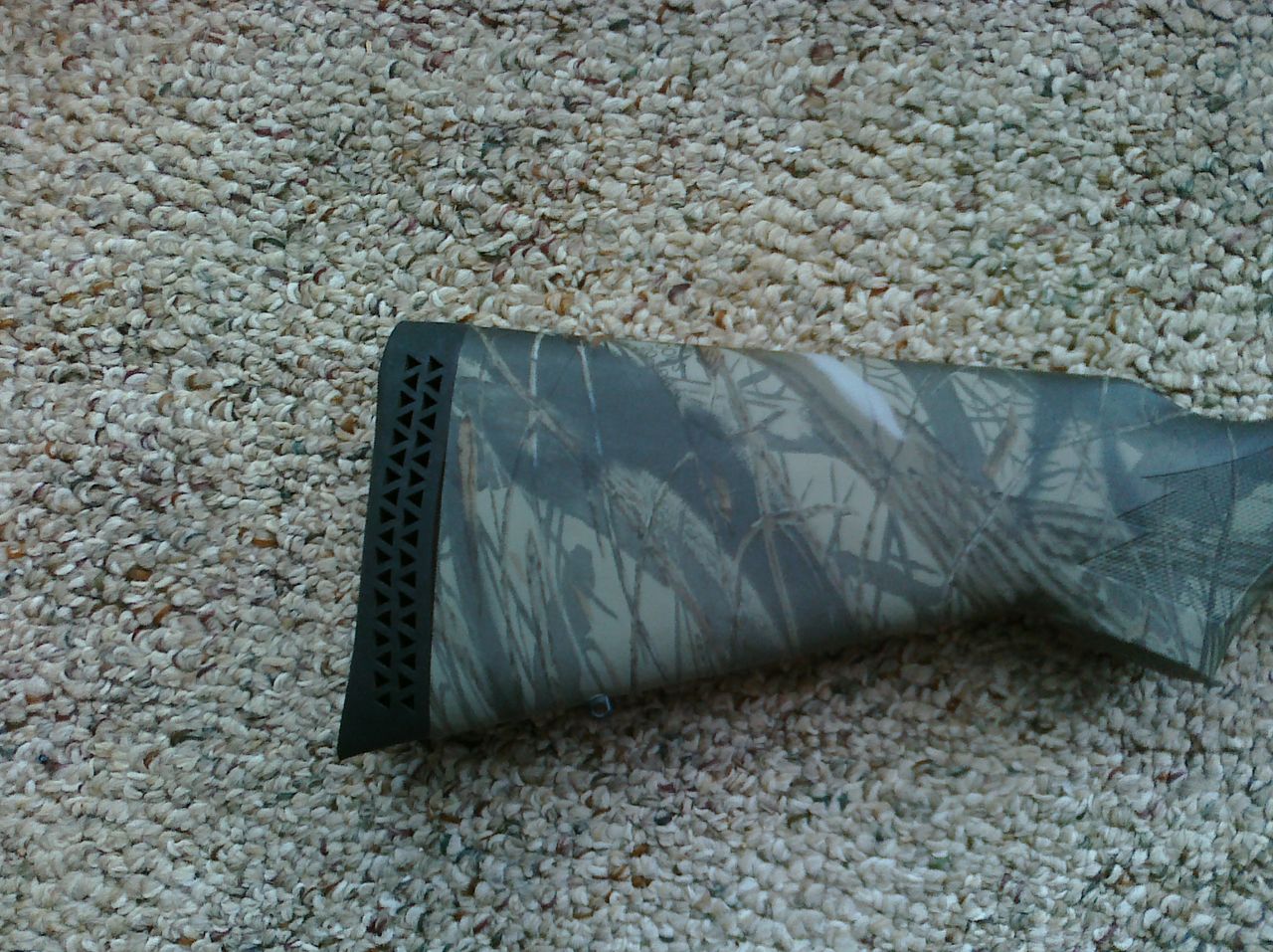
The Remington 870 has been getting personalized almost as long as people have been pumping one. Part of the reason is straightforward utility. The platform supports easy changes in furniture and purpose, and the official 870 documentation notes that same-gauge barrels are interchangeable without adjustment. That single trait has helped generations of owners turn one shotgun into several different tools.
A hunter might buy an 870 and almost immediately add a shorter defensive barrel, a longer vent-rib field barrel, or a turkey setup with specialized sights. Another owner will go the opposite direction, installing a shorter stock, side saddle shell carrier, upgraded recoil pad, and a weapon light for home-defense duty. The changes are practical, not cosmetic, and that is why they happen so quickly.
The 870 also benefits from a long-earned reputation for mechanical familiarity. Gunsmiths know it, accessory makers know it, and owners trust it enough to spend money on it. Even newer factory variants show how the platform evolves with user demand, as RemArms has highlighted adjustable-stock options on current Fieldmaster models. The 870 is not just customizable. It almost trains owners to think modularly.
Mossberg 500

The Mossberg 500 lives in much the same world as the 870, but with its own fiercely loyal following and a similarly upgrade-happy owner base. Mossberg’s support materials and pump-gun manuals make clear that the company has long treated barrel changes and conversion options as a normal part of ownership, including short-barrel conversion materials and compatibility rules across specific 500-family models.
That matters because shotgun owners often want one receiver to cover multiple jobs. A Mossberg 500 bought for deer camp can quickly gain a different barrel for birds, then pick up a flashlight-compatible fore-end or a shorter stock for defensive use. The tang safety and generally straightforward manual of arms also make it popular with households that want a practical, adaptable long gun.
The first-week modifications are usually mission-driven. Recoil pads, stocks with different length-of-pull dimensions, shell cards, upgraded sights, and slings top the list. Unlike some platforms where upgrades are status signals, Mossberg 500 changes are often made to solve immediate handling or use-case issues. That gives the gun a working-tool character, and working tools tend to get fitted to the user fast.
Smith & Wesson M&P 2.0
Smith & Wesson’s M&P 2.0 series has become one of the most commonly personalized striker-fired platforms because it sits right in the sweet spot between factory refinement and owner tweakability. The company’s recent M&P 2.0 variants lean into that reality with optics cuts, flat-face triggers, metal-frame options, and interchangeable palmswells. Smith & Wesson has specifically promoted optics-ready M&P pistols with its updated flat-faced trigger and modular grip fit.
That means buyers are already halfway to a custom gun the moment they unbox it. The next steps usually involve dot sights, aftermarket iron sights, mag wells, grip enhancements, and holsters tuned to lights or compensators. Some owners leave the trigger alone because the newer factory units are better than earlier generations, but many still tune pull weight and reset to match carry or competition needs.
The M&P 2.0 gets altered quickly because it feels like a platform that rewards nuance. A Glock owner often modifies for a wholesale transformation. An M&P owner often modifies for fine adjustment, dialing in texture, sight picture, and balance. That distinction matters. The gun is already competent, so owners tend to customize it not to rescue it, but to sharpen it.
Springfield 1911 DS and Modern 1911 Variants
The 1911 has always attracted tinkerers, but the modern double-stack and optics-ready wave has accelerated that habit. Today’s high-capacity 1911-style pistols arrive with features that practically assume owner involvement, from optic mounting systems to mag wells and tuned controls. Springfield Armory’s Agency Optic System support for the 1911 DS line shows how far the platform has moved into modular red-dot territory.
Customization on these guns happens at two levels. Traditionalists still change triggers, thumb safeties, mainspring housings, grips, and sights to perfect feel and break. New-school buyers move just as fast, but they start with optics plates, competition dots, extended base pads, and recoil tuning to suit specific loads and match formats.
That mix of old and new is what keeps the platform in the first-week upgrade club. The 1911 triggers obsession because it rewards detail. Tiny changes in grip thickness, trigger geometry, or sight setup can noticeably alter performance. On modern 1911 DS pistols, the same instinct now blends with contemporary expectations for capacity and optics. The result is a gun people buy with affection, then immediately start perfecting.
CZ Shadow 2 and Beretta 92X Performance
Competition pistols might seem like guns that should stay stock, but in reality they often get personalized at remarkable speed. The CZ Shadow 2 and Beretta 92X Performance are prime examples because both are already serious performers that still invite owners to fine-tune fit, balance, and sighting systems. CZ’s catalog has described the Shadow 2 line in terms of customization to each shooter’s needs, while the optics-ready Shadow 2 has been positioned squarely for Carry Optics competition.
Beretta’s 92X Performance line follows the same logic from a different design lineage. Beretta highlights optic-ready variants, adjustable safeties in multiple profiles, oversized controls, and a beveled mag well aimed at practical shooting use. When a pistol is marketed with that much competitive intent, owners naturally keep tuning.
The first-week changes are rarely random. Shooters swap grip panels, install preferred optic plates and dots, alter recoil spring weights, and adjust controls to match hand size and division rules. These are not casual purchases, so the buyers tend to know exactly what they want before the box is open. In that sense, these pistols may be the purest examples of customization culture: expert-level tools refined by expert-level preferences.