Some first seasons create confident, capable hunters. Others create avoidable mistakes.
That is why the idea of requiring mentorship before a first solo season deserves a serious look.
Why The Question Keeps Coming Up
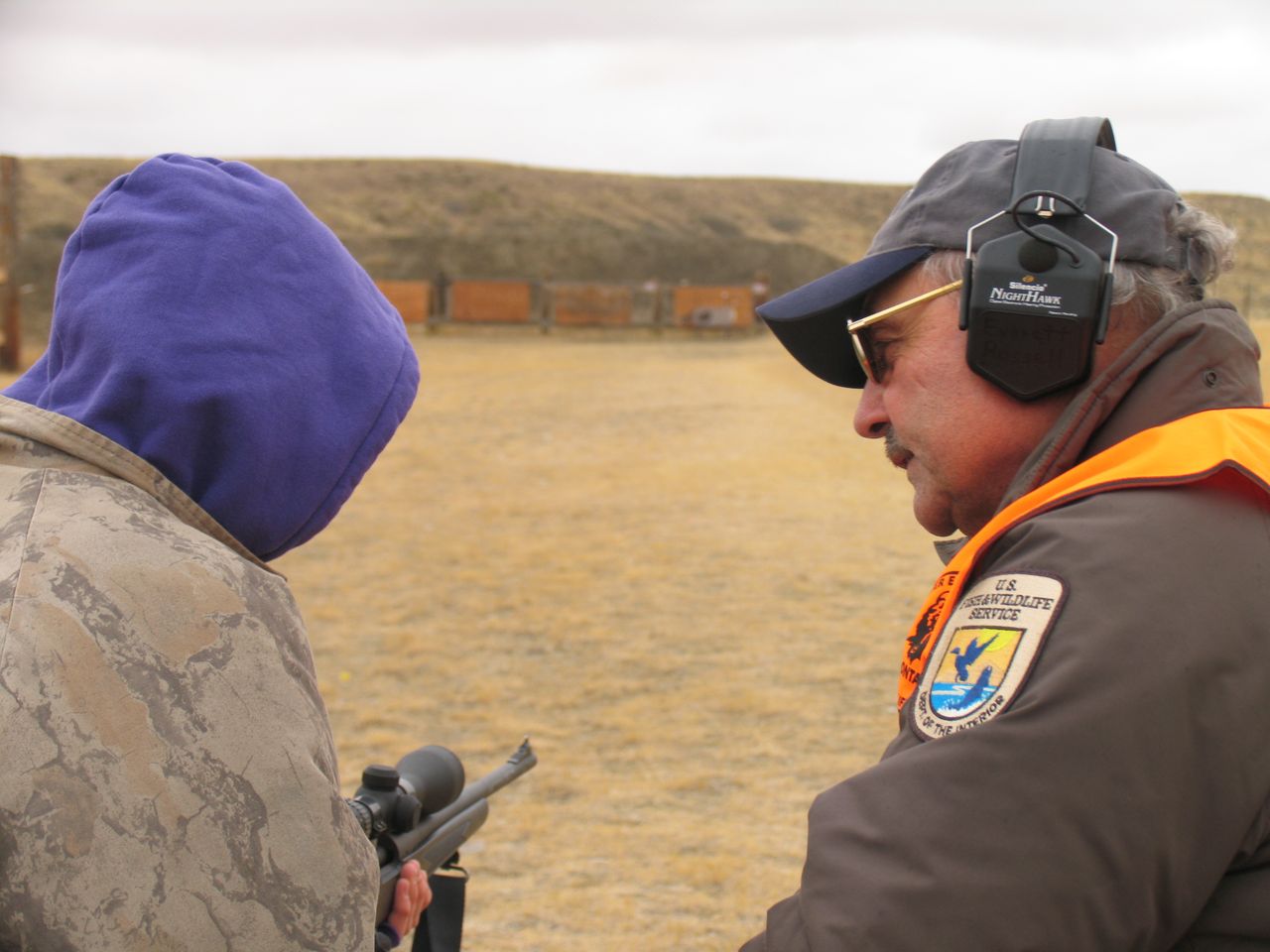
The case for mentorship starts with a simple truth: hunter education and actual field experience are not the same thing. A classroom can teach safe zones of fire, species identification, and legal requirements, but it cannot fully reproduce buck fever, low-light judgment, rough terrain, or the pressure of deciding whether to shoot. That gap is exactly why many experienced hunters believe a first season should not begin alone.
The broader hunting community has been moving in that direction for years, even if not always through mandates. IHEA-USA says nearly 40 million students have completed hunter education since 1949, and the organization now promotes programs meant to bridge the gap between certification and a first real hunt. Its Hunters Connect and mentor resources are built around the idea that passing a course is only the beginning, not the finish line.
State wildlife agencies have also embraced the concept in practice. Texas Parks and Wildlife offers mentored hunting workshops specifically for first-time hunters, while Wisconsin and Michigan both provide mentored or apprentice-style pathways that let beginners hunt under supervision before going fully independent. The common thread is clear: agencies see supervised experience as valuable, even when they stop short of making it a universal legal requirement.
What A Good Mentor Actually Prevents
The strongest argument for requiring mentorship is not tradition. It is risk reduction. The International Hunter Education Association’s standards make plain that hunter education exists to reduce dangerous hunting-related incidents and produce hunters who are safe, law-abiding, and responsible. That mission is easier to achieve when a beginner spends time beside someone who can correct mistakes in real time.
A mentor can stop the errors that rarely show up on written tests but appear constantly in the field. Think about misjudging distance across a ravine, failing to notice another hunter moving behind brush, rushing a shot angle from a tree stand, or confusing legal game with a protected species at first light. Those are not abstract concerns. They are practical decision points where a novice often benefits from a calm second set of eyes.
Mentorship also teaches discipline that is hard to standardize in a course. A new hunter learns when not to shoot, how to slow down after spotting movement, how to track without trespassing, and how to handle a wounded animal with composure. In other words, mentorship often prevents not just accidents, but sloppy habits. That matters because the first season is when shortcuts become routines, and routines tend to stay with a hunter for years.
The Best Argument Against Making It Mandatory

Even if mentorship is beneficial, making it legally required creates a different set of problems. The biggest is access. Not every first-time hunter has a parent, grandparent, family friend, or local club member available to guide them. In many places, especially for adults entering hunting later in life, the hardest part is not licensing or gear. It is finding a trustworthy person with time, land access, and enough patience to teach well.
The recruitment side of hunting policy has to take that seriously. NSSF’s R3 work and IHEA-supported retention research both point to social support as a major factor in whether people start and stick with hunting. But those same findings imply a policy risk: if mentorship becomes one more gate that a beginner cannot easily clear, some newcomers will simply give up. A rule intended to improve safety could unintentionally shrink participation.
There is also a fairness issue. A mandate works differently for different people. Someone from a hunting family may satisfy the requirement in a weekend. A first-generation hunter in a city may need months of searching, travel, extra money, and luck. Good policy should raise standards without turning hunting into an insider system. If the rule depends too heavily on personal connections, it will favor the already-connected and frustrate exactly the people wildlife agencies are trying to welcome.
Where Current Programs Offer A Better Model
Many existing state systems point toward a middle path: supervised first experiences without an absolute precondition for every solo opener. Wisconsin’s mentored-only license allows newcomers to hunt under one-on-one supervision without first completing hunter education, while its independent path still requires hunter education later. Michigan’s apprentice structure follows a similar logic, giving beginners an on-ramp before they operate on their own.
That model matters because it treats mentorship as a practical runway, not a legal wall. Texas has done something similar through mentored workshops that focus on first-time hunters and skill-building in a structured environment. These programs lower intimidation, provide access, and create controlled teaching moments without assuming every novice already knows a veteran hunter personally.
The lesson is that policy works best when it expands opportunity instead of merely adding obligations. If states want better first-season outcomes, they can multiply mentored hunts, improve sign-up systems, and pair beginners with vetted volunteers. IHEA-USA’s mentor tools and course infrastructure show that the building blocks already exist. The smarter move may be to normalize mentorship through public programs and incentives rather than criminalize going solo without it.
Safety Is Only Half The Story
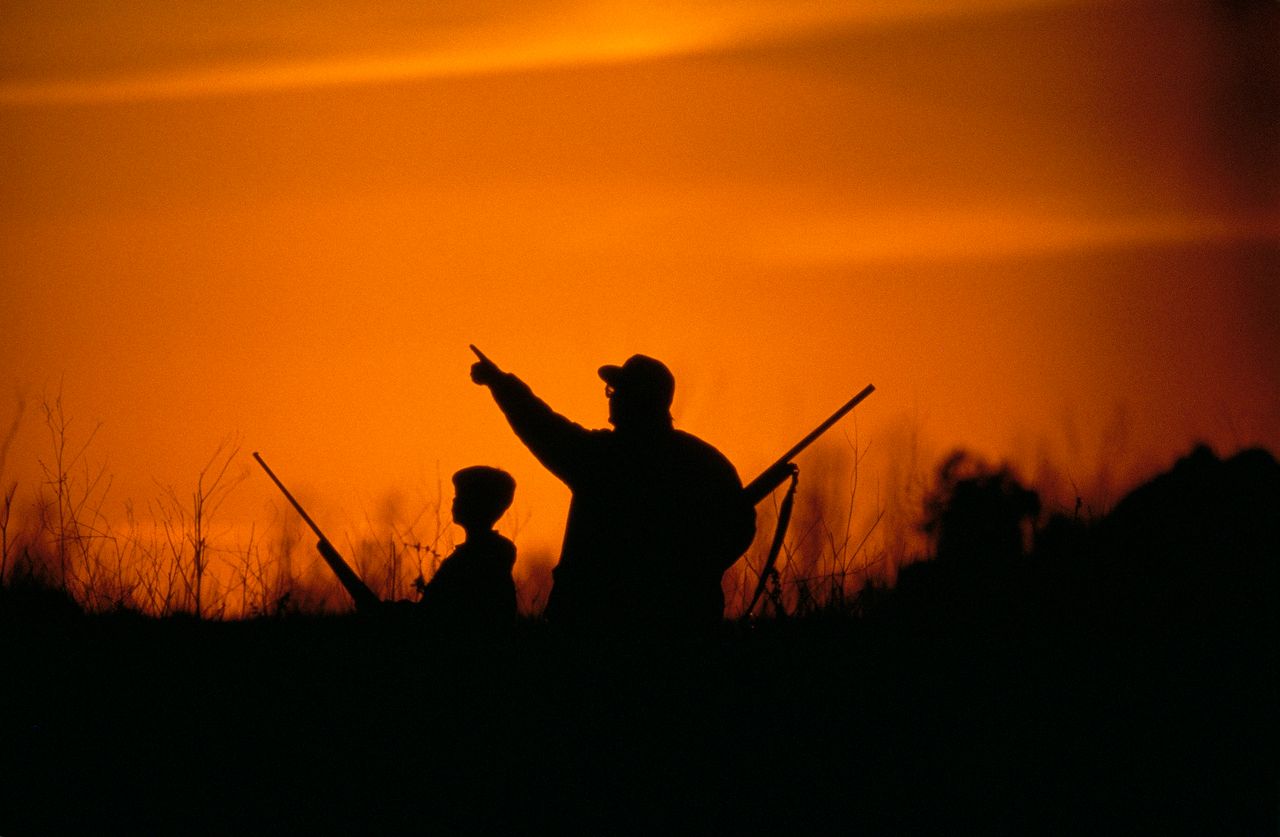
A mentor does more than keep a beginner from making a dangerous mistake. A good mentor shapes what kind of hunter that person becomes. That includes judgment about shot selection, respect for landowners, patience with bad weather, and a realistic understanding that success is not measured only by a filled tag. These lessons are cultural as much as technical, and they are often what separate ethical hunters from merely legal ones.
That distinction matters to the future of hunting. The IHEA-USA standards explicitly connect hunter education not only to safety, but also to conservation, public image, and responsibility. When a novice learns from someone careful and principled, the impact reaches beyond one season. Better field behavior means fewer conflicts with nonhunters, less wasted game, stronger landowner trust, and a more defensible public face for hunting overall.
Still, ethics are not guaranteed by age or experience alone. Some veteran hunters are terrible teachers, and some pass down lazy habits along with useful ones. That is another reason a broad legal mandate can miss the mark. The real goal is not simply to put any adult beside any beginner. It is to connect new hunters with competent mentors who model safety, restraint, legality, and respect from the first morning afield.
What A Sensible Requirement Could Look Like
If a state did decide to require mentorship before a first solo season, the rule should be narrow, flexible, and easy to satisfy. One smart version would be a field-checkoff model: complete hunter education, then complete 1 supervised mentored hunt or a certified field day covering shooting decisions, game identification, recovery, and firearm handling outside the classroom. That would target the experience gap without making newcomers dependent on private relationships.
Another workable option would be allowing several paths to qualify. A beginner could meet the standard through a mentored public hunt, a hunter education field practicum, a certified apprentice outing, or documented participation with an approved volunteer mentor. Multiple pathways matter because rural teenagers, adult career-changers, veterans, and suburban first-generation hunters all enter the sport differently.
The wrong version would be vague and hard to complete. If the rule says “find a mentor” but provides no state-supported network, no affordable programs, and no practical scheduling options, it becomes a barrier rather than a safeguard. Requirements only work when agencies build the support system first. Without that investment, even a well-meant law will produce frustration, uneven enforcement, and little measurable benefit.
My Take: Strongly Encourage It, But Be Careful With Mandates
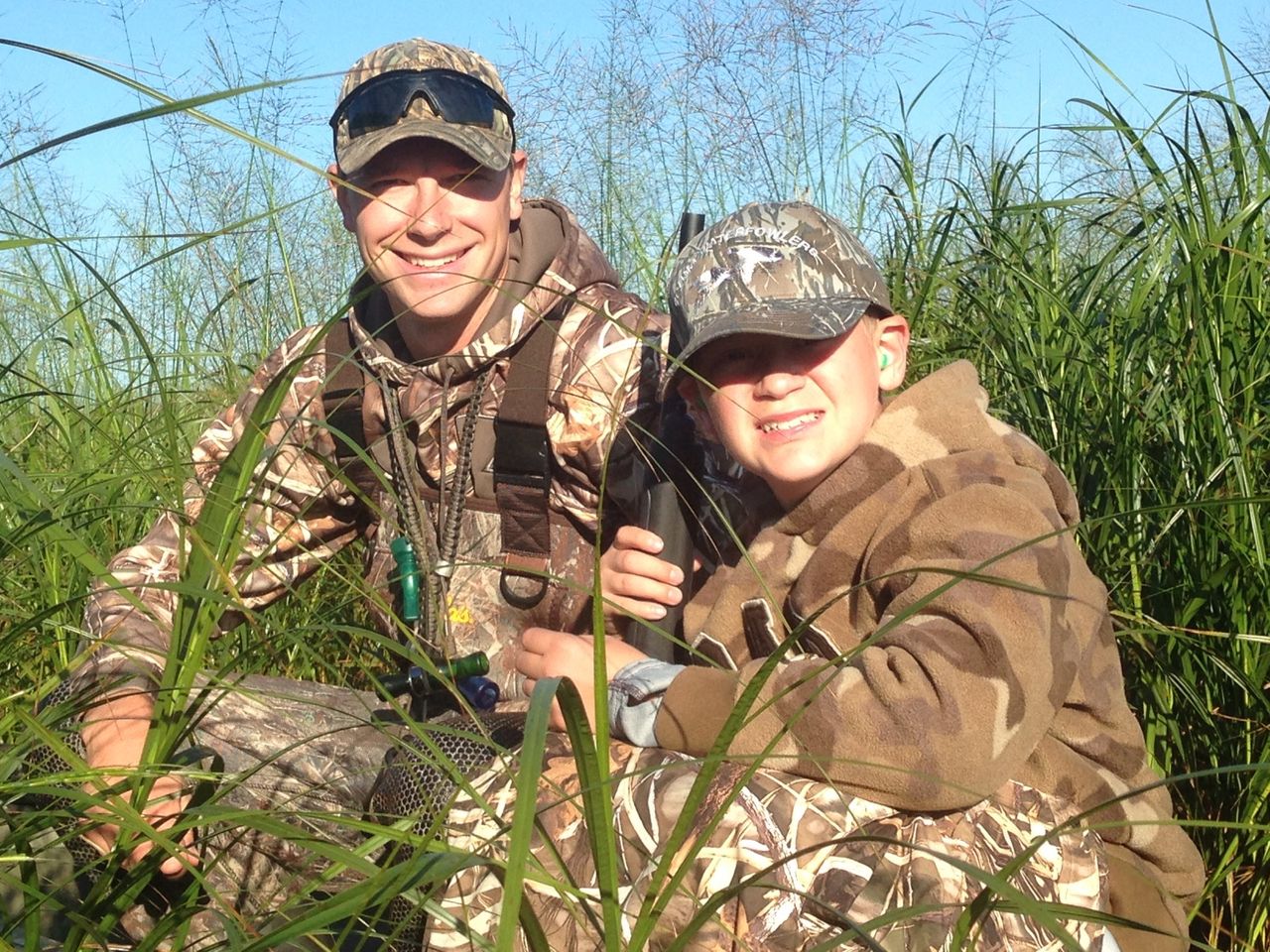
On the merits, I think every first-time hunter should have some mentored field experience before a solo season. That is not a hard sell. It improves judgment, lowers the chance of preventable mistakes, and gives beginners a better shot at becoming competent, ethical hunters instead of just licensed ones. In a perfect world, no one would head out alone for their first opener without first spending real time with somebody who knows what they are doing.
But “should happen” and “should be legally required” are not always the same thing. A universal mandate sounds tidy, yet it can punish the exact people who lack hunting family ties or easy access to land and mentors. In practical terms, strong encouragement plus widely available structured programs may do more good than a strict rule that is unevenly reachable.
So my answer is this: mentorship should be treated as the expected standard before a first solo season, but states should be cautious about making it an absolute requirement unless they can guarantee broad, affordable access. Build the mentor network first. Expand apprentice and workshop programs. Make supervised field experience normal. Once that support exists, a limited requirement becomes much easier to defend.