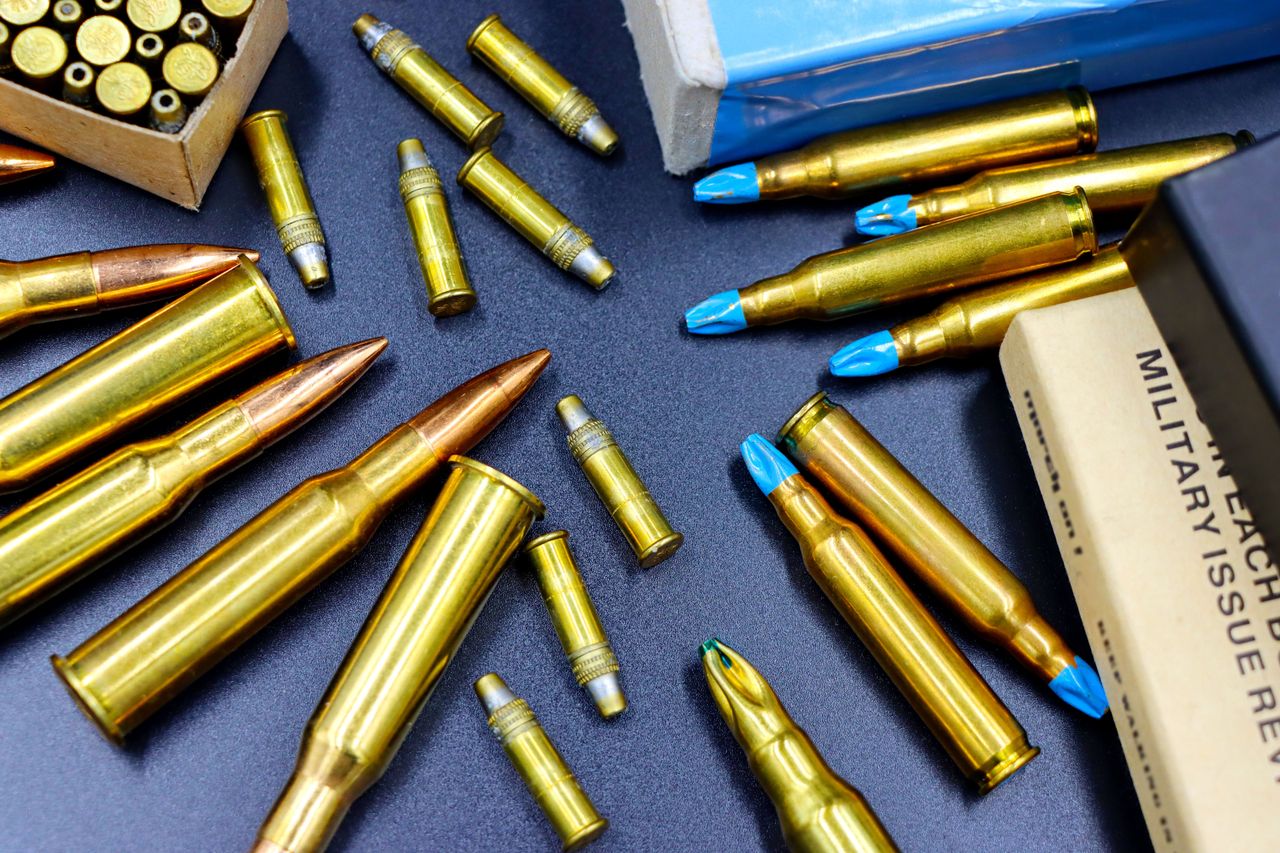
Ammunition can sit untouched for years and still seem perfectly fine, right up until the moment it is not. Long-term storage is less about hiding boxes on a shelf and more about controlling the small conditions that quietly cause damage over time. These are the lessons many gun owners only discover after corrosion, misfires, or wasted money force the issue.
Temperature swings do more harm than steady heat
Many owners worry about high temperatures, but constant fluctuation is often the real problem. Ammo that moves from hot afternoons to cool nights, or from a heated house to an uninsulated garage, experiences expansion and contraction that can stress packaging and invite moisture to condense where you cannot see it.
That means a closet inside a climate-stable home usually beats a shed, attic, or trunk, even if those places seem convenient. Long-term storage works best when the environment stays boring. With ammunition, boring is exactly what preserves reliability.
Humidity is the enemy you usually do not notice
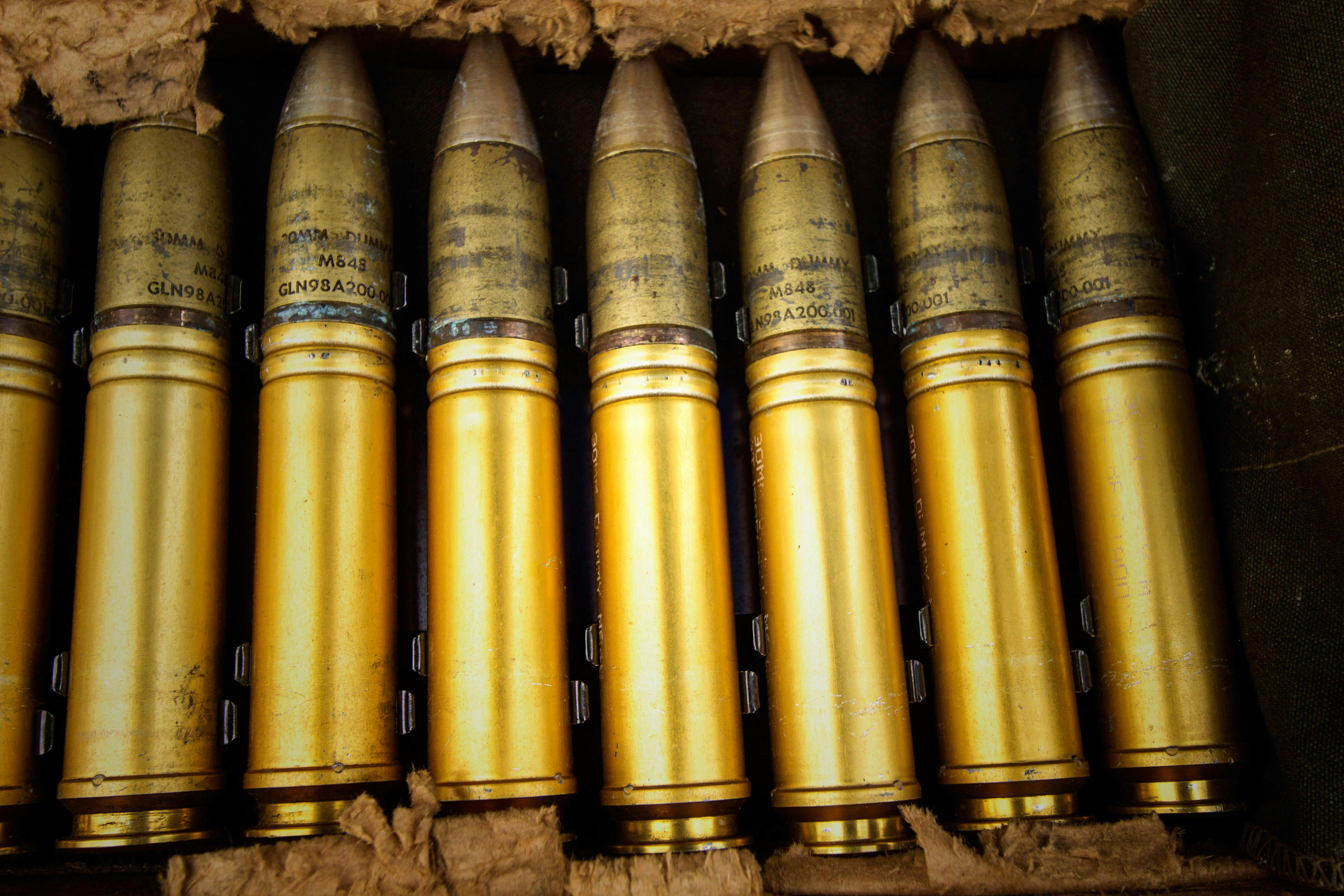
Ammunition rarely announces that moisture is creeping in. The boxes may still look decent while brass begins to tarnish, steel cases start to spot, and cardboard packaging slowly softens. By the time corrosion is obvious, the damage may already be deeper than it appears.
This is why basements, detached garages, and storage units deserve extra suspicion. A dry room with stable humidity beats a larger space every time. If you store ammo for years, moisture control is not a bonus feature. It is the main event.
Factory boxes are not always enough for decades
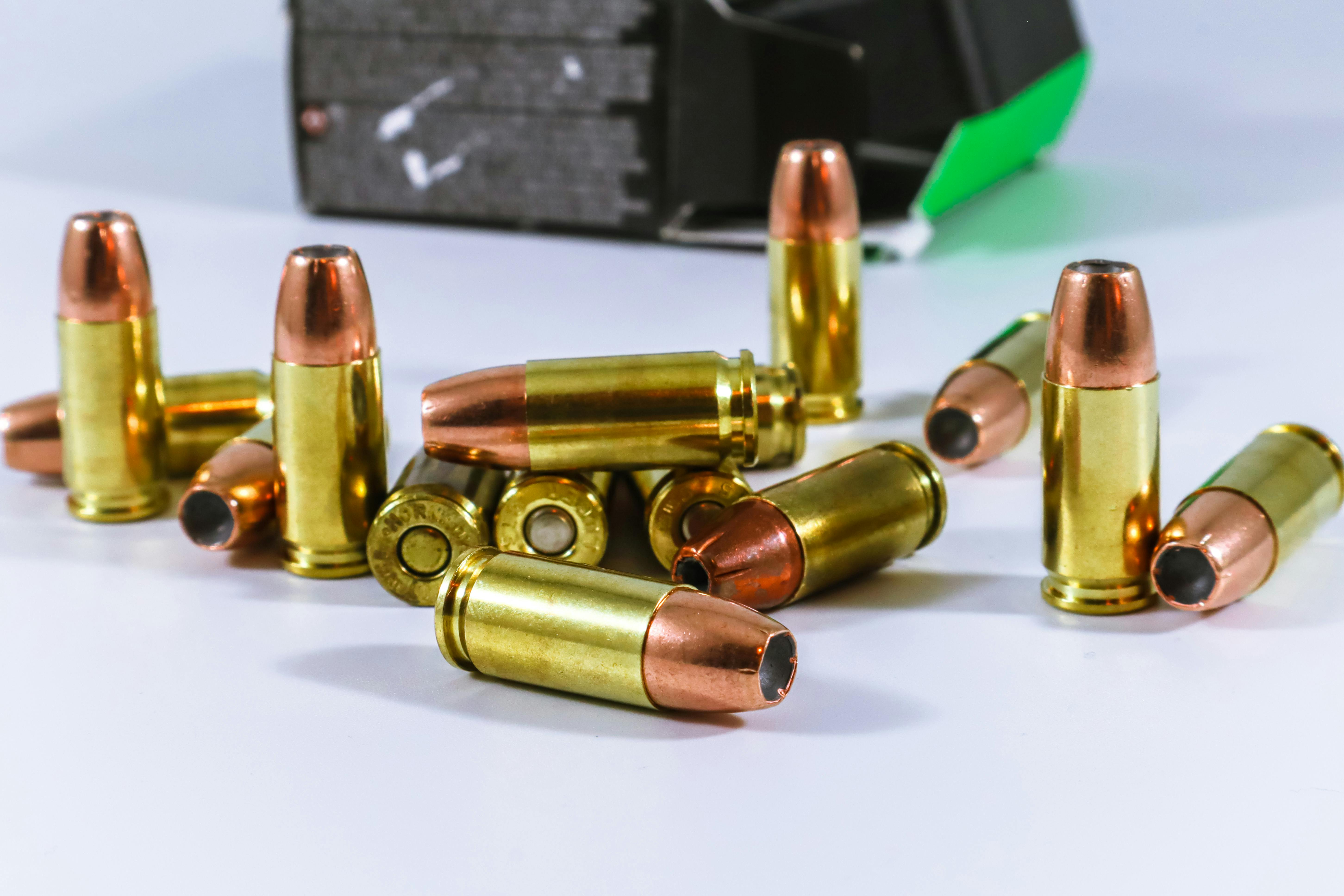
Original packaging is useful for identification, lot tracking, and organization, but it is not always designed for very long storage in imperfect conditions. Cardboard absorbs moisture, paper labels fade, and plastic trays can become brittle if they are left in harsh environments for years.
That does not mean you should toss factory boxes immediately. It means those boxes often need a second layer of protection, such as an airtight can or sealed container. Think of factory packaging as the first line, not the fortress.
Ammo cans only work if the seal still works

People love surplus ammo cans for good reason, but many assume every can is automatically airtight forever. In reality, the rubber gasket can dry out, crack, warp, or simply fail to seal if the lid is bent or the rim is dirty. A great container is only great when it actually closes properly.
Before trusting a can for long-term storage, inspect it closely and clean the contact surfaces. If the gasket looks tired, replace it or retire the can. The label on the outside means very little if the seal is compromised.
Desiccants help, but they are not magic
A silica packet tossed into a can makes people feel prepared, but desiccants have limits. They absorb only so much moisture before becoming saturated, and if the container is not well sealed, they are fighting a battle they cannot win. One little packet does not erase a bad storage environment.
Desiccants work best as part of a system that already includes a dry space and a sound container. They also need occasional replacement or recharging, depending on the type. Good storage is maintenance, not a one-time ritual.
Loose rounds can age worse than organized stock

A pile of loose ammunition in mixed containers tends to get handled more, shuffled around more, and forgotten more easily. Rounds rub together, finishes wear, and important details like caliber, load, and purchase date can disappear once the original box is gone.
Organized storage reduces both physical wear and mental mistakes. Keeping ammo sorted by caliber and lot, with clear labels, makes rotation easier and helps you spot problems sooner. Disorder does not just look sloppy. Over time, it can become expensive and unsafe.
Basements create more risks than many people expect

Basements seem ideal because they are dark, out of the way, and often cooler than the rest of the house. The catch is that many basements carry chronic moisture, hidden leaks, concrete humidity, and seasonal dampness that quietly affect anything stored for years.
Even a finished basement can have microclimates near exterior walls or floors where condensation appears. If that is your only option, elevate containers off the ground and monitor humidity rather than guessing. A basement can work, but only if you treat it like a problem to manage.
The floor is a worse storage spot than it looks

Setting ammo cans directly on concrete feels harmless, especially when the container itself seems rugged. But concrete can transfer moisture, stay cooler than the surrounding air, and create conditions where condensation forms on or around the container. It is a subtle issue that catches plenty of people off guard.
Raising ammo even a few inches on shelving, wood slats, or a rack adds useful protection. It also helps with airflow and makes inspection easier. The lowest point in the room is often the last place your long-term stash should live.
Corrosion can start small and still matter

A little discoloration is easy to shrug off, especially when a round still looks mostly normal. But corrosion on the case, primer area, or bullet can signal chemical change that affects feeding, ignition, or extraction. The trouble is that minor surface issues do not always stay minor.
Periodic inspection matters because it gives you a chance to separate questionable rounds before they get mixed back into good stock. If ammunition looks significantly corroded, dented, or contaminated, storing it longer will not improve it. Time rarely fixes chemical damage.
Rotation matters even when ammo lasts a long time

Ammunition can remain usable for many years when stored correctly, and that long shelf life makes people complacent. They buy more, stack it deeper, and assume the oldest boxes can wait indefinitely. Then one day they discover faded labels, mystery loads, or stock that has not been checked in a decade.
A simple first-in, first-out habit prevents that drift. Shoot older practice ammunition first, keep purchase dates visible, and review your stash occasionally. Longevity is not the same thing as invincibility, and long-term storage still benefits from turnover.
Oil and solvents should stay away from cartridges

Many gun owners are careful about rust prevention, but that instinct can backfire around ammunition. Oils, penetrating fluids, and cleaning solvents can migrate into primers or powder if cartridges are exposed long enough, especially when they are stored near soaked rags, leaking bottles, or heavily treated firearms.
A clean storage area means separating ammo from chemicals, not crowding everything into one convenient box. Cartridges do not need to be polished, sprayed, or wiped down with protectants. Dry, stable, and uncontaminated is the safer long-term formula.