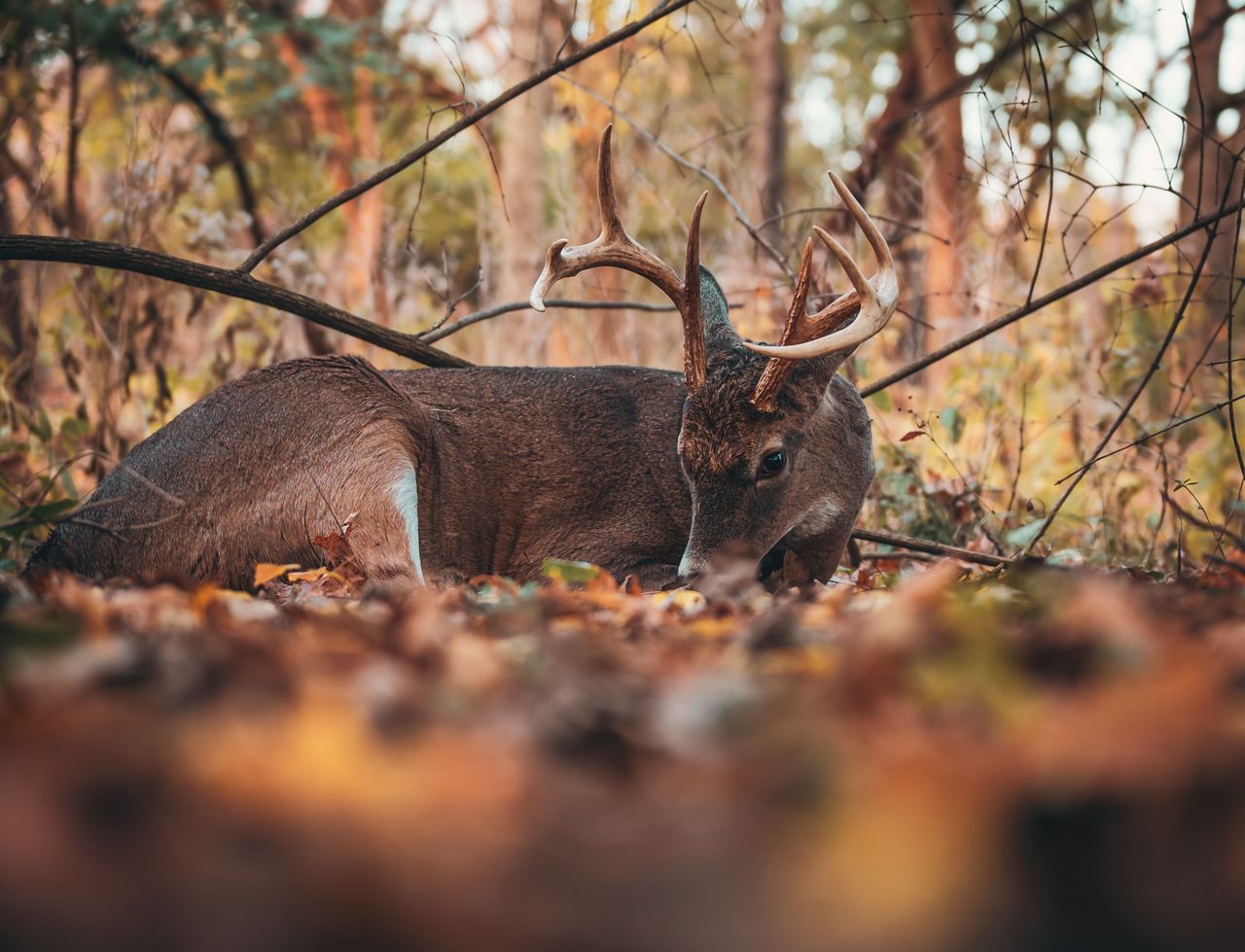
For many Midwest deer hunters, the biggest surprise is not how effective a ground blind can be, but how often it outperforms a favorite tree stand. When weather turns ugly, field edges get exposed, or mobility matters more than height, the right blind can completely change the hunt. These eight options and setups consistently earn high marks from whitetail hunters who care about staying hidden, comfortable, and in the right place at the right time.
Hub-style pop-up blind

If there is one design that keeps showing up in serious whitetail camps, it is the hub-style pop-up blind. Hunters like how quickly it deploys and how easily it fits changing conditions, especially on field corners, picked corn edges, and brushy fence lines where a stand can leave you badly exposed.
What pushes it ahead of many elevated stands is comfort and forgiveness. You can sit longer, move more naturally, and bring extra layers when a November wind starts cutting across open ground. In the Midwest, where weather can sour in a hurry, that all-day usability often means more deer sightings and calmer shot opportunities.
Low-profile brushed-in blind
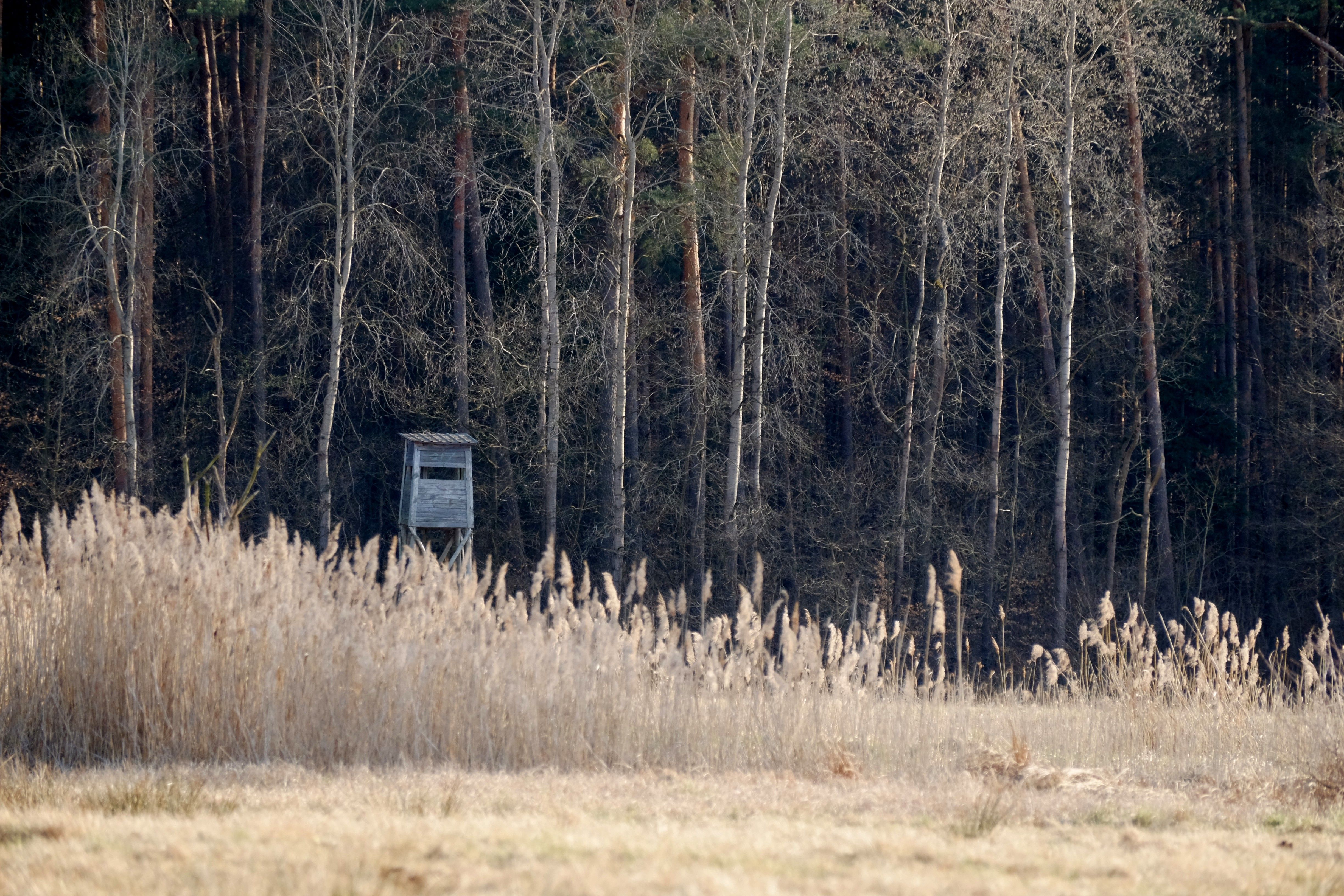
A low-profile blind brushed in with native cover is a favorite among hunters who want a setup that disappears rather than announces itself. Tucked into switchgrass, goldenrod, or cedar edges, it breaks up its outline so well that mature bucks often treat it like just another part of the landscape.
Midwest hunters rate this style highly because it works in places where a stand is impossible or too visible. It also shines in late season when deer have been pressured from above and notice every new silhouette in a tree. When the blind melts into the cover and remains in place, deer confidence tends to rise fast.
Blind tucked into a field corner
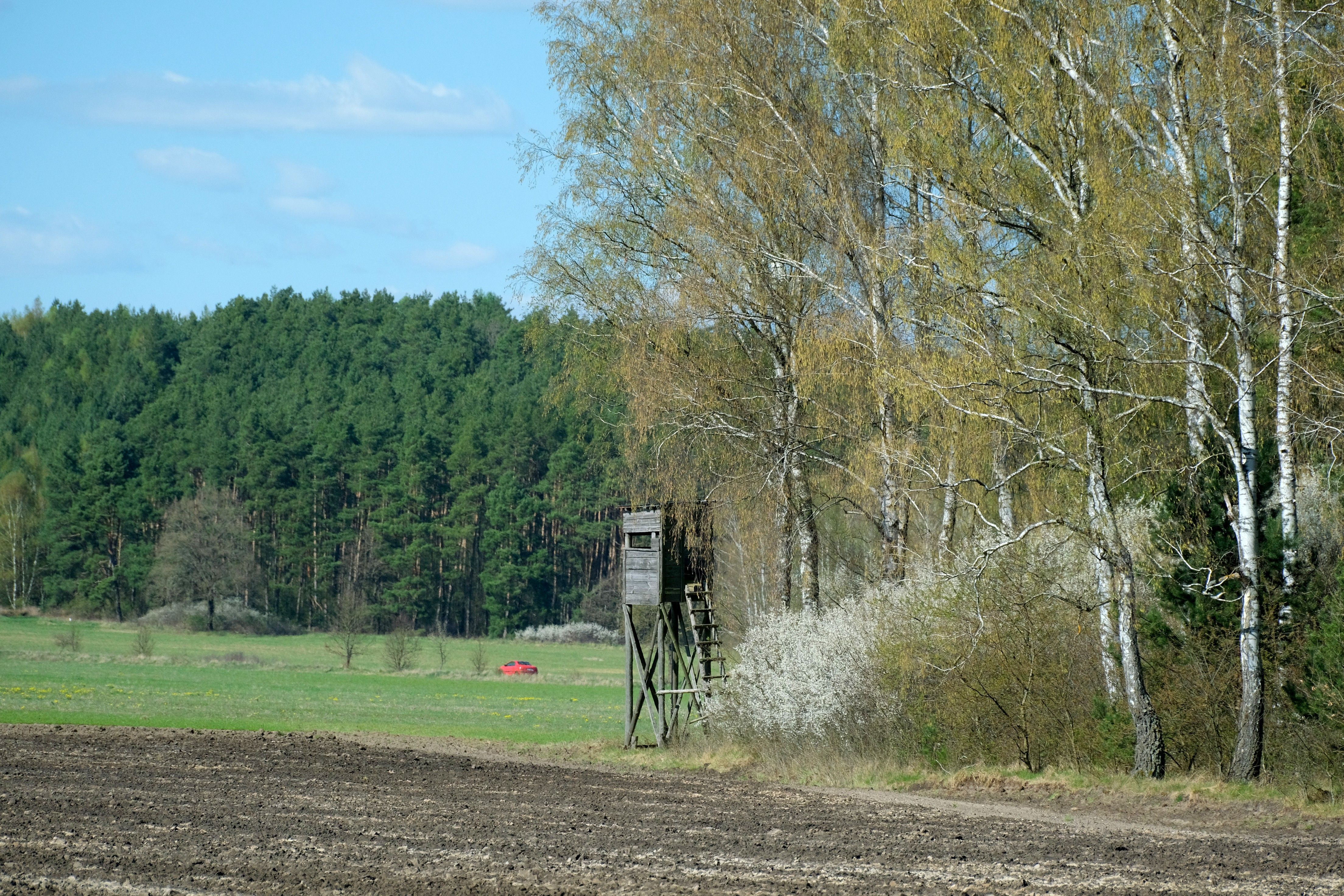
Field corners are classic Midwest ambush points, and a blind set there can be more effective than an elevated stand simply because it matches how deer naturally use the terrain. Bucks often stage in those overlooked pockets before entering beans, cut corn, or alfalfa, especially during the last hour of light.
Hunters appreciate how a blind can be positioned with precision, sometimes just a few yards making the difference between a rushed look and a broadside shot. In windy regions where tree movement can betray a stand hunter, a well-placed blind in a brushed corner stays quiet, stable, and far less obvious.
Blind overlooking a creek crossing

Creek crossings concentrate movement in a way few other natural features can. A blind set back from the bank gives hunters a level, concealed shooting position while keeping human outline and scent disruption lower than a bulky stand hanging over a narrow corridor.
This setup gets strong reviews from Midwest hunters who chase rut travel routes through timber and farm country. Water, steep banks, and soft-bottom crossings force deer into predictable lanes, and a blind lets you hunt them in rough weather without swaying, creaking, or fighting for footing. That comfort matters when the best movement happens during cold, damp sits that seem to drag on forever.
Shadowed timber-edge blind

A blind set just inside the shade line of a timber edge gives hunters one of the best concealment advantages in whitetail hunting. From the field, the dark interior reads as part of the woods, and deer stepping out often focus on the opening ahead rather than the hunter tucked a few yards back.
Midwest hunters love this style because it combines cover, manageable shot distance, and flexible entry routes. It is especially useful on small woodlots where an elevated stand can make access noisy and obvious. In a blind, movement is masked better, and the setup often feels less intrusive in places where mature deer already sense pressure.
Box-style panel blind at ground level

Not every top-rated blind is a fabric pop-up. Ground-level box or panel blinds have earned loyal followings among hunters who value durability, weather protection, and the ability to leave a setup in place season after season without much fuss.
In the Midwest, that matters on farms where deer pattern changes are subtle but repeatable. A solid blind can be brushed in heavily, handles wind better than softer materials, and stays huntable through rain, sleet, and bitter late-season cold. Hunters who have spent miserable days in exposed stands often say these blinds keep them focused, patient, and far more willing to wait out the final minutes.
Run-and-gun lightweight blind
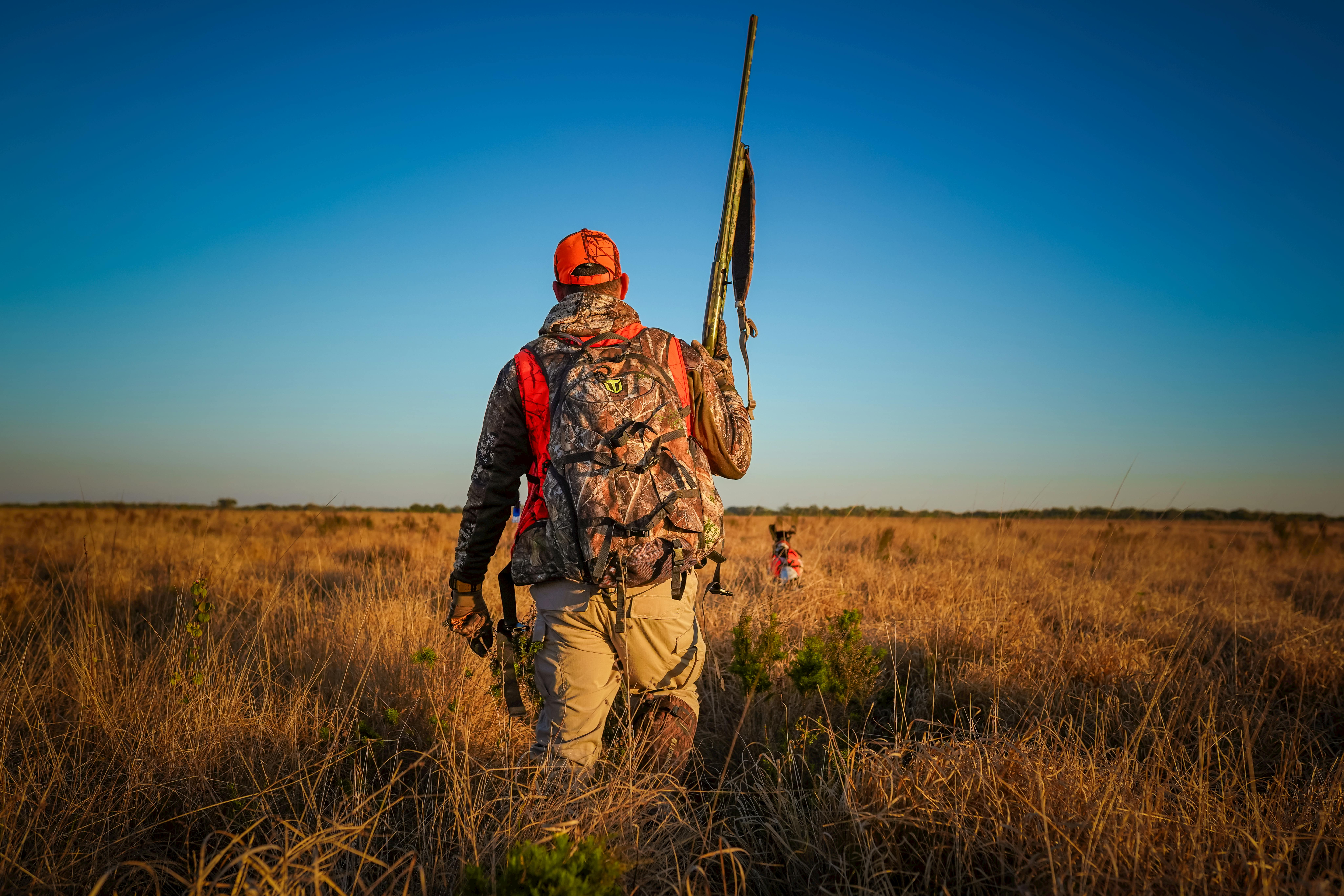
A lightweight blind appeals to hunters who do not want to be married to one tree or one pattern. When acorn drops shift, crops come out, or fresh sign pops up overnight, being able to move quickly can matter more than having a permanent elevated setup.
That mobility is why so many Midwest hunters rank this style above traditional stands for certain parts of the season. It lets you adapt to changing winds and fresh buck movement without the noise and labor of hanging and rehanging gear. In pressured areas, that fast adjustment often turns a stale setup into a same-week encounter with a deer that rarely gives second chances.
Blind built for gun-season visibility and warmth
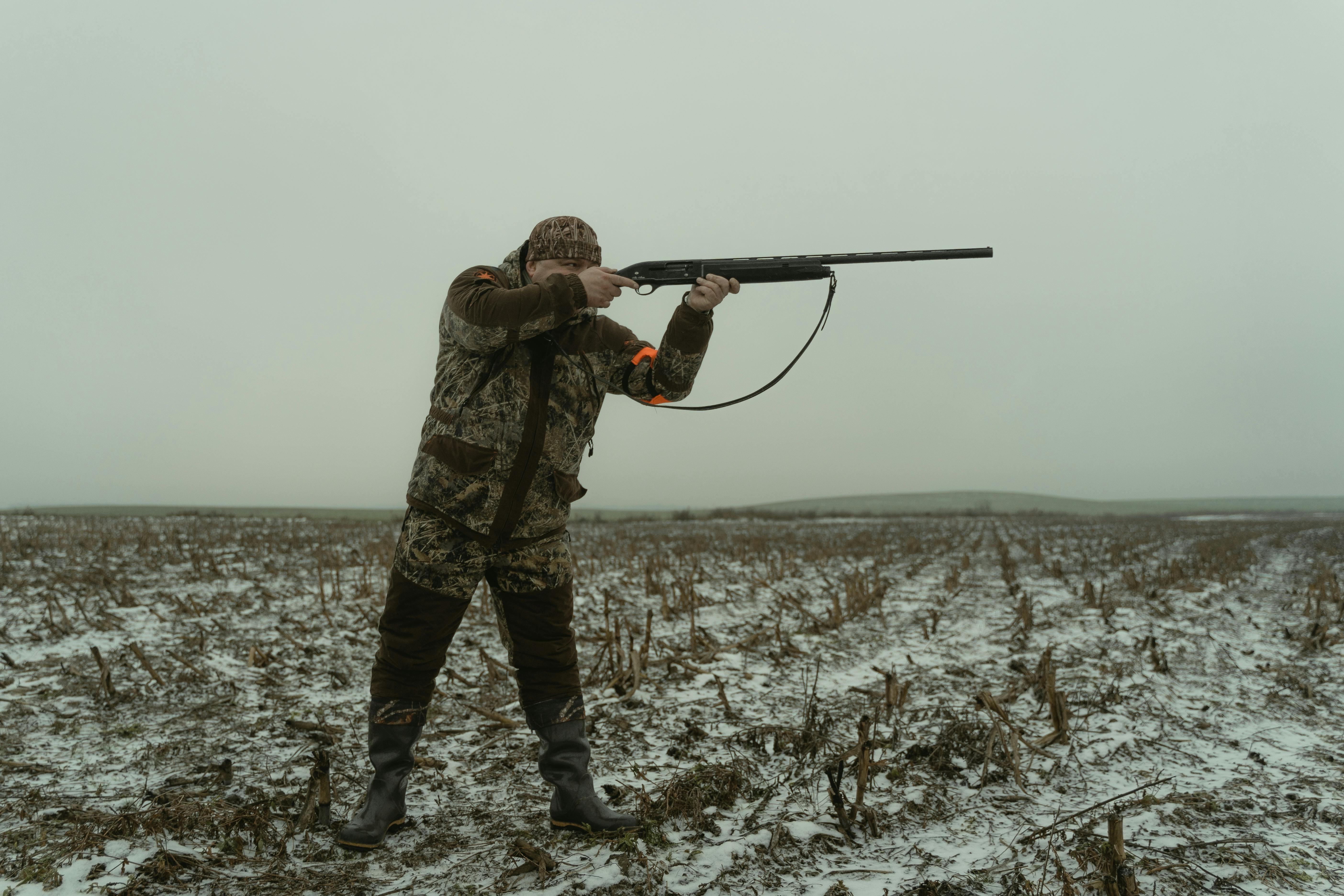
During the Midwest gun season, hunters often prize two things above all else: visibility and warmth. A ground blind with wide window options, a dark interior, and enough room for bulky layers can outperform a stand because it keeps hunters steady, alert, and comfortable through long, cold sits.
It also feels safer and more practical for mixed terrain, family properties, and high-pressure weekends when deer move unpredictably. Instead of battling frozen fingers in a swaying perch, hunters can glass openings, rest a firearm securely, and stay hidden from sharp-eyed does. For many, that combination makes the blind not just easier to hunt from, but genuinely more effective.