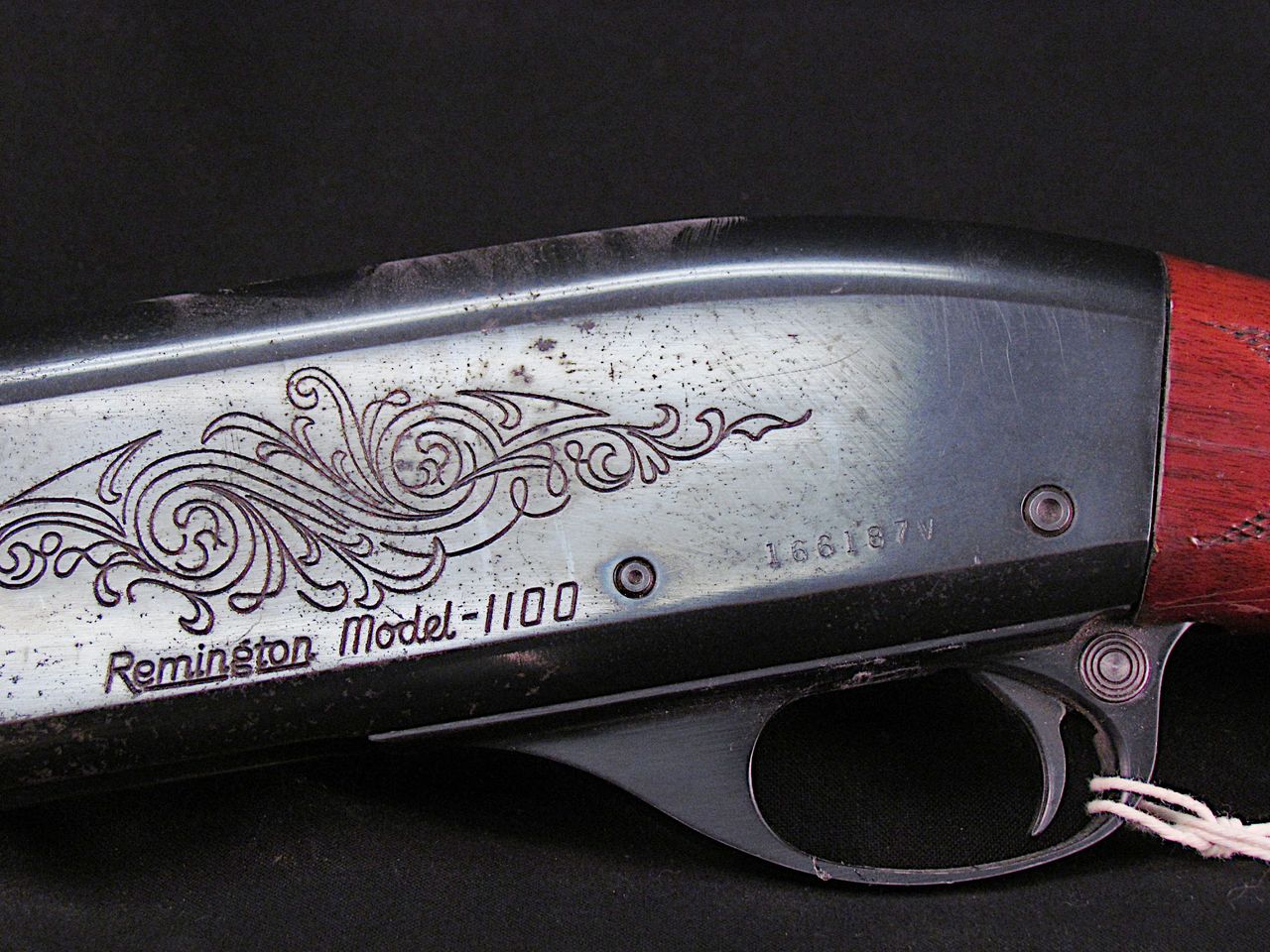
The Remington 1100 has earned a loyal following for good reason. It is smooth, soft-shooting, and easy to love, but longtime owners know it also has a few personality traits that can surprise newcomers. This gallery breaks down eight common quirks that can affect reliability, handling, and upkeep, so you can enjoy the classic without getting caught off guard.
It likes to run clean

The Remington 1100 has a reputation for smooth shooting, but it also has a reputation for telling you when it is dirty. Carbon and powder residue build up in the gas system, magazine tube area, and action parts faster than some owners expect, especially after a long day with cheap target loads.
When the gun starts feeling sluggish, the fix is often simple. A careful cleaning can bring the cycling back to life and make the gun feel refined again. Owners who treat the 1100 like a regular maintenance gun, not a neglect-and-forget shotgun, usually have a much happier experience over time.
That is part of the design’s charm and part of its demand. It rewards attention.
The gas O-ring is small but critical

Few shotgun parts inspire more owner folklore than the little gas seal O-ring on the 1100. It is tiny, inexpensive, and absolutely central to proper operation. If it is cracked, missing, or cooked from age and heat, the gun can start short-stroking or fail to cycle altogether.
That means one of the smartest habits an owner can develop is keeping a spare or two in the range bag. It is the kind of part that can turn a great outing into a frustrating one without much warning.
For many 1100 fans, replacing that ring is simply part of routine care. Ignore it, and the gun may remind you quickly.
Light loads can be hit or miss
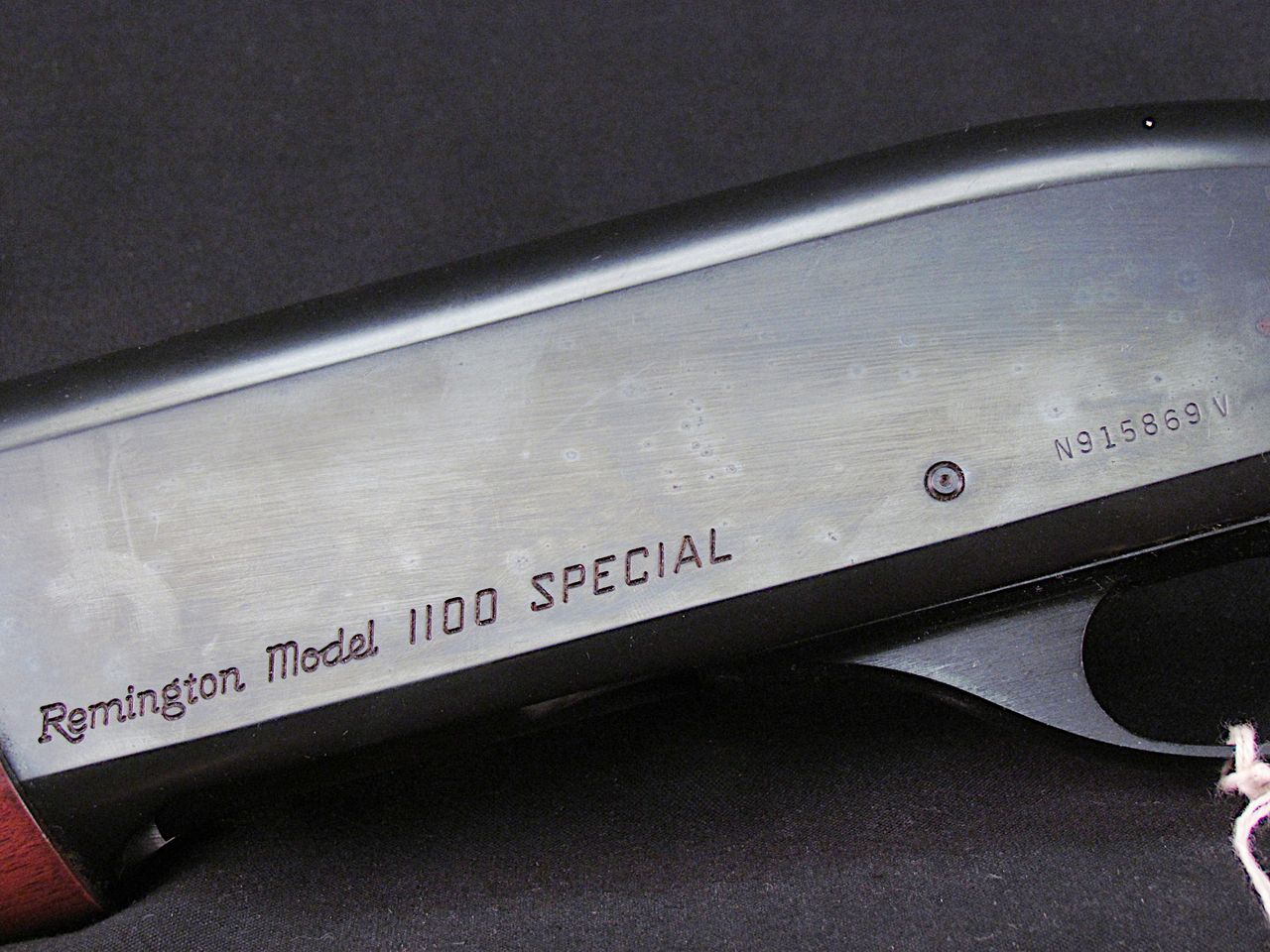
The 1100 is famous for soft recoil, but not every version loves every shell equally. Very light target loads, reduced recoil rounds, or oddball ammunition can sometimes leave the action underpowered, especially in older guns or examples that are a bit dirty.
This can be confusing for first-time owners because the gun may run perfectly with one load and suddenly stumble with another. It is not always a sign that something is broken. Sometimes it is simply a reminder that gas guns can be selective.
Once you find the loads your particular 1100 prefers, reliability usually becomes much more predictable. That trial-and-error phase is a familiar part of ownership.
Barrels and chamber lengths matter more than you think

One of the 1100’s easy-to-miss quirks is that not all barrels and receivers were meant for the same shell lengths or roles. Some guns were set up around 2 3/4″ loads, while magnum variants and later configurations have different needs. Mixing assumptions here can create confusion fast.
Owners sometimes buy a spare barrel or inherit one without fully understanding what the host gun was designed to handle. The result can be disappointing function or, worse, an unsafe mismatch. It is one of those old-shotgun details that deserves careful attention.
With the right barrel and the right ammunition, the 1100 feels seamless. With the wrong combination, it can feel temperamental for no obvious reason.
Magazine tube wear can sneak up on owners
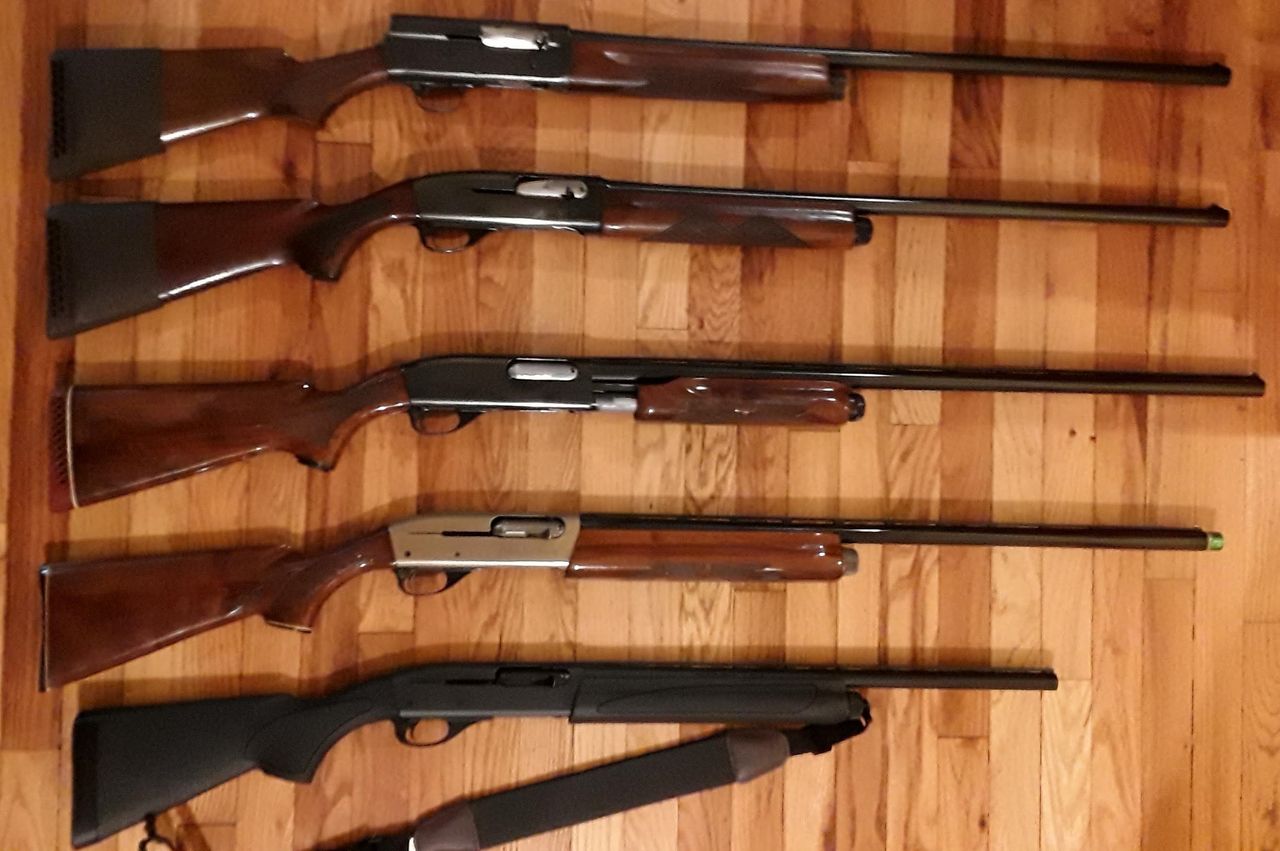
Because the 1100’s gas system works around the magazine tube, that area does more than simply hold shells. It is a functional surface that sees movement, friction, residue, and cleaning. Over time, grime, rust, or wear on the tube can affect how the gun cycles.
This is not always a dramatic problem at first. A gun may just start acting slightly inconsistent, with occasional sluggishness that is easy to blame on ammunition. But a rough or dirty tube can be part of the story.
Regular inspection helps catch issues before they grow. On an older 1100, that humble tube deserves far more respect than many first-time owners realize.
It is softer shooting, but not exactly lightweight
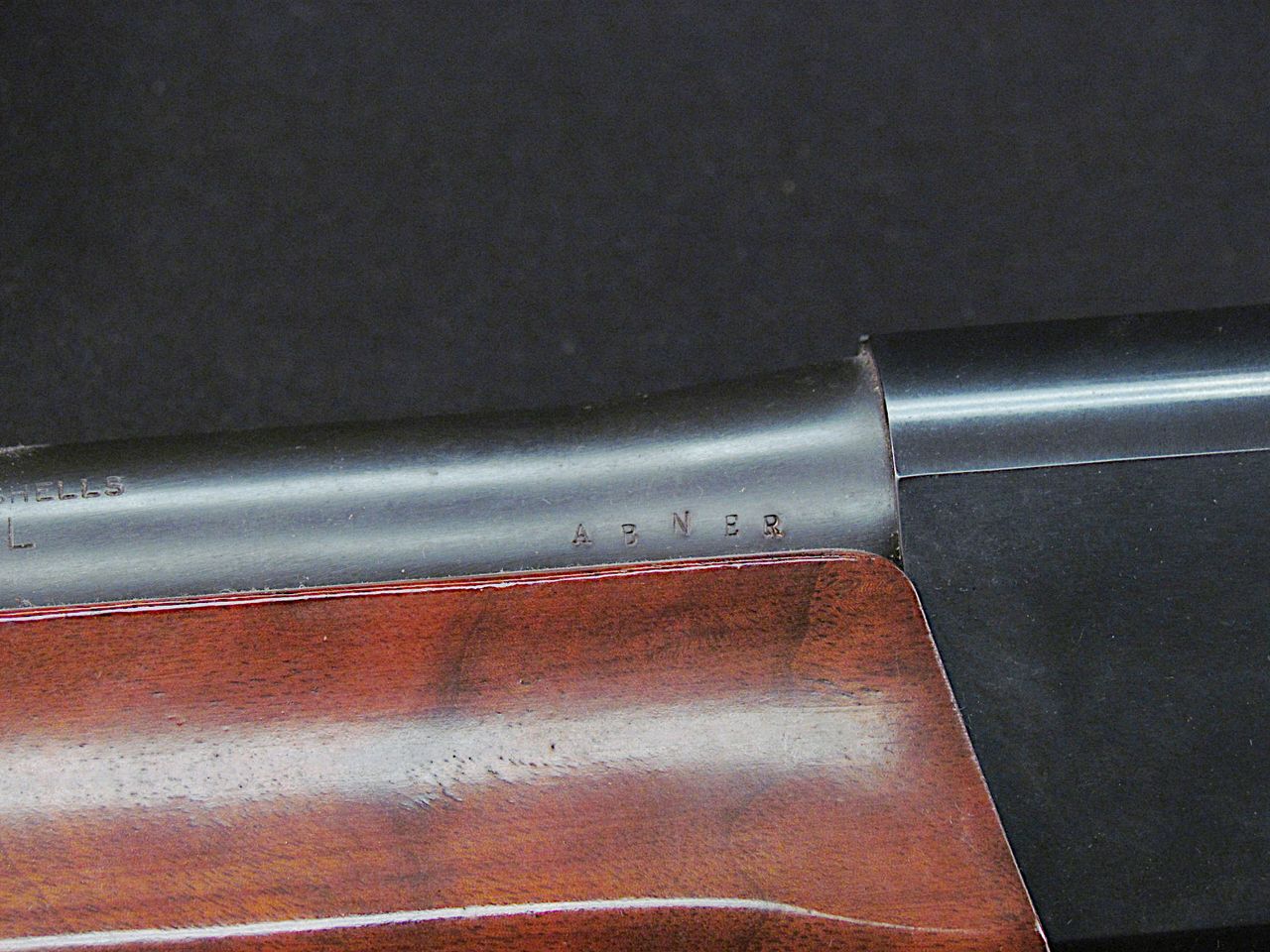
Ask fans why they love the 1100 and soft recoil will come up almost immediately. The gas system gives the gun a gentle, easygoing personality that has made it popular with target shooters and hunters alike. It is a big reason the platform still has so many loyal admirers.
The tradeoff is that the gun can feel a little hefty compared with some leaner field options. Carrying it all day in the uplands is a different experience from shooting clays for an afternoon. Balance and weight are part of the package.
For some owners, that steady feel is a strength. For others, it is the first quirk they notice after the honeymoon period.
Older parts support can require patience

The 1100 has been around long enough that many examples are now true old-timers, and that brings a practical reality. Depending on the exact variation, finding the right replacement part can be easy, slightly annoying, or an unexpected scavenger hunt. Age, model differences, and aftermarket quality all play a role.
This is especially true for owners who bought a used gun with unknown history. Small missing pieces, non-original parts, or previous home gunsmithing can complicate what should be a basic repair.
None of this makes the 1100 a bad choice. It just means ownership sometimes involves detective work, and experienced owners learn to verify part compatibility before ordering anything.
It rewards owners who learn its rhythm

More than almost any single quirk, the defining trait of the 1100 is that it responds well to owners who pay attention. Learn how it likes to be cleaned, what loads it prefers, how the O-ring should look, and which parts belong on your specific gun, and the whole experience becomes easier.
That may sound demanding, but many enthusiasts would call it part of the appeal. The 1100 has a mechanical personality that feels approachable rather than mysterious. Once you understand its habits, it often delivers the smooth shooting experience that made it famous.
In other words, this is not a shotgun that asks for perfection. It just appreciates familiarity, and it usually gives that care right back.