The Marlin Model 60 has earned a loyal following for good reason: it is handy, affordable, and wonderfully suited to small-game woods work. For squirrel hunters, a few smart tweaks in setup, carry, and shooting habits can make this classic .22 perform even better. These eight tricks focus on practical improvements that help you shoot cleaner, move quieter, and hunt with more confidence.
Choose the ammo your rifle actually likes

A Marlin Model 60 can be surprisingly picky about ammunition, and squirrel hunters feel that most when a perfect headshot opportunity appears. Before the season starts, test several .22 LR loads at the distance you expect to shoot most often, whether that is 20 yards or 40.
Look for the load that groups tightly and cycles reliably through your rifle, not just the one with the hottest box claims. Standard velocity and quality plated round nose loads often shine in these rifles.
When you settle on one load, buy enough from the same lot if possible. Consistency is what turns a pleasant plinker into a dependable squirrel rifle.
Keep the tubular magazine smooth and clean
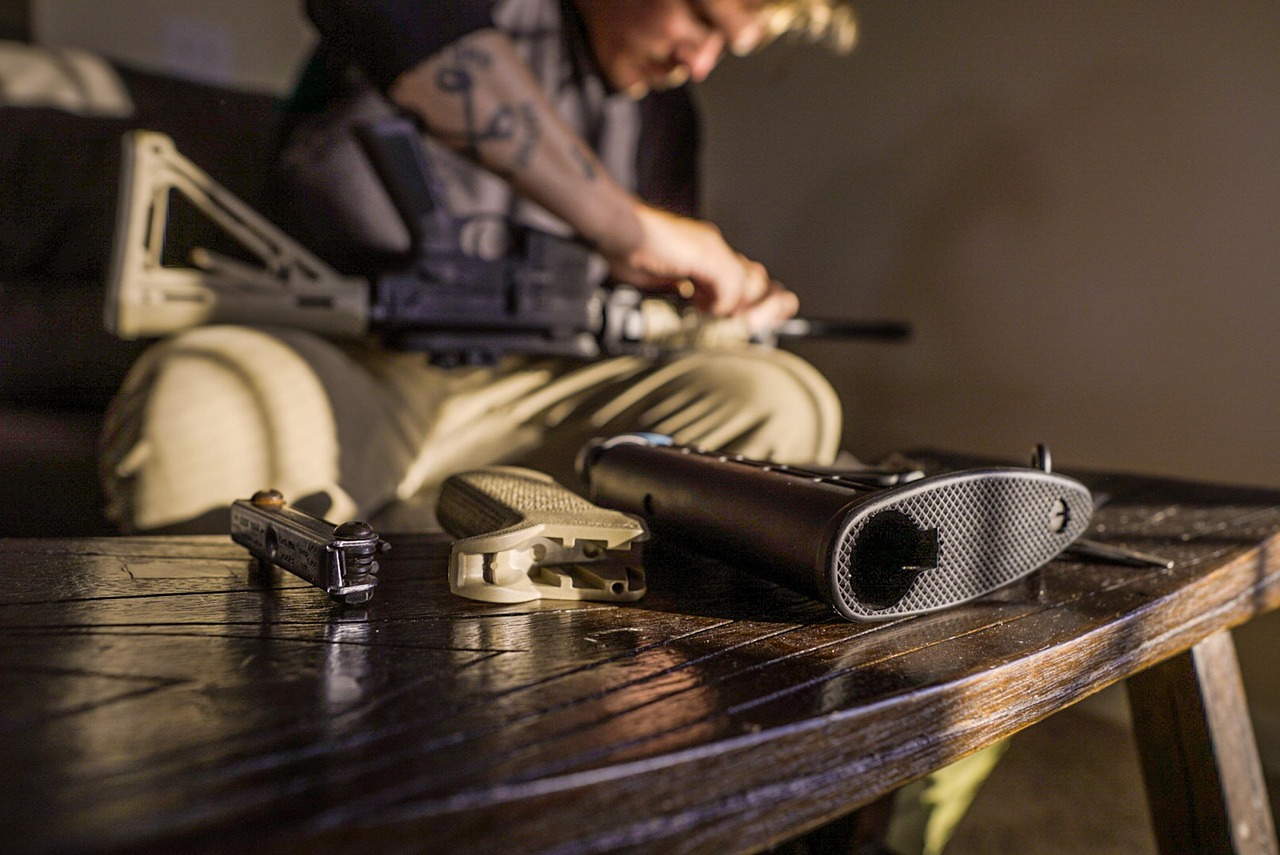
The Model 60’s tubular magazine is part of its charm, but it rewards a little maintenance. Dust, wax, pine needles, and old grime can make loading feel rough or create feeding hiccups right when the woods get busy.
A careful wipe-down of the magazine tube and follower area helps rounds move freely. You do not need to overdo lubrication either, because too much oil can collect debris and cause its own problems.
If loading starts to feel sticky, treat that as a warning sign before your next hunt. A smooth magazine keeps the rifle quick, quiet, and dependable during a long morning on the timber edge.
Zero for the shots you really take
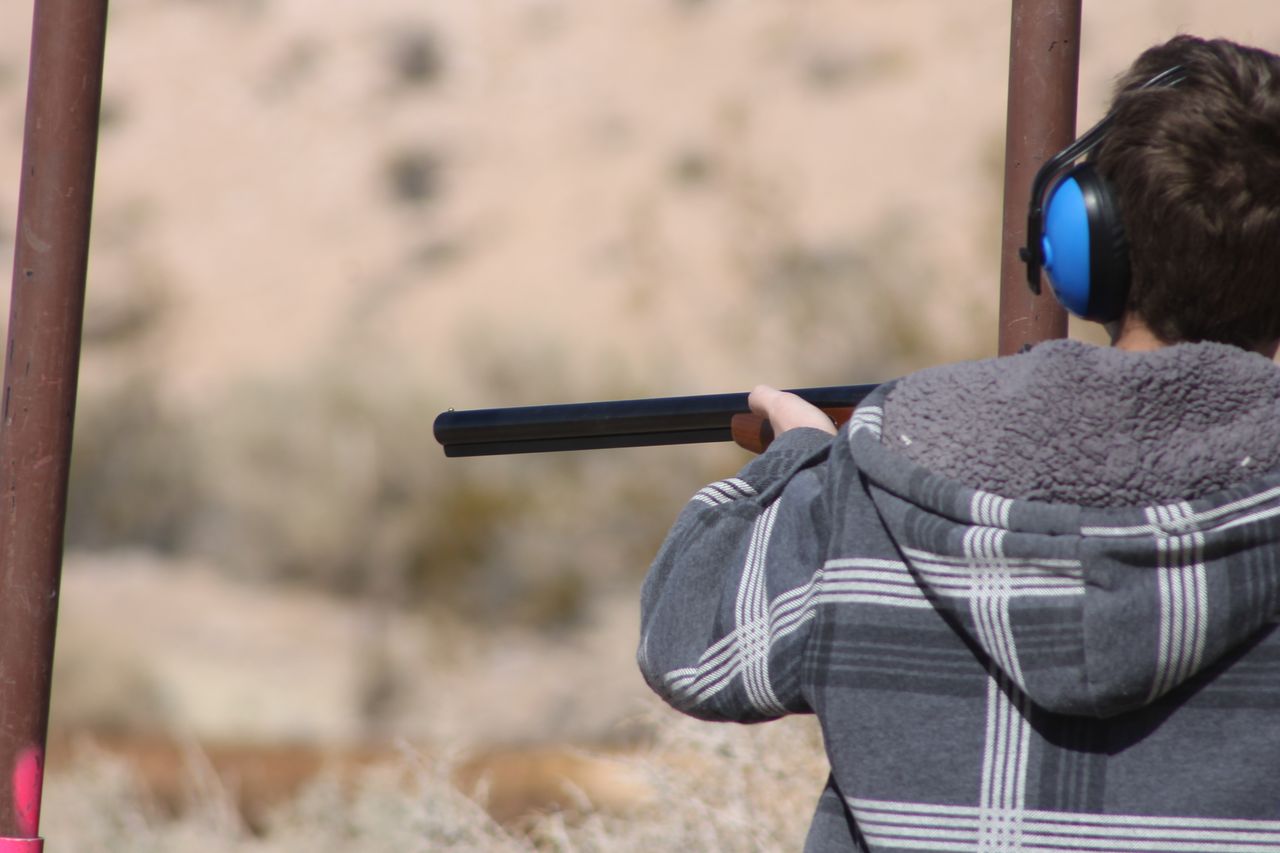
Many squirrel hunters carry a rifle zeroed for general use, then wonder why bark-level misses happen in the woods. With the Model 60, it pays to sight in for the realistic distances and shooting angles you actually encounter while hunting.
A 25-yard or 30-yard zero often makes sense in thick hardwoods, where most opportunities come fast and close. That setup can simplify holdover and make precise shots on a squirrel’s head or shoulder feel much more natural.
Practice from field positions after you zero, not just from the bench. A useful zero is one that matches your hunting world, not just your target stand.
Add a simple sling for easier woods movement
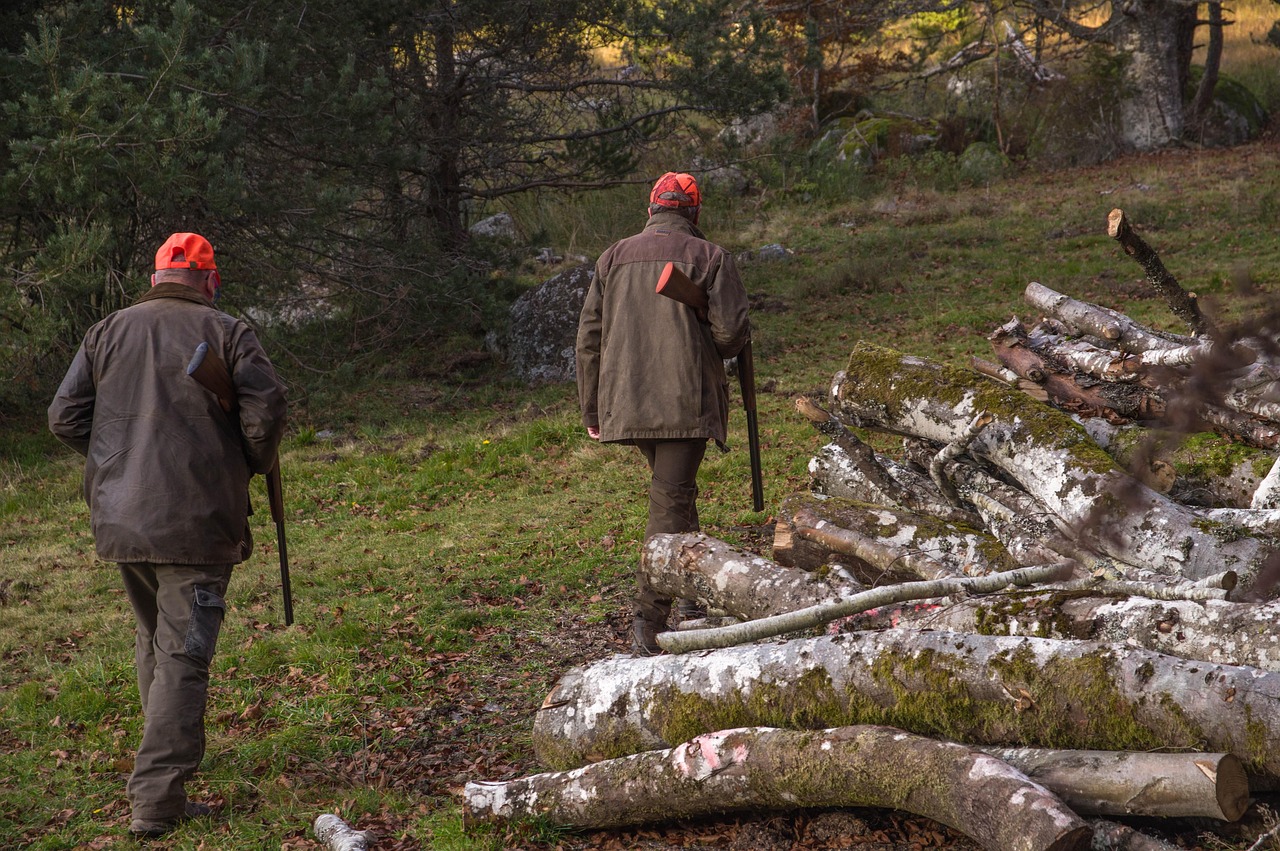
A basic sling may not sound like a trick, but in squirrel country it changes how you move. The Model 60 is light enough to carry by hand, yet a sling frees you to part brush, steady yourself on slopes, and quietly glass treetops without juggling the rifle.
It also helps prevent fatigue during long loops through mast-heavy timber. Tired arms lead to sloppy offhand shooting, and squirrels rarely give you much extra time to settle down.
Choose a sling that rides quietly and does not squeak against swivels or hardware. In crisp morning woods, little noises seem a lot bigger than they do at home.
Use the rifle’s balance to steady offhand shots
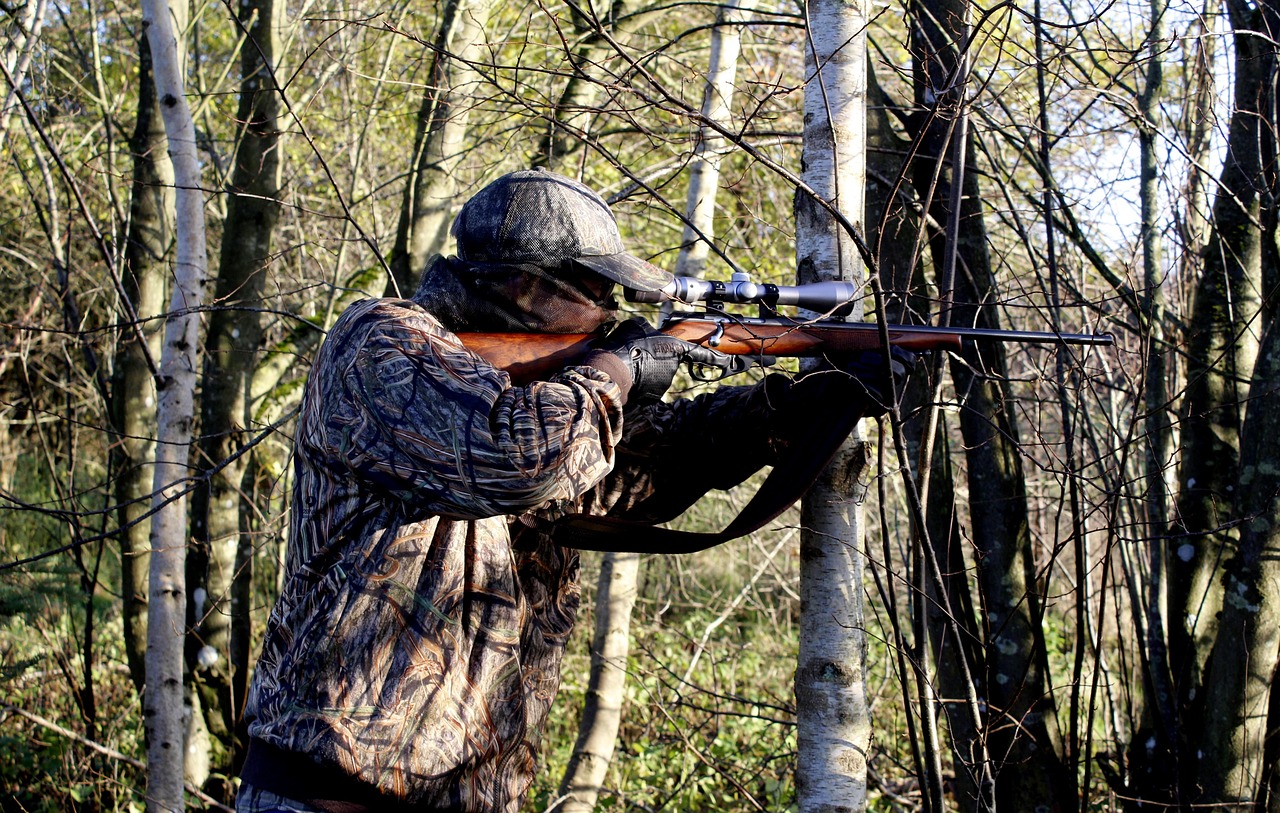
One underrated advantage of the Model 60 is its easy balance for snap shooting and quick settling on small targets. Instead of muscling the rifle, let your support hand find the sweet spot under the fore-end where the sights seem to float naturally onto a squirrel’s head.
That balance point is slightly different for every hunter, especially with a scope mounted. Spend time dry-mounting the rifle at home until your cheek weld and hand placement happen the same way every time.
In the woods, this translates into less wobble and fewer rushed shots. A calm, repeatable mount often matters more than fancy gear when the target is the size of a walnut.
Hunt slower and use the semiauto wisely

The semiautomatic action can tempt hunters to shoot too quickly, especially after a miss or a sudden movement in the canopy. The better trick is to let the fast follow-up capability work as insurance, not as an excuse to rush the first shot.
Move a few steps, then stop and scan. Sit on likely feeding areas longer than feels necessary. Squirrels often reveal themselves after the woods settle, and a patient hunter with a ready rifle is far more dangerous than one who is always marching.
When a second squirrel appears or the first one shifts around a trunk, the Model 60’s quick repeat shot becomes a real asset. Patience unlocks that advantage.
Check screws and sights before every trip

Rimfires live easy lives compared with centerfire rifles, but screws still loosen and sights still shift. A quick pre-hunt once-over on the Model 60 can save you from mysterious misses that have nothing to do with your trigger press.
Pay attention to action screws, scope ring screws, and the condition of the sights if you run the rifle without optics. Even a slight wobble can open groups enough to turn clean squirrel shots into frustrating near misses.
This habit only takes a minute at the truck or kitchen table. It is one of those simple routines that experienced hunters rarely skip, because reliability is built before the walk in.
Practice from real squirrel hunting positions
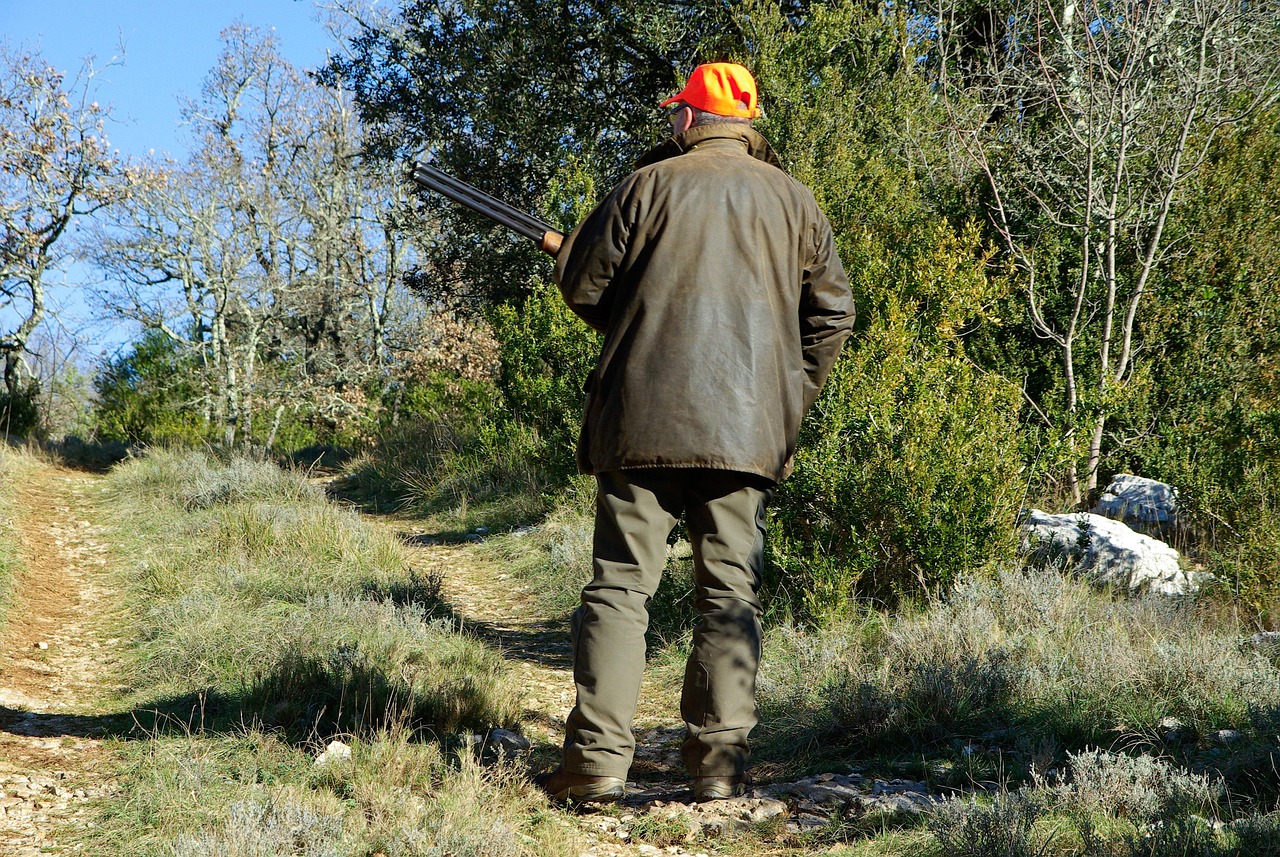
Bench accuracy is nice, but squirrels are usually taken from awkward, very real positions. With the Model 60, spend time practicing from kneeling, sitting against a tree, leaning on a trunk, or resting over a log, because those are the shots that count in the woods.
Work on finding tiny aiming points on leaves, knots, or paper targets placed at hunting distances. The goal is not speed for its own sake, but smooth target acquisition and a clean trigger break under mild pressure.
This kind of practice builds field confidence fast. When a fox squirrel peeks over a limb, your body already knows what to do, and the rifle feels like part of the plan.