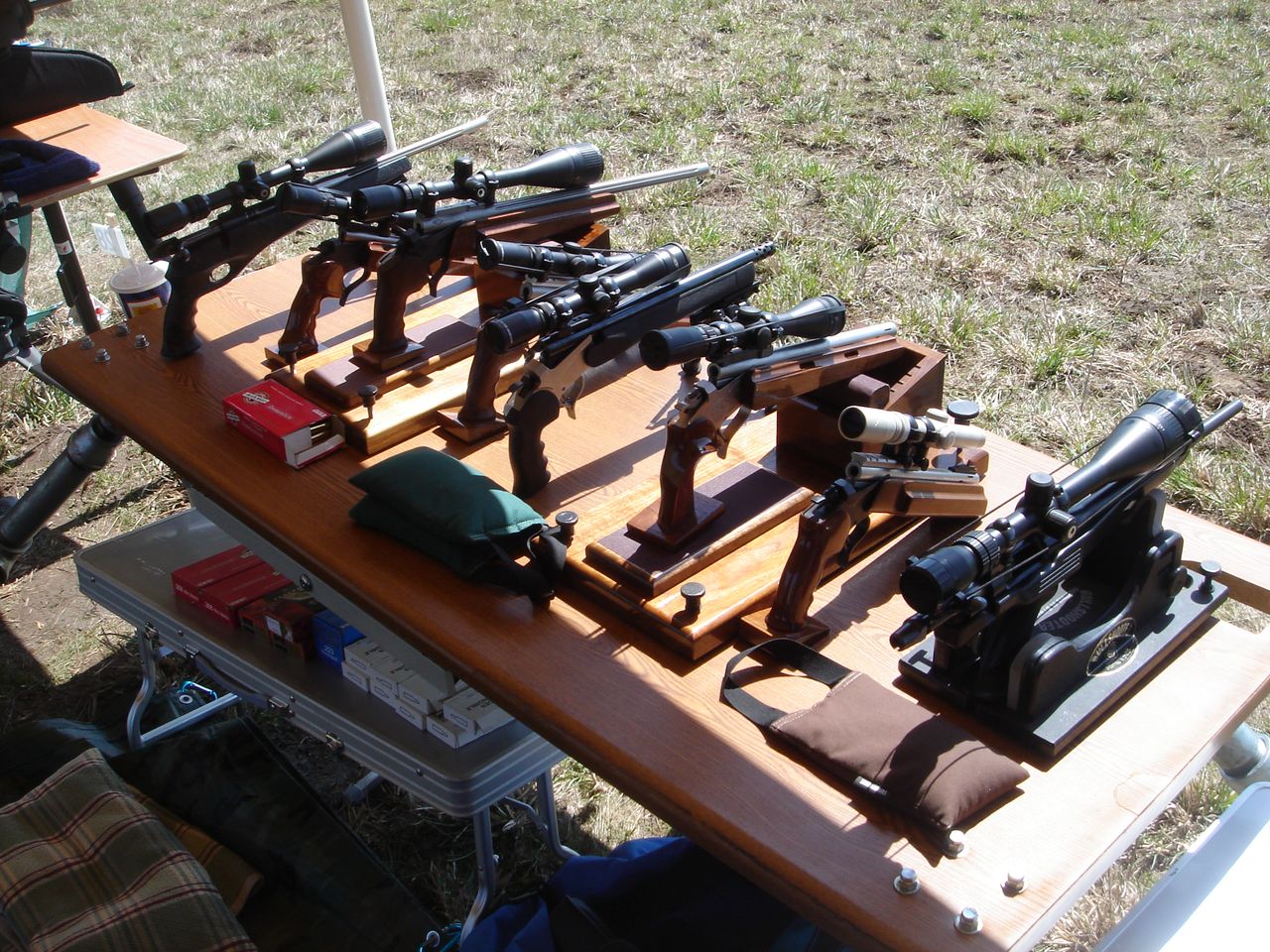
The Remington XP-100 is one of those firearms that keeps showing up in serious handgun hunting conversations, even decades after its debut. Its look is unusual, its reputation is outsized, and its real-world appeal often catches newcomers off guard. This gallery explores the six things that most often surprise handgun hunters when they finally spend time with this famously unconventional Remington.
The accuracy reputation is not exaggerated
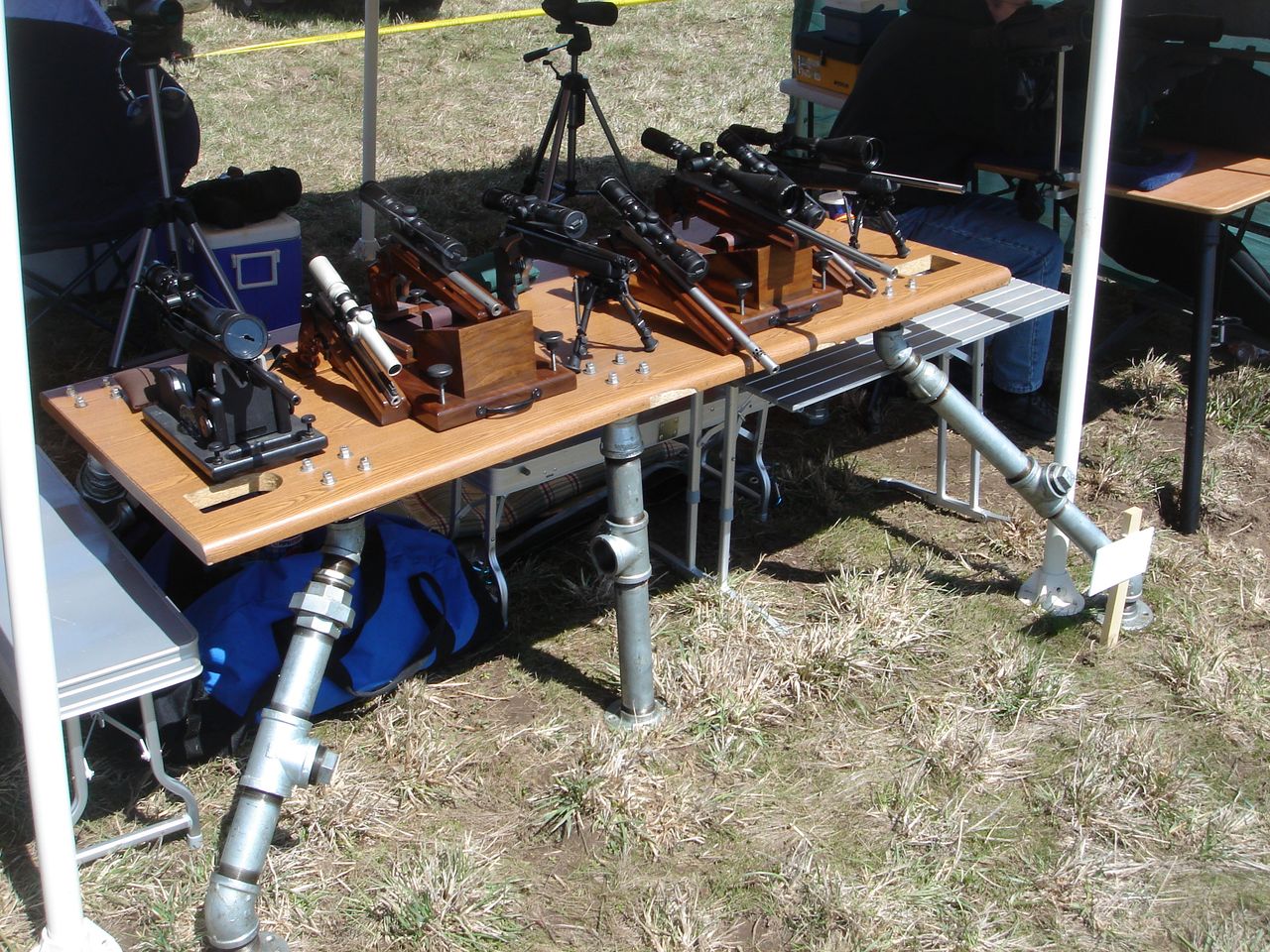
Plenty of firearms build a legend over time, but the XP-100 earned much of its reputation the old-fashioned way, by shooting extremely well. Handgun hunters who expect decent field accuracy are often surprised to find a platform capable of truly impressive precision in practiced hands.
A big part of that comes from the rigid bolt-action design. Compared with many repeating handguns, there is less mechanical movement to work around, and that can translate into excellent consistency from shot to shot.
For hunters used to revolvers or semi-automatics, the XP-100 often feels less like a compromise and more like a precision instrument built for deliberate shooting.
The forward grip changes the whole shooting experience

One of the most surprising things about the XP-100 is how different it feels in the hands. The grip sits well forward, and that changes balance, sighting rhythm, and the way many shooters settle in behind the gun.
For some people, the layout feels awkward at first. Then they shoot from a rest, a pack, or shooting sticks and realize the design helps the pistol sit steady in a hunting position, especially when topped with a scope.
It is not a universal fit, and that is part of the story. But hunters often come away surprised that the unusual ergonomics can feel so natural once used the way the pistol was intended.
It can hit harder than many expect from a handgun
Because the XP-100 is a handgun, some newcomers assume it belongs in the same performance class as common sidearms. That assumption fades fast when they look at the chamberings and the barrel lengths involved.
The platform became famous in part because it could deliver rifle-like cartridge performance from a hunting handgun format. That gave hunters a serious option for varmints, deer, and longer-range field work, depending on the setup and the shooter’s ability.
The surprise is not that it recoils or makes noise. It is that the XP-100 can feel more like a compact precision hunting system than a conventional pistol built for short-range work.
Scopes are not an accessory, they are part of the formula

Many handguns wear optics today, but with the XP-100, glass has long been central to the experience. Handgun hunters who first encounter one are often surprised by how complete the package feels only after a proper optic is mounted.
The pistol’s accuracy and intended use make magnification more than a convenience. A good scope helps the shooter take advantage of the platform’s range potential and makes the gun’s deliberate, single-shot character feel like a strength rather than a limitation.
That is why the XP-100 often seems less at home in a holster conversation and more at home in a discussion about rests, field positions, and precise shot placement.
Its single-shot design teaches patience

The XP-100 does not offer a fast follow-up shot the way a revolver or semi-automatic can. For some hunters, that sounds like a drawback until they spend time with the pistol and discover how much it sharpens their approach.
A single-shot handgun encourages a slower cadence and a more thoughtful setup. The shooter tends to pay more attention to range, wind, rest quality, and trigger press because every shot feels a little more intentional.
That discipline is one reason the platform still earns respect. Hunters are often surprised that what looks limiting on paper can actually be part of the XP-100’s appeal in the field.
Why the XP-100 still fascinates hunters today

Even in a market filled with modern optics, specialty pistols, and chassis-style hunting rigs, the XP-100 continues to hold attention. Handgun hunters are often surprised by how contemporary its core ideas still feel when they revisit the gun with fresh eyes.
It offered accuracy, power, and a clear hunting purpose in a package that refused to follow handgun conventions. That combination gave it staying power, especially among shooters who appreciate tools that reward patience and skill.
The XP-100 is not for everyone, and that may be exactly why it remains so memorable. It asks more from the shooter, but many enthusiasts would say it gives plenty back.