Some shotguns become legends because they are glamorous. The Winchester 1200 became beloved for a different reason: it worked, and it kept working.
It arrived at exactly the right moment
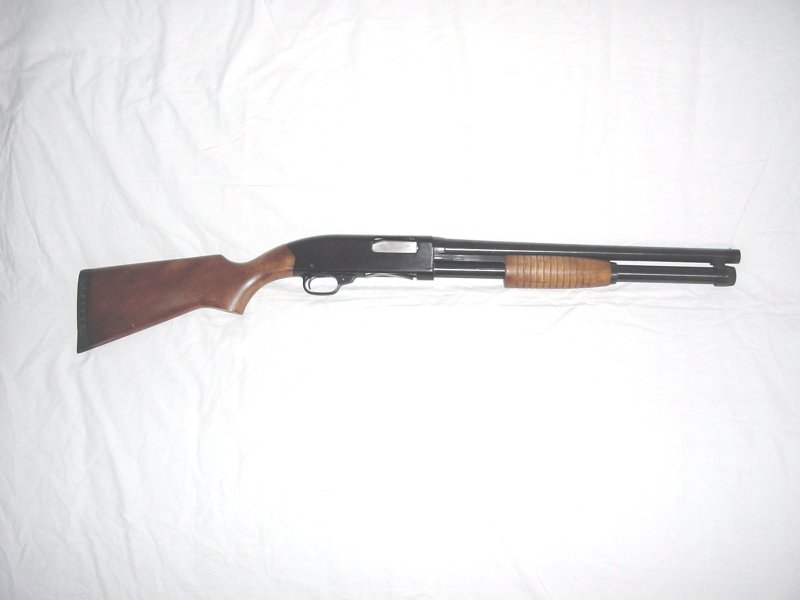
When Winchester introduced the Model 1200 in 1964, it was stepping into a difficult job. The company was replacing the revered Model 12, a shotgun so well made that it had also become too expensive to build profitably in a changing market.
According to Winchester’s own historical timeline, 1964 was the year the Model 1200 officially entered the lineup. American Rifleman has noted that Winchester was under intense pressure from lower-cost rivals, especially the Remington 870, and needed a pump gun that fit modern manufacturing realities.
That origin story mattered. The 1200 was not born as a luxury piece or nostalgia project. It was created to keep Winchester competitive, and buyers who wanted a practical field gun quickly understood that.
Its design was smarter than critics first realized
Early traditionalists often judged the 1200 by what it was not. It was not a hand-fitted Model 12, and it did not pretend to be.
What Winchester gave shooters instead was a more modern action. The 1200 used a rotating bolt head locking into a steel barrel extension, which allowed the gun to use a lightweight aluminum receiver without asking that receiver to contain firing stress. American Rifleman has highlighted that feature as one of the design’s real technical strengths.
The gun also used dual action bars, helping it cycle with a solid, straight-running feel. Over time, owners discovered that the 1200’s engineering choices were not shortcuts in the bad sense. They were cost-conscious improvements that made the shotgun lighter, durable, and fast in use.
Hunters appreciated what mattered in the field
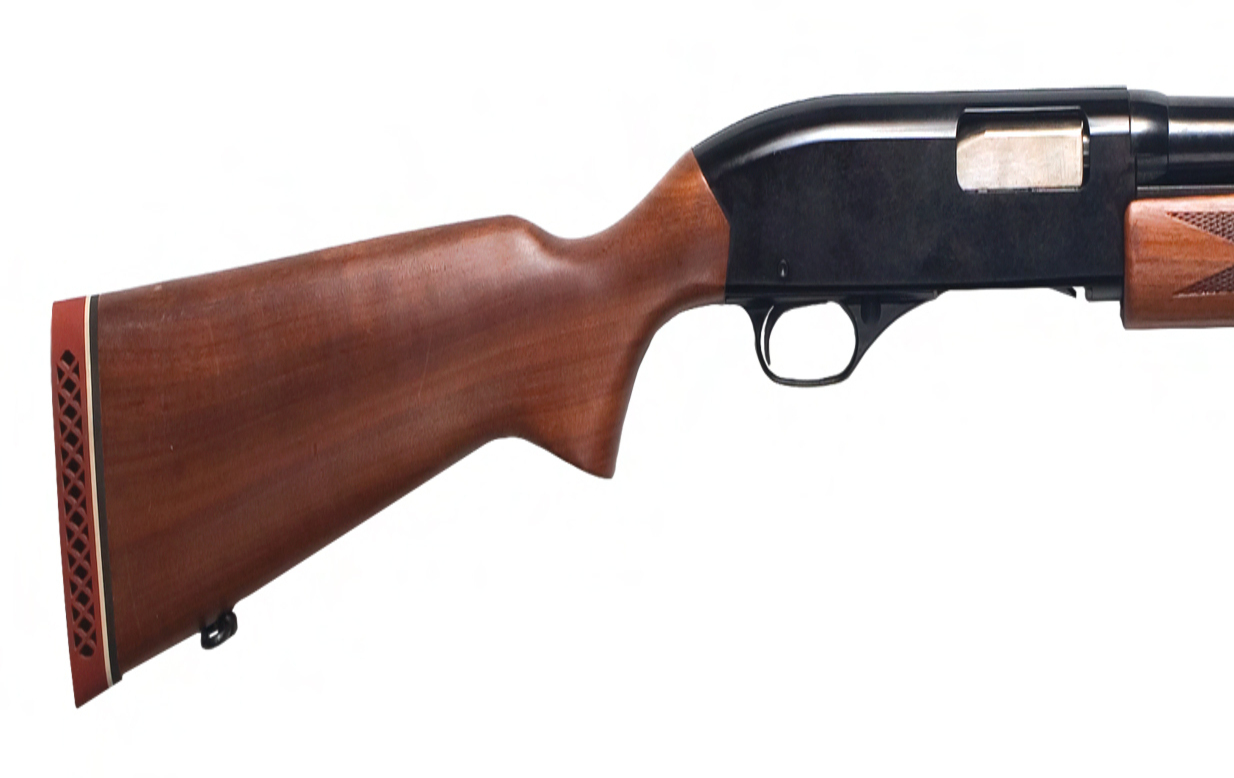
A shotgun earns loyalty in duck blinds, hedgerows, and deer camps, not in arguments at the gun counter. That is where the 1200 built its reputation.
Carried over miles of cover, the lighter receiver was a genuine advantage. Fast handling, quick pointing, and a trim overall feel made the gun attractive to bird hunters and general-purpose owners who wanted one shotgun to do many jobs reasonably well.
The 1200 also benefited from practical versatility. American Rifleman credits the platform with features such as removable choke options in later development of the line, and Winchester’s production approach made the gun accessible to a broad middle-class market. For many families, a 1200 was the shotgun that got used, handed down, and remembered.
It developed credibility beyond the sporting world
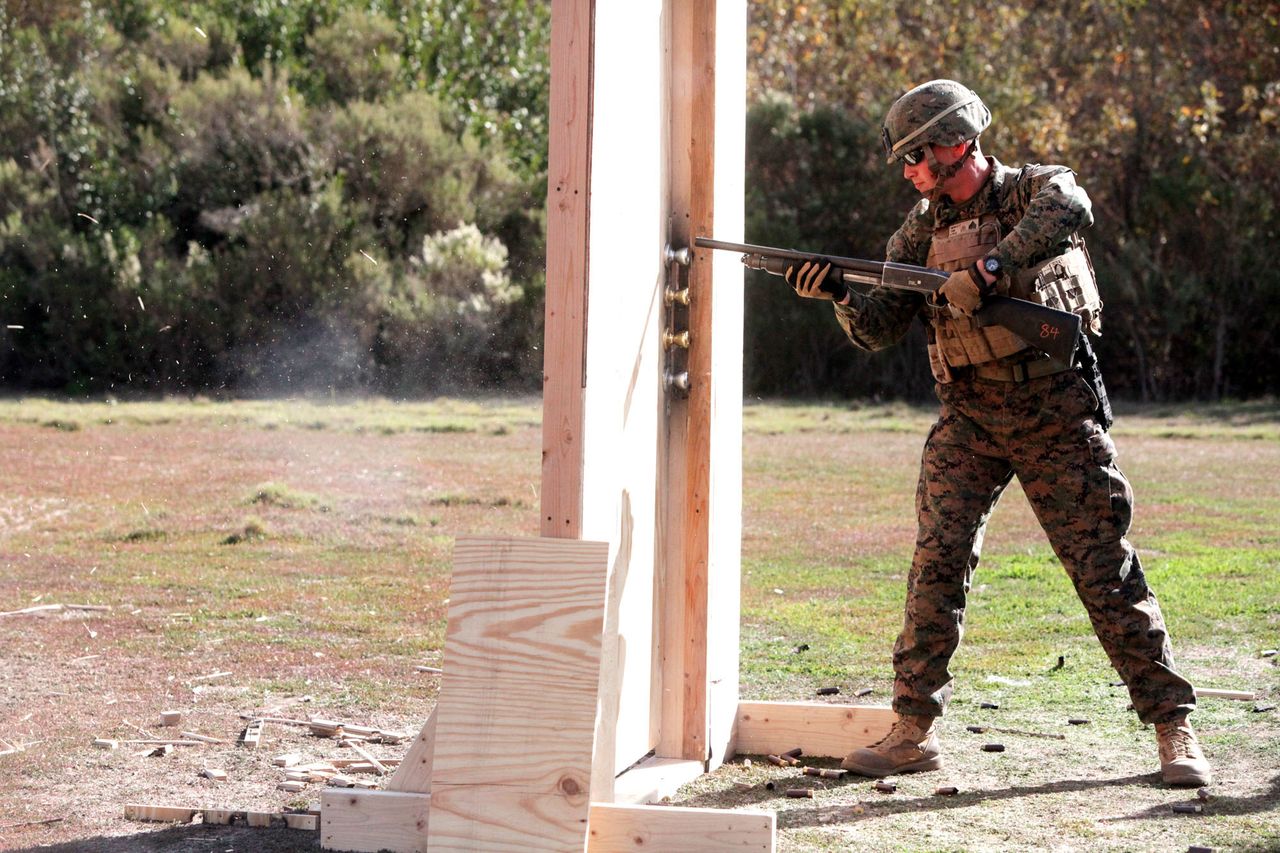
Another reason for the 1200’s loyal following was that it did not stay confined to the uplands. Variants built for defense, police work, and military evaluation gave the platform a tougher image.
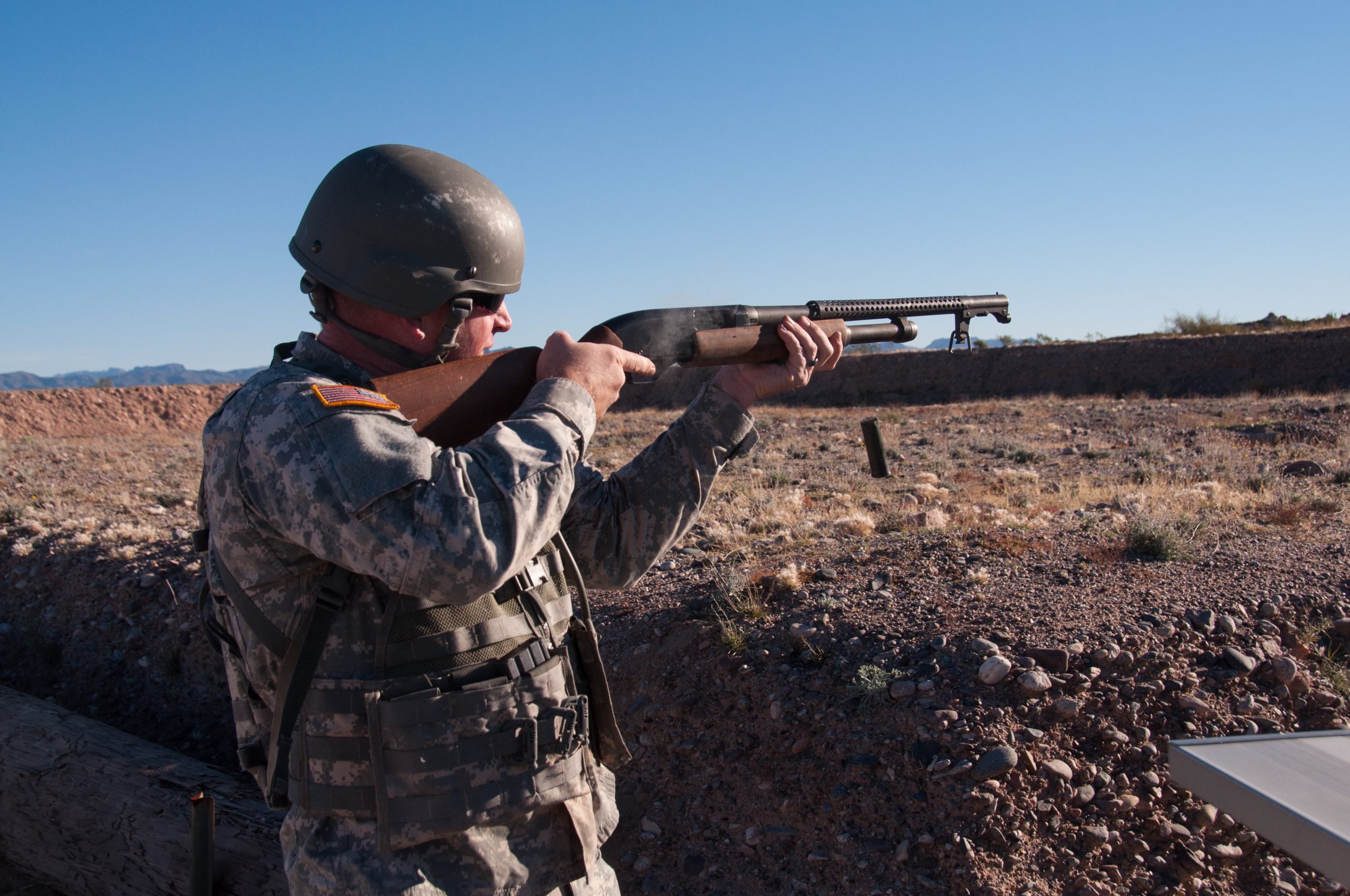
American Rifleman’s reporting on Vietnam-era combat shotguns shows Winchester developed a trench-gun version of the M1200 with a ventilated handguard and bayonet adapter. That model was procured in small numbers, but its existence gave the 1200 unusual historical weight for a postwar pump shotgun.
Civilian buyers noticed that kind of credibility. Even owners who never intended to mount a bayonet liked knowing the same basic platform had been trusted in harder roles. That helped transform the 1200 from a budget-minded replacement into a serious working gun.
The shadow of the Model 12 actually helped it later
At first, comparison with the Model 12 hurt the 1200. Enthusiasts saw cast parts, modernized production, and an aluminum receiver, then assumed decline.
But time has a way of cleaning up first impressions. Once thousands of shooters had lived with the 1200, a different picture emerged. It was dependable, easy to carry, and mechanically distinctive in a market crowded with more conventional pump designs.
That created a second wave of appreciation. Collectors began to view the 1200 not as a failed imitation, but as a snapshot of Winchester’s 1960s transition. In that sense, its once-controversial birth became part of its appeal.
Its legacy lasted well beyond its production run
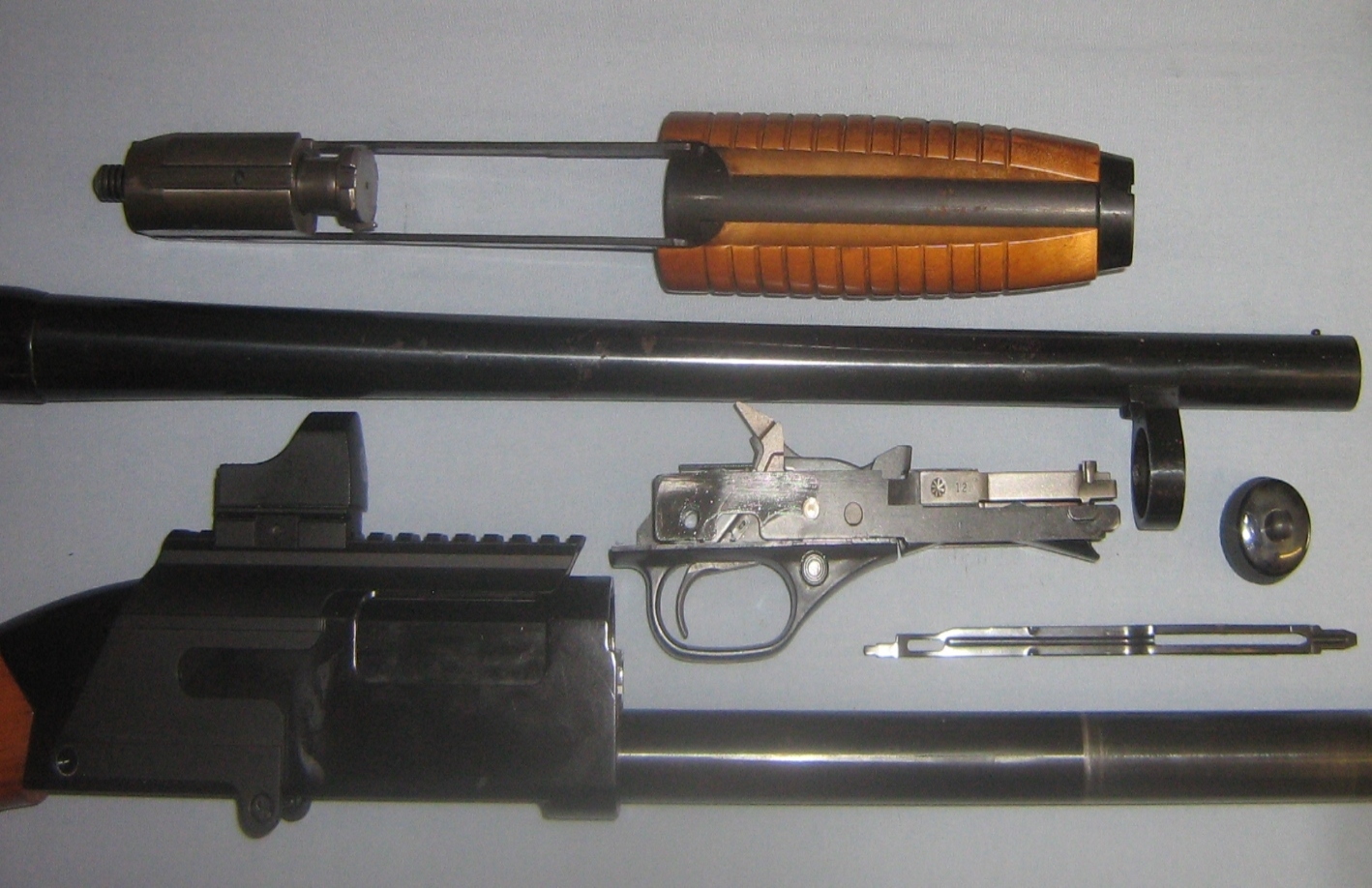
Winchester records note that Model 1200 production began in 1964, and the design eventually gave way to the Model 1300, which Winchester introduced in 1978 as an updated descendant. Even then, the 1200’s influence did not disappear.
Its basic formula proved sound: a fast pump action, modern lockup, lighter weight, and broad utility. That is why many longtime owners still describe them as underrated, especially compared with flashier or more collectible names.
The Winchester 1200 earned loyalty the old-fashioned way. It was not perfect, and it was never the prettiest shotgun in the rack, but it delivered enough speed, balance, and trustworthiness to become the kind of gun people kept for decades.