A decade ago, certain rifle calibers felt like they were everywhere, praised in gun shops, hunting camps, and online forums as the next obvious answer. Some were smarter on paper than they proved to be in the real world, while others were simply overtaken by better timing, better marketing, or broader ammo support. This gallery revisits seven cartridges that once had momentum on their side and explains why that buzz faded more quietly than many expected.
.30 TC
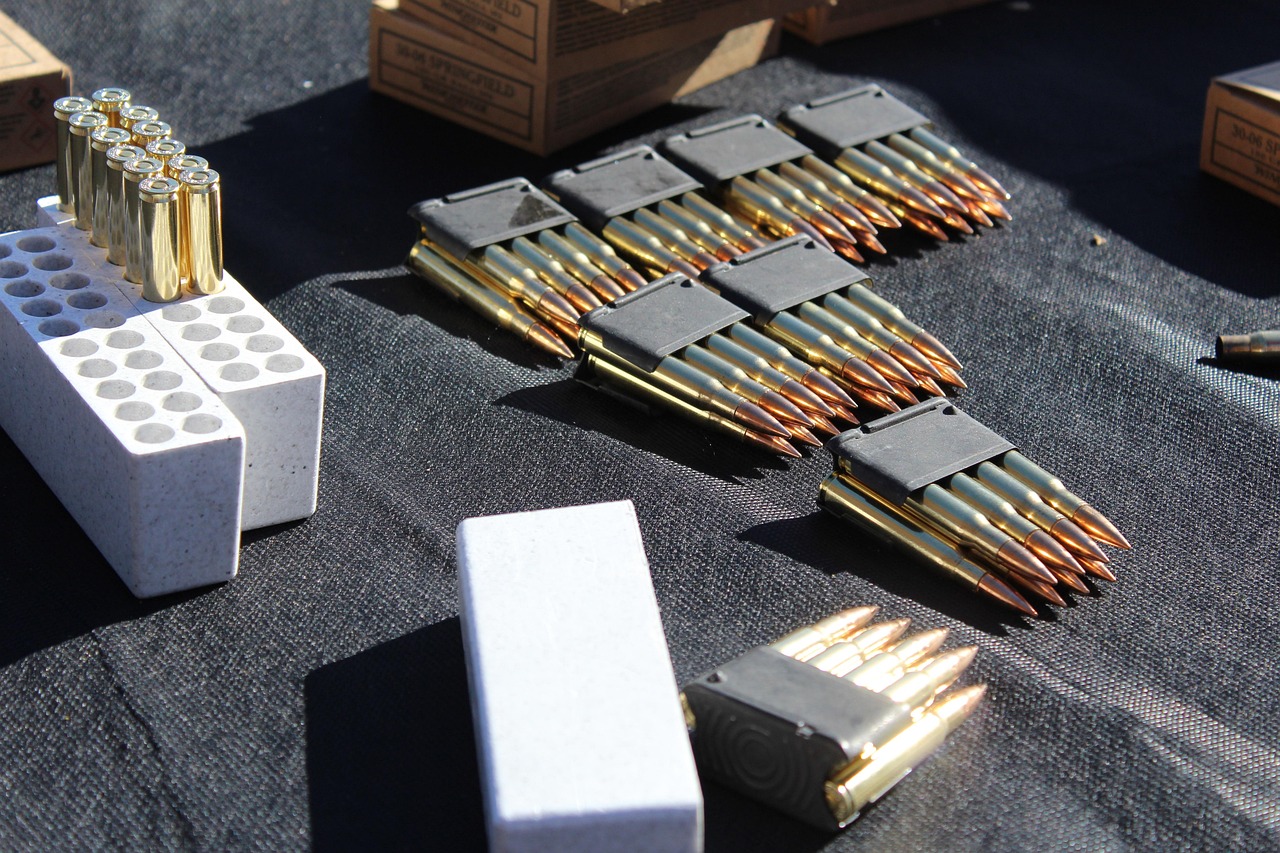
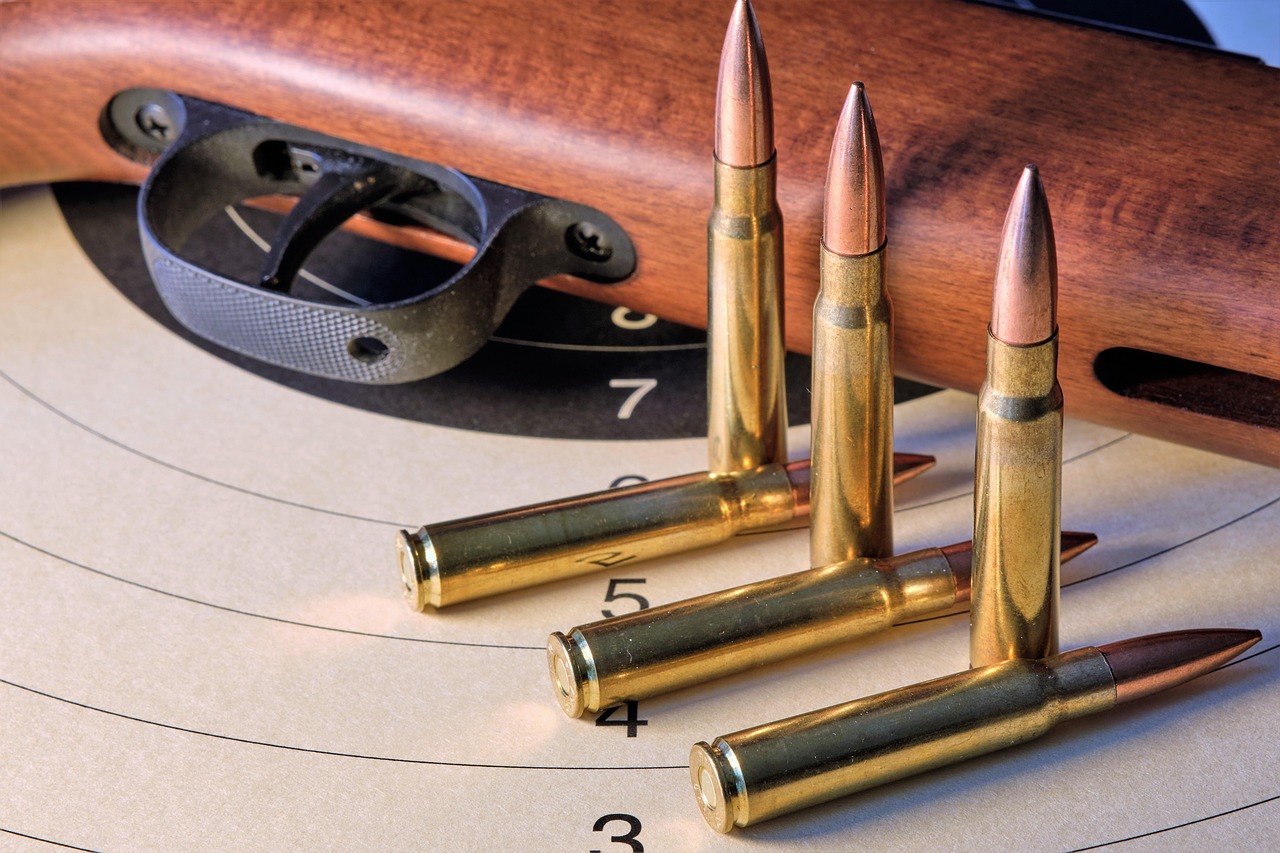
When .30 TC arrived, it looked like a very modern fix for an old question. It promised .30-06 class performance in a shorter action, which sounded like exactly the kind of efficient upgrade many shooters had been waiting for.
The problem was not that it failed on paper. It was that .308 Winchester already owned the practical middle ground, with wider rifle options, easier ammo access, and decades of trust behind it. For most buyers, the gain felt too small to justify jumping lanes.
Without broad rifle support and steady shelf presence, enthusiasm cooled fast. Today, .30 TC feels less like a breakthrough and more like a reminder that being technically sound is not the same as becoming essential.
.17 Remington Fireball
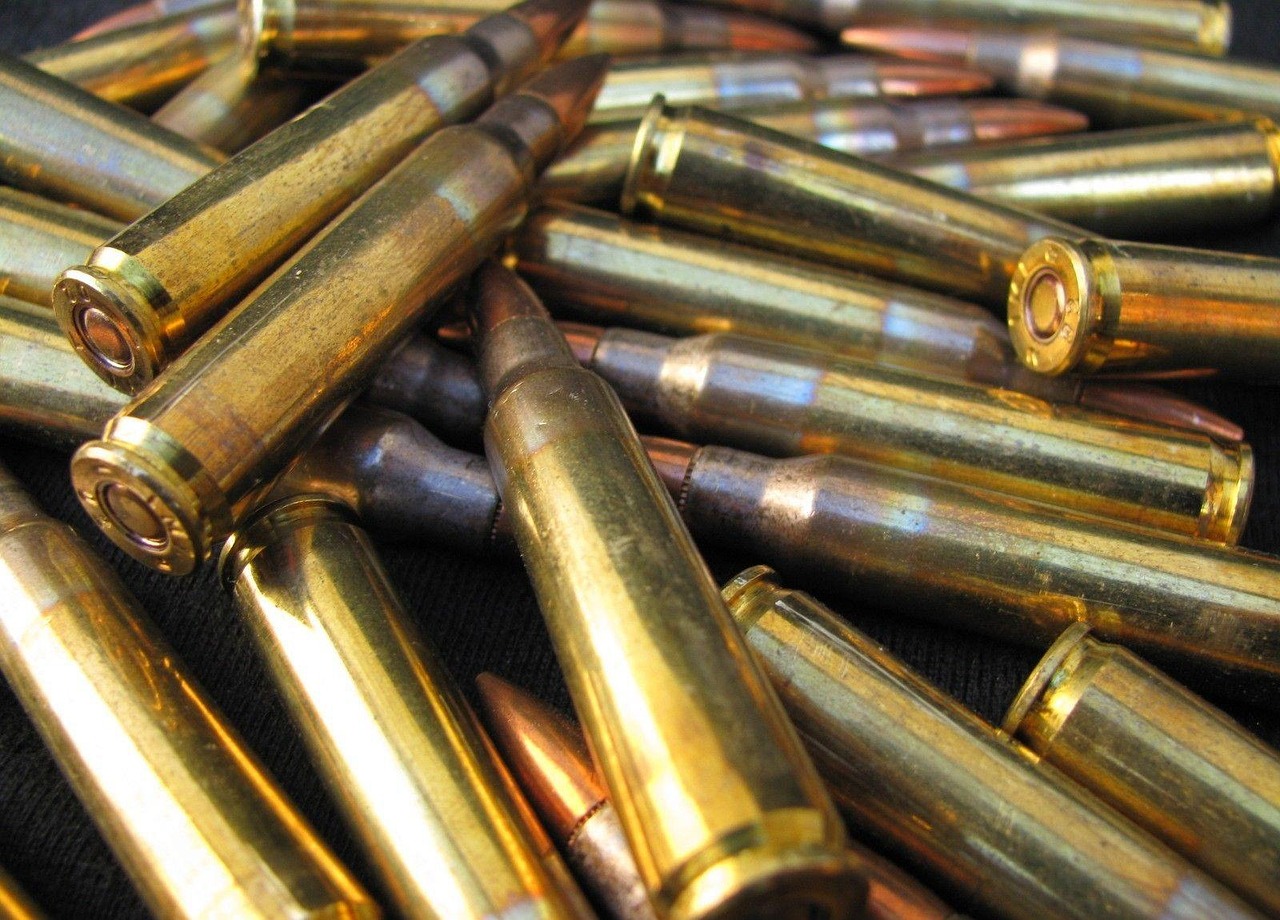
The .17 Remington Fireball once had a very persuasive pitch. It offered blistering varmint performance, low recoil, and less powder than bigger high-speed rounds, which made it seem like a clever, efficient choice for prairie dogs and other small targets.
But niche cartridges need committed support, and this one never quite broke out beyond dedicated fans. Ammunition could be hard to find, and many shooters looking for a light varmint round simply stayed with .223 Remington or stepped into the more established .204 Ruger.
That left the Fireball in an awkward spot. It remained fun, fast, and highly specialized, but the broader market drifted toward rounds that were easier to buy, easier to feed, and easier to justify owning.
.260 Remington
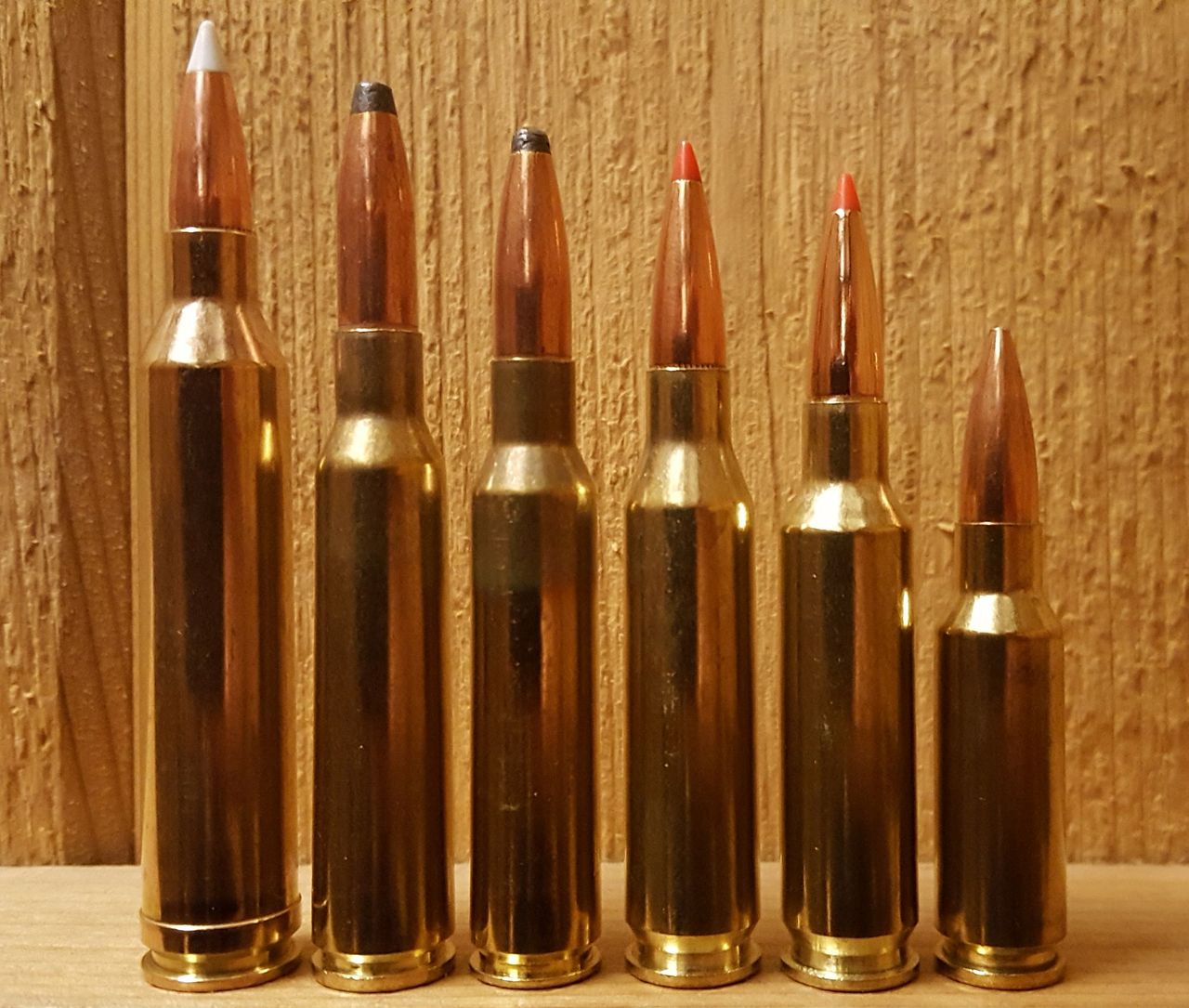
There was a stretch when .260 Remington looked poised to become the refined answer for shooters who wanted excellent ballistics without punishing recoil. Built on a .308 case and launching 6.5mm bullets, it made a lot of sense before 6.5 Creedmoor became unavoidable.
Then the market chose a different champion. Rifle makers, ammo companies, and match shooters lined up behind Creedmoor in a way .260 never quite enjoyed, even though many experienced shooters still respected what .260 could do.
That shift mattered more than internet debates. Once one cartridge gets the momentum, factory support and mindshare tend to follow. .260 Remington did not suddenly become ineffective. It simply got out-marketed, out-stocked, and eventually outmentioned.
.224 Valkyrie
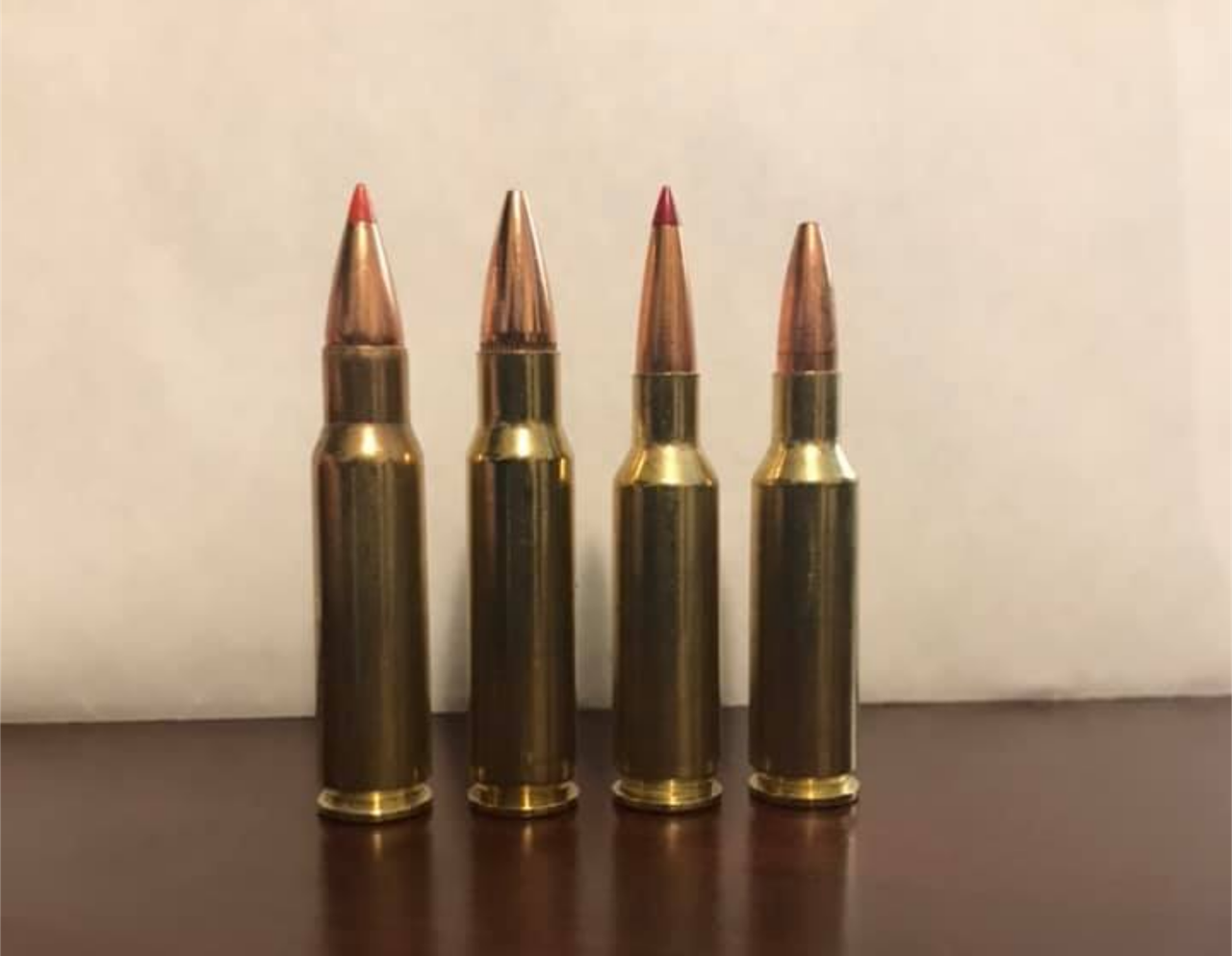
Few cartridges arrived with more recent hype than .224 Valkyrie. It was pitched as a way to stretch the AR-15 platform into serious long-range territory, and for a moment it seemed like everyone was talking about high-ballistic-coefficient .22 caliber bullets and impressive distance claims.
The issue was that hype creates very little room for uneven real-world results. Some rifles shot well, some did not, and ammunition consistency became part of the conversation almost immediately. Shooters who wanted predictable long-range performance often moved back to familiar options or up to larger platforms.
That does not mean Valkyrie has no place. It means expectations were set sky-high, and the cartridge landed in a market that quickly punishes anything that feels finicky or overpromised.
.327 Federal Magnum in lever and utility rifles
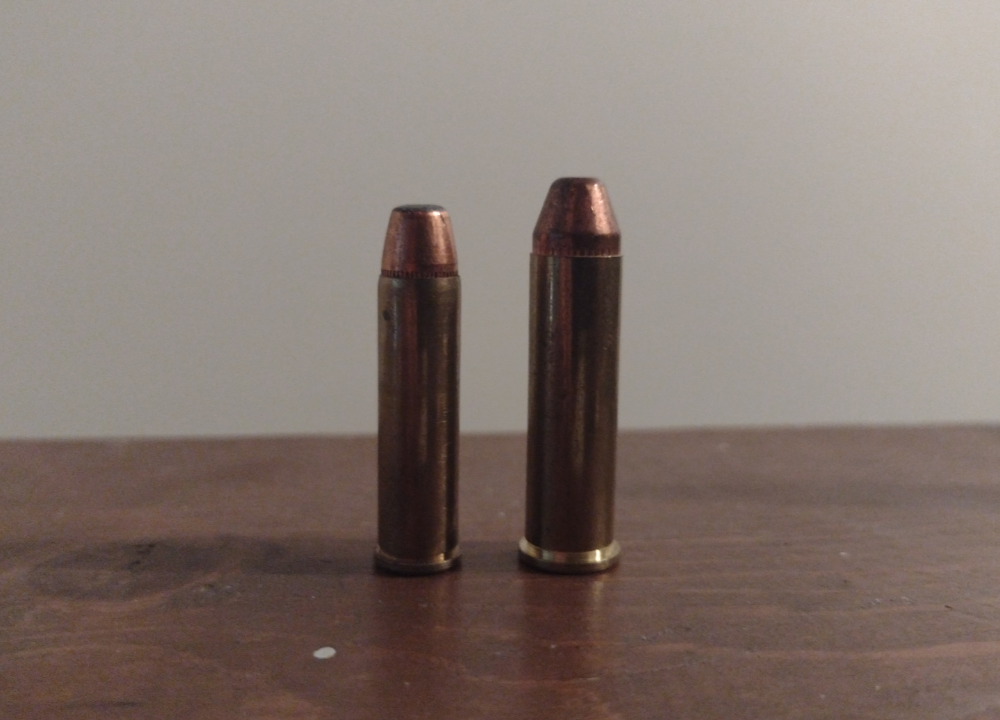
A decade ago, some shooters saw .327 Federal Magnum as a versatile sleeper. In compact rifles, it promised mild recoil, useful velocity gains over revolver barrels, and an appealing bridge between rimfire convenience and full centerfire rifle recoil.
The trouble was always scale. It made sense in a narrow set of roles, but it never built the broad cultural momentum of .357 Magnum carbines or the cheap, ubiquitous practicality of .22 LR and 9mm-compatible platforms.
As a result, the idea stayed more interesting than influential. Fans still appreciate its efficiency and shootability, but the wider market never fully embraced it as a must-have rifle chambering. It remained clever, just not contagious.
.300 AAC Blackout for general-purpose rifles
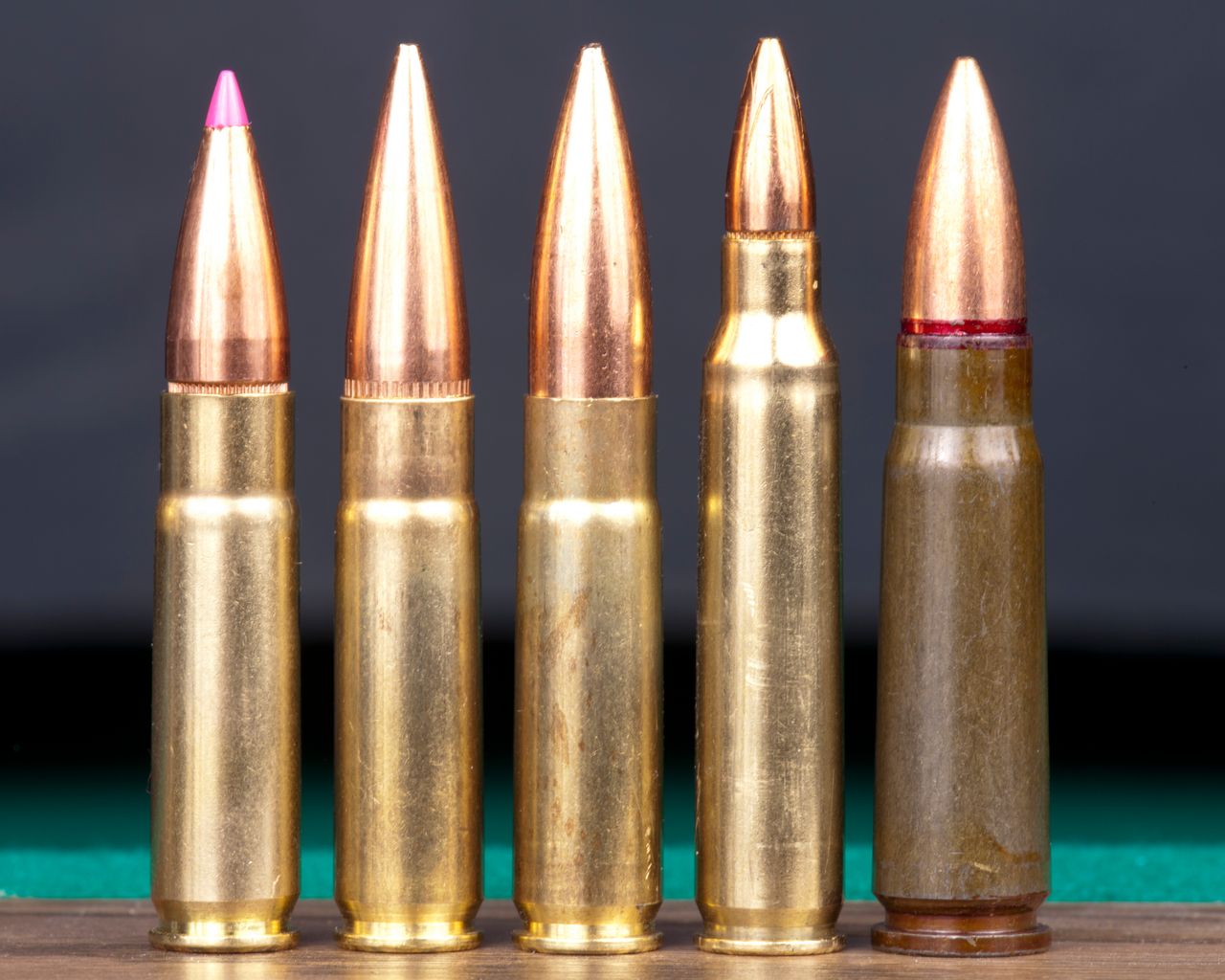
.300 Blackout absolutely found a real audience, especially with short barrels and suppressor use. But a decade ago, some enthusiasts talked about it as if it might become the all-around answer for the AR world, replacing older choices across far more roles than it realistically could.
Instead, its lane became clearer. It excelled in specific configurations, while 5.56 NATO remained the default for cost, capacity, and broad utility. Hunters and precision-minded shooters often looked elsewhere too, depending on distance and game.
So this is less a collapse than a correction. .300 Blackout did not disappear. It just stopped looking like the universal future and settled into being a strong specialist cartridge with a loyal, but more defined, following.
WSM short magnums as a movement
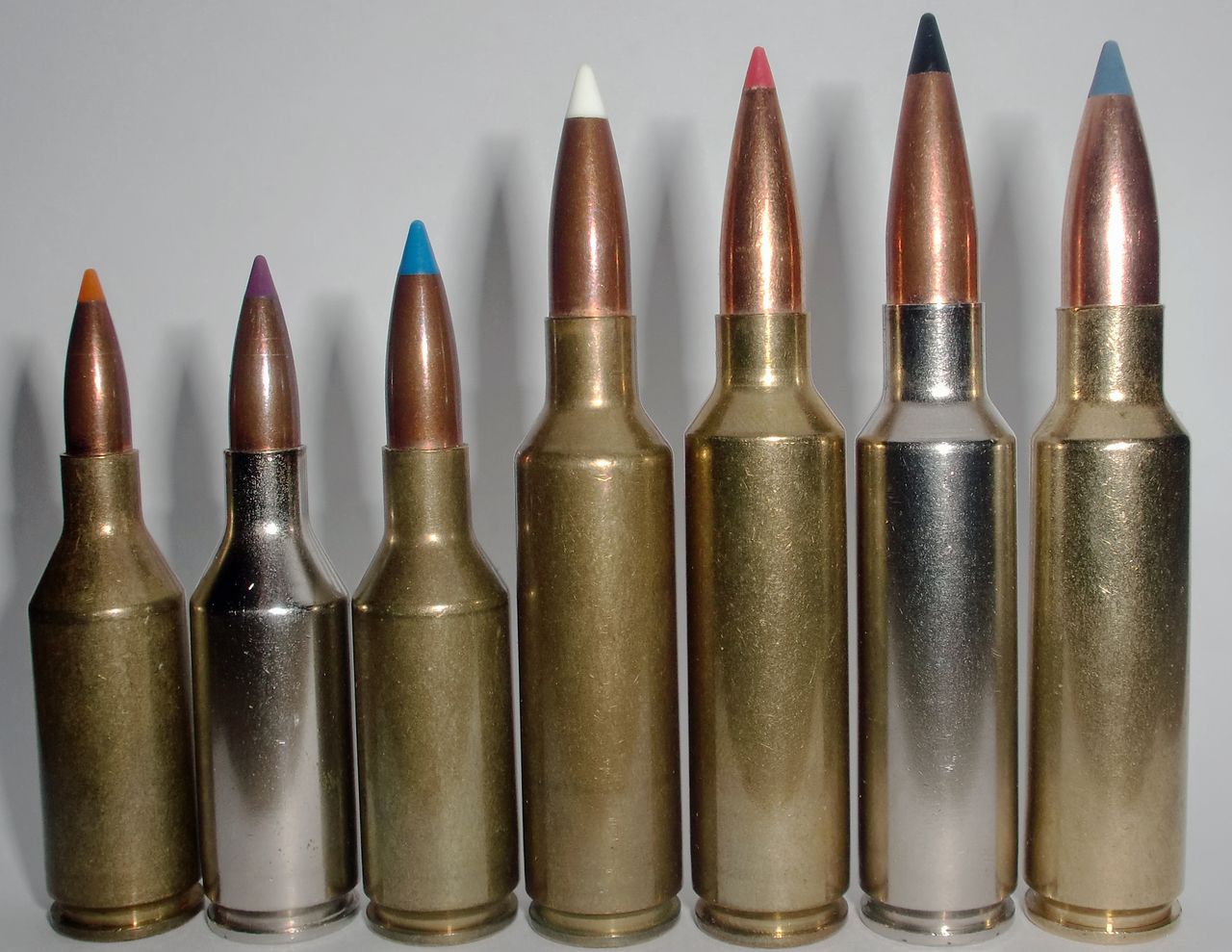
The short magnum push once felt bigger than any single cartridge. WSM chamberings, especially in hunting circles, were sold as the sleek future: magnum performance, shorter actions, and modern efficiency without the baggage of older long-action standbys.
Some individual rounds still hold on, but the broader movement lost steam. Recoil remained recoil, barrel life still mattered, and many hunters decided classic choices like .300 Win. Mag. or practical standards like .308 and 6.5 Creedmoor covered their needs just fine.
In the end, the concept won admiration more than dominance. Short magnums were not a bad idea. They just never fully displaced the entrenched cartridges that were already available everywhere, trusted by everyone, and hard to argue against.