An old rifle in the closet or attic can look like just another family keepsake, especially if no box, receipt, or paperwork came with it. But some inherited long guns have hidden collector appeal, regional history, or features that make a big difference in value. Before you sell, it pays to slow down, identify exactly what you have, and understand why certain models still turn heads.
Winchester Model 94
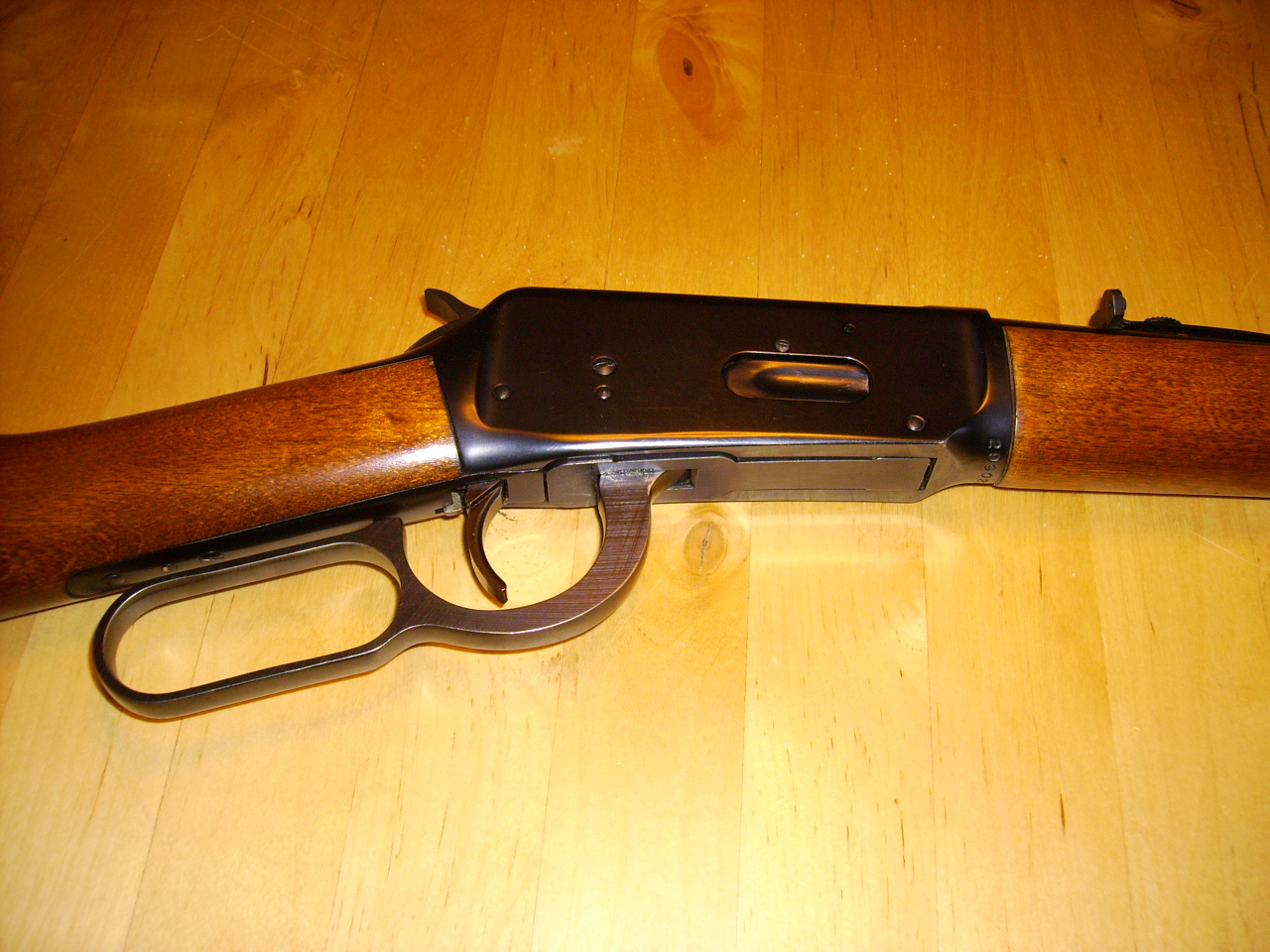
The Winchester Model 94 is one of those rifles that shows up in family estates again and again, often with a story about deer camp or a grandfather who never missed opening day. Because so many were made, owners sometimes assume every example is ordinary. That can be a costly mistake.
Earlier production dates, uncommon chamberings, special order features, and rifles with honest original finish can attract serious interest. Even wear matters in context. A saddle ring, period sights, or a takedown configuration may push a plain-looking rifle into a much more desirable category before you ever think about pricing it.
Marlin 336
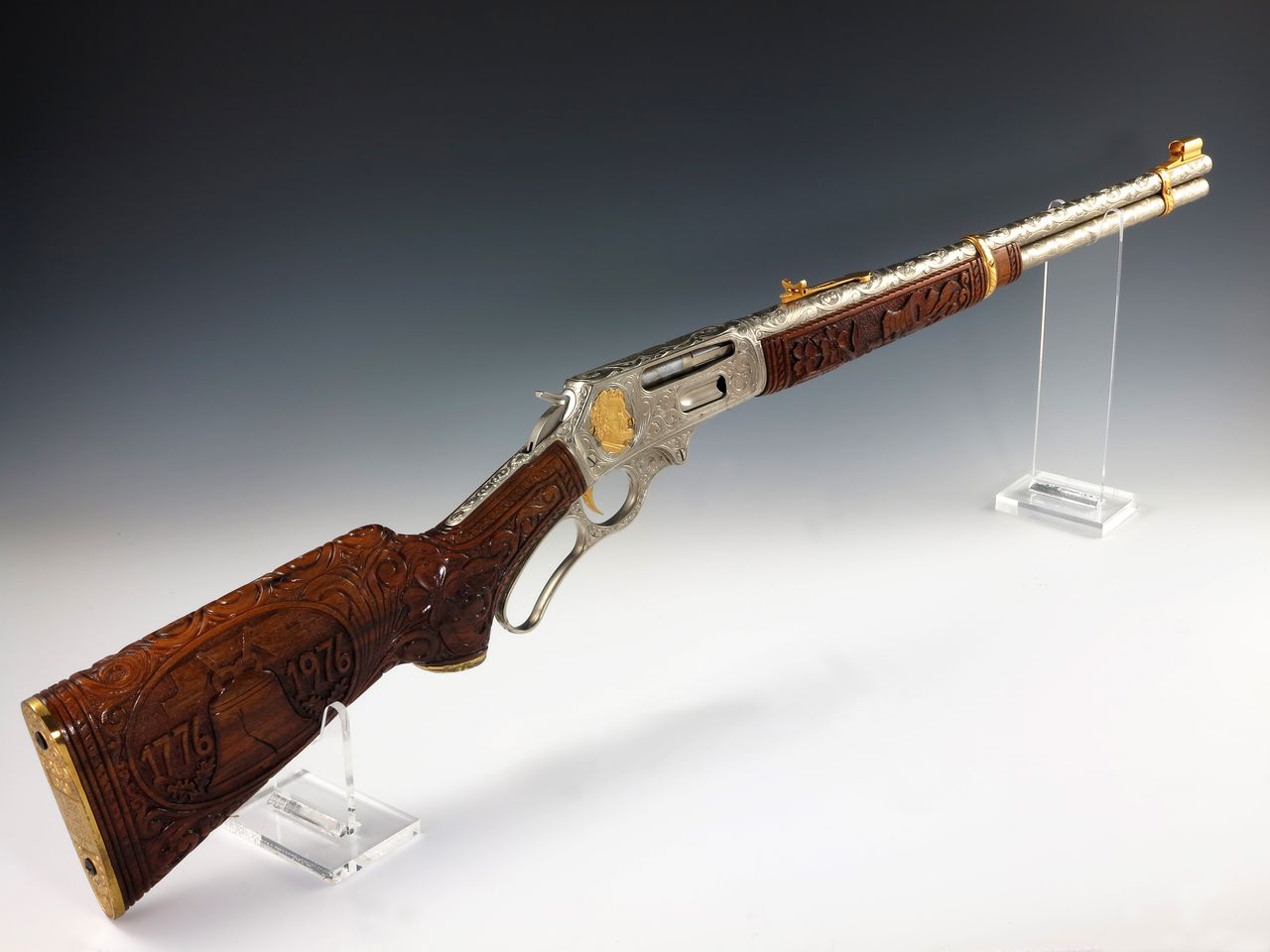
The Marlin 336 often lives in the shadow of Winchester conversations, yet it has a loyal following that knows exactly what details to hunt for. If the rifle you inherited feels solid, carries well, and has that familiar side-eject profile, it may deserve more than a quick cash offer at a local shop.
Collectors and shooters alike pay attention to production era, barrel markings, chambering, and whether the gun was made before major manufacturing transitions. Original sights, clean checkering, and an unaltered stock can help quite a bit. A rifle bought as a practical woods gun decades ago may now be valued for exactly those unchanged details.
Savage Model 99
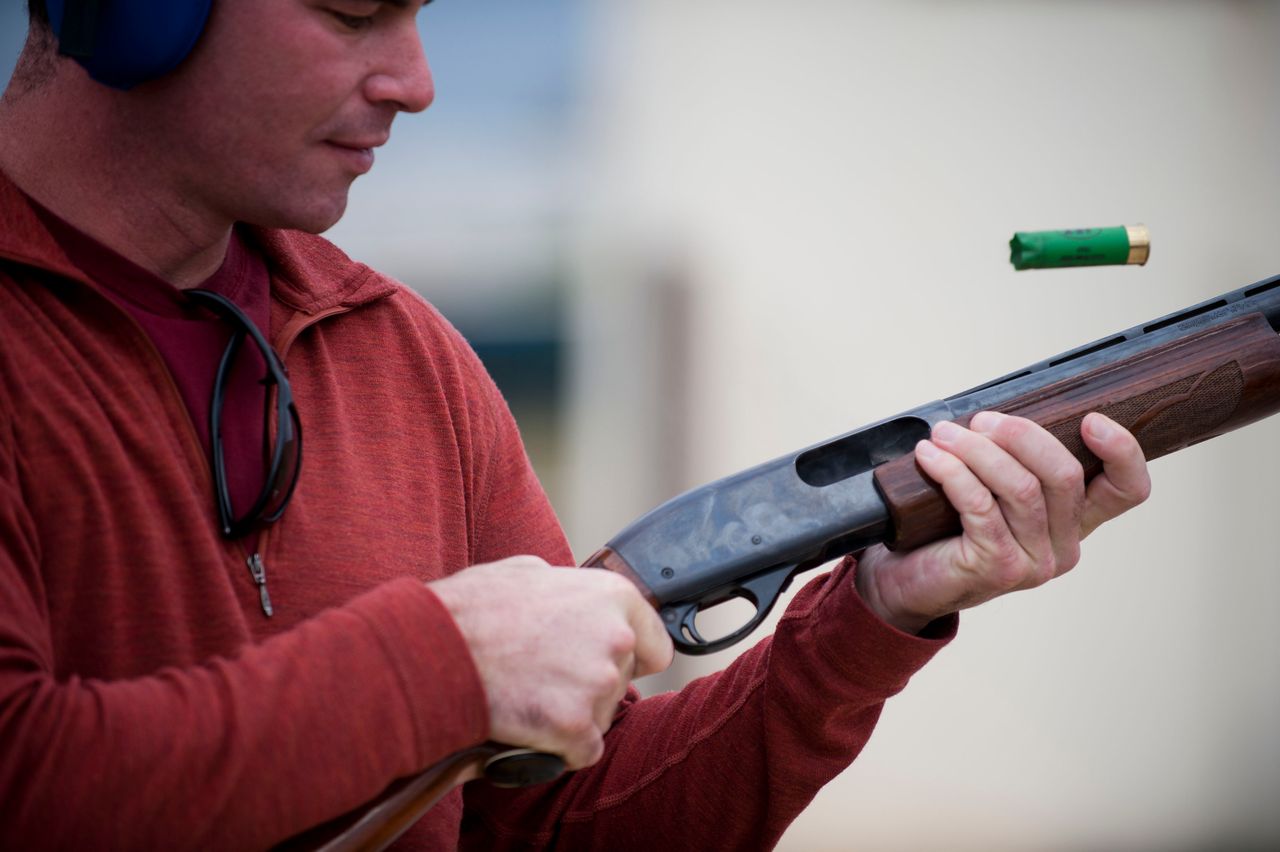
The Savage Model 99 has a look all its own, and that distinct profile is part of the appeal. Many families hold onto one because it feels different from every other hunting rifle in the safe. If you inherited one with no records, do not assume it is just another old lever gun.
The Model 99 came in numerous variations, and small differences can mean a lot. A rotary magazine, cartridge counter window, uncommon chambering, or early manufacturing period may make it especially desirable. Condition still matters, but originality matters just as much. Refinishing or replacing parts before research can erase some of the very value that makes this rifle special.
Remington Model 700 BDL
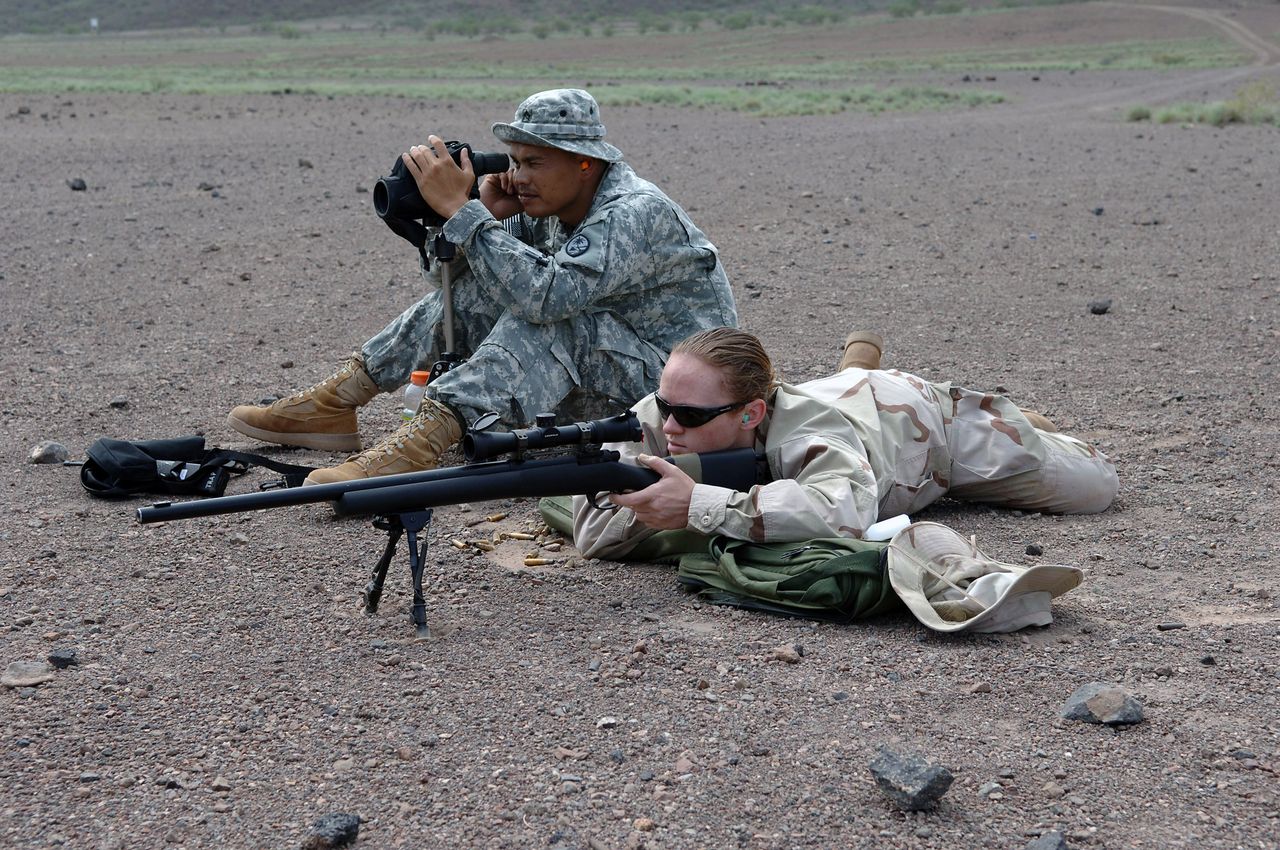
At first glance, a Remington Model 700 BDL can seem too modern and too common to qualify as a noteworthy heirloom. Yet earlier examples, especially those with classic high-gloss wood and period features, have developed a following among hunters who want the rifle they grew up seeing in magazines and gun cabinets.
What sets one apart is often the combination of date, chambering, stock configuration, and overall originality. Factory checkering, sights, floorplate markings, and untouched finish all deserve a close look. A rifle that appears to be a straightforward bolt action may actually appeal to buyers who specifically want older production quality rather than a current off-the-shelf version.
Pre-64 Winchester Model 70
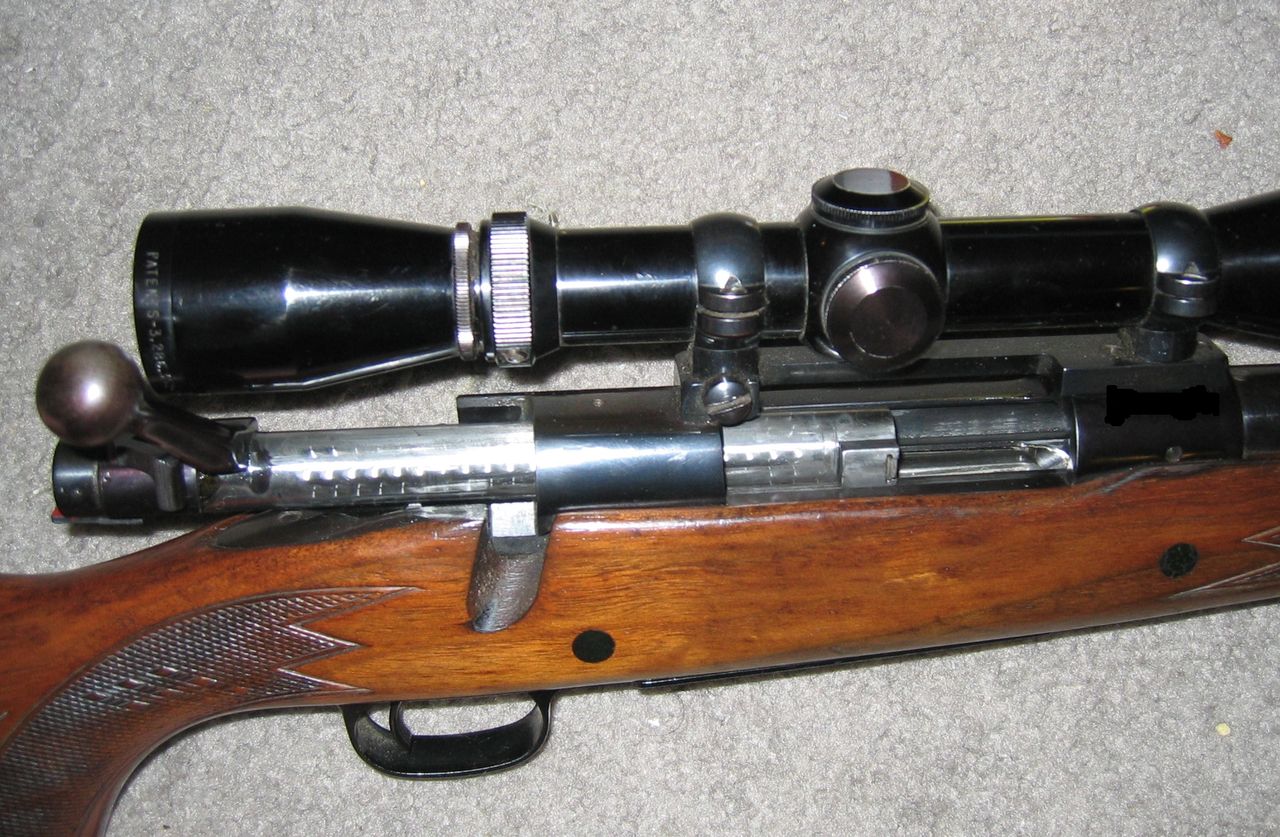
Few rifles trigger collector interest as quickly as a pre-64 Winchester Model 70. Even people only casually familiar with sporting arms have heard the phrase, which is exactly why inherited examples deserve patient identification before any sale. Dates, configurations, and condition can change the conversation fast.
These rifles are admired for their craftsmanship, controlled-round-feed action, and broad hunting legacy. Standard grades can be desirable, while Super Grade versions or less common calibers can climb much higher. The catch is that originality matters enormously. Replacement pads, drilled holes, refinished wood, or swapped sights may affect value, so a careful inspection is always worth the effort.
Springfield 1903
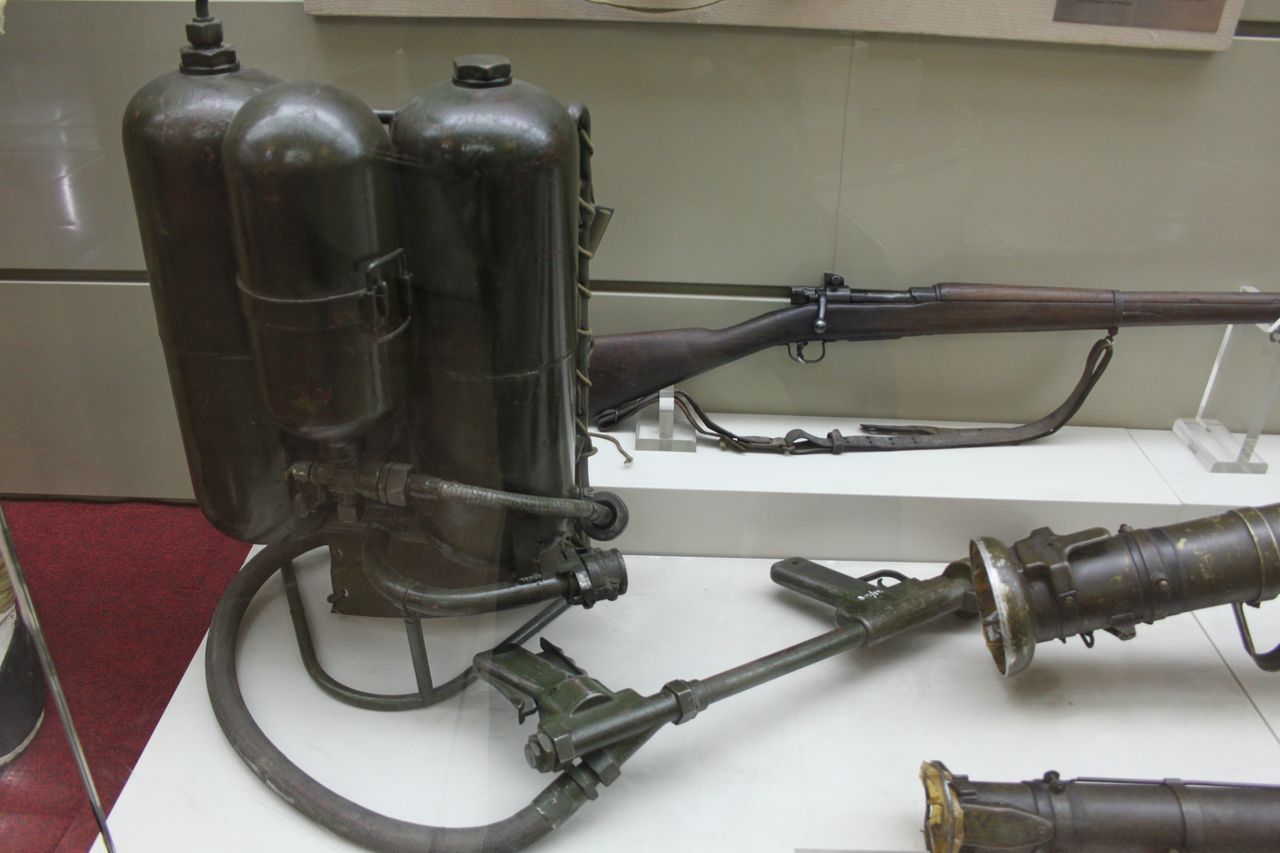
The Springfield 1903 often enters a family through military service, then stays tucked away for decades without much documentation. That lack of paperwork is common, not disqualifying. What matters more is whether the rifle remains in a configuration collectors recognize and whether any markings help tell its story.
Original finish, matching-era parts, barrel date, stock cartouches, and arsenal rebuild clues all deserve attention. Some rifles are prized as military collectibles, while others interest shooters for historical reasons. Sporterized examples usually bring less, but not always nothing. If the work was done long ago and done well, there may still be a niche market that sees real appeal.
M1 Garand
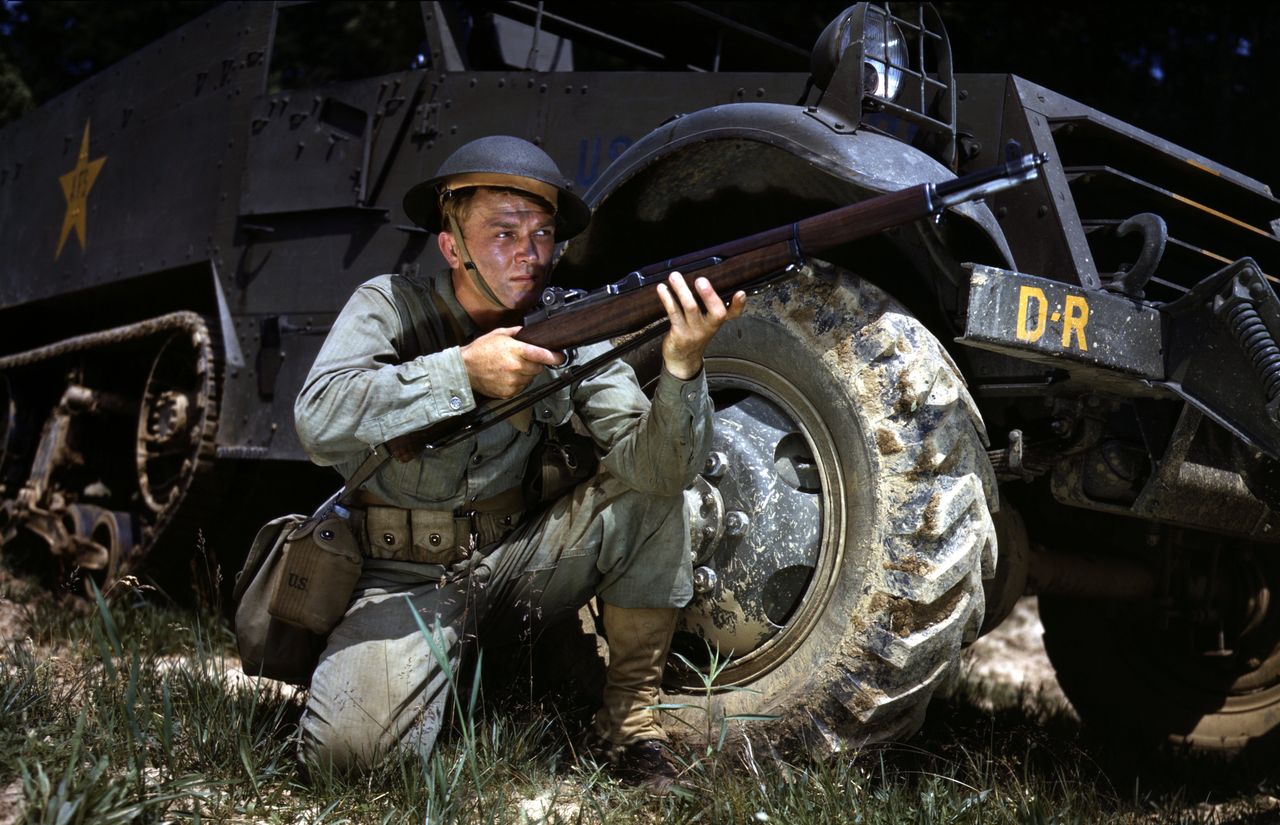
An M1 Garand carries instant historical weight, even when the family paperwork is nonexistent. Many were sold through legitimate government programs or passed down informally, which means provenance can be thin while demand remains strong. If one surfaces in an estate, resist the urge to judge it only by cosmetic wear.
Collectors look closely at manufacturer, serial range, barrel markings, stock stamps, and whether the parts appear correct for the rifle’s era. Rebuilt examples can still be desirable, just in a different lane than highly original examples. Because values can vary widely, a little homework on configuration and component correctness can make a meaningful difference before you accept any offer.
Browning BAR Sporting Rifle
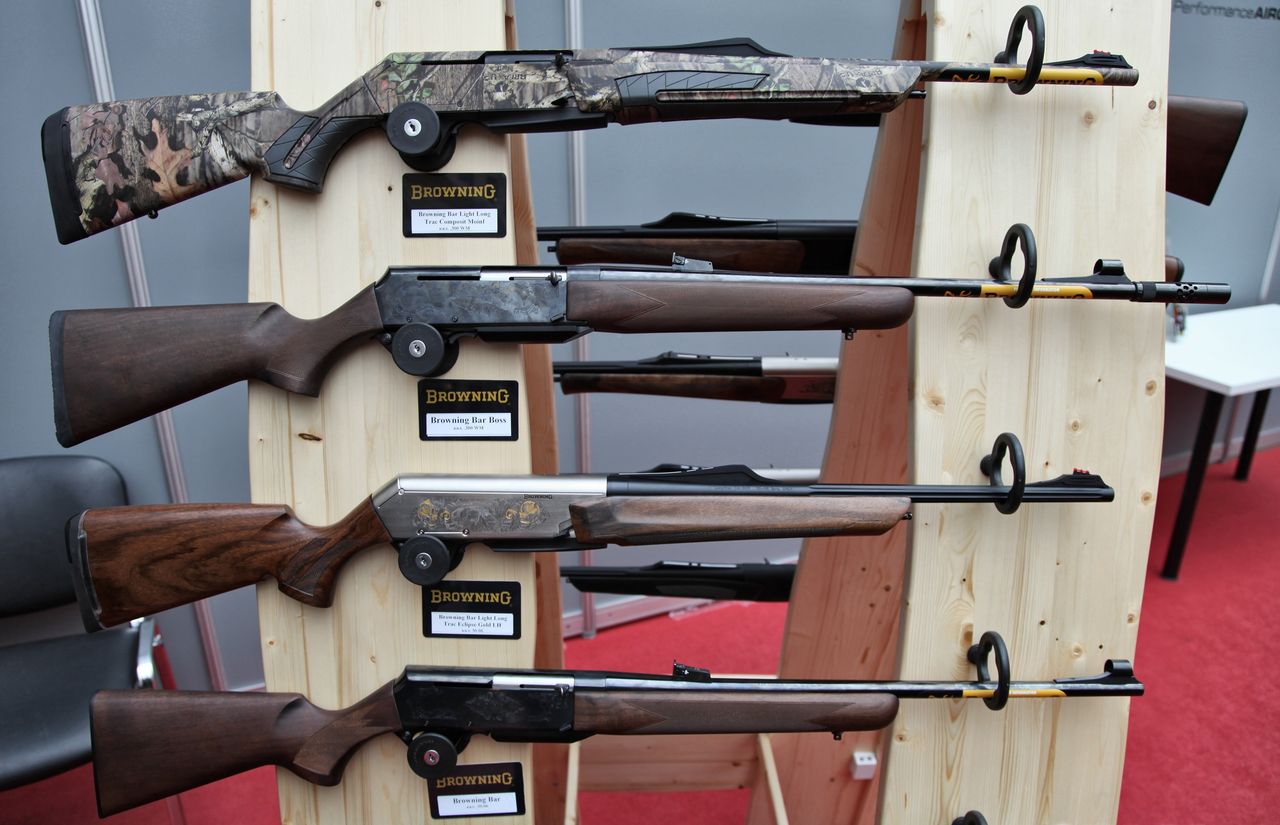
The Browning BAR sporting rifle is easy to underestimate because it feels like a practical hunting tool first and a collectible second. But some inherited examples have become quietly sought after, especially those from earlier production runs with Belgian manufacture or desirable chamberings and trim levels.
The details are where the money hides. Engraving, grade designation, stock style, and place of manufacture can separate a routine used rifle from a more interesting collector piece. Even if it lacks its original box or sales receipt, markings on the barrel and receiver can say plenty. Before selling, it is smart to identify exactly which BAR you have and who might want it.