Traditional iron sights remain an important part of handgun design, even as modern pistols increasingly feature optics-ready slides and red-dot compatibility. Manufacturers use different combinations of front blades, rear notches, fixed sights, adjustable assemblies, and low-profile profiles to suit each firearm’s intended role. These differences affect sight visibility, construction, and the overall appearance of a handgun. The 8 models below highlight distinctive factory sight arrangements, with attention to original design and the variations that can occur between model versions.
1. Colt Government Model 1911: Classic Blade-and-Notch Sights
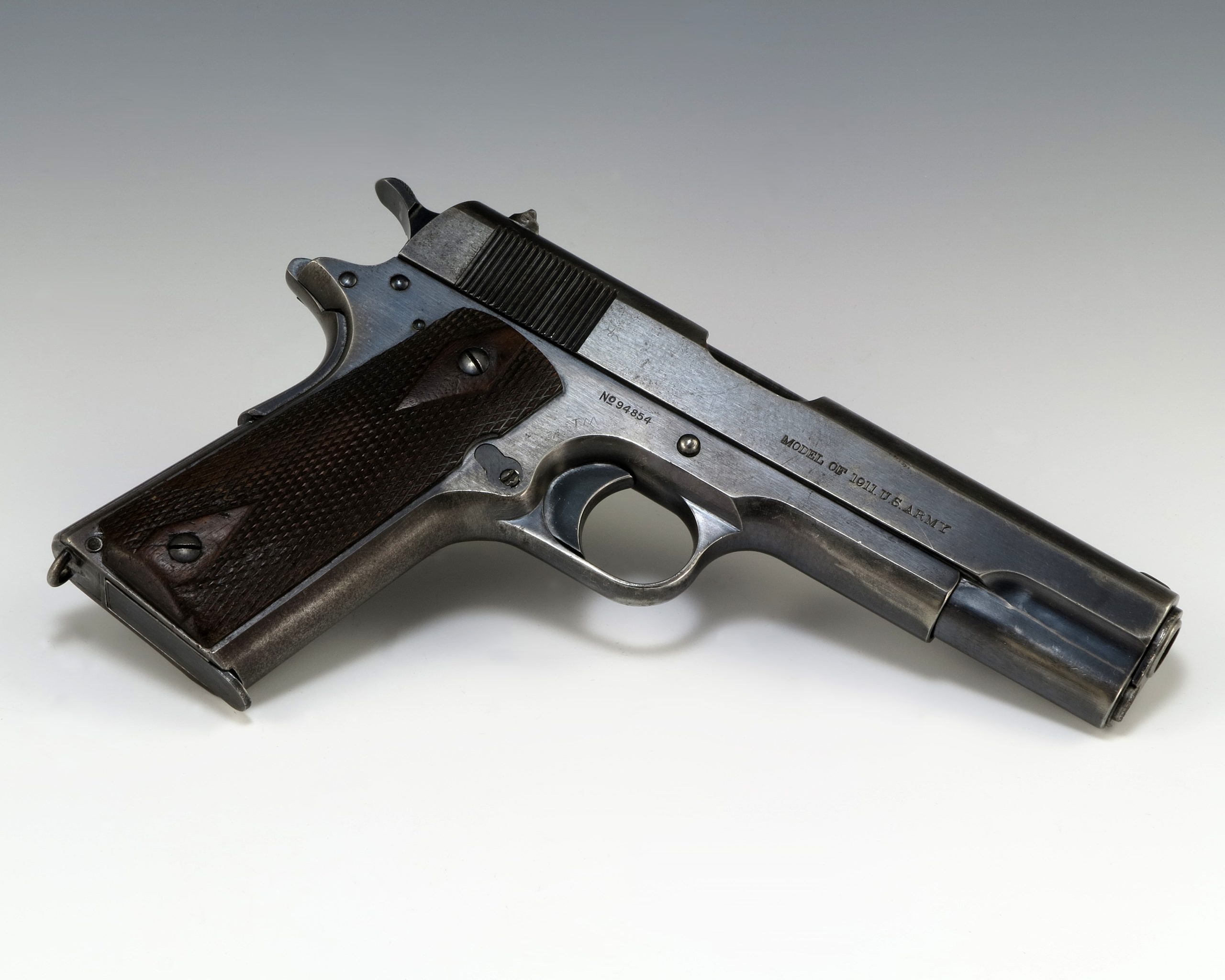
The classic Colt Government Model 1911 is often associated with a simple front blade and a narrow rear notch, a restrained arrangement that suits its early military heritage. Original GI-pattern pistols generally use low-profile fixed sights, while many later Series 70-style and commercial versions have larger blades and wider notches. The difference matters: “1911” describes a broad family, not one sight specification. Check the exact maker, production period, and model before describing its factory sights; competition and modern variants may depart substantially from the traditional profile.
2. Beretta 92FS: Three-Dot Sights With an Adjustable Rear
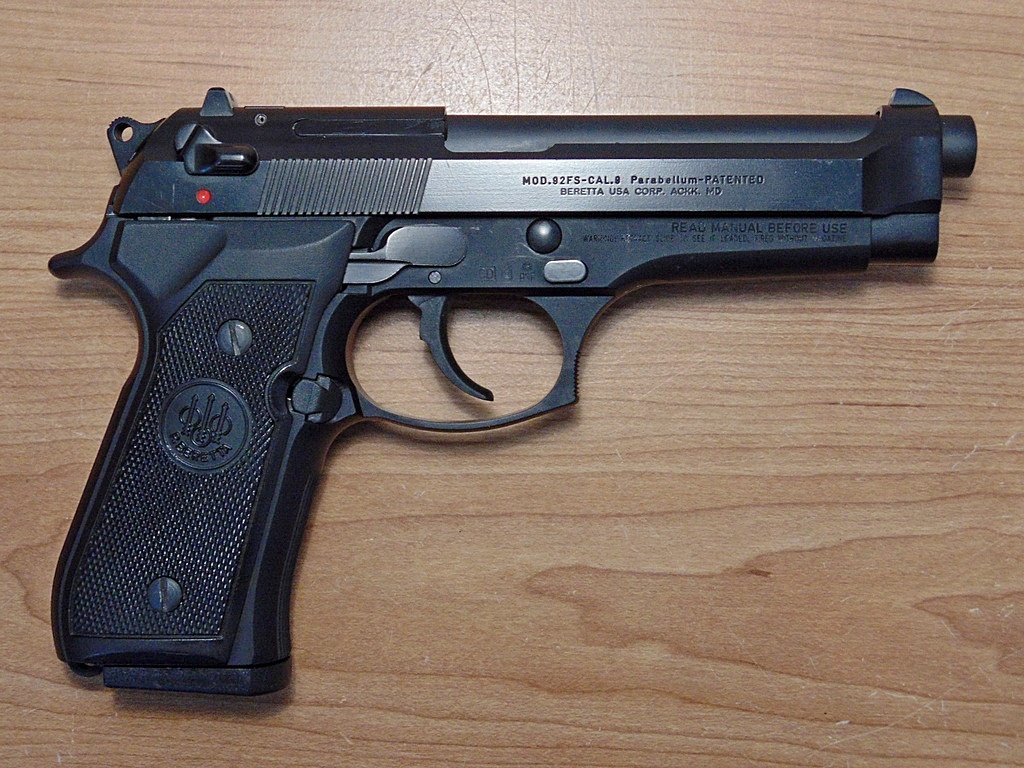
The Beretta 92FS pairs its distinctive open-slide profile with a conventional three-dot sight picture on standard versions. Beretta lists a fixed front sight and an adjustable rear sight, with a sight radius of about 155 mm (6.10 inches). Three contrasting dots provide alignment references, while rear adjustment distinguishes it from fully fixed systems. The arrangement is easy to recognize. Specifications can differ across 92-family variants and special editions, so identify the 92FS specifically rather than assuming every Beretta 92 has identical sights.
3. Ruger Mark IV: Sporting Sights With Windage Adjustment
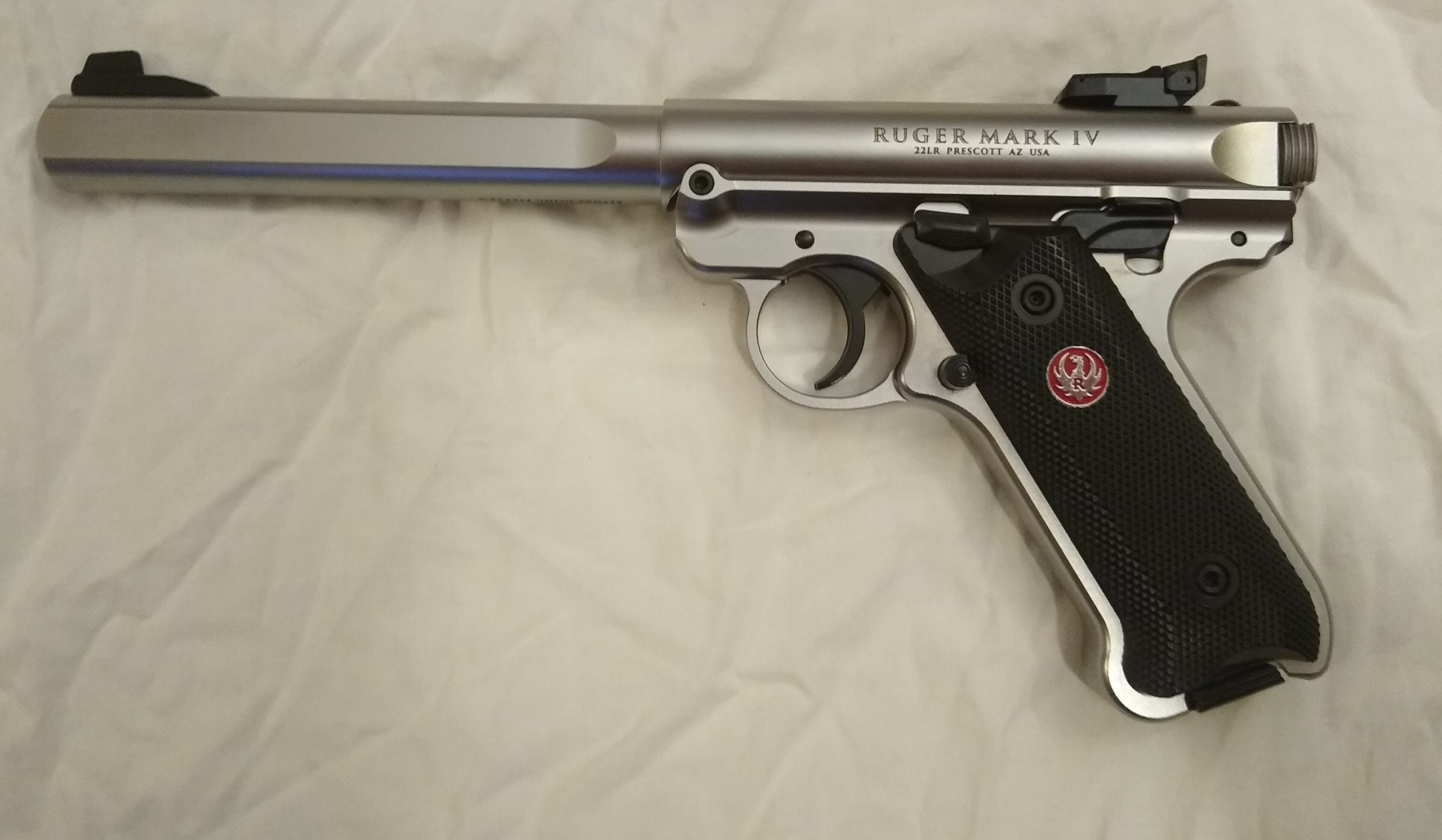
The standard Ruger Mark IV illustrates a sporting-pistol approach to iron sights: a fixed front sight paired with a rear sight adjustable for windage. Ruger’s manual specifies that the rear sight can be moved laterally, while some Mark IV versions have fully adjustable sights instead. The model family also includes variants with different barrels, rails, and sight arrangements, so “Mark IV” alone is not enough to establish the exact setup. Its traditional front-blade and rear-notch layout stands apart from the more compact, combat-oriented sights found on many service pistols.
4. Smith & Wesson Model 686: Traditional Revolver Sights
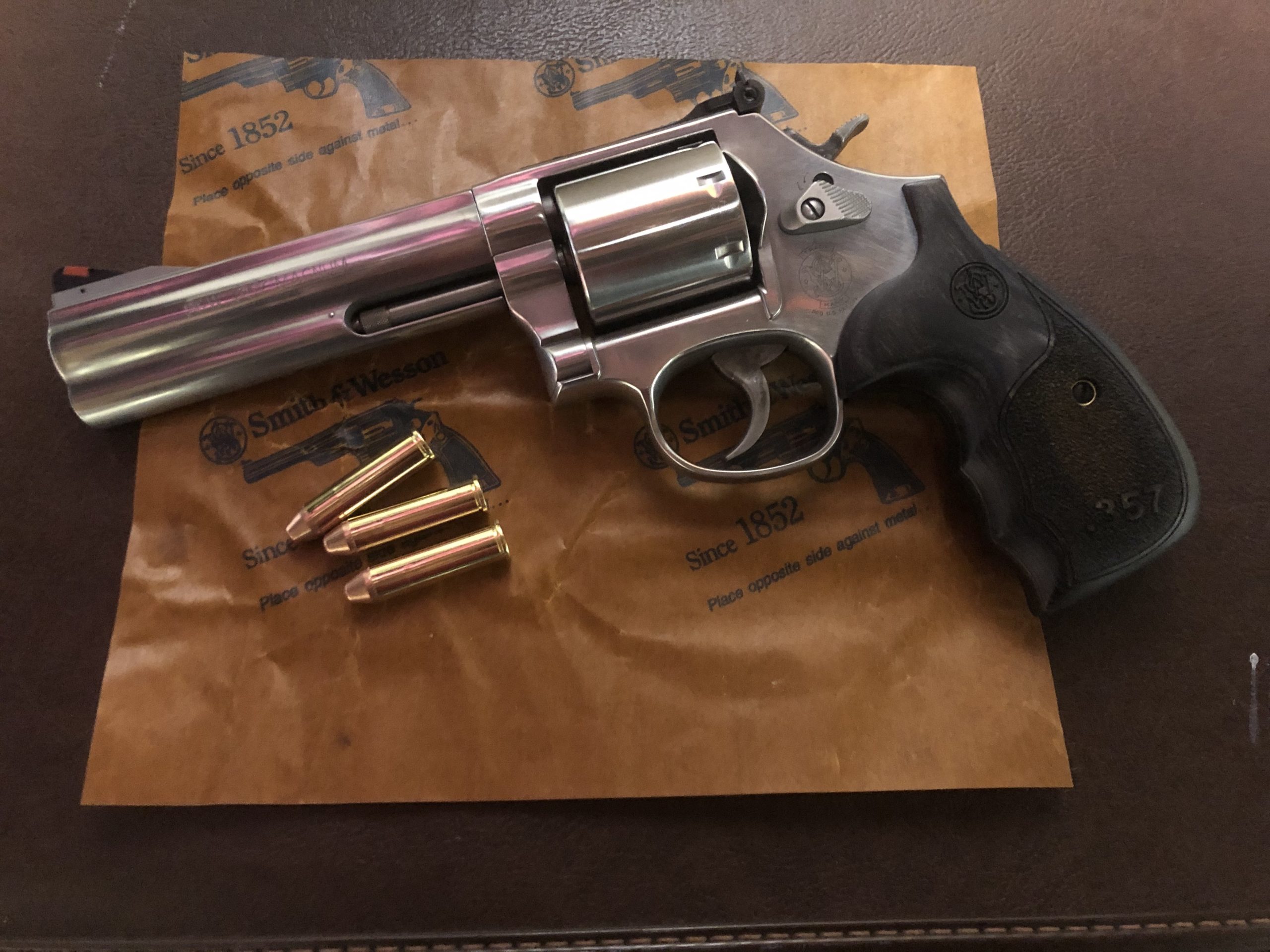
The Smith & Wesson Model 686 revolver is known for a target-style sight arrangement on many standard versions, typically combining a ramp-style front sight with an adjustable rear assembly. Unlike a semiautomatic pistol’s sights mounted on a reciprocating slide, the revolver’s sights sit above its solid frame and barrel, creating a different visual profile. The 686 has appeared in multiple barrel lengths and configurations, and front-sight inserts or rear-sight details may vary. Confirm the exact model and production version before claiming a particular insert color or sight specification.
5. Browning Hi-Power: A Classic Design With Different Rear Sights
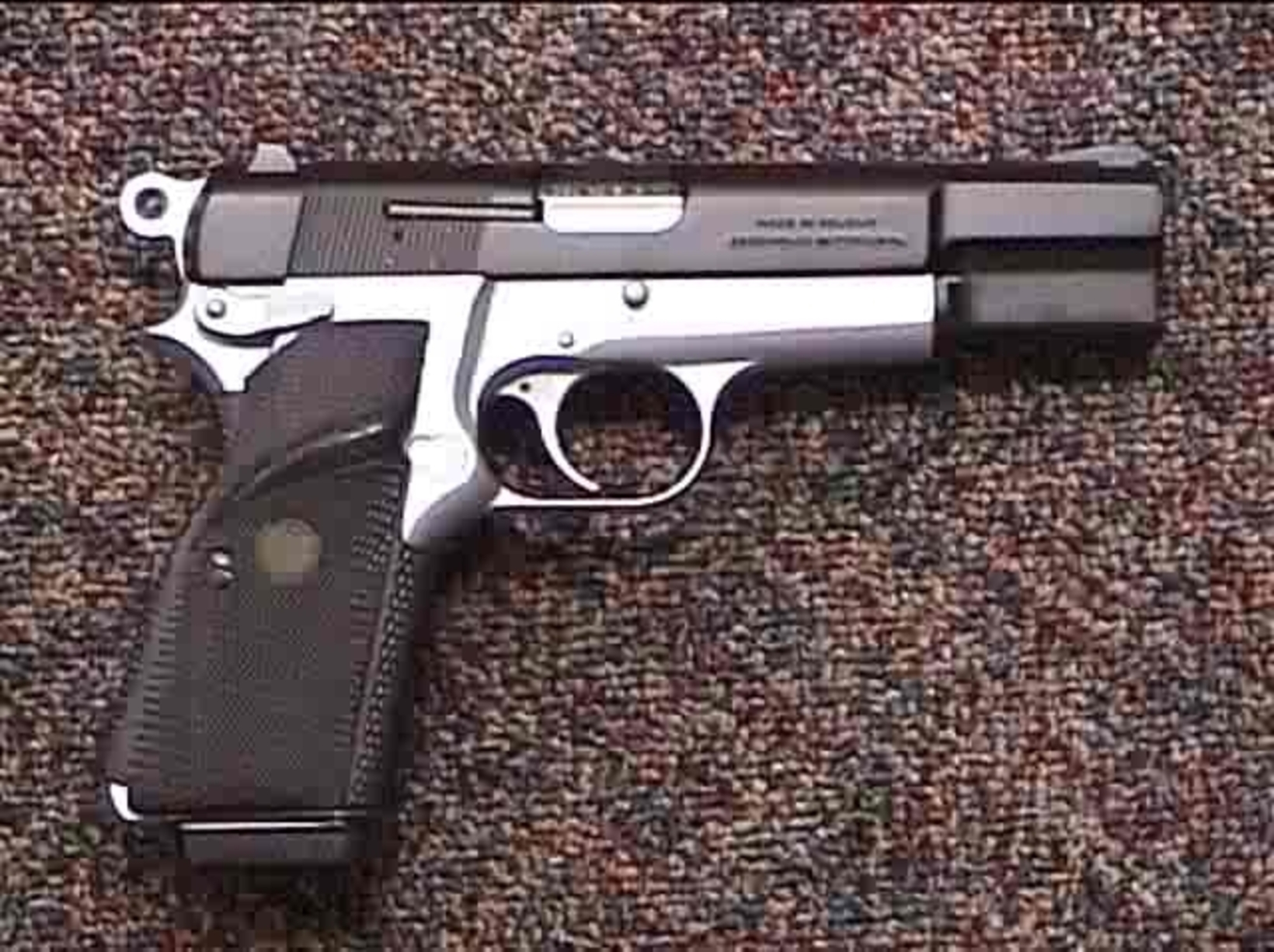
The Browning Hi-Power preserves a classic service-pistol outline, but its factory sights are not identical across every generation. Some pistols use a fixed front blade and a drift-adjustable rear sight; other versions have a rear unit adjustable for both windage and elevation. That makes the Hi-Power a useful example of how a traditional design evolved without losing its familiar profile. Browning’s owner guidance explicitly distinguishes these sight types, so a description should identify the particular production version rather than treating all Hi-Powers as having one standard arrangement.
6. Walther PPK: Compact Fixed Sights With an Anti-Glare Rib
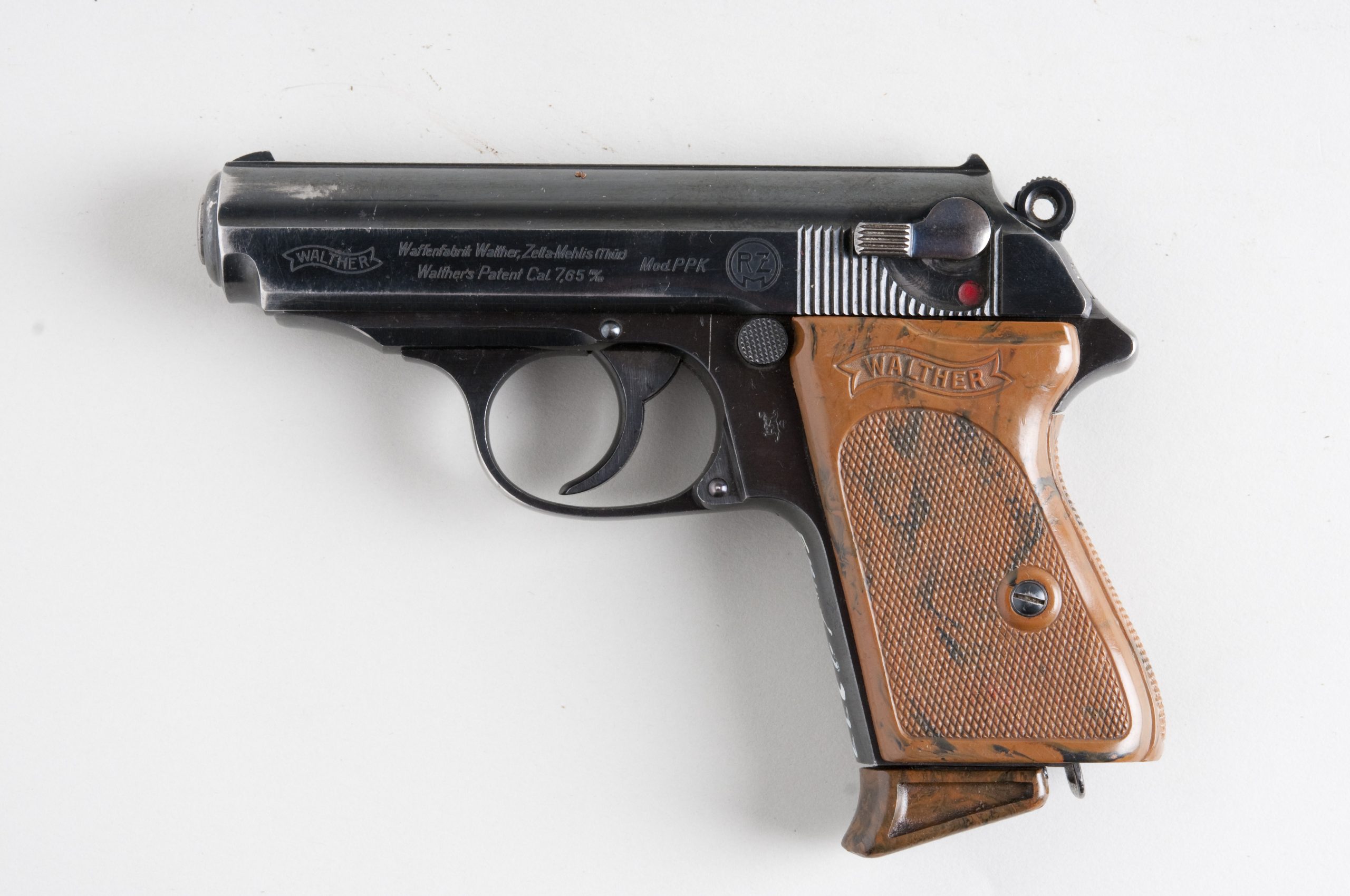
The Walther PPK uses a compact, traditional sight profile integrated neatly into its short slide. Current catalog specifications describe machined, fixed iron sights and a wave-machined anti-glare rib, a detail that distinguishes the design from simple raised sights on a smooth slide. The standard .380 ACP PPK is listed with a 3.3-inch barrel, and its short sight radius is part of the compact format and traditional profile. Do not transfer every specification to the PPK/S or rimfire versions: related models can differ in dimensions and sight arrangements.
7. Glock 17: A Plain Post-and-Notch Sight Arrangement
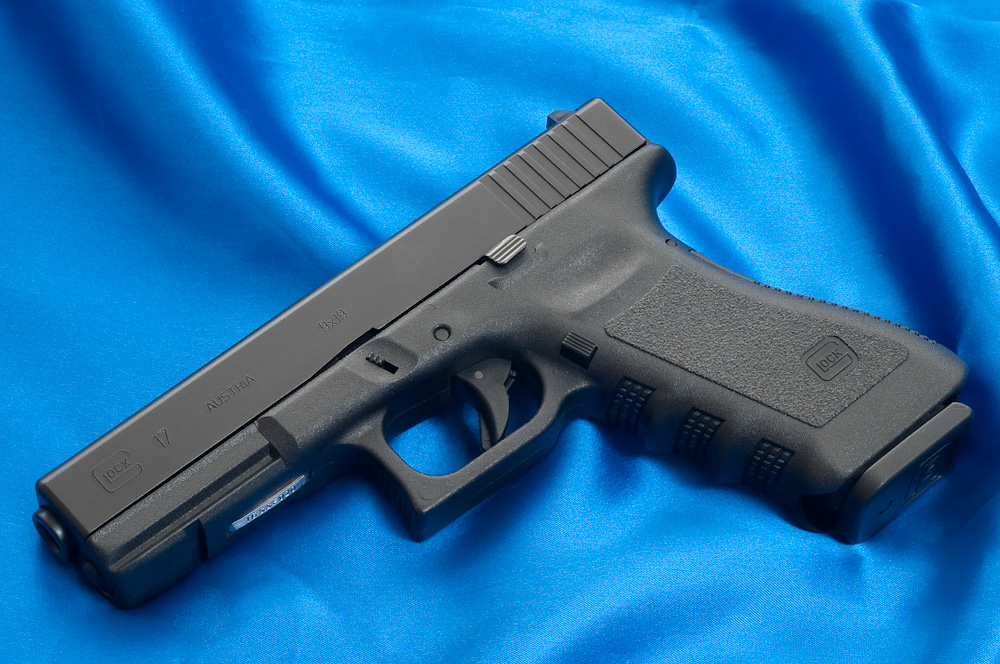
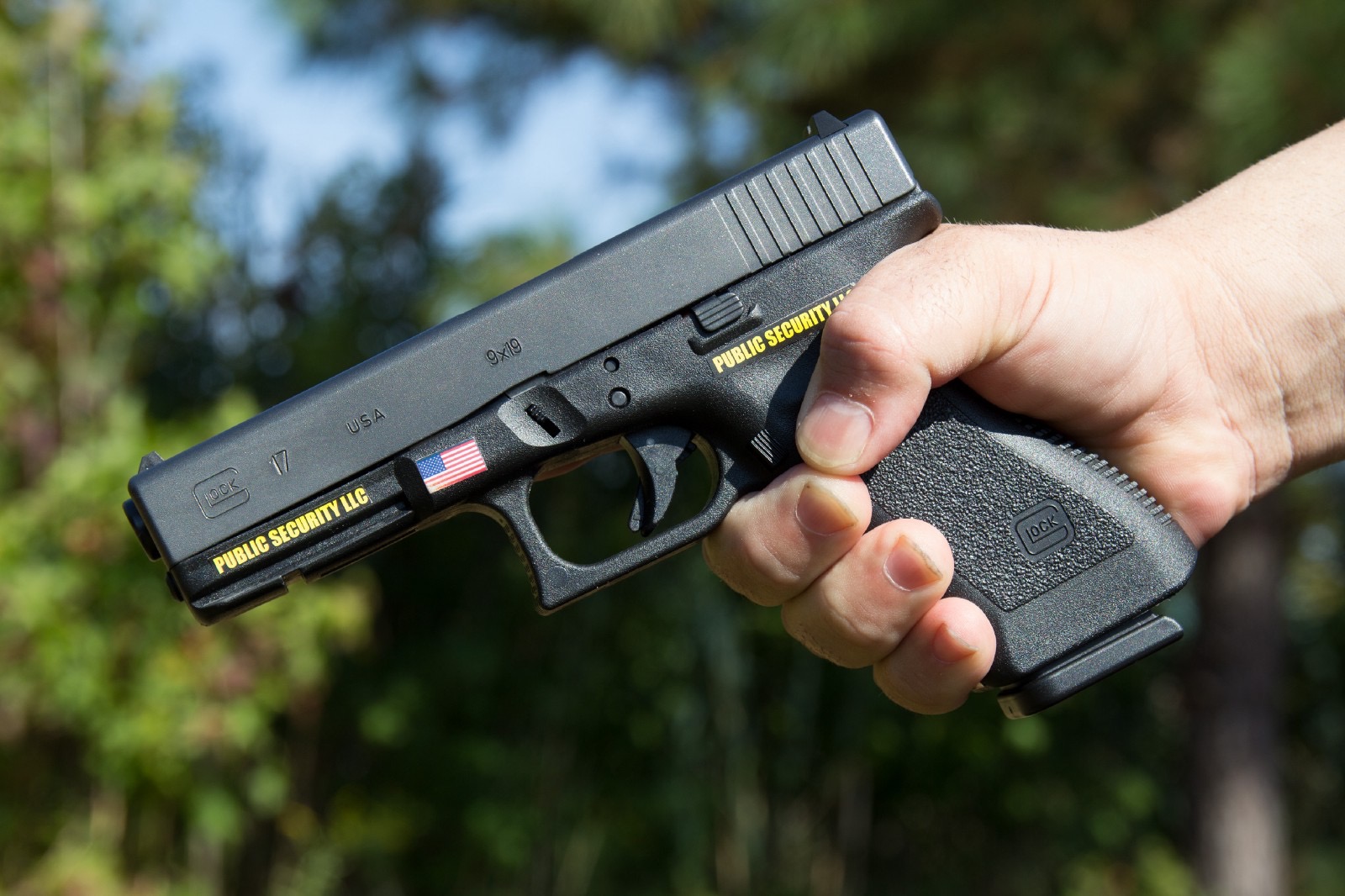
The Glock 17 represents a modern service pistol with a deliberately plain factory sight arrangement on many standard versions: a front post and a rear notch, commonly supplied in polymer. This understated design differs from three-dot metal sights and adjustable target sights, though Glock has offered different factory sight options and generations vary. Its 9×19 mm chambering and full-size format do not identify the sight package. Check the generation, market, and product listing before stating whether a particular pistol has polymer, steel, night, or optic-compatible sights.
8. SIG Sauer P210: Precision-Oriented Traditional Sights
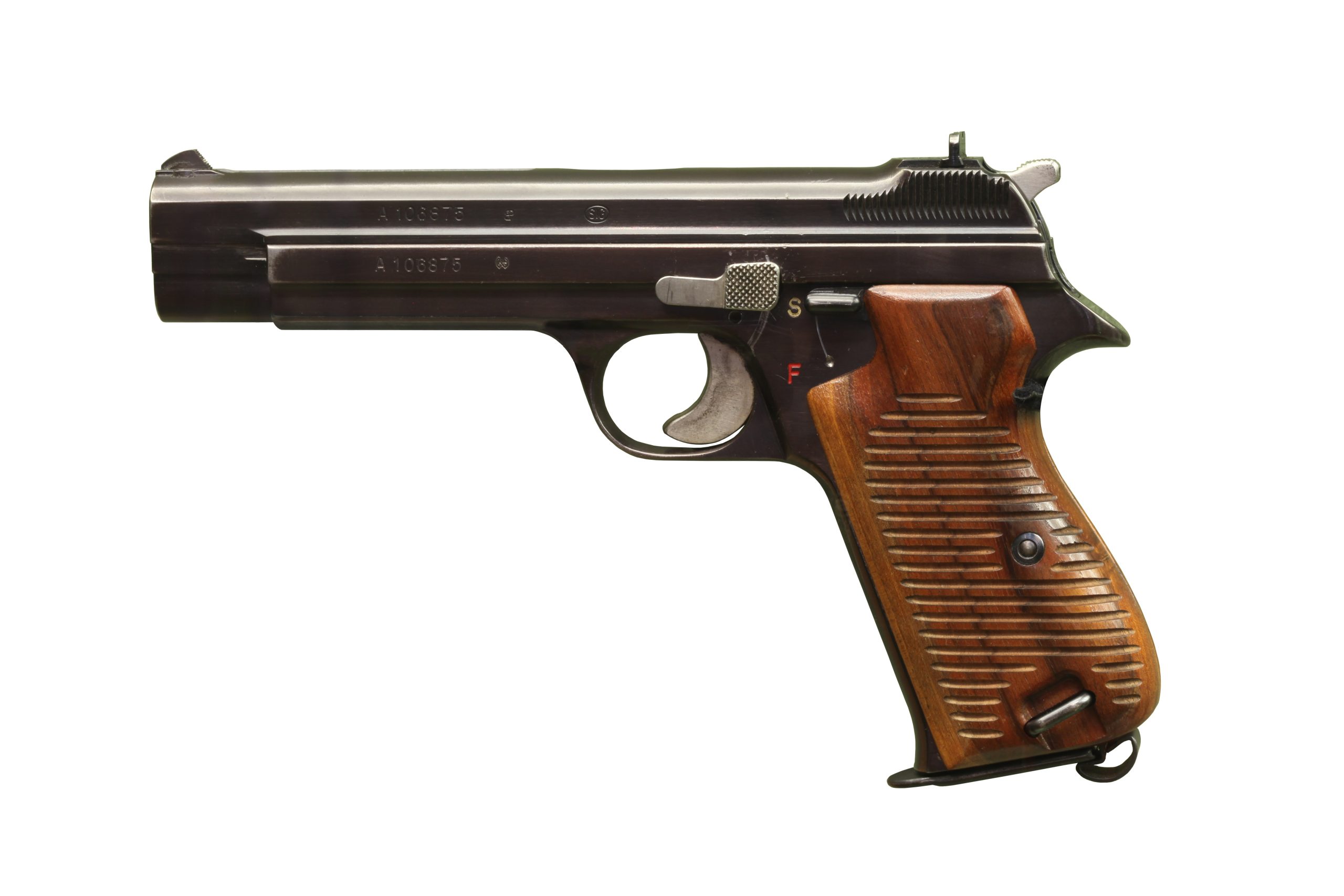
The SIG Sauer P210 is a notable example of a precision-oriented pistol with a target-like sighting system on selected versions. Depending on the specific P210 model, factory arrangements may include a fixed front blade with a rear sight designed for adjustment, rather than the minimal sights associated with many military pistols. The P210 family spans Swiss service pistols and commercial variants, so sight details cannot safely be generalized across the name alone. Verify the exact model designation and factory specification before describing its rear-sight construction or adjustability.