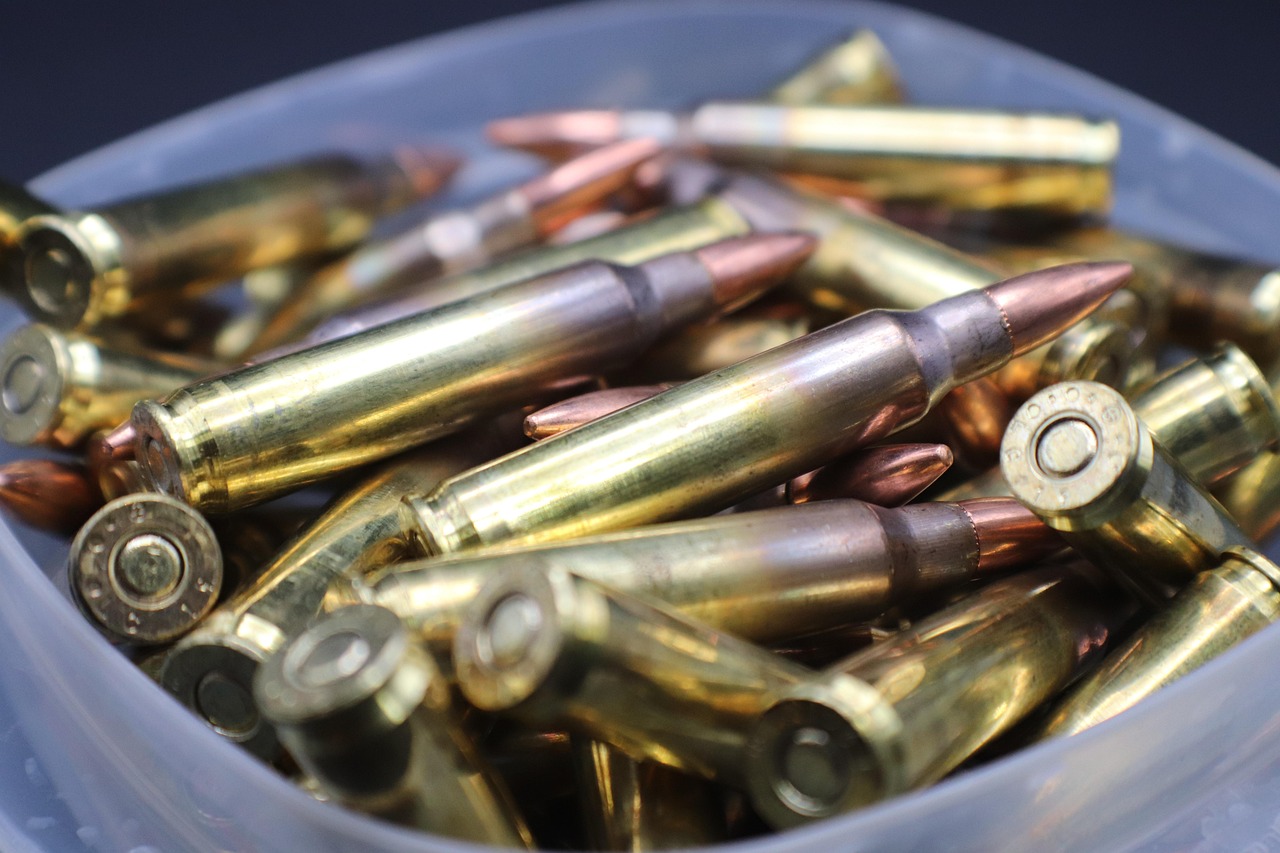
Some rifle cartridges never really die, but they do slip from center stage. This gallery looks at eight rounds that once felt untouchable, yet now face quieter shelves, stiffer competition, and changing shooter tastes. None of them are useless, and a few remain genuinely excellent, but their best years may no longer be ahead of them.
.30-06 Springfield
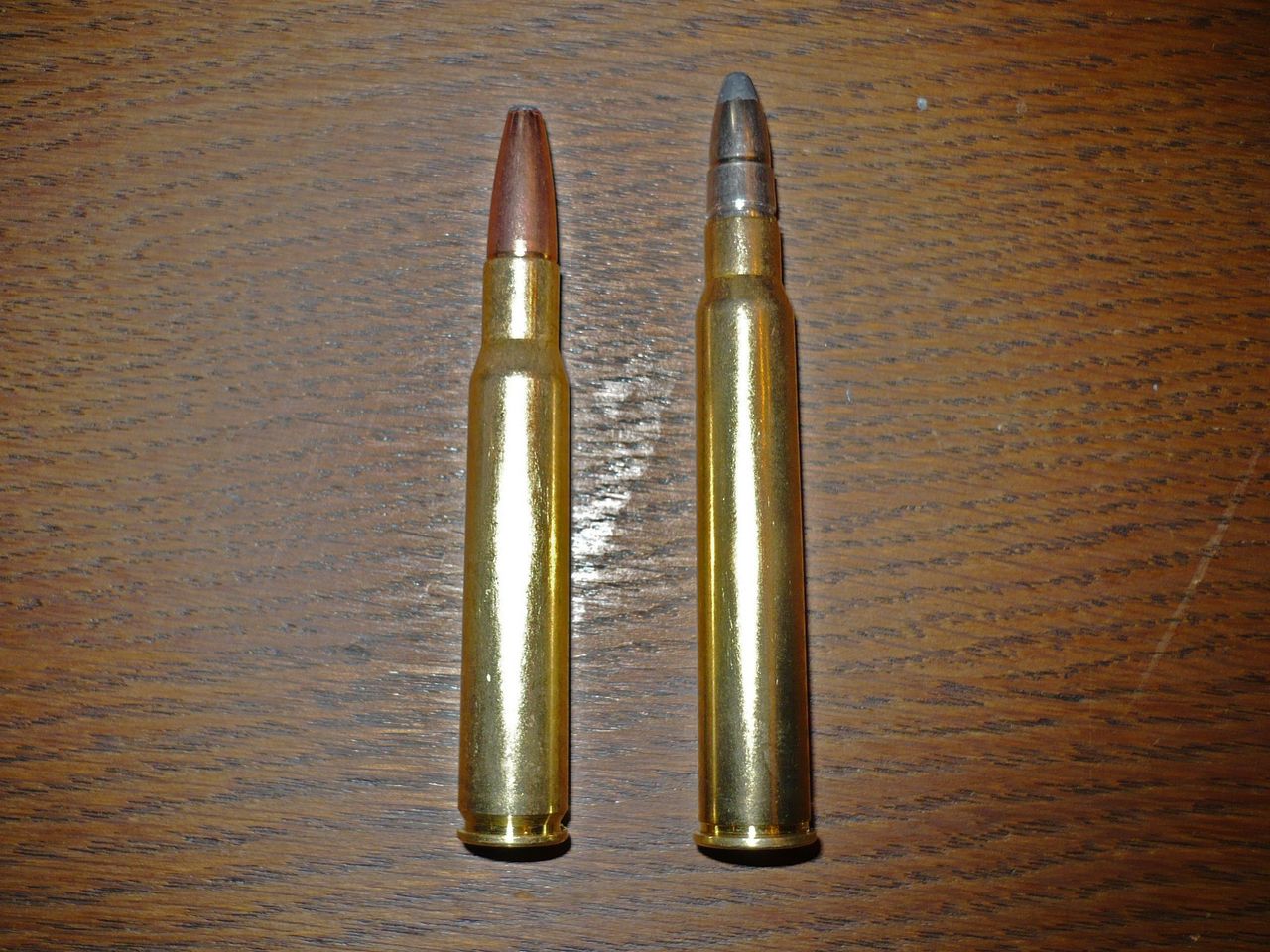
For generations, the .30-06 Springfield was the default answer to almost every hunting question in America. It earned that reputation honestly, with wide bullet selection, real versatility, and a century of battlefield and field use behind it.
The problem is not that it stopped working. The problem is that newer cartridges now deliver similar downrange performance with less recoil, shorter actions, and more efficient case design. In a market obsessed with flatter trajectories and lighter rifles, the old giant feels a little less automatic than it once did.
It will never vanish, but its era of total dominance clearly has faded.
.270 Winchester
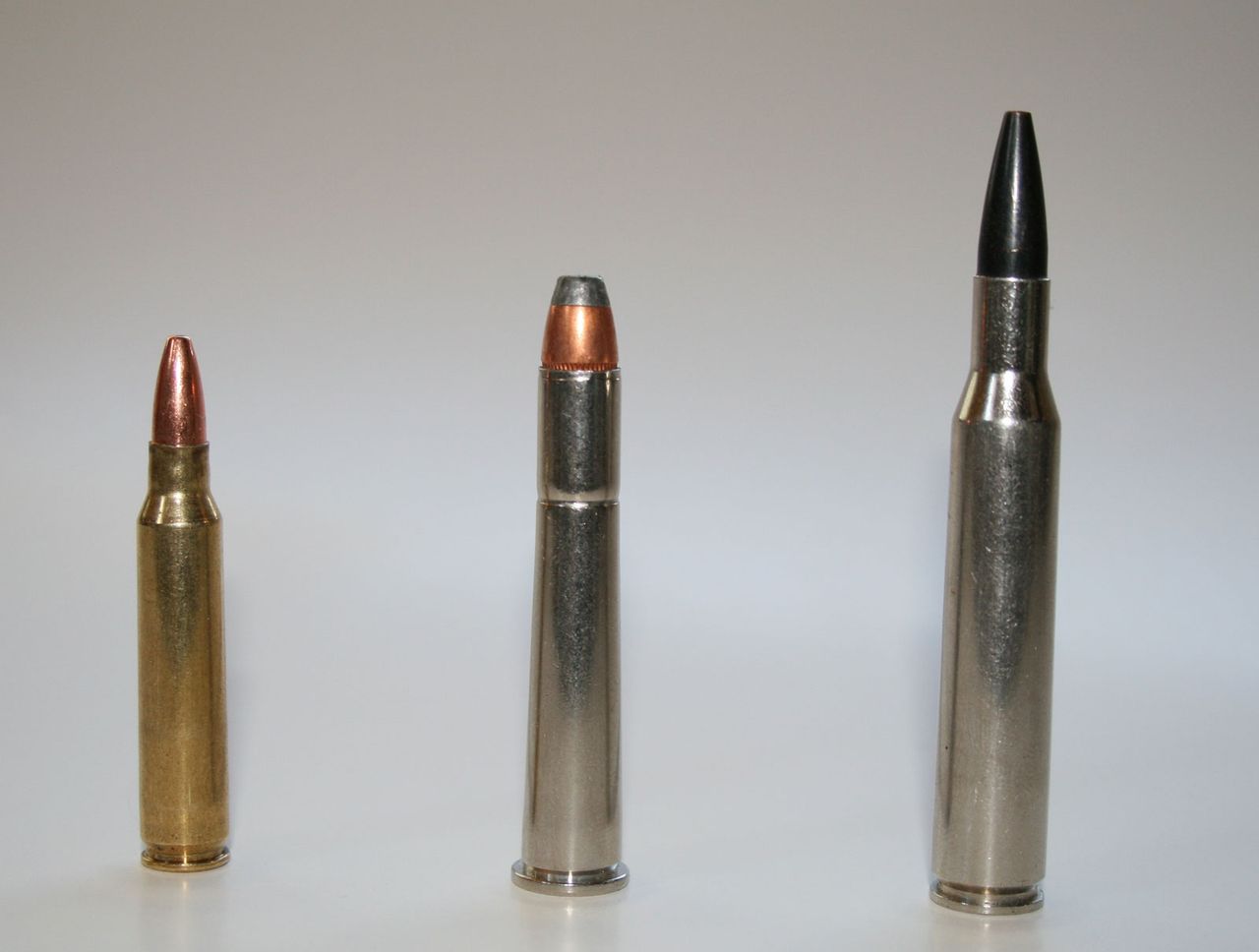
The .270 Winchester used to enjoy near-mythic status among deer and elk hunters who valued speed and reach. For a long time, it was the sleek, modern choice, especially for shooters who wanted flatter performance than the .30-06 without stepping into magnum recoil.
Now it sits in an awkward middle ground. New 6.5 mm cartridges have stolen much of its spotlight by offering high ballistic efficiency, softer recoil, and trendier long-range credentials. Younger buyers often skip right past the .270, even though it still kills game as cleanly as ever.
Its legacy is secure, but its cultural momentum is not.
.243 Winchester
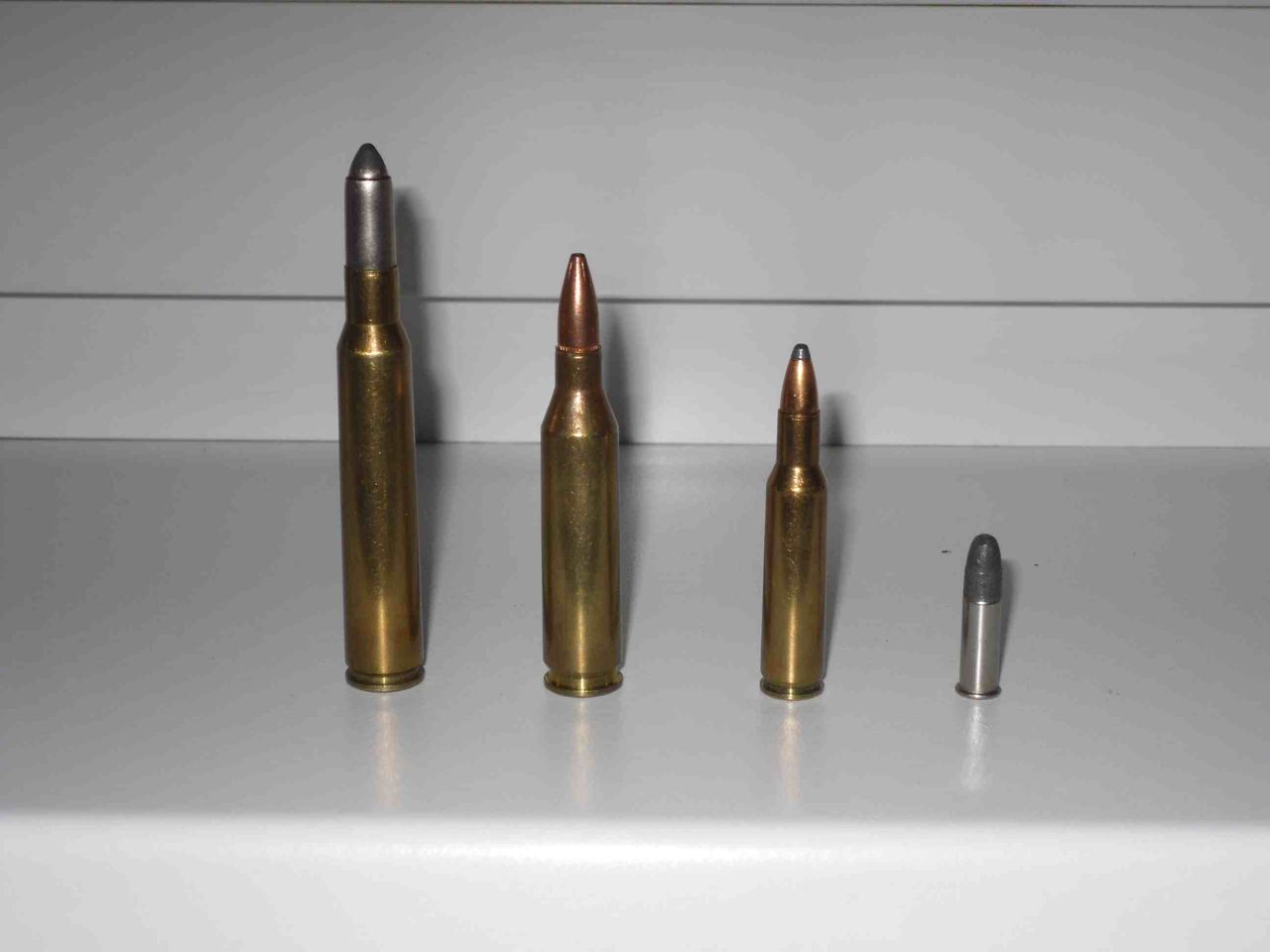
The .243 Winchester long held a sweet spot as a low-recoil option for varmints, deer, and first-time hunters. It became a family favorite because it was approachable, widely available, and accurate enough to build real confidence behind the trigger.
What changed is specialization. Today, dedicated varmint shooters often want faster, purpose-built rounds, while deer hunters increasingly lean toward cartridges with heavier bullets and more margin on larger-bodied animals. The .243 can still do both jobs, but buyers now tend to prefer rounds that feel more optimized for one role or the other.
That leaves the .243 respected, useful, and a little less central than before.
7mm Remington Magnum
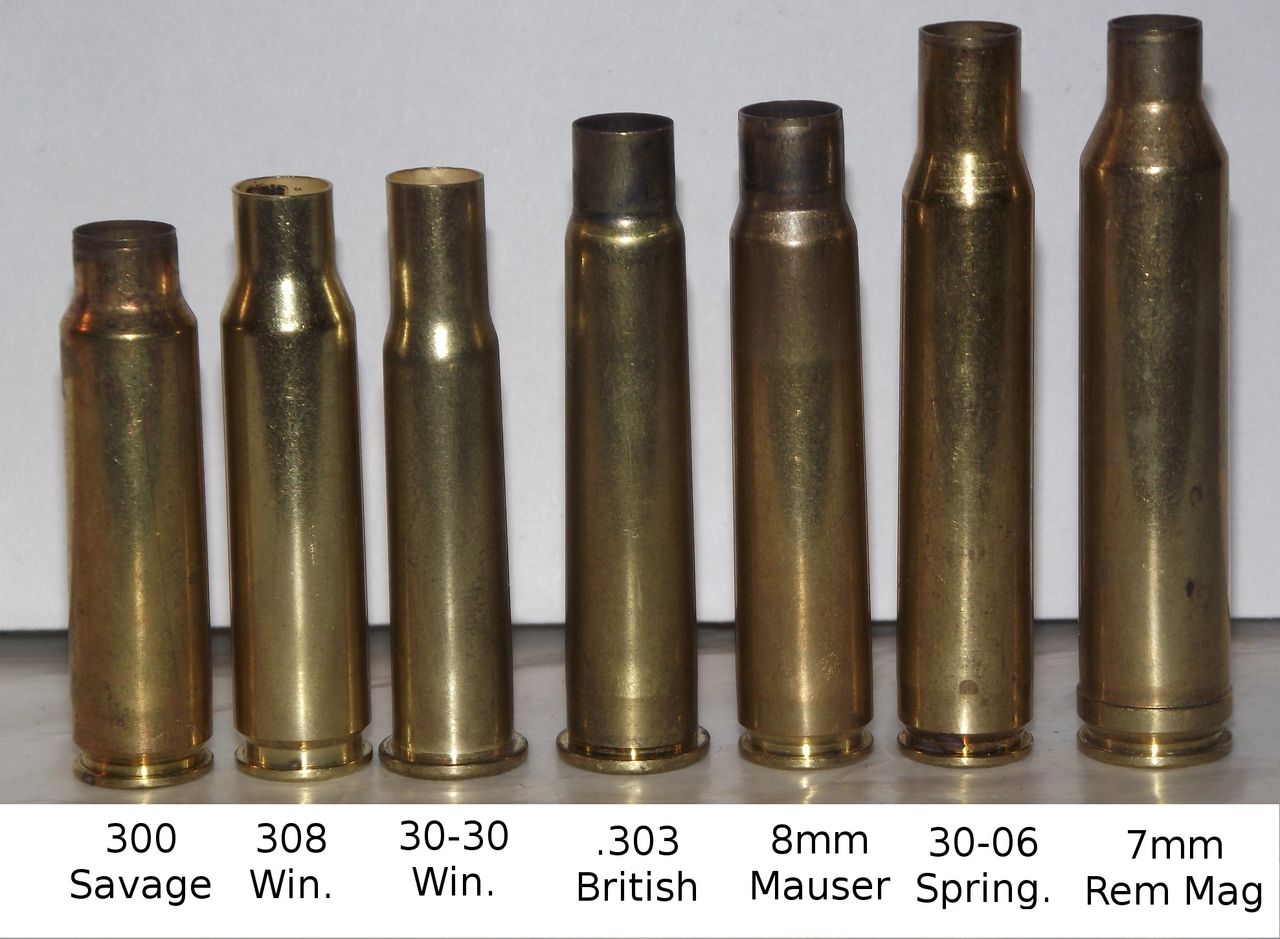
There was a time when the 7mm Remington Magnum represented serious reach, serious hunting credibility, and a little swagger. It offered speed, striking energy, and the kind of open-country performance that made Western hunters and gun writers talk about it with genuine admiration.
Its decline is subtle, not dramatic. Recoil-sensitive shooters now have many alternatives, and long-range fans are often drawn to newer cartridges that promise better barrel life tradeoffs or more efficient performance from modern rifle platforms. For many hunters, the old magnum simply feels like more cartridge than they need.
It still hits hard, but it no longer owns the dream the way it once did.
.22-250 Remington
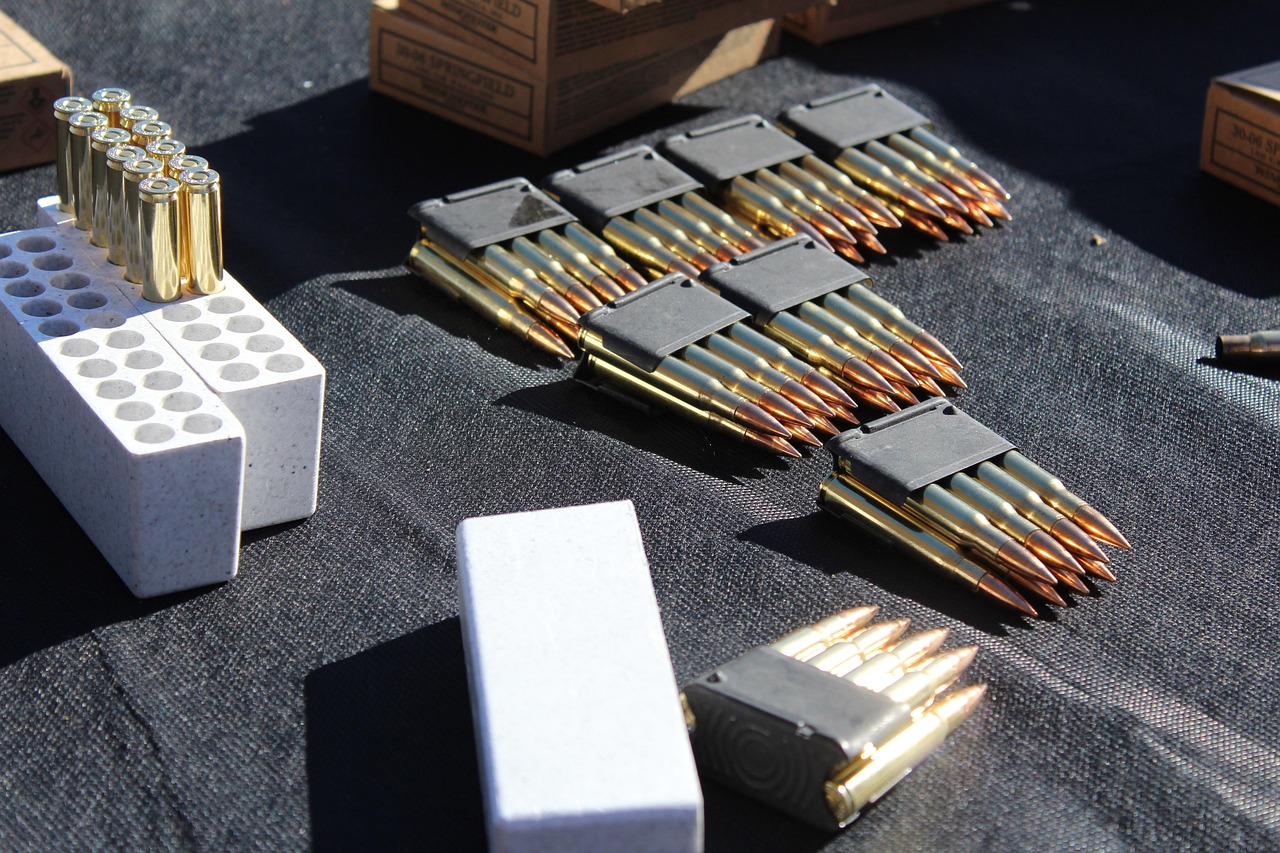
The .22-250 Remington was once the hot rod of the varmint world, prized for blistering speed and laser-flat shooting on coyotes and prairie dogs. It built a reputation as the cartridge for shooters who wanted dramatic velocity and were not interested in compromise.
That image has softened as barrel-conscious shooters and high-volume callers look at alternatives that are cheaper to feed, easier on throats, or better suited to modern suppressor use. Precision-minded rifle owners also have more choices than ever in small-caliber centerfires.
The .22-250 still has undeniable charm, but it no longer feels like the obvious answer for everyone chasing fast .22-caliber performance.
.300 Winchester Magnum
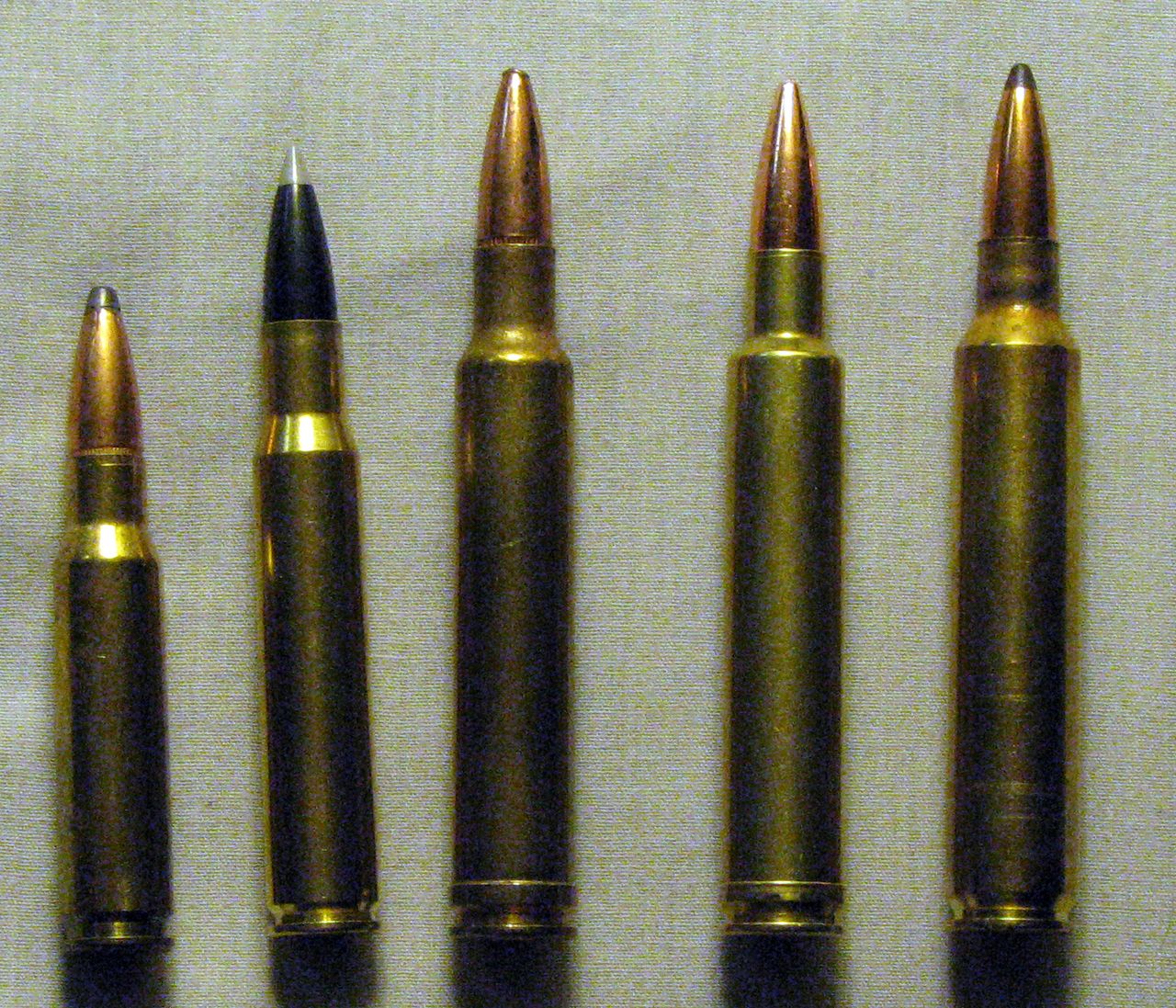
The .300 Winchester Magnum remains powerful, capable, and deeply respected, especially among big-game hunters who want authority at distance. For years, it was the aspirational step up, the cartridge people bought when they wanted one rifle to handle serious North American hunting.
But its downsides have become harder to ignore. Recoil, blast, and rifle weight matter more to modern buyers, and many hunters have realized they do not need magnum punishment to take game effectively. Meanwhile, newer long-range cartridges have chipped away at its cool factor in the precision world.
It is still important, just not quite as inevitable as it used to be.
.25-06 Remington
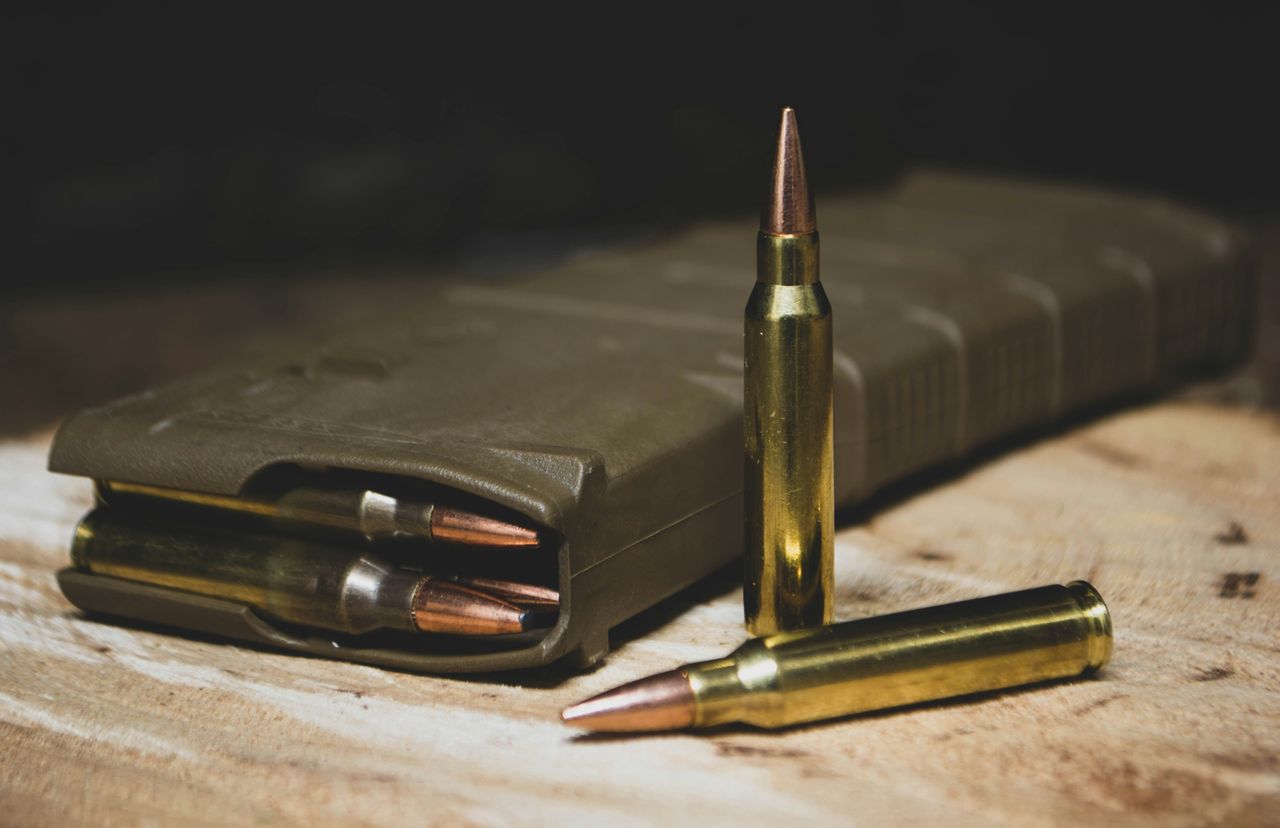
The .25-06 Remington has always inspired a certain kind of affection among hunters who appreciate speed, mild manners, and elegant versatility. It shoots flat, handles varmints and deer neatly, and carries the sort of old-school credibility that tends to be shared between experienced riflemen rather than shouted.
Its problem is visibility. It occupies a niche that newer cartridges have crowded from both sides, with lighter recoiling options below and more popular deer cartridges above. Ammo selection and shelf presence can also feel thinner than they once did, which matters when buyers are making practical decisions.
That makes the .25-06 less obsolete than overlooked, but fading all the same.
.308 Winchester
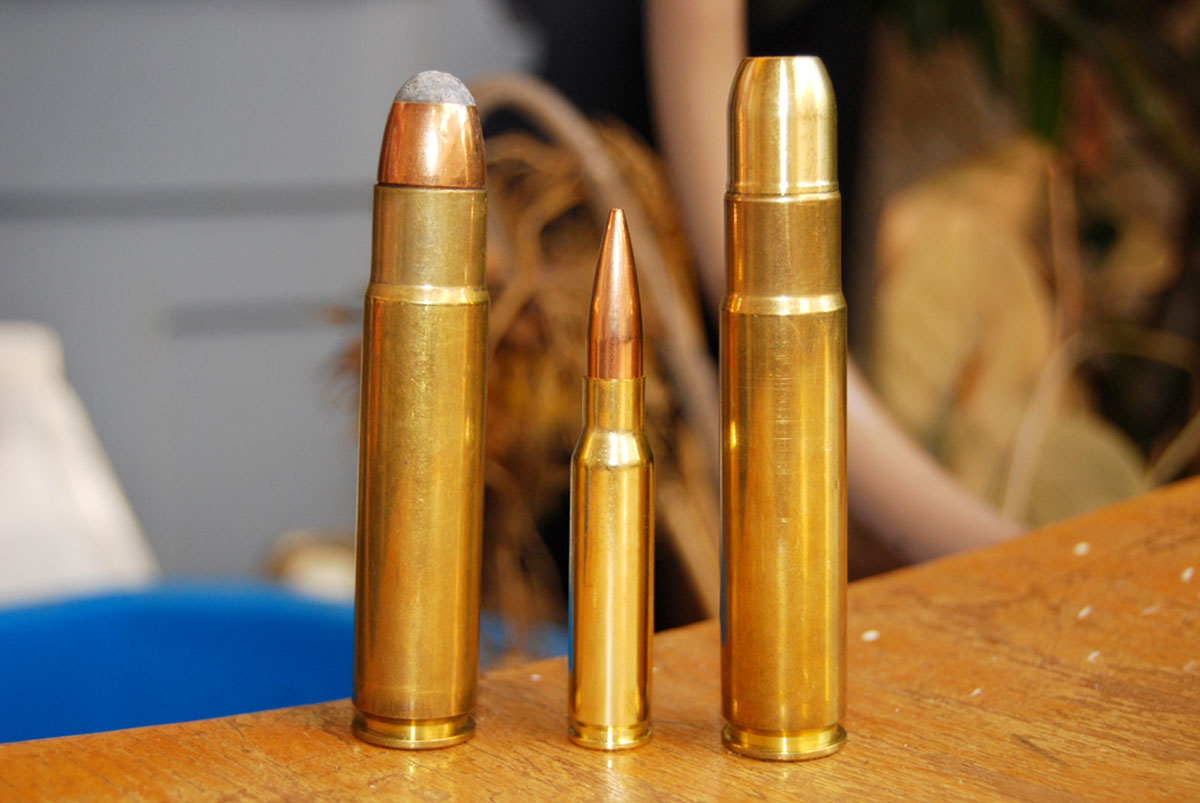
Calling the .308 Winchester a fading cartridge sounds almost ridiculous, and that is exactly why it belongs here. It is still everywhere, still effective, and still one of the most proven rifle rounds ever made. Yet being respected is not the same thing as setting the pace.
In hunting and precision shooting alike, the .308 now competes with cartridges that offer less recoil, flatter trajectories, or better long-range ballistics. It remains the standard many people know, but not always the one they most want. In some circles, it has shifted from aspirational to merely dependable.
That is not a fall from relevance. It is a quiet slide from dominance to legacy status.