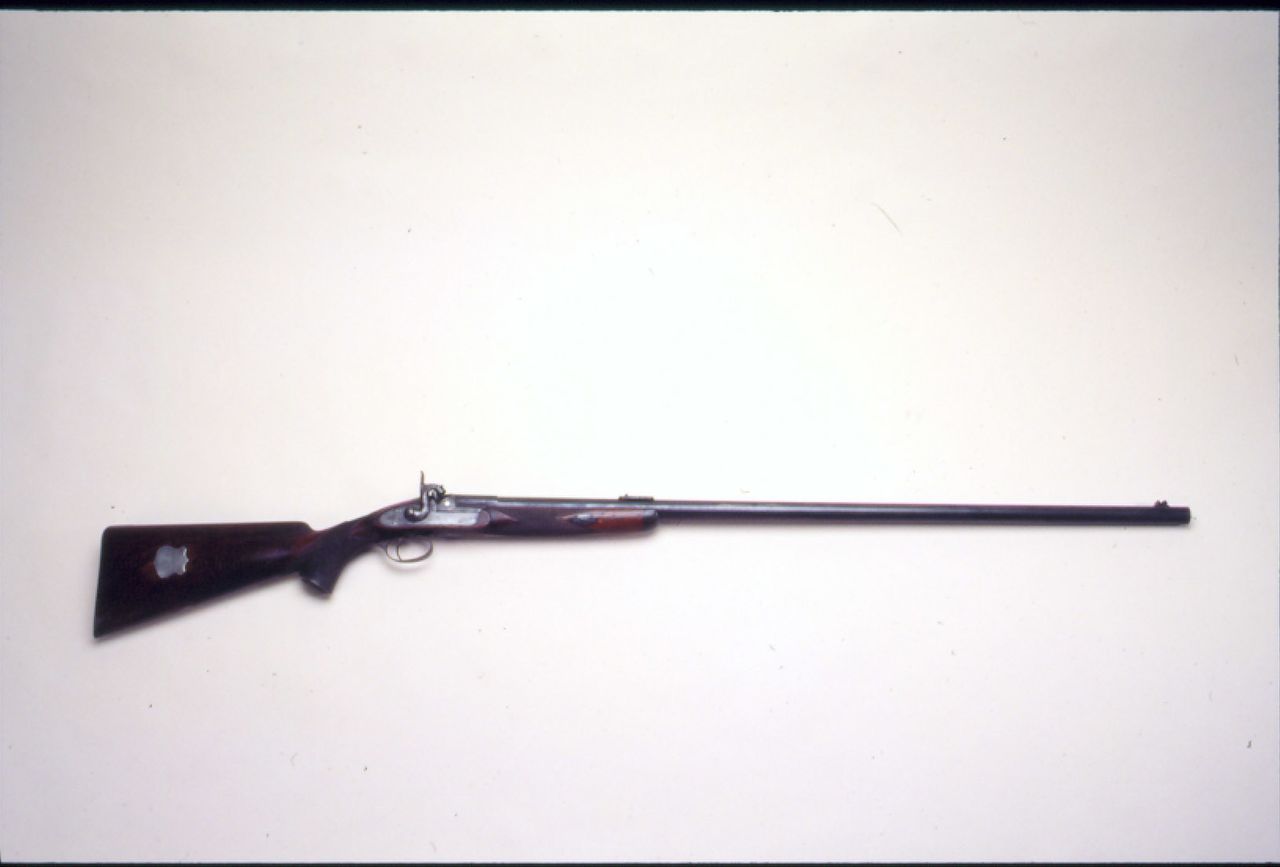
Long before modern precision rifles, the Whitworth showed what careful engineering could do at extreme distance. Its unusual barrel, specialized bullet, and reputation for uncanny accuracy helped change how soldiers and marksmen thought about long-range fire. This gallery breaks down the key details that made the rifle so influential, and so feared.
A radically different barrel shape

The Whitworth rifle stood out because its bore was not conventionally rifled with grooves cut into a round barrel. Instead, engineer Joseph Whitworth used a hexagonal bore that twisted along the length of the barrel, guiding the projectile in a very precise way.
That sounds like a small technical twist, but it was a major departure from standard firearm thinking in the mid-19th century. The design aimed to reduce deformation, improve the seal between bullet and barrel, and deliver more consistent spin. For shooters chasing accuracy at long range, that consistency was everything.
The bullet was built to match the bore
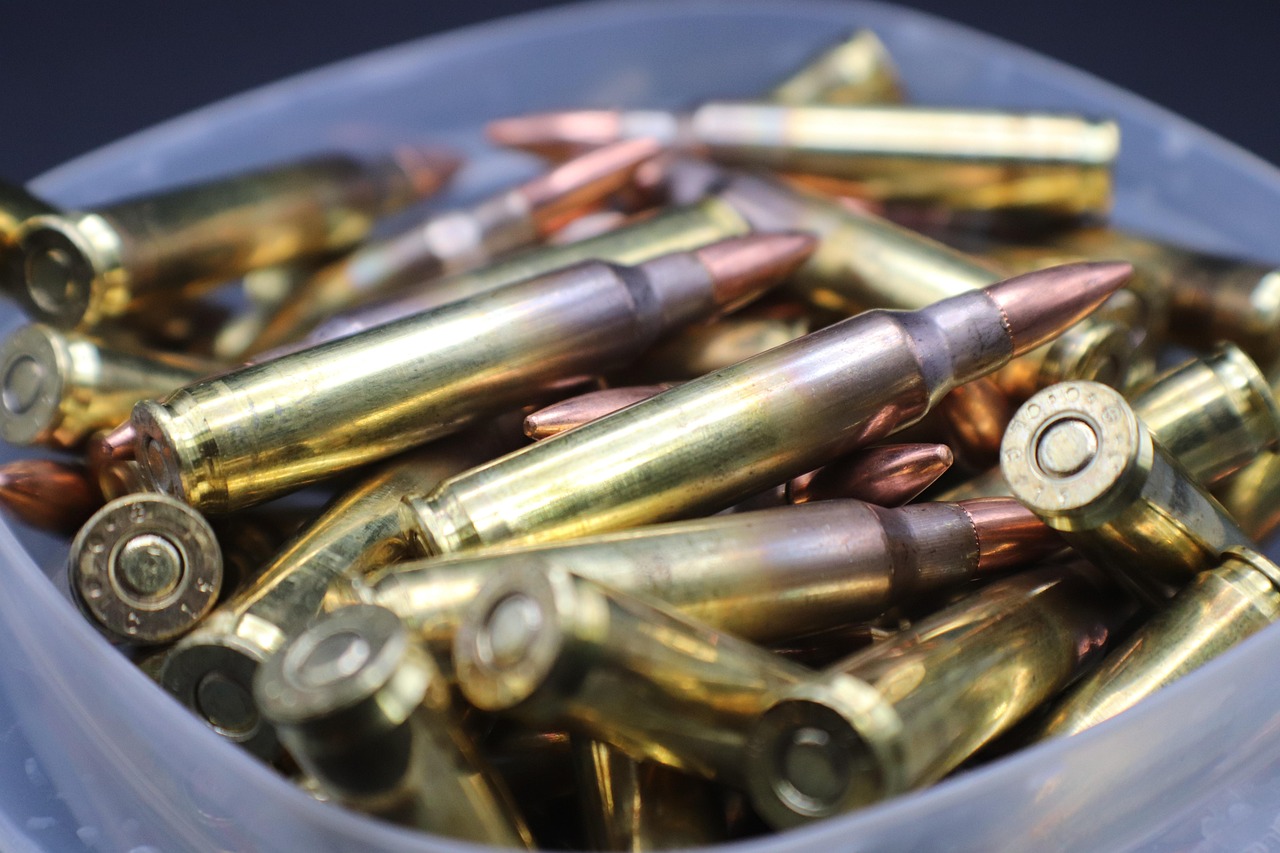
The Whitworth did not rely on a generic round projectile squeezed into rifling. Its long, mechanically fitted bullet matched the barrel’s hexagonal form, creating a close and deliberate fit that helped the rifle perform with unusual regularity.
This pairing of barrel and bullet was one of the rifle’s biggest advantages. When the projectile engaged the bore so cleanly, it spun more predictably and wasted less energy in the process. In practical terms, that meant tighter groups and better performance at distances where many contemporary rifles became far less dependable.
It delivered remarkable accuracy for its era
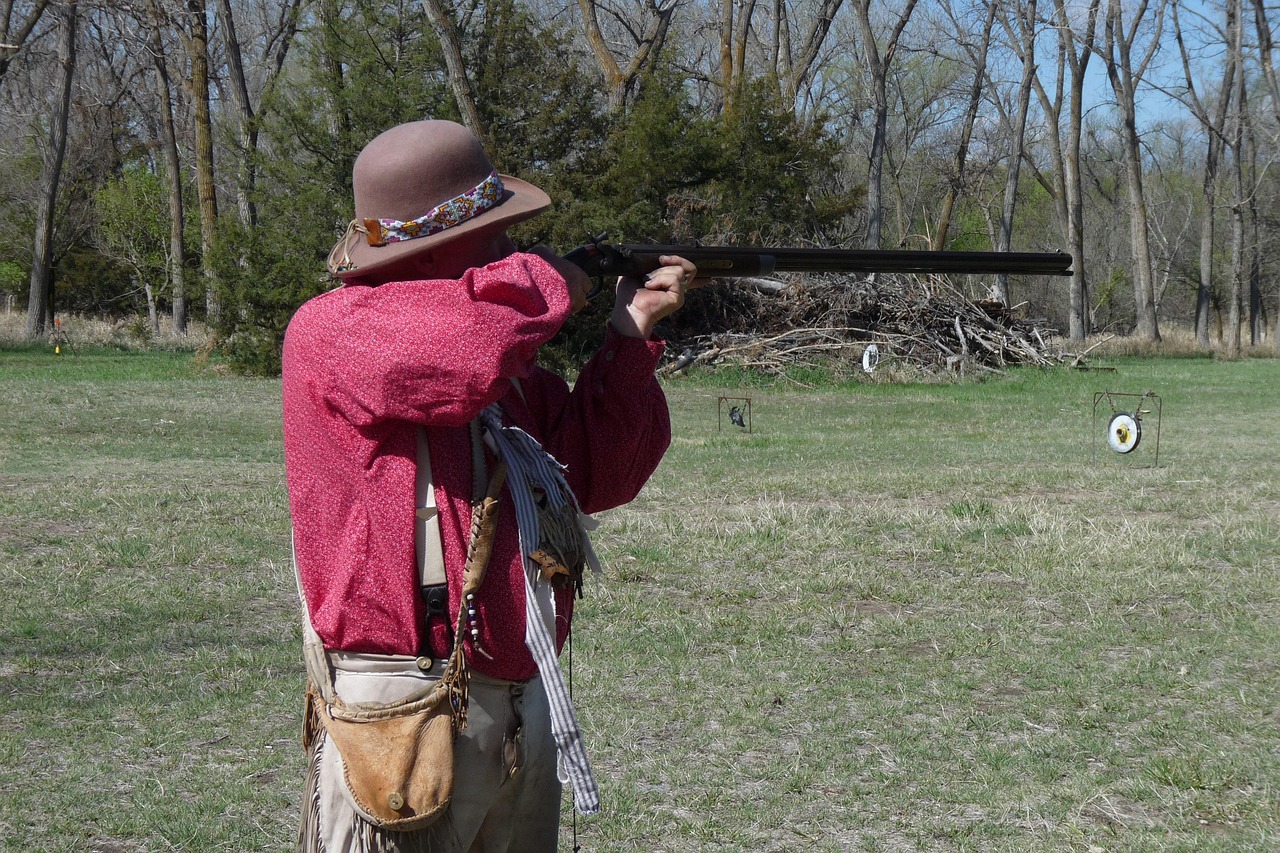
What made the Whitworth famous was not novelty alone. It was accuracy. In an age when many infantry rifles were effective at moderate distances, the Whitworth earned a reputation for precision at ranges that seemed almost unbelievable to ordinary soldiers.
Reports from trials and wartime use helped build its legend. Skilled shooters could reach targets well beyond the comfort zone of standard service rifles, and they could do it with repeatable precision. That changed expectations. The rifle suggested that long-range shooting was not merely luck or showmanship, but something engineering could make more reliable.
Its fast twist helped stabilize long bullets

Another key detail was the Whitworth’s rapid rate of twist, which was well suited to the long projectile it fired. Longer bullets can carry energy and resist drag more effectively, but they also need enough spin to stay stable in flight.
Whitworth’s system addressed that challenge elegantly. By giving the bullet strong, consistent rotation, the rifle helped reduce wobble and improve downrange behavior. For the average observer, the result was simple to understand even if the physics were not: shots held their line better, especially at distances where instability could ruin accuracy.
It influenced military sniping in the Civil War

The Whitworth rifle became especially famous during the American Civil War, where select Confederate sharpshooters used it to great effect. Its range and precision made it ideal for picking out officers, artillery crews, and other high-value targets from positions that felt frustratingly safe to the other side.
That battlefield role gave the rifle an outsized legacy. It showed that one well-equipped marksman could shape events from far away, not just by causing casualties but by creating fear and forcing commanders to alter their movements. In that sense, the Whitworth helped define the psychological power of sniping as much as its technical potential.
It highlighted the importance of ammunition quality
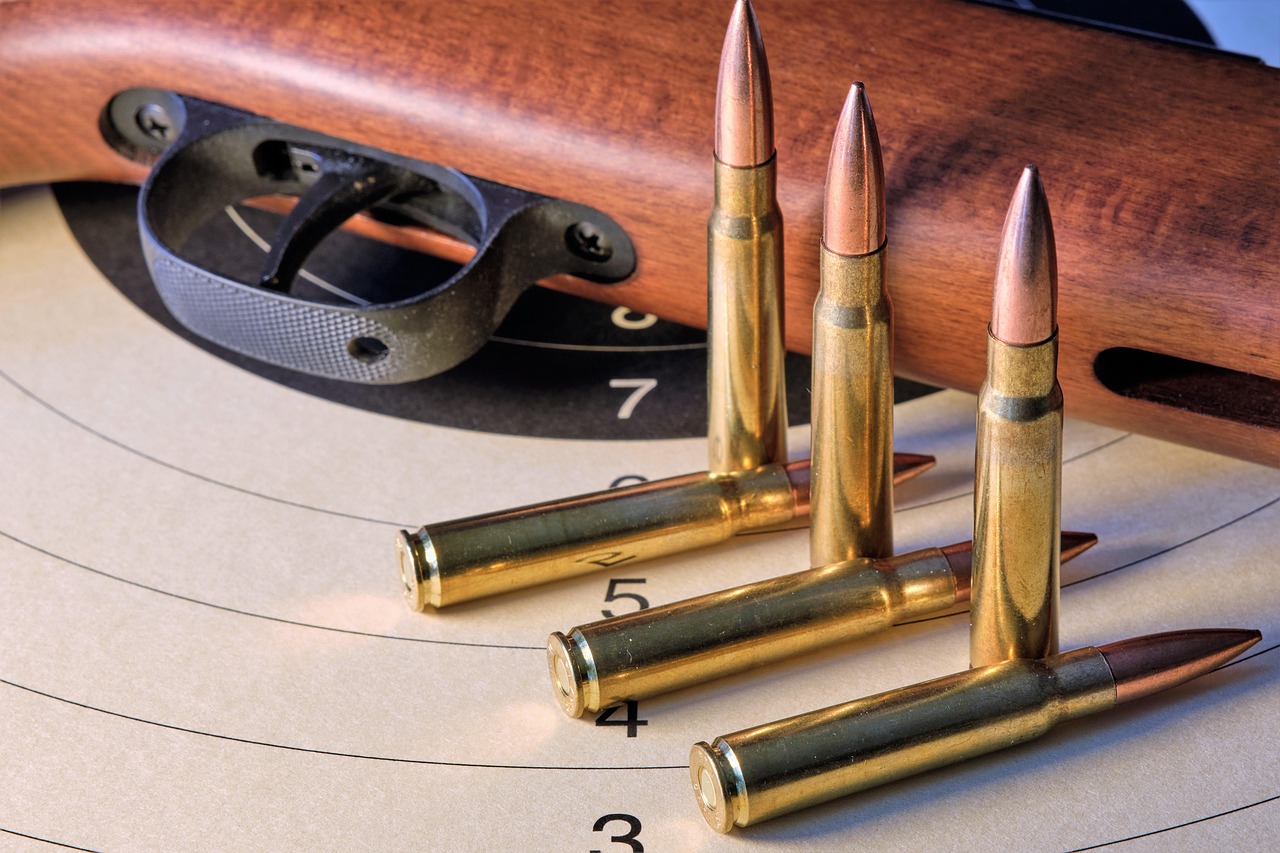
The Whitworth’s reputation also underscored a lesson modern shooters know well: a fine rifle can only do so much without excellent ammunition. Because the system depended on a close relationship between the bullet and the bore, consistency in manufacture mattered enormously.
That made the rifle a showcase for precision not just in gunmaking, but in projectile design and production. Variations in shape, weight, or fit could erode the very advantages the weapon promised. In other words, the Whitworth helped reinforce a broader truth about accuracy. Long-range success comes from a complete system, not a magical barrel alone.