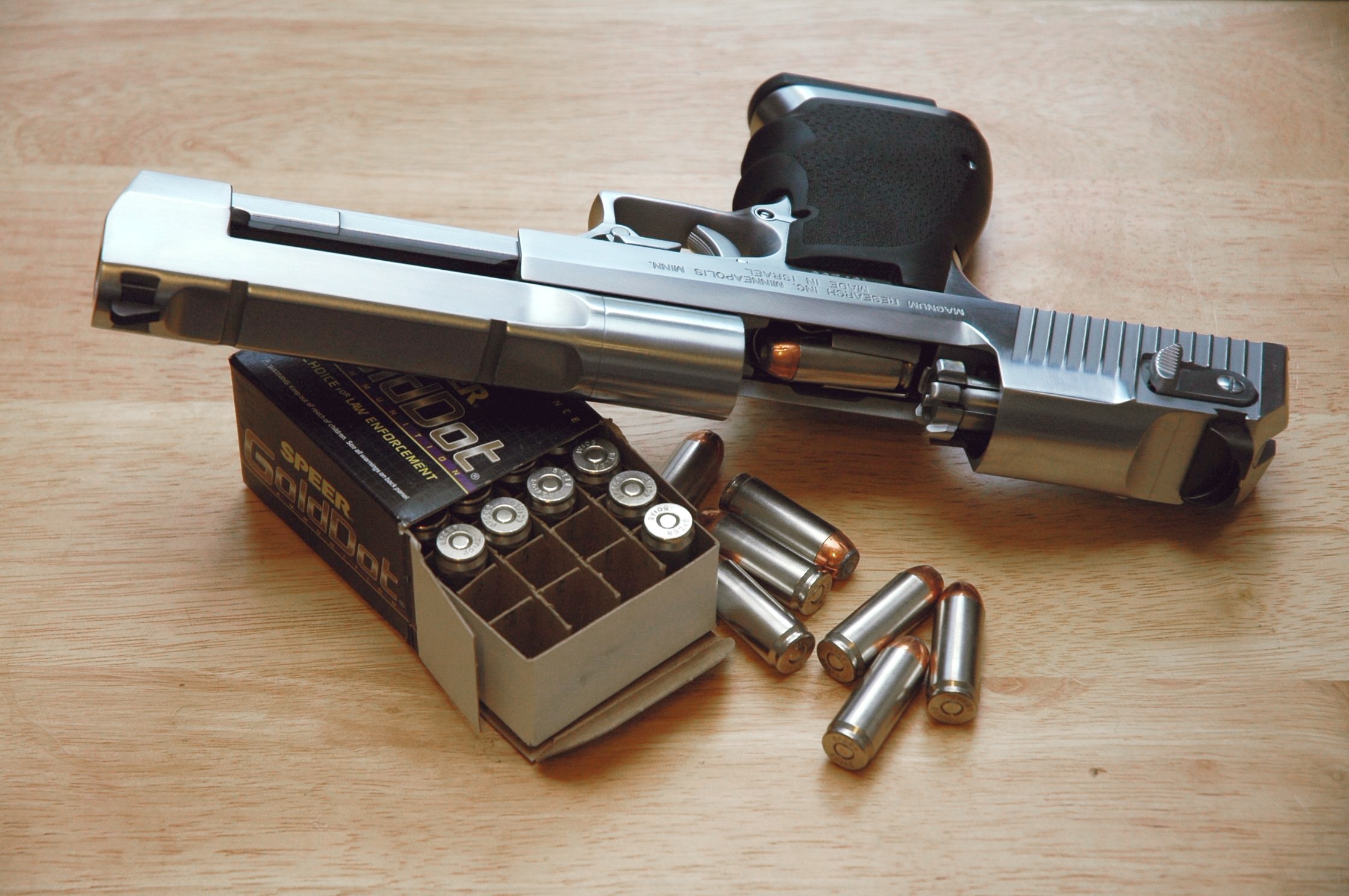
Few handguns are as instantly recognizable, or as famously excessive, as the Desert Eagle. It is heavy, expensive, loud, and awkward for most practical use, yet it still has a magnetic pull on buyers. This gallery explores the mix of image, engineering, and pure spectacle that keeps this giant pistol firmly planted in shooting culture.
It looks like a movie prop brought to life
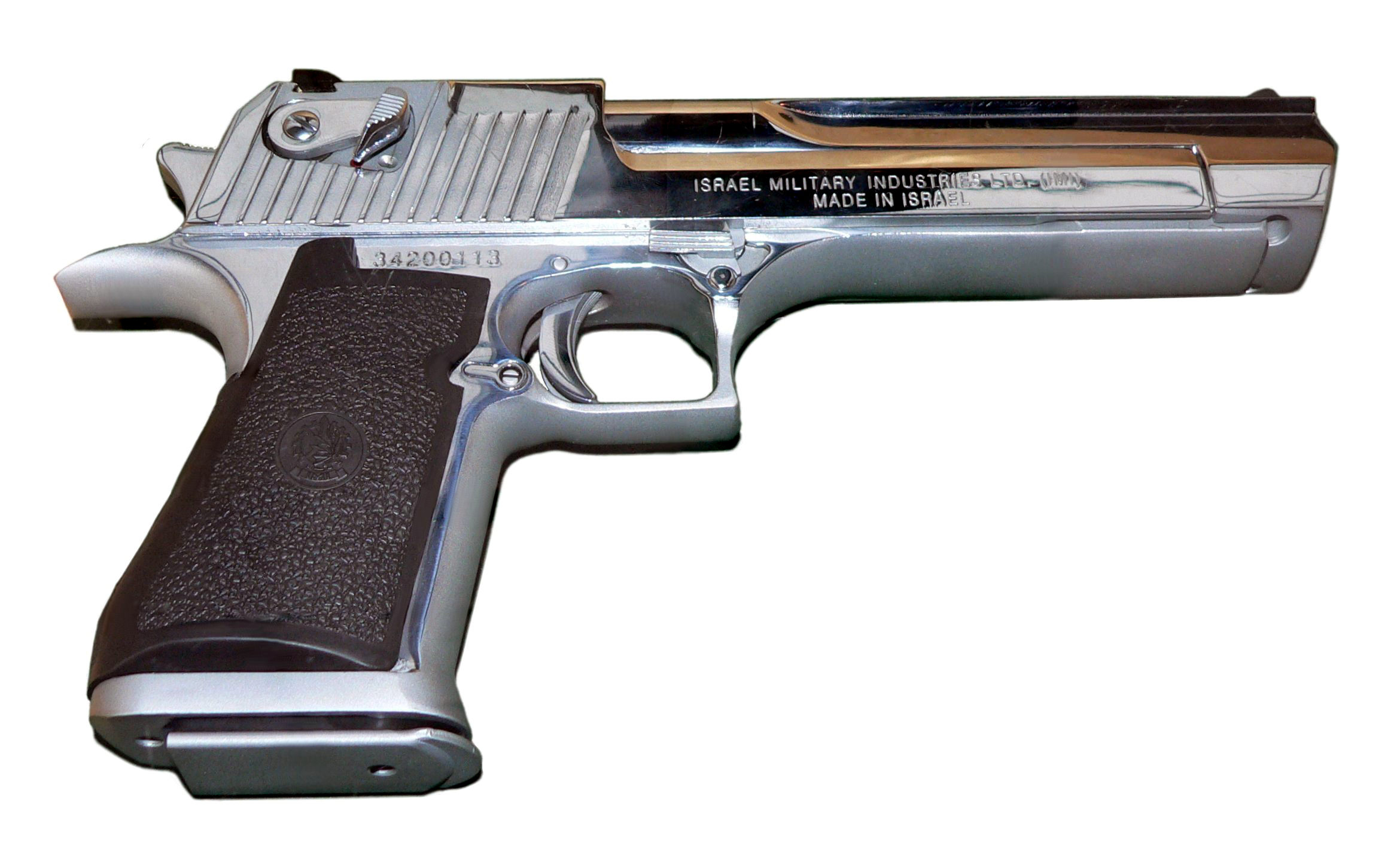
The Desert Eagle does not just enter a room, it announces itself. Its slab-sided frame, huge slide, and oversized barrel make it look less like a carry gun and more like something designed for a blockbuster close-up.
That visual impact matters more than many enthusiasts like to admit. Plenty of buyers are drawn to firearms that feel iconic before they ever fire a shot, and the Desert Eagle delivers that instantly. Even people who know it is impractical often want one because it simply looks unforgettable in a way most handguns never do.
Its pop culture reputation is impossible to ignore

For decades, the Desert Eagle has been a fixture in action movies, video games, music videos, and television. That constant exposure turned it into more than a firearm. It became a symbol of excess, confidence, and cinematic cool.
A lot of buyers first met the pistol on a screen, not at a range. By the time they see one in person, the mythology is already built in. Owning it can feel like owning a piece of pop culture history, even if the reality involves a lot more weight, recoil, and ammunition cost than any movie scene ever suggests.
It offers bragging rights that smaller pistols do not

There is no polite way around it: the Desert Eagle is a flex. It is the kind of handgun people buy because it starts conversations immediately, whether at the gun counter, at the range, or in a safe full of more practical choices.
In a hobby where people appreciate craftsmanship, power, and rarity, that counts for a lot. The owner gets to say they have the giant magnum semi-auto that most people only talk about. It is not subtle, and that is exactly the point. For some buyers, the appeal is less about utility and more about the sheer statement the pistol makes.
The engineering is genuinely unusual
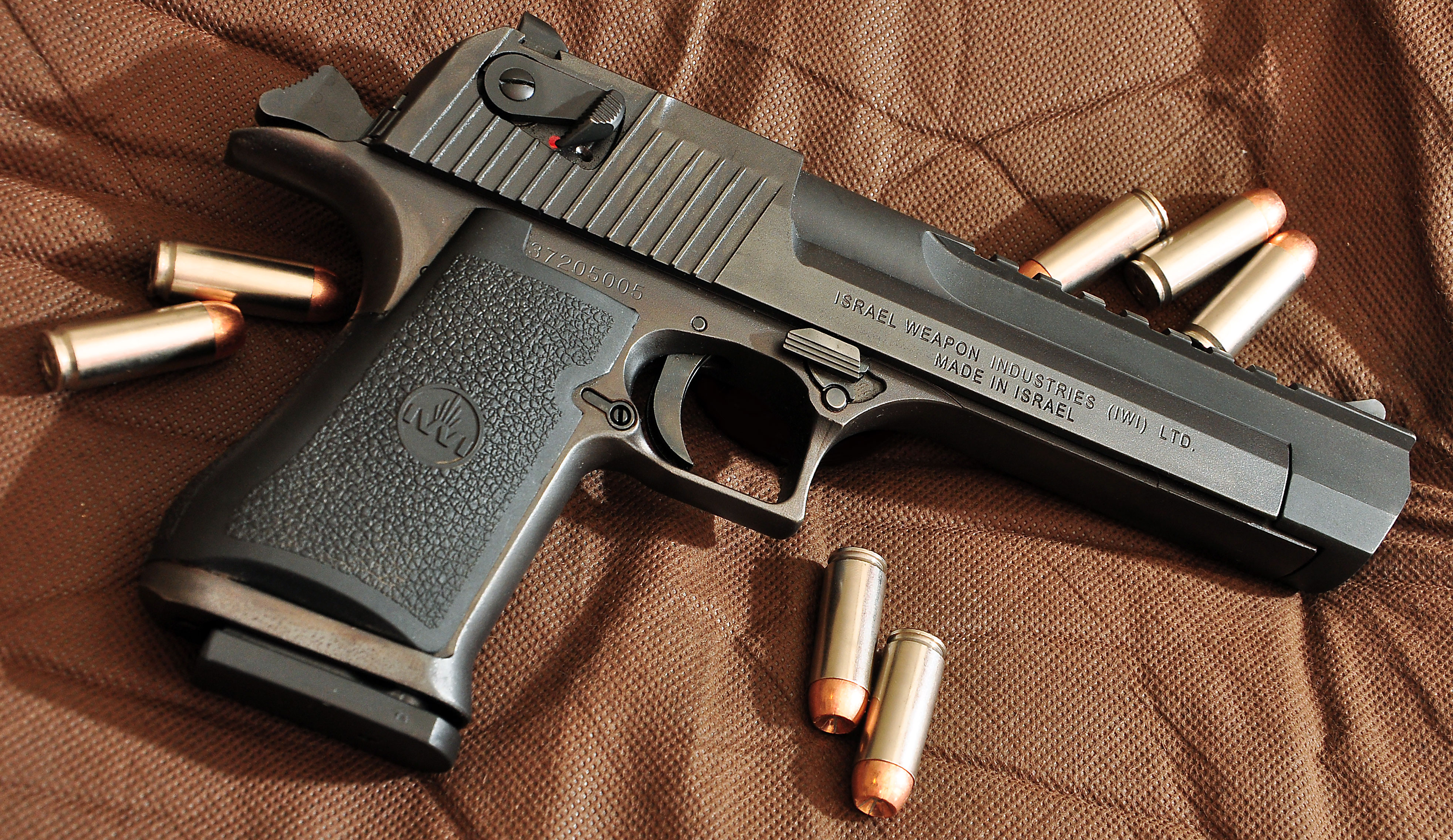
Most handguns rely on short recoil operation, but the Desert Eagle uses a gas-operated system more commonly associated with rifles. That alone makes it stand out in a market crowded with pistols built around similar mechanical ideas.
For mechanically curious shooters, the gun is fascinating even before the first magazine is loaded. It feels like an engineering detour that somehow made it into production and stayed there. People who enjoy firearms as machines are often drawn to designs that break from convention, and the Desert Eagle does that in a big, unmistakable way.
It fires calibers that feel outrageous in a handgun
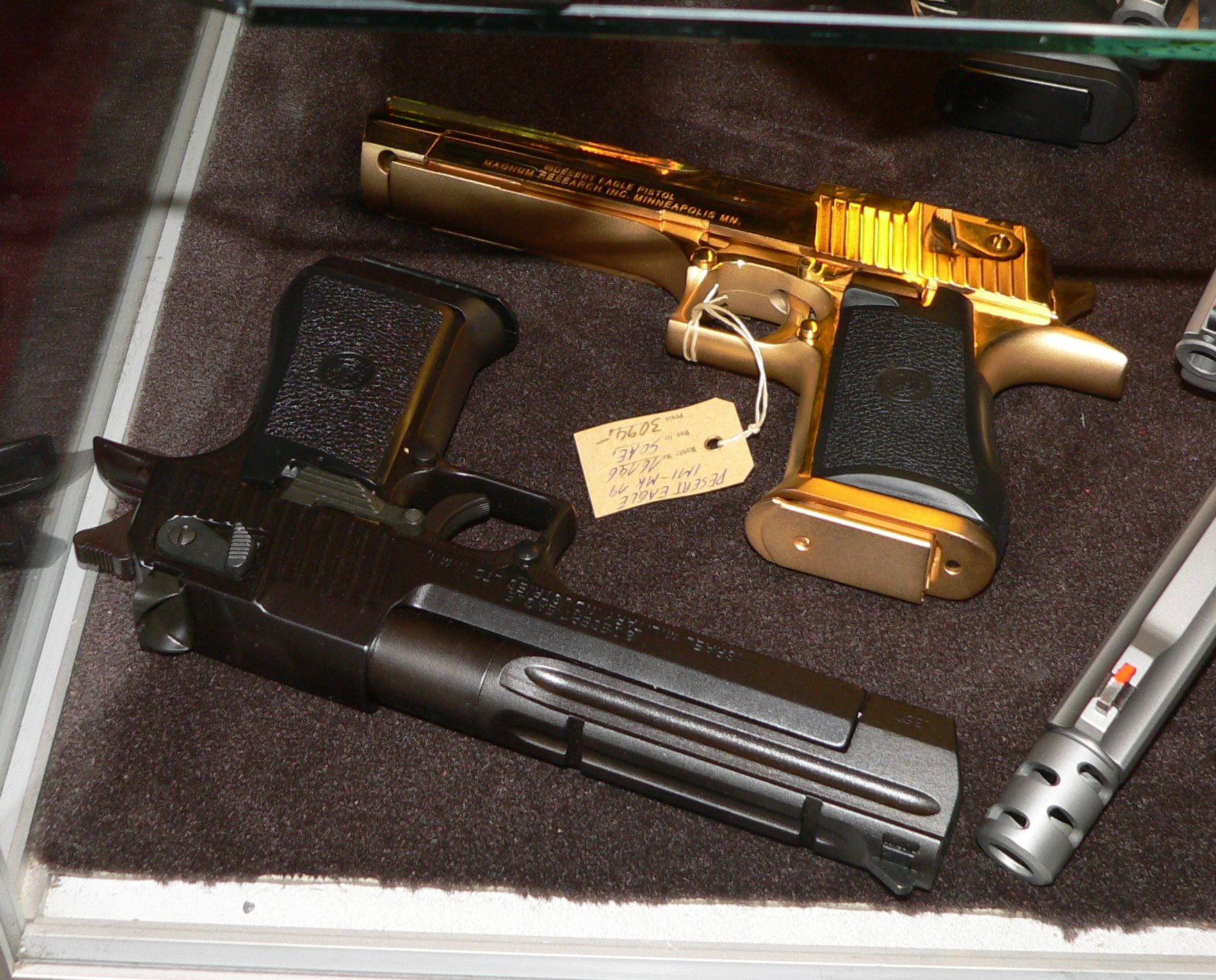
Part of the Desert Eagle’s mystique comes from chamberings that sound almost absurd when paired with a semi-automatic pistol. A handgun in .44 Magnum or .50 AE carries instant shock value, especially to people more familiar with compact 9mm sidearms.
That sense of excess is a major selling point. Buyers are not choosing it because it is efficient or easy to shoot for long sessions. They are choosing it because it offers an experience that feels larger than normal handgun shooting. In a hobby built partly on novelty and sensation, that kind of over-the-top power keeps attracting attention.
Range day becomes an event when it comes out
Plenty of practical pistols disappear into the rhythm of ordinary target shooting. The Desert Eagle does the opposite. When someone uncases one at a public range, people notice, conversations start, and nearby shooters usually want a closer look.
That social factor helps explain its staying power. It is not just a gun to fire, it is a gun to present. The blast, the size, and the unmistakable silhouette create a kind of mini spectacle, and owners often enjoy sharing that moment. Even shooters who would never carry or compete with one still appreciate how much occasion it adds to a simple afternoon at the range.
Collectors love guns that are instantly recognizable

Not every firearm purchase is about solving a practical problem. Many are about building a collection with personality, historical relevance, or standout design, and the Desert Eagle checks all three boxes with very little effort.
It occupies a unique place in modern firearms culture. Even among people who rarely shoot theirs, it holds value as a centerpiece item, the gun that visitors notice first when the safe door opens. Collectors often want examples that represent an era, a trend, or a famous design language, and few handguns capture late 20th-century excess as neatly as this one does.
It satisfies the urge to own something excessive

People do not always buy hobby gear because it is sensible. Sometimes they buy the loud car, the giant watch, or the overbuilt tool simply because it feels fun to own something that goes beyond reason. The Desert Eagle fits that instinct perfectly.
There is a kind of honesty to its appeal. It is not pretending to be the best concealed carry option or the smartest beginner pistol. It is a giant magnum handgun bought mostly for enjoyment, curiosity, and spectacle. In that sense, its impracticality is not a flaw buyers overlook. It is part of the fun they are paying for.
Owning one feels like checking off a bucket-list gun
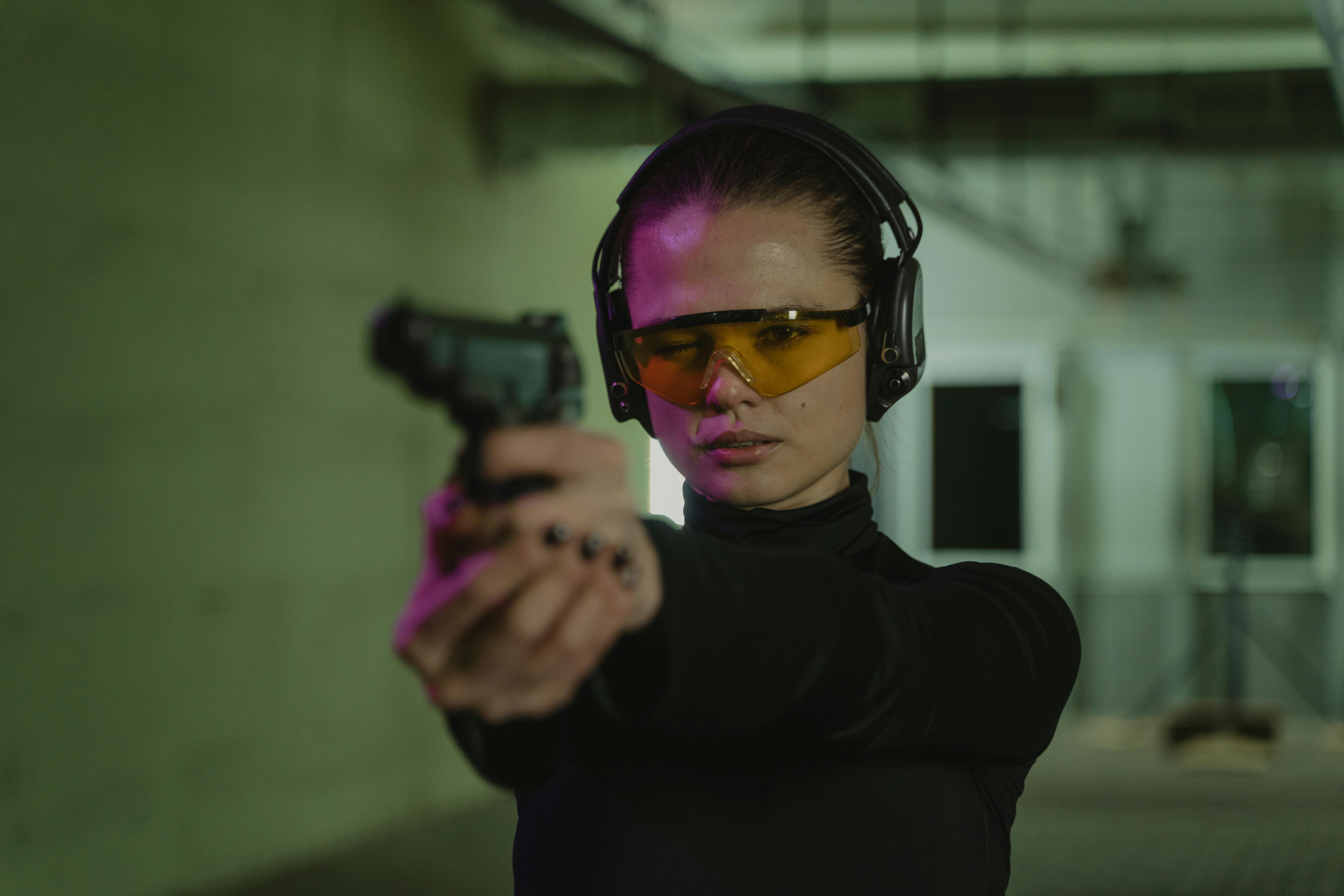
Ask longtime shooters about firearms they have always wanted to try, and the Desert Eagle often makes the list. It has that bucket-list quality reserved for guns that are too famous, too unusual, or too dramatic to ignore forever.
That means many purchases are driven by curiosity as much as long-term need. Buyers want to know what the recoil is really like, how the weight balances, and whether the legend matches reality. Even if it ends up being shot only occasionally, the experience of finally owning one can feel deeply satisfying to enthusiasts who have thought about it for years.
Practicality has never been the whole point of gun ownership

The Desert Eagle remains popular because most enthusiasts do not make every firearm decision like a strict cost-benefit calculation. If they did, many beloved guns would disappear, replaced by lighter, cheaper, easier options that perform better in everyday roles.
Instead, people buy firearms for stories, craftsmanship, nostalgia, aesthetics, and personal fascination. The Desert Eagle thrives in that space. It is impractical in almost every ordinary sense, yet it continues to sell because it offers something many efficient handguns do not: a sense of drama, identity, and pure enthusiast joy that owners keep finding hard to resist.