Family camping trips often feel exciting when you’re planning them, but the outdoor setting can introduce challenges that catch families off guard. Weather changes, curious kids, and unexpected equipment failures can quickly disrupt an enjoyable outing if you’re unprepared. Taking time to understand what might go wrong helps you manage risks before they turn into stress. These twenty expanded sections highlight common problems and the practical steps you can take to keep your next camping trip smooth, safe, and memorable.
1. Unpredictable Weather Surprises
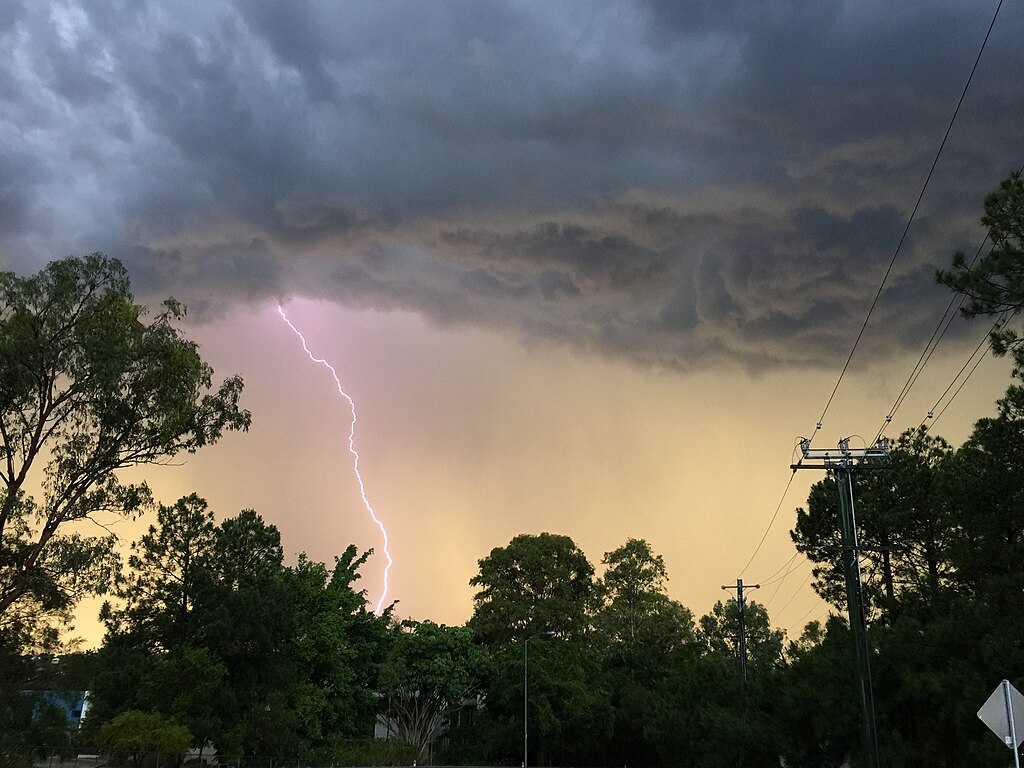
Weather in the wilderness is often less forgiving than forecasts suggest. Sudden rainstorms, gusty winds, or extreme heat can ruin plans if you’re underprepared. To stay ready, pack breathable layers, waterproof gear, and a high-quality rain tarp. Checking multiple weather sources before departure also helps. When possible, choose campsites on higher ground, and always keep waterproof bags for electronics and clothes.
2. Gear Failures at the Worst Time
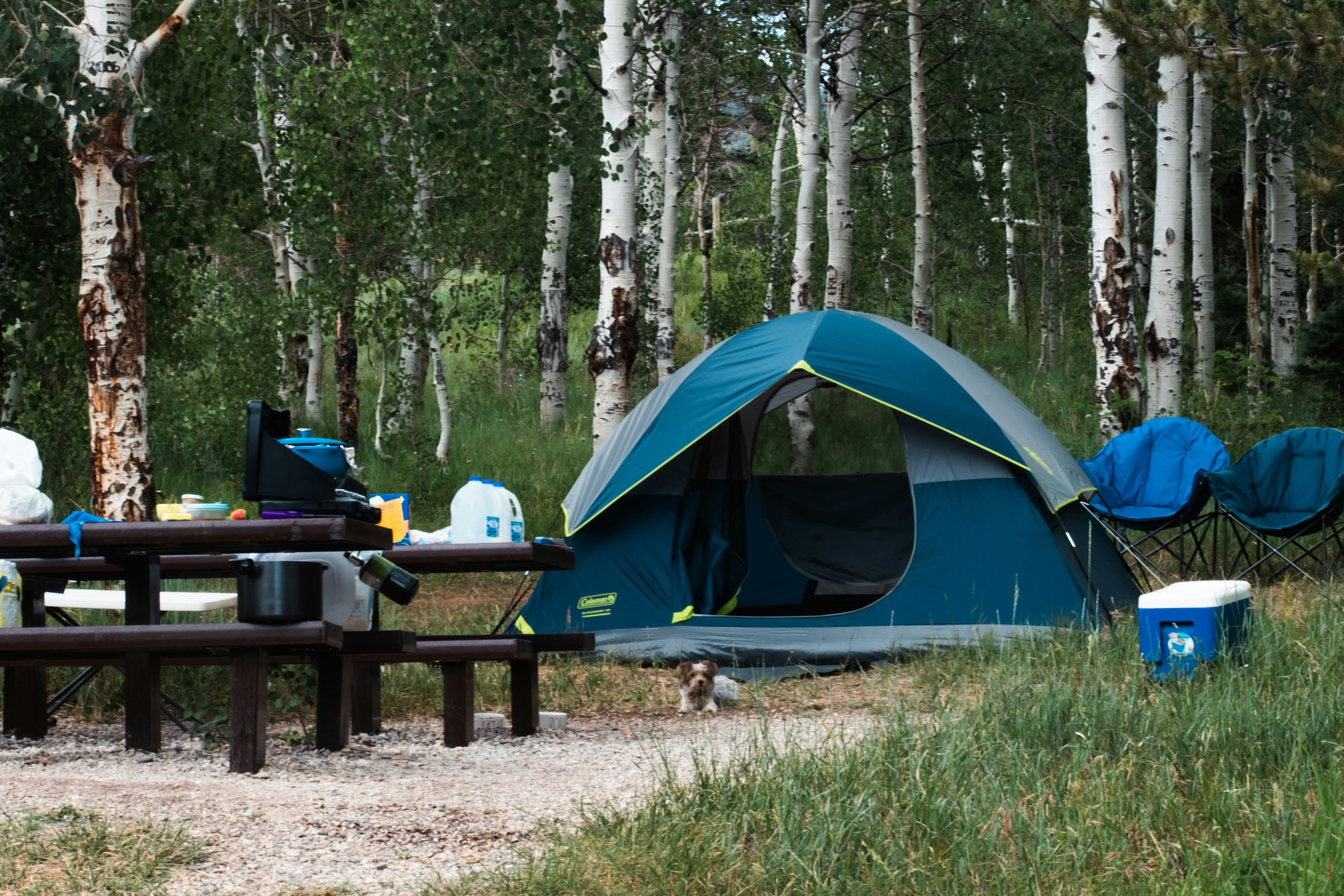
Nothing’s more frustrating than arriving to discover faulty equipment or missing pieces. Test your tent, stove, headlamps, and other gear at home before leaving. Bring spare parts like extra tent stakes, duct tape, and a small multi-tool. That way, a broken zipper or a flat tire doesn’t derail your trip; you can improvise, fix, and move on without sacrificing safety or comfort.
3. Overpacking or Underpacking Essentials
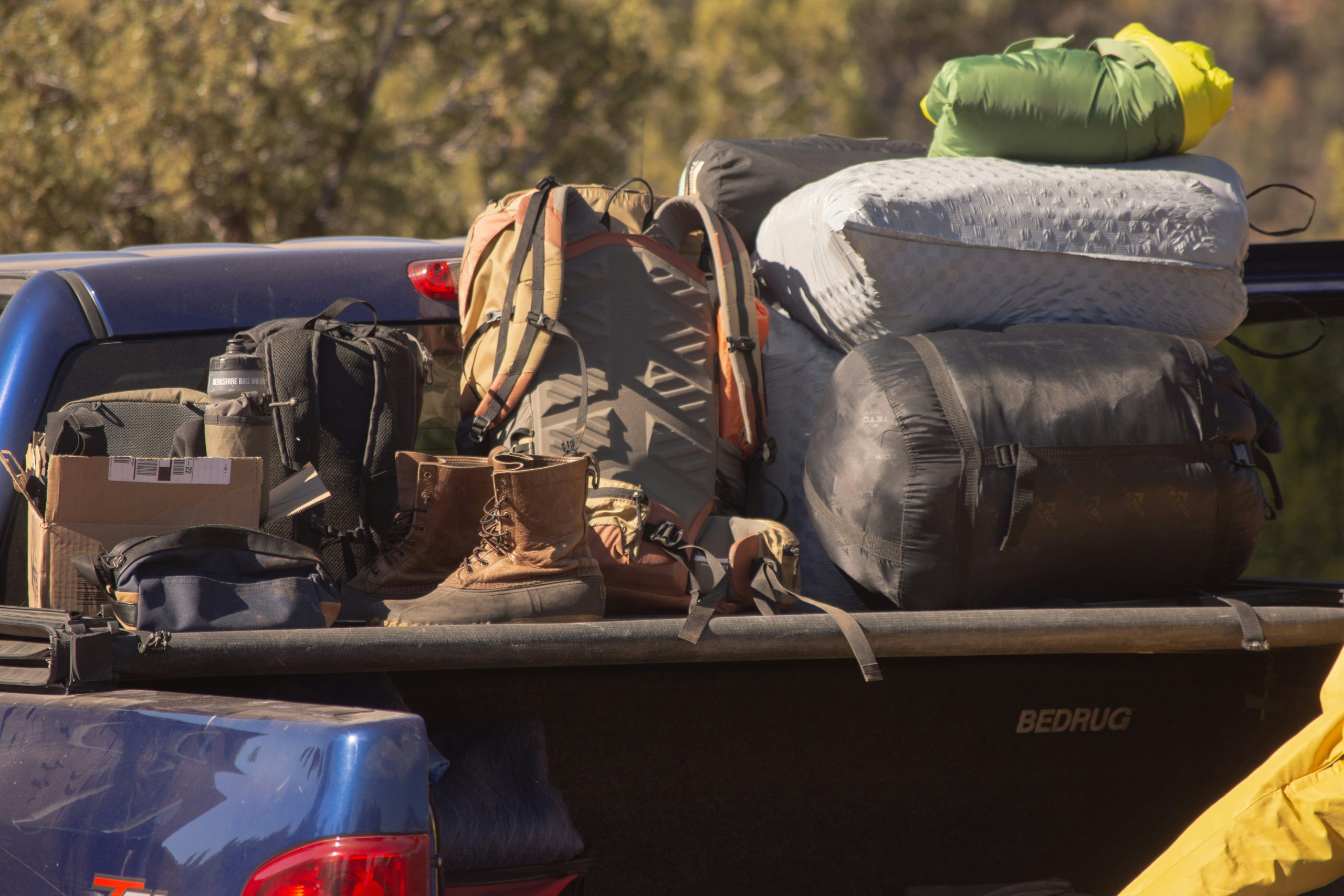
Packing too much slows you down; packing too little leaves you stranded when you truly need something. Make a realistic checklist based on trip length and activities. Stick to multipurpose items like a pot that doubles as a water bucket or a lamp that charges your phone. And don’t leave home without your “ essentials” (navigation, first aid, fire starter, etc.); they make all the difference in a pinch.
4. Improper Campsite Choice

Choosing a campsite without evaluating the terrain can lead to discomfort or safety issues. Avoid areas with steep slopes, low-lying puddles, and dead tree branches overhead. Instead, find flat ground with natural drainage, shade, and some wind protection. Scout your site before settling, especially if arriving after dark. Take time to clear debris and pick a safe, stable ground.
5. Wildlife Risks
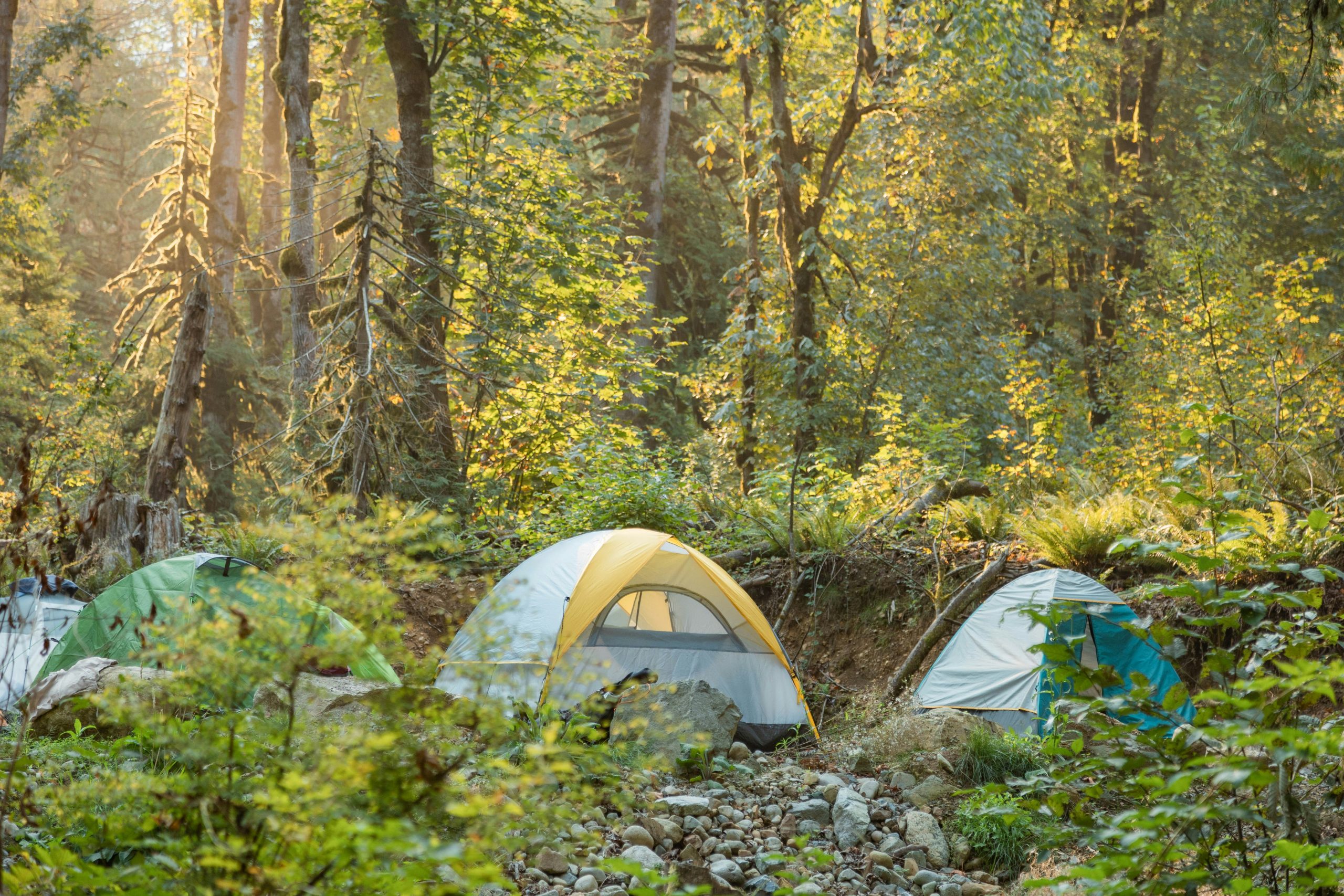
Camping means being near wildlife, but that doesn’t mean danger is inevitable. Prevent unwanted animal visits by storing food in secure containers or bear canisters. Keep your cooking area separate from your sleeping zone, and teach family members to never feed or approach wild animals. Making noise while walking helps to alert wildlife to your presence and avoid startling encounters.
6. Insect Infestations

Bugs are one of nature’s little challenges. Mosquitoes, ticks, and other pests can put a damper on outdoor fun and spread disease. Combat them by using effective insect repellent, wearing long-sleeved clothes, and choosing a tent with tight mesh. After hikes, check everyone (especially kids) for ticks. Clean up food residues promptly; bugs are attracted to lingering smells.
7. Losing Your Way

When you step off the beaten path, disorientation can happen fast. Always carry paper maps, a compass, or a GPS device; don’t rely solely on your phone. Establish clear trail rules with your family: stay together, set meeting points, and ensure someone knows the route. If anyone gets separated, they should know to stop, stay put, and use a whistle or signal light.
8. Running Low on Water

Water is more vital than most people assume. Drink, cook, clean, and hydrate with purpose by estimating usage carefully. Bring a reliable water filter or purification tablets if you’re sourcing water on the trail. Always carry a backup container. Educate kids on conserving water during the trip. Every drop matters when refilling is distant or uncertain.
9. Food Going Bad or Attracting Animals
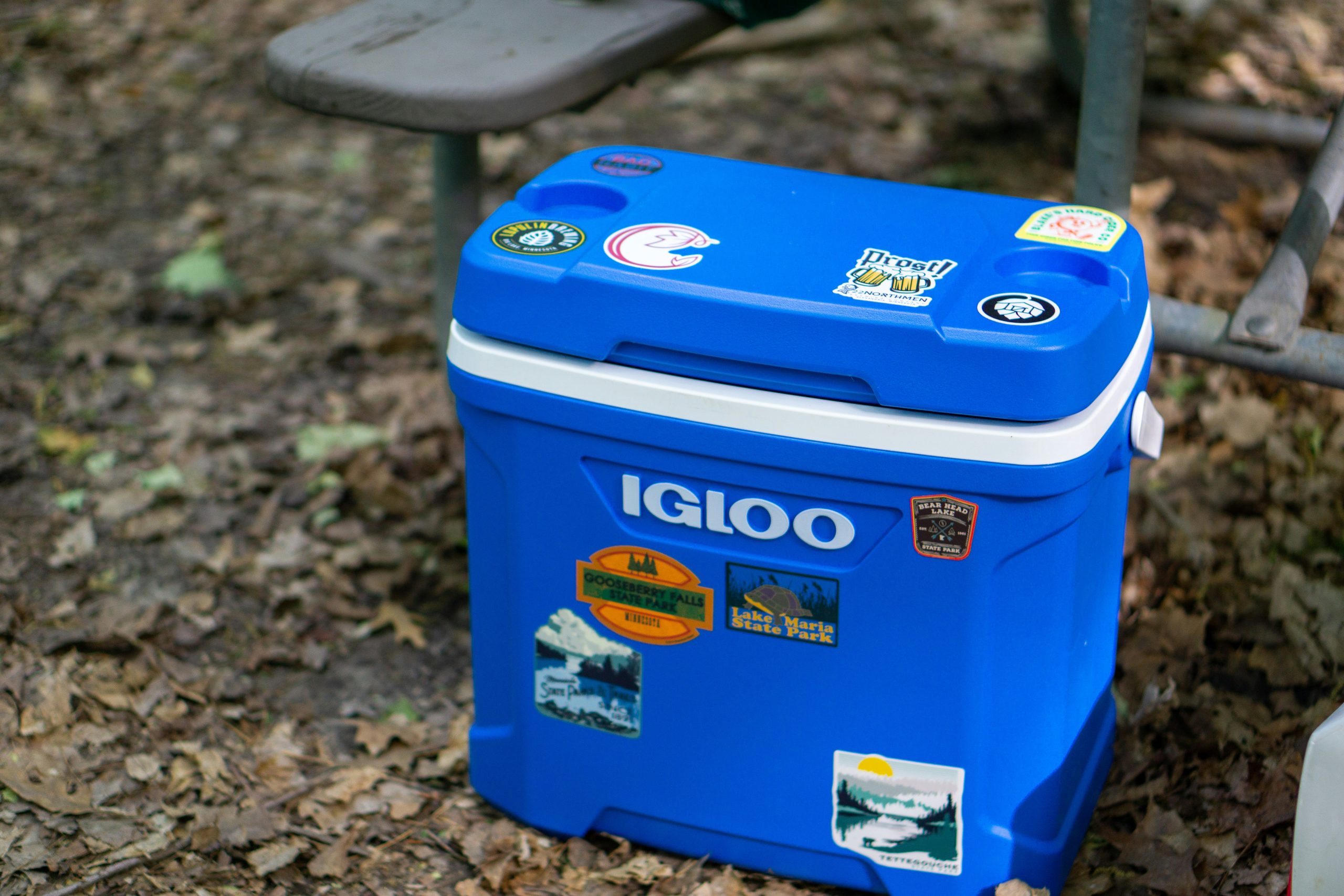
Perishable items spoil, and leftovers left out attract curious critters. Pack food smart: use a cooler with ice packs, bring airtight containers, and prioritize non-perishable staples. Cook meals in a clean, designated area and dispose of trash properly in sealed bags. Teach kids to clean up after meals so food scraps don’t lure wildlife into your camp.
10. Campfire Mishaps
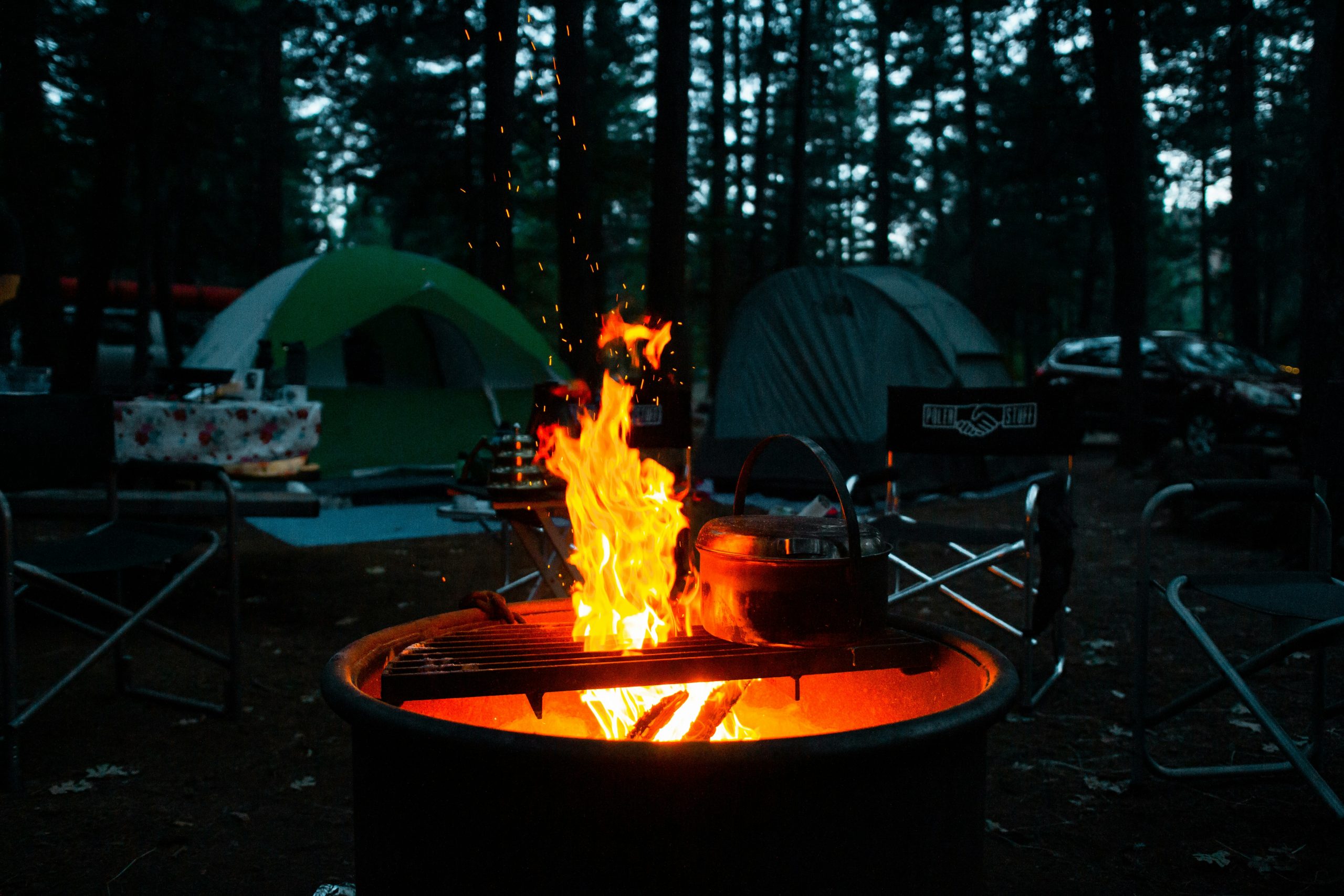
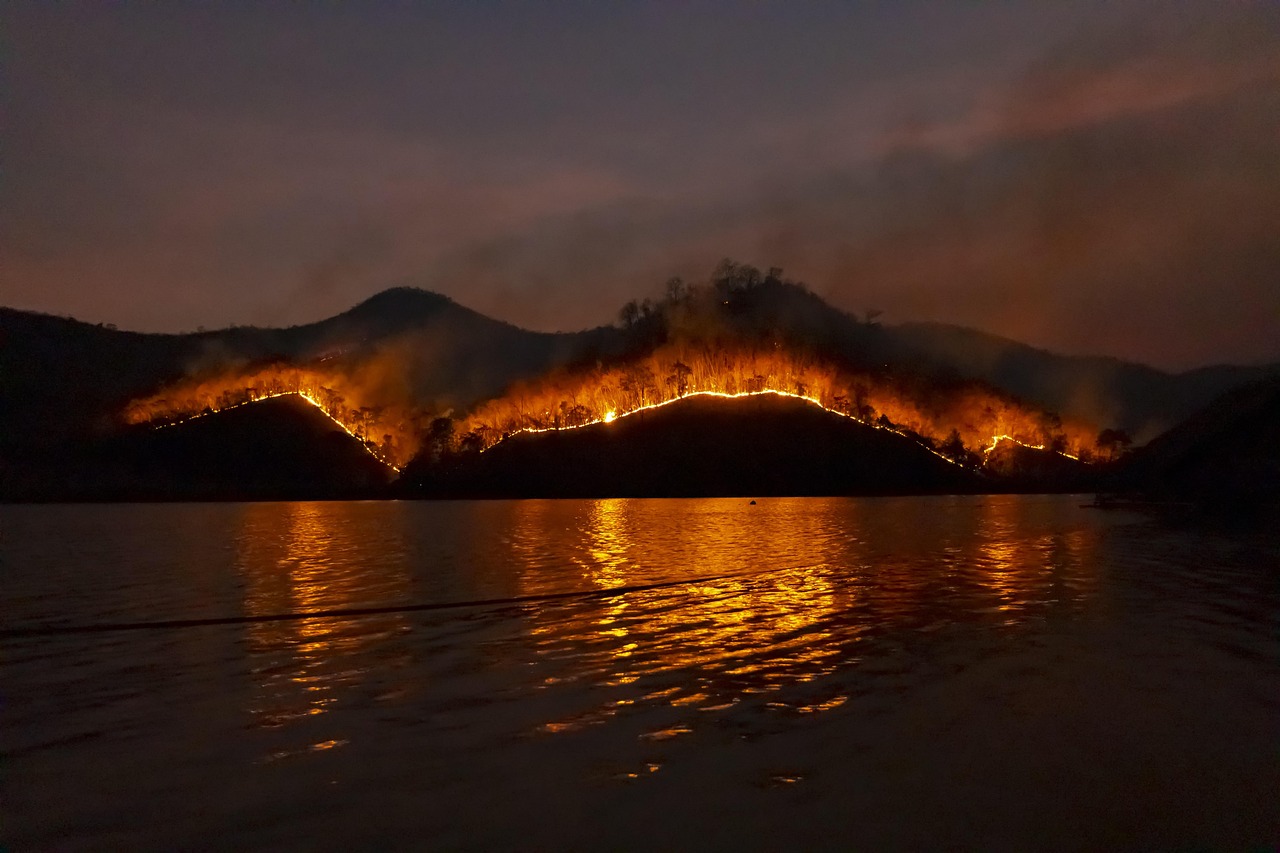
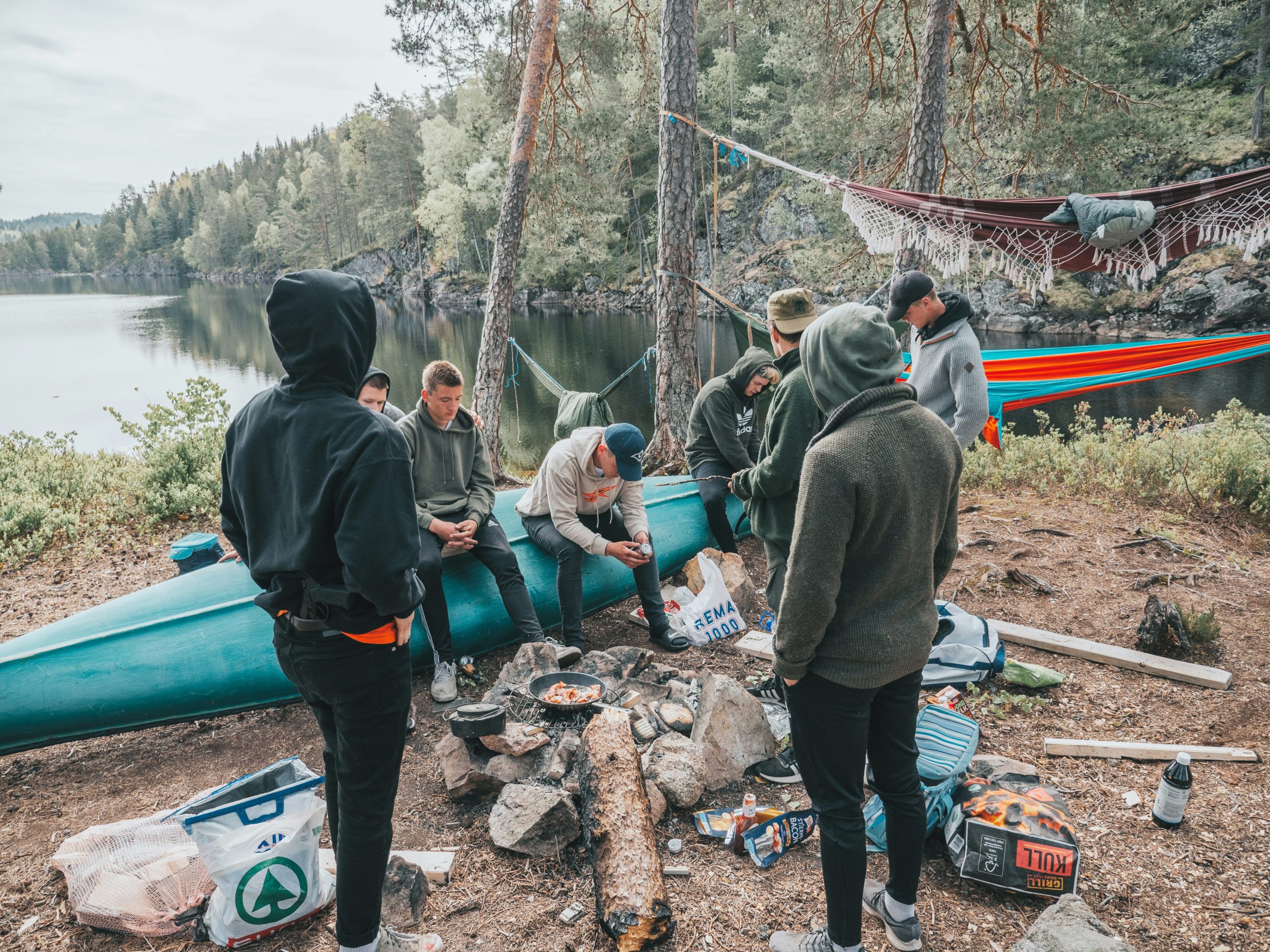
A fire can become a hazard if mismanaged. Use established fire rings and never leave flames unattended. Keep water or a shovel nearby to extinguish your fire fully before leaving or going to sleep. Avoid using green wood or large logs in windy conditions. Finally, instill fire safety rules in children: respect the fire, stay back, and know how to react if sparks fly.
11. Inadequate Sleep Setup
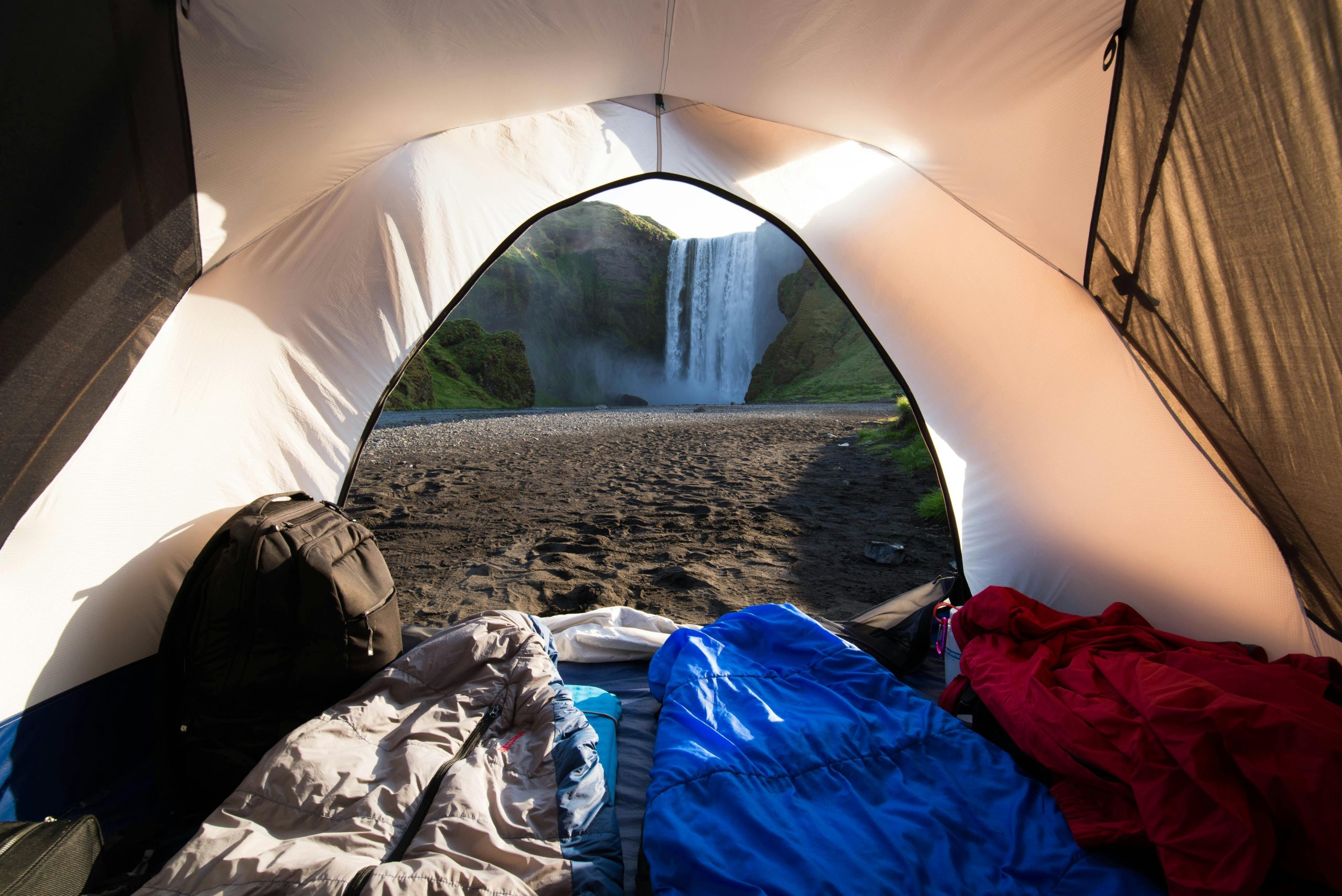
Sleeping well outdoors often requires more than just a sleeping bag. Bring in insulating pads or an air mattress to protect against the cold ground. Use sleeping bags rated for the expected nighttime low, plus extra blankets if needed. Test your sleep setup at home to ensure everyone is comfortable; lack of sleep can ruin the fun fast.
12. First-Aid Unpreparedness
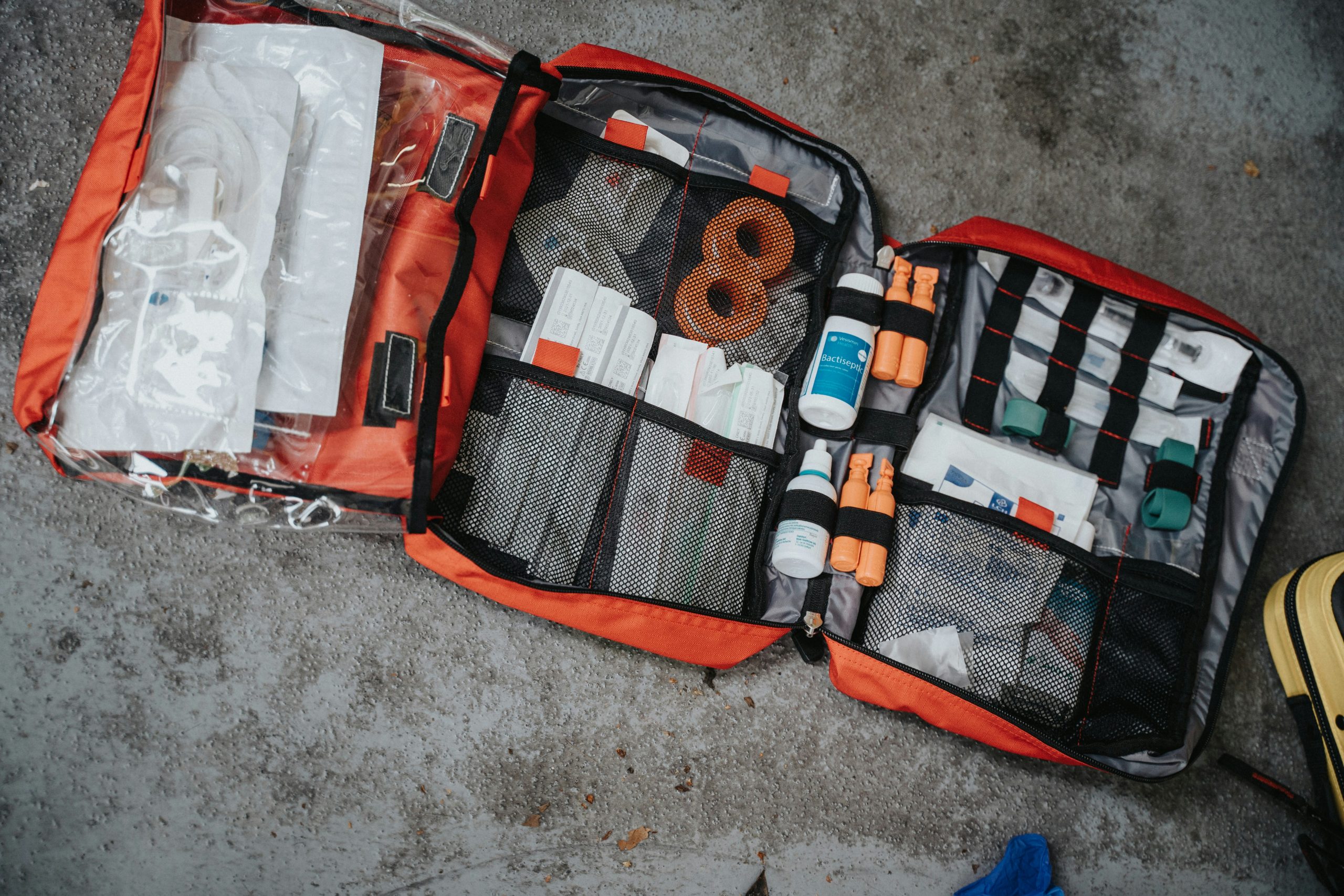
Injuries are part of the camping experience: blisters, scrapes, bug bites, or worse. Pack a first-aid kit with basic essentials: bandages, antiseptic, tweezers, allergy meds, and pain relievers. Know how to use everything, and designate an adult as the “first-aid lead.” Also, locate the nearest ranger station or medical facility in case more serious help is needed.
13. Poor Sanitation Planning

Not all campsites have bathrooms or running water. Bring biodegradable soap, hand sanitizer, toilet paper, and a trowel for waste disposal if needed. Set up a dirty-water station using a collapsible basin. Teach kids to wash their hands before meals, even in “rougher” camp settings. Staying clean helps reduce bugs, germs, and discomfort.
14. Limited Lighting
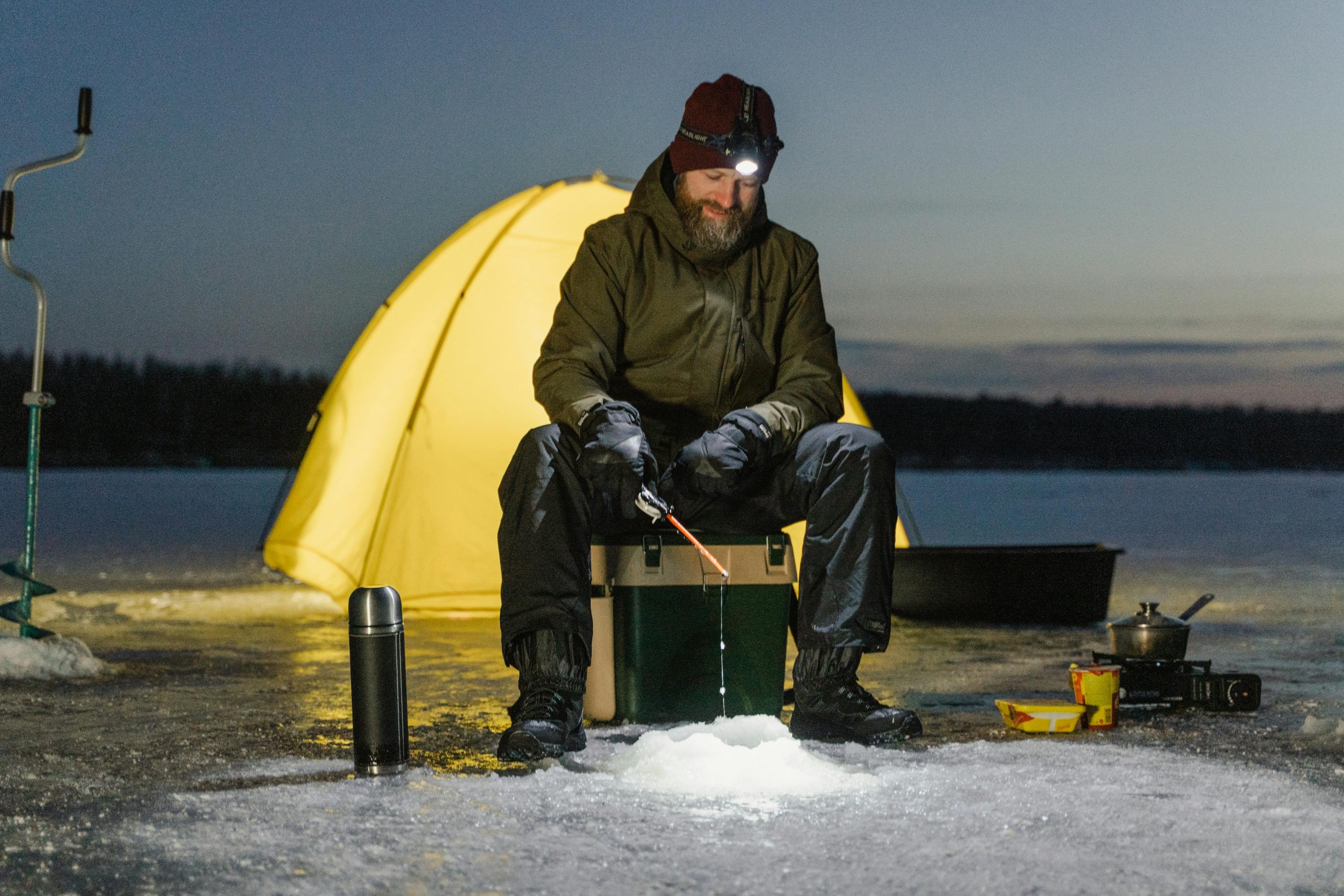
Night falls fast in the wilderness, and relying only on your phone’s flashlight is a common mistake. Pack headlamps, lanterns, and extra batteries. A headlamp frees your hands for chores or night walks. Check all lights before leaving to ensure they function reliably. Good lighting keeps tasks safer and evenings more pleasant.
15. Not Respecting Other Campers
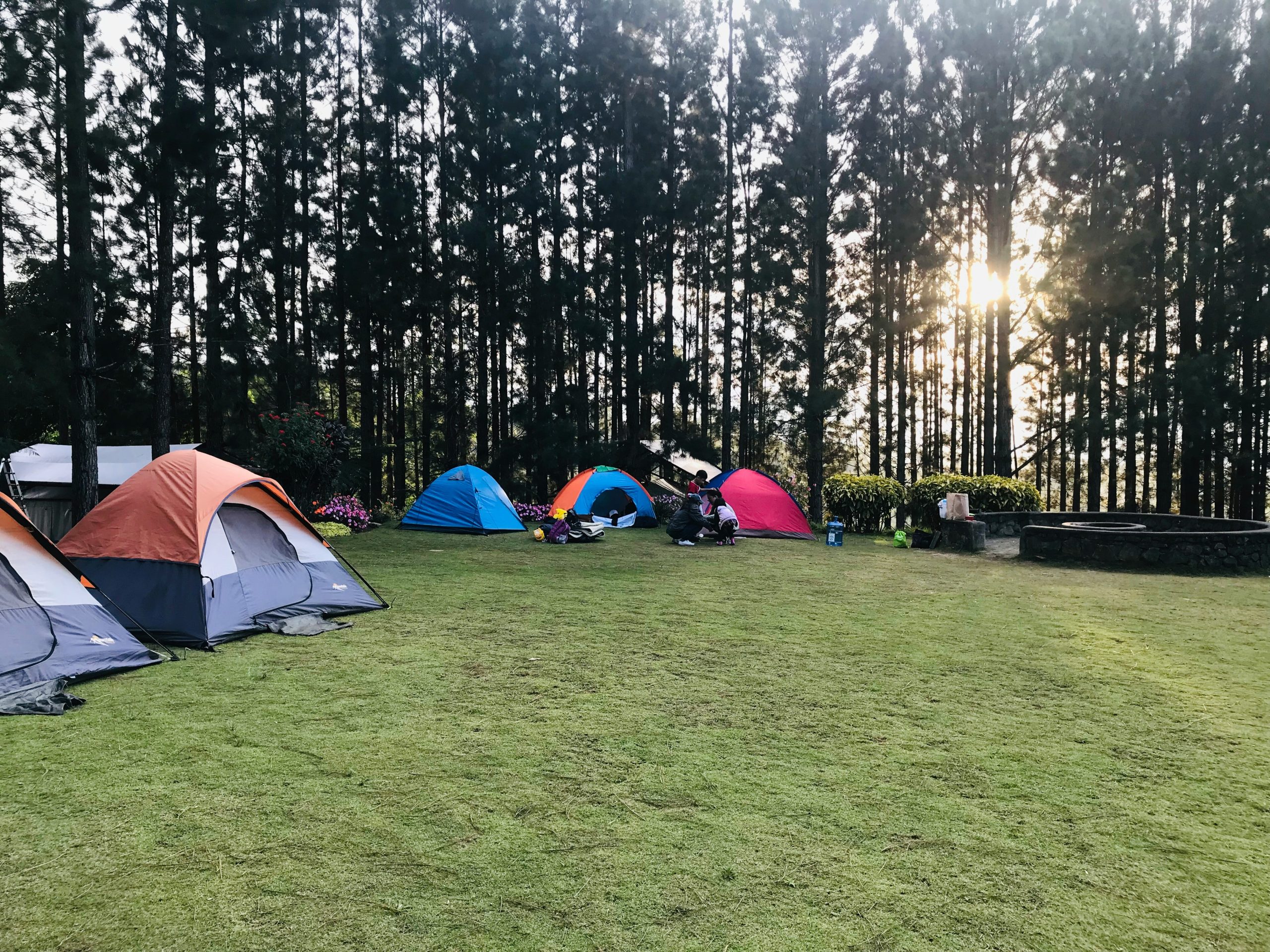
Crowded campgrounds can get noisy music, chatter, or messing about may disturb your family, or vice versa. Practice good etiquette: follow quiet hours, keep voices and lights down after dark, and be considerate around shared facilities. Bringing earplugs or a white-noise app can help everyone rest, even in busy campgrounds.
16. Navigation Issues on the Way

Reaching the campsite sometimes proves harder than expected. Relying only on GPS or cell phone directions can fail in remote areas. Prepare by downloading offline maps ahead of time and carrying printed maps. Mark major waypoints and share your route with someone who won’t be on the trip. That backup plan protects against getting lost or taking the wrong turn.
17. Wet Gear Damage
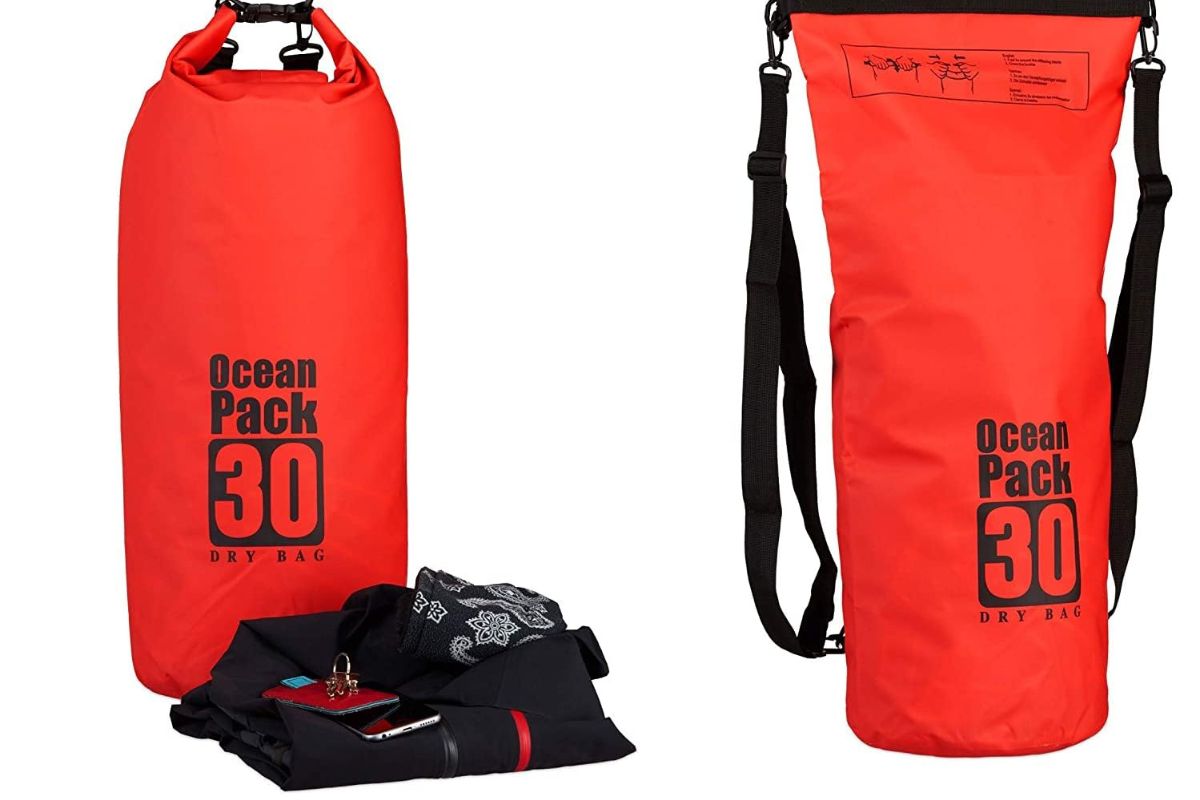
Damp weather or moisture inside the tent can ruin clothes, sleeping bags, or electronics. Use waterproof dry bags for sensitive gear. Keep rain covers and ground tarps handy, and elevate high-risk items where possible. Choose fast-drying fabrics and bring spare clothing. Regularly air out tent interiors to prevent mildew buildup.
18. Temperature Swings at Night
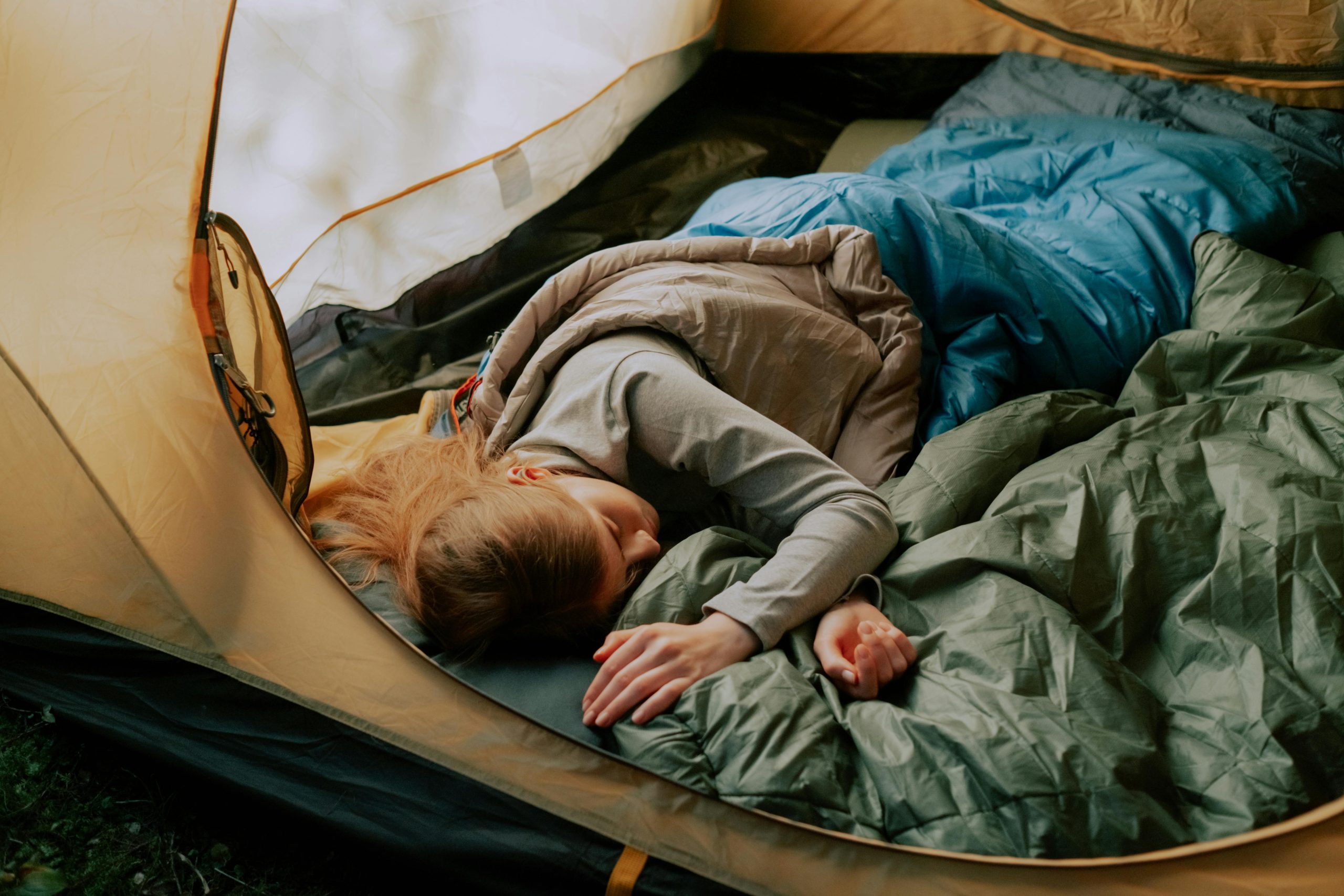
Outdoor temperatures can dip or rise dramatically once the sun sets. Bring clothing and sleep gear that allow for flexibility, thermal layers, insulating pads, and weather-rated sleeping bags. On hot nights, ventilate the tent carefully. For cold, pack extra blankets or hot packs. Being ready helps everyone sleep better, regardless of how the night shifts.
19. Kids Getting Bored

A lack of planned downtime or activities can make kids restless quickly. Pack simple entertainment: scavenger hunt lists, journal books, cards, or drawing supplies. Let them help with camp tasks, gathering wood, or setting up chairs, which gives them purpose. Building small rituals like evening story-sharing or star-counting can spark delight and engagement.
20. Family Stress and Tension
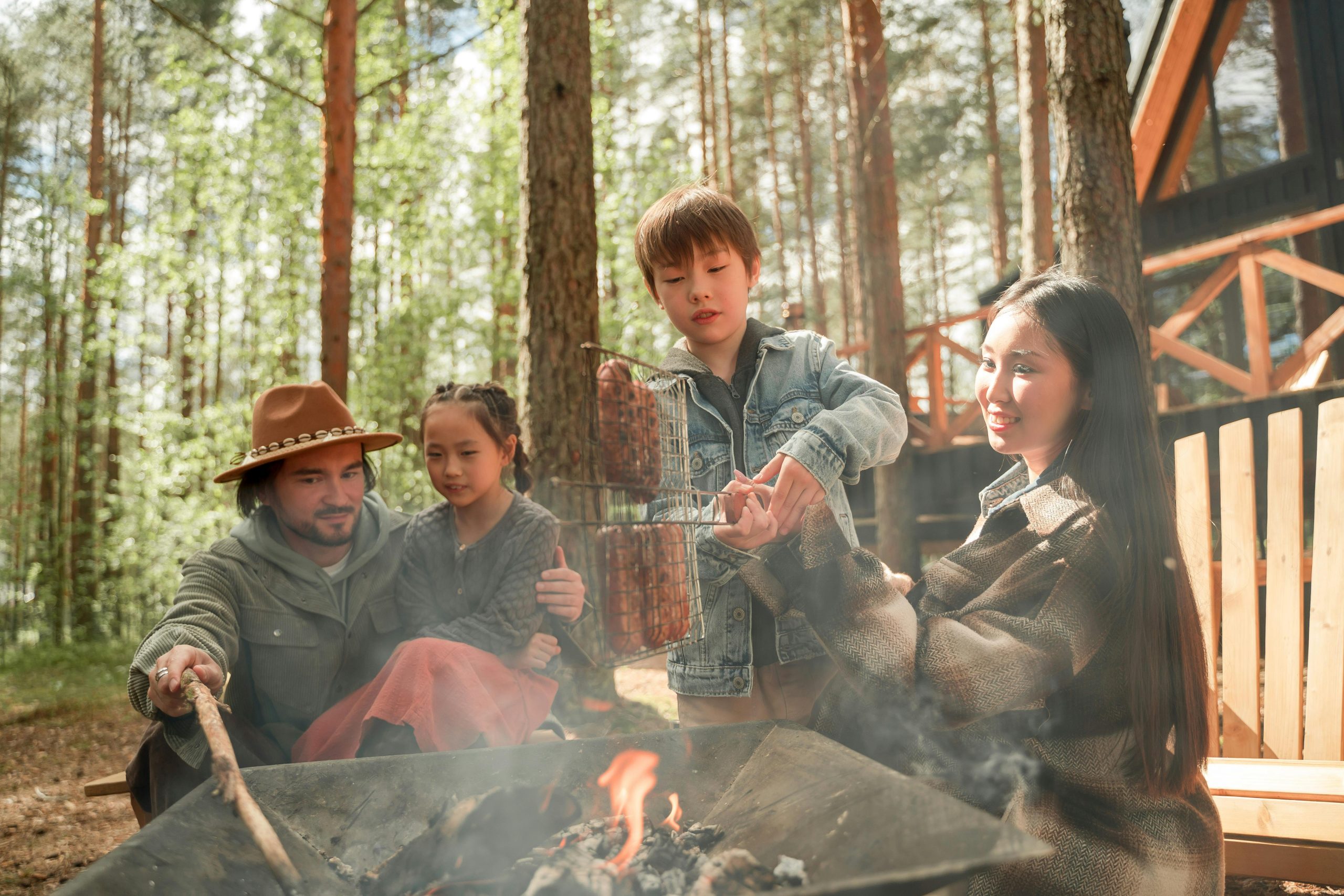
Even with the best plans, fatigue or irritability sets in. Embrace flexibility: don’t over-schedule every moment. Prioritize breaks, snacks, and rest. Use humor, empathy, and open conversation when tensions arise. Keep a positive mindset, encourage everyone to share what they need, and remind yourselves that the goal is connection, not perfection.