
Some rifles earn praise quickly. Others have to fight through decades of bias before the crowd admits they belong.
Tradition is a tough gate to swing open
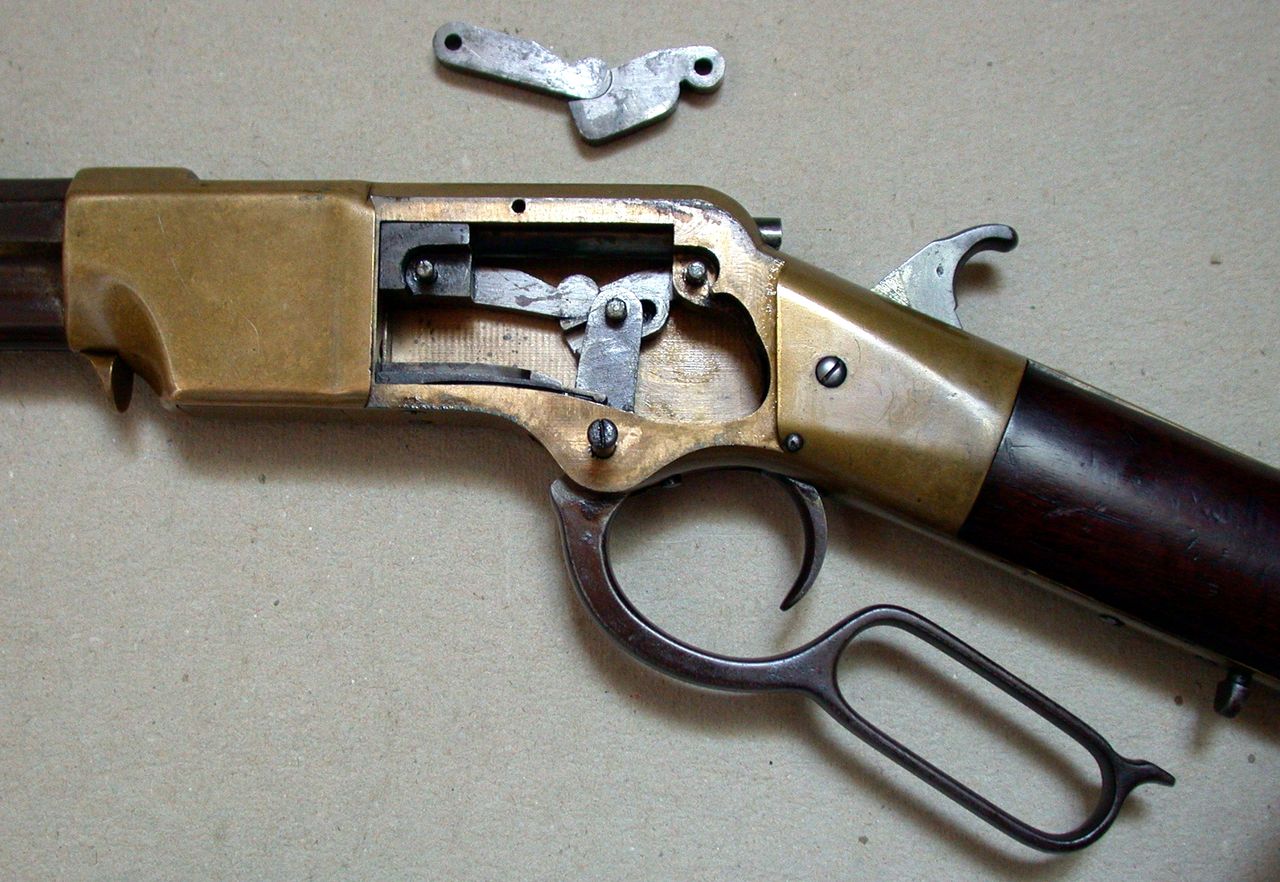
Traditionalists do not just buy lever guns for performance. They buy stories, family memories, and the feeling that a rifle connects them to Winchester 94s, old Marlins, and deer camps that seem frozen in time.
That matters because Henry Repeating Arms, despite the historic name, is a modern company founded in 1996, with its first rifles shipping in 1997. Henry itself is clear that it is not the original 1860s company, even though it honors Benjamin Tyler Henry’s design legacy.
For some purists, that instantly puts Henry in the “newcomer” category. In a market where age and lineage carry emotional weight, being newer than Winchester or Marlin can count against you before the first round is chambered.
The loading system started the argument
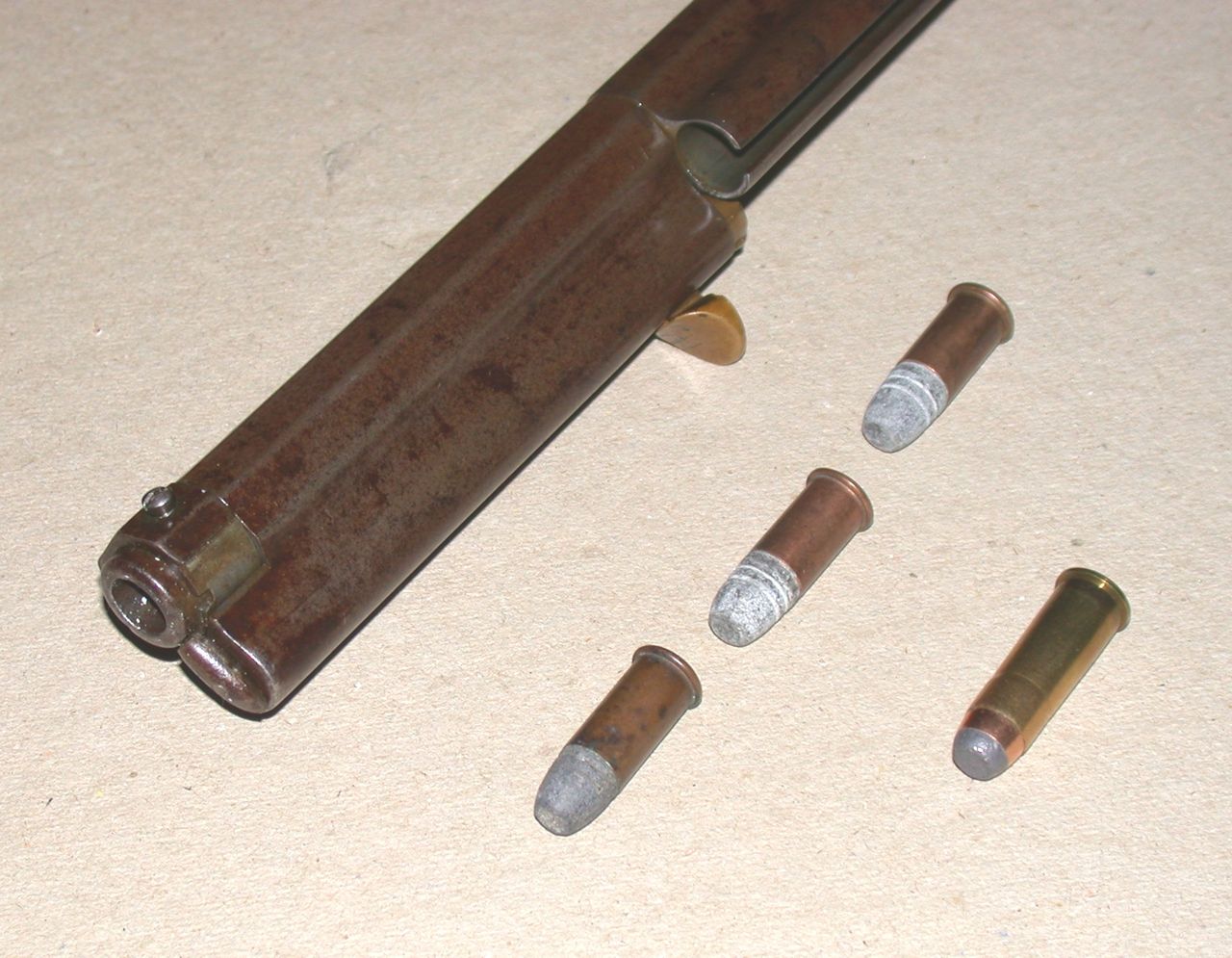
For years, one of the biggest knocks on Henry centerfire lever guns was the front-loading tubular magazine. Many shooters liked its simplicity and the easy, safe unloading process, but traditionalists saw the absence of a side-loading gate as a break from accepted lever-gun form.
That complaint was loud enough that Henry answered it in 2019 with the Side Gate Lever Action. According to Henry and reviews from Guns.com, the company kept the removable magazine tube while adding a side gate, giving users both loading methods.
Ironically, even fixing the issue did not fully erase the criticism. In gun culture, first impressions linger, and many traditionalists still talk about Henry as if it never moved beyond the old tube-loading-only setup.
Brass receivers confuse people who expect blued steel
Another reason Henry gets side-eyed is appearance. Its signature brass-framed rifles stand out immediately, and to some buyers that look feels more frontier-showpiece than working deer rifle.
Henry says its hardened brass receiver offers the same tensile and yield strength as steel on those models, but perception matters as much as metallurgy. A hunter raised on blued-steel Marlins may see shiny brass and assume it is decorative first, serious second.
That judgment is not always fair. Henry’s catalog now includes plenty of steel-framed, all-weather, side-gate, and hunting-oriented rifles, but the brass image became so closely tied to the brand that many critics never looked past it.
Henry’s strengths are practical, not romantic
The strange part is that Henry does many things extremely well. The company says it is the world leader in the lever action category, and its rifles are widely known for smooth actions, solid walnut stocks, strong customer service, and American manufacturing in Wisconsin.
Even skeptical reviewers routinely praise fit, finish, and shootability. Outdoor Life has highlighted Henry among today’s notable lever-action options, while Guns.com reviews often focus on reliable function, useful modern touches, and strong overall value.
But practical excellence is not always what wins traditionalists. Romance wins them. If a rifle feels too polished, too modern, or too eager to please a broad market, some old-school fans treat that as a cultural flaw rather than a product strength.
Brand identity cuts both ways

Henry also built its reputation differently from legacy rivals. Its messaging leans hard into “Made in America, or Not Made at All,” broad model variety, and owner-friendly service, all of which appeal strongly to mainstream buyers.
That broad appeal can actually create resistance among enthusiasts who define taste by exclusivity. If a rifle is accessible, visible, and popular with first-time buyers, some collectors and purists assume it cannot also be deeply authentic.
You see this in plenty of enthusiast spaces, not just firearms. The item embraced by ordinary people often gets less credit from gatekeepers, even when it performs exactly as advertised and serves its intended role exceptionally well.
Respect usually arrives late in the gun world
Henry’s real problem may simply be timing. It entered a category where nostalgia is almost as important as ballistics, then had to prove itself against brands whose reputations were built generations earlier.
Yet the case for respect is strong. Henry offers American-made lever guns, broad caliber choices, modern manufacturing, side-gate options, and a reputation for standing behind its products in ways many owners genuinely value.
Traditionalists may never love Henry with the same instinctive affection they reserve for old Winchesters and pre-safety Marlins. But if respect is supposed to be earned through function, craftsmanship, and staying power, Henry has already done enough to deserve far more of it.