The .410 is one of the most recognizable oddities in shotgun terminology. While 10, 12, 20, and 28 are normally identified by gauge, the .410 uses a decimal measurement instead. That difference is not accidental. It comes from the way shotgun gauges were historically defined, while the .410 retained a direct bore-diameter designation. Understanding that distinction makes the name far less mysterious and reveals why calling it a “.410 gauge” is technically inaccurate.
1. The .410 Name Directly Gives Its Bore Diameter
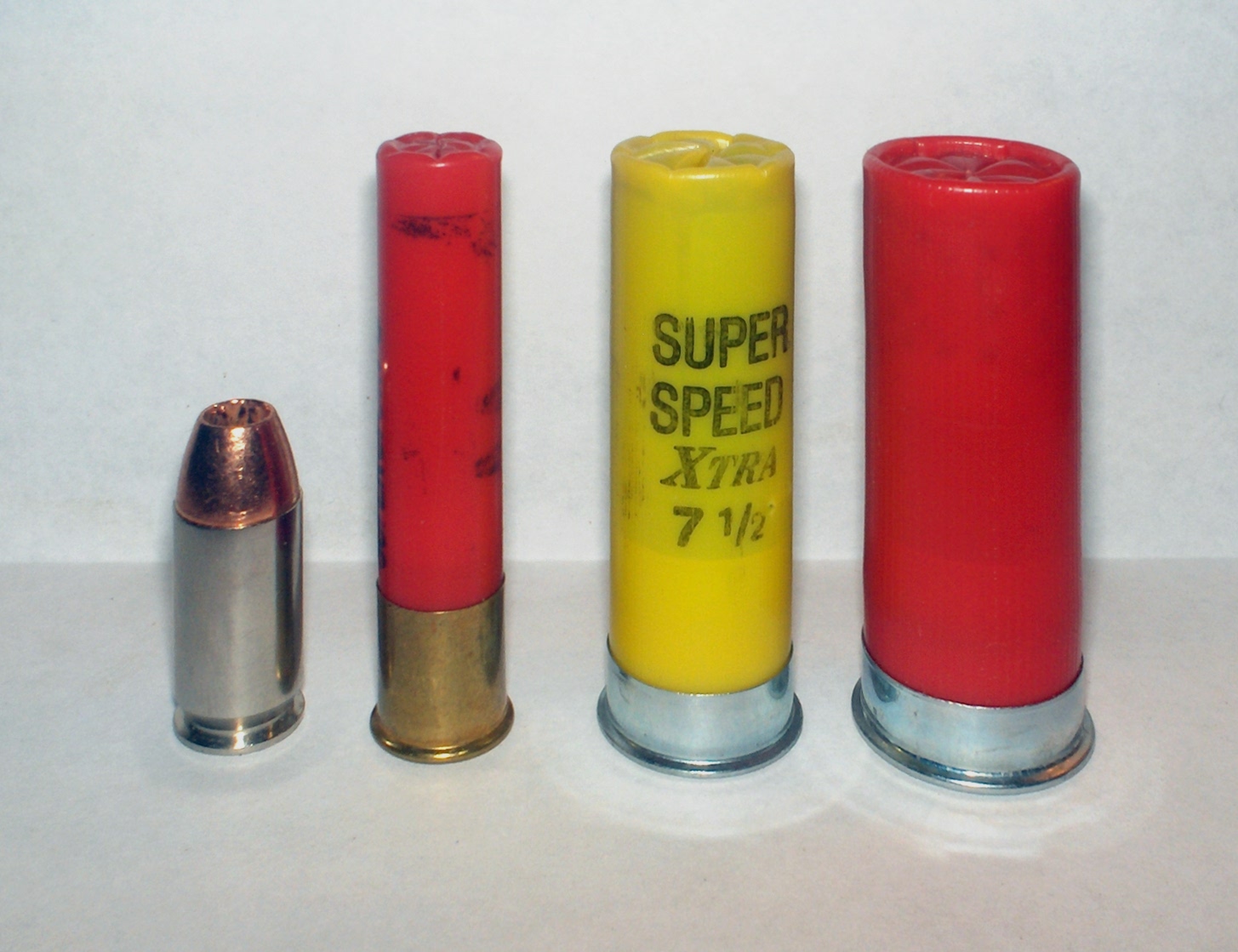
The name is a measurement, not a gauge count. The .410 designation comes directly from its nominal bore diameter: 0.410 inches, or about 10.4 mm. By contrast, a 12-gauge or 20-gauge name comes from an old weight system involving lead balls that fit the bore. SAAMI specifically lists the .410 as the exception to the usual gauge convention. That makes “.410 gauge” a common expression, but technically incorrect. The number itself tells you the barrel diameter rather than a lead ball count. It is one of the clearest examples of firearm nomenclature preserving an older commercial convention.
2. The Traditional Gauge System Works Backward
The gauge system sounds simple until you reverse it. Historically, a 12-gauge meant that 12 lead balls matching the bore diameter weighed one pound. A 20 gauge required 20 such balls, so its bore was smaller. Apply that same calculation to a 0.410-inch bore, and the result is roughly 67 to 68 balls per pound. That is why references often describe the .410 as approximately 67 1/2 gauge. Yet nobody adopted that cumbersome name commercially. The decimal designation was already established and proved much easier to recognize. The decimal name simply won the branding contest.
3. It Sits Outside the Familiar Gauge Sequence
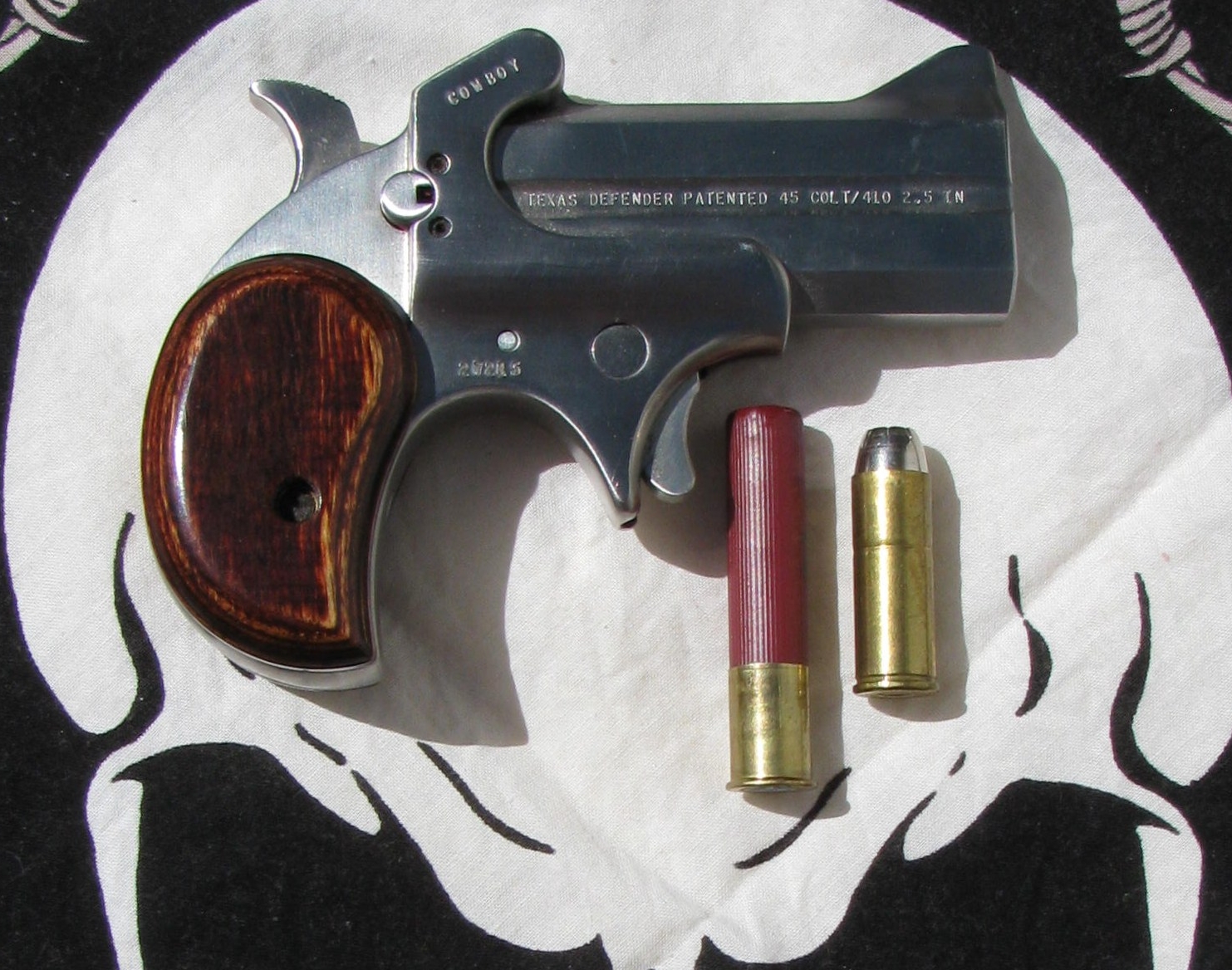
The .410 also sits outside the familiar gauge sequence. Common American shotgun sizes include 10, 12, 16, 20, and 28 gauge, with 32 gauge appearing far less often. The numbers become larger as the bore diameter becomes smaller, which can feel backwards to newcomers. The .410 avoids that puzzle entirely by stating its diameter. At 0.410 inches, its bore is dramatically narrower than a 28 gauge, commonly around 0.550 inches. That difference helps explain why the .410 carries less shot and has a distinctive place among smallbore shotguns. That is a sizeable difference when the bore is viewed side by side.
4. Its History Helped Preserve the Strange Name
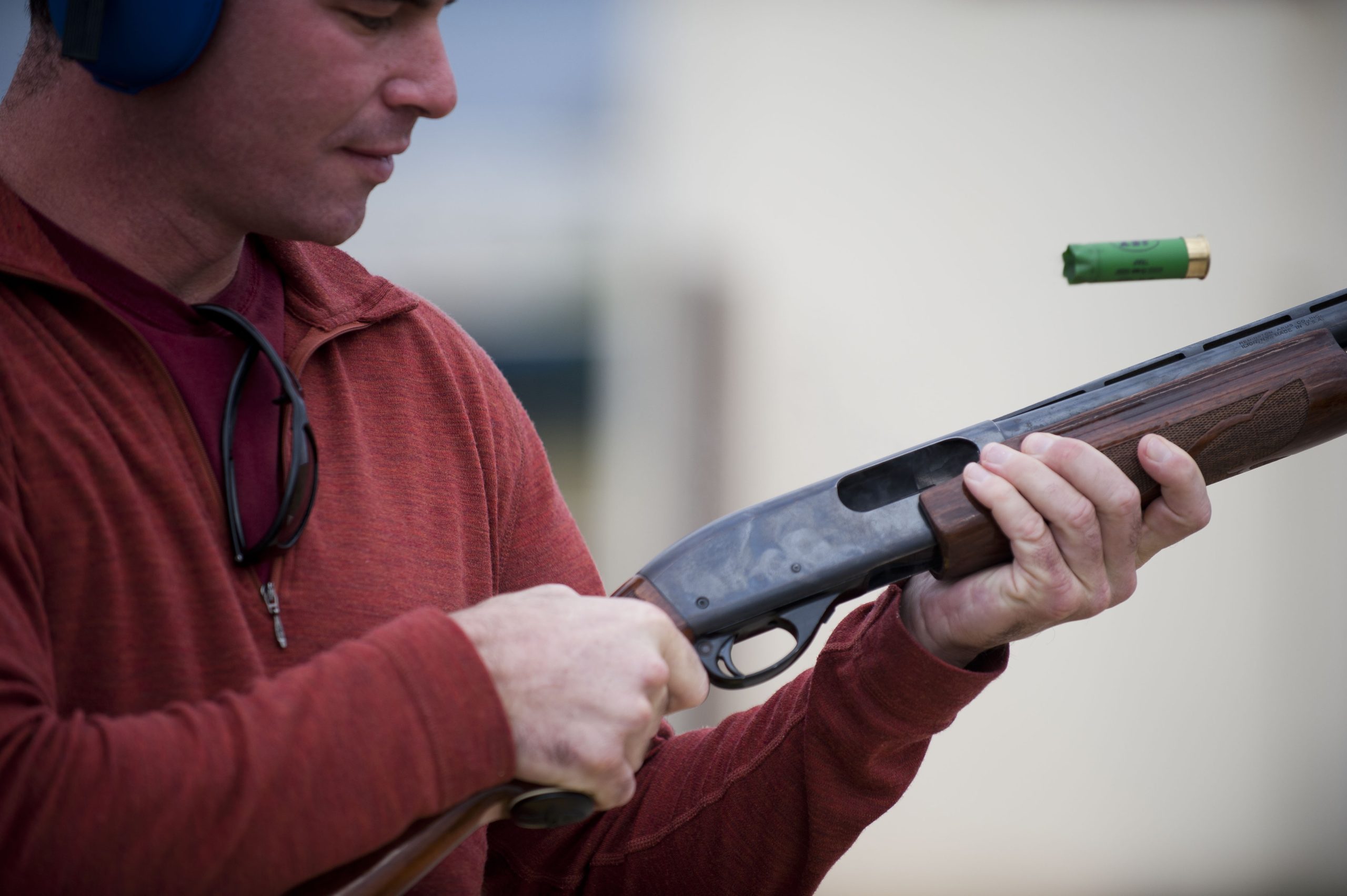
Its history helps explain why the unusual name survived. Small .410-bore sporting guns and cartridges were being developed in Britain during the 19th century, with commercial examples appearing by the late 1800s. Rather than forcing the cartridge into the traditional gauge naming system, makers used the decimal bore measurement. Once shooters, proof houses, and ammunition companies became familiar with that label, there was little practical reason to replace it. Today, the name remains a historical survivor, preserved by more than 100 years of continued use.
5. “Bore” Has a Specific Technical Meaning
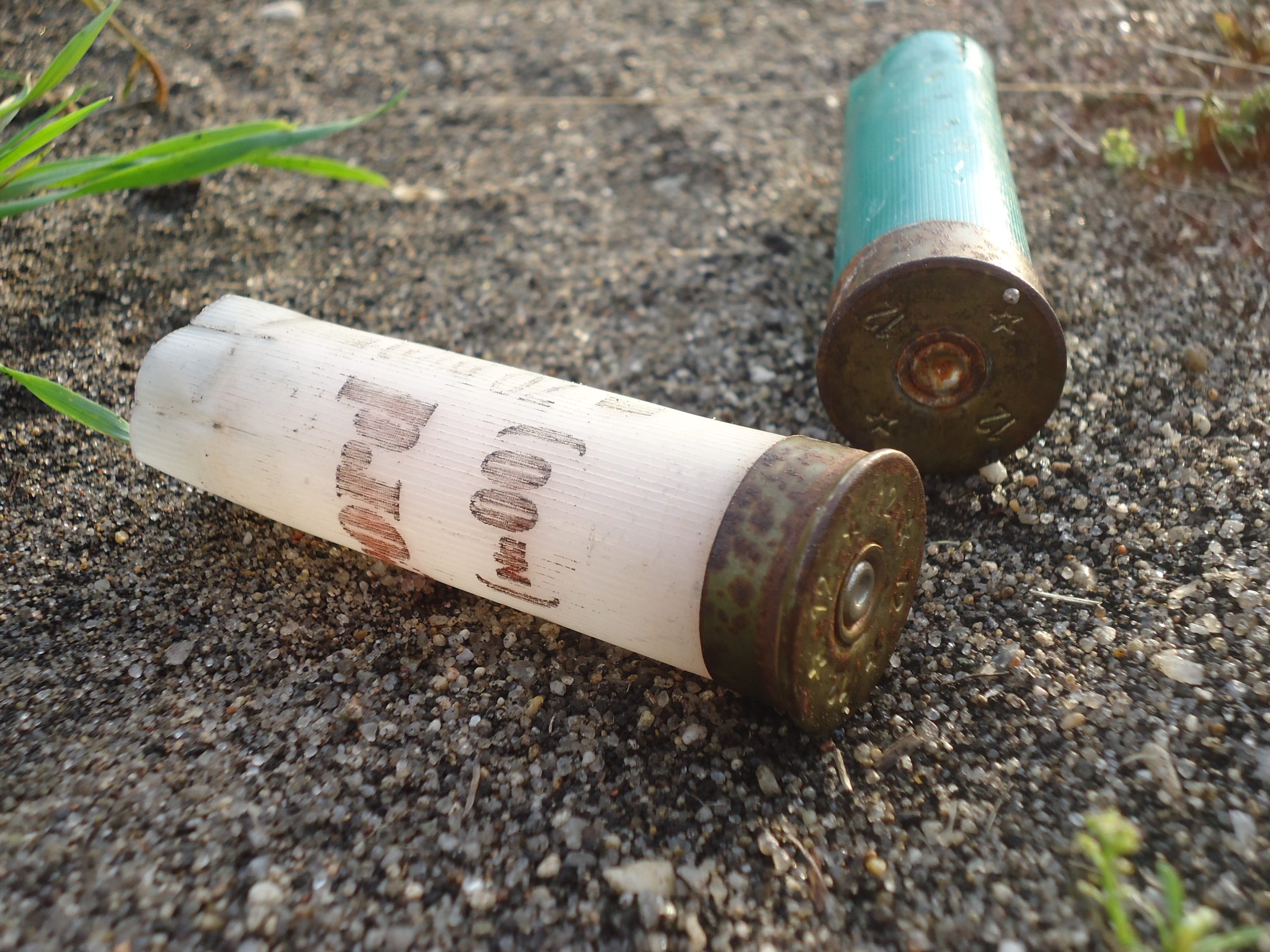
Another clue is the word “bore” itself. In technical terms, bore refers to the interior diameter of a smoothbore barrel before any choke constriction. For the .410, the nominal figure is 0.410 inches, which converts to about 10.41 mm. That is fundamentally different from saying “410 gauge,” because gauge is a historical weight-based designation rather than a direct diameter measurement. The distinction may seem academic, but it matters when comparing cartridges, interpreting specifications, and understanding why this little shotgun has such an unusual name.
6. Its Naming Resembles Caliber Terminology
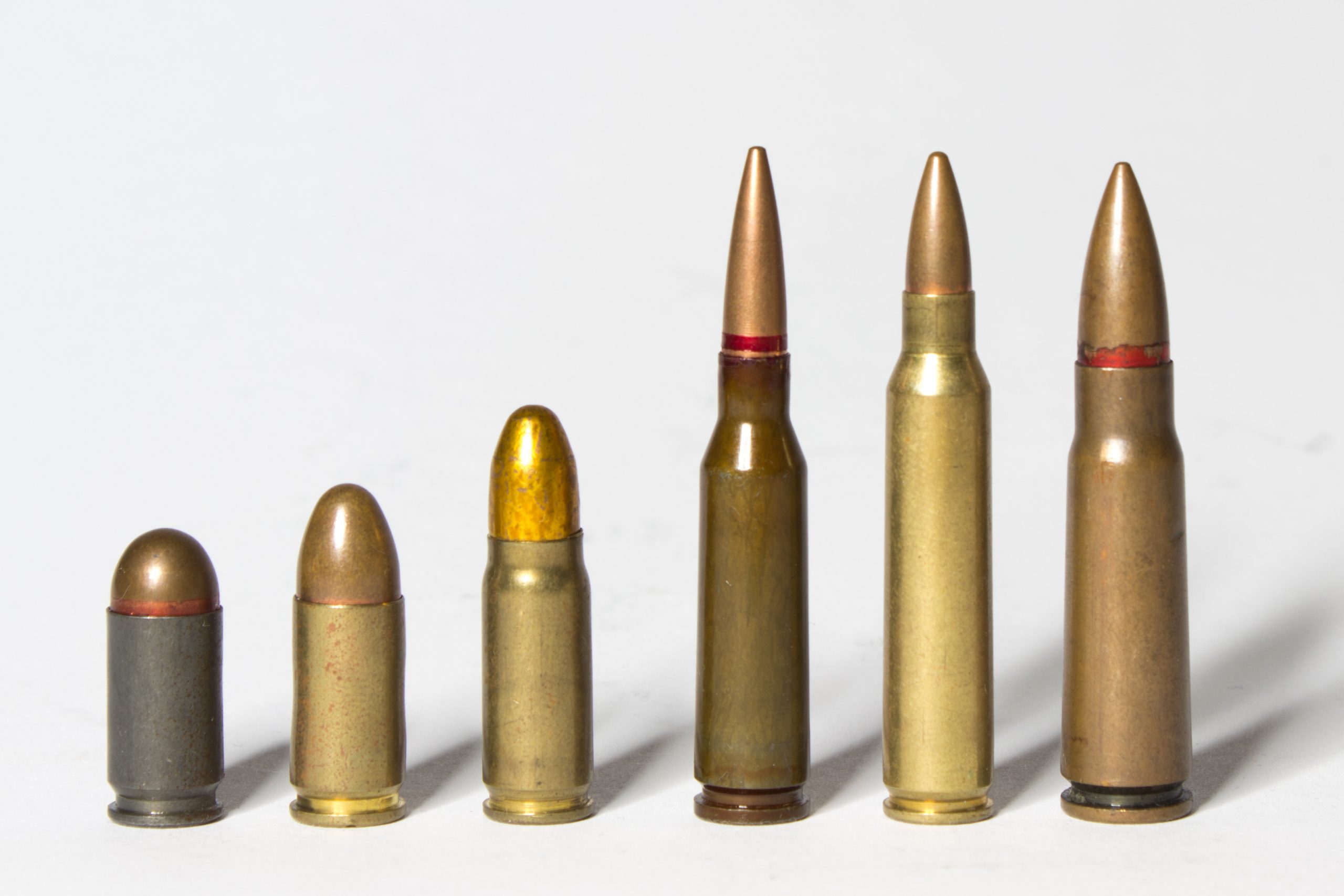
The .410 name also resembles rifle and handgun caliber naming more than traditional shotgun terminology. A cartridge described as .410 uses a decimal inch measurement to identify bore size, much like other firearms that use figures such as .22 or .45. That does not make the .410 a rifle cartridge, of course. It remains a shot shell chambering designed for smoothbore firearms. The naming difference simply reflects its diameter-based designation. In numerical terms, 0.410 inches equals roughly 10.4 mm, giving the name a very literal meaning. That is the whole idea.
7. Shell Length Is Another Number Entirely
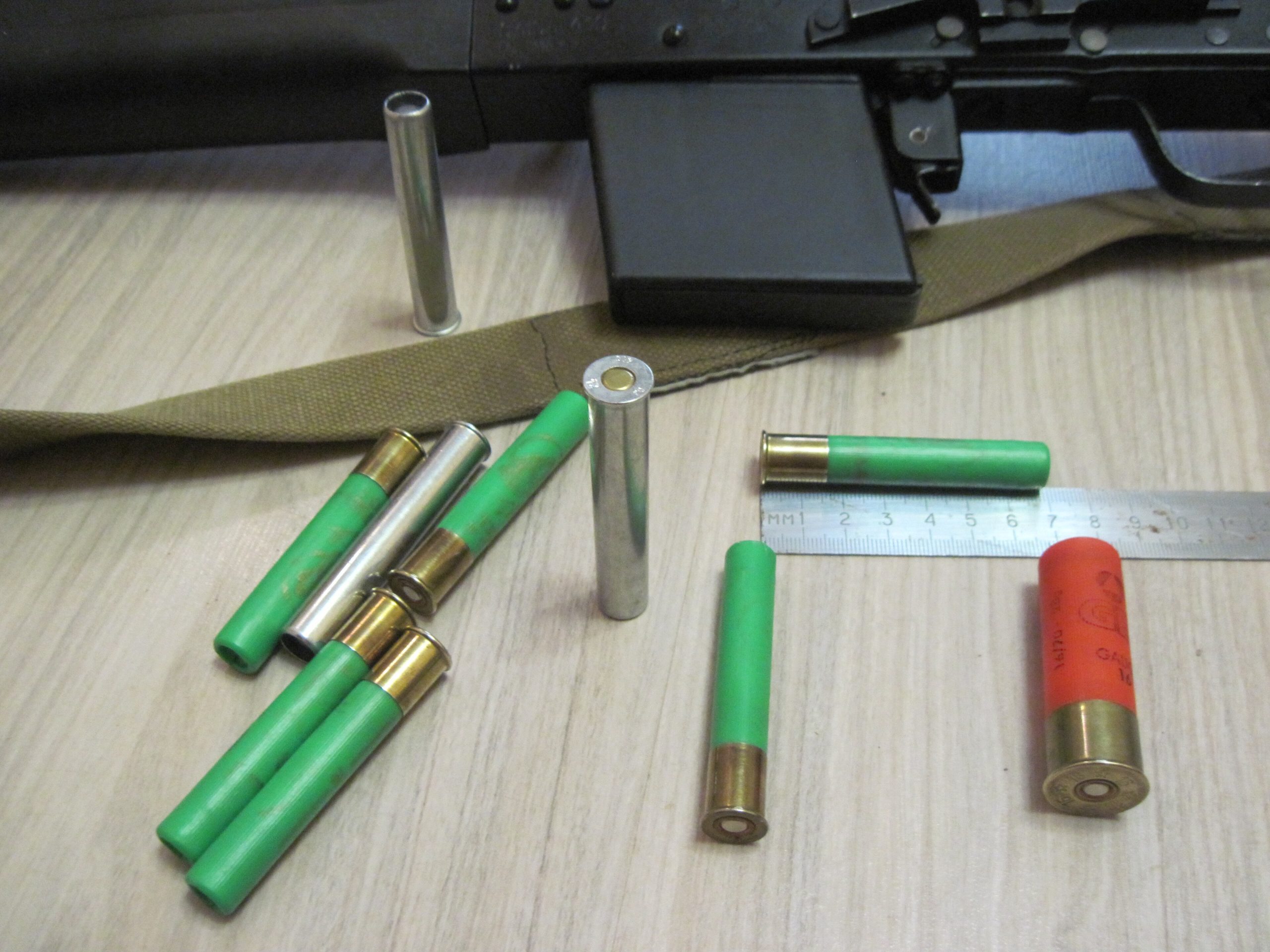
The cartridge’s small diameter has practical consequences beyond its unusual label. A typical .410 shell carries a much smaller shot payload than common12-2 or 20 gauge loads, which can make pattern placement more demanding. Yet the narrow bore can produce useful patterns at appropriate ranges, particularly with suitable choke and ammunition. Modern .410 shells are commonly offered in 2 1/2 inch and 3-inch lengths, giving shooters different payload options. Those dimensions describe shell length, not gauge, and they should never be confused with the 0.410-inch bore measurement.
8. “67 1/2 Gauge” Is Only a Conversion
Calling it a “67 1/2 gauge” is mathematically interesting, but it is not the standard name. The conversion comes from the traditional gauge formula, not from a manufacturer deciding to create a new shotgun size. Sources commonly place the .410 at about 67 or 67 1/2 gauge, depending on the convention used. That figure is useful for explaining the history, but it is not how ordinary ammunition boxes or firearm specifications identify the chambering. The established designation remains .410 bore, keeping the decimal measurement front and center. The distinction matters.
9. The Exception Became the Rule for the .410
The biggest takeaway is that the .410 is not breaking a rule by accident. It represents a different naming path that became permanent. Its 0.410-inch bore is the defining measurement, while the gauge system belongs to a separate historical method based on lead-ball weight. SAAMI explicitly recognizes this distinction, identifying the .410 bore as the exception. So when someone calls it a “.410 gauge,” the meaning is usually clear in casual conversation, but the technically correct term is .410 bore. The strange name is really a piece of firearms history.