Bushcraft changes with gear trends, YouTube aesthetics, and survival buzzwords, but the fundamentals rarely move. These five legends built their reputations on practical field skills that still make sense in 2026, whether you camp on weekends or take wilderness self-reliance seriously. The real lesson is not just what they knew, but which skill each of them locked in first and used as a foundation for everything that followed.
Mors Kochanski
If there is one modern bushcraft teacher whose advice still feels field-tested rather than fashionable, it is Mors Kochanski. His work was rooted in boreal reality, where cold, wet conditions punish mistakes fast and reward simple systems that can be repeated under stress.
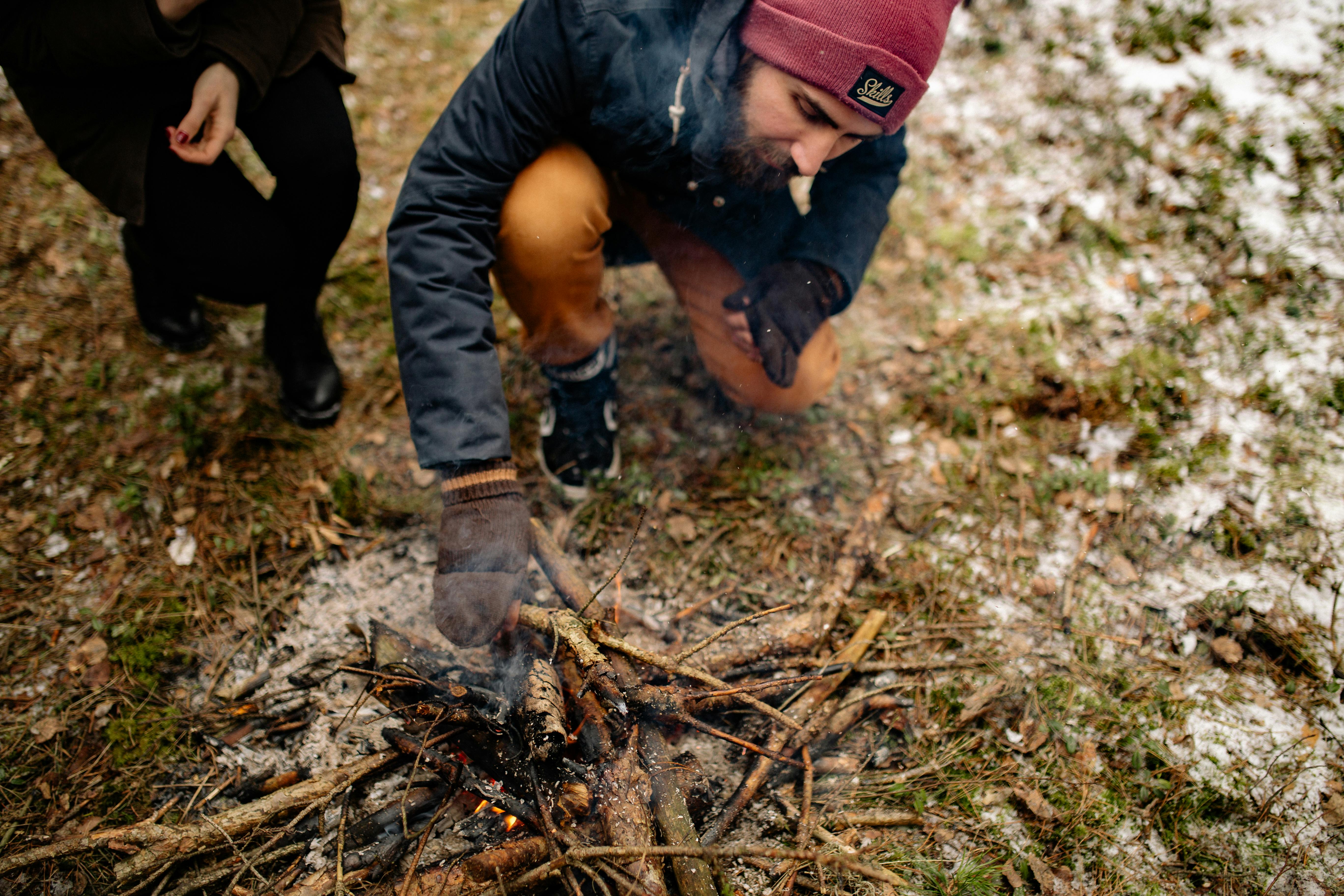
The first skill he truly mastered was firecraft. Not flashy fire starting for social media, but dependable flame in ugly weather, with poor tinder, numb hands, and limited daylight. That emphasis still holds up because in 2026, no battery bank replaces warmth, morale, water purification, and the ability to dry clothing.
Kochanski’s genius was turning fire into a sequence you could trust. Gather more fuel than you think, protect the spark, build in stages, and think ahead. It remains one of the clearest examples of bushcraft as disciplined problem solving.
Horace Kephart
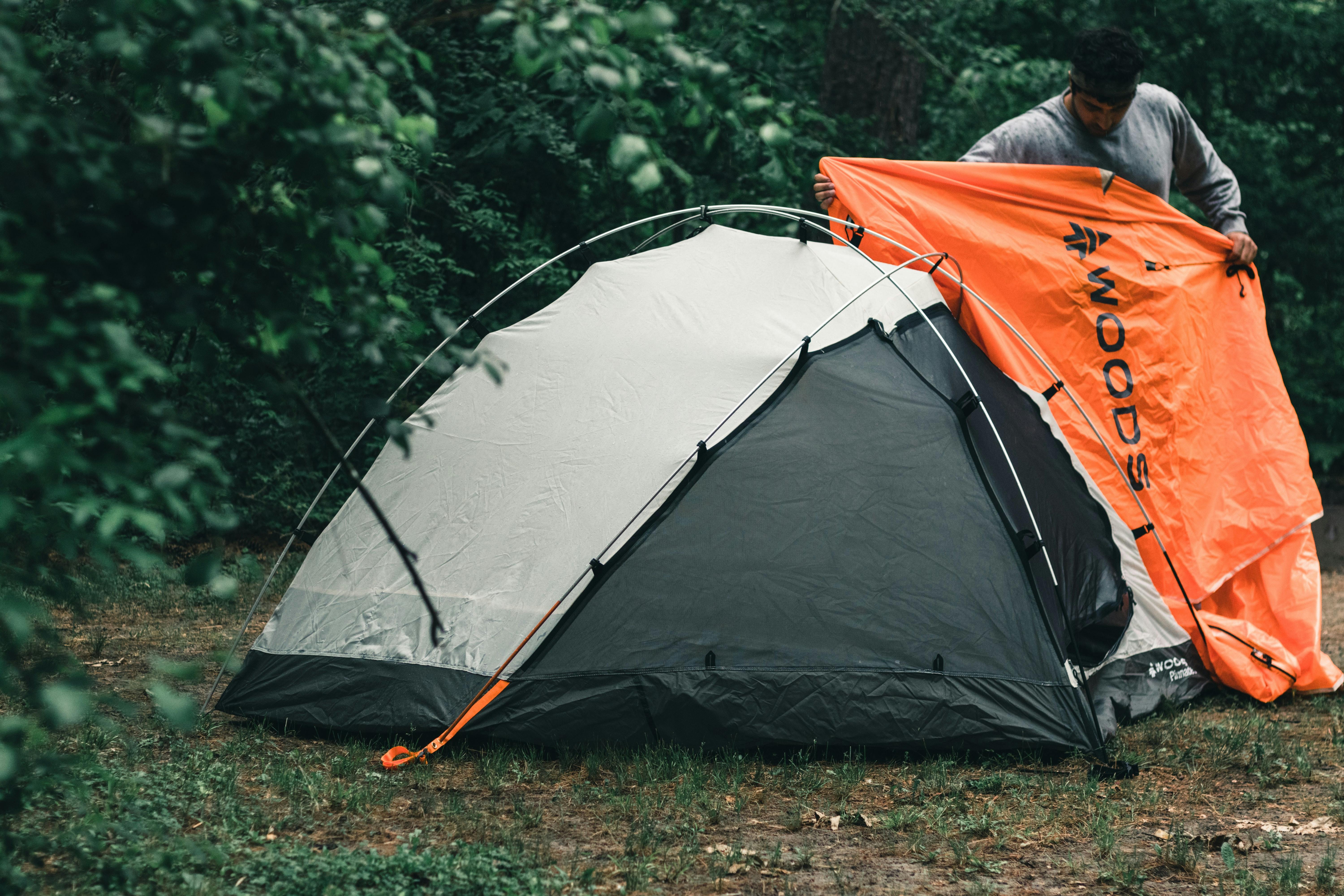
Horace Kephart wrote about woodsmanship in a voice that still feels calm, practical, and surprisingly modern. Long before endless gear reviews, he focused on how ordinary people could move more comfortably and competently through wild country with judgment, preparation, and restraint.
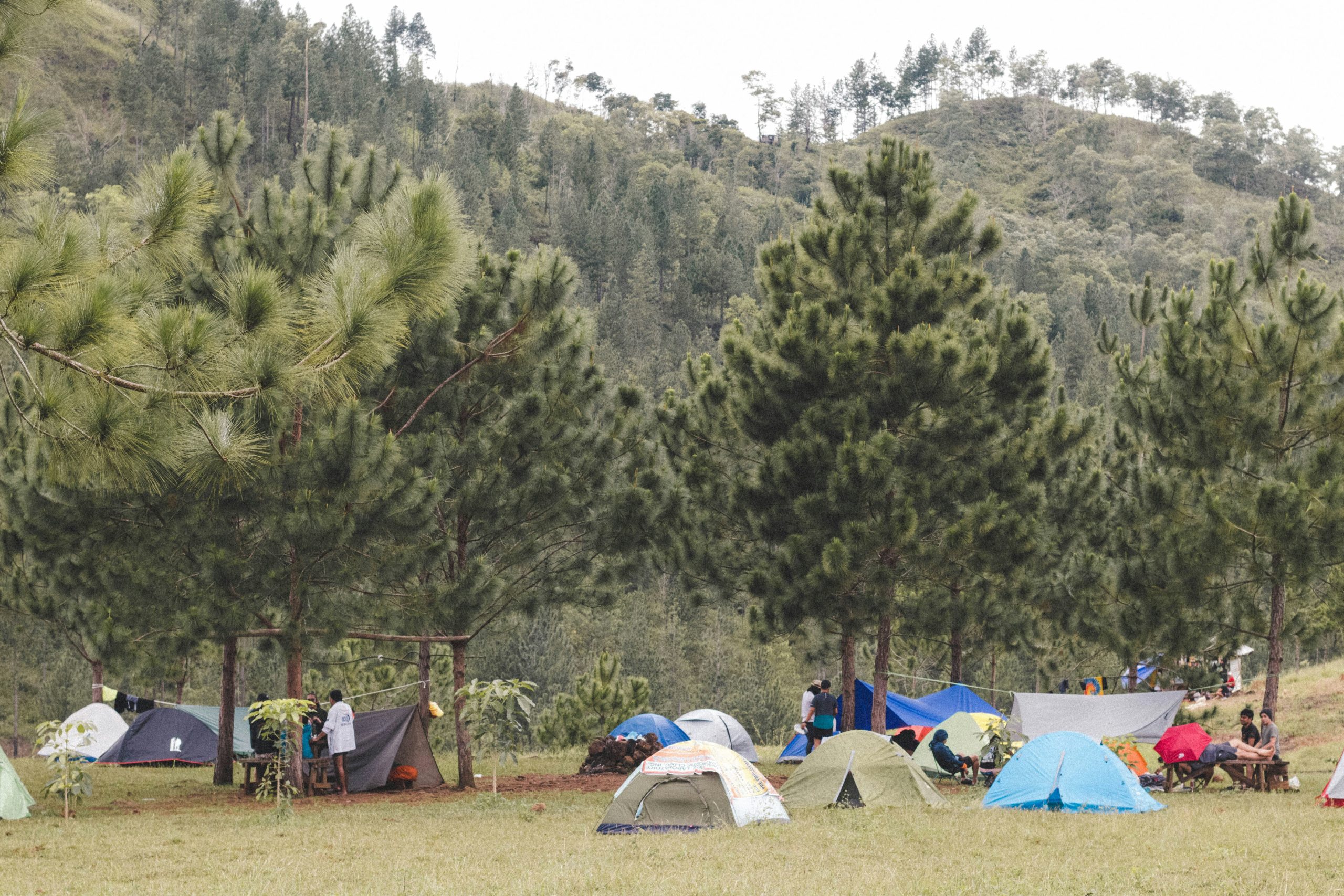
The skill he mastered first was campcraft. Kephart understood that a good camp solves problems before they start. Site selection, drainage, wind protection, kitchen setup, and sleeping comfort were not luxuries to him. They were the difference between a rewarding trip and a miserable one.
That lesson has aged beautifully. In 2026, people still overpack gadgets and underthink camp layout. Kephart’s approach reminds us that smart positioning, clean organization, and attention to weather beat expensive mistakes nearly every time.
Ray Mears

Ray Mears helped bring bushcraft to a wide audience without stripping it of seriousness. His style has always been measured, respectful, and grounded in observation. He made competence look calm, which is one reason his material still feels so current in an era that often confuses drama with expertise.
The first skill he mastered was observation of the landscape. Before tools, tricks, or heroic survival scenarios, Mears paid attention. He read terrain, weather, animal sign, plant patterns, and available materials. That ability shaped every later decision, from shelter placement to route choice.
It still matters because the best bushcrafters in 2026 are not just handy, they are perceptive. Mears showed that the wilderness usually tells you what to do if you slow down enough to notice it clearly.
Cody Lundin
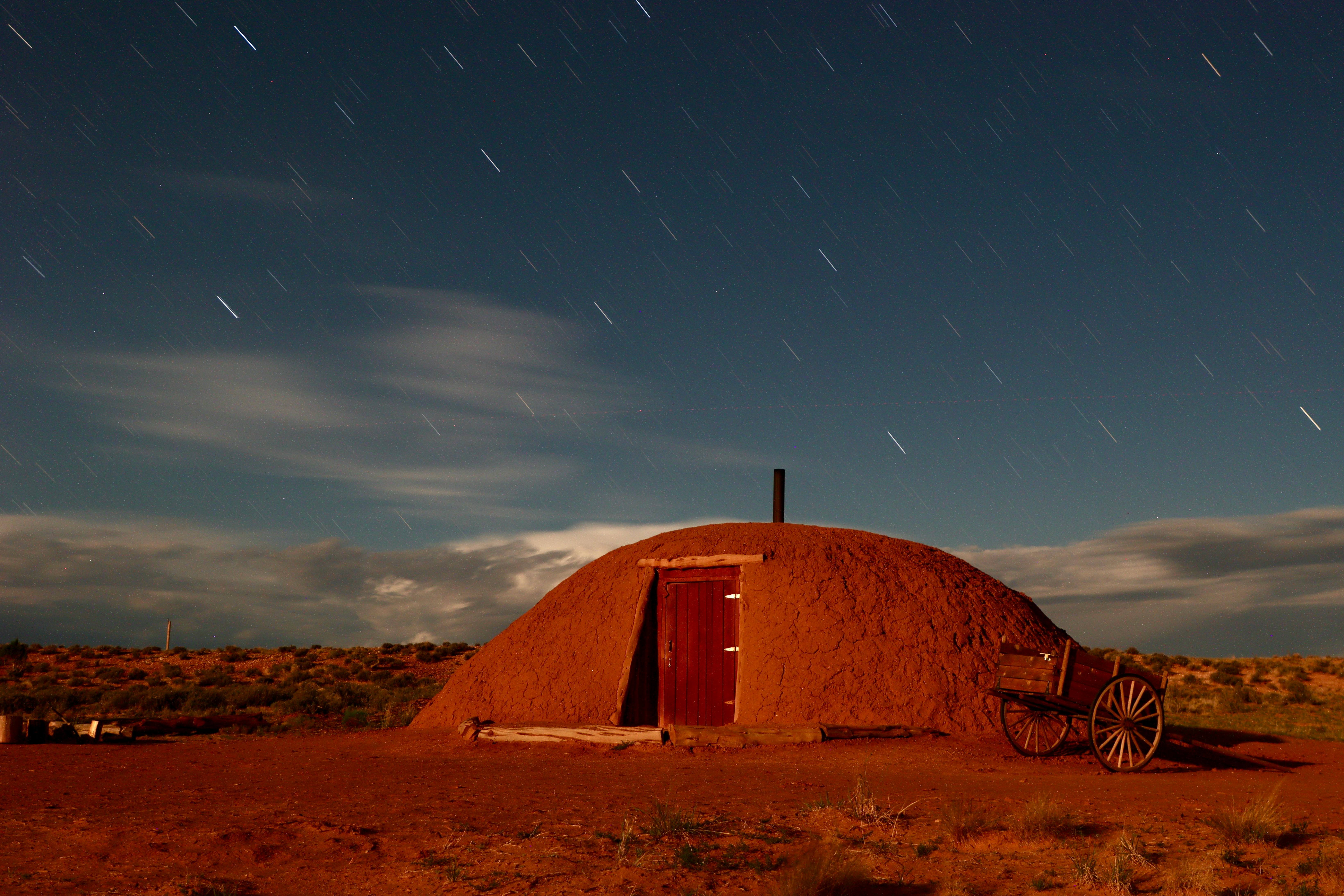
Cody Lundin brought a desert-honed, systems-based mindset to survival and bushcraft, and that perspective remains valuable. His teaching often cut through fantasy by focusing on what the human body actually needs first, especially when heat, cold, dehydration, and poor decisions begin stacking up.
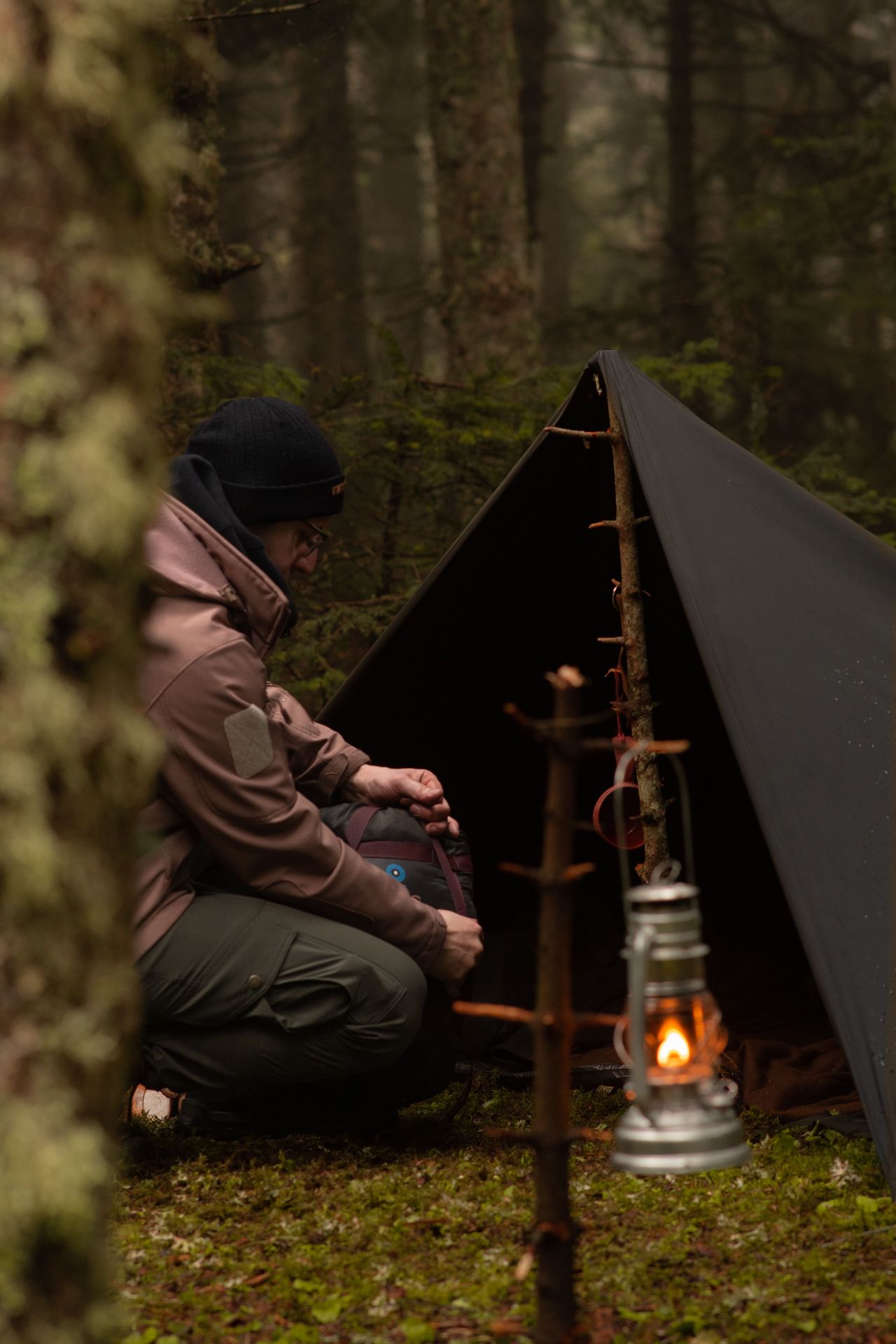
The first skill he mastered was shelter, especially microclimate control. Lundin emphasized that survival is often less about conquering nature and more about reducing exposure. Shade, insulation, windbreaks, ground separation, and body temperature management all mattered before almost anything else.
That thinking still lands in 2026 because weather extremes are more common and more people recreate in harsh environments. Lundin’s shelter-first logic reminds beginners that comfort, energy conservation, and thermal regulation are not secondary concerns. They are the main game.
Larry Dean Olsen
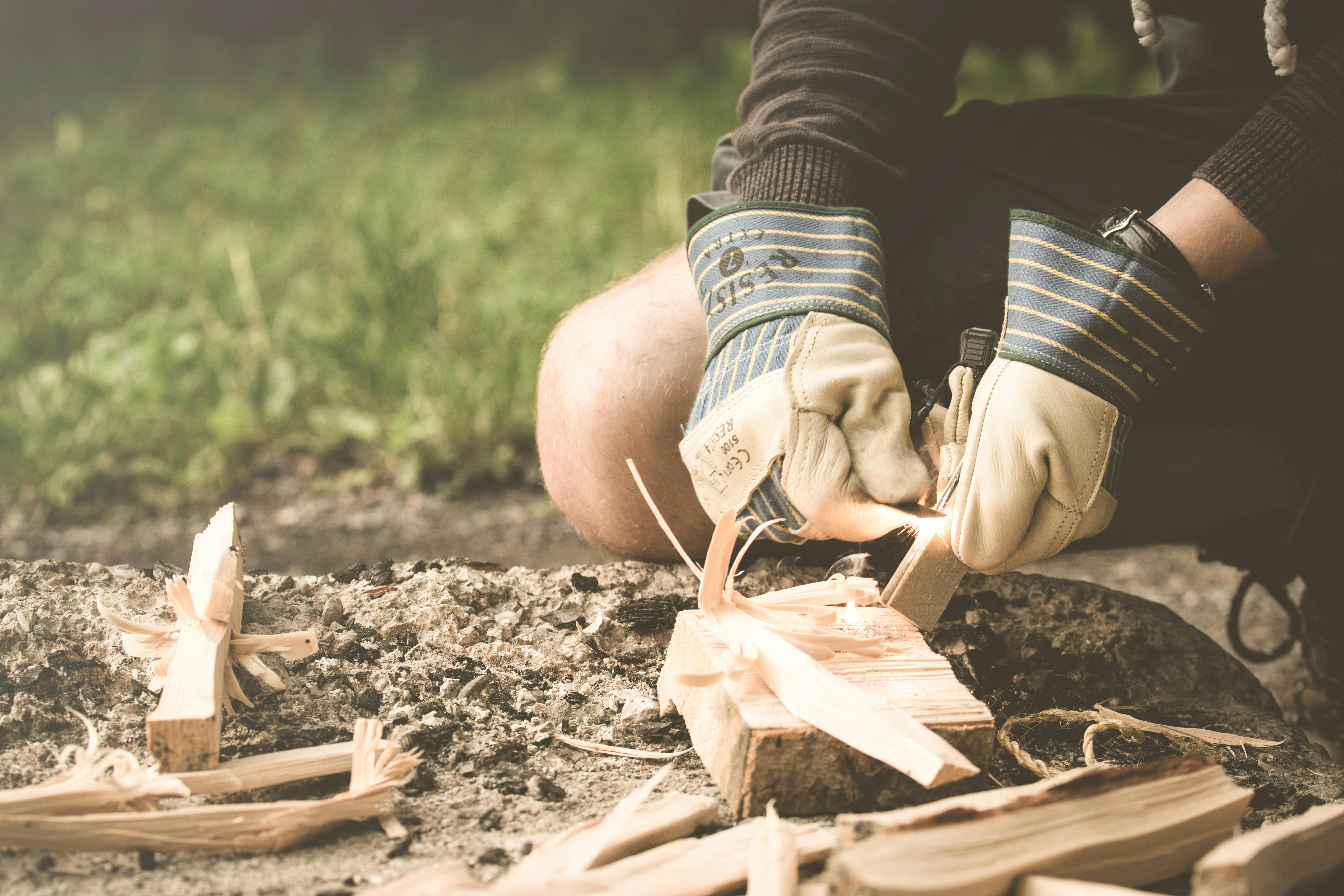
Larry Dean Olsen deserves more mainstream attention because his influence runs deep through modern primitive skills education. He treated the outdoors as a place to relearn human capability from the ground up, with hands-on methods that connected students directly to materials, tools, and ancient know-how.
The first skill he mastered was cutting tool use, especially knife and edge control. That may sound basic, but it is the gateway to nearly everything else. Carving stakes, shaping traps, making fuzz sticks, processing cordage material, and crafting shelter parts all begin with safe, efficient blade work.
In 2026, that foundation still separates confident bushcrafters from gear collectors. Olsen understood that precision beats force, and control beats speed. Master the edge, and the rest of the craft becomes far more accessible, adaptable, and reliable.