Gun buyback events look simple from the curb. But for people who understand firearms, history, and local laws, they can reveal a strange market inefficiency hiding in plain sight.
Flat-rate payouts can wildly miss real firearm value

Most police gun buyback events pay by broad category, not by true market worth. A working revolver, a budget pump shotgun, and a collectible old military rifle may all be treated as roughly similar items if the event menu is built around gift cards instead of appraisals. That mismatch is the first reason these programs can look like a goldmine to bargain hunters.
Recent police announcements show how standardized those offers can be. Oakland said participants could receive gift cards worth up to $300 with no questions asked, while Orange County public notices listed $100 for complete operable handguns, rifles, shotguns, and ghost guns, and $300 for certain assault weapons. In Brooklyn, the district attorney’s office advertised $500 bank cards for each operable gun or assault rifle turned in.
That structure makes administrative sense for agencies. It is fast, easy to explain, and keeps the line moving. But it also means an heirloom Colt, a pre-64 Winchester, or a desirable surplus rifle can be worth far more in the collector market than the event payout suggests. Whenever a government program uses a flat rate for a product with highly uneven value, knowledgeable buyers immediately see the gap.
Sellers often bring in guns for convenience, not maximum return

A second reason buybacks can attract bargain hunters is that many participants are not trying to optimize value. They may want a firearm gone quickly, may not know what they inherited, or may prefer an anonymous handoff to the hassle of private sale, consignment, or estate research. Convenience often beats price.
That behavior shows up in how events are promoted. Rockville’s event emphasized safety and public benefit, not top-dollar compensation, and stated that police retained final discretion on eligible firearms and may limit the number of cards per person. Cleveland’s process likewise focused on quick drive-up surrender, with range staff removing guns from trunks and verifying whether a gun was operable for gift-card purposes.
For collectors, this matters because undervaluation usually begins with low information on the seller’s side. A widow clearing out a closet, an adult child handling an estate, or a homeowner unloading a rusty but scarce revolver may not recognize markings, production eras, or historical variants. The firearm is being judged emotionally or practically, while the collector judges it by rarity, originality, and demand.
That does not mean every turn-in is a treasure. Many are broken, common, badly stored, or legally complicated. But the odds of hidden value rise whenever sellers are motivated by speed, privacy, and simplicity instead of careful pricing.
Research shows buybacks often collect guns collectors do not ignore
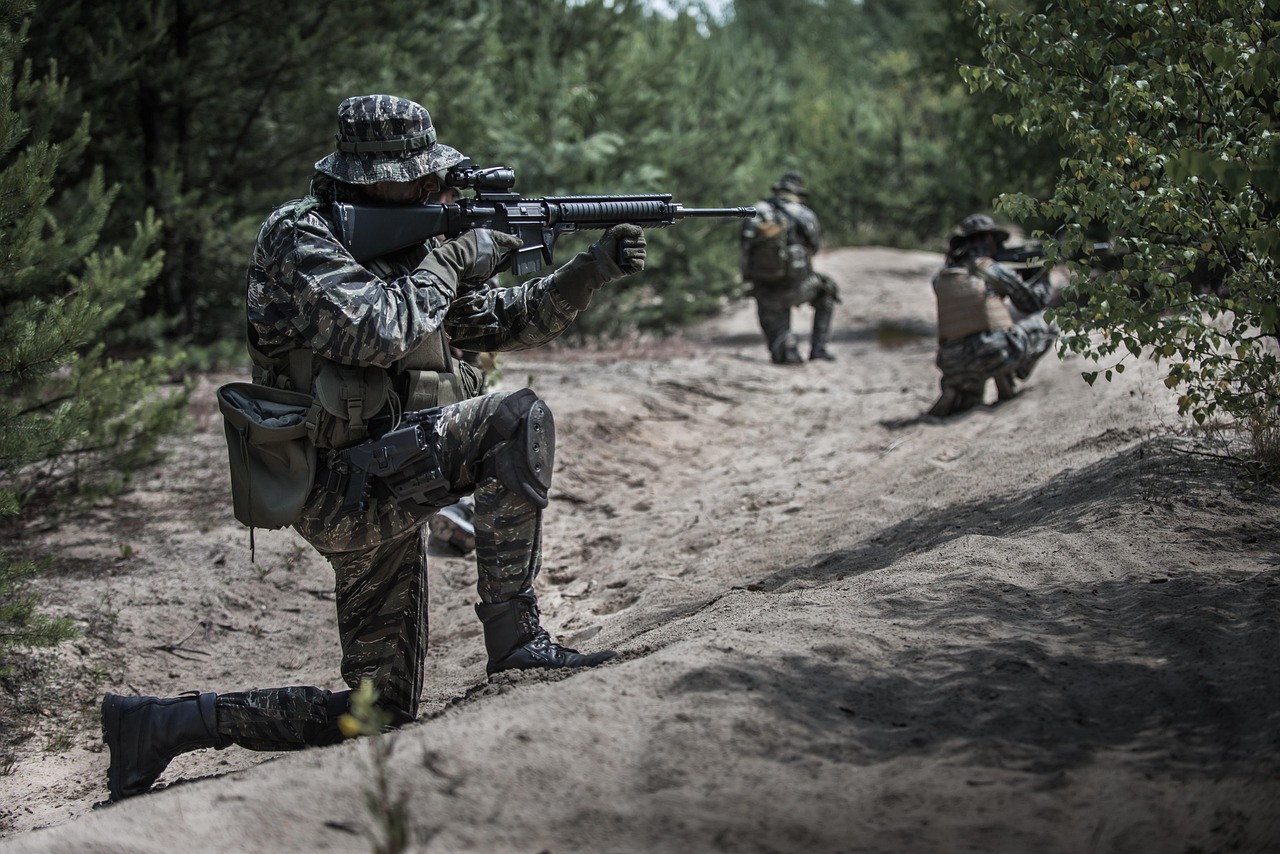
One of the more uncomfortable truths in this debate is that gun buybacks often gather firearms that are not typical crime guns. That is important for public-policy discussions, but it also helps explain why collectors pay attention. If the stream includes old hunting rifles, estate handguns, and obsolete but interesting pieces, value can show up where program organizers see only surrender totals.
Research reviews have repeatedly raised doubts about whether buybacks reduce violence in measurable ways. RAND’s synthesis of firearm-policy evidence has long found limited convincing evidence on buyback effects, and a 2025 Journal of Policy Analysis and Management study reported no evidence that buyback programs reduce firearm suicides or homicides. The Trace, summarizing the research, noted that buybacks often collect inoperable guns or firearms unlike those most associated with violent crime.
That pattern is exactly why bargain hunters see opportunity. If a program mainly draws unwanted, older, inherited, niche, or low-use guns, then the pool is naturally closer to what collectors browse at estate sales than what police recover in active criminal cases. The guns may be dusty, but some can still be historically significant.
Even critics and supporters of buybacks can agree on this narrow point: the guns turned in are often not all the same. Once that is true, a flat compensation schedule starts creating obvious winners and losers.
Age, rarity, and provenance can turn “junk” into treasure
Collectors know that firearm value is rarely obvious at first glance. A worn finish can hide a scarce manufacturer. An odd stock cartouche can point to military history. A top-break revolver that looks like drawer clutter may be an early-production variant people actively seek. What appears to be junk in a buyback lane can be treasure on a collector’s table.
ATF guidance also matters at the edges. The agency notes that antique firearms are not firearms subject to the Gun Control Act, which is one reason age and classification can become more complicated than casual owners realize. Separately, ATF materials make clear that some categories, especially NFA-regulated items and machine guns, follow strict transfer rules that can dramatically affect legality and value.
That legal and historical complexity is where informed buyers earn their advantage. They know to inspect for original finish, matching numbers, wartime codes, import marks, special-order features, and signs of refinishing. They also know that provenance matters. A documented family sidearm from a known police officer, veteran, or local notable can carry value that a buyback gift card will never reflect.
In short, the gulf between appearance and market value is unusually wide with firearms. Buyback events compress that nuance into a simple payout, and that compression creates the bargain-hunter appeal.
Secondary opportunities appear before and around the event

The real opportunity often does not happen at the police table. It happens before the event, when owners mention they are planning to turn something in, or when local gun owners hear a buyback is offering flat compensation and start making lawful private offers where state law allows. The event itself can become a signal that inventory is about to move.
This dynamic has been noted informally for years in gun-owner communities, but the logic is straightforward even without anecdotes. If a city is willing to pay $100, $200, or $500 for surrendered guns, depending on the category, that sets a visible floor in the minds of owners. A lawful buyer who can explain the true collector value may persuade a seller to seek an appraisal instead of surrender.
Still, this is where the legal ground gets serious. ATF says an unlicensed person may generally sell to another unlicensed resident of the same state under federal law, but state and local rules may add restrictions. The FBI’s NICS rules also apply when a Federal Firearms Licensee transfers a gun. Anyone trying to capitalize on buyback timing has to know the law cold.
For collectors, then, the goldmine is not a free-for-all. It is a narrow opportunity created by timing, local knowledge, and lawful transactions.
Law, destruction policies, and police discretion shape the stakes
Not every surrendered gun is available to anyone, and many never should be. Once firearms enter official custody through a buyback, local policy often sends them toward destruction, evidence review, or stolen-gun checks. That is why collectors focus on what might be lost before surrender rather than expecting access after the fact.
Official policies vary. The Justice Department says firearms and ammunition involved in federal crimes are never sold back into commerce after federal forfeiture, though it also recognizes that state and local agencies operate under different laws and policies. Rockville reported that guns from its event would be destroyed unless identified as stolen, in which case they would be returned to the reporting department.
That variation matters because it changes whether historically important guns are preserved, reviewed, or crushed. Some agencies treat every surrendered gun as scrap. Others may separate stolen firearms or unusual pieces. For collectors and historians, that can be the most frustrating part of the buyback model. A firearm with educational, mechanical, or regional history can disappear simply because nobody evaluated it beyond basic intake.
So the stakes are bigger than bargain shopping. Sometimes the issue is preservation. Once a rare piece crosses the line into the event, the chance to rescue its market value or historical story may be gone for good.
Smart collectors see opportunity, but ethics and safety still come first
There is a reason this subject makes people uncomfortable. Buyback events are framed as public-safety efforts, and many participants are acting in good faith to remove unwanted guns from homes. Cities from Cocoa to Long Beach still promote them primarily as safety programs, often highlighting anonymous surrender and quick compensation.
But acknowledging that purpose does not erase the market reality. When a policy pays standardized prices for objects with wildly different collector demand, informed people will notice. Some will see a chance to save an antique from destruction. Others will see a chance to buy underpriced estate guns before they vanish. Both impulses exist at once.
The responsible approach is straightforward. Know the law, avoid pressure tactics, respect grieving families and inexperienced owners, and encourage appraisals when something appears unusual. A true expert does not just hunt bargains. He also recognizes when a seller needs information more than a quick offer.
That is the deeper reason police gun buyback events can become a goldmine. They sit where public policy, incomplete information, and collectible history collide, and that is exactly where undervalued items tend to surface.