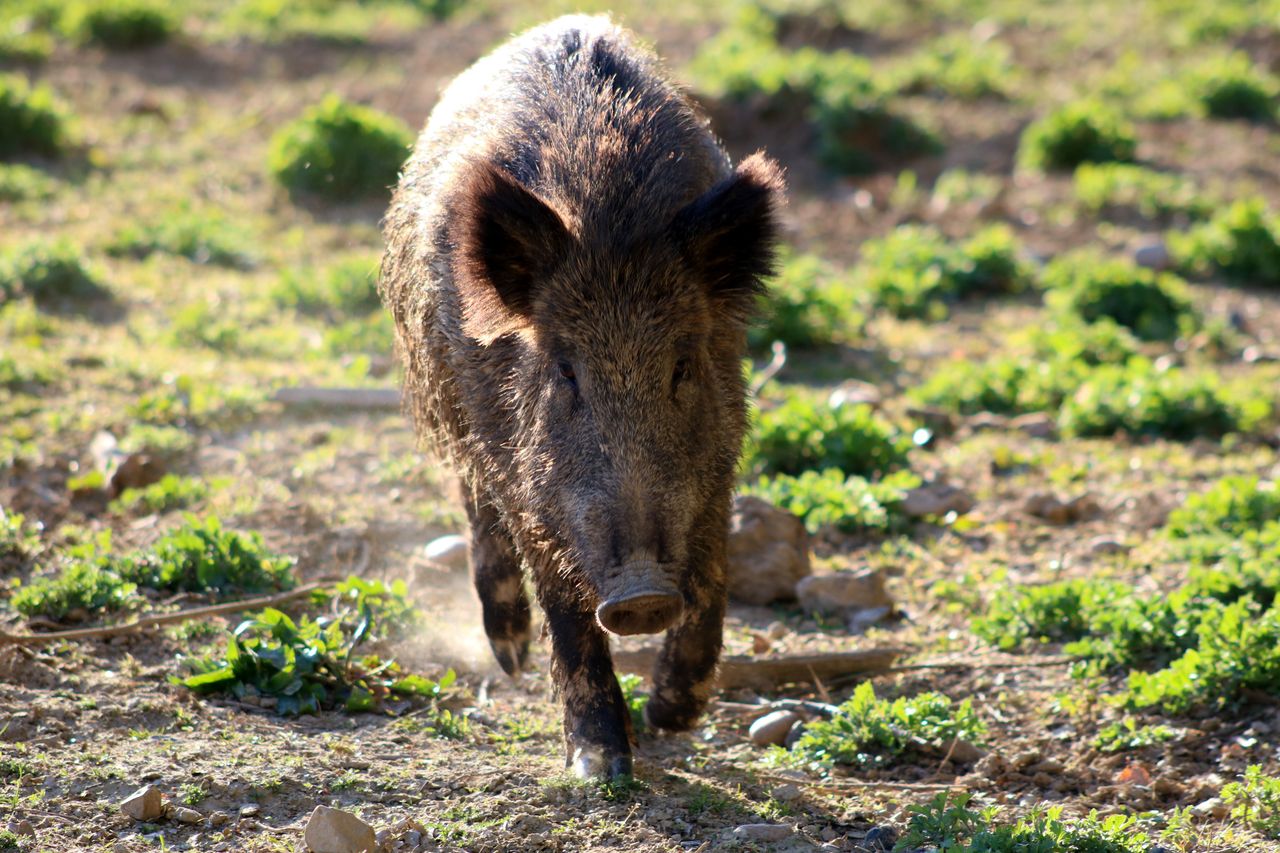
Feral hogs are no longer just a Texas punchline or a rural nuisance story from the Deep South. They are becoming a real policy, farming, wildlife, and public safety problem in places that once assumed they were too far north or too tightly managed to care.
A Southern problem is turning into a national one.

For years, feral hogs were treated as a problem with a familiar map: Texas, the Gulf Coast, parts of the Southeast, and some pockets of California. That geography is changing, even if not every state has a breeding population yet. USDA APHIS says feral swine damage management now spans more than 30 states, and its distribution tracking shows the issue remains widespread enough to require ongoing containment and eradication efforts.
The long view explains why this matters. The U.S. Forest Service has noted that feral swine expanded from 17 to 38 states over roughly three decades, a remarkable spread for a large mammal that tears up habitat as it moves. USDA created its national feral swine damage management program in 2014, specifically because the animals were causing rising agricultural losses and disease threats that were no longer local problems.
That shift is why the conversation is changing in northern and Midwestern states. Even where officials report only scattered sightings, the response now tends to be aggressive from the start. States that once had little reason to think about hog control are now planning around early detection, rapid removal, and tighter rules on transport, possession, and hunting.
The animals are built to spread faster than most people realize
One reason the problem keeps surfacing in new places is simple biology. Feral hogs are highly adaptable omnivores that can live in forests, cropland, wetlands, and river bottoms, and switch food sources with the season. Texas Parks and Wildlife says their diet shifts across grasses, roots, mast, shoots, and other available foods, which helps explain why they can settle into very different landscapes once they arrive.
Their reproductive potential makes the spread even more worrying. Illinois wildlife officials warn that populations must be reduced by 70 percent each year just to keep them from expanding. That is a stunning benchmark, and it helps explain why a handful of escaped or illegally released animals can become a management crisis in short order.
Research highlighted by the USDA also suggests that hogs moved by people can establish viable populations far from existing strongholds. That matters because expansion is not always a slow natural march northward. Sometimes it is a jump, with pigs appearing in places where climate or distance should have bought officials more time, only to find that the real accelerant was human behavior.
Hunting is expanding partly because states want faster response options.

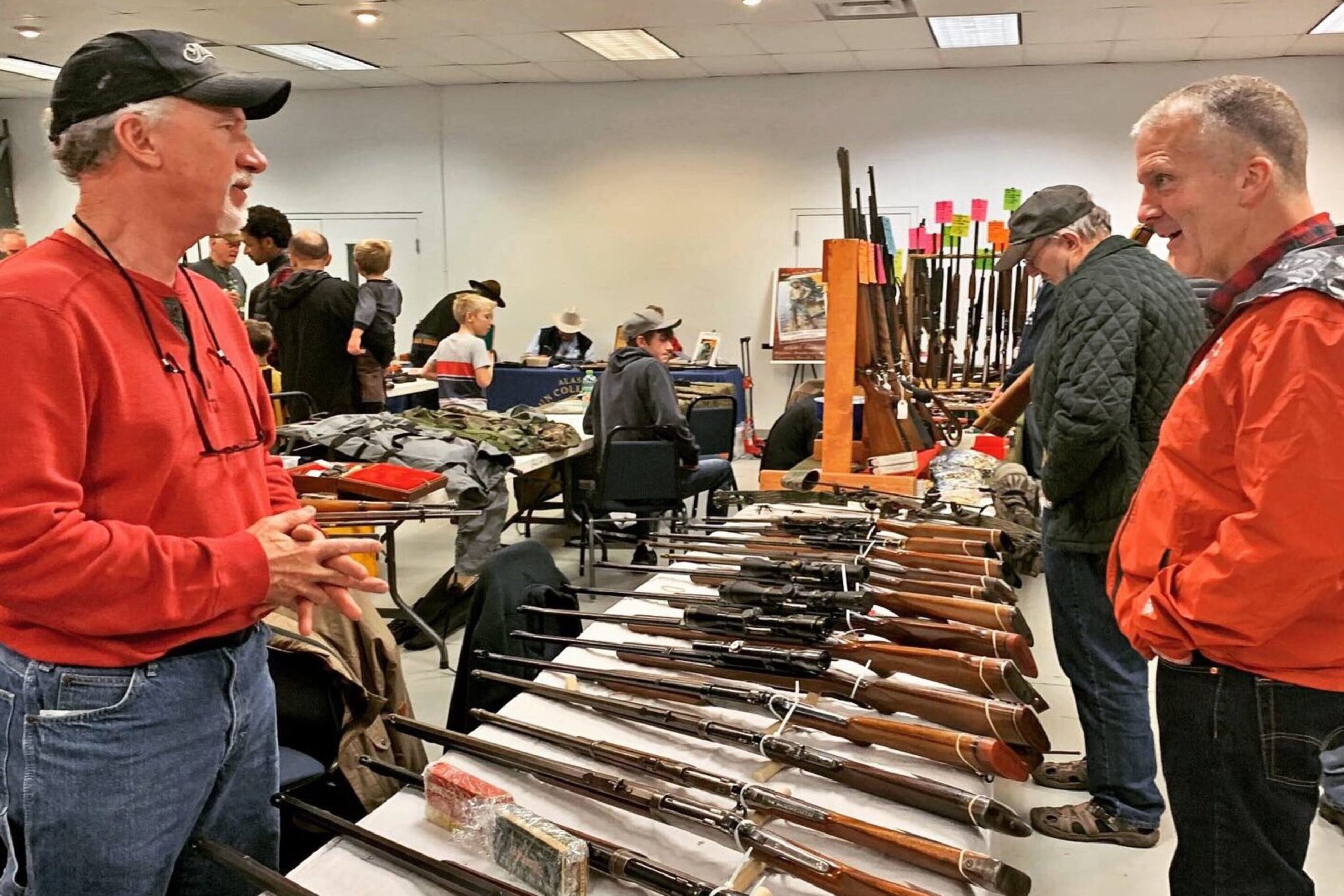
When feral hogs show up in a new state, the first instinct from the public is often straightforward: let hunters take care of them. In practice, states are building more complicated systems. Pennsylvania, for example, says sightings remain rare, and breeding populations appear small and localized, but the state has still altered protections and coordinated targeted baiting, trapping, and culling with the USDA to keep those populations from growing.
Illinois makes the same point more bluntly. State officials say hogs there come from escapes, dumped animals, free-ranging practices, and illegal releases meant to establish recreational hunting populations. The state also warns that their nocturnal habits and adaptability make them impossible to control with hunting alone, which is why Illinois leans on integrated wildlife damage management rather than sport-style harvest as a primary strategy.
That helps explain the headline trend. Feral hog hunting is expanding into new states, not because agencies believe casual hunting is the best cure, but because every legal removal tool becomes part of a broader containment strategy once pigs are detected. In many places, hunters are being asked to report sightings quickly, work with officials, and avoid turning an eradication effort into a long-term game species opportunity.
Illegal releases and escapes are a bigger driver than many people think.
A lot of Americans picture feral hog spread as a natural invasion creeping county by county. Sometimes that happens, but officials across multiple states keep pointing to people as a major cause. Illinois explicitly cites illegal releases by individuals seeking recreational hunting opportunities, and that same concern has shaped policy debates in northern states that want to prevent a huntable hog culture from taking root.
Minnesota offers a clear example of the preventive approach. The state has formal reporting systems for wild pig sightings, legal protocols for responding to releases, and strict concern about keeping feral swine out altogether. The Minnesota Board of Animal Health says the state continues to maintain a feral swine response framework, reflecting a belief that prevention is far cheaper than dealing with a widespread population later.
Michigan has taken a similarly hard line by classifying feral swine and related wild boar forms as prohibited invasive species. Its invasive species reporting shows hogs were historically reported in most counties but are now limited to a few localized areas, which is exactly the kind of partial success other states want to preserve. The lesson is blunt: once pigs become economically useful to someone, eradication gets much harder.
The damage is far broader than a a torn-up field.s
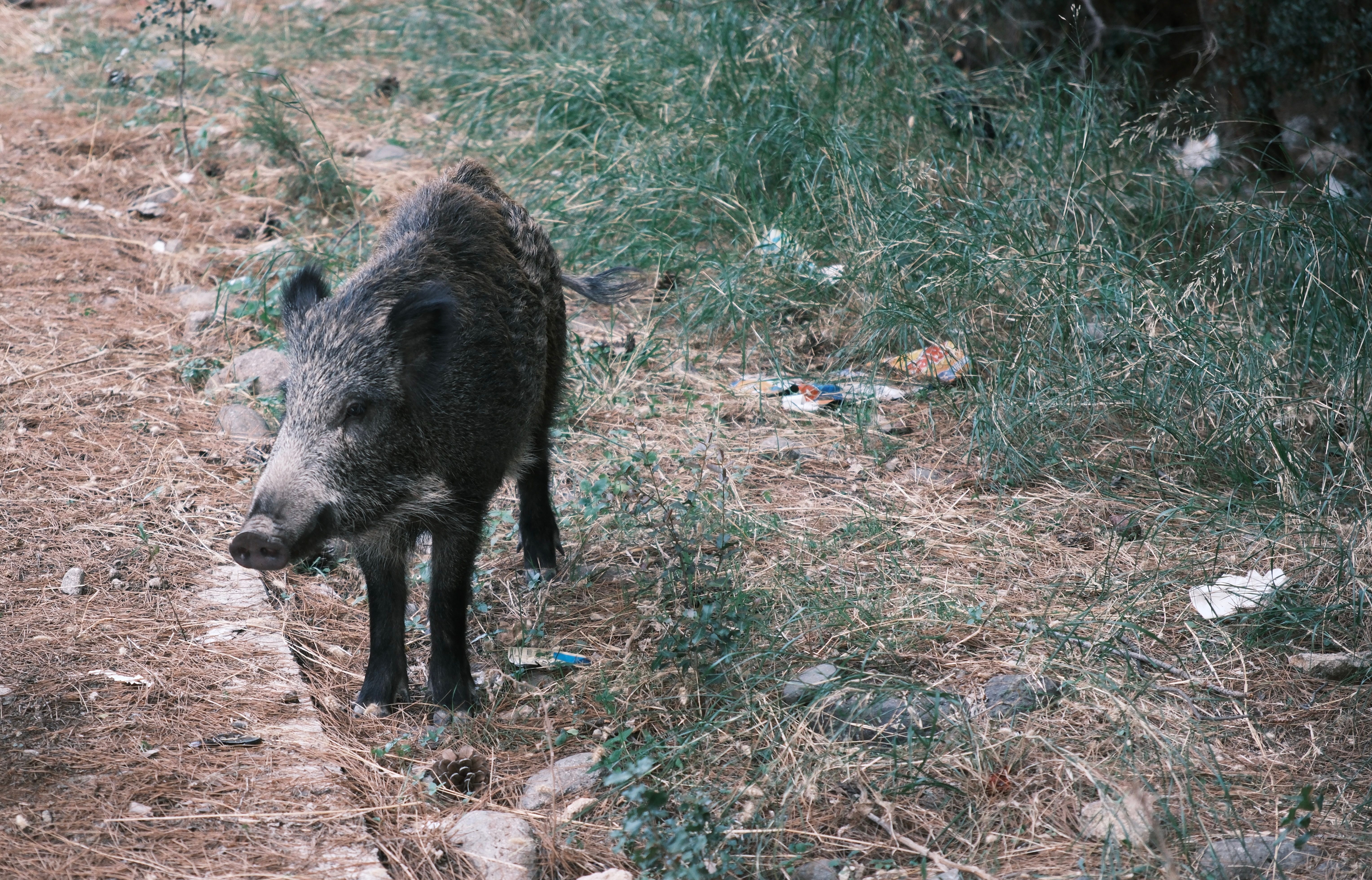
Crop loss gets most of the attention, but the real feral hog problem is much wider. USDA and the National Invasive Species Information Center describe damage to agriculture, wetlands, waterways, forests, and rangelands, along with threats to property and public safety. Rooting and wallowing can destroy habitat structure, muddy streams, and reshape feeding areas used by native wildlife.
Disease is another major reason states are acting sooner. USGS says feral swine are known to spread more than 30 diseases and 37 parasites, and USDA disease surveillance collects more than 6,000 samples a year to screen for dangerous pathogens. Agencies are especially sensitive to risks involving livestock disease transmission, including concerns sharpened by global animal disease outbreaks and the need to shield domestic swine production.
Then there is the money. Texas Parks and Wildlife cites long-used research estimating over $1.5 billion annually in U.S. damage and control costs, with current costs likely higher if per animal estimates have held. USDA research has also estimated $40 million a year in livestock predation and disease damages across a 13-state study region. For states with big pork industries, even a modest feral population is not a small annoyance.
Why do some states discourage recreational hunting even as hog hunting grows

This is the part that confuses people. If hogs are invasive, why not encourage everyone to hunt them everywhere? The answer, according to many wildlife agencies, is that unmanaged hunting pressure can scatter sounders, make pigs more nocturnal, and reduce the effectiveness of coordinated trapping and removal. It can also create a perverse incentive to keep pigs around because they become a source of access fees, outfitting income, or social cachet.
That is why some states focus on reporting and agency-led response rather than open-ended sport harvest. Minnesota tells residents to report sightings. Illinois emphasizes permits and coordinated control. New York has long moved to ban possession and transfer of Eurasian boars and similar animals, reflecting a policy choice to prevent establishment rather than normalize the species as game.
Missouri shows the intensity that can follow once populations dig in. Federal and state partners there have used aggressive elimination campaigns, including aerial operations in some areas, because letting pigs simply become another huntable animal would mean accepting endless damage. So yes, hog hunting is spreading, but often as a management tool inside an eradication program, not as a celebration of a new hunting trend.
What happens next in the states just starting to see the threat
The most likely future is a patchwork. Southern states with entrenched populations will keep relying on year round pressure, trapping, professional removal, and landowner cooperation. States on the edge of the problem will keep tightening surveillance, banning possession and transport, and reacting hard to every credible sighting. USDA’s recent distribution and program updates suggest the national strategy is now less about assuming spread is inevitable and more about preventing new footholds.
Climate and habitat still matter, of course. River corridors, woodlots, wetlands, agricultural mosaics, and mild winters can all make new areas more hospitable than residents assume. But policy may matter just as much. States that move early, discourage illegal stocking, and avoid turning hogs into a prized quarry often have a better chance of stopping a small outbreak before it becomes permanent.
That is the real reason this story keeps moving north and east. Feral hog hunting is expanding into new states because the problem itself keeps appearing there, sometimes through migration, often through human action, and always with outsized consequences. The moment wild pigs show up, states have learned they cannot treat them like ordinary wildlife. They have to act like an invasive species emergency has arrived, because in many cases, it has.