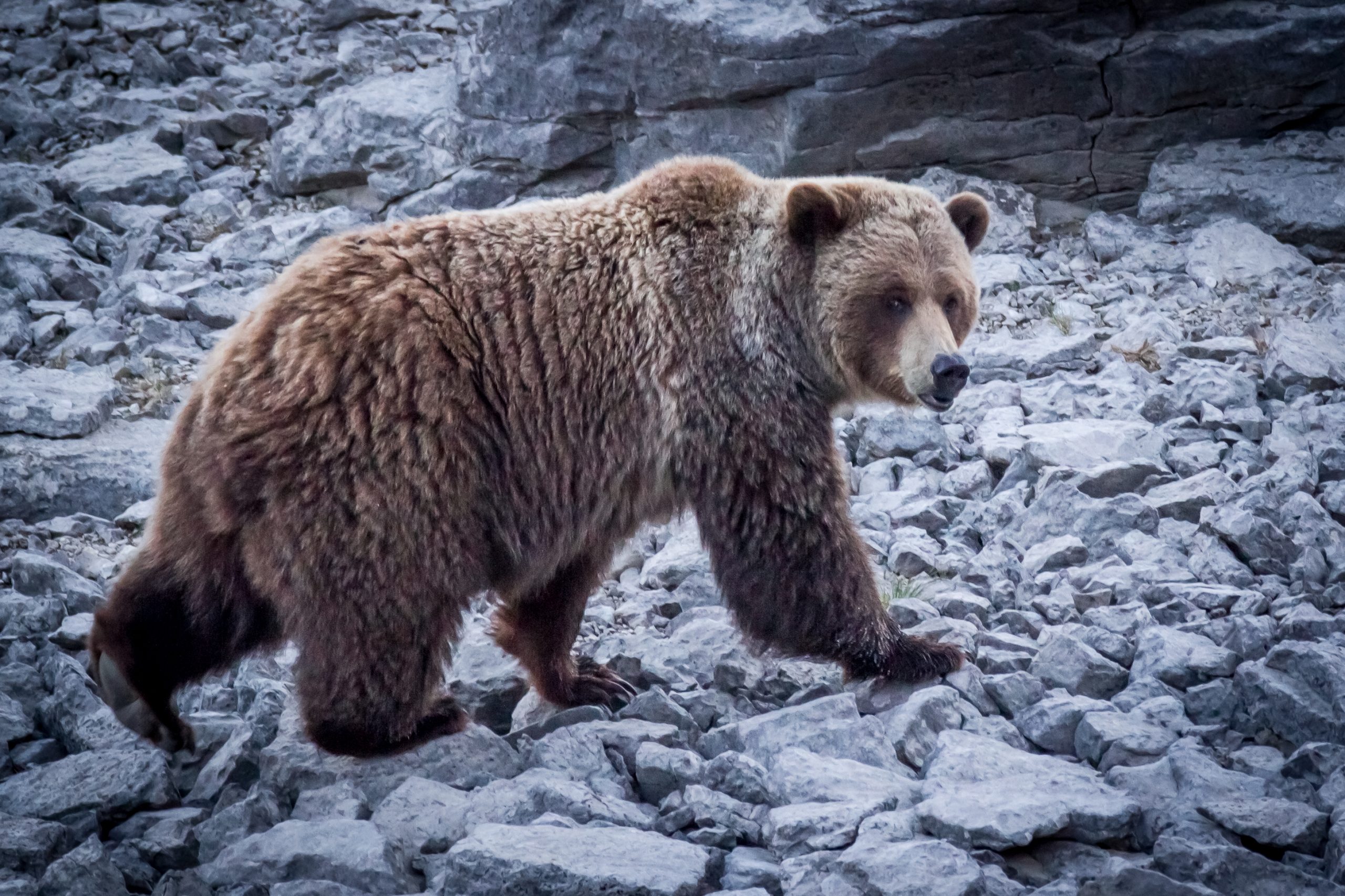
Grizzly bears are often reduced to their size, strength, and reputation as formidable predators. But their biology is far more complicated. Their reproduction, metabolism, diet, and family life reveal an animal shaped by seasonal extremes and surprisingly sophisticated adaptations. Here are seven lesser-discussed facts that show why grizzlies are among North America’s most fascinating mammals.
1. Their Famous Hump Is a Power Tool
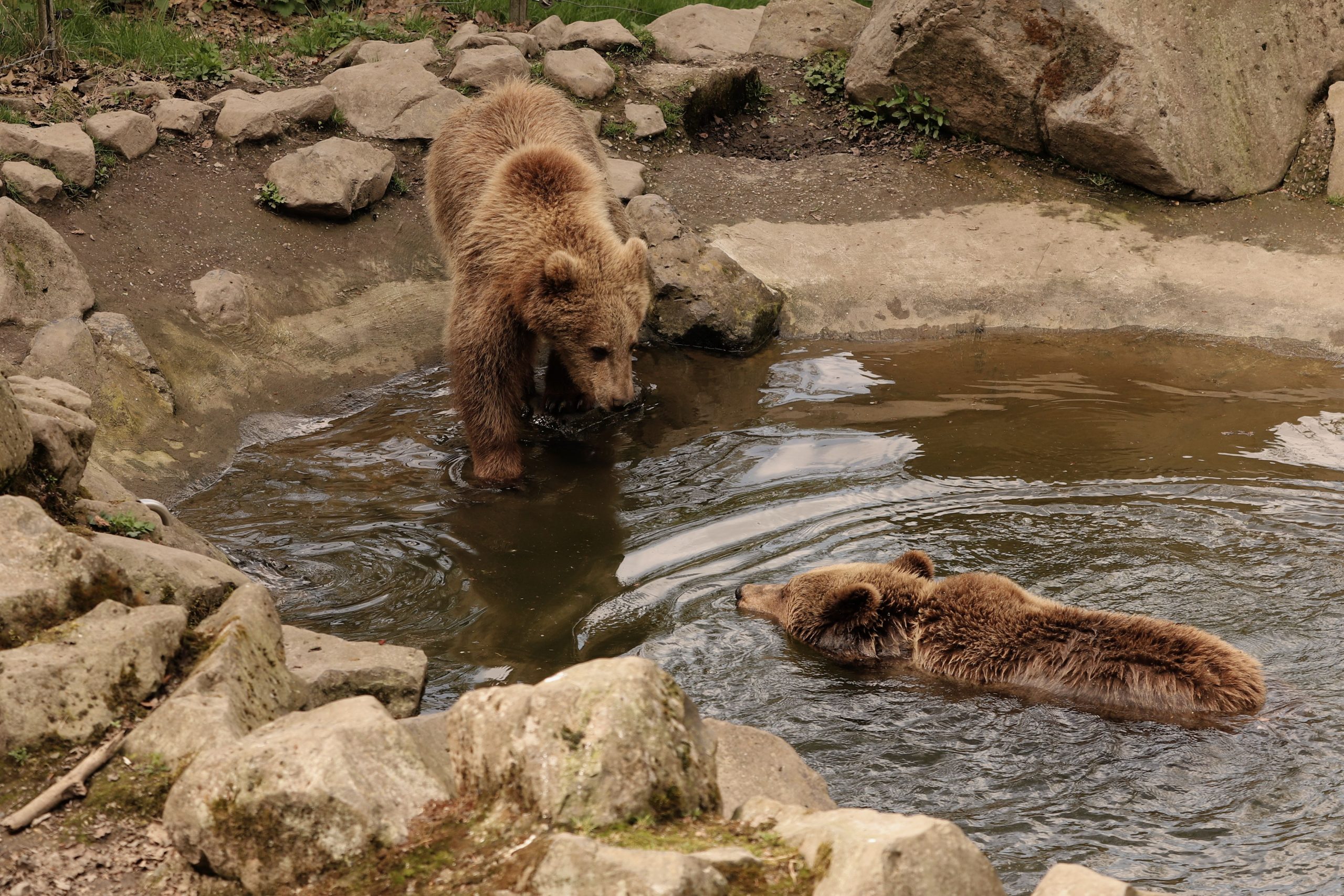
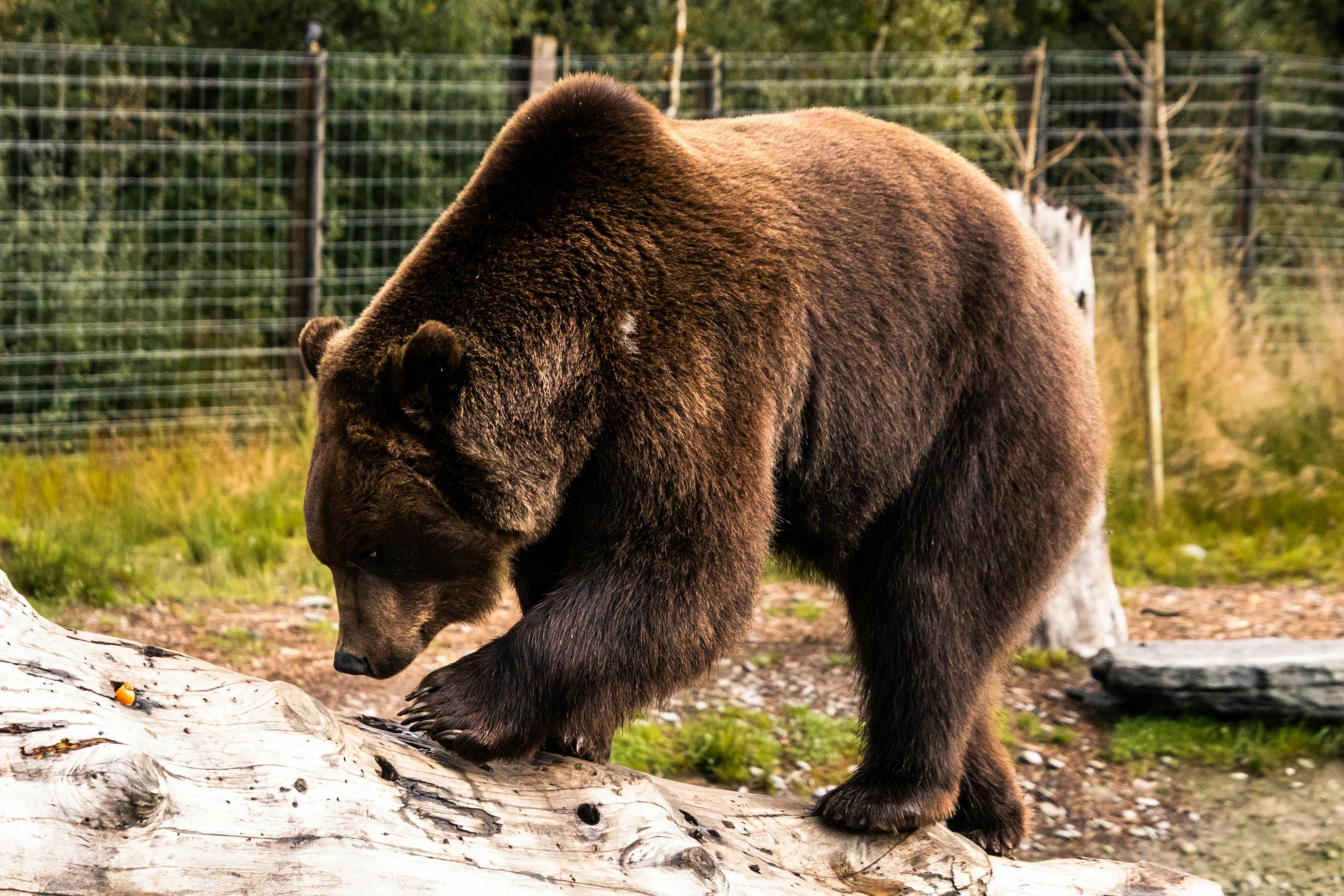
That shoulder hump is more than a signature shape. It is a mass of muscle that helps a grizzly drive its forelimbs into the ground while digging. Adult front claws average about 1.8 inches in Yellowstone, with some reaching 5.9 inches. Those long claws are built for tearing into roots, digging out rodents, and opening carcasses, not for delicate climbing. A grizzly can also run at roughly 35 to 40 mph, showing how much power those shoulders support. That combination makes it an exceptional excavator and powerful runner.
2. A Mother Can Delay a Pregnancy on Purpose
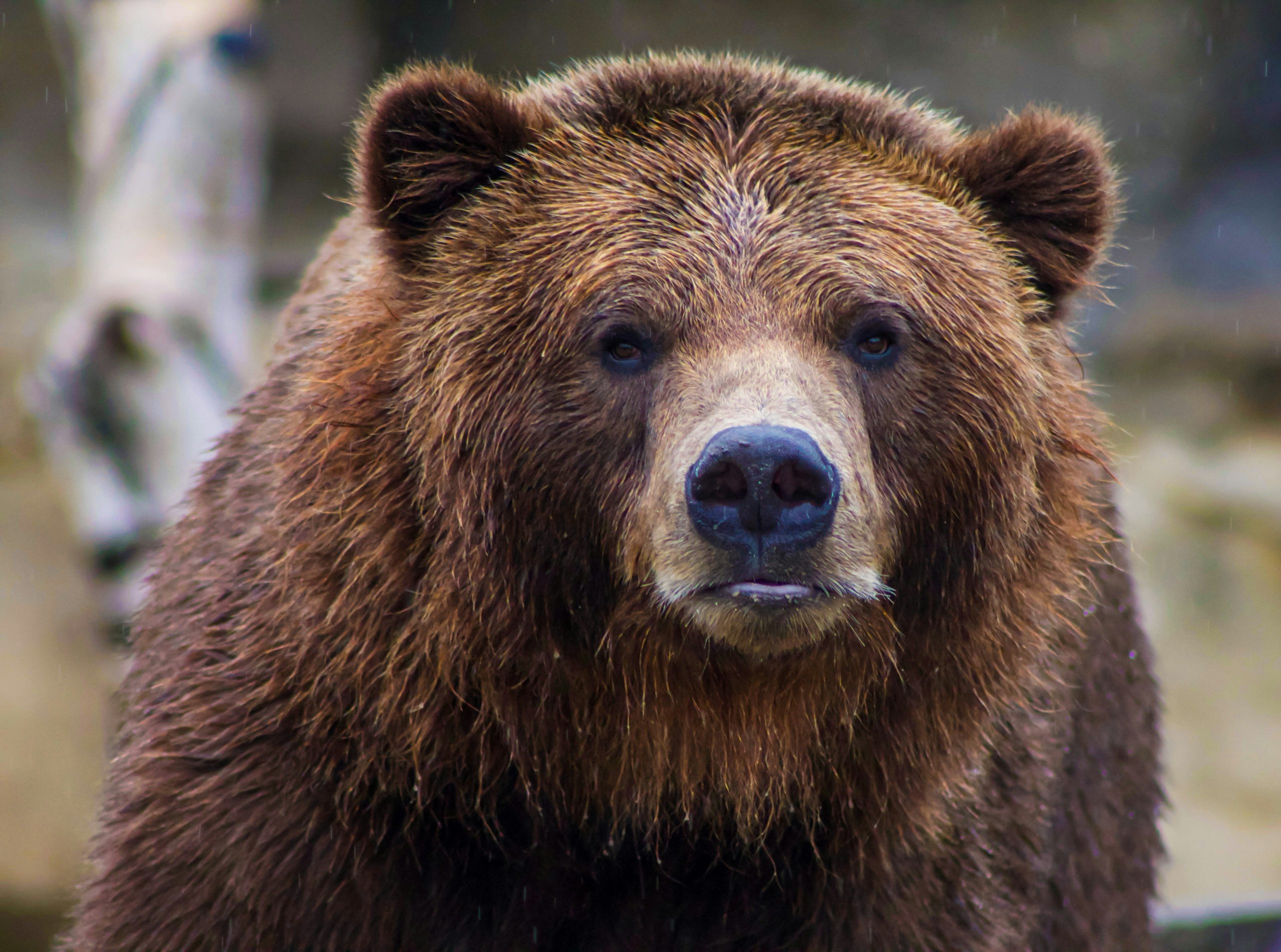
Grizzly reproduction has an unusual timing trick called delayed implantation. A female may mate between May and July, but the fertilized embryo does not immediately attach to the uterus. Implantation is delayed until late November or early December, allowing the mother’s physical condition to influence whether pregnancy proceeds. Cubs are then born in the den around January or February. A typical litter contains about 2 cubs, while the recorded range is 1 to 4. This strategy links reproduction tightly to stored energy and winter survival.
3. They Hibernate Without Becoming Completely Inactive
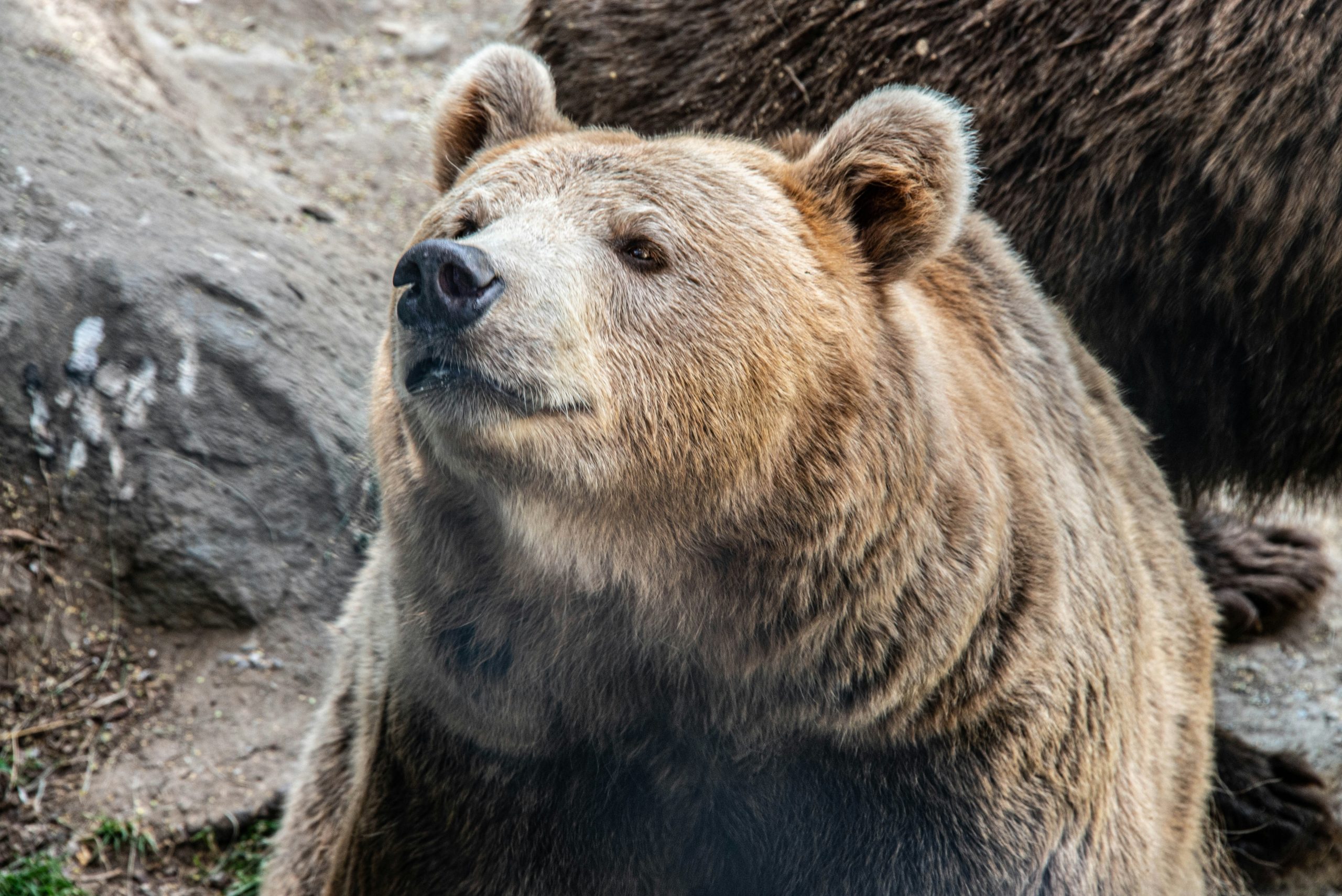
Grizzlies enter a winter state that is considered true hibernation, but it differs from the deep torpor seen in many small mammals. In Yellowstone, body temperature falls only modestly, while heart rate can drop from about 40 to 50 beats per minute to 8 to 19. Breathing may slow from 6 to 10 breaths a minute to less than 1. They normally live on stored fat and can lose 15% to 30% of their body weight, yet they retain enough responsiveness to react to danger. Females with cubs average about 171 days in dens; males average about 131.
4. Their Diet Can Include Hundreds of Species
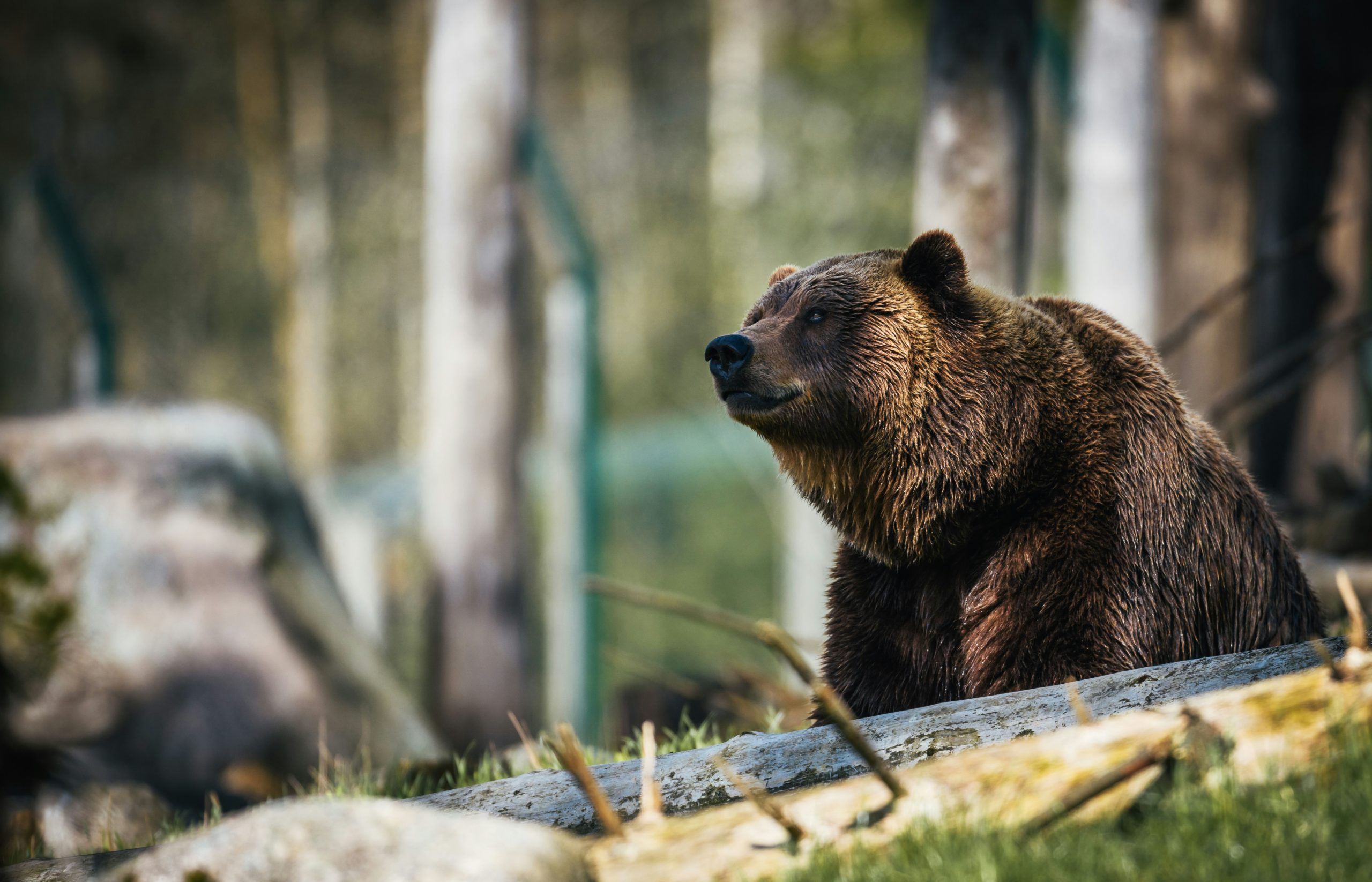
A grizzly is not simply a meat-eating giant. Yellowstone records show that grizzlies consume at least 266 species of plants, invertebrates, mammals, fish, and fungi. Food changes with the season, so a bear may eat winter-killed elk in spring, green vegetation in summer, and berries, roots, nuts, or insects later in the year. During autumn hyperphagia, feeding becomes especially intense. In Yellowstone, daily calorie needs can reach about 20,000 during this period as bears build reserves for winter.
5. Their Reproductive Rate Is Surprisingly Slow
For an animal capable of living more than 20 years, grizzlies reproduce at a remarkably measured pace. Females in the Greater Yellowstone Ecosystem first reproduce at an average age of about 5.8 years. Litters average roughly 2 cubs, and the interval between litters averages about 2.8 years. Cubs may remain dependent on their mothers for 18 to 42 months. These numbers mean population growth can be slow, because replacing a breeding female is a long biological process rather than a rapid one. Adult survival has been estimated at about 95%.
6. They Can Recycle Their Own Body Chemistry
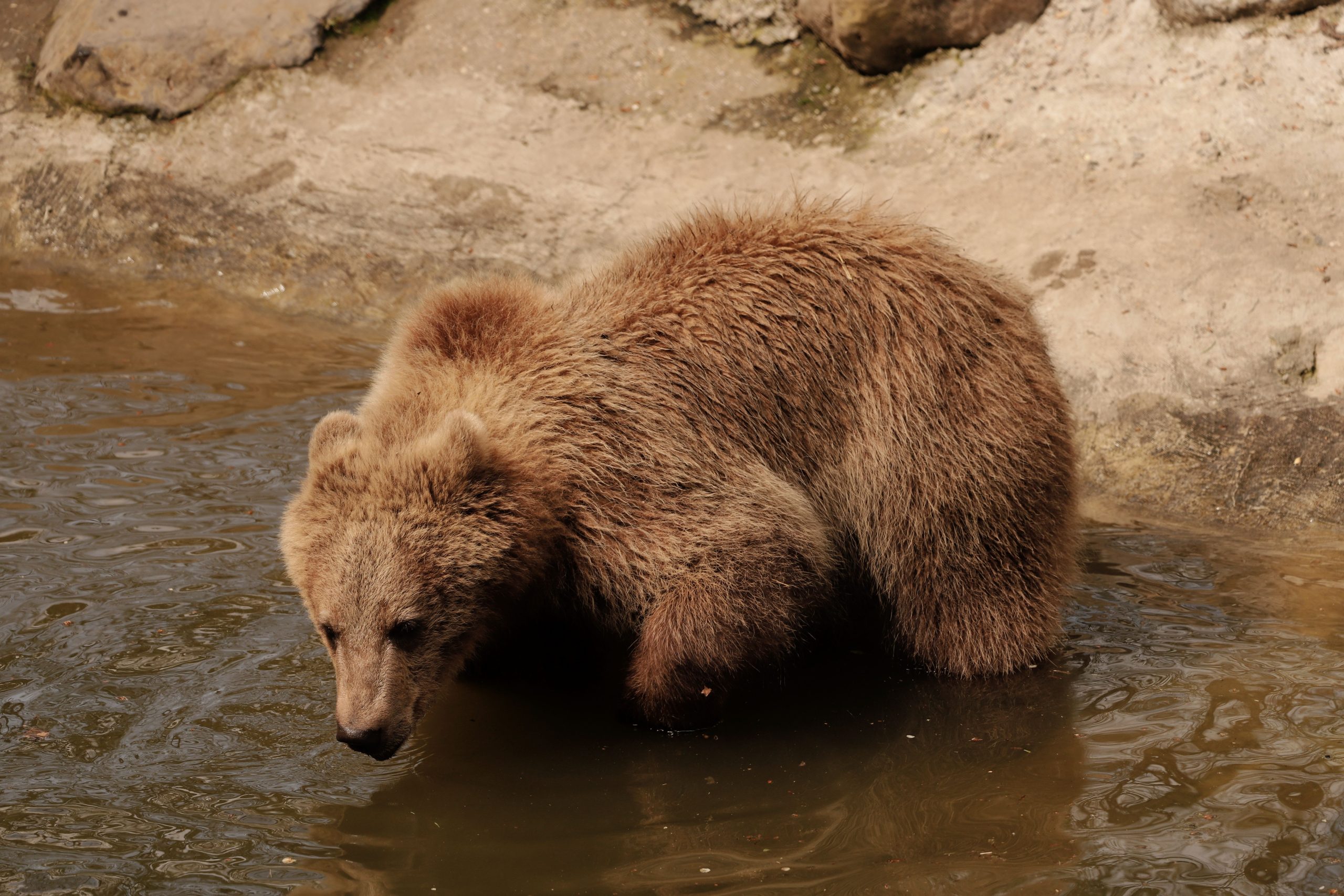
Hibernation creates a problem that would be dangerous for most mammals: months without eating, drinking, urinating, or defecating. Grizzlies solve part of it through an unusual metabolic system. During hibernation, nitrogen from urea produced during fat metabolism can be recycled into protein, helping preserve muscle and tissue. Their metabolic rate can fall by about 50% to 60%. A bear may lose 15% to 30% of its weight during denning while avoiding the severe muscle wasting that prolonged fasting might otherwise cause.
7. Cubs Learn More Than Survival From Their Mothers
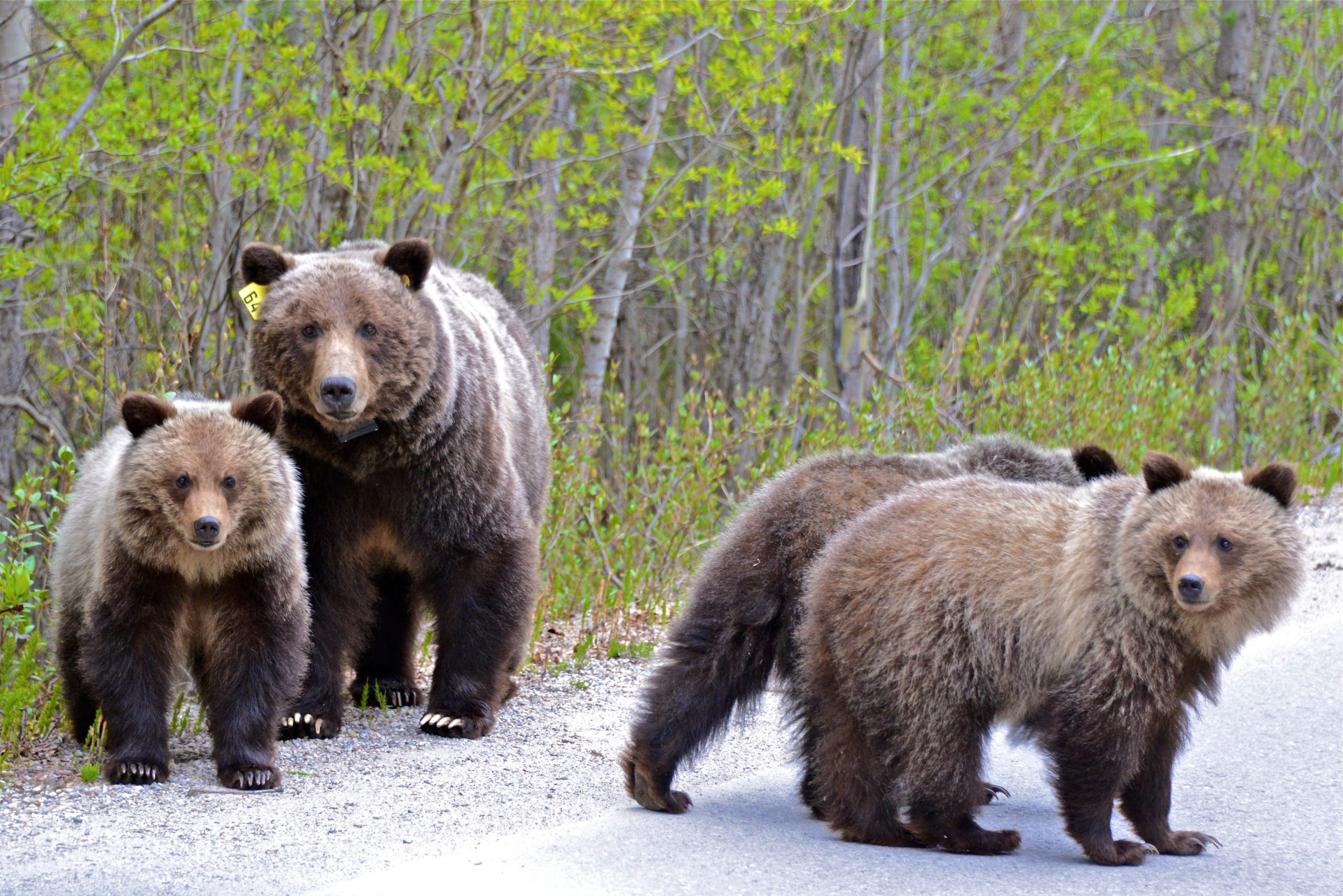
A young grizzly does not simply inherit survival through instinct. Mothers provide a long period of learning, and cubs can remain with them for roughly 2 to 3 years. They encounter seasonal food sources, terrain, and foraging opportunities while following their mother. In Glacier National Park, researchers note that the timing of important foods is learned behavior passed from mother to cubs. By about age 2, many young bears separate and begin the difficult transition toward life as independent subadults.