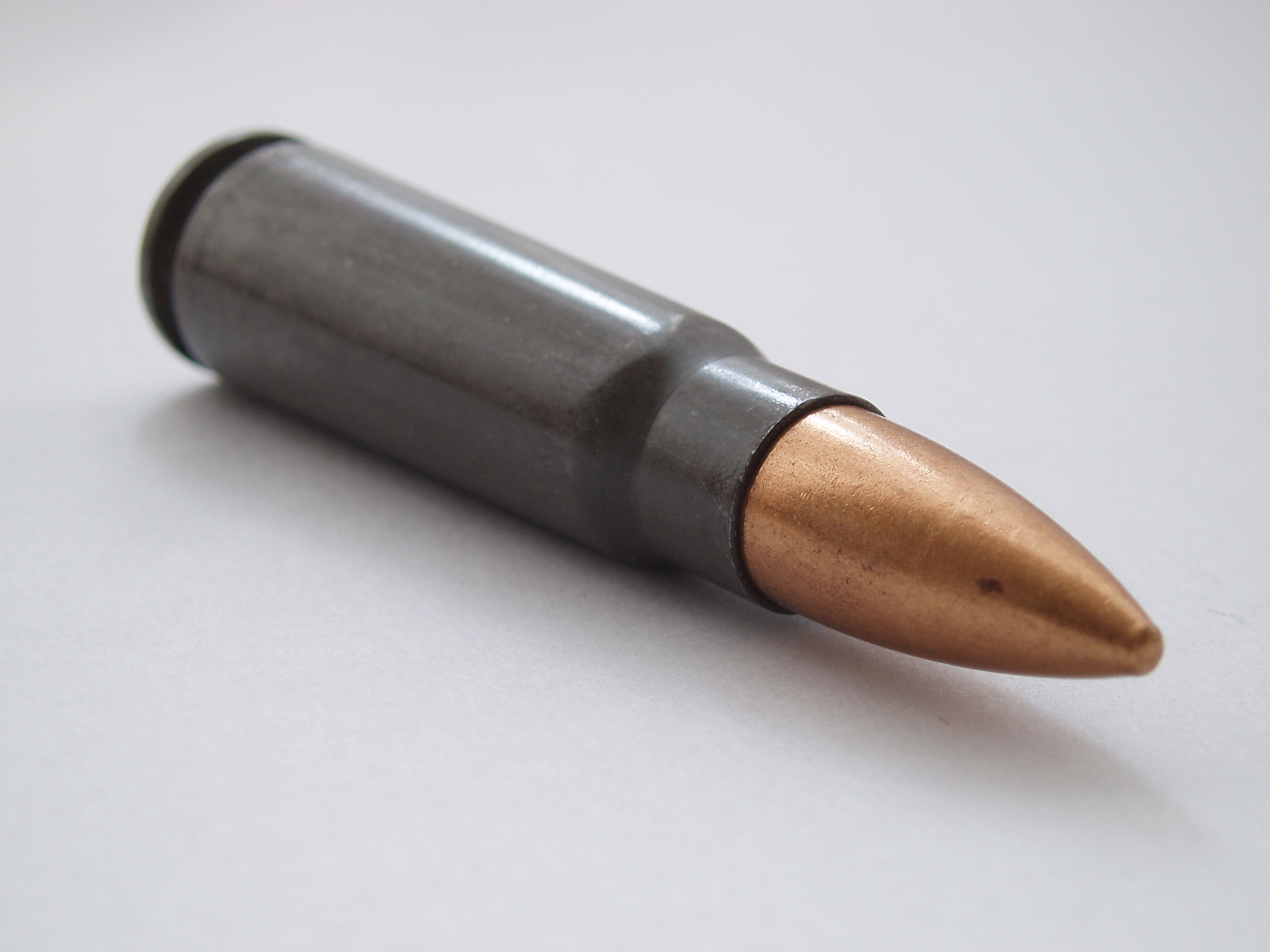
Few deer-hunting debates last as long as the argument over the .223 Remington. Its light recoil, common availability, and modern hunting bullets have kept the cartridge in the conversation, while questions about legality, penetration, distance, and shot selection keep the debate from having a simple answer. These nine questions explain what is really being argued.
1. Is .223 Remington Legal for Deer Everywhere?
The first question is not about power at all. It is whether the cartridge is legal where you hunt. Deer regulations differ by state, and some jurisdictions set minimum caliber, bullet, energy, or firearm rules. In 2026, published summaries still show a mixed picture, with .223 permitted in some states and restricted in others. Even where it is legal, ammunition rules can apply separately. A hunter should check the current wildlife agency regulations for the exact season, zone, and weapon before carrying a .223 into the field. Check the rules again before opening day.
2. Does .223 Have Enough Energy for a Deer?
Energy figures help describe a cartridge, but they do not tell the whole story. A typical .223 load can leave the muzzle at roughly 3,000 to 3,300 feet per second, while its retained energy falls as distance increases. That makes bullet construction, impact velocity, and penetration important parts of the discussion. The real question is whether the chosen load can reach vital organs and create enough disruption at the intended distance. Numbers such as 55 grains or 62 grains describe the bullet, not a guaranteed result. Distance belongs in the equation, too.
3. Why Does Bullet Design Matter So Much?
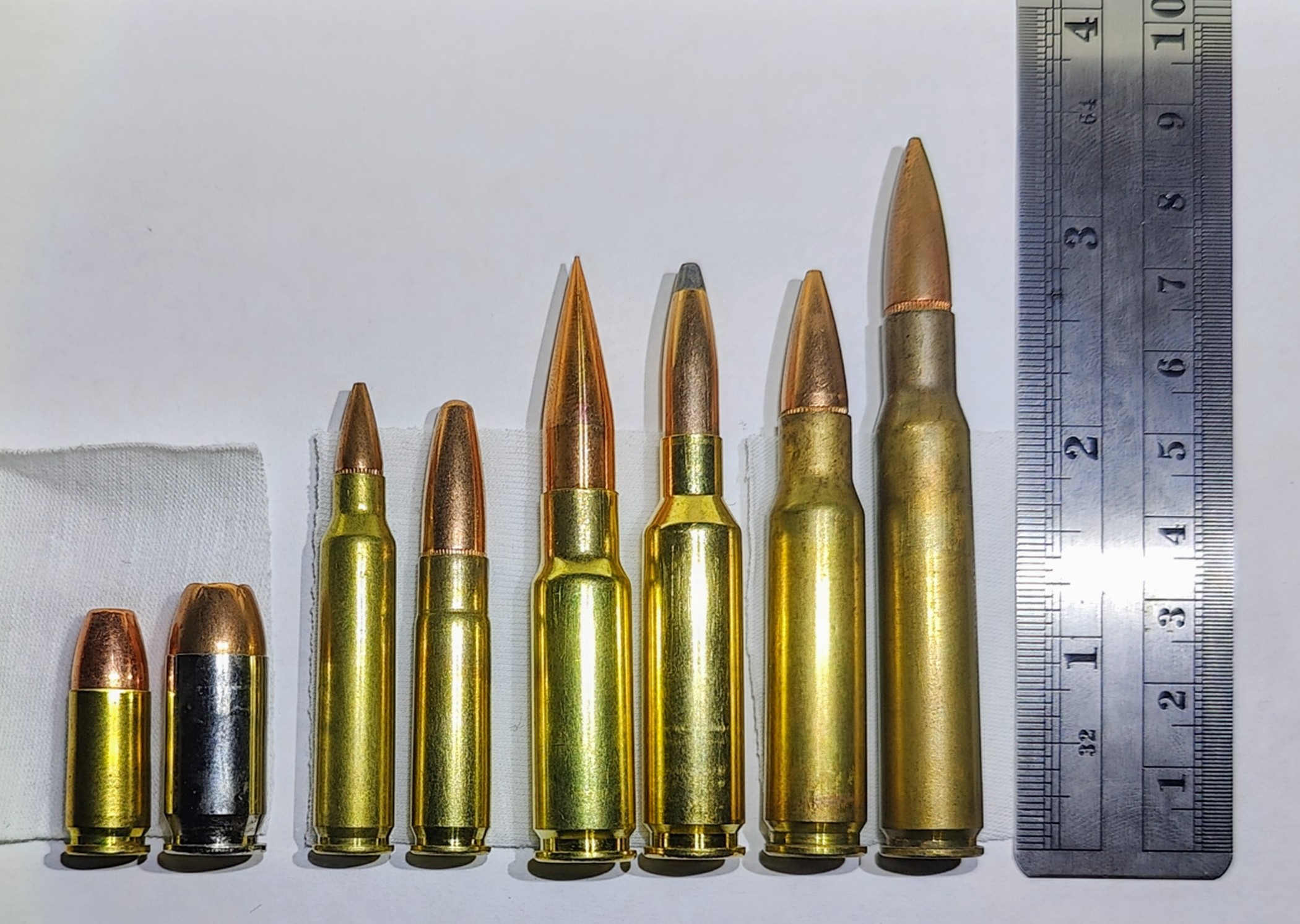
The .223 debate often treats every 0.224-inch bullet as if it behaves the same, but that is a major mistake. A hunting projectile is engineered differently from a full-metal-jacket or varmint bullet. Expansion, weight retention, and penetration can change dramatically with construction and impact speed. For deer, hunters commonly look toward purpose-built expanding bullets in the 55- to 64-grain range, although the exact load must be tested in the rifle. The cartridge name alone cannot predict terminal performance. Construction can matter more than weight alone.
4. How Far Is Too Far With a .223?
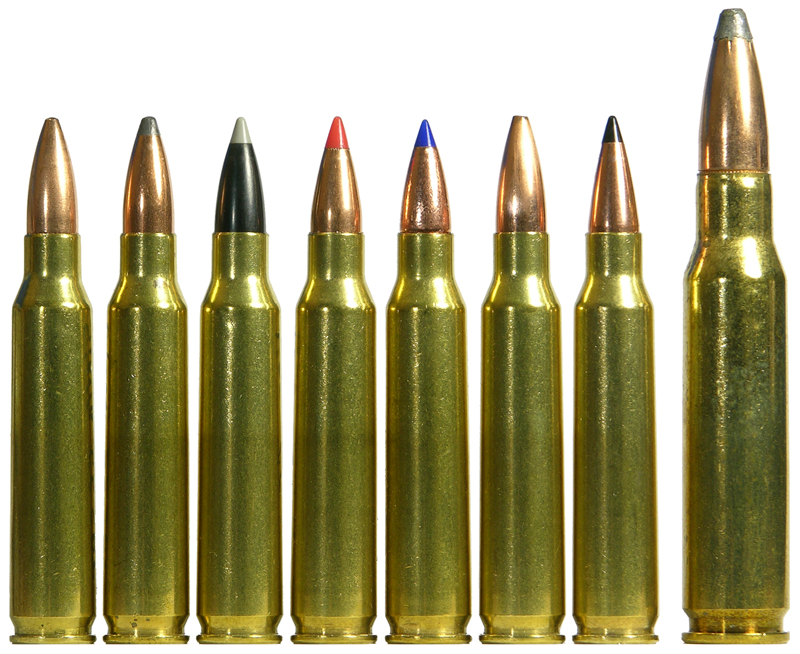
There is no universal distance that makes a .223 suddenly unsuitable, because rifles, loads, deer size, conditions, and shooter ability vary. Still, extending range reduces the cartridge’s velocity and gives wind more opportunity to move a light bullet. A load that performs well at 100 yards may behave differently at 200 or 300 yards. The sensible limit is the farthest distance at which the rifle, ammunition, and shooter have been verified together. Range should be established before the season, not guessed from a cartridge’s advertised velocity.
5. Does Low Recoil Help Make the .223 Effective?

One reason hunters continue discussing .223 for deer is its mild recoil. Compared with many traditional deer cartridges, it can be easier to control and quicker to recover from after a shot. That matters because accuracy is part of ethical hunting. A rifle that produces about 4 foot-pounds of recoil in some setups can feel very manageable, especially for smaller or newer shooters. The advantage, however, is not a free pass. Reduced recoil cannot compensate for poor ammunition, excessive range, an unsuitable angle, or an inaccurate rifle. That makes regular practice worthwhile.
6. Is Shot Placement More Important With .223?
Shot placement matters with every hunting cartridge, but a lighter .223 leaves less room for poor decisions. A clean vital-area hit is fundamentally different from asking a small projectile to break heavy bone or reach the vitals through an unfavorable angle. Hunters debating the cartridge often focus on muzzle energy while overlooking this practical limitation. The important preparation is knowing the animal’s anatomy, waiting for a responsible opportunity, and passing on shots that do not offer a clear path to the vital organs. Patience can matter more than another 100 feet per second.
7. Can 5.56 NATO and .223 Remington Be Treated the Same?
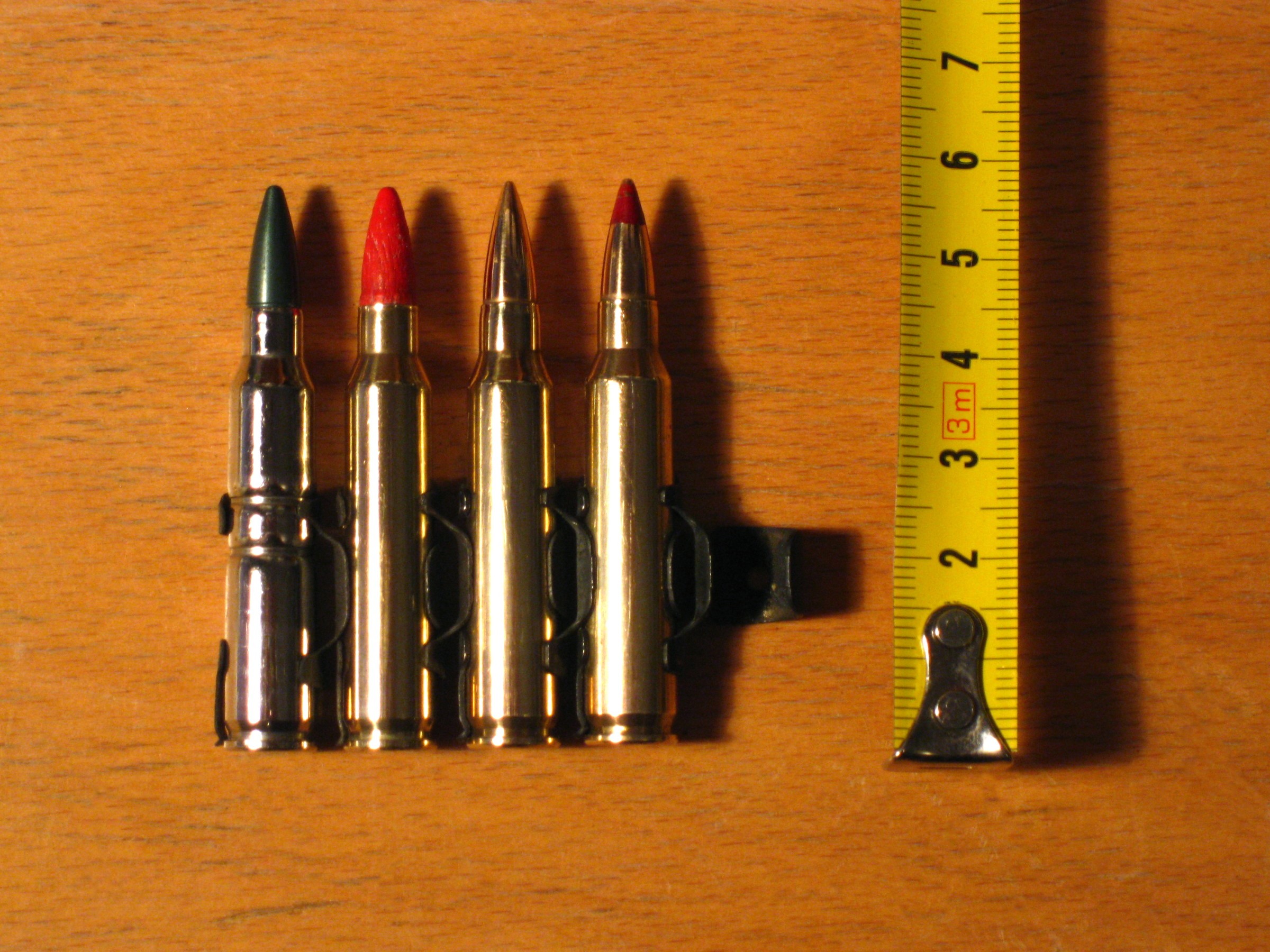
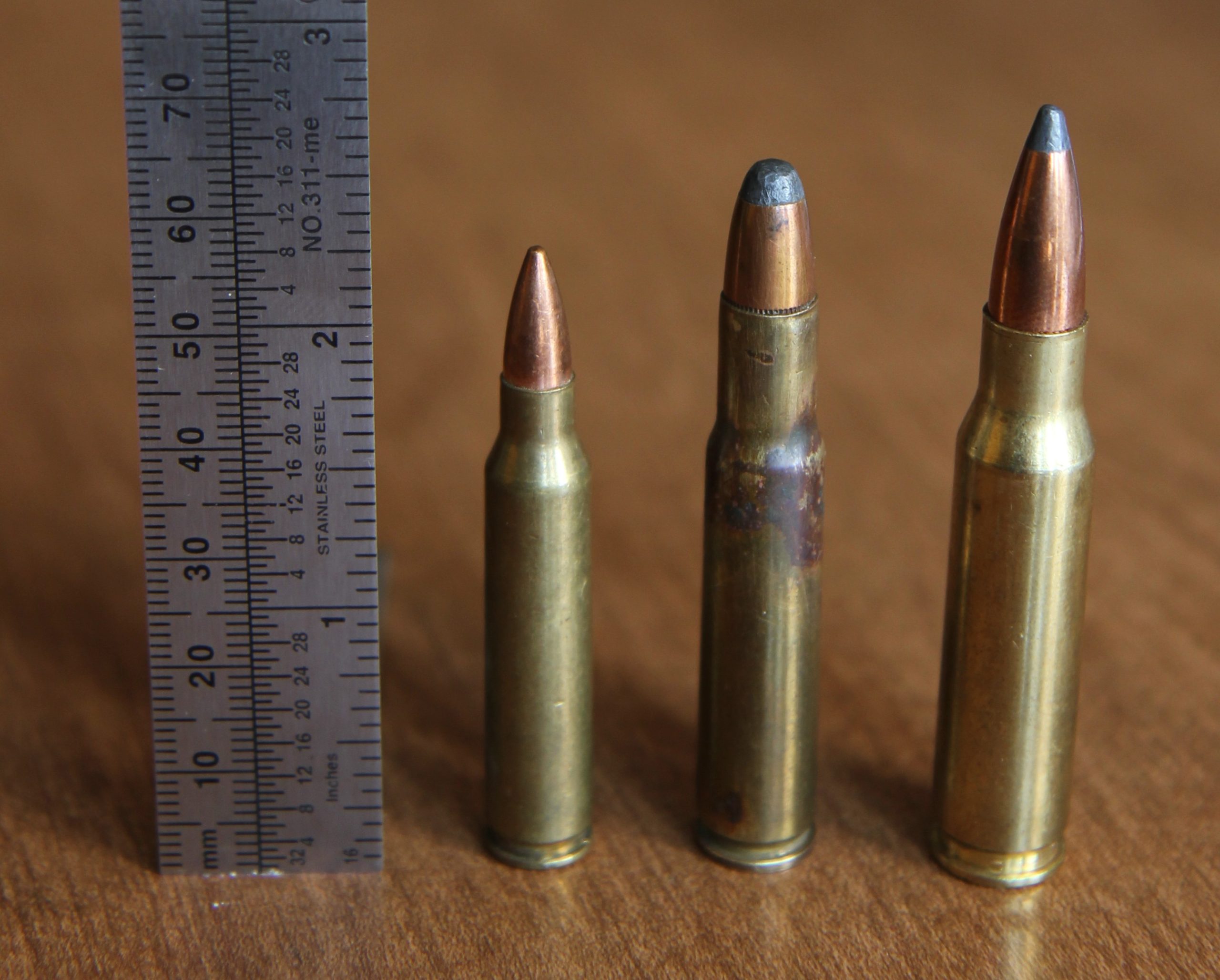
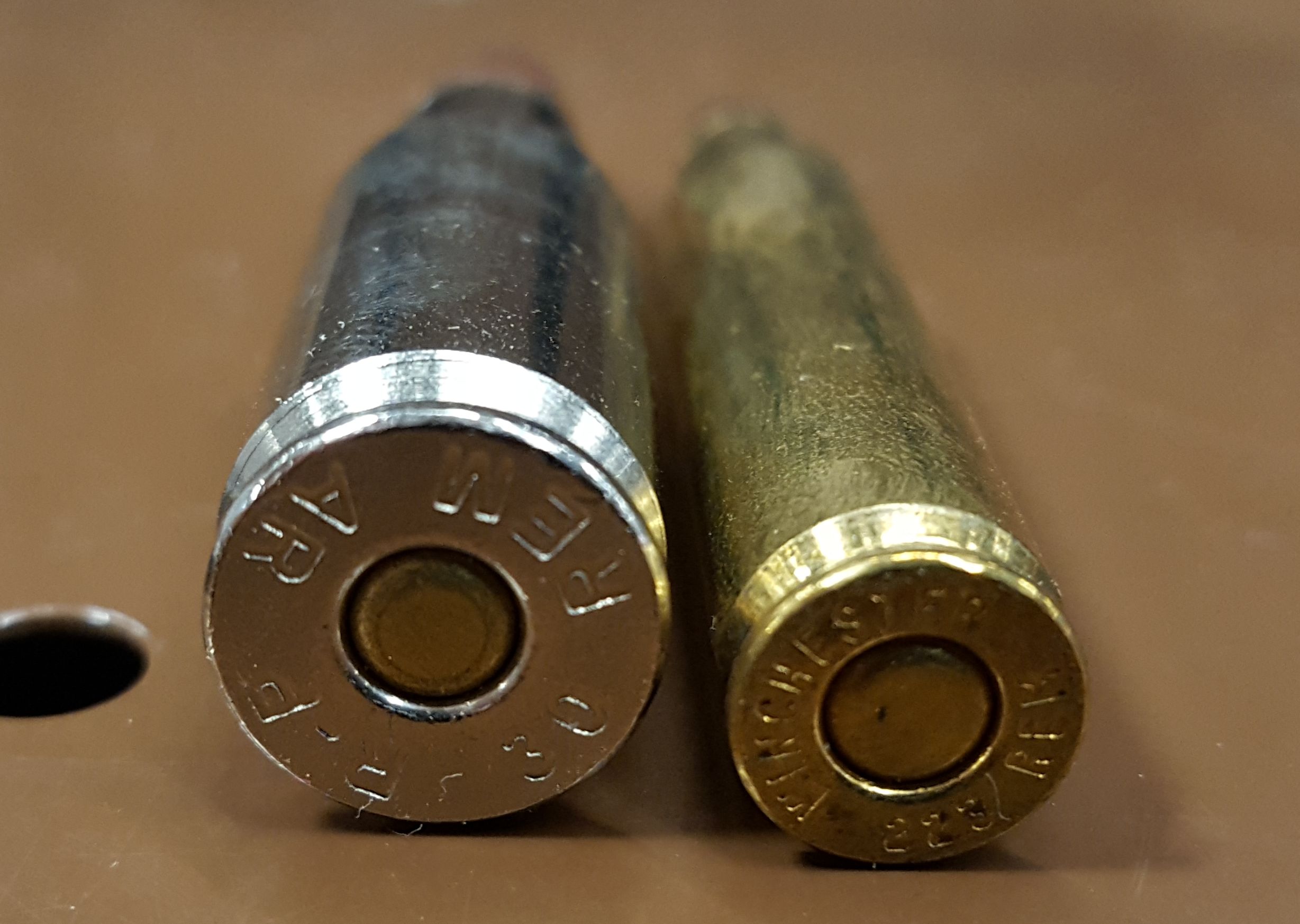
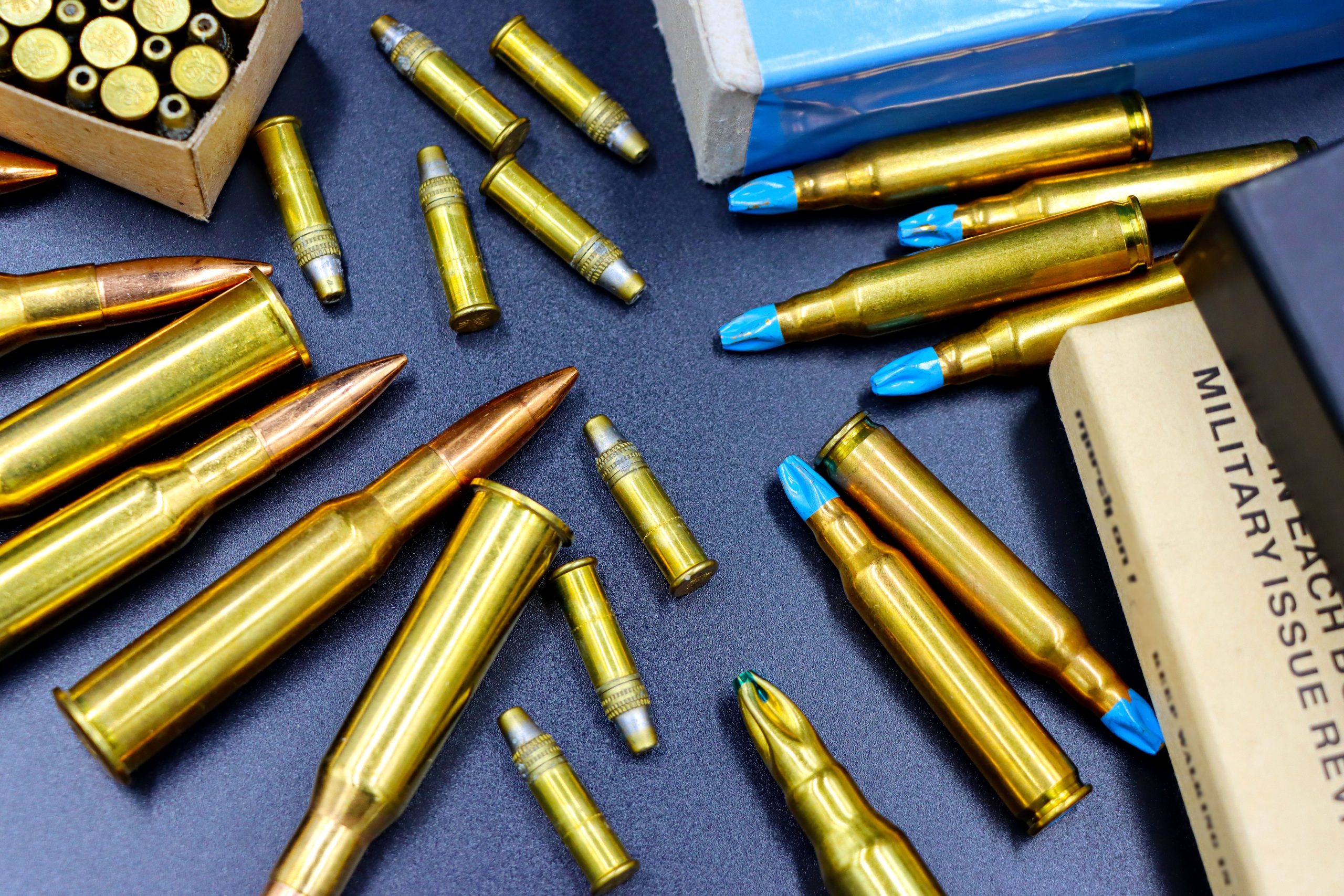
The names are often used interchangeably, but .223 Remington and 5.56 NATO are not identical specifications. They share the same basic case dimensions and bullet diameter, yet chamber and pressure standards differ. A rifle marked for 5.56 NATO is generally designed around that specification, while a rifle marked only .223 Remington should not automatically be assumed safe for every 5.56 load. Hunters should follow the firearm maker’s chamber designation and ammunition guidance. Confusing the two can create a safety issue before deer hunting even begins. Checking the barrel marking takes seconds and can prevent a serious ammunition mismatch.
8. What Does Accuracy Have to Do With the Debate?
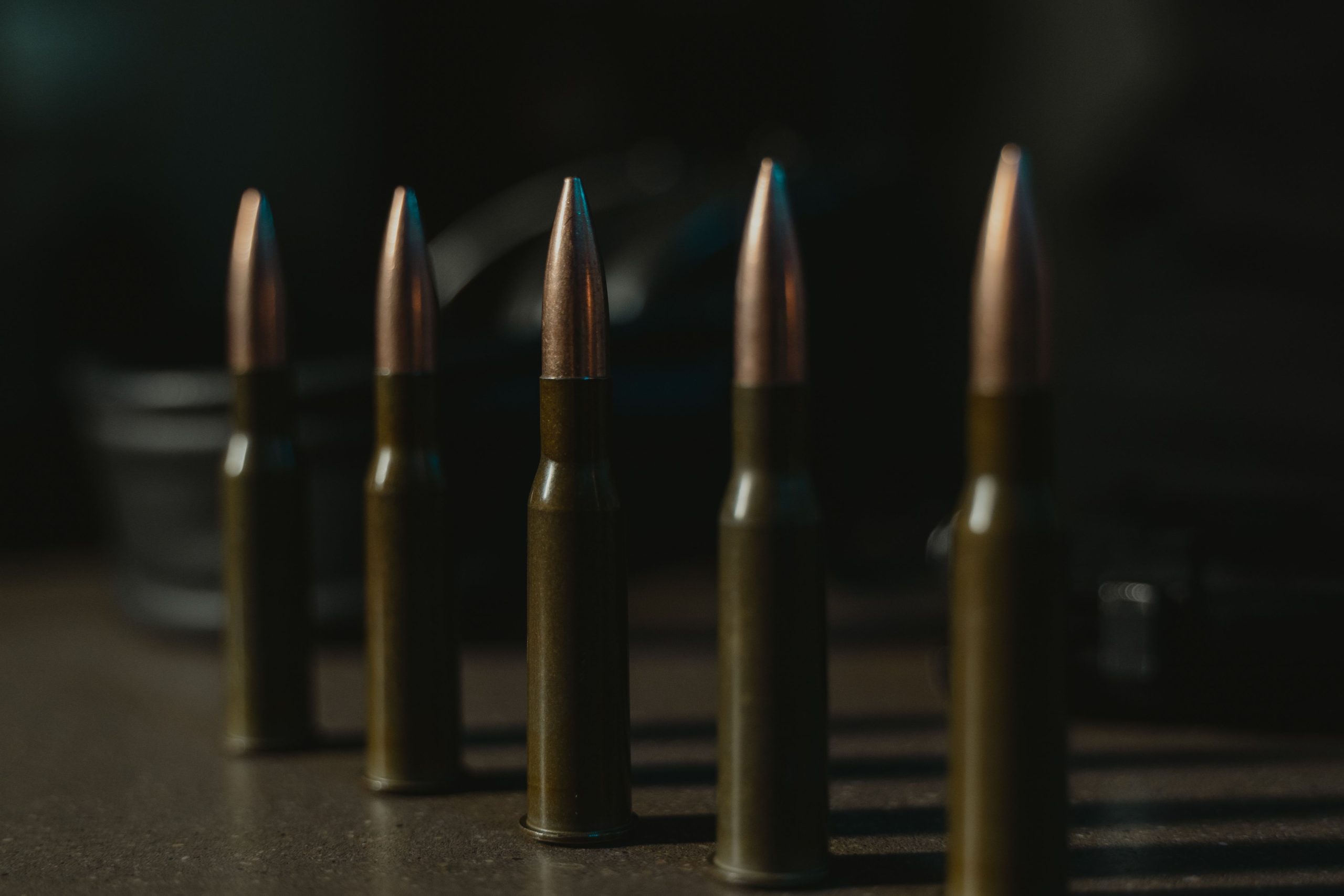
Accuracy is where the .223 argument becomes very practical. A cartridge can have impressive advertised velocity, but that means little if the rifle and load do not consistently place shots where intended. Groups should be checked with the exact hunting ammunition, and the rifle should be confirmed after transport or a scope change. For example, a 1-inch group at 100 yards and a 3-inch group represent very different margins when a precise vital-area hit is required. Consistency matters more than chasing the highest number on an ammunition box. Consistency is the real goal.
9. When Does the .223 Debate Point to a Different Cartridge?

The final question is not whether .223 can ever take deer, but whether its limitations fit the hunt. If local law permits it, a suitable hunting bullet is available, the rifle is accurate, and the hunter stays within proven limits, the cartridge can be used in some deer-hunting situations. Larger deer cartridges generally provide a wider performance margin, particularly when distance, wind, or difficult angles enter the picture. The key lesson from the debate is simple: choose equipment that matches the conditions, regulations, and level of confidence you can verify before the hunt. The practical choice depends on the hunt itself, not on which side of the internet argument sounds louder.