Some pistols tell you exactly where they came from. The Tokarev is one of those guns once you know what to look for.
Why The Soviets Needed A New Service Pistol
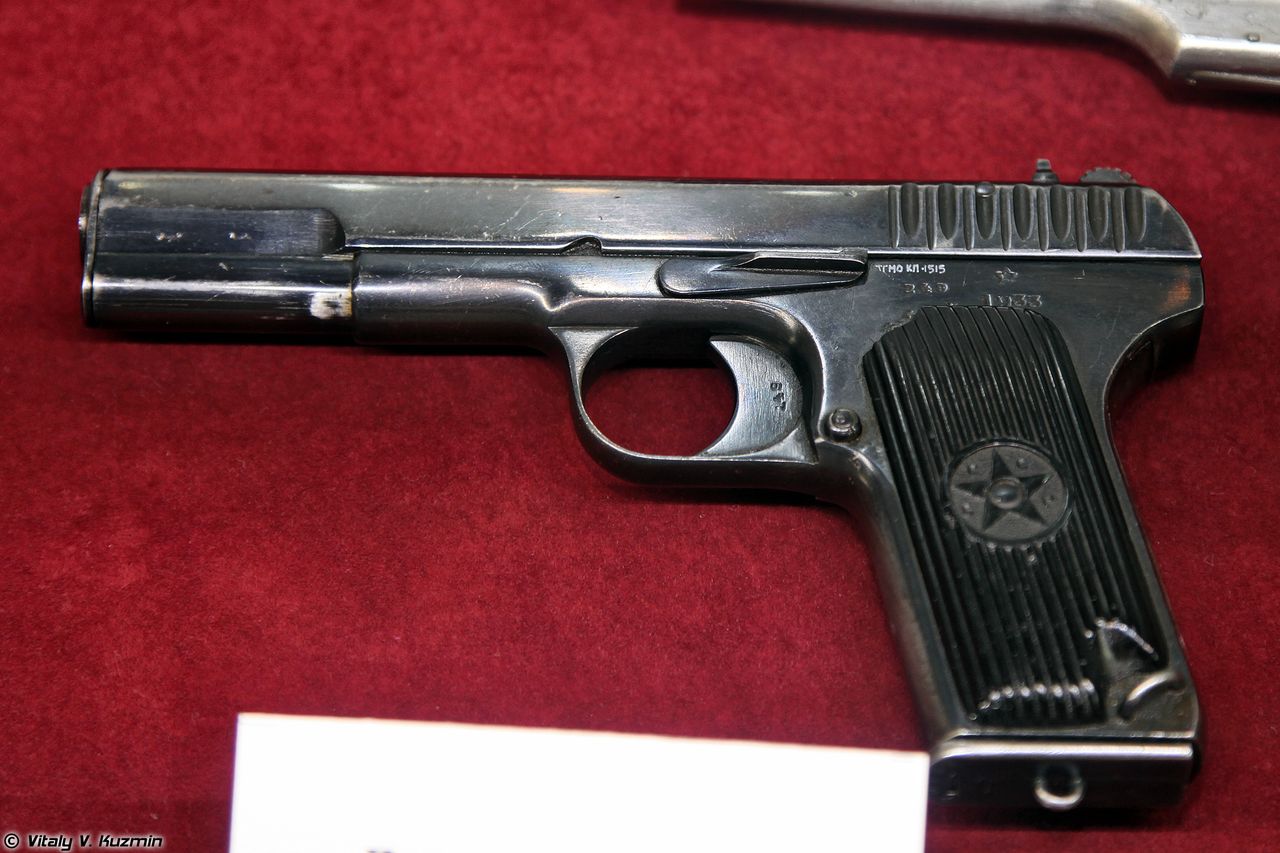
By the late 1920s, the Soviet Union was still saddled with the old Nagant revolver, a rugged but badly dated sidearm for a military that wanted to look modern. Revolvers were reliable, but they were slow to reload, limited in capacity, and increasingly out of step with what other armies expected from a service handgun. Soviet planners wanted a self-loading pistol that could be built in quantity and survive field abuse.
That requirement landed in a world where John Browning’s ideas already dominated handgun design. Around the globe, military and police pistols had been moving toward Browning-style layouts because they worked, they were proven, and patents on the older systems were no longer the roadblock they once had been. When the Red Army tested replacements in 1930, it was not shopping for novelty. It was shopping for a dependable answer.
Fedor Tokarev understood that reality. According to long-running historical accounts in NRA publications and museum material, his successful design emerged after earlier work gave way to a more practical pistol built around familiar Browning principles. In other words, the Soviets were not too proud to borrow from a winning formula. They simply intended to make that formula fit Soviet doctrine, Soviet industry, and Soviet ammunition.
The Browning Pattern Hiding In Plain Sight
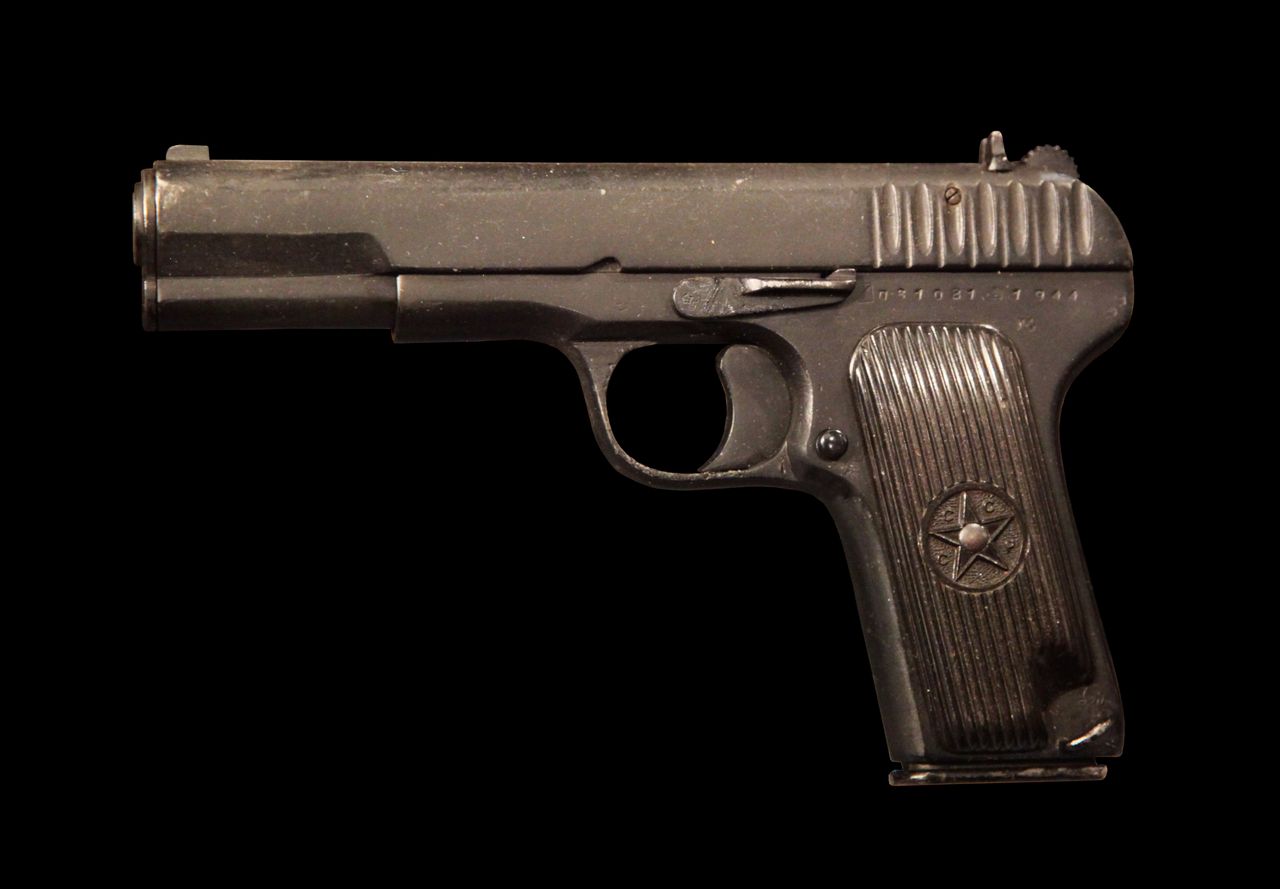
Look at a Tokarev from the side and the first clue is visual. More than one historian has pointed out how strongly the pistol’s profile echoes Browning’s FN Model 1903, especially in the slide shape and general silhouette. The resemblance is not accidental. Soviet designers had seen what Browning’s pistols did well, and they recognized the value of packaging a service arm in a clean, flat, controllable shape.
Inside the gun, though, the more important borrowing comes from the M1911 family. The TT-30 and TT-33 use a short-recoil, tilting-barrel arrangement with locking lugs engaging the slide, a layout widely identified by museum collections and firearms historians as part of Browning’s 1911 mechanical legacy. That locked-breech system let the Tokarev handle a fast, high-pressure cartridge without becoming absurdly heavy.
This is the key point many casual readers miss. The Tokarev was not a clone of one Browning pistol. It was more like a Soviet blend of Browning ideas: the external feel and packaging lessons associated with the 1903, plus the internal locking logic associated with the 1911. That mix gave Tokarev a ready-made starting point, while still leaving room for distinctly Soviet decisions.
What Tokarev Changed To Make It Soviet
Borrowing a mechanical concept is not the same thing as copying every part. Tokarev and Soviet engineers reworked Browning’s ideas with production and military service in mind. One of the best-known differences was the removable hammer-and-sear module used on early Tokarev patterns, a self-contained unit that could simplify maintenance and assembly. That feature does not make the pistol elegant, but it absolutely makes it interesting.
The TT-30 was the first accepted version, but the TT-33 quickly followed with revisions meant to simplify manufacture. Historical summaries consistently note changes to the barrel, trigger, disconnector, and locking arrangement, along with the abandonment of some more complicated early details. This is very Soviet: keep the proven operating principle, then strip away cost, machine time, and unnecessary fuss.
The result was a handgun that felt cruder than a polished commercial Browning design, yet remained highly functional. Firearms historians often describe the Tokarev as a simplification of the Colt-Browning system, and that is exactly right. It kept the heart of the Browning short-recoil system but shed refinement wherever Soviet planners believed rugged service and volume production mattered more than finish or user comfort.
The Cartridge Choice Shaped The Whole Pistol
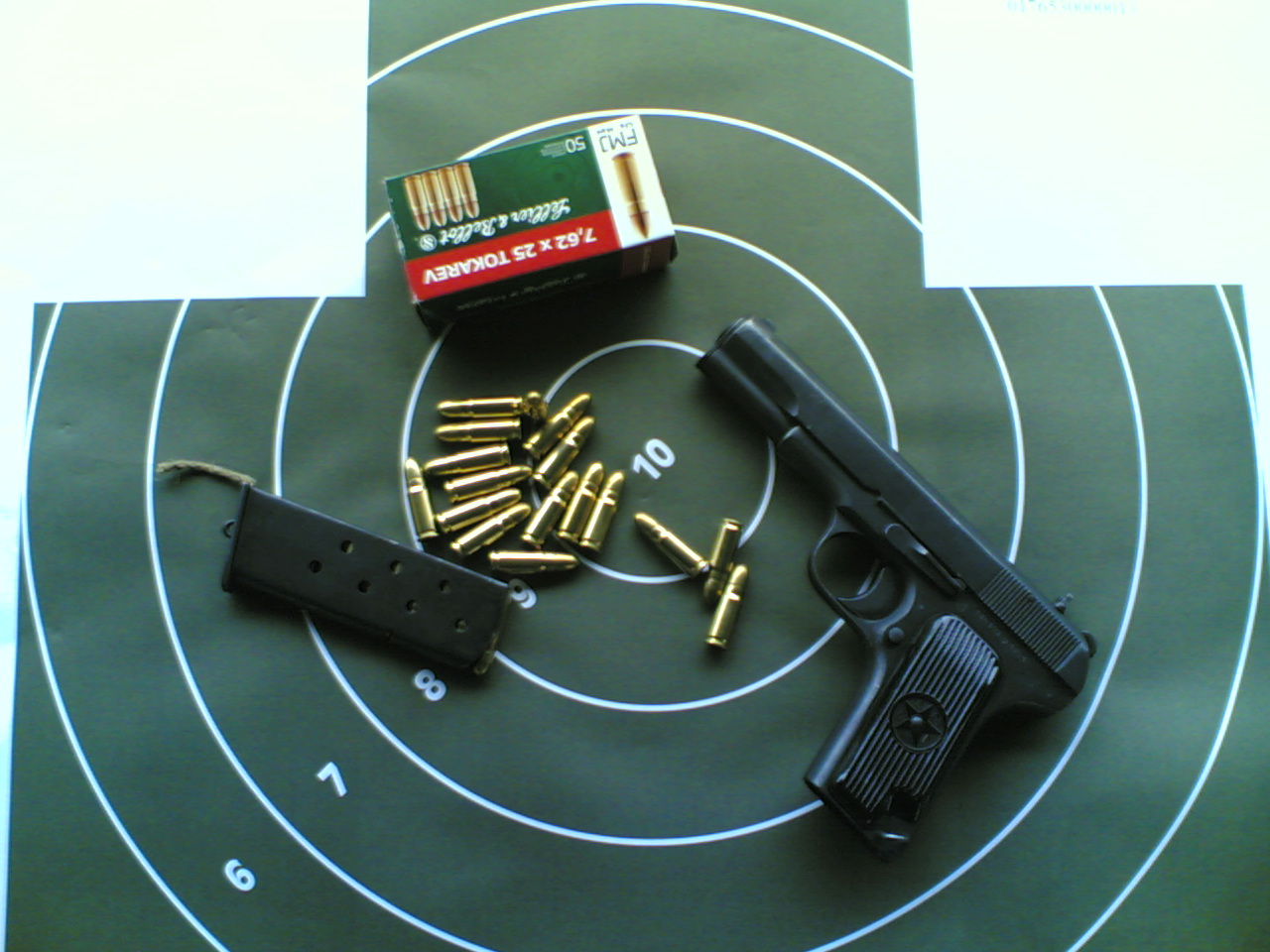
A big part of the Tokarev story is not just the pistol but the round it fired. The 7.62×25mm Tokarev cartridge was closely related to the 7.63×25mm Mauser round associated with the Mauser C96, and that choice pushed the pistol in a very specific direction. Soviet authorities liked the cartridge’s speed, flat trajectory, and penetration, especially for a military that also valued commonality with submachine gun ammunition later on.
That high-velocity bottleneck round made a locked-breech design especially attractive. A simple blowback service pistol chambered for such a cartridge would have demanded more mass and compromise than the Soviets wanted. Browning’s short-recoil system offered a practical answer: lock the barrel and slide together briefly, let pressure drop, then complete extraction and feeding in a controlled cycle.
This is another reason Browning’s influence mattered so much. Tokarev was not just borrowing because Browning was famous. He was borrowing because the operating system solved a real engineering problem. Pair a fast cartridge with a durable military pistol, and the Browning pattern gave the Soviets a route that was already validated by years of successful service pistol development in the West.
Why The TT-33 Worked On The Battlefield
The TT-33 was not beloved because it was pretty. It earned its place because it was flat, powerful, relatively simple, and easier to mass-produce than many alternatives. Museum records and firearms histories note that more than a million Tokarevs were produced in the Soviet Union before the end of World War II. That kind of output says a lot about how well the design fit wartime needs.
Soldiers got a pistol with strong penetration and a slim profile that carried more comfortably than a bulky revolver. Armorers got a design based on established mechanics rather than experimental theory. Factories got a weapon that could be rationalized for hard production realities. In wartime, those three things matter more than target-grade triggers or graceful machining.
Of course, the Tokarev had weaknesses. Original military examples lacked the kind of manual safety many later users expect, and ergonomics were never the gun’s strong suit. But battlefield utility is about tradeoffs. The Soviets leaned on Browning’s locked-breech architecture because it delivered a dependable foundation, then accepted a rougher finish if it meant more pistols in holsters and fewer stoppages in service.
How Far The Design Spread Beyond The Soviet Union
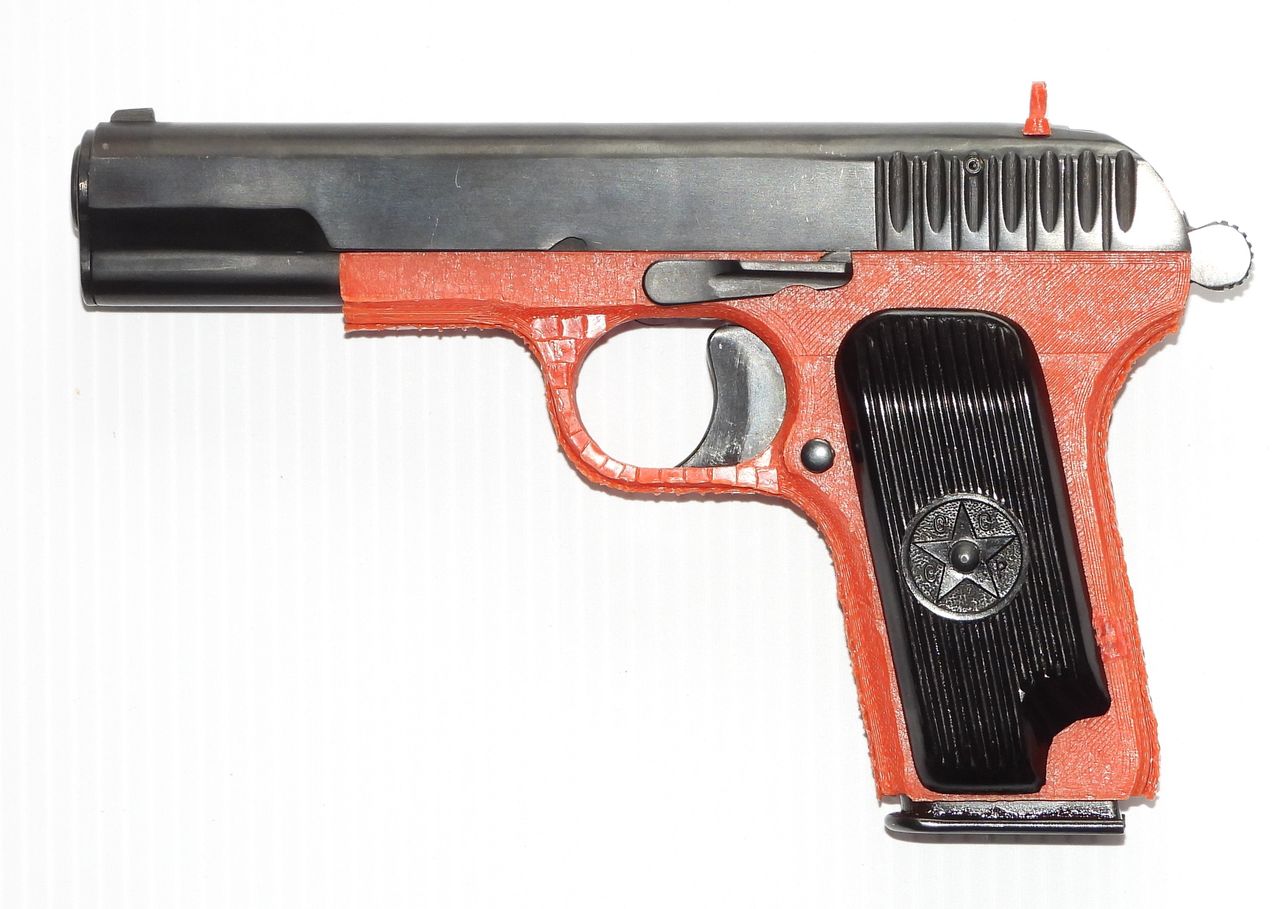
Once the Soviet Union committed to the Tokarev, the design spread widely through allied and client states. Variants and copies appeared in countries such as China, Poland, Romania, Hungary, Yugoslavia, and others. That broad adoption was not just political. It also reflected how transferable the underlying design was. A pistol built on familiar Browning principles could be copied, adapted, and manufactured by many different arsenals.
Some versions stayed close to the Soviet pattern, while others introduced longer grips, different magazines, or external safeties for export and import compliance. The Chinese Type 54 is one of the best-known descendants, and Yugoslavia’s M57 added its own twists. Yet the family resemblance remains obvious because the mechanical skeleton still traces back through Tokarev to Browning.
That long afterlife tells you something important about the original design choice. The Soviets did not borrow a dead-end concept. They chose a system with staying power. Even when later handguns replaced the Tokarev in front-line service, the TT pattern lingered in arsenals, police stocks, and surplus markets precisely because its Browning-rooted mechanism was sturdy, understandable, and easy for entire weapons industries to live with.
The Real Legacy Of Browning Inside The Tokarev
So what was the Browning design the Soviets leaned on? The honest answer is that it was not a single pistol in isolation. It was Browning’s larger design language for self-loading handguns: the slide profile and service-pistol packaging seen in the 1903 lineage, and above all the short-recoil, tilting-barrel locked-breech logic made famous by the 1911. Tokarev took that language and translated it into Soviet industrial terms.
That is why the Tokarev deserves more respect than either extreme usually gives it. It was neither a pure copy nor a wholly original revolution. It was a smart act of engineering adaptation. Tokarev recognized that Browning had already solved the hard part, then modified that answer for a different army, a different cartridge, and a different production culture.
In the end, that may be the most Soviet thing about the pistol. The USSR did not need to invent every mechanism from scratch to produce an effective military arm. It needed a gun that worked, could be built fast, and fit Red Army realities. Browning provided the blueprint in broad strokes. Tokarev turned those strokes into a distinctly Soviet sidearm with a very long shadow.