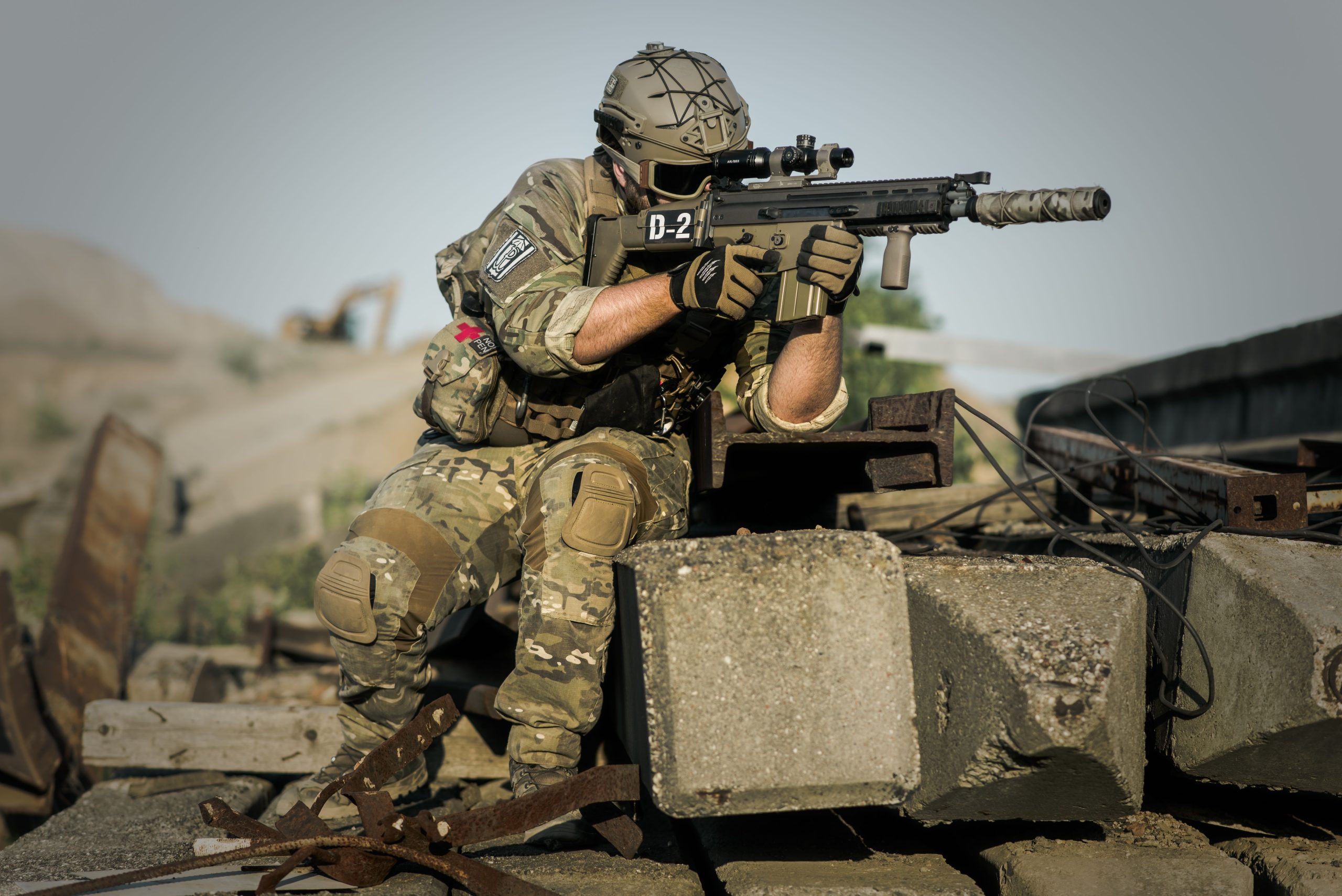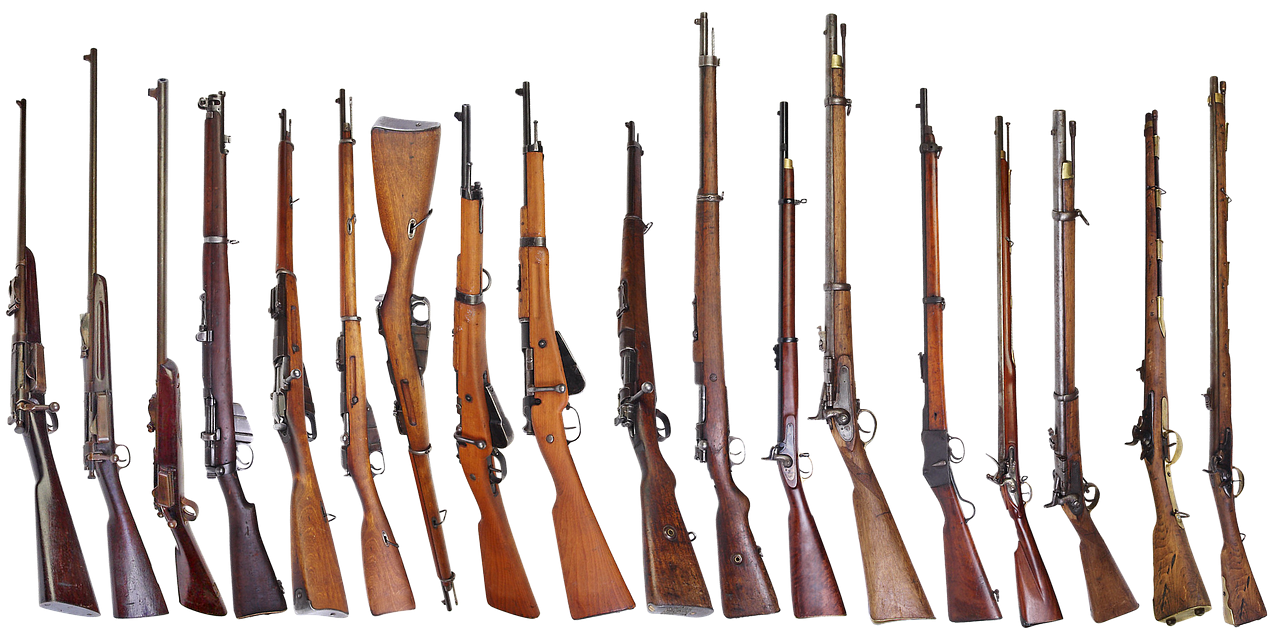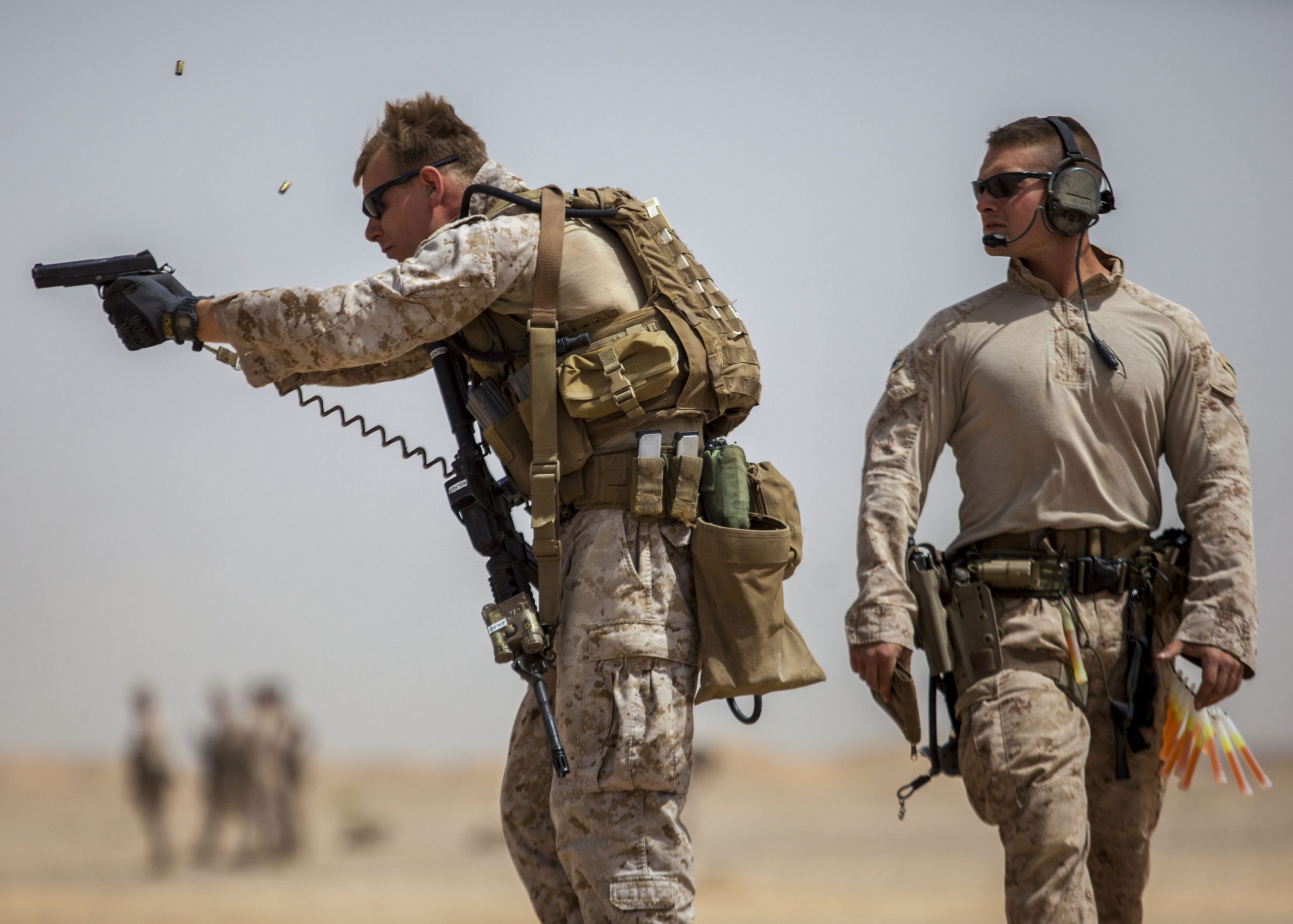
A rifle and a pistol may look like overlapping equipment, but militaries assign them different jobs. The rifle is normally the primary individual weapon, while a pistol can serve as a compact backup or a specialized weapon for personnel whose duties make a long gun inconvenient. The U.S. Army’s current training documentation explicitly distinguishes primary and secondary weapons, including combinations such as the M4 and M17. The reasons come down to redundancy, mobility, mission requirements, and keeping a usable weapon available when circumstances change.
1. A Backup When the Primary Weapon Fails
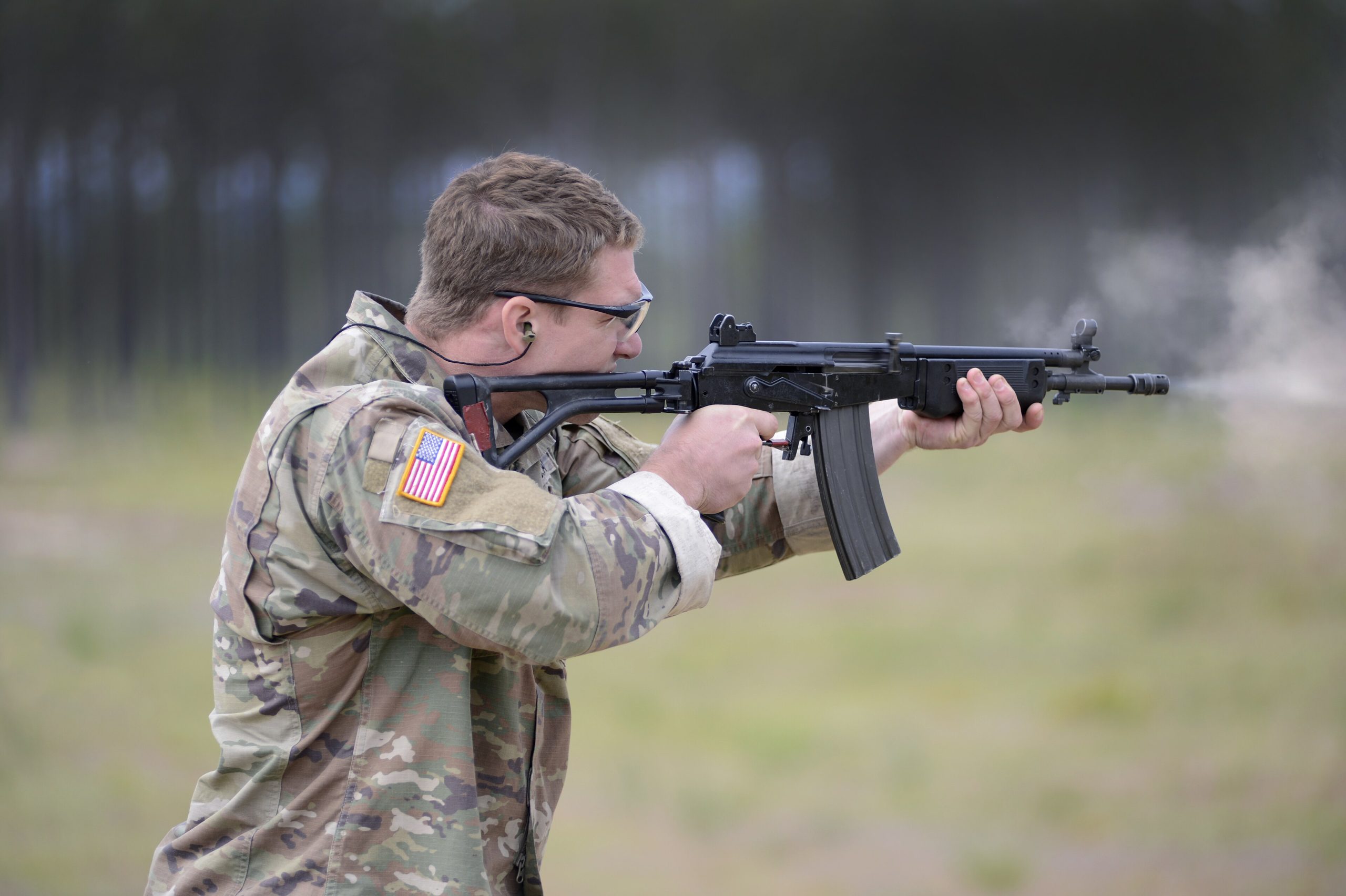
A rifle is normally the soldier’s primary individual weapon, but it is still a mechanical system that can run empty, malfunction, or become unavailable. A pistol gives certain personnel a separate option rather than leaving them without a personal firearm. U.S. Army training materials explicitly describe the M17 as a secondary weapon when paired with an M4. The logic is redundancy, not extra firepower. One weapon handles the primary role, while the second provides another means of defense if the first cannot be used. That makes 2 weapons useful for maintaining continuity.
2. Vehicle Crews Need Something More Compact
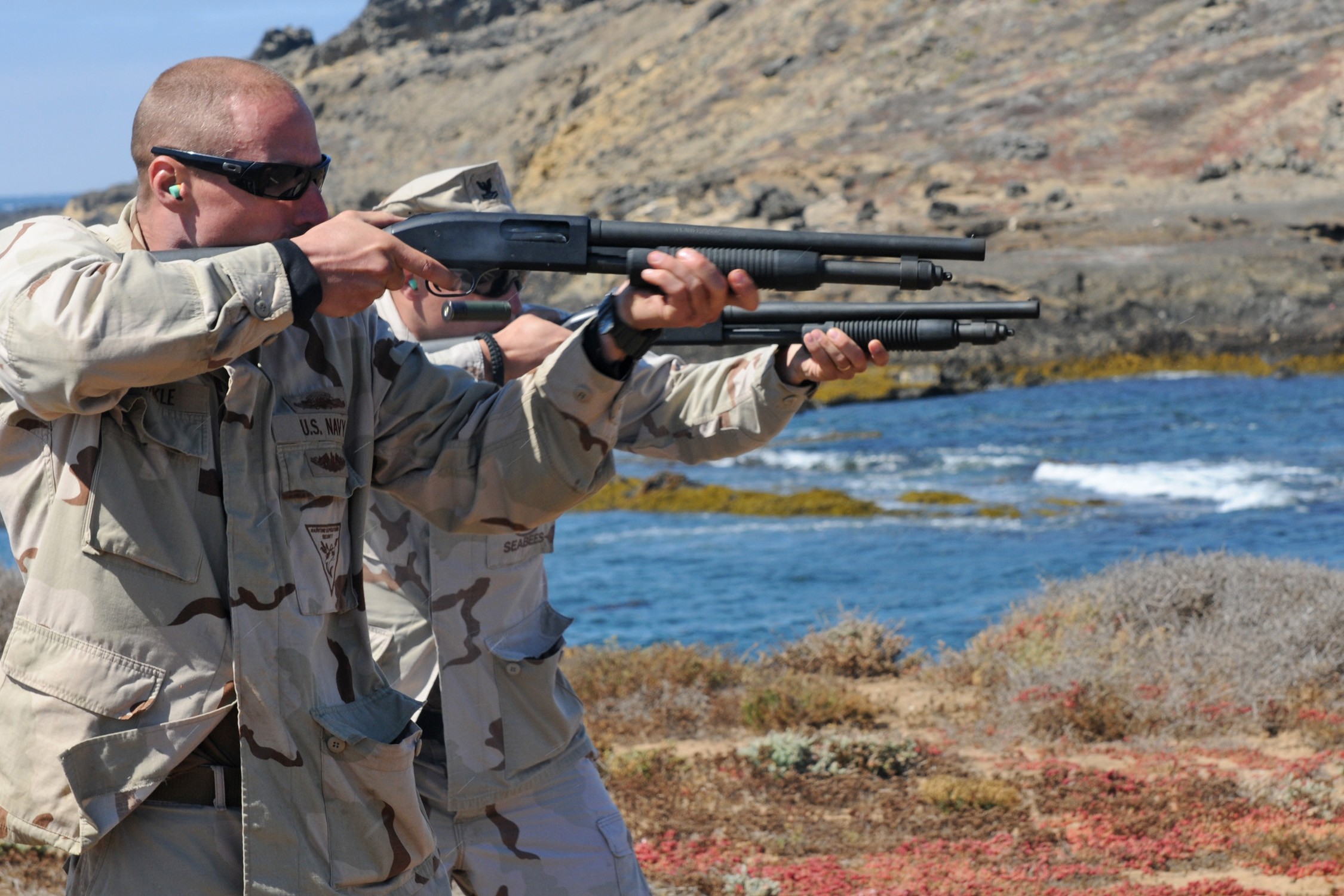
Drivers and vehicle crews face a practical problem: a full-size rifle can be awkward while operating or moving around a vehicle. A pistol occupies much less space and can remain accessible in a holster while the primary weapon is secured elsewhere. This is one reason military organizations have historically issued sidearms to drivers and crews. The distinction is important because the pistol is not intended to outperform the rifle. Its advantage is availability when the longer weapon is inconvenient to handle, making the two weapons complementary rather than redundant. One compact sidearm can solve a very different problem.
3. Officers May Need a Weapon Without a Long Gun
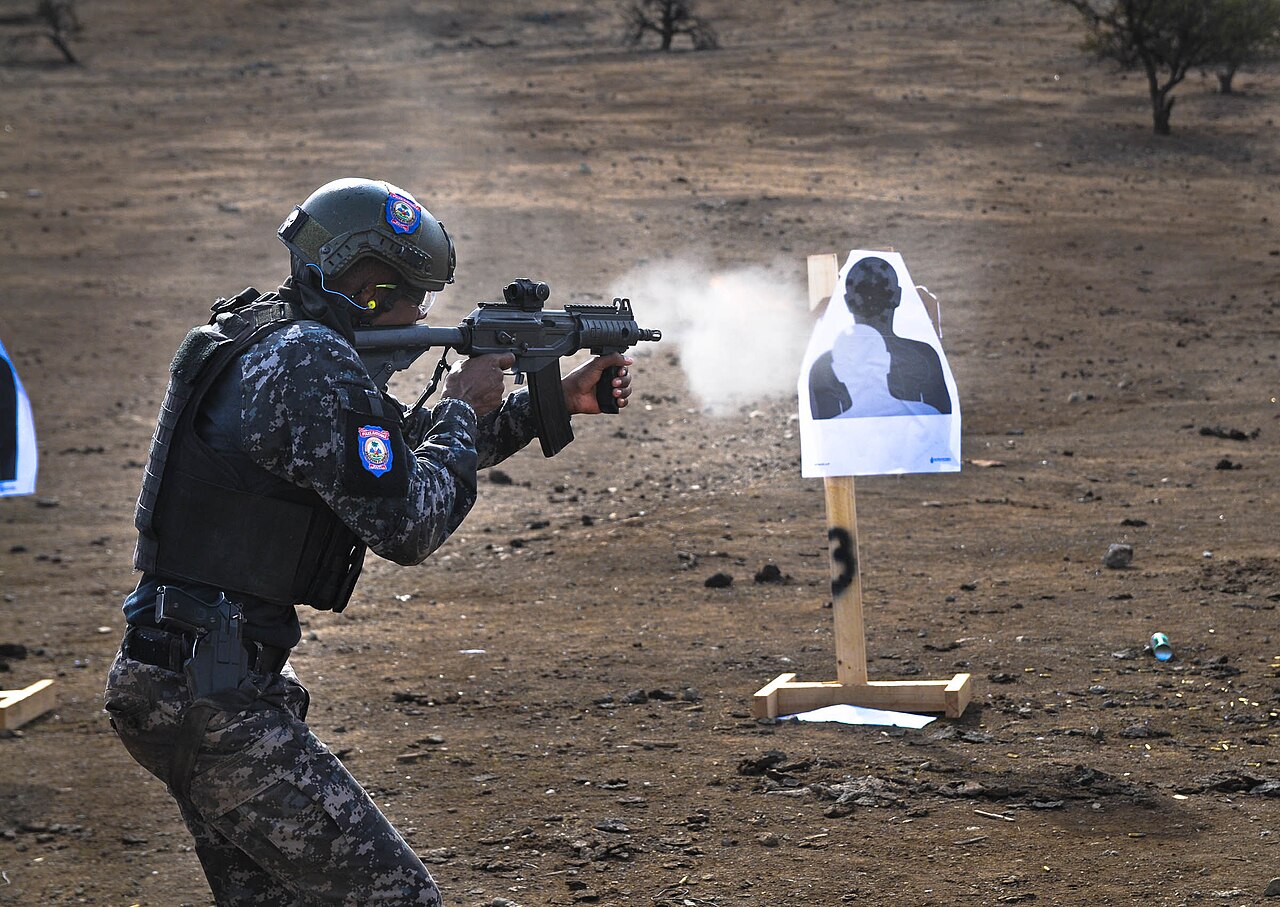
Commanders and some specialists may need to move, communicate,e and supervise personnel without carrying a rifle continuously. A pistol provides a compact personal weapon while leaving the hands and body less encumbered than a long gun. The U.S. Army identifies unit leaders among personnel who may have a personal-defense requirement. That does not mean every officer receives both weapons in every army. Instead, issue policies reflect duties, equipment tables, and mission requirements, with the pistol filling a different role from the soldier’s primary rifle. In this case, 2 weapon categories reflect different responsibilities.
4. A Pistol Can Be Easier to Carry in Tight Spaces
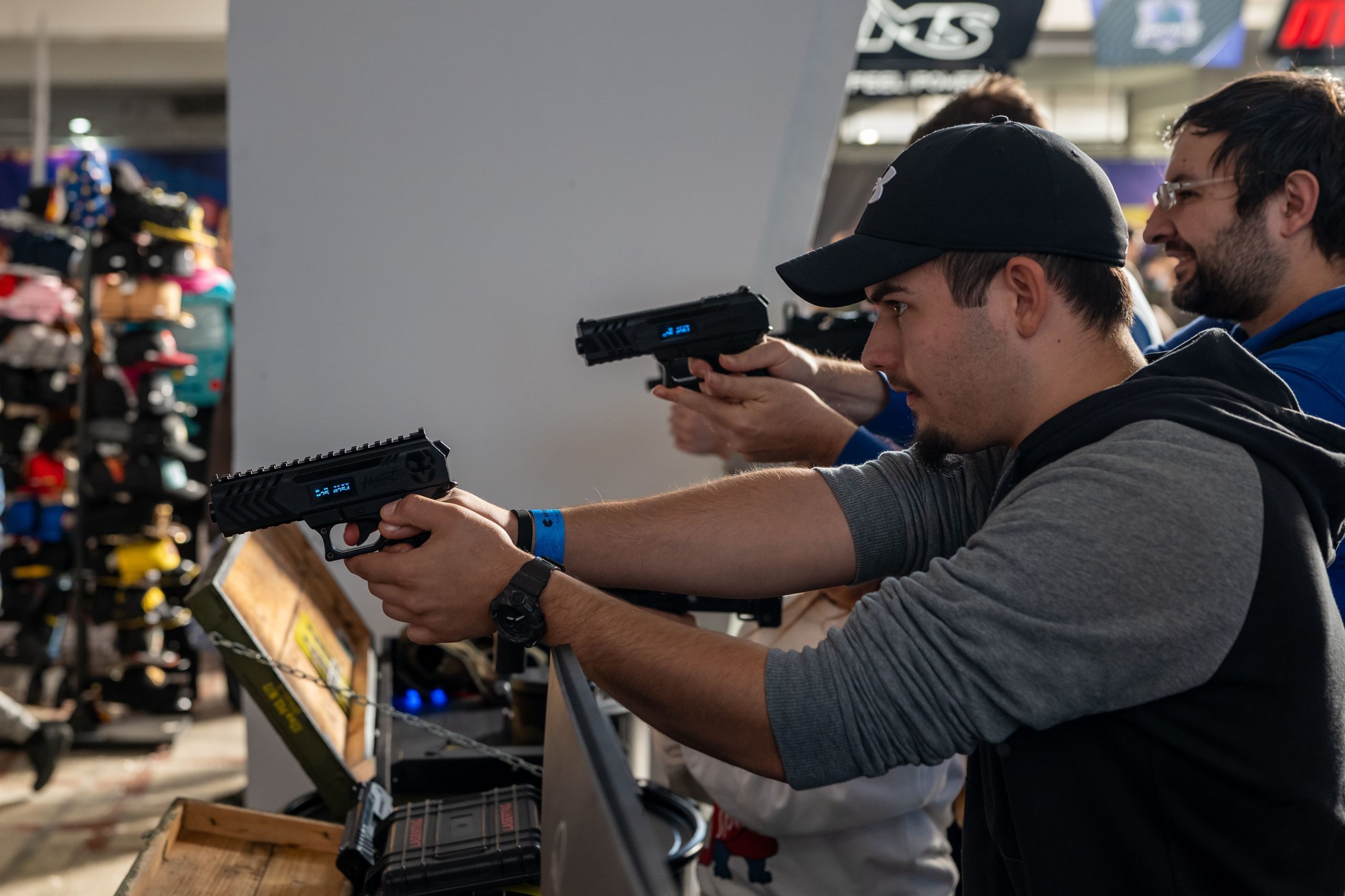
Military personnel do not operate exclusively in open terrain. Aircraft, vehicles, buildings, and other confined environments can make a long weapon cumbersome. A holstered pistol is considerably shorter and can be carried without a rifle extending far beyond the body. That makes the sidearm useful for selected personnel working around cramped equipment or spaces. The advantage is mainly physical accessibility. It does not make the pistol a superior fighting weapon. Instead, the shorter platform solves a portability problem that a conventional rifle cannot always solve as conveniently. One smaller weapon can therefore complement a longer primary firearm.
5. It Preserves a Secondary Capability
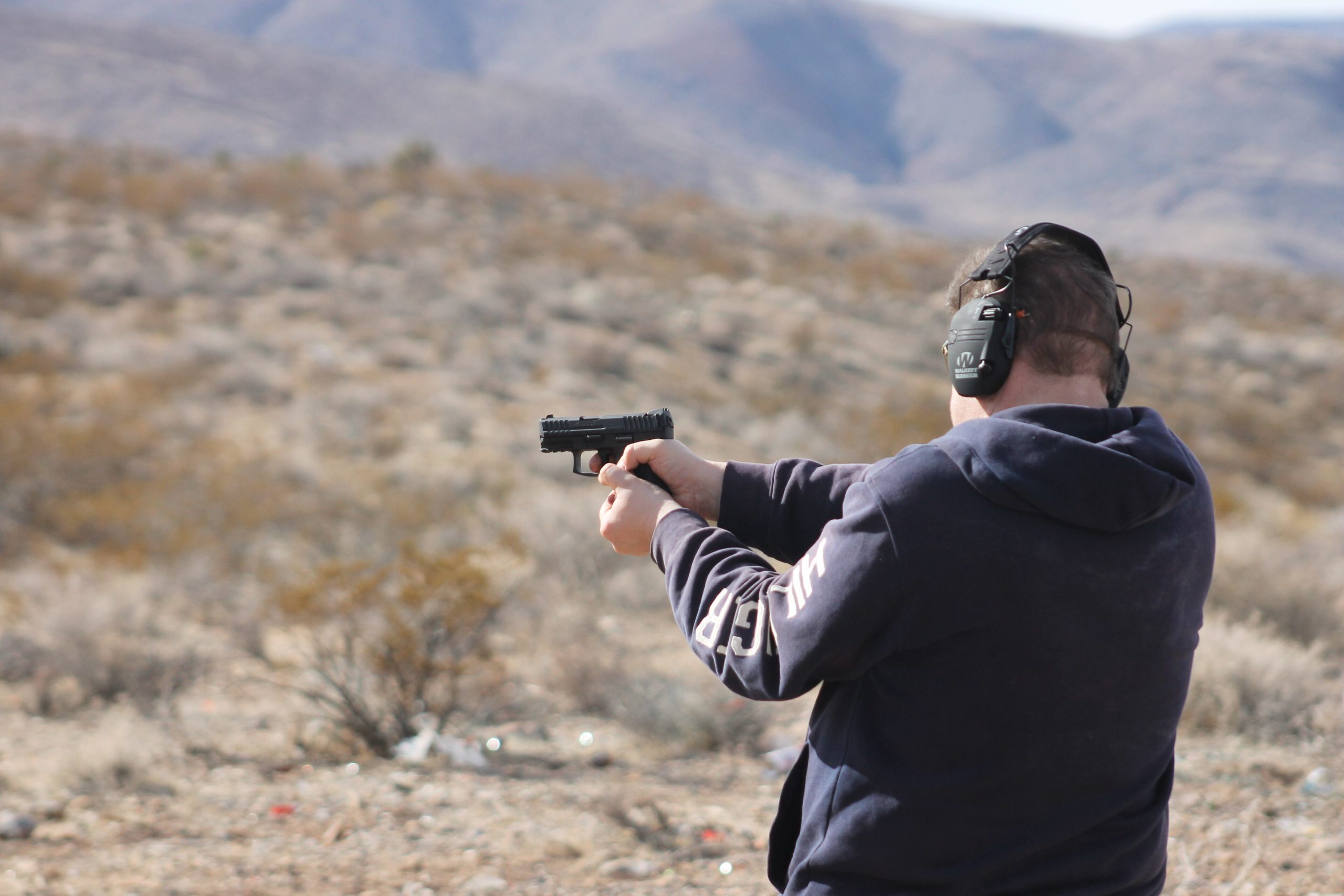
Carrying two different weapons gives a soldier more than one equipment option when circumstances change. Army training documentation distinguishes primary and secondary individual weapons, noting that a soldier assigned an M4 and M17 can have the carbine as primary and the pistol as secondary. The important figure is 2 weapons serving different functions, not simply twice the firepower. The secondary weapon can preserve a personal-defense capability when the primary firearm is unavailable, while training requirements ensure the soldier is qualified to handle both systems safely. Both weapons therefore require separate proficiency standards.
6. Pistols Can Suit Specialized Duties
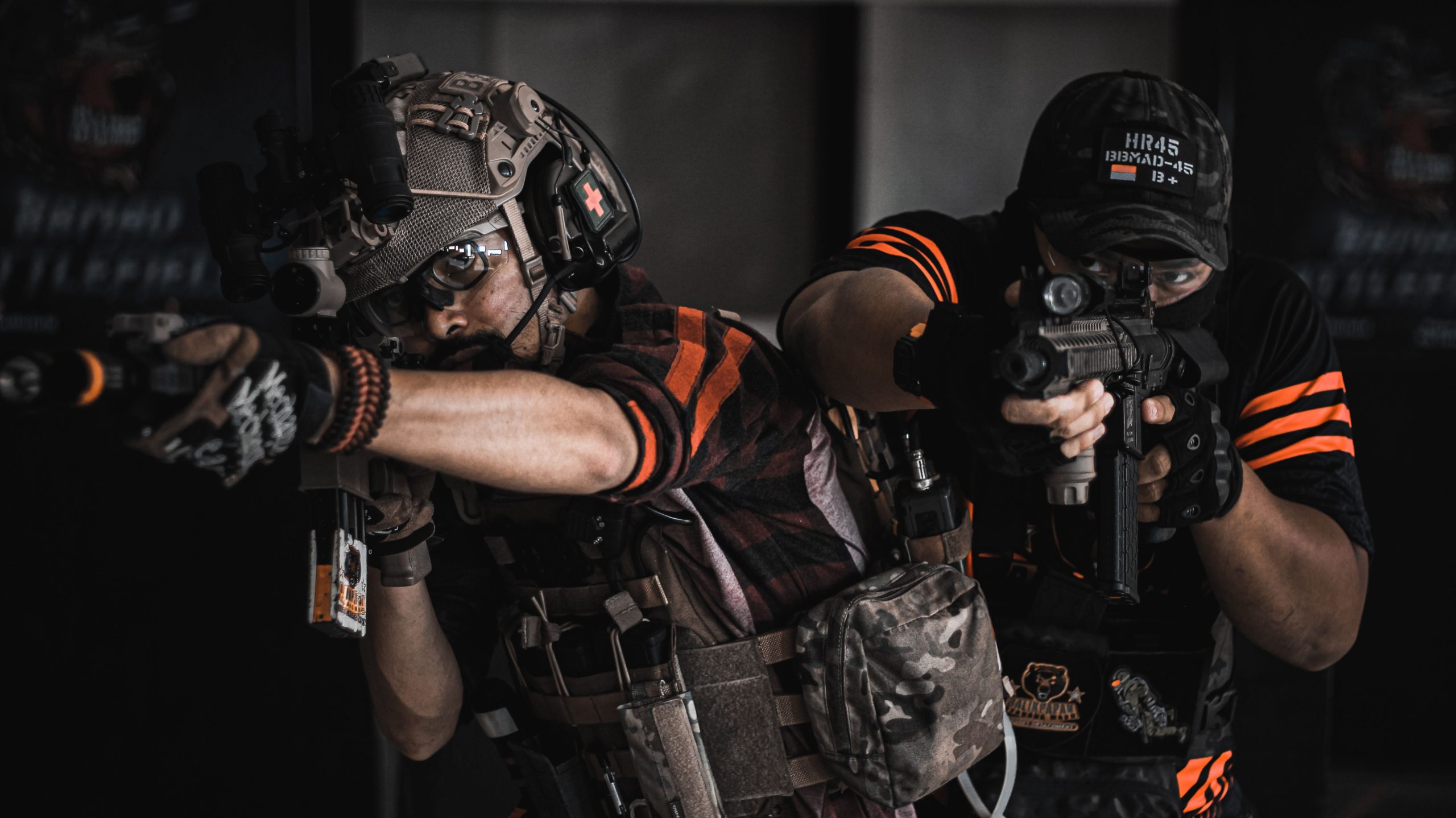
Not every military job resembles the standard infantry rifleman’s role. Military police, aviators, crew-served weapon personnel, and other specialists can have different equipment priorities. The U.S. Army’s description of the M9, for example, identifies crew-served weapon crews, leaders, aviators, and law-enforcement personnel among users with personal-defense requirements. A pisto, therefore,re becomes a role-specific tool. The rifle remains better suited to the primary combat role for many soldiers, while the handgun provides a compact weapon for duties where carrying a rifle may be unnecessary or impractical. At least 4 distinct roles have historically justified this approach.
7. The Two Weapons Cover Different Carry Problems
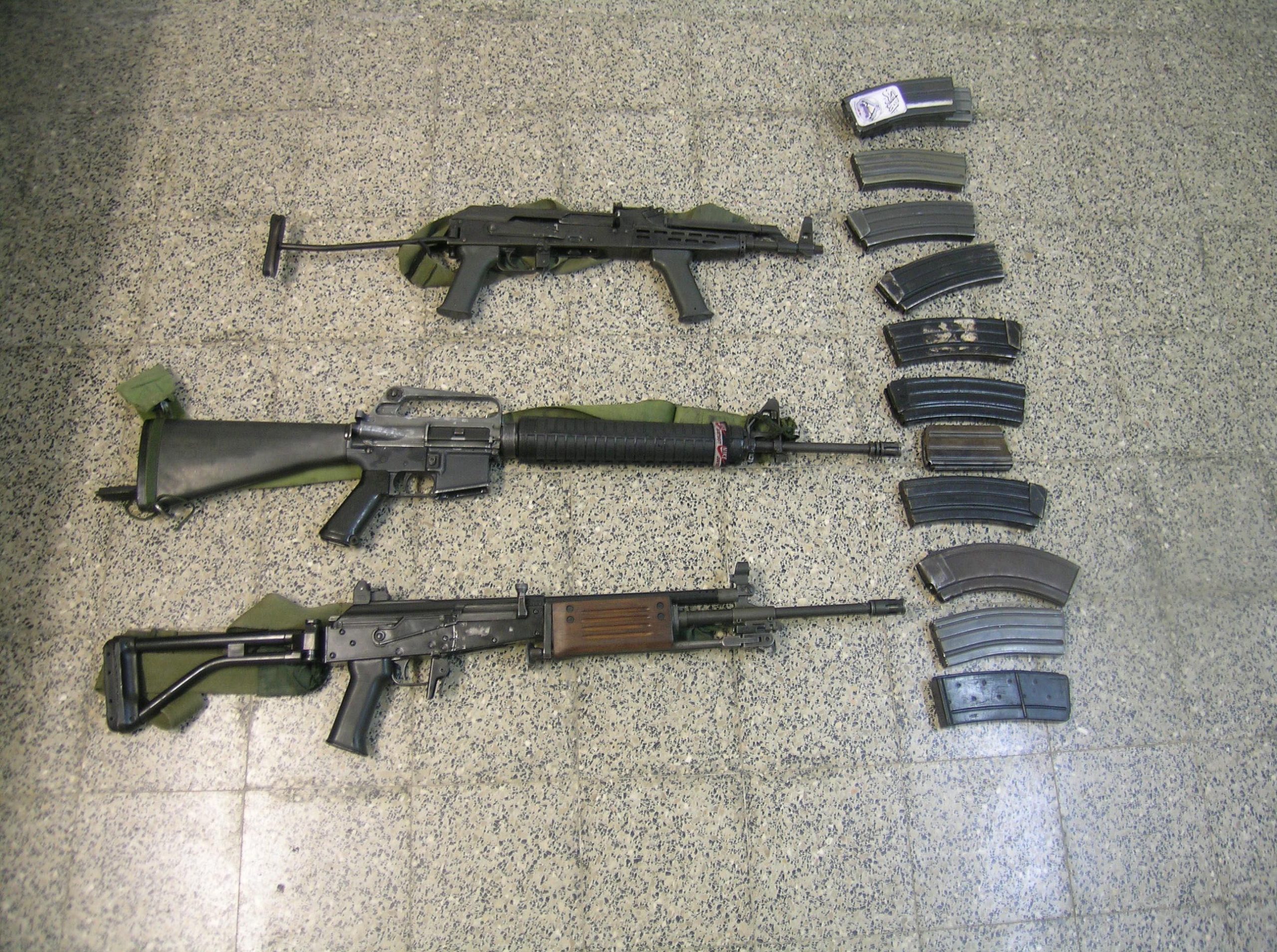
A rifle offers greater reach, stability, and ammunition capacity than a typical service pistol, but those advantages come with greater size and weight. A handgun reverses that tradeoff by being compact and easier to keep immediately available. Issuing both can therefore address two separate carry problems. The rifle is the main long gun, while the pistol is a smaller backup or role-specific weapon. The U.S. Army’s current training material formally identifies the M4 as a primary weapon and the M17 or M18 as secondary options for soldiers assigned both. That creates 2 clearly defined equipment roles rather than duplication.
8. Ammunition Supply Is Not the Only Concern
It is tempting to think a second firearm is simply about having extra ammunition, but military planners also consider access, reliability,y and mission continuity. If a rifle becomes unusable, a soldier who has a separately carried pistol still has a personal weapon available. This is especially relevant for personnel whose duties require them to remain armed while operating equipment or performing specialized tasks. The principle is similar to other forms of redundancy: one primary system handles the normal workload, while a second system provides resilience when the first becomes unavailable. In practical terms, 2 independent weapon systems can provide greater continuity than relying on only 1.
9. Different Missions Demand Different Weapon Priorities
Military equipment is assigned according to roles rather than a single universal formula. An infantry rifleman, aircraft crew member, military police officer,er and vehicle operator can face very different physical and operational demands. That explains why a pistol may be issued alongside a rifle to some personnel but not routinely to every rifleman. The U.S. Army’s individual-weapons training lists both M4 carbines and M17 or M18 pistols, while also distinguishing primary and secondary assignments. The number of weapons carried depends on the mission and the soldier’s appointment. Four very different jobs can therefore produce four different equipment requirements.
10. Redundancy Can Matter More Than Maximum Power
The simplest reason for carrying both is that no single weapon is ideal for every circumstance. A rifle is generally the primary individual firearm for combat-oriented soldiers, while a pistol can provide a compact secondary option. Official Army training recognizes this pairing and requires soldiers assigned both weapons to qualify with each. The goal is not to make the pistol compete with the rifle. It is to maintain capability when the primary weapon is unsuitable, unavaila,ble or otherwise out of the picture. In military equipment planning, that distinction explains why 2 categories can coexist without serving the same purpose.