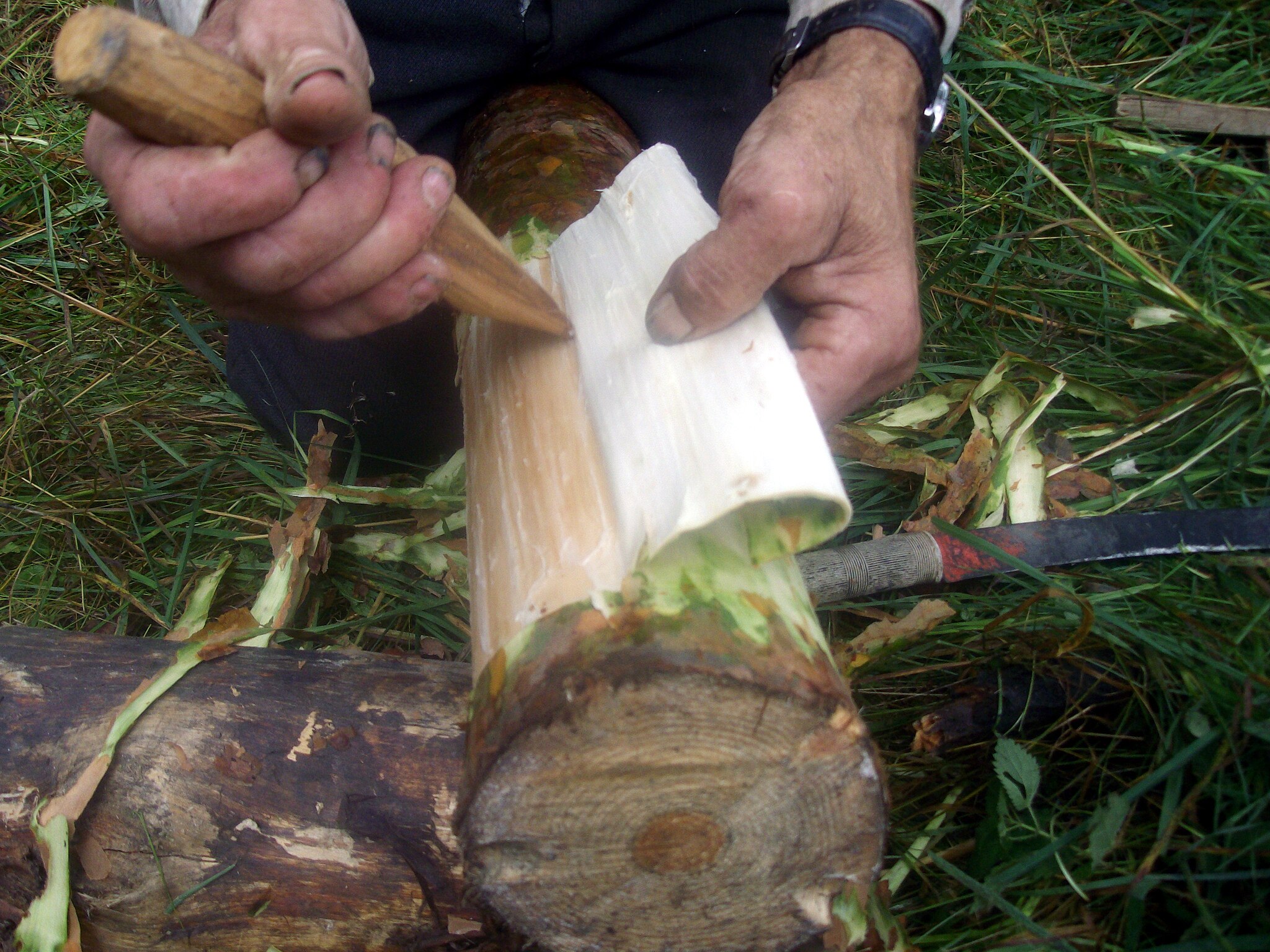
Bark fiber has quietly supported human survival long before metal tools, woven fabrics, or modern gear ever existed. Found in the inner bark layers of trees like cedar, basswood, willow, and mulberry, these fibers offer strength, flexibility, and surprising durability when properly harvested. Indigenous cultures across North America relied on bark fiber for cordage, nets, clothing, shelter ties, and even medical uses. What makes bark fiber especially valuable in the forest is its accessibility and renewability. With basic knowledge and minimal tools, it can be processed on site and adapted for dozens of tasks. Unlike synthetic materials, bark fiber biodegrades naturally and blends into wilderness ecosystems.
Naturally Strong Tensile Properties
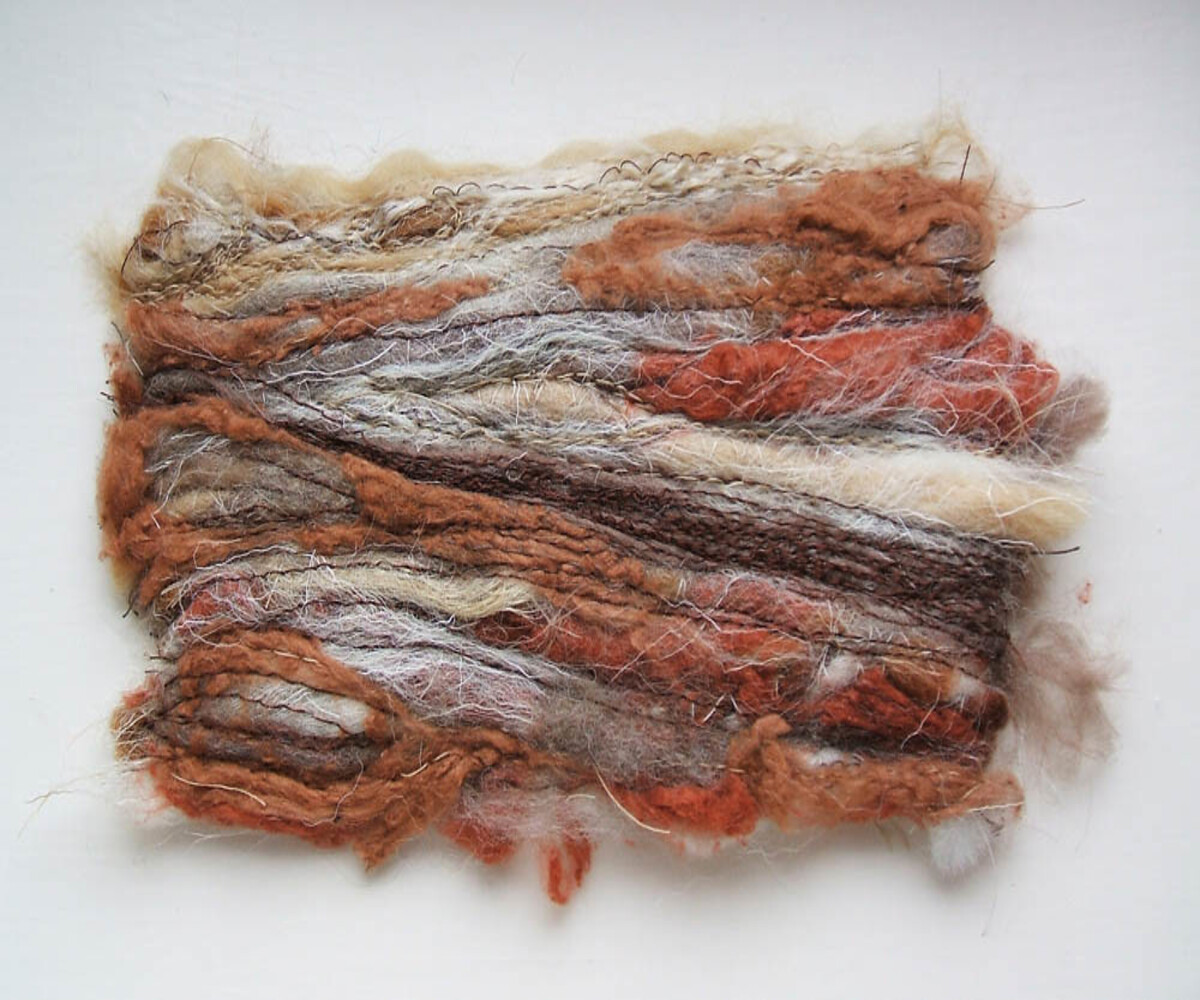
Bark fiber is remarkably strong for its weight, rivaling many modern synthetic cords when properly prepared. The long cellulose strands in inner bark are designed by nature to move nutrients while resisting wind stress, which gives them impressive tensile strength. When twisted or braided, these fibers distribute load evenly, reducing the chance of sudden failure. This makes bark fiber dependable for tasks like binding shelter poles, securing gear, or making traps. Unlike brittle vines or grasses, bark fiber maintains integrity even when slightly damp. Its strength improves when fibers are separated, dried, and re-twisted, allowing users to customize thickness and load capacity.
High Flexibility Without Snapping
One of bark fiber’s greatest advantages is its flexibility combined with resistance to snapping. The fibers bend and stretch under pressure instead of breaking abruptly, which is essential for tools that experience repeated movement. This quality makes bark fiber ideal for bow drill cords, netting, or lashings that must absorb shock. Flexibility also allows the fiber to be wrapped tightly around irregular shapes without losing grip. Even after drying, properly processed bark fiber retains a natural elasticity that prevents cracking. This balance between softness and strength helps it perform reliably across changing temperatures and moisture levels.
Readily Available Across Forest Types
Bark fiber’s reliability is reinforced by how widely available it is in different forest ecosystems. Trees suitable for fiber extraction grow throughout much of North America, from wetlands to upland forests. Species like cedar, tulip poplar, elm, and basswood provide usable inner bark during specific seasons. This abundance means users are not dependent on a single plant source. With basic tree identification skills, bark fiber can be sourced almost anywhere without specialized tools. Because it comes directly from living or recently fallen trees, it is accessible even when other materials are scarce. This consistent availability makes bark fiber a dependable option for long-term wilderness use and emergencies alike.
Simple Processing With Minimal Tools
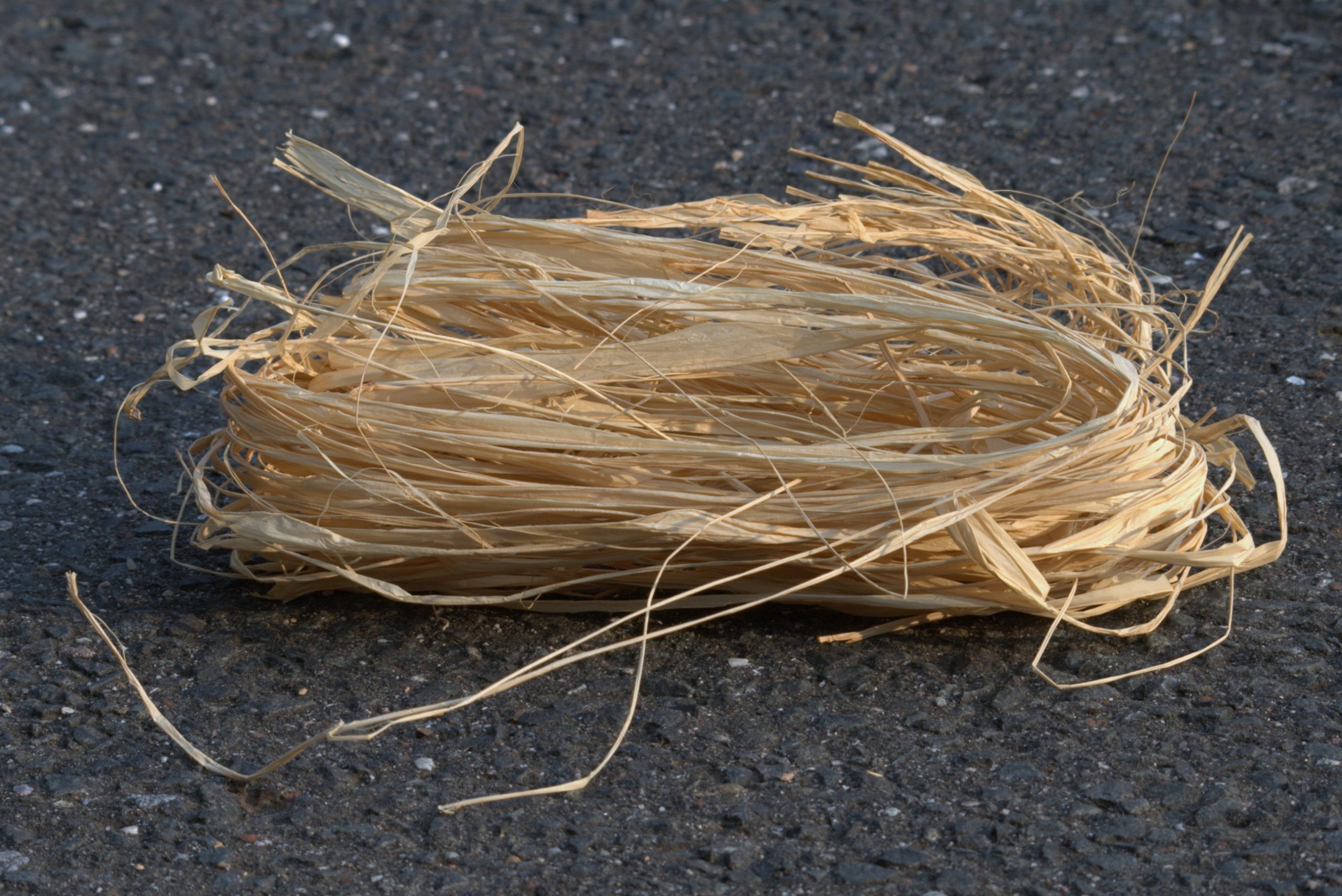
Another reason bark fiber is so reliable is how easily it can be processed using simple techniques. After removing the outer bark, the inner layers can be peeled, soaked, and separated by hand. No knives, chemicals, or advanced equipment are required. Soaking loosens the fibers, while gentle twisting aligns them into usable strands. This low-effort processing makes bark fiber practical even for beginners learning traditional skills. The process is forgiving, allowing mistakes without wasting the material. Because preparation can be done slowly and adjusted as needed, users can create cordage, ties, or woven items on demand. This simplicity increases reliability in real-world forest conditions.
Performs Well in Wet Conditions
Unlike many plant fibers that weaken when wet, bark fiber maintains much of its strength in damp environments. The natural structure of inner bark resists water absorption better than grasses or leaf fibers. When wet, bark fiber often becomes more pliable rather than fragile, which helps prevent breakage. This makes it suitable for river crossings, rainy climates, or coastal forests where moisture is unavoidable. Once dried, it returns close to its original strength without significant degradation. This resistance to water-related failure ensures bark fiber remains dependable for shelter construction, fishing lines, and bindings, even in unpredictable weather conditions common in forest environments.
Sustainable and Low-Impact Material
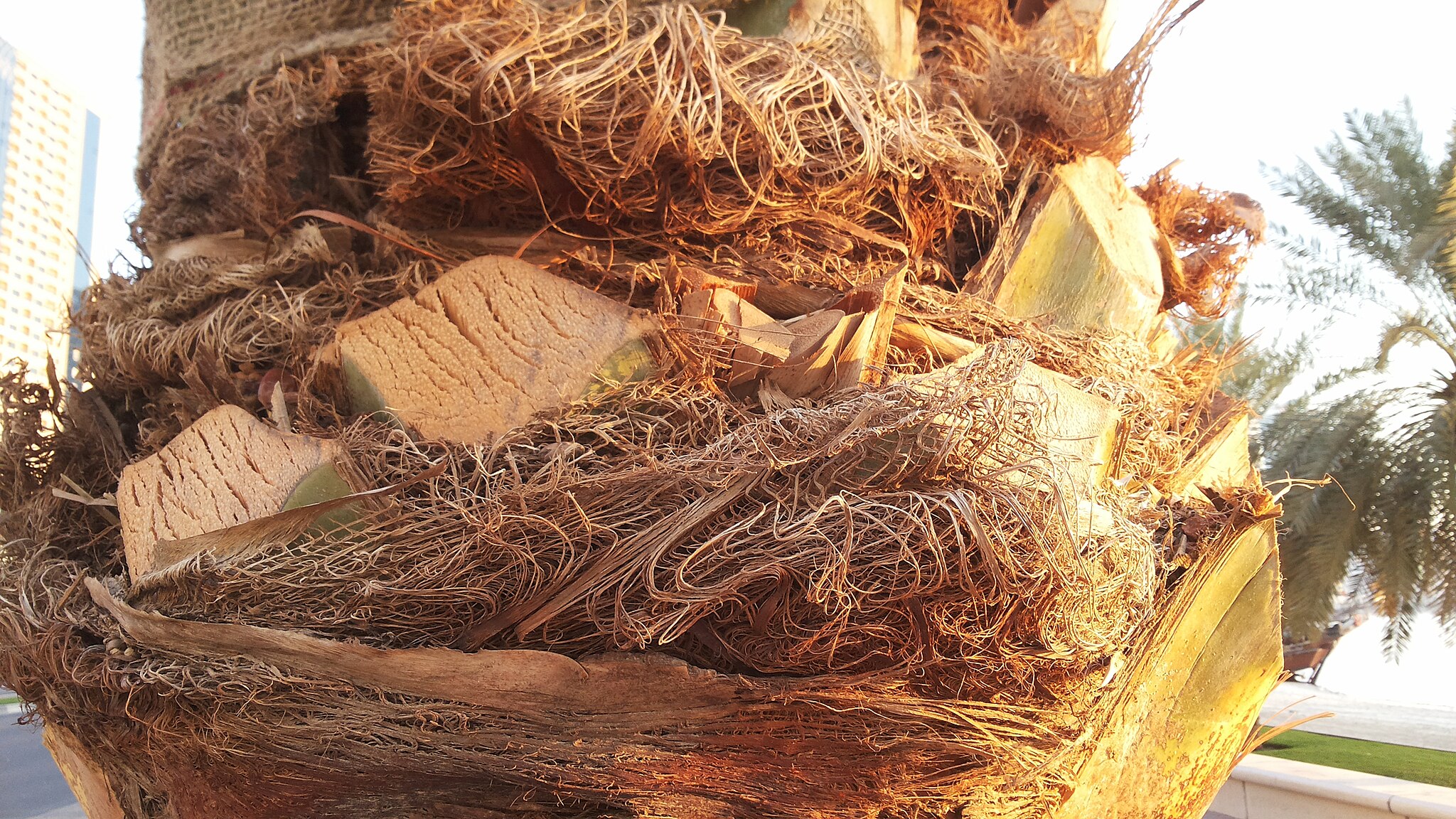
Bark fiber stands out as a reliable tool because it aligns with sustainable and low-impact forest use. When harvested correctly, only small sections of bark are taken, minimizing harm to the tree. Many fibers can also be gathered from fallen or storm-damaged trees. This approach preserves the ecosystem while still providing essential materials. Unlike manufactured gear that eventually becomes waste, bark fiber naturally decomposes without polluting the environment. Its sustainability encourages responsible use, especially for long-term wilderness living or traditional skills practice. Knowing that the material can be renewed without long-term damage adds to its dependability as a forest resource.
Versatile Across Many Survival Uses
The true reliability of bark fiber lies in its versatility across countless forest tasks. It can be twisted into rope, woven into mats, used as sewing thread, or formed into carrying straps. Bark fiber also works well for friction fire kits, snares, and tool repairs. Its adaptability allows one material to serve multiple purposes, reducing the need to search for alternatives. This versatility saves time and energy, both critical in survival scenarios. Because bark fiber can be resized, reshaped, and reused, it remains useful as needs change. Few natural materials offer such broad functionality with consistent performance in forest environments.
Reliable Insulation and Padding Material
Beyond cordage and bindings, bark fiber also serves as a dependable insulation and padding material in forest settings. When loosely shredded or layered, the fibers trap air effectively, helping retain body heat in cool conditions. This makes bark fiber useful for insulating footwear, lining bedding, or padding clothing layers. Unlike dry leaves that collapse or grasses that become brittle, bark fiber maintains loft even after repeated use. Its natural resilience allows it to compress under weight and rebound once pressure is removed. When slightly damp, it still insulates better than many plant materials. This consistent performance adds another layer of reliability, especially for overnight shelter comfort and cold-weather survival needs.
Natural Resistance to Rot and Decay
Many tree bark fibers contain natural compounds that slow rot and microbial breakdown. This resistance helps bark fiber last longer than softer plant materials when exposed to soil, moisture, and air. Cedar and similar species are especially valued for this quality, as their fibers naturally repel insects and fungi. This durability allows bark fiber tools to remain usable for extended periods without constant replacement. Even when left outdoors, well-prepared fiber degrades gradually rather than failing suddenly. This slow, predictable wear makes it easier to monitor and maintain. In forest environments where replacement materials may not be immediately available, resistance to decay significantly depends on the bark fiber’s overall dependability.
Quiet and Non-Reflective in the Wild
Another often-overlooked advantage of bark fiber is how naturally quiet and non-reflective it is in forest environments. Unlike metal wire or synthetic cord, bark fiber does not clink, shine, or catch light. This makes it ideal for discreet tasks such as setting traps, securing shelters, or moving through wildlife areas without drawing attention. The muted texture blends into natural surroundings, reducing visual disturbance. Bark fiber also absorbs vibration rather than amplifying sound, which helps prevent accidental noise. This subtle reliability is especially valuable for hunters, wildlife observers, and anyone prioritizing low-impact movement in the forest.