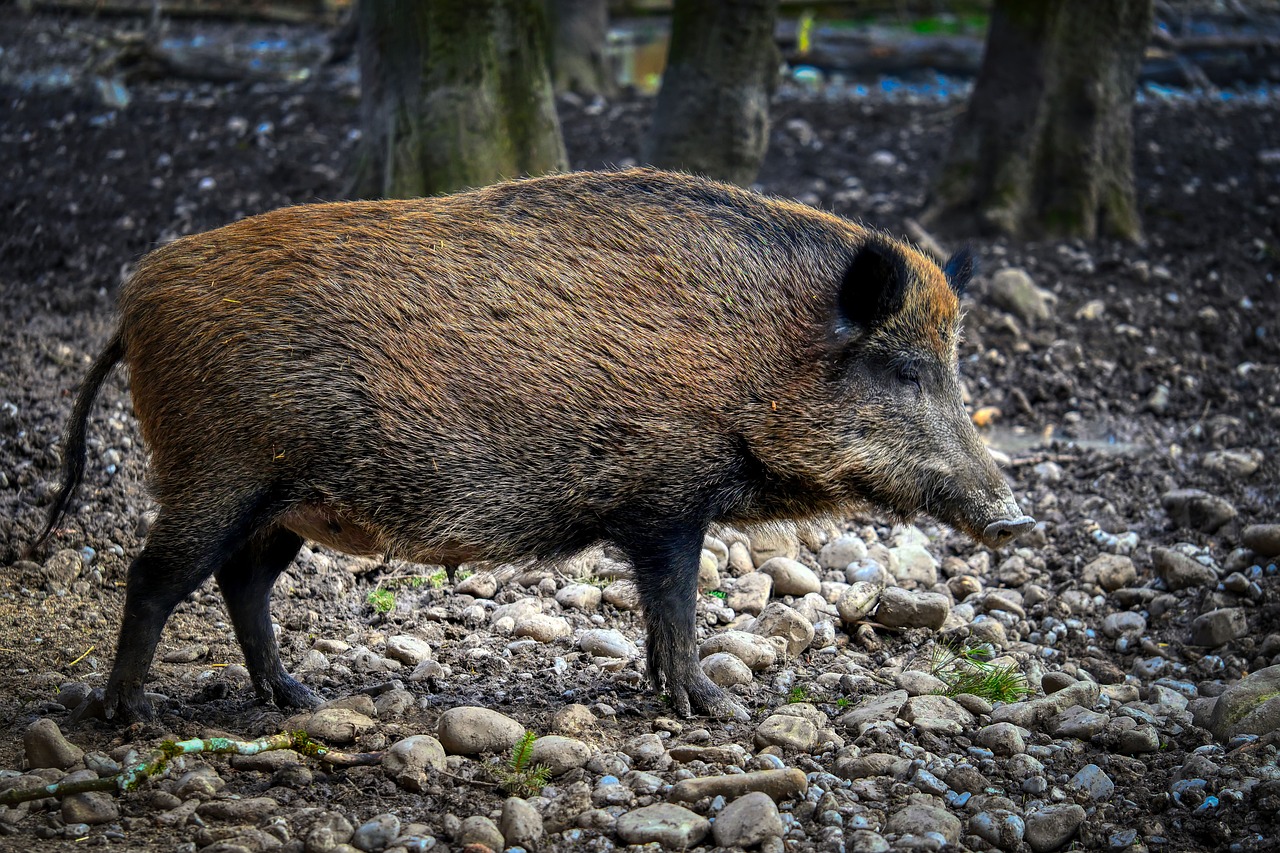
Feral hogs are no longer a regional nuisance. Across much of the United States, these fast-breeding animals are tearing up farmland, damaging habitat, and creating costly problems for landowners and wildlife managers alike. In many of the hardest-hit states, hunters are still one of the most practical ways to keep numbers from climbing even higher.
Texas

Texas is the state most people think of when feral hogs come up, and for good reason. Huge rural landscapes, mild winters, and abundant food have helped hog numbers explode across much of the state, from brush country to farm fields and river bottoms.
The damage can feel endless. Hogs root up crops, destroy fences, muddy stock tanks, and compete with native wildlife for food. Ranchers and farmers often see the problem as both an economic threat and a daily frustration.
That is why hunting remains such a central part of control efforts in Texas. It may not eliminate hogs entirely, but sustained pressure can reduce local populations and limit the destruction.
Florida

Florida’s warm climate gives feral hogs a major advantage. With few seasonal slowdowns and plenty of wetlands, woods, and agricultural land to roam, hogs have established themselves across broad swaths of the state and become a familiar problem for landowners.
They are especially troubling in sensitive habitat. Hogs can tear through native vegetation, disturb ground-nesting wildlife, and damage areas managed for conservation. In farm country, they also hit peanuts, corn, and other crops with surprising speed.
Hunters play a critical role here because hogs are adaptable and prolific. Without regular harvest pressure, populations can rebound quickly and spread into places that are already under strain.
Georgia

In Georgia, feral hogs have become a serious issue from agricultural counties to timberland and marsh-adjacent habitat. Their ability to move through different environments has helped them gain a foothold in places where farmers and wildlife managers would rather not see them.
Crop loss is one of the biggest concerns. Hogs can flatten young plants, raid fields at night, and leave behind deep ruts that make equipment work harder and land more difficult to manage.
Hunting is often treated as a practical necessity rather than a sport alone. When pressure stays consistent, it can protect vulnerable areas and keep local hog activity from reaching even more damaging levels.
South Carolina
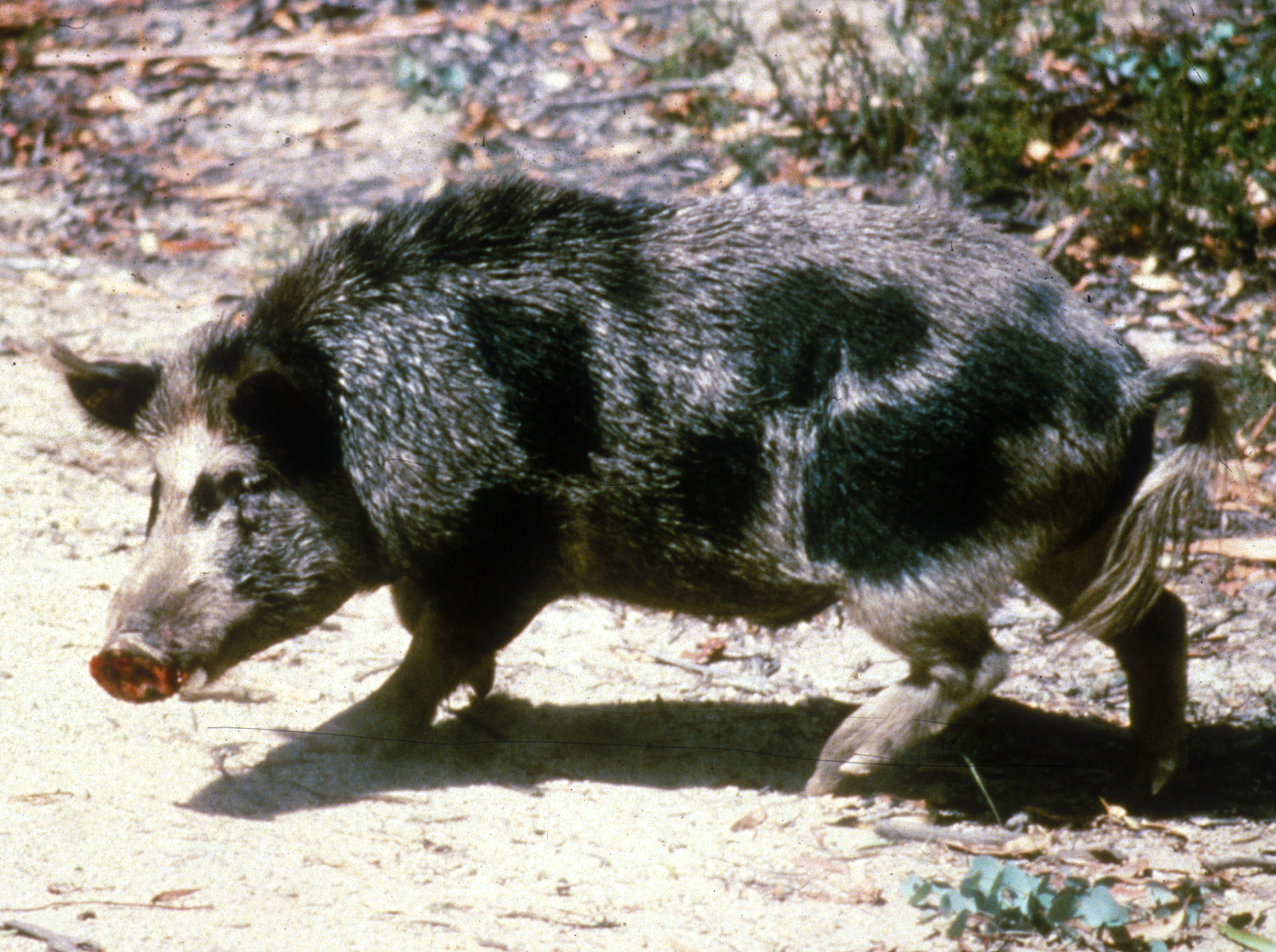
South Carolina has long dealt with feral hogs, particularly in coastal plains, agricultural zones, and river corridors where food and cover are easy to find. The state’s mix of farmland and swampy habitat creates a comfortable setting for a species that thrives on opportunity.
The damage shows up fast. Hogs root through fields, disturb wetlands, and can even threaten efforts to manage land for deer, turkey, and waterfowl. For many property owners, the problem is not occasional. It is constant.
Hunters remain one of the most immediate ways to respond. While broader management takes coordination, regular hunting can remove animals, disrupt patterns, and give stressed landscapes a little breathing room.
Louisiana

Louisiana’s marshes, forests, and agricultural lands offer feral hogs almost everything they need. Water, cover, and year-round feeding opportunities have allowed populations to hold strong in many parts of the state, making them a stubborn and expensive challenge.
Rice fields, sugarcane, and other crops can take a direct hit, but the problem goes beyond agriculture. Hogs also damage levees, tear up wet ground, and disrupt wildlife habitat in places already dealing with environmental pressure.
That is why hunters are often viewed as an essential line of defense. In terrain where hogs can disappear quickly, repeated harvest pressure is one of the few tools that can still make an immediate difference.
Mississippi

Mississippi’s delta farmland, pine country, and river systems give feral hogs room to spread and plenty of places to hide. Once established, they can be difficult to push back, especially when neighboring properties all face the same growing problem.
Farmers often deal with torn-up fields, damaged infrastructure, and lost yields. Wildlife managers also worry about the effect hogs have on habitat quality, especially when they disturb nesting areas and consume food sources meant for native species.
Hunters help by applying steady pressure where hogs are active. It is not a complete fix, but in heavily affected areas, regular harvest can slow expansion and reduce the kind of concentrated damage that piles up quickly.
Alabama

Alabama has seen feral hogs become a growing issue in both farm country and forested land. Their range has expanded over time, and their ability to reproduce quickly means even a small local population can turn into a major headache before long.
The destruction is broad and messy. Hogs root up food plots, damage row crops, foul water sources, and create erosion problems in areas that are already difficult to manage after heavy weather.
For many landowners, hunters are part of the practical answer. Persistent hunting pressure can reduce the number of animals using a property and help protect the investment people have made in crops, habitat work, and livestock operations.
Arkansas
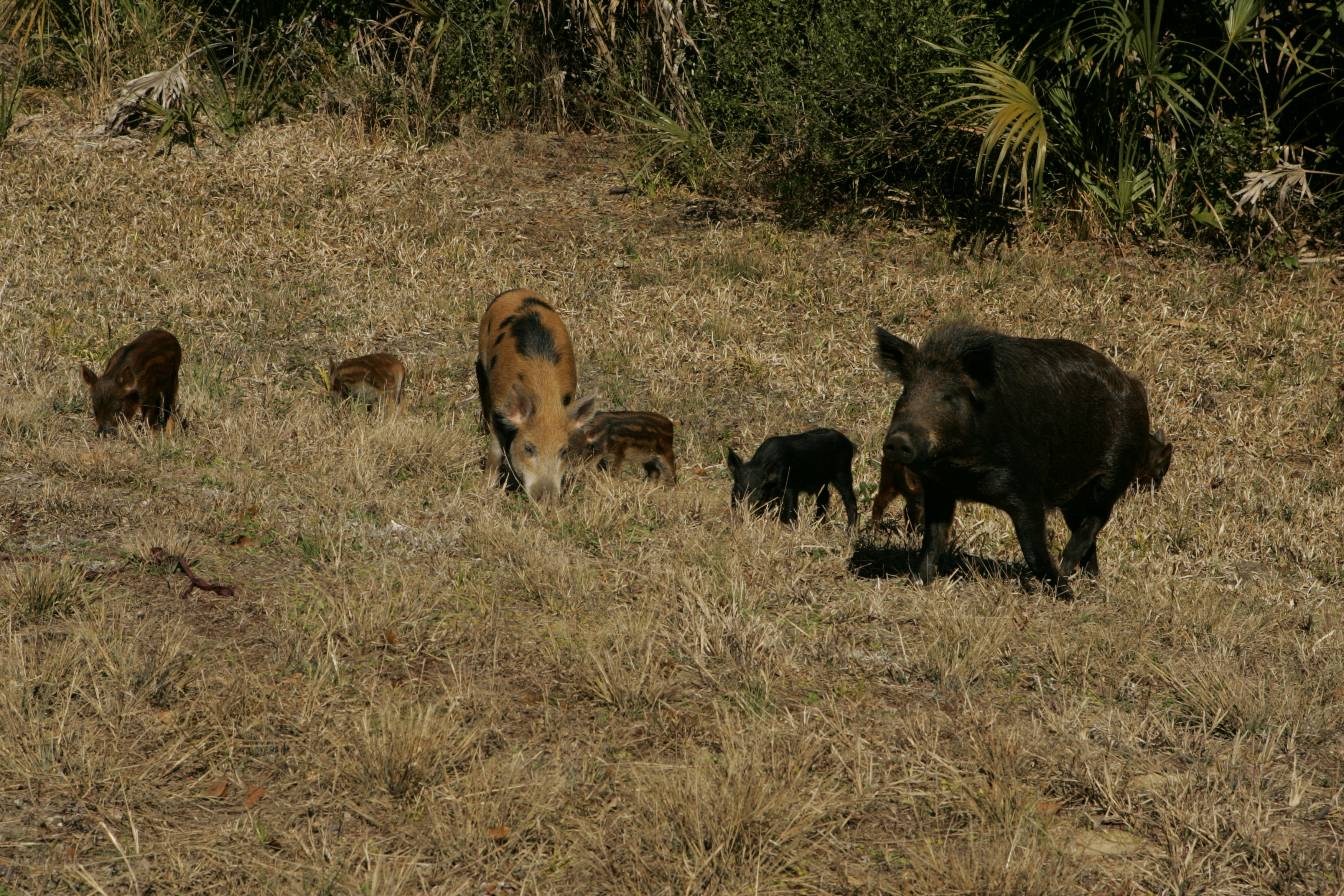
Arkansas offers feral hogs a mix of river bottoms, crop ground, and thick cover that makes control difficult. In many rural areas, hogs move between woods and fields with ease, feeding at night and vanishing into heavy vegetation by day.
That mobility creates real headaches for farmers. Corn, soybeans, and other crops can be hit hard, while levees, roads, and drainage areas may also suffer from rooting and wallowing activity.
Hunters remain an important tool because they can respond quickly when hogs show up. In places where damage escalates fast, active harvest pressure helps limit losses and keeps local populations from becoming even harder to manage.
Oklahoma

Oklahoma has watched feral hogs spread across diverse terrain, from wooded creek bottoms to open ranchland and crop fields. Their adaptability is a big part of the problem, allowing them to settle into regions that offer very different kinds of food and cover.
Landowners often report severe rooting damage, broken fences, and losses tied to crops and pasture health. Hogs can also create conflicts around livestock areas, where feed and water attract them repeatedly.
Hunting is one of the few control methods that can be applied regularly across large private landscapes. While it takes effort and coordination, skilled hunters can help suppress numbers and make heavily used areas less attractive to roaming sounders.
California

California may not be the first state that comes to mind, but feral hogs are a serious issue in parts of the state, especially in rangeland, oak woodland, and agricultural zones. The animals have adapted well to varied terrain and can be remarkably destructive where they take hold.
Vineyards, ranches, and sensitive habitat areas can all suffer. Hogs tear up soil, damage irrigation setups, and disturb native plant communities in regions where land management is already complicated by drought and fire concerns.
Hunters are often central to keeping pressure on these populations. In a state with valuable agricultural ground and fragile ecosystems, every reduction in hog numbers can matter more than many people realize.
Tennessee

Tennessee has worked for years to address feral hogs, particularly in areas where forest, farmland, and mountain terrain overlap. Hogs can move through remote cover efficiently, which makes detection and control more difficult than many people expect.
Their impact reaches beyond simple crop damage. Hogs disturb streambanks, tear up wildlife openings, and can complicate efforts to manage habitat for game and non-game species alike. Once they gain a foothold, they are hard to ignore.
Hunters remain part of the ongoing response because immediate removal still matters. When populations are pressured consistently, the spread can be slowed and some of the worst local damage can be reduced before it grows.
North Carolina

North Carolina’s coastal plain, swamps, and agricultural regions have all dealt with feral hog pressure. The animals do especially well where dense cover meets crop ground, giving them a reliable mix of shelter and easy feeding.
For farmers, the consequences can be immediate and expensive. Hogs root through fields, damage young plants, and leave behind rough ground that can complicate planting and harvest work. They also put pressure on wildlife habitat in wet, low-lying areas.
Hunters are often the fastest response available when hogs move onto a property. Sustained harvest does not solve everything, but it remains one of the most direct ways to cut numbers and reduce repeated damage.